Hi Friends!
We offer PICK UP or LOCAL DELIVERY only (NO SHIPPING).
Thank you!
Thursday–Sunday, 10am–4pm | 941-322-1915
We offer PICK UP or LOCAL DELIVERY only (NO SHIPPING).
Thank you!
Thursday–Sunday, 10am–4pm | 941-322-1915
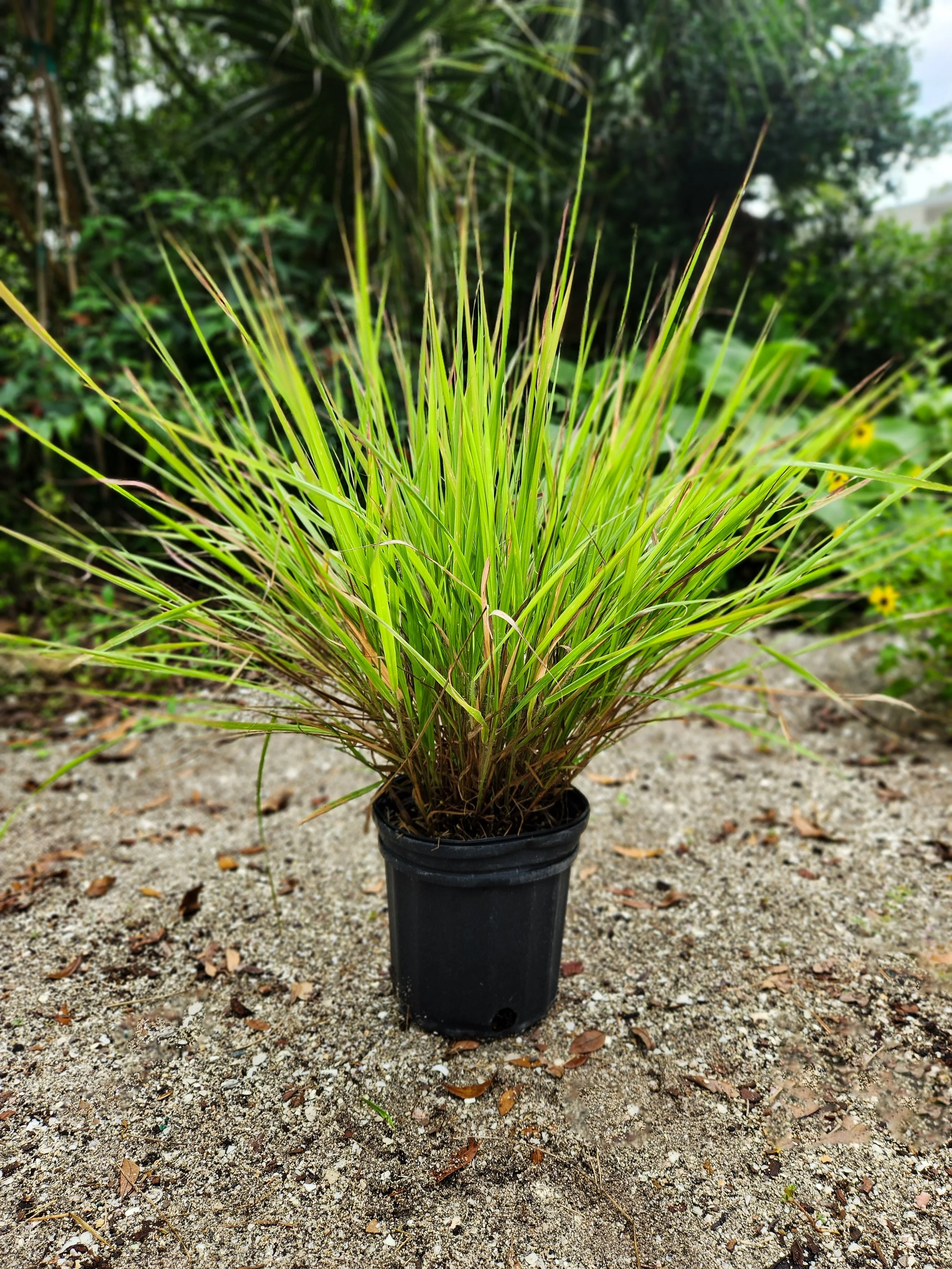
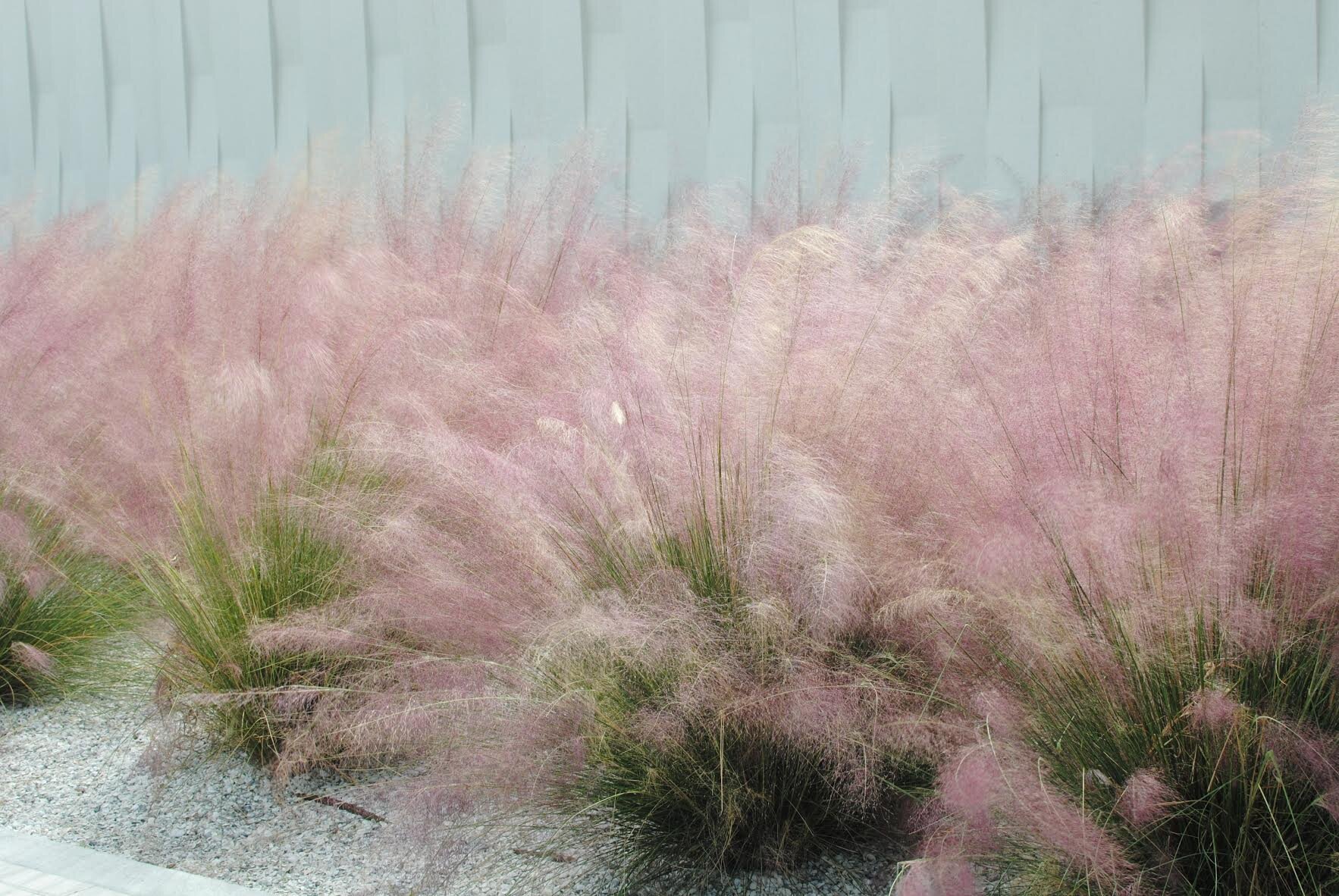
Eragrostis spectabilis
Purple Lovegrass is a warm-season bunchgrass native to eastern and central North America that forms low, mounding clumps 1’-2’ tall and wide. This drought-tolerant species features flat, blue-green basal leaves topped by airy, delicate flower panicles that create a stunning purple-pink haze above the foliage in late summer. Extremely hardy and well-suited for hot, dry conditions, it thrives in sandy or gravelly soils, where few other plants can survive, and spreads slowly by short rhizomes and self-seeding. Found naturally in abandoned fields, roadsides, dry prairies, and upland savannas from Maine to Florida, it serves as an excellent ornamental grass for xeriscaping and naturalized plantings, providing late-season color and texture to challenging sites.
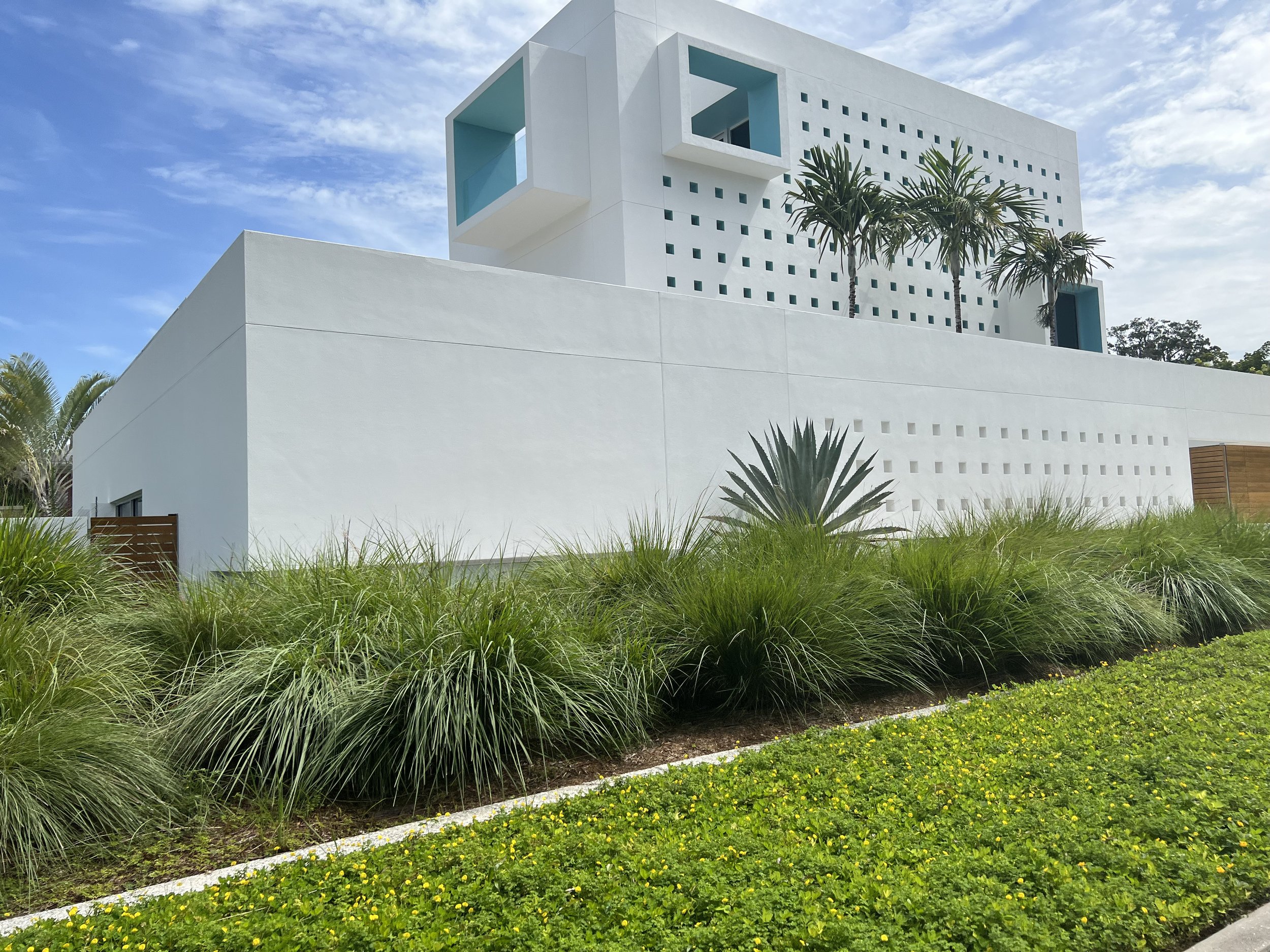
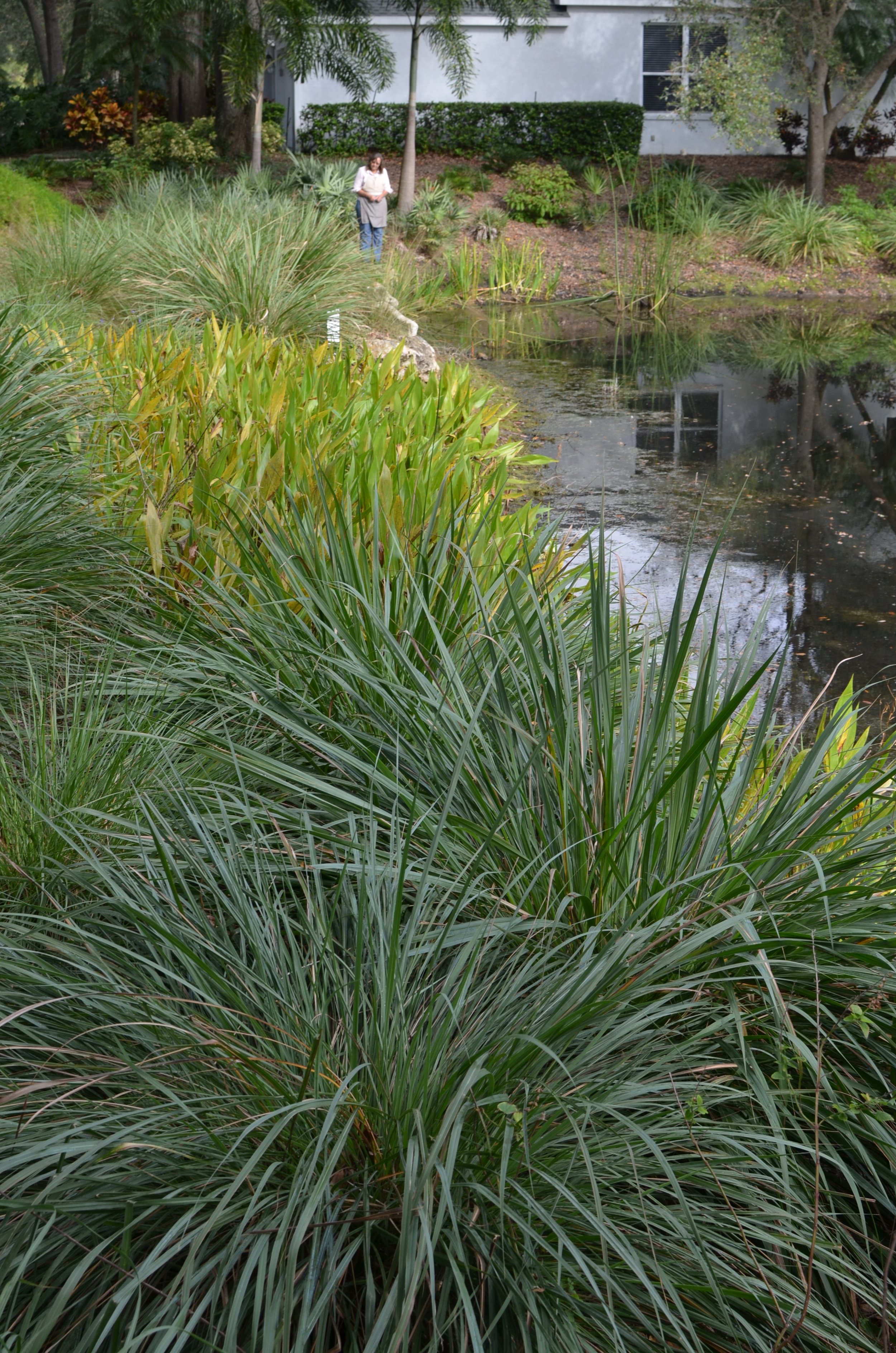
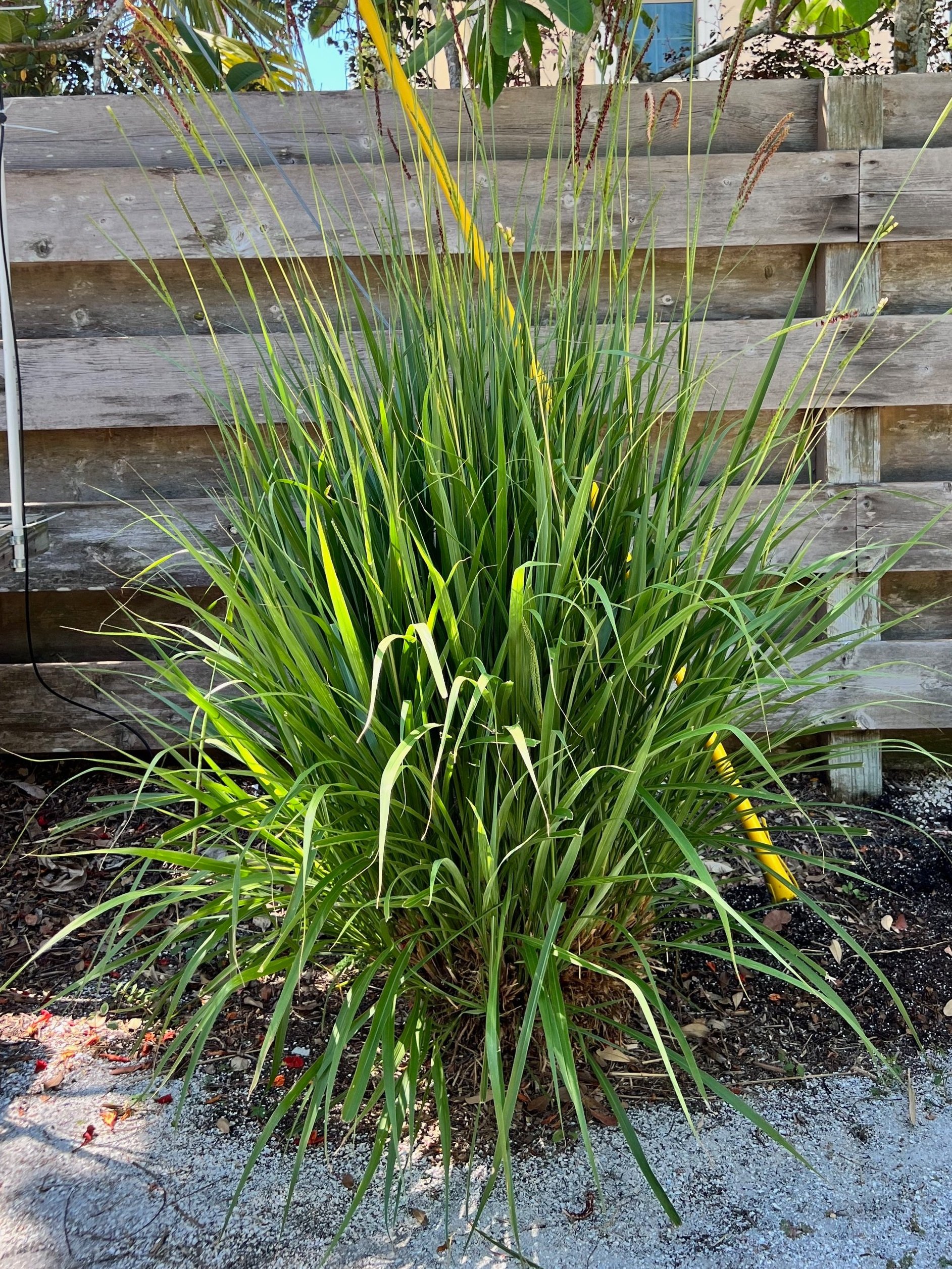
Tripsacum floridana
Dwarf Fakahatchee Grass is a Florida-native ornamental grass with dense, clumping foliage that can reach 2’-3’. It does well in full sun to partial shade with average to moist soil. Perfect for rain gardens, borders, and erosion control, this grass produces graceful, spiky foliage and unique, showy flower spikes. The foliage provides shelter for birds and small mammals, the seeds are a food source for many birds, and the foliage is a larval host for several Skipper butterflies.
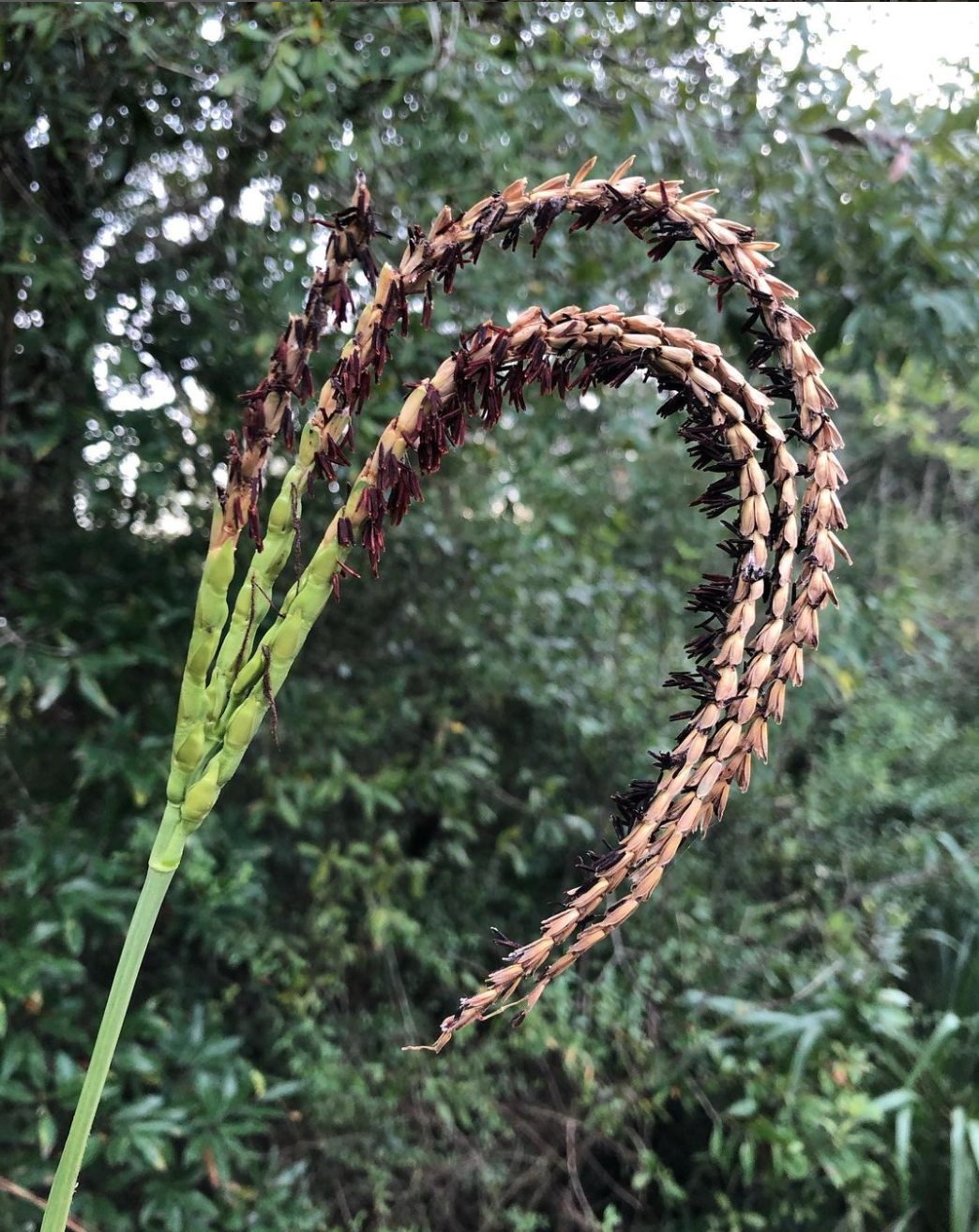
Tripsacum dactyloides
Fakahatchee Grass is a large Florida-native ornamental grass with dense, clumping foliage that can reach 4’-6’. It does well in full sun to partial shade with average to moist soil. Perfect for rain gardens, borders, and erosion control, this grass produces graceful, spiky foliage and unique, showy flower spikes. The foliage provides shelter for birds and small mammals, the seeds are a food source for many birds, and the foliage is a larval host for several Skipper butterflies.


Native, perennial, weeping and thick clumping grass. Full sun to light shade, average soil, 4'. Moderately salt-tolerant, can usually spread by self-sown seeds. Attractive foliage year-round, but showiest in the fall with purple/pink flowering plumes. Combines well with wildflowers.
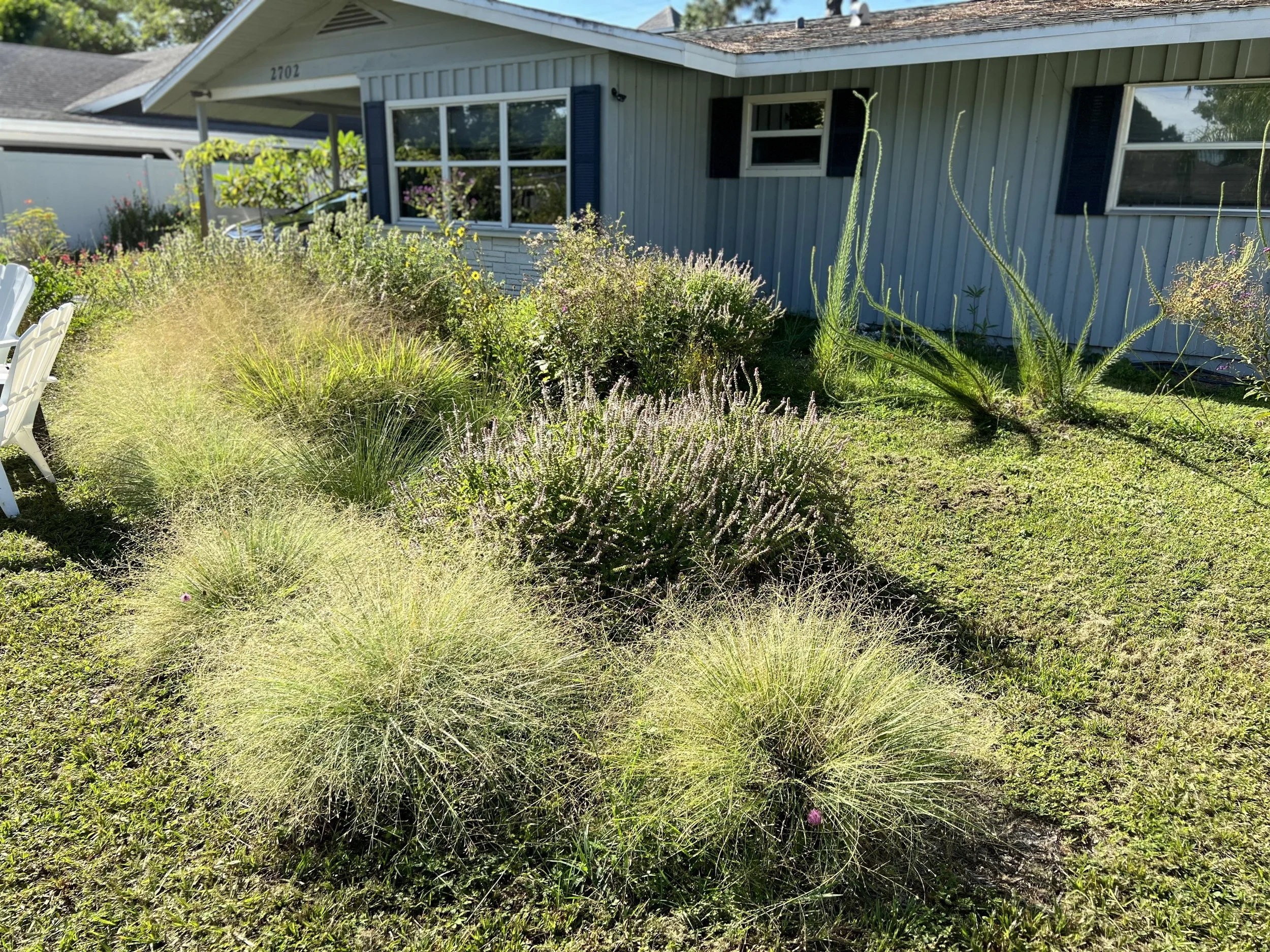
Eragrostis elliotti
Elliott's Lovegrass is a native perennial bunchgrass. This delicate species produces silvery blue-green foliage topped by airy panicles of tiny beige to pinkish flowers that create a billowy, cloud-like appearance when in bloom from late summer through fall. It demonstrates remarkable tolerance to both drought and periodic flooding with fresh water and salt-wind spray. This re-seeding and adaptable grass thrives in sandy, low-nutrient soils and provides excellent texture and late-season interest for naturalized plantings.

Cymbopogon citratus
Lemongrass is a non-native, Florida-friendly, perennial edible grass that grows 3’-4’ tall and 2’-3’ wide. They require full sun and rich, well-draining, loamy, clay, or sandy soil. When crushed, their leaves give off a lovely citrusy scent, and their lower stalks can be used to flavor soups, curries, and teas. As large clumping grass, they also make great border plants for folks who want to add some texture to their landscape.
Spartina bakeri
Sand Cordgrass is a native clumping grass that grows 3’-5’ tall and 3’-4’ wide. They grow best in full sun to partial shade and moist to wet soils, but they are highly adaptable to drought once they are established. They are tolerant of salt wind, spray, and occasional flooding, and they provide food and cover for native birds and small mammals.

Spartina patens
Saltmeadow Cordgrass is a perennial grass native to Florida's coasts that grows up to 3 feet tall in salt marshes and brackish wetlands. This hardy species features slender, wiry stems and narrow leaves that often form distinctive whorled patterns, creating dense clumps in the high marsh zone above the high-tide line. Highly valuable for Florida wildlife, it provides critical nesting habitat for saltmarsh sparrows, red-winged blackbirds, and boat-tailed grackles, while the seeds feed various shorebirds and waterfowl including mallards and pintails. The dense grass also offers protective cover for diamondback terrapins, marsh rabbits, and juvenile fish during high tide, while serving as foraging areas for great blue herons and snowy egrets. This salt-tolerant native grass plays a vital ecological role in Florida's coastal marsh systems, supporting both resident and migratory species.
No results match your search. Try removing a few filters.