Hi Friends!
We offer PICK UP or LOCAL DELIVERY only (NO SHIPPING).
Thank you!
Thursday–Sunday, 10am–4pm | 941-322-1915
We offer PICK UP or LOCAL DELIVERY only (NO SHIPPING).
Thank you!
Thursday–Sunday, 10am–4pm | 941-322-1915
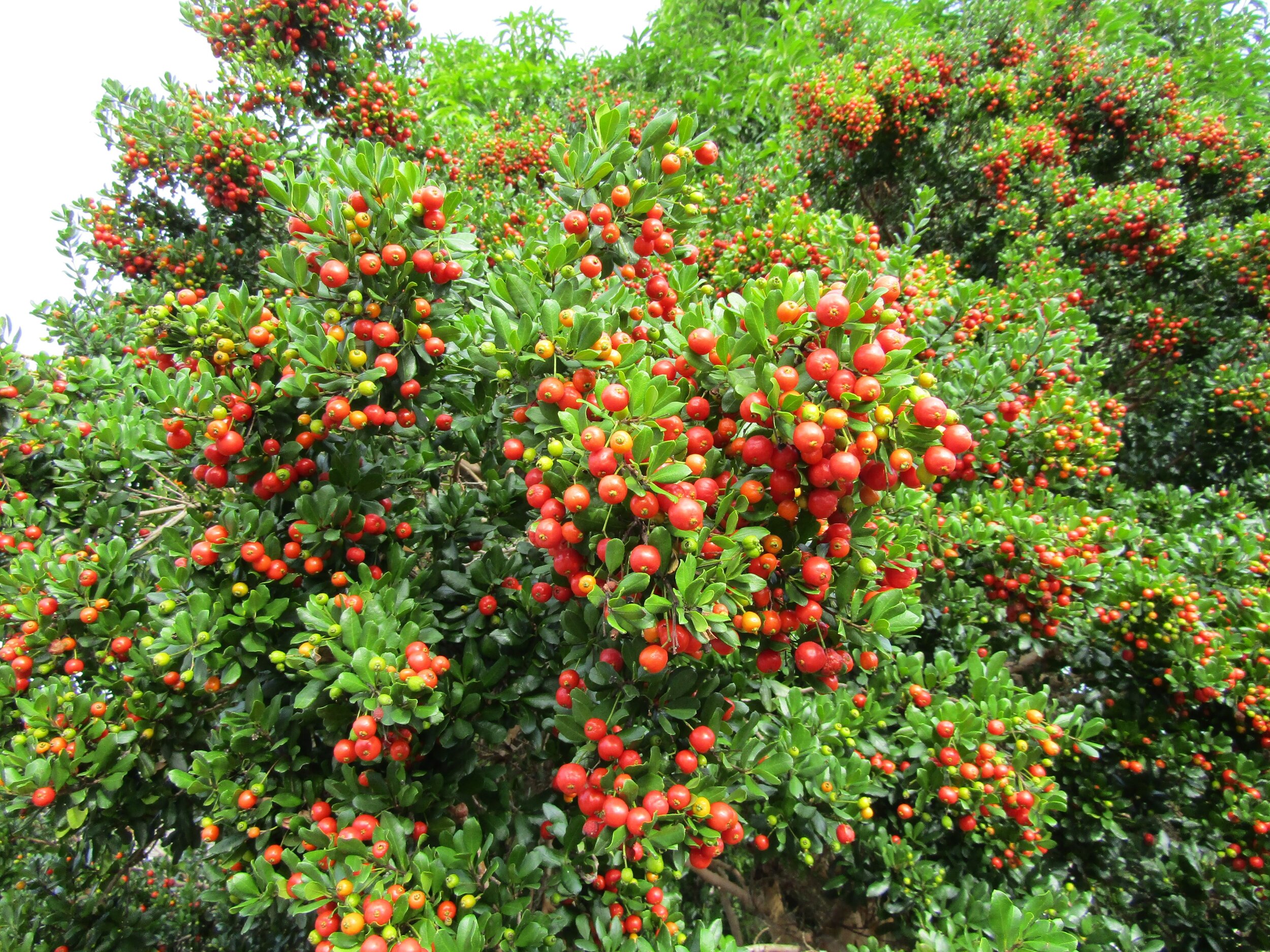

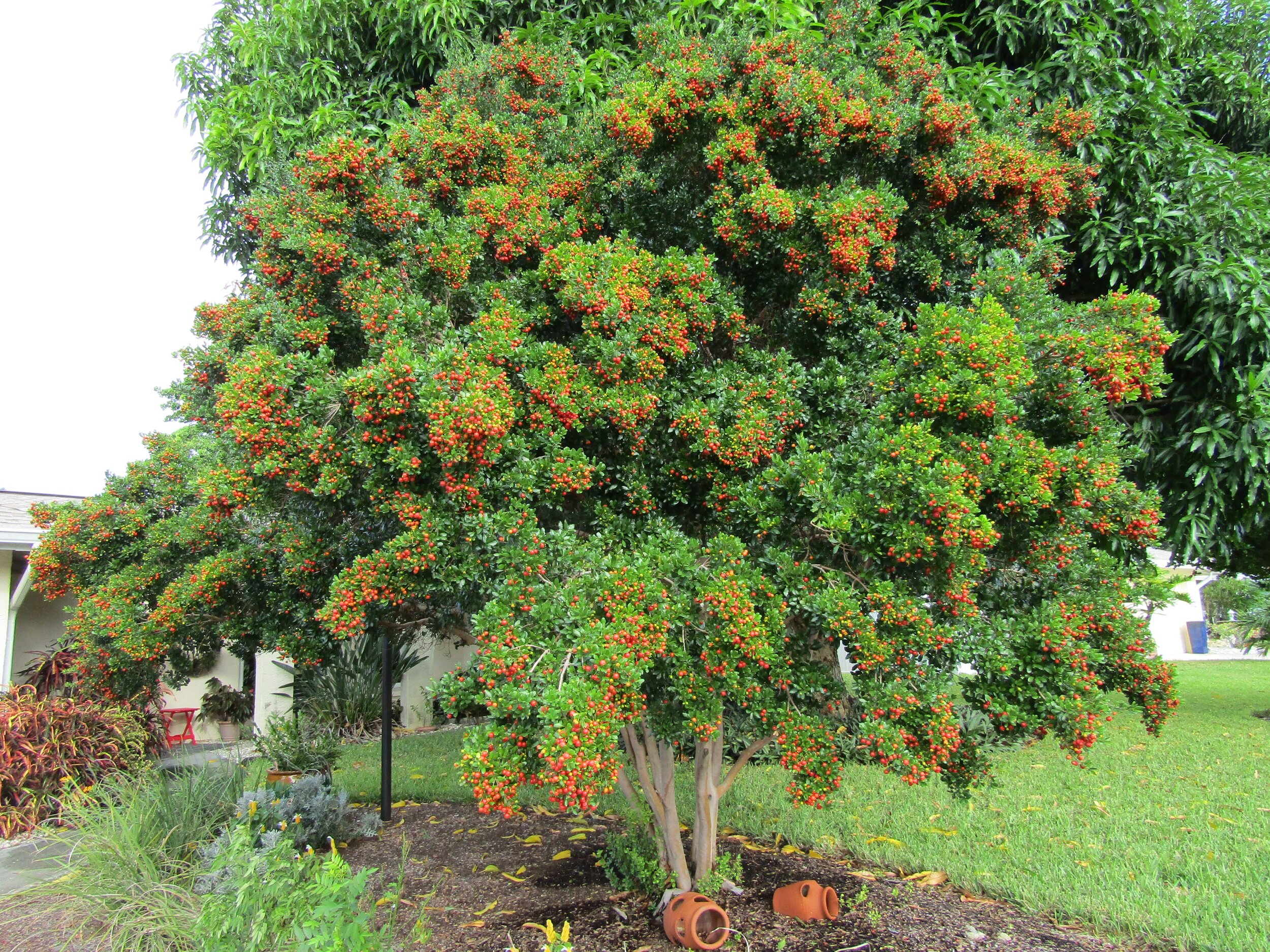
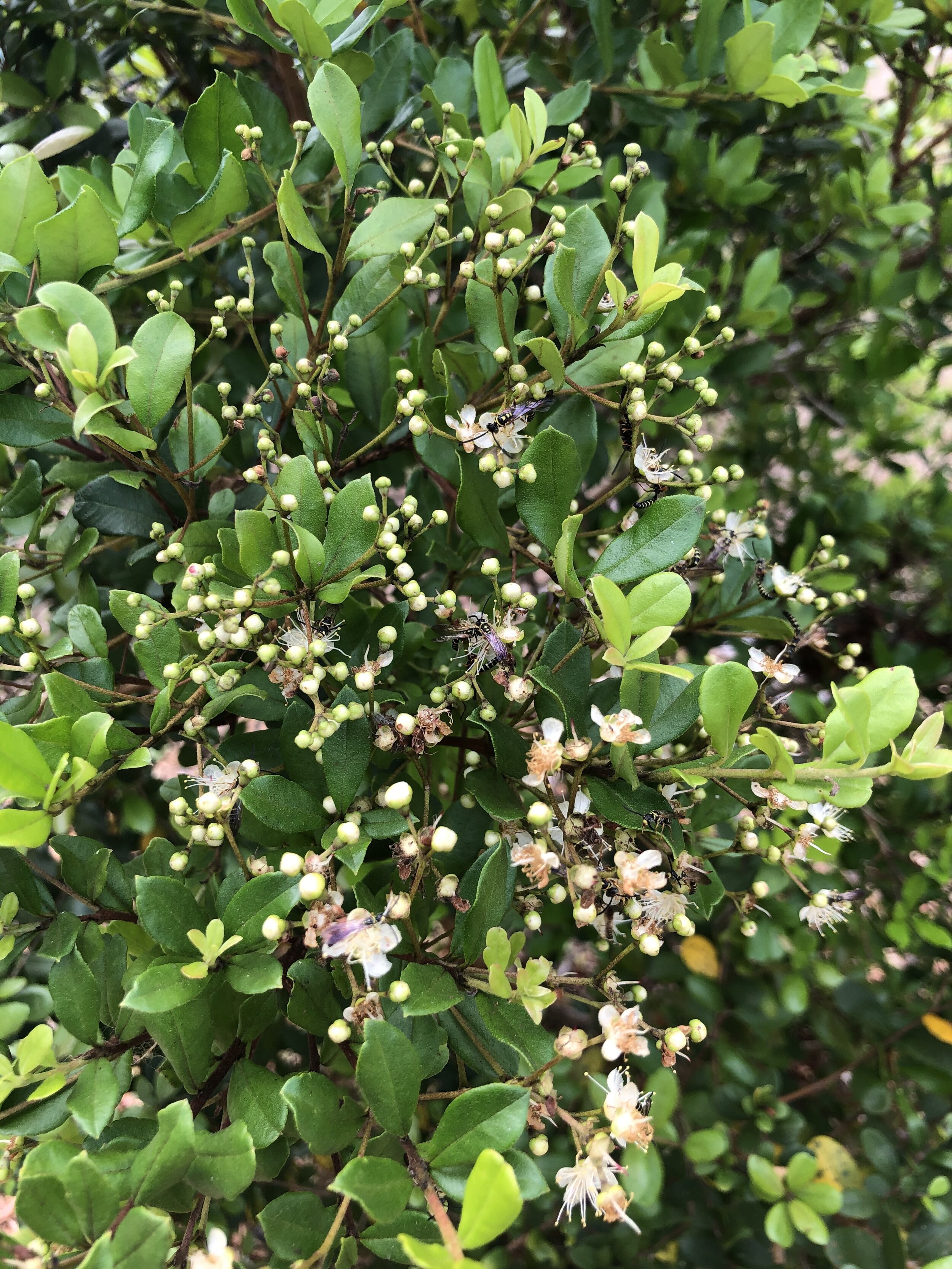
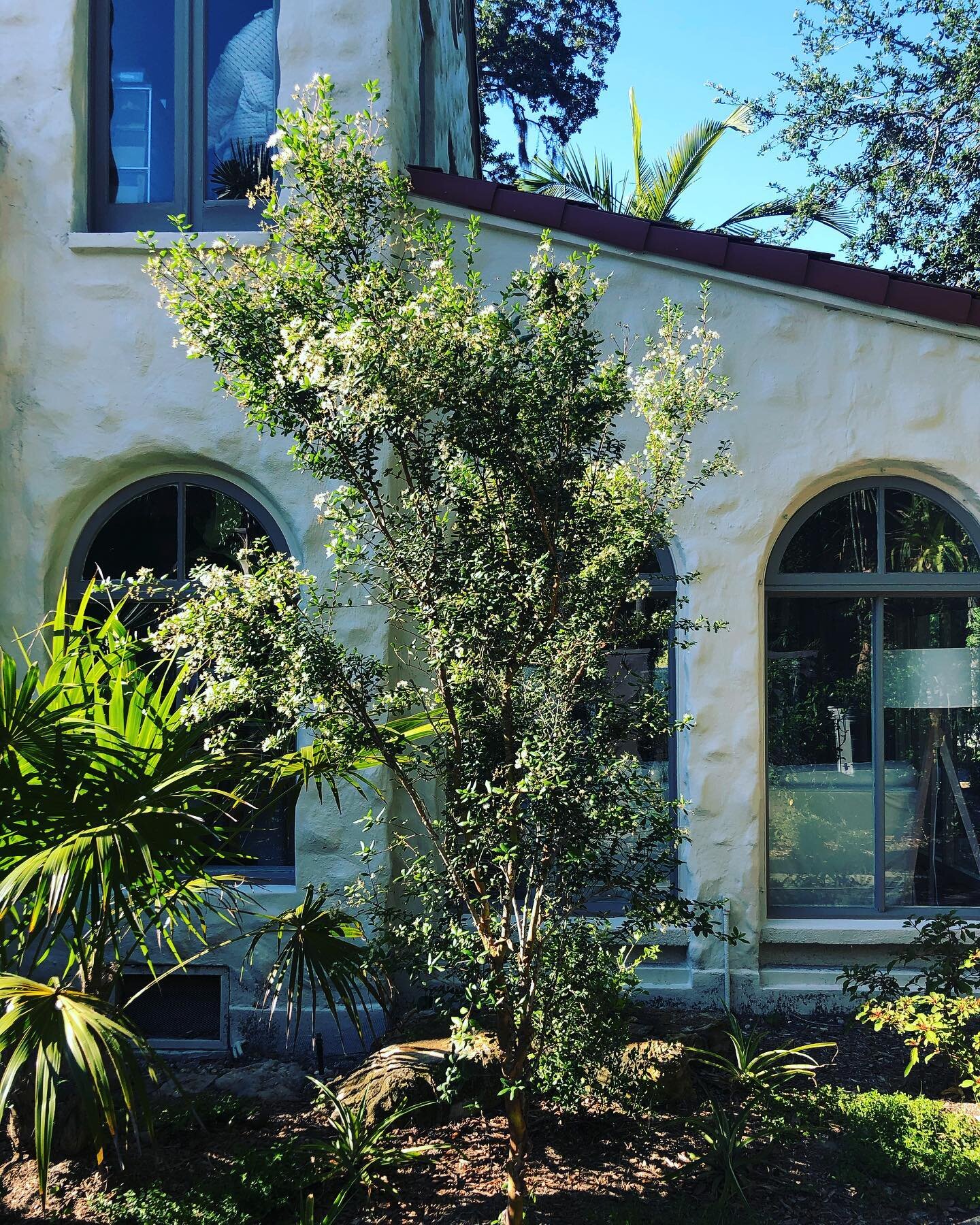
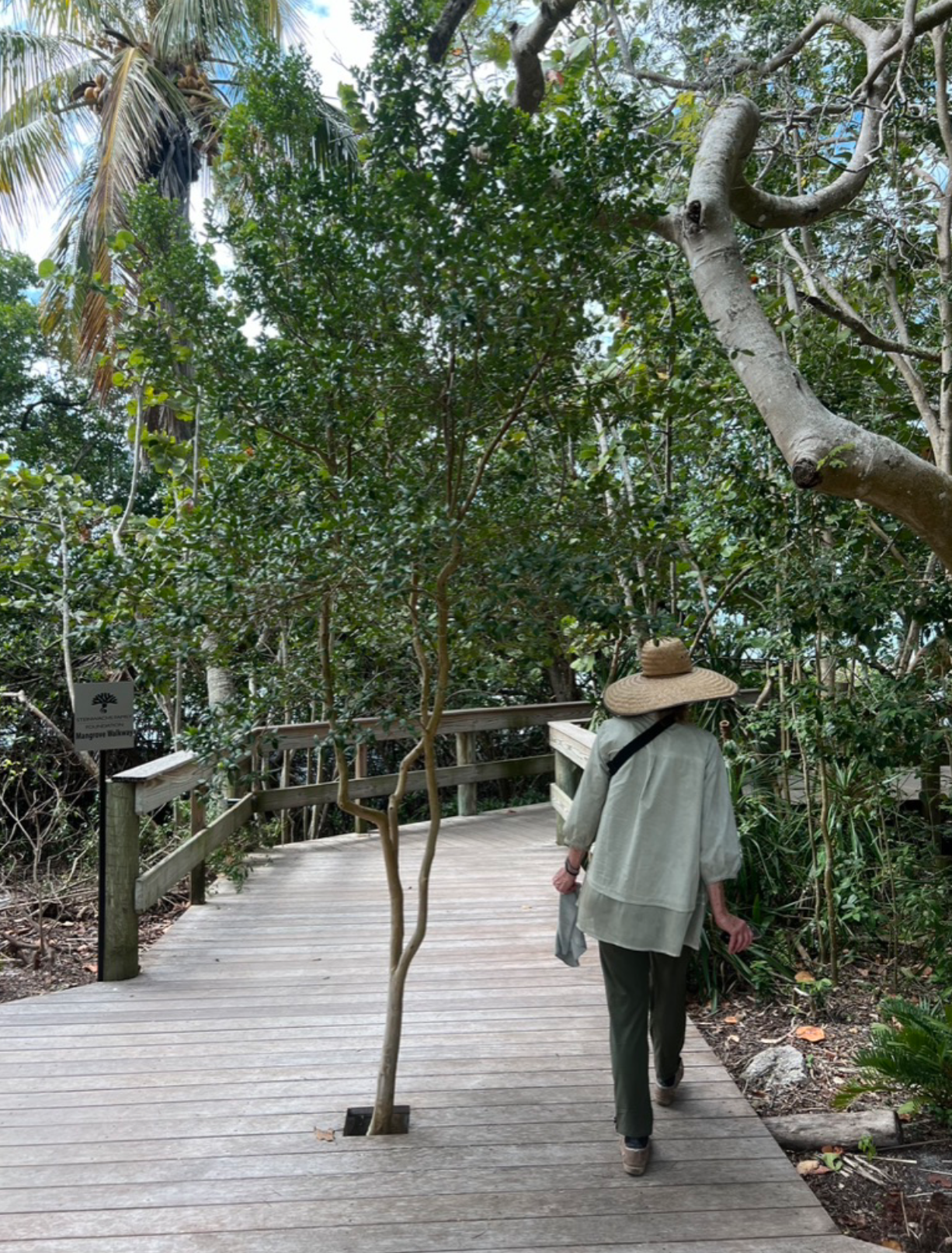
Myrcianthes fragrans
Simpson's Stopper is an evergreen shrub or small tree native to Florida and the Caribbean that grows 5’-20’ tall with glossy, dark green leaves. The new growth emerges in attractive colors ranging from pale chartreuse to deep wine red, and the leaves emit a spicy, nutmeg-like fragrance when crushed. In spring, it produces clusters of fragrant white flowers followed by orange to red berries that attract birds including cardinals, blue jays, and mockingbirds. The plant features distinctive exfoliating bark that flakes off to reveal reddish-brown underneath, providing year-round visual interest. Extremely versatile and low-maintenance, it thrives in full sun to partial shade, tolerates salt, drought, and poor drainage, and can be used as a hedge, specimen tree, or even container plant in zones 8b-11.
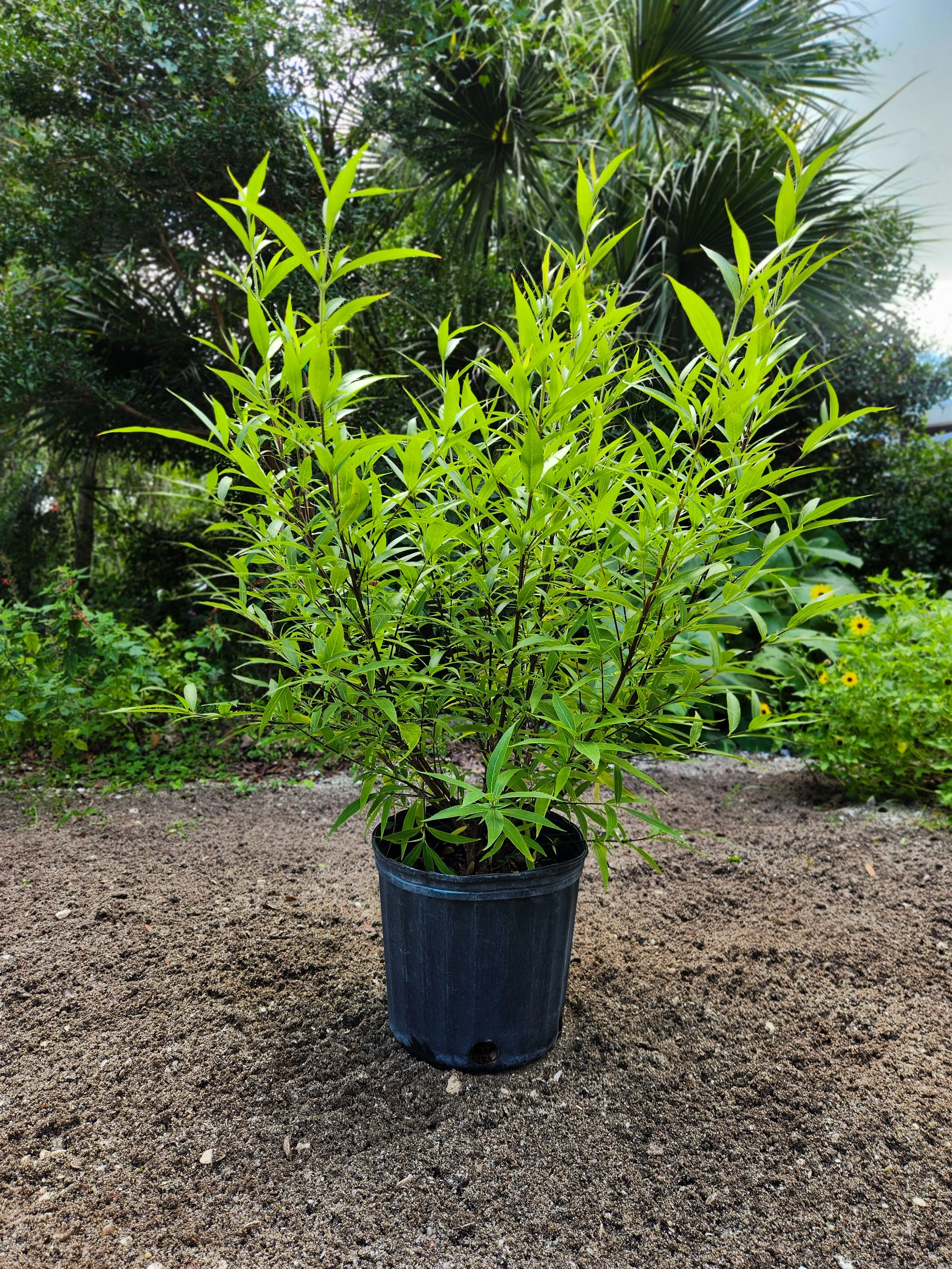
Roneletia leucophylla
Panama Rose is a Florida-friendly, flowering, evergreen shrub, aka “Bush Penta”. They reach heights of 3’-6’, but they are easy to keep at 3’. These plants thrive in full sun to part shade, and do well in average soil. Drought tolerant once established. They have fragrant, bright pink flowers that bloom year-round, and are a butterfly favorite! They attract hummingbirds, butterflies, and other pollinators.
Suriana maritima
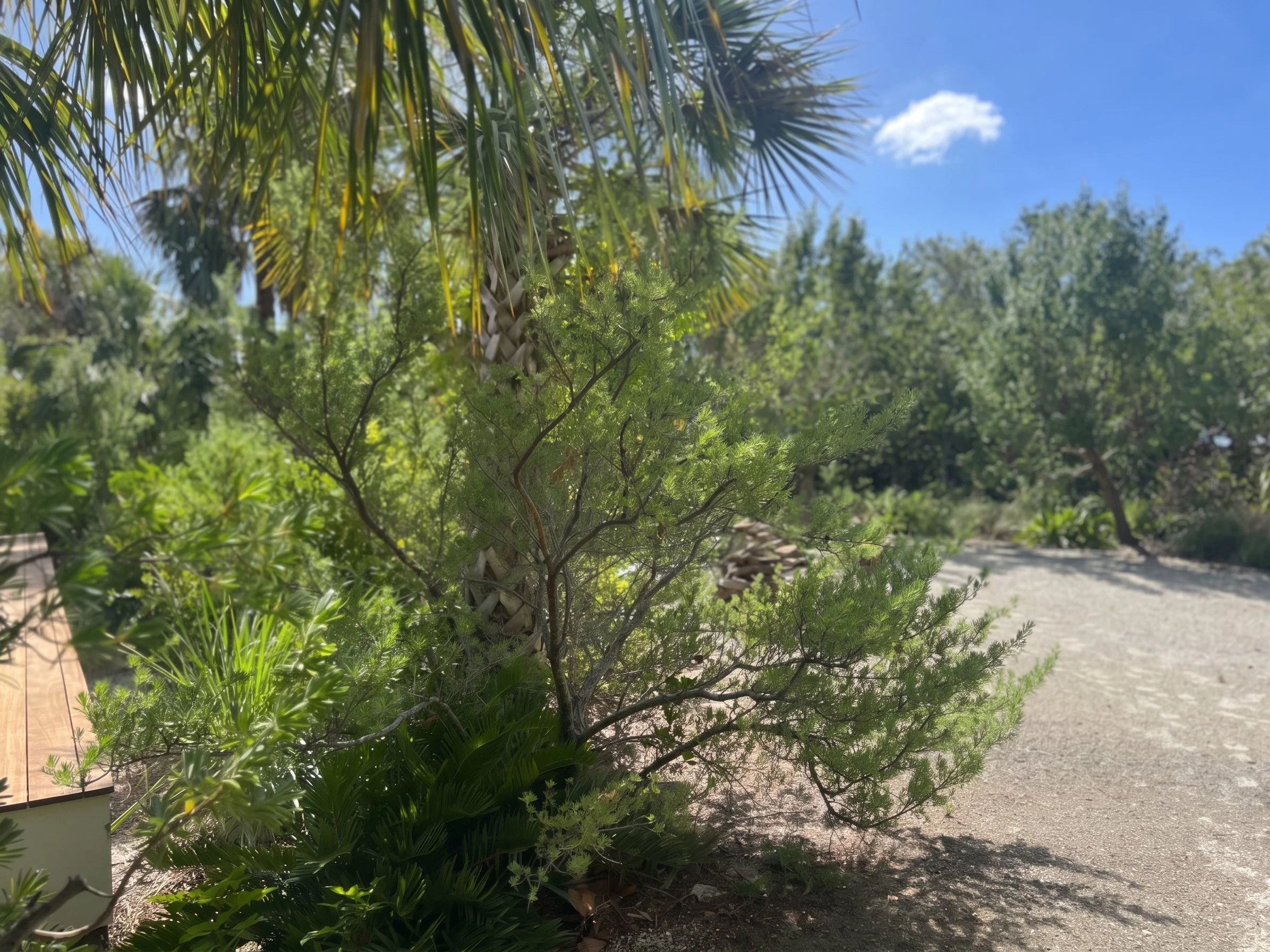
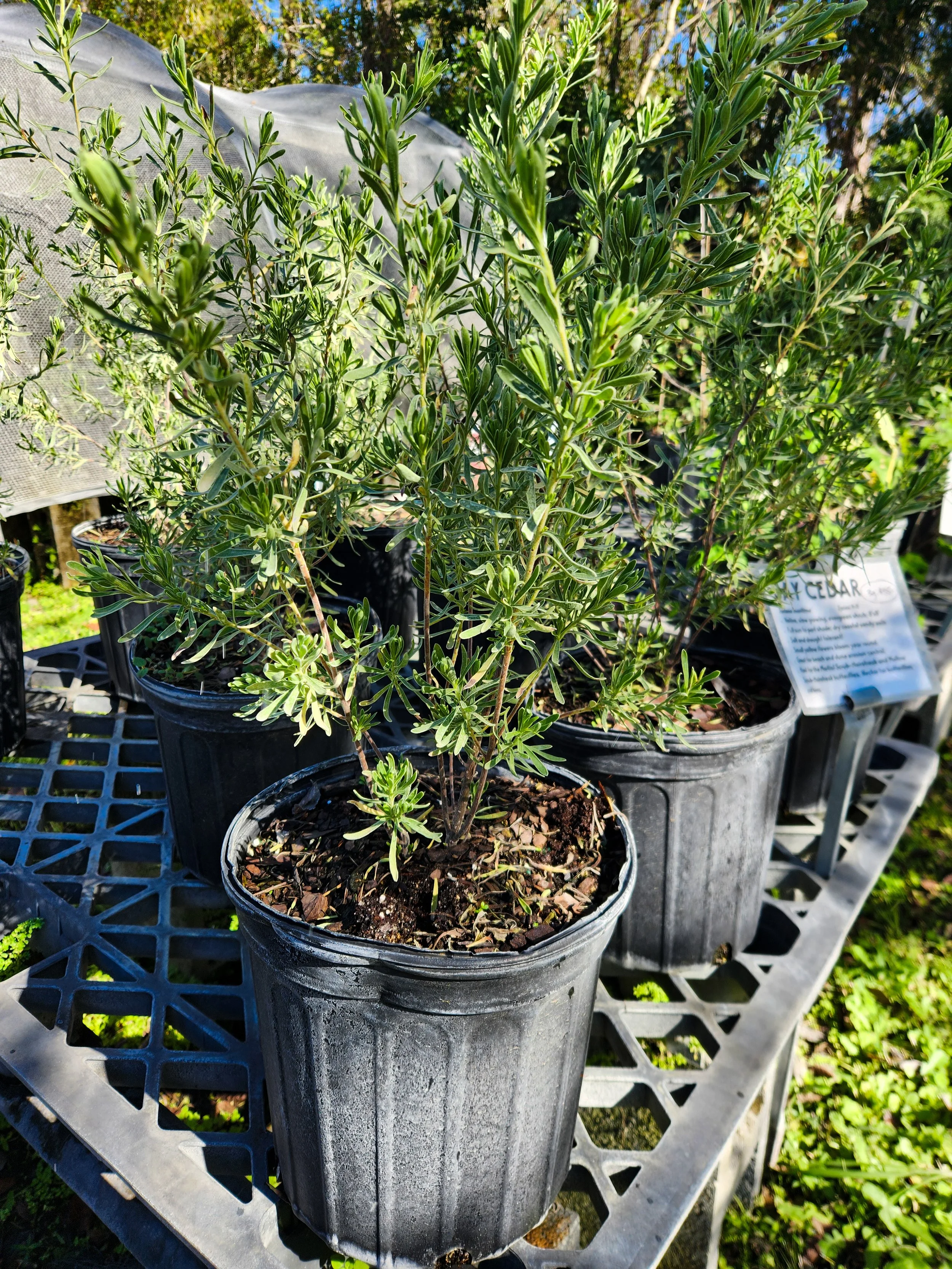
Bay Cedar is a slower growing, native, evergreen coastal shrub that is naturally found on sand dunes and beaches. This hurricane resistant shrub can weather storm surges, and is salt spray and drought tolerant! The Bay Cedar is excellent for erosion control of dunes and beaches. Small yellow flowers bloom year round and attract pollinators, and it is a host plant for certain hairstreak butterflies.
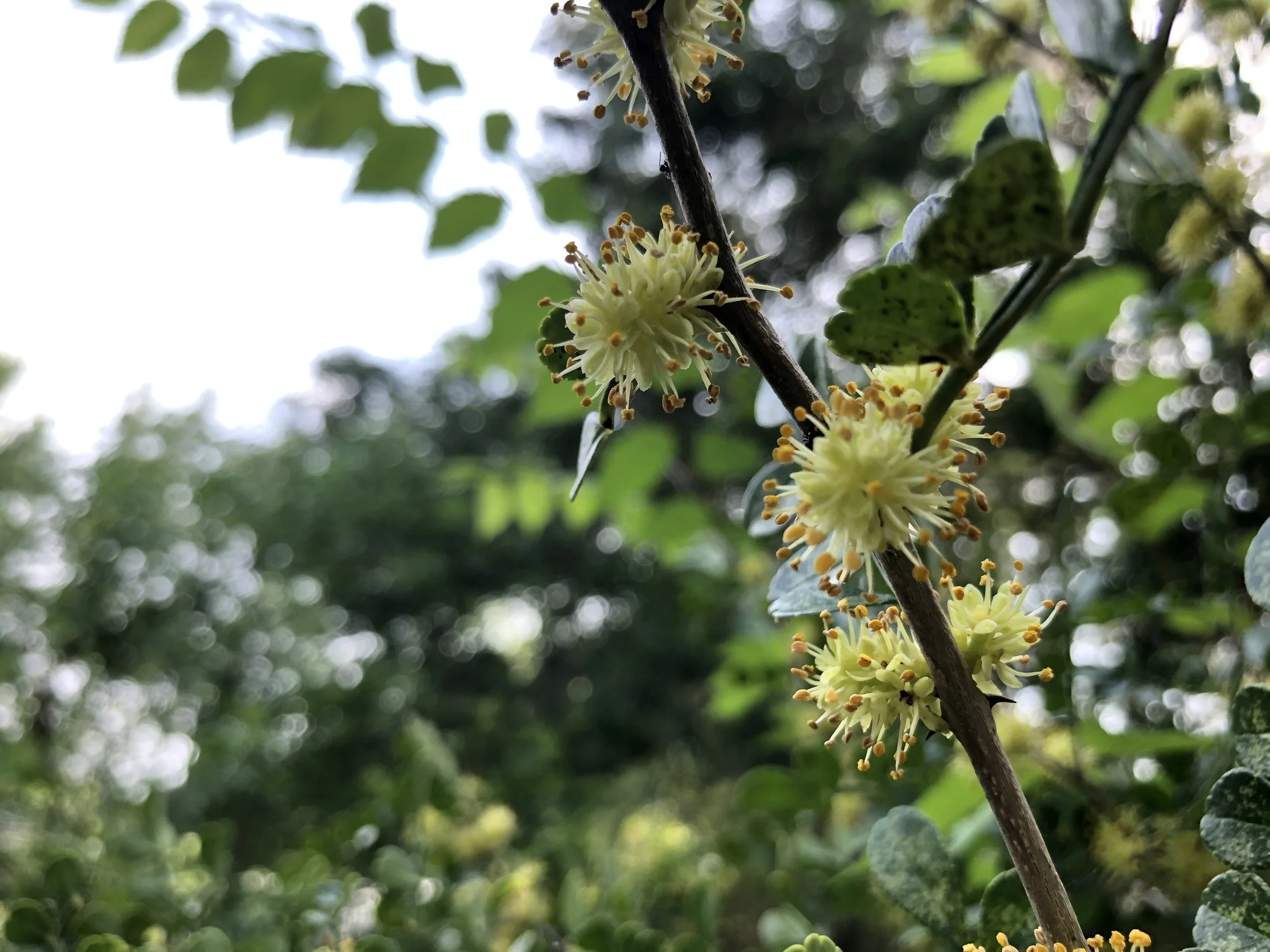
Zanthoxylum fagara
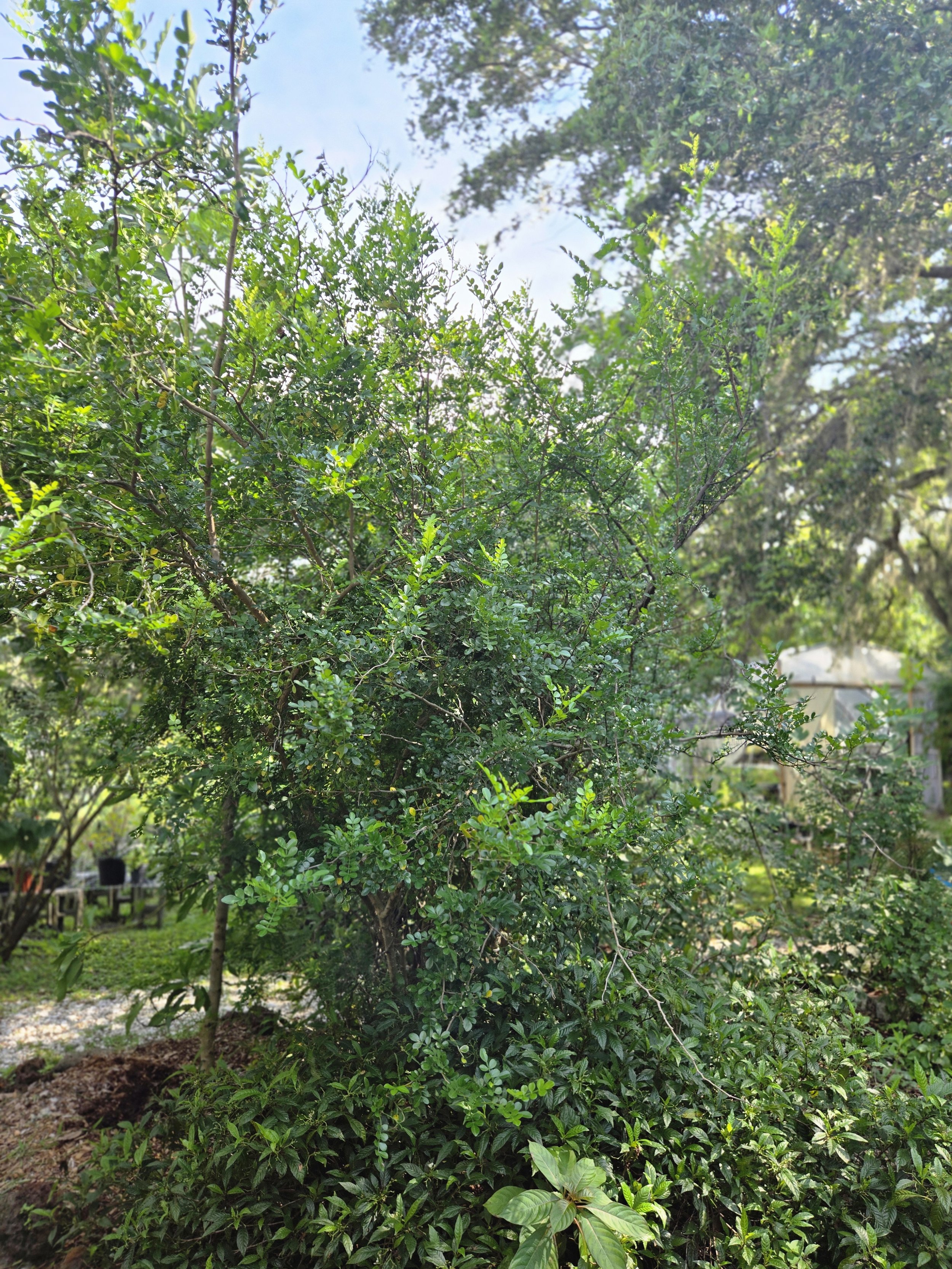
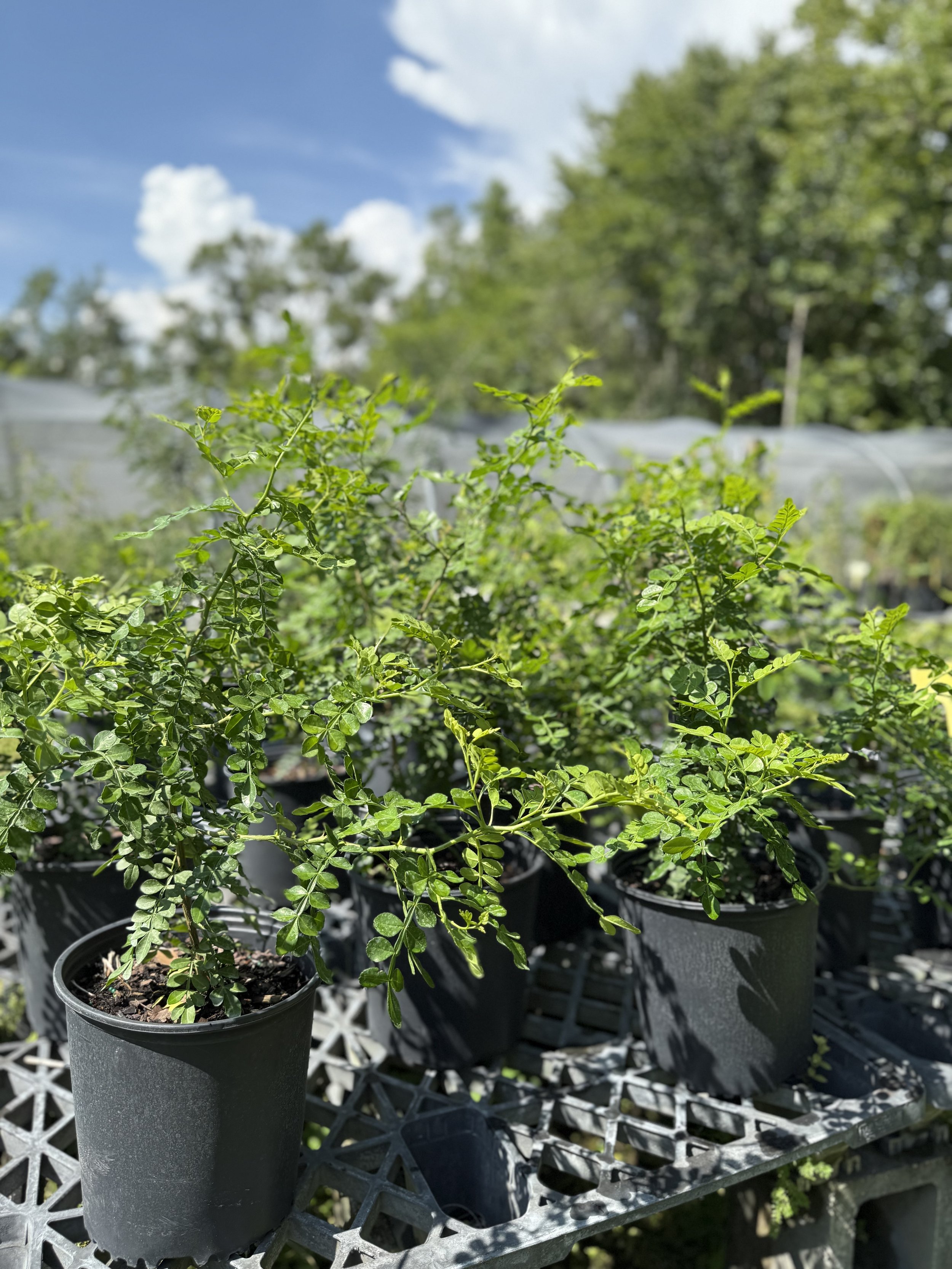
Wild Lime is a native evergreen shrub or small tree native to southern Florida and the Florida Keys that grows up to 23 feet tall with a spreading, often multi-trunked form. This member of the citrus family features compound leaves with distinctly winged leaf stems and 7-11 rounded leaflets that emit a strong lime fragrance when crushed. The trunk and branches are armed with sharp spines, and it produces small, greenish-yellow flowers in dense clusters followed by brown seed capsules containing black seeds. Thriving in hammocks and woodland edges, it serves as a larval host plant for giant swallowtail butterflies and provides cover and food for various wildlife species. With its dense, thorny foliage, it makes an excellent natural barrier or privacy screen for central and south Florida landscapes.
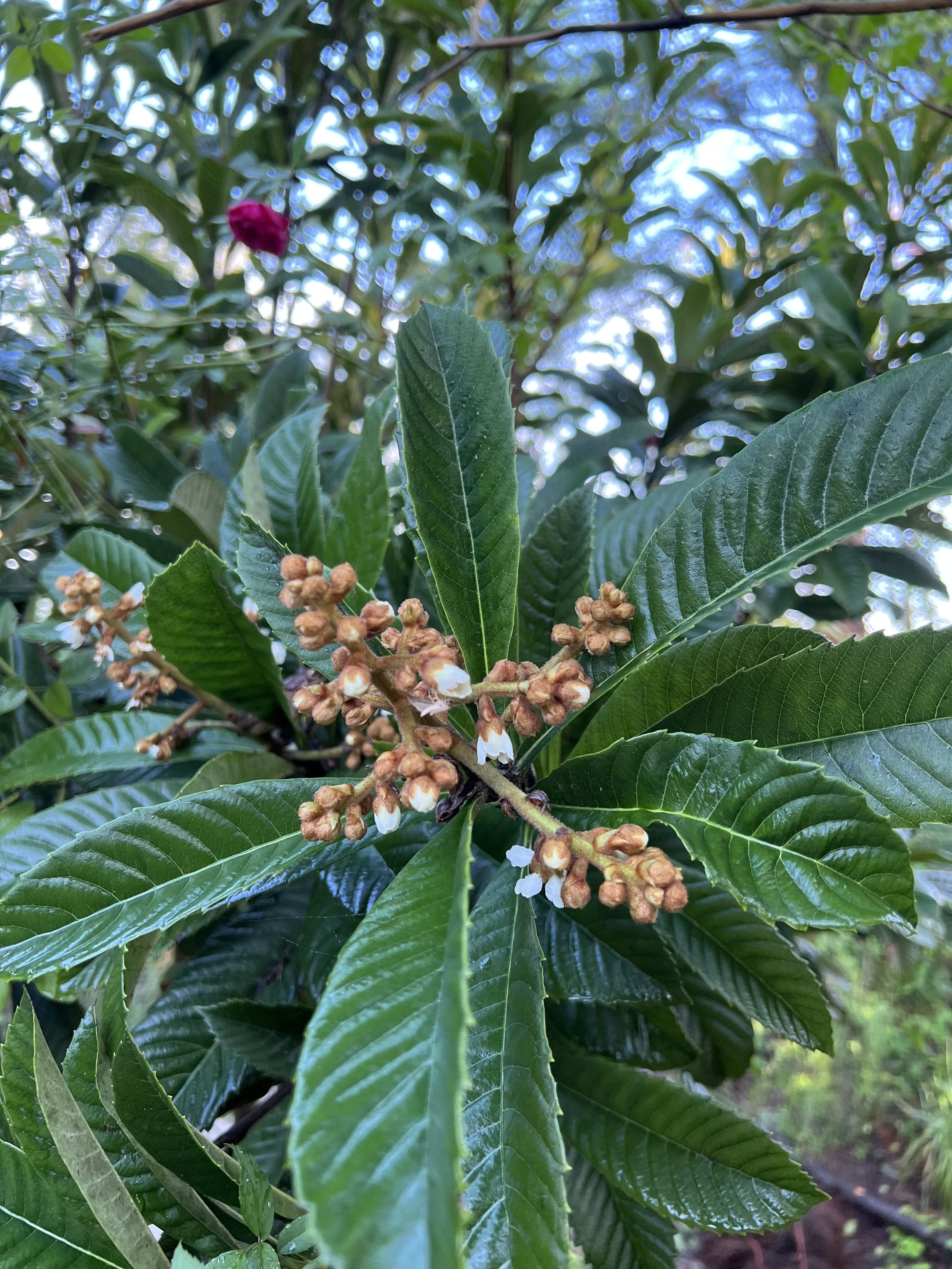
Eriobotrya japonica
Loquat is a non-native, Florida-friendly, evergreen fruiting tree that grows 15’-25’ tall. They grow best in full sun to partial shade, with average, well-draining sandy, clay, or loamy soil. Their flowers are highly attractive to butterflies and other pollinators, and their apricot-like fruit can be enjoyed by humans and wildlife alike.
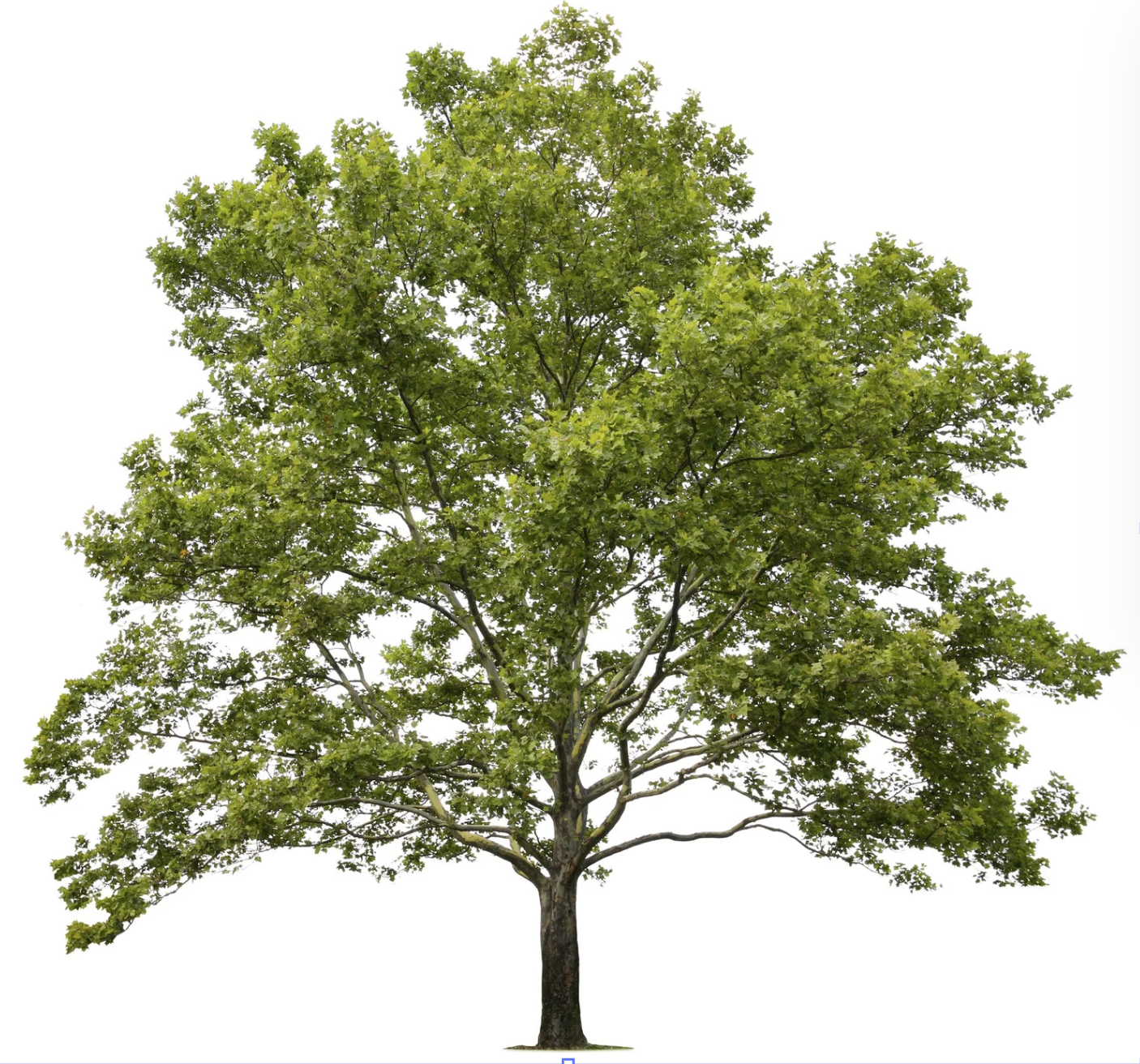
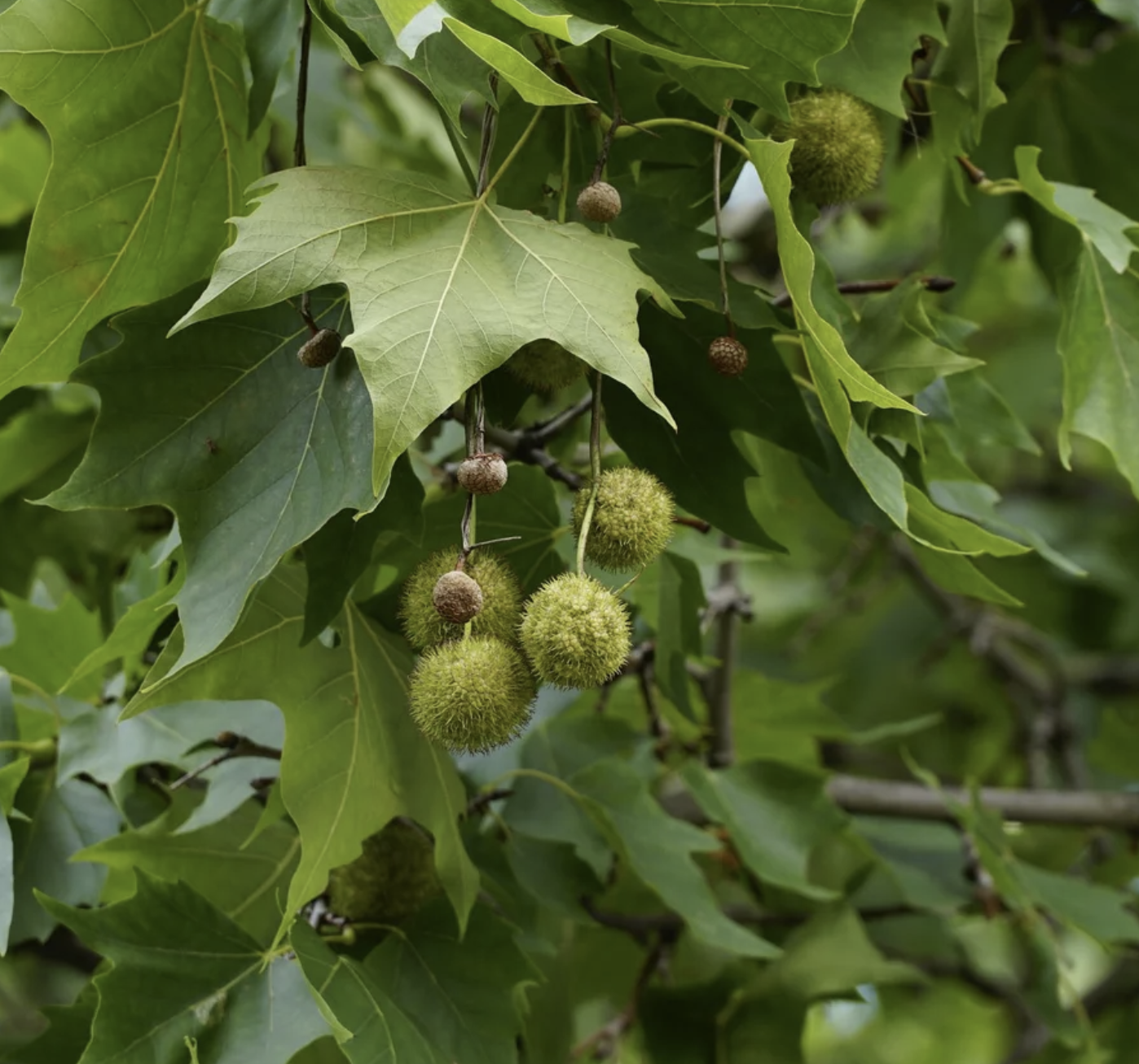
Platanus occidentalis
Sycamore is a large, deciduous, native shade tree that grows to be 75’-100’ tall, with an equally large canopy. They grow best in full sun and moist soil. With their exfoliating camouflage bark and large leaves that seasonally drop off, they are best suited for larger yards where the leaf and bark litter won’t be an issue. Sycamores have large branches that serve as great nesting sites for birds, and as they age, they hollow out, creating cavities which provide cover for owls, raccoons, and other mammals. Their seed pods feed songbirds, and their leaves are a larval host for the Tiger Swallowtail and various native moths.
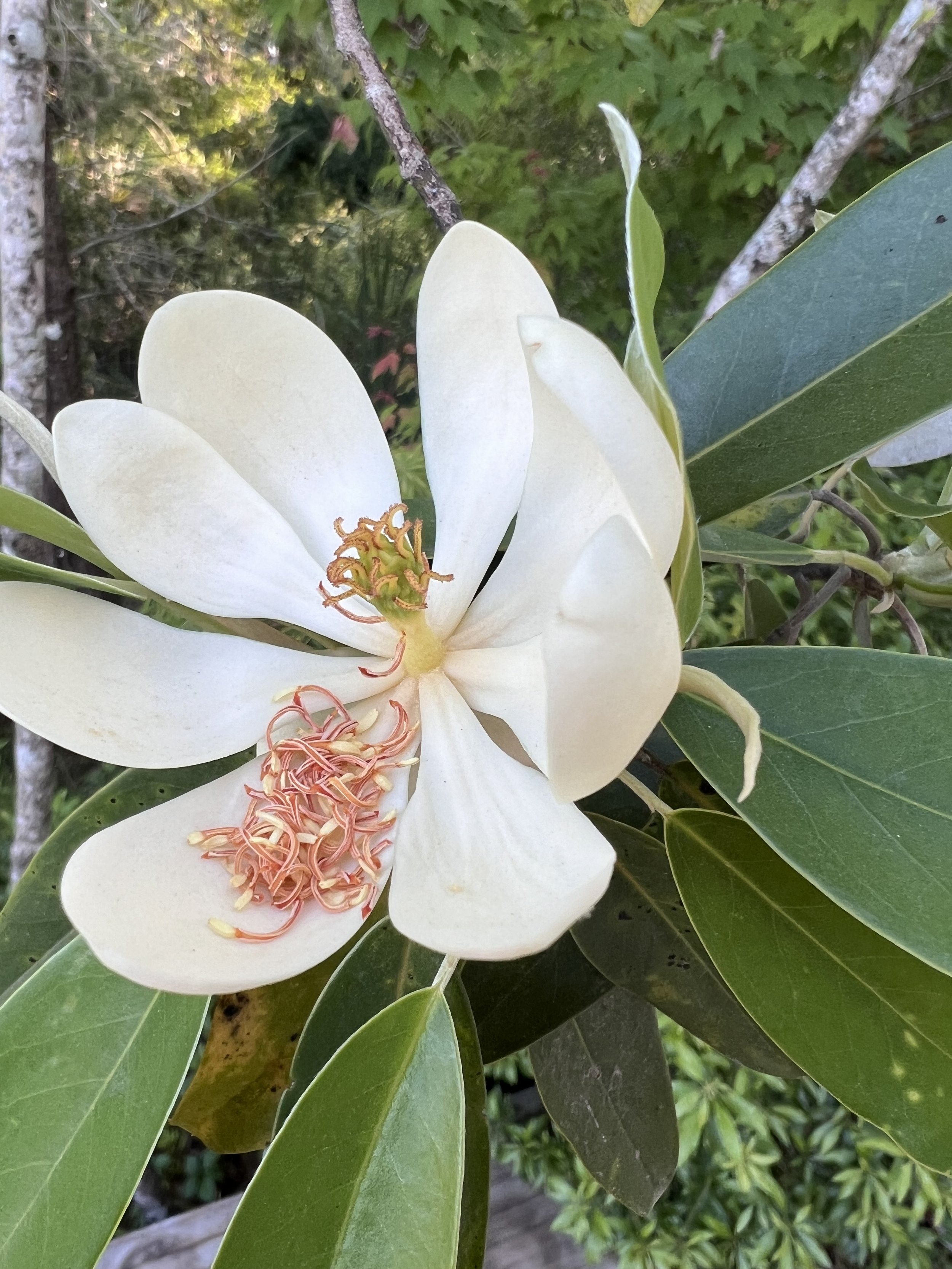
Magnolia virginiana
Sweetbay Magnolia is a native, evergreen flowering tree with beautiful, soft-green pointed foliage and heavily fragrant, ivory flowers that are significantly smaller than the large blooms of the Southern Magnolia. They grow to be 15’-30’ tall, and do well in full sun to partial shade and moist to wet sandy, loamy, and clay-heavy soil. Sweetbay Magnolias also serve as a larval host for the Sweetbay Silk Moth, Eastern Tiger Swallowtail, and the Spicebush Swallowtail, and the seeds feed local songbirds.
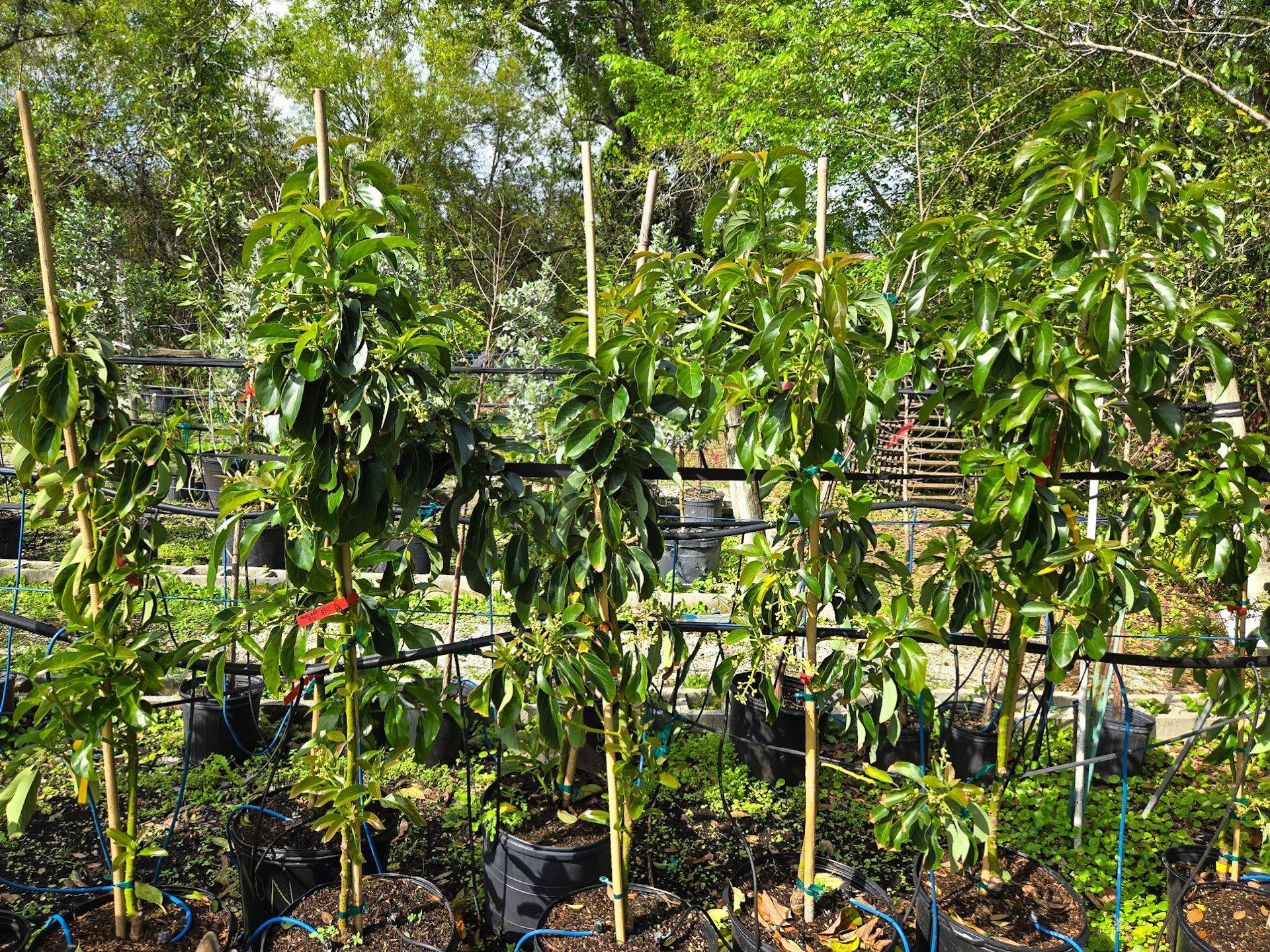
Persea americana
Florida-friendly, evergreen, fast-growing fruit tree; 30’-50’ tall, but can be kept at 10’ tall for easy fruit picking. Full sun is best for fruit production, with average to dry, well-drained soil; not flood-tolerant. Should be planted 25’-30’ away from trees or buildings.
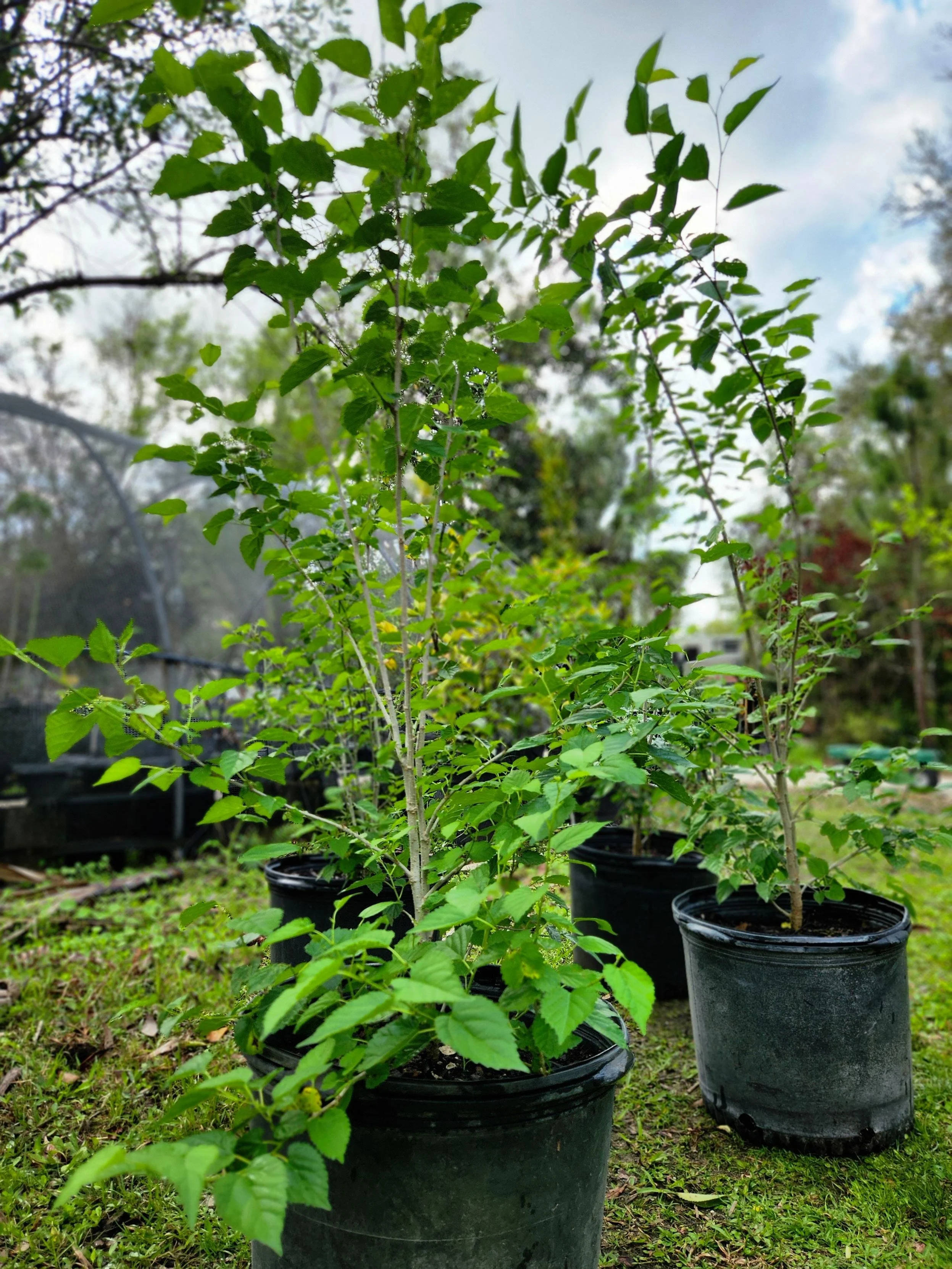
Morus nigra
Florida-friendly, dwarf variety. The Everbearing Mulberry is a low-maintenance, self-fertile, edible black mulberry. Perennial shrub or small tree. They do well in full sun, with moist, but well-drained soil. Use an organic, slow release fertilizer. They bloom year-round and fruit Spring through Summer. Also works well as a potted plant!
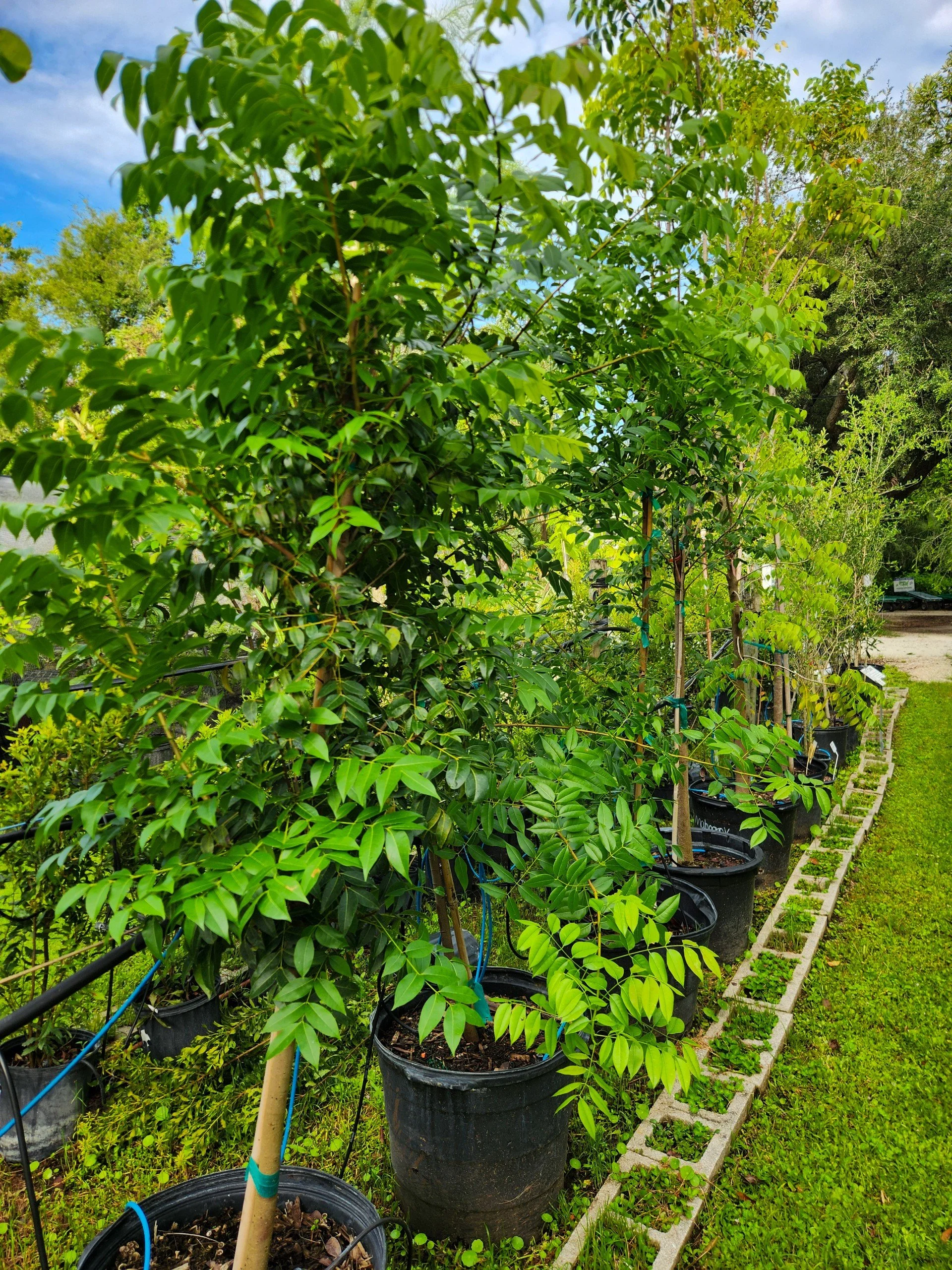
Swietenia mahagoni
Native semi-evergreen tree that grows to be 40’-70’ tall. The foliage is dark green, with inconspicuous white and yellow flowers. Plant in full sun to partial shade, with moist, but well-drained sandy soil. Salt-spray resistant once established, with dense, strong wood that is wind-resistant if properly trained. Mahogany is prone to growing multiple leader trunks, which reduces wind-resistance, so prune the tree to promote strength against wind.
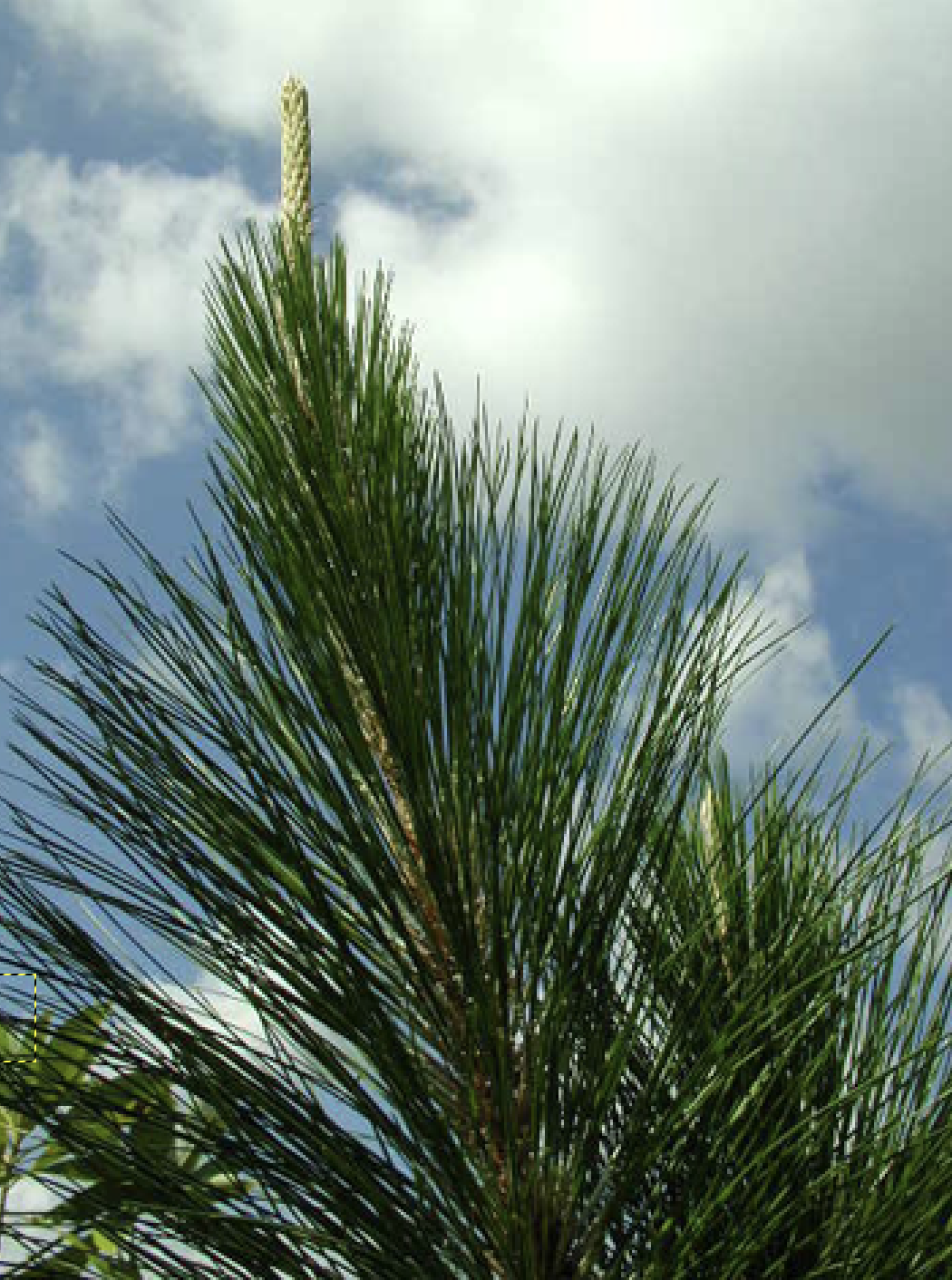
Pinus palustris
Native, evergreen, long-needle pine tree, can grow to be 125’ tall. Native to Florida sandhills, this tree does best in full sun with well-drained sandy soils. Very drought tolerant once established. Younger trees will grow slowly while they establish a healthy root system, with growth picking up after the first 5-7 years. While Longleaf Pines can make a lovely addition to a landscape, in their natural habitat, they are part of an incredibly biodiverse ecosystem, supporting deer, wild turkeys, and the endangered red-cockaded woodpecker, due to the frequent natural fires that provide rich undergrowth which provides food and shelter for many different species.
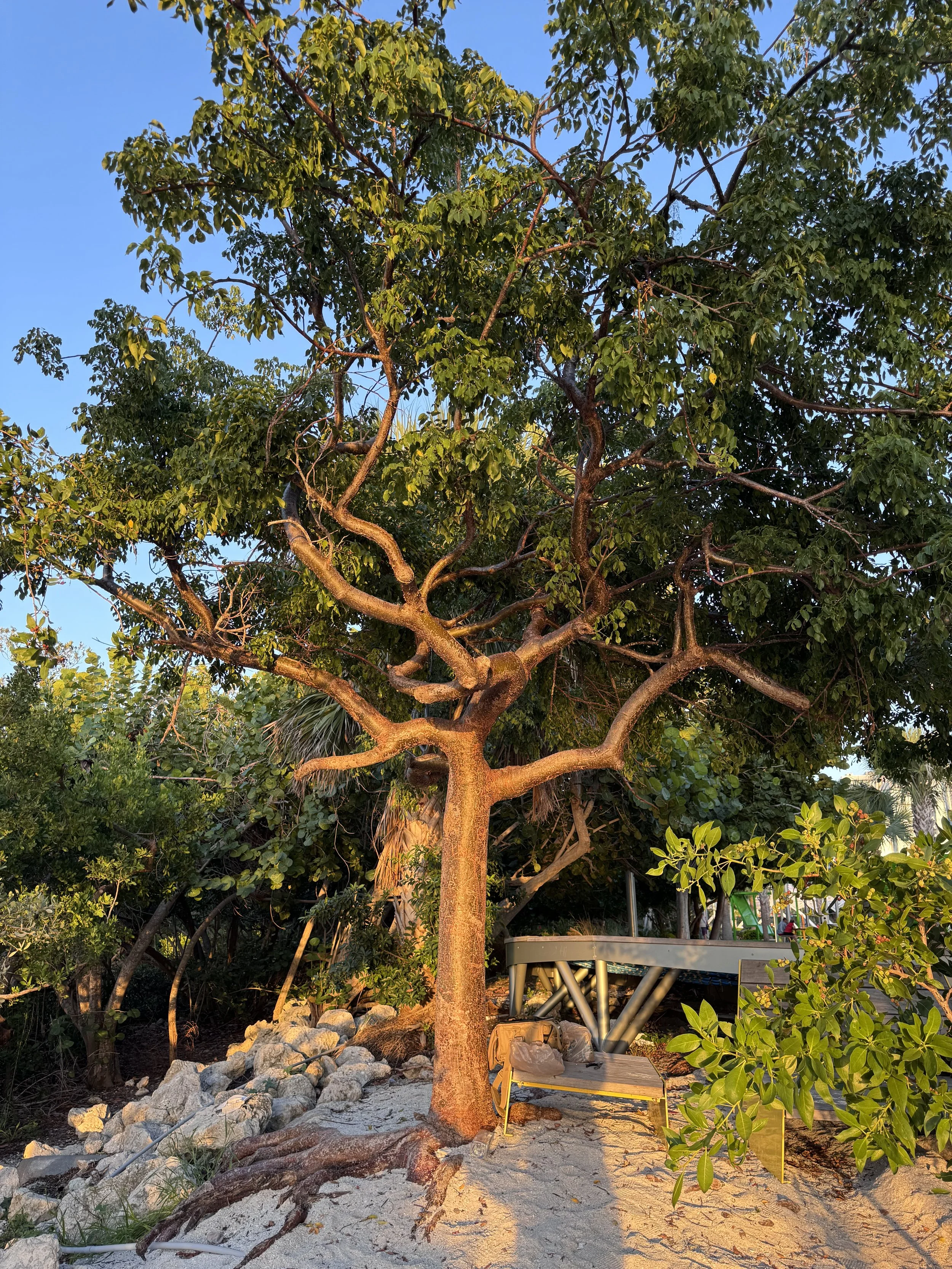
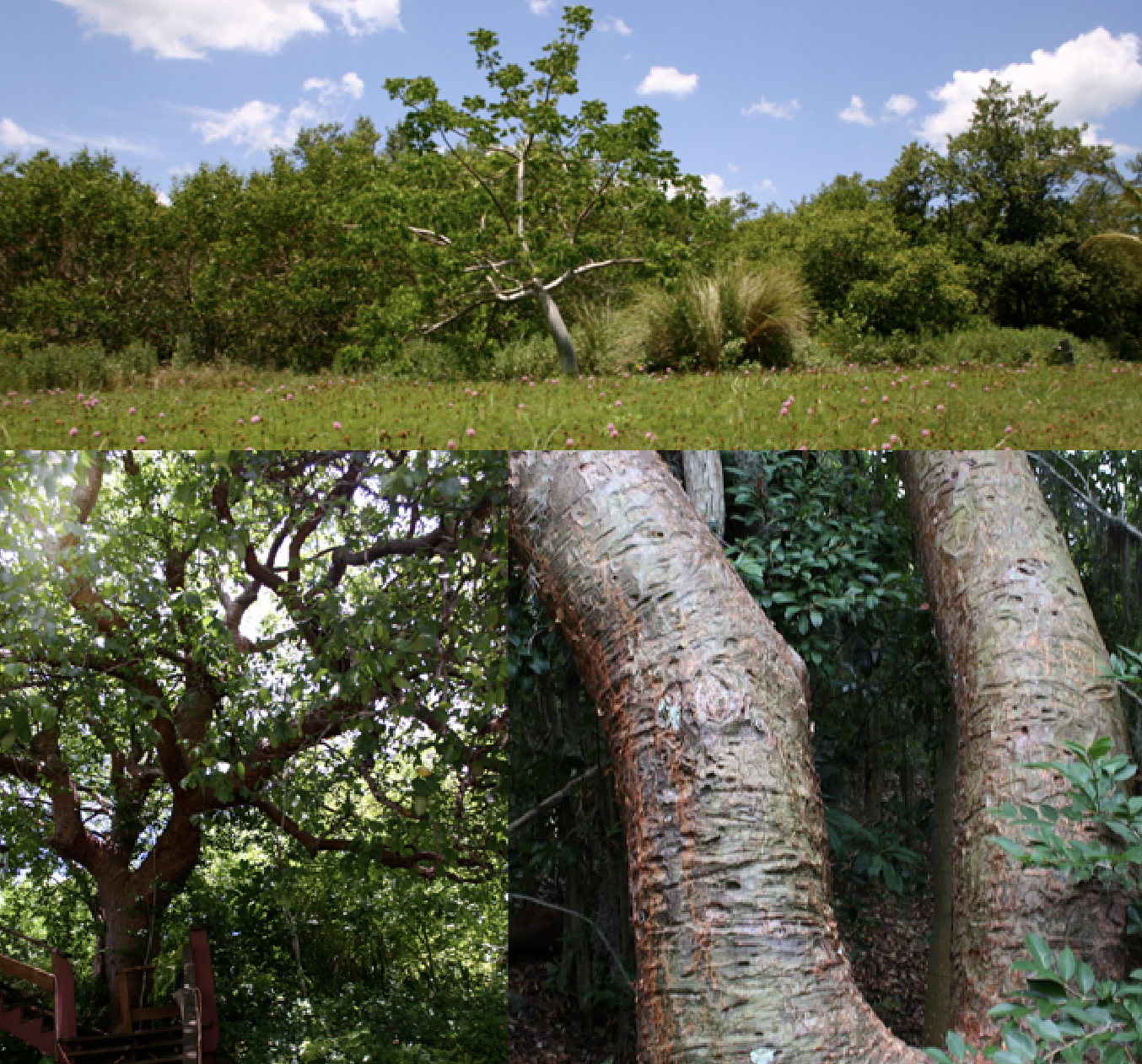
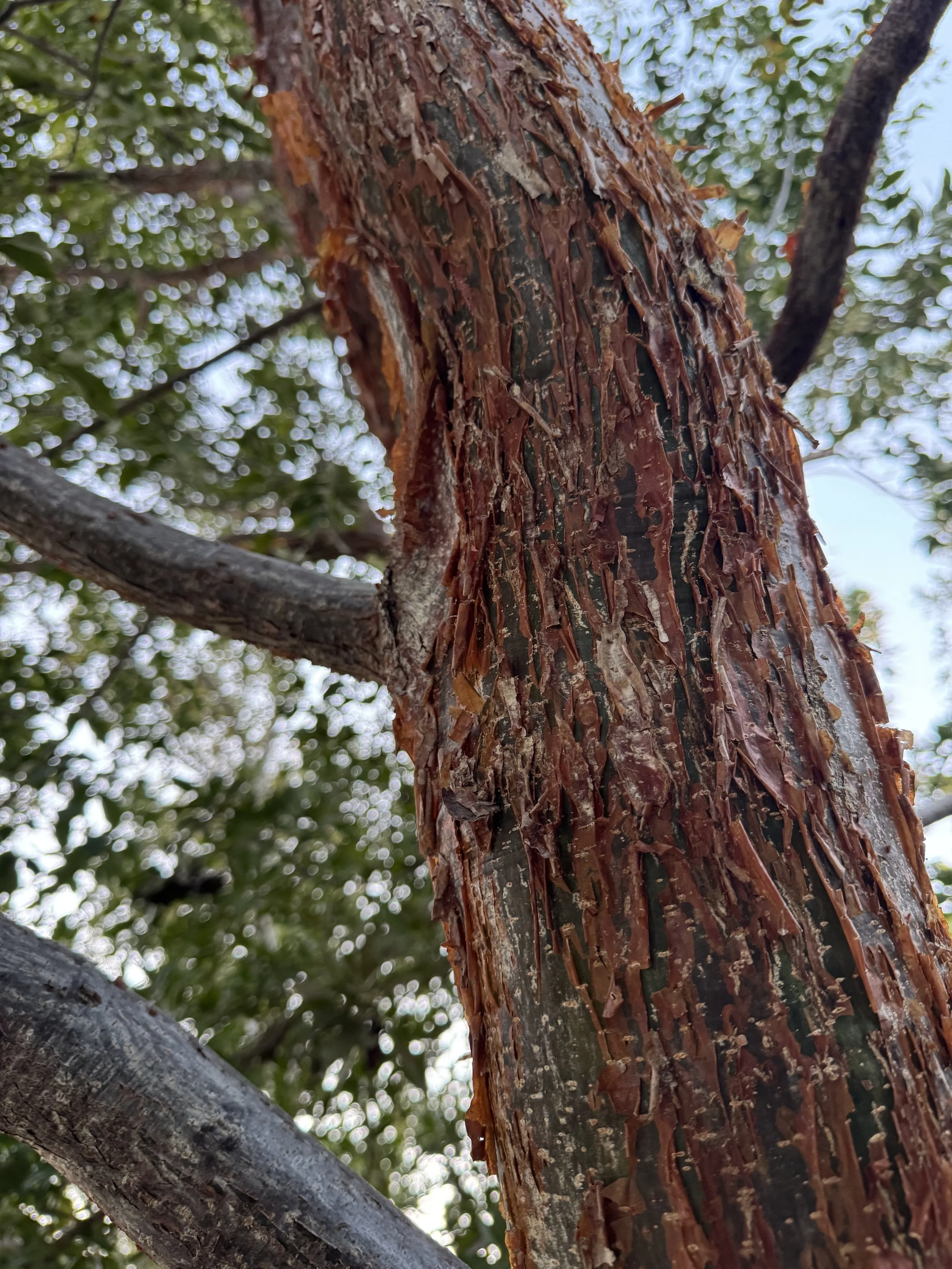
Bursera simaruba
Native semi-deciduous tree. Gumbo Limbos have smooth, red peeling bark that have earned them the nickname “tourist tree”, due to their resemblance to sunburned tourists. For best growth, plant in full sun to partial shade with sandy or rocky soils. They have green leaves that drop but are quickly replaced during dry seasons, and a thick trunk with a wide, rounded canopy, making them a great shade tree. Once established, they are drought and salt-spray tolerant.
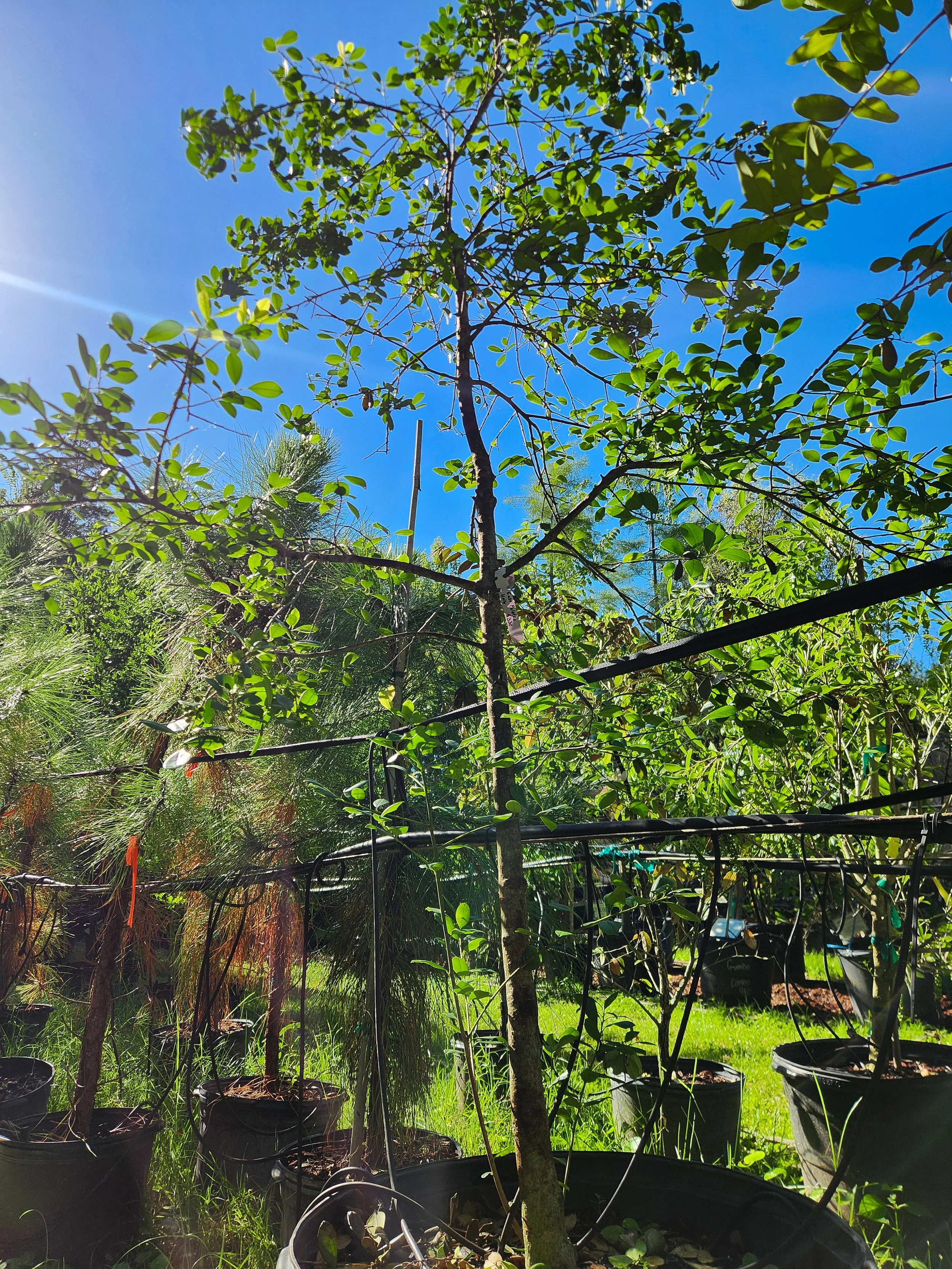
Ilex x attenuata
Florida native evergreen tree, with heights ranging from 35-40ft. With a pyramidal shape, soft green leaves and bright red berries, East Palatka Hollies make great screening plants, or can be planted as a specimen tree. For ideal growth, plant in full sun to partial shade, with rich, well-drained acidic soil. With flowers that provide nectar for pollinators, berries that provide food for small mammals and birds, and branches that provide shelter, East Palatka Hollies are a great plant for wildlife-loving gardeners!
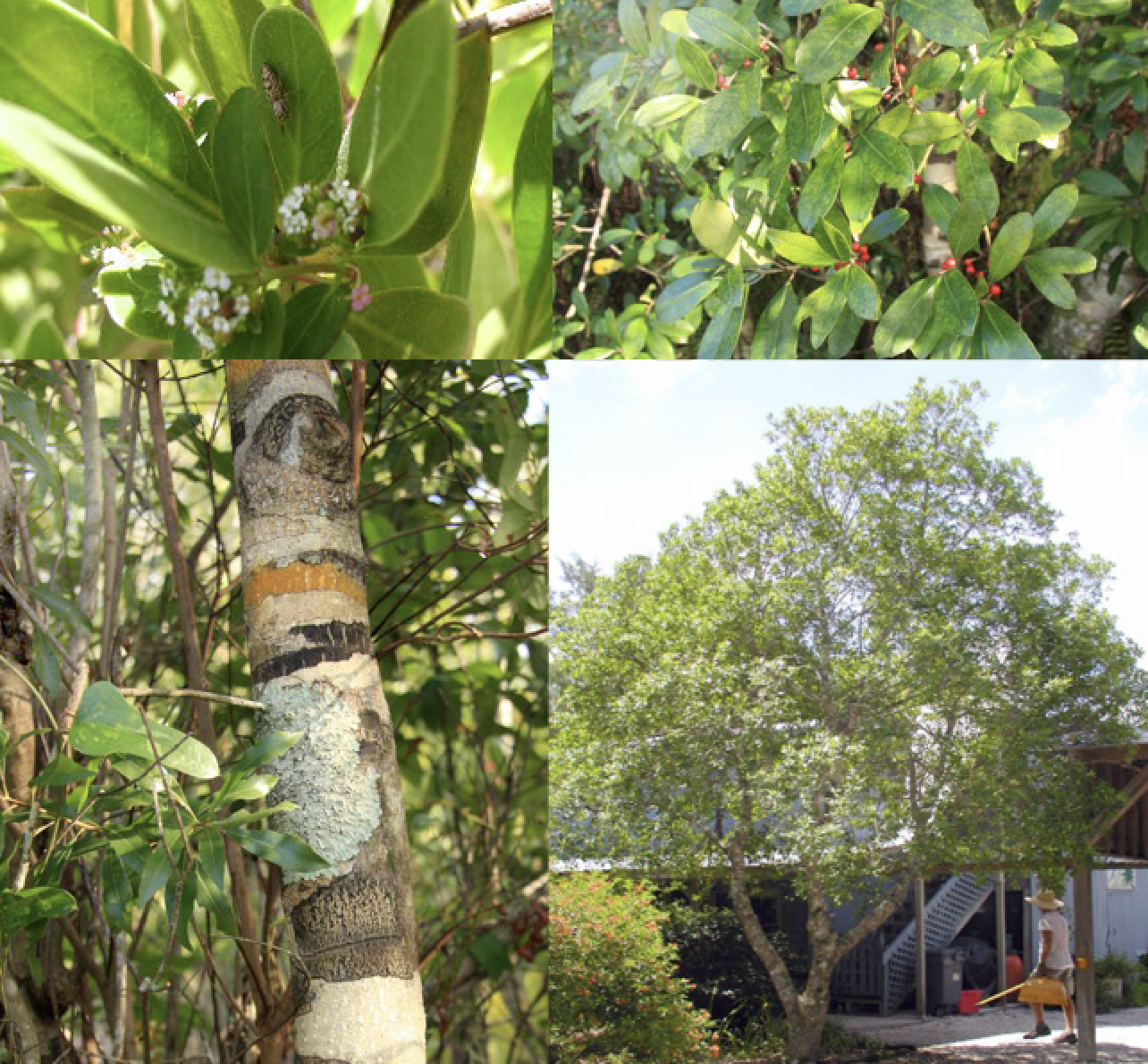
Ilex cassine
Dahoon Holly is a native, evergreen tree, with heights ranging from 20-30ft and it grows best in full sun to partial shade with moist, clay, loamy, or sandy soils. While they are moderately drought tolerant, they may need irrigation in dry, sandy conditions. Moderately salt-spray tolerant. Their foliage is dark green, with clumps of white flowers in spring that are replaced by red berries in fall and winter that provide food for birds and small mammals.
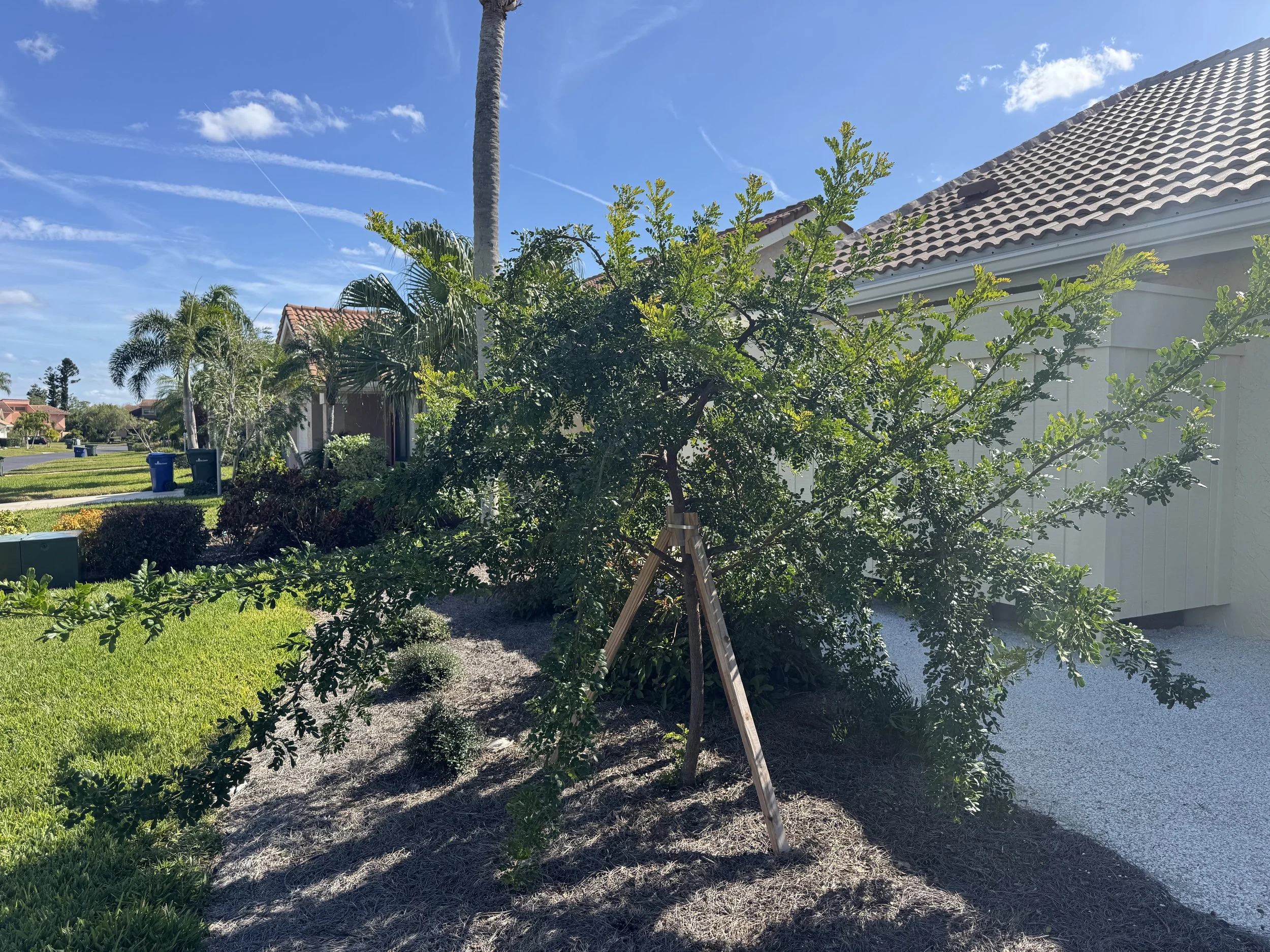
Acacia choriophylla
Native evergreen tree, ranging from 15-25ft. Cinnecords have dark green foliage and fragrant yellow pom-pom flowers that attract pollinators and people alike. They are fast-growing and salt-tolerant, growing in full sun with well-drained sandy soils. In addition to attracting pollinators, Cinnecords also provide habitat and seeds for birds.
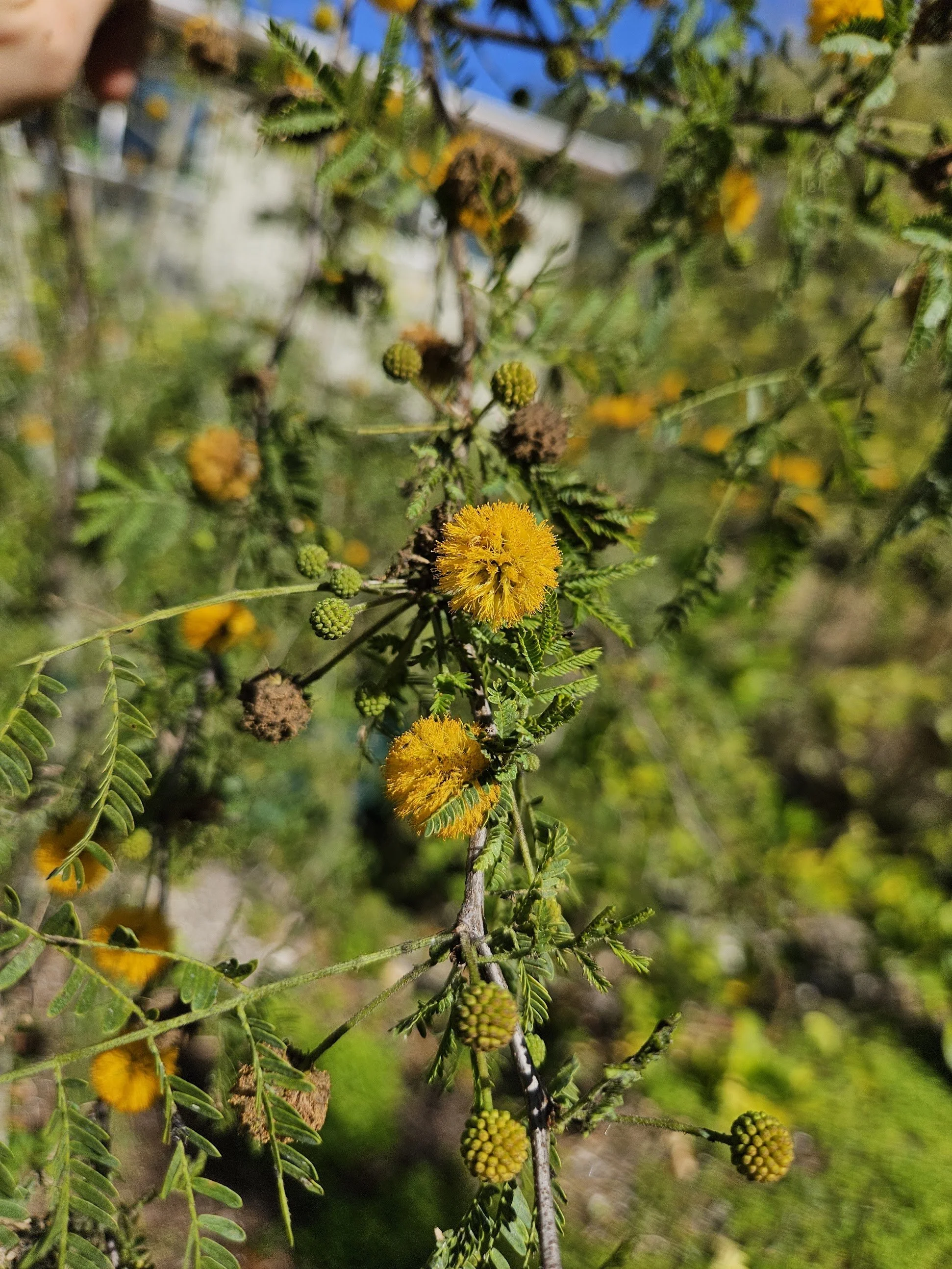

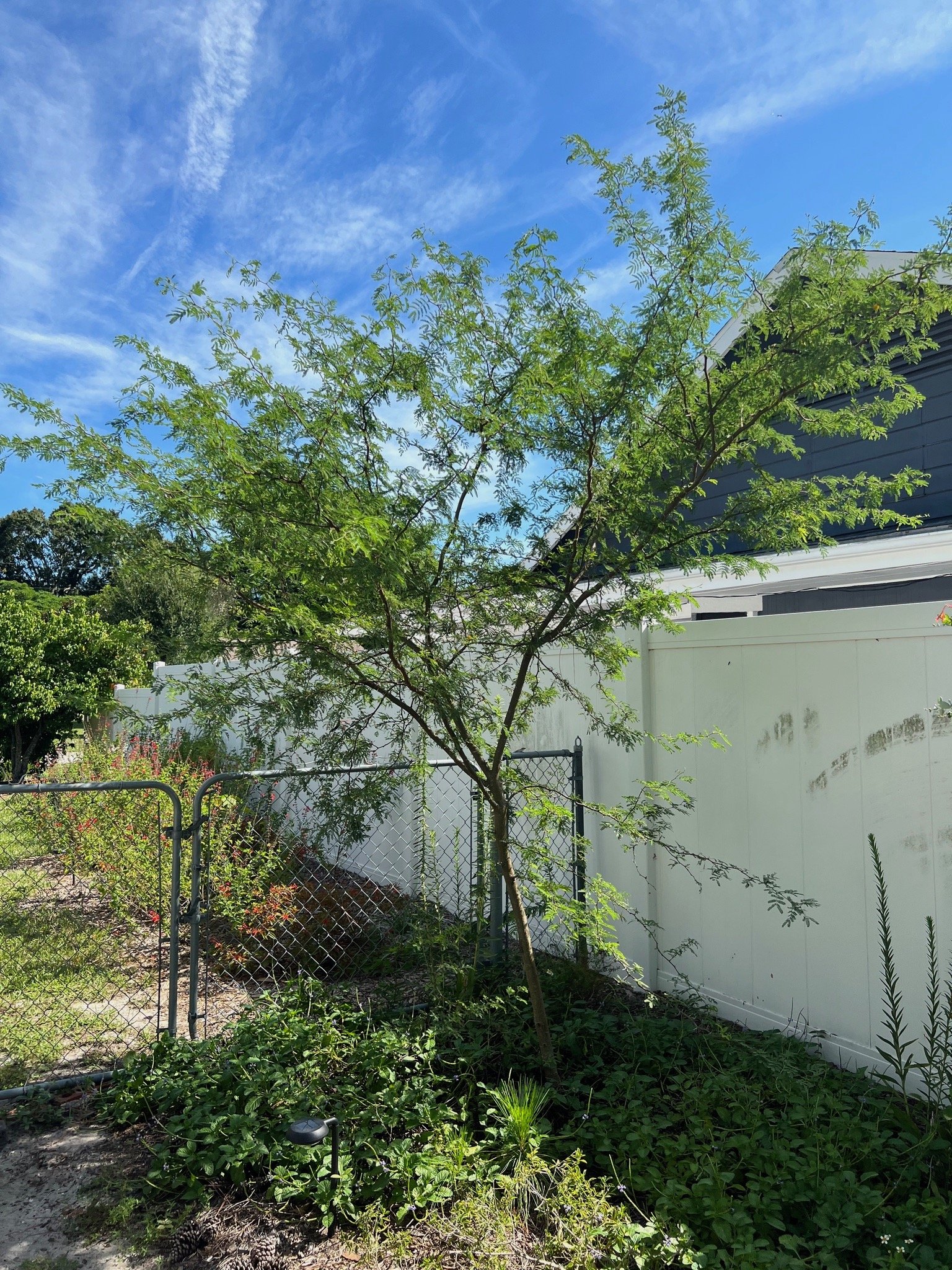
Acacia farnesiana
Sweet Acacia is a native, pollinator-attracting, small tree or large shrub. It’s fragrant, golden-yellow puffball flowers bloom in winter and spring. It's highly drought-tolerant once established, making it ideal for water-wise landscapes, and attracts bees, butterflies, and other pollinators.
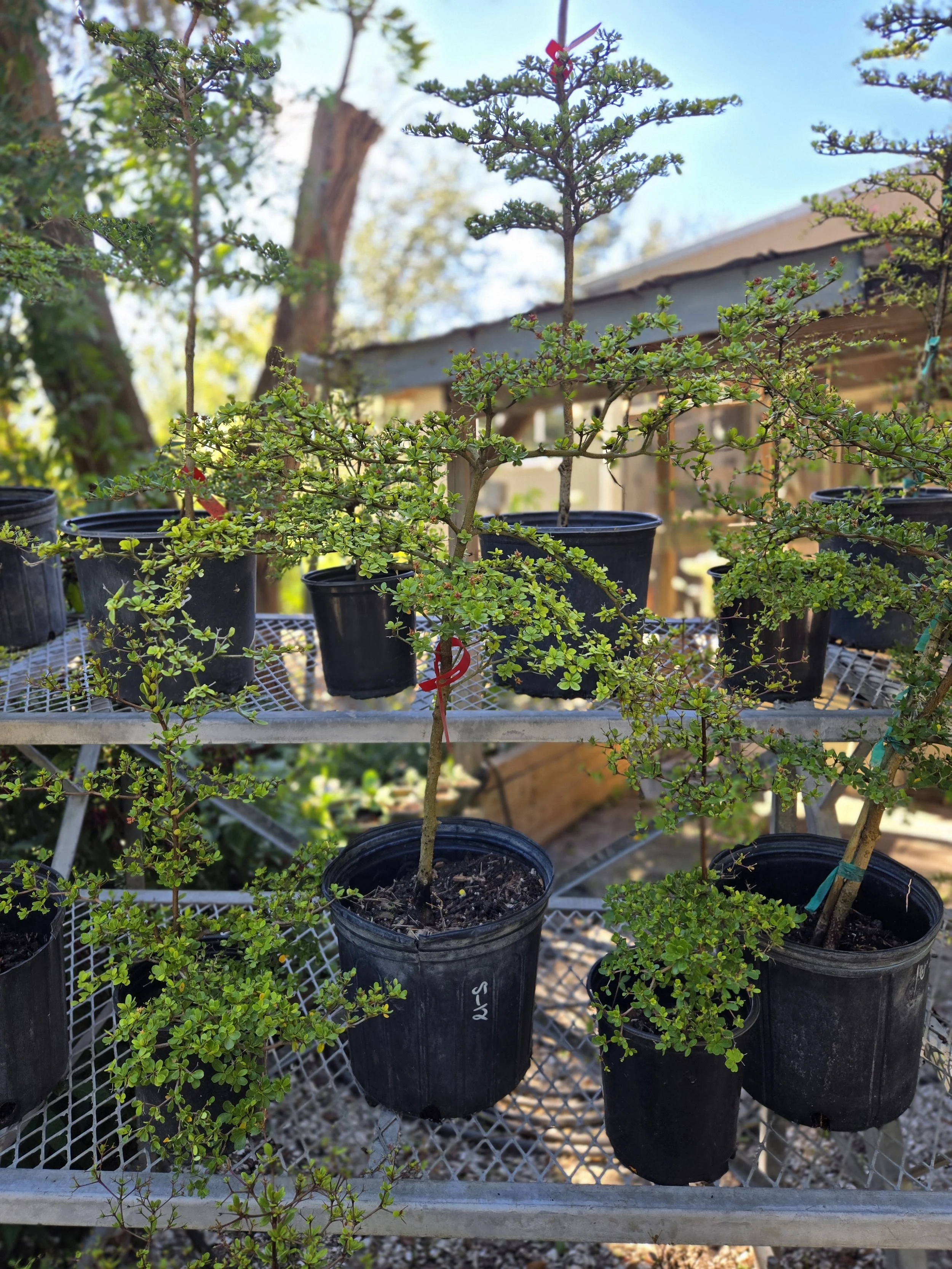
Terminalia molinetii
Spiny Black Olive is a rare south FL native small tree that has a unique and distinct growth habit lending it its nickname the Geometry Tree. Salt and drought tolerant, this small tree is great for warm, coastal landscapes in zone 10 and up. Limited space, or need to plant in pots? The Spiny Black Olive does great in containers and is commonly used as a bonsai tree!


Ilex vomitoria
Yaupon Holly is a tough, evergreen shrub or small tree native to the southeastern United States that grows 15’-25’ tall with a distinctive vase-shaped form. This adaptable species features small, dark green leathery leaves and produces inconspicuous greenish-white flowers in spring, followed by brilliant red berries on female plants that attract birds and wildlife. Historically used by Native Americans to make caffeinated ceremonial tea, it's extremely drought and salt-tolerant, thriving in a wide range of conditions from full sun to shade and various soil types. Hardy in zones 7-10, it's valued for its versatility as a hedge, specimen tree, or screen, though it tends to sucker from the roots and may require regular pruning to maintain form.
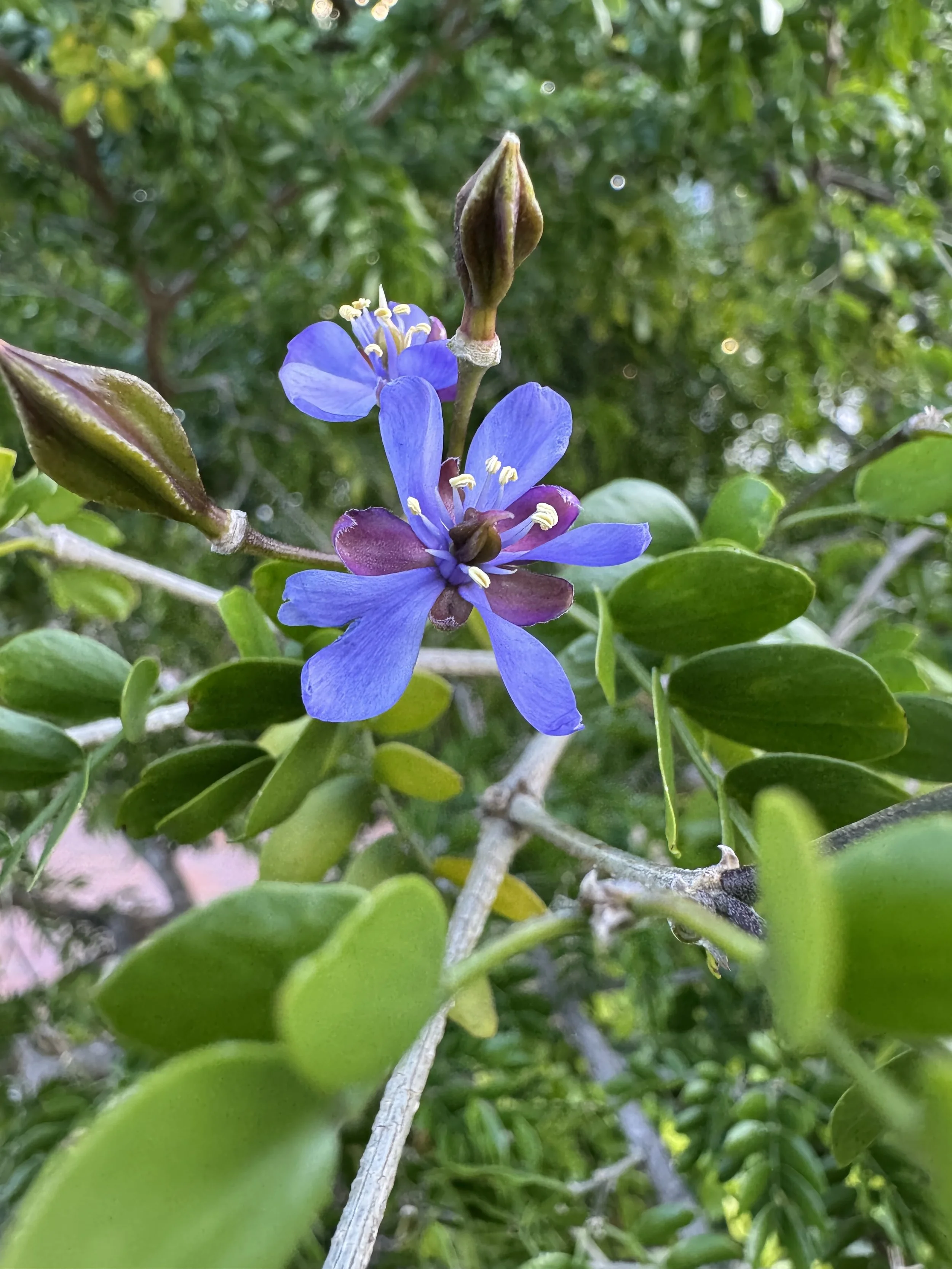

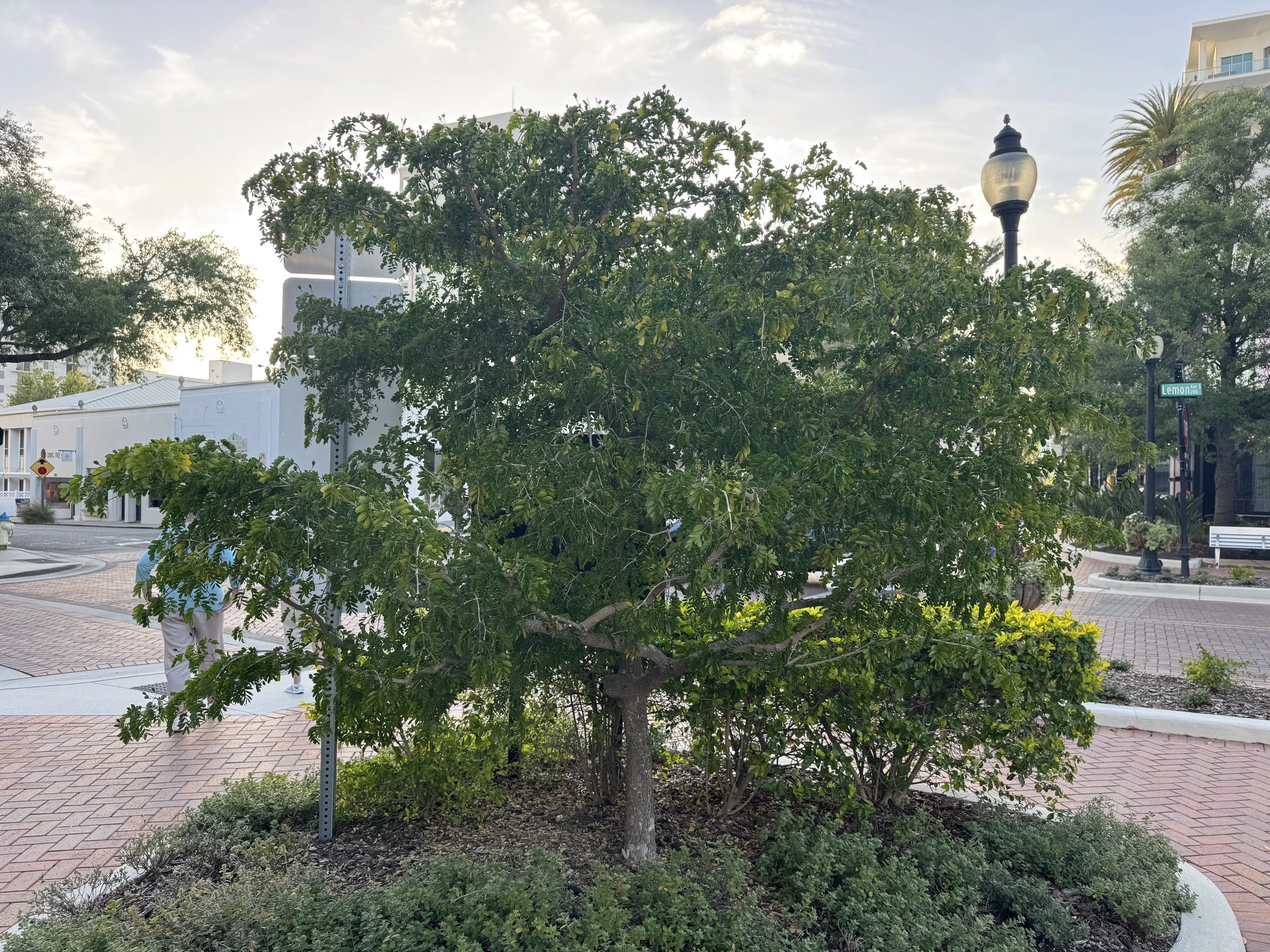
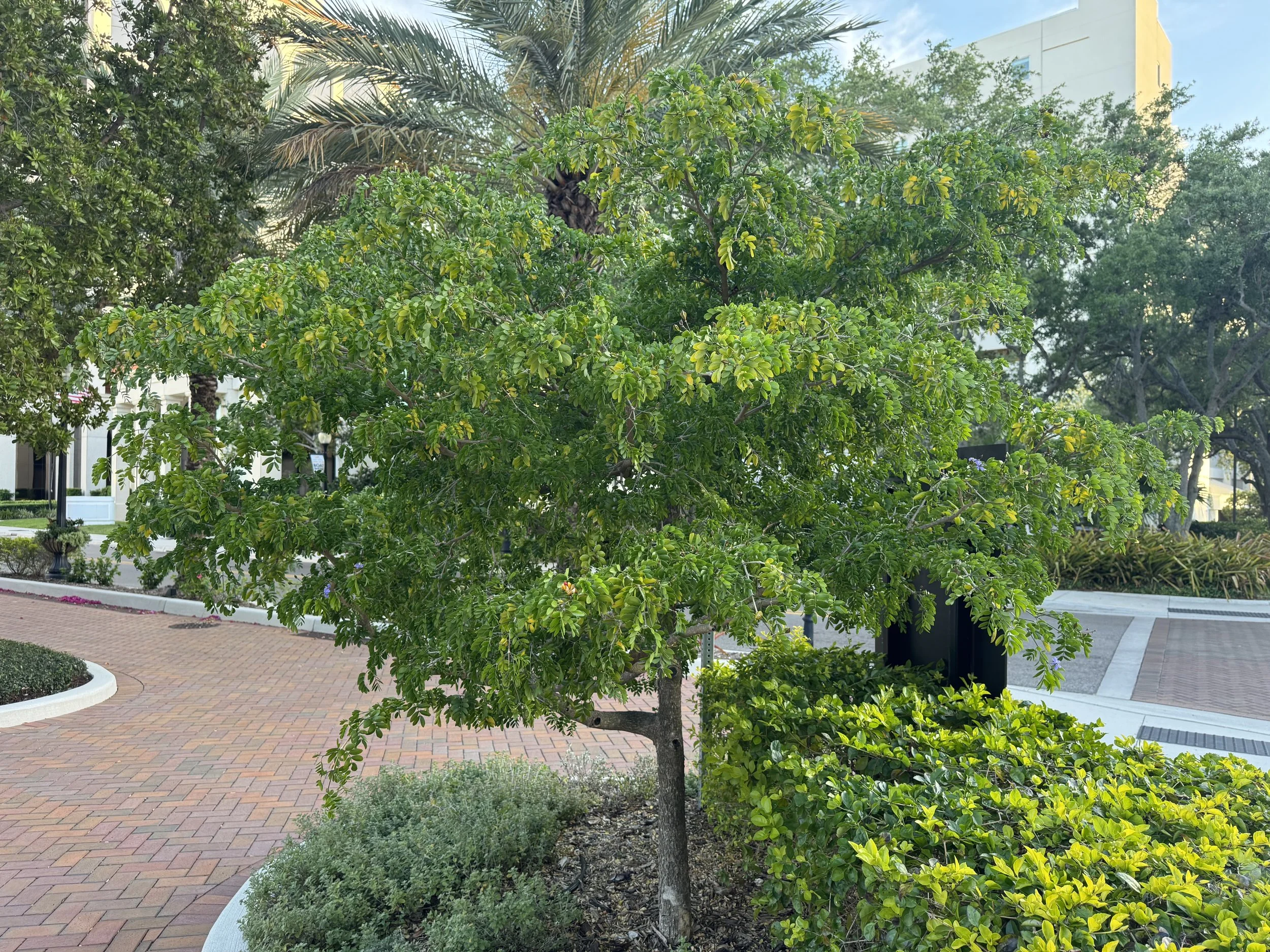
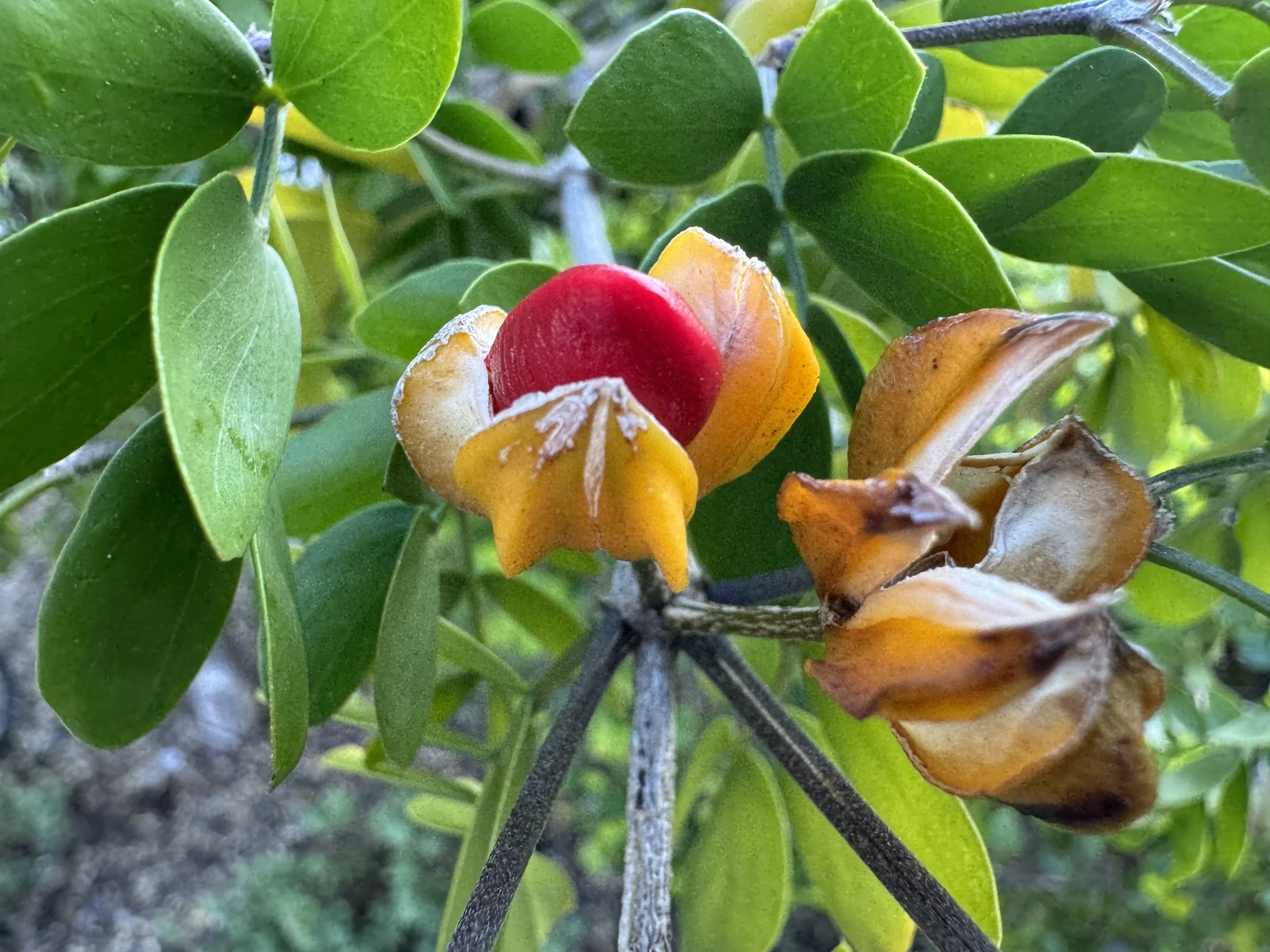

Guaiacum sanctum
The “Wood of Life” tree has a rich ethnobotanical history due to its dense wood and spectacular flowers. For best growth, plant in full sun to partial shade, with well-drained soil. This small tree is slow growing but worth the wait. Rich blue blooms lead to orange fruits which Catbirds adore. Its drought tolerance, hurricane resistance and ability to take salt spray make this tree a great choice for coastal landscapes.
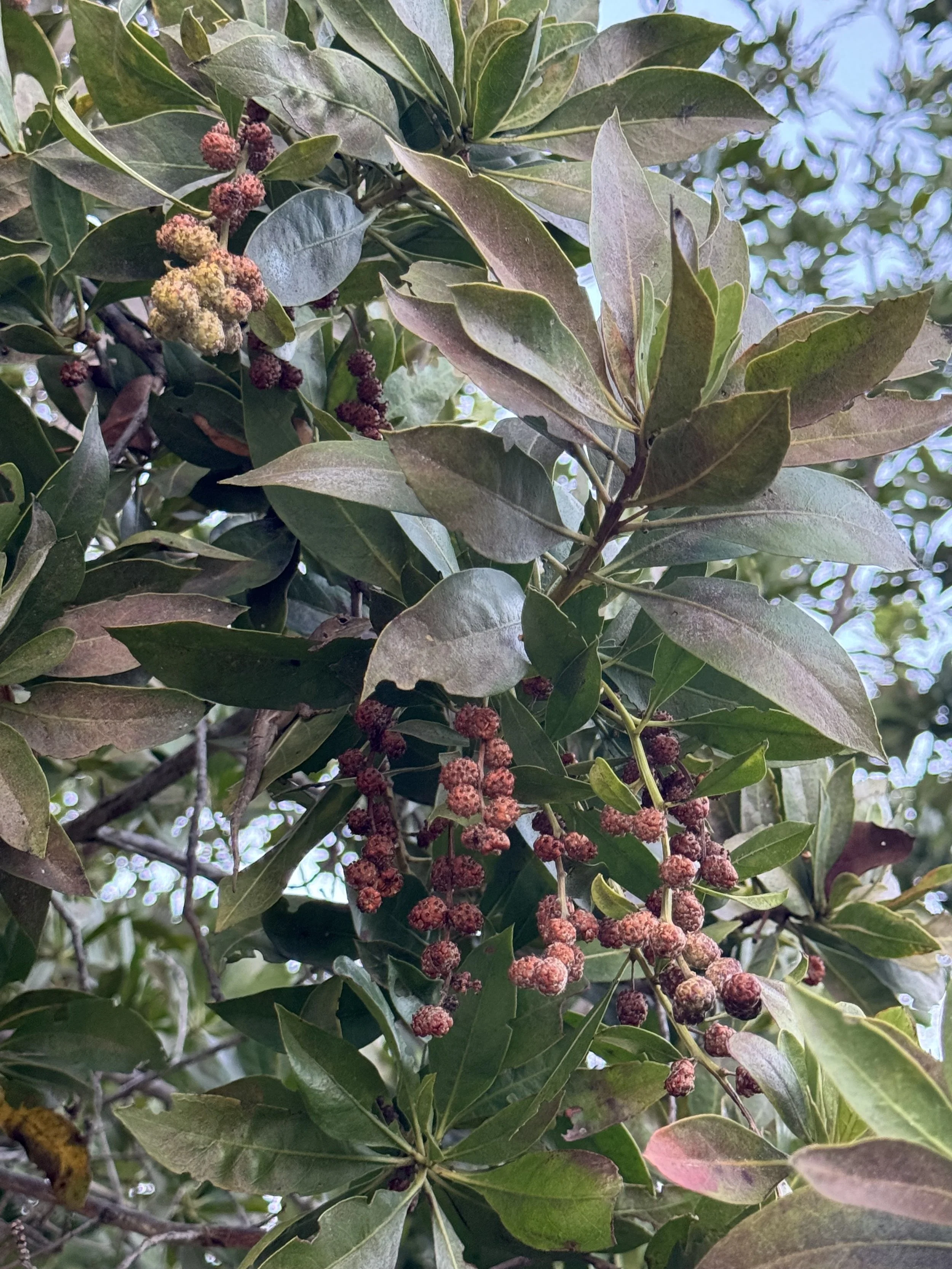

Conocarpus erectus
The Green Buttonwood is an evergreen, coastal, native small tree or large shrub that can reach 20' and has vibrant green leaves and small brown berries that look like wood buttons. This buttonwood is considered the 4th type of mangrove and really thrives in coastal conditions, and can take salt water inundation and salty soils. The Buttonwood also has high wind tolerance making it a great windscreen on coastal properties.
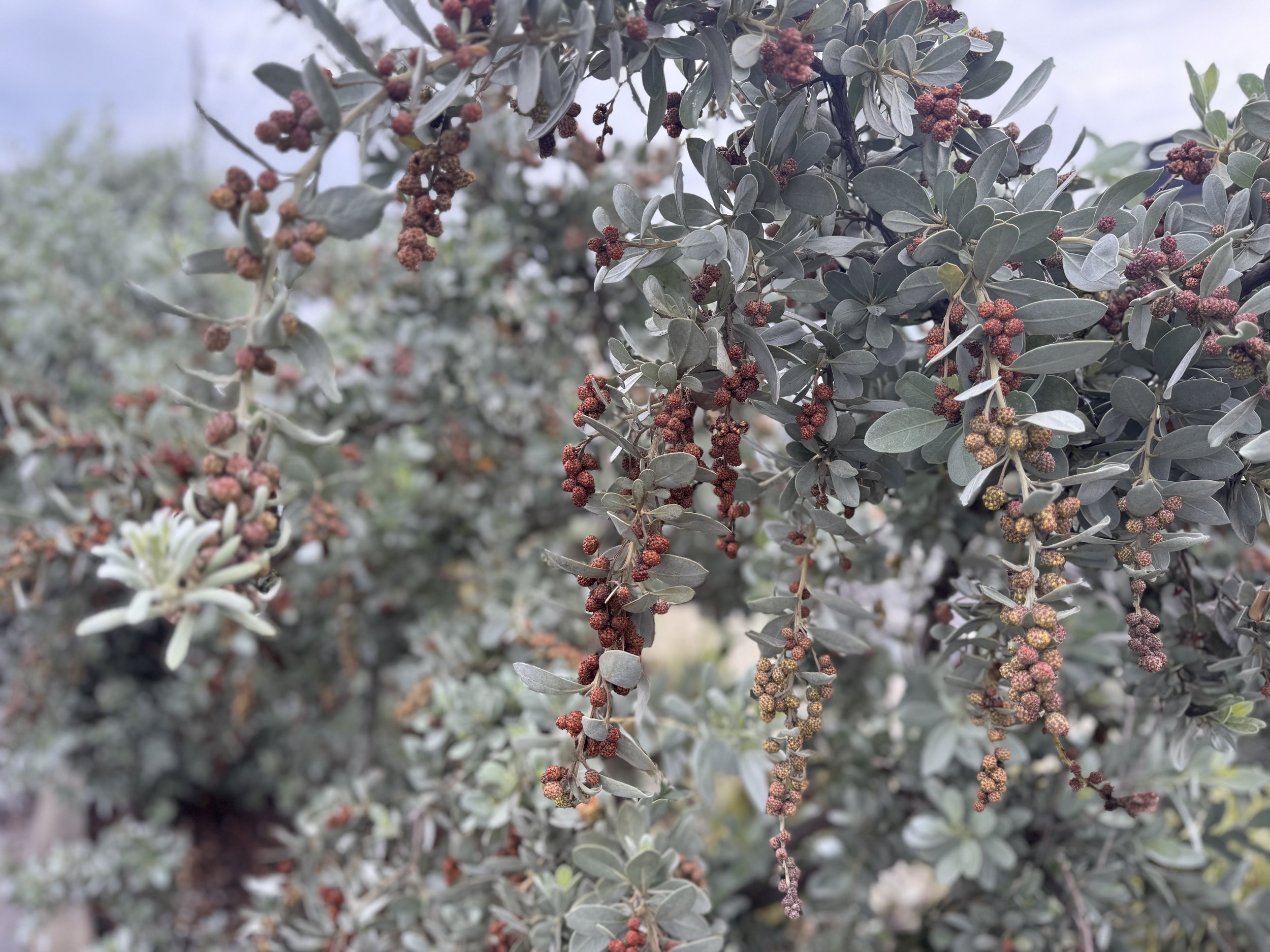
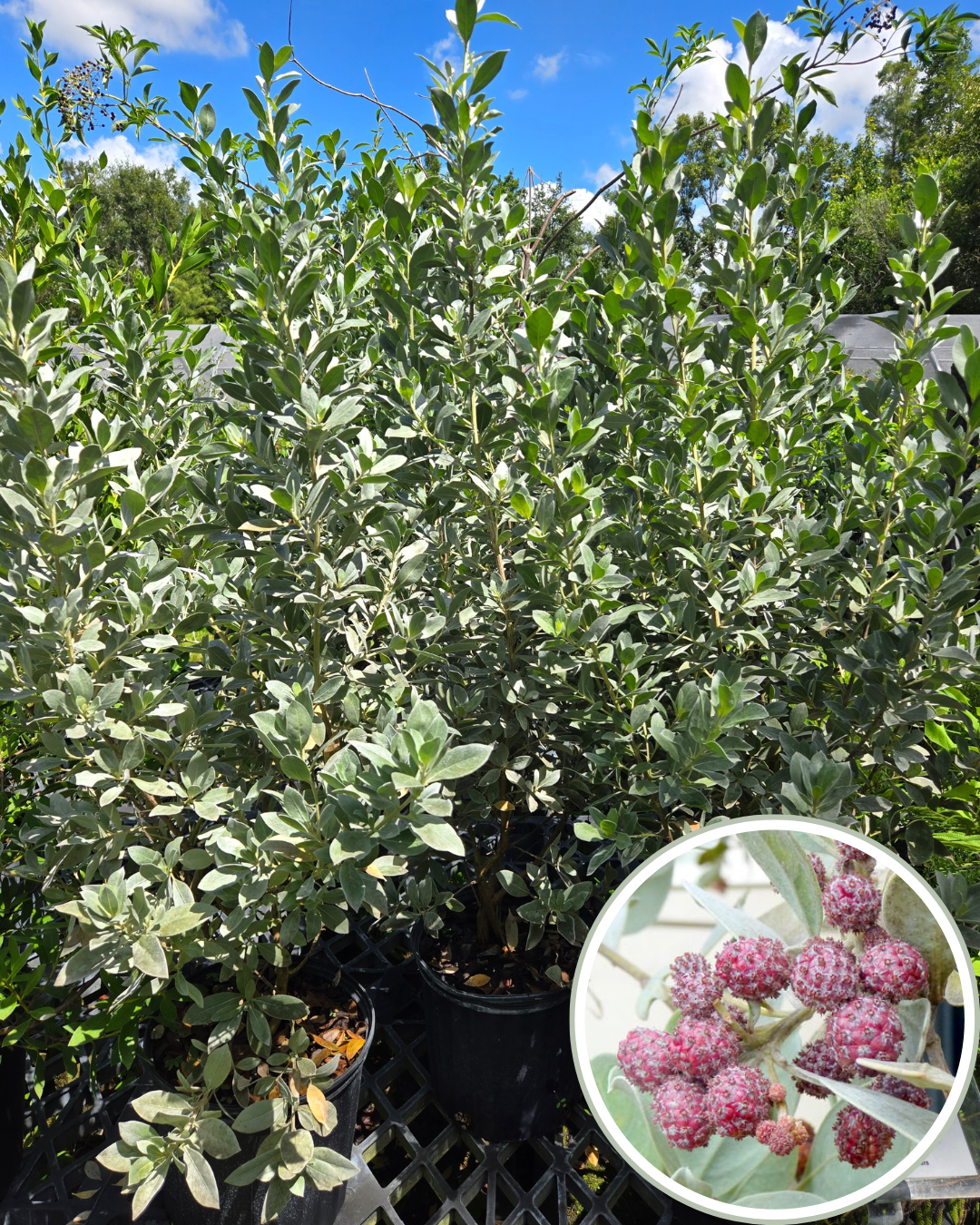
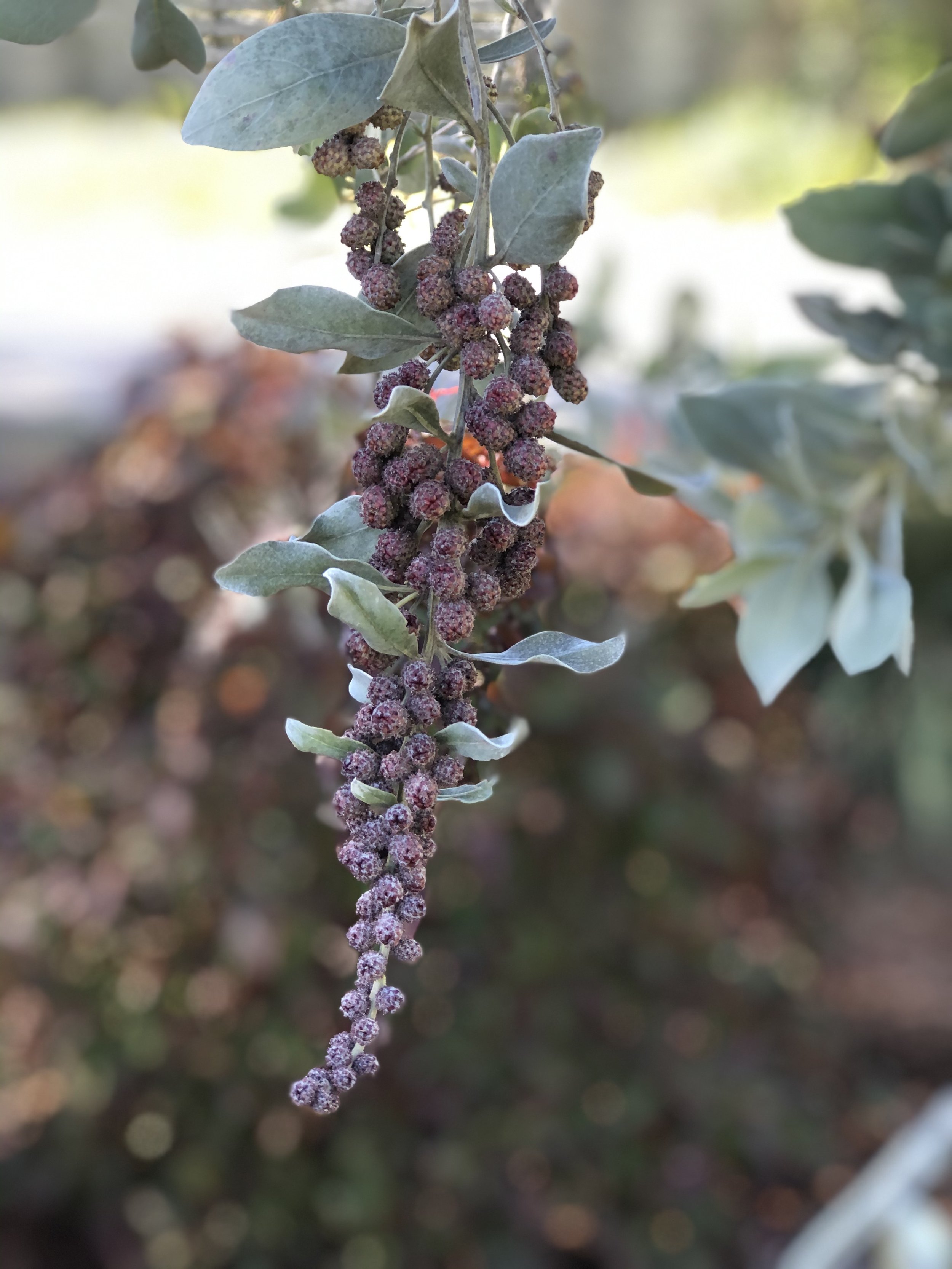
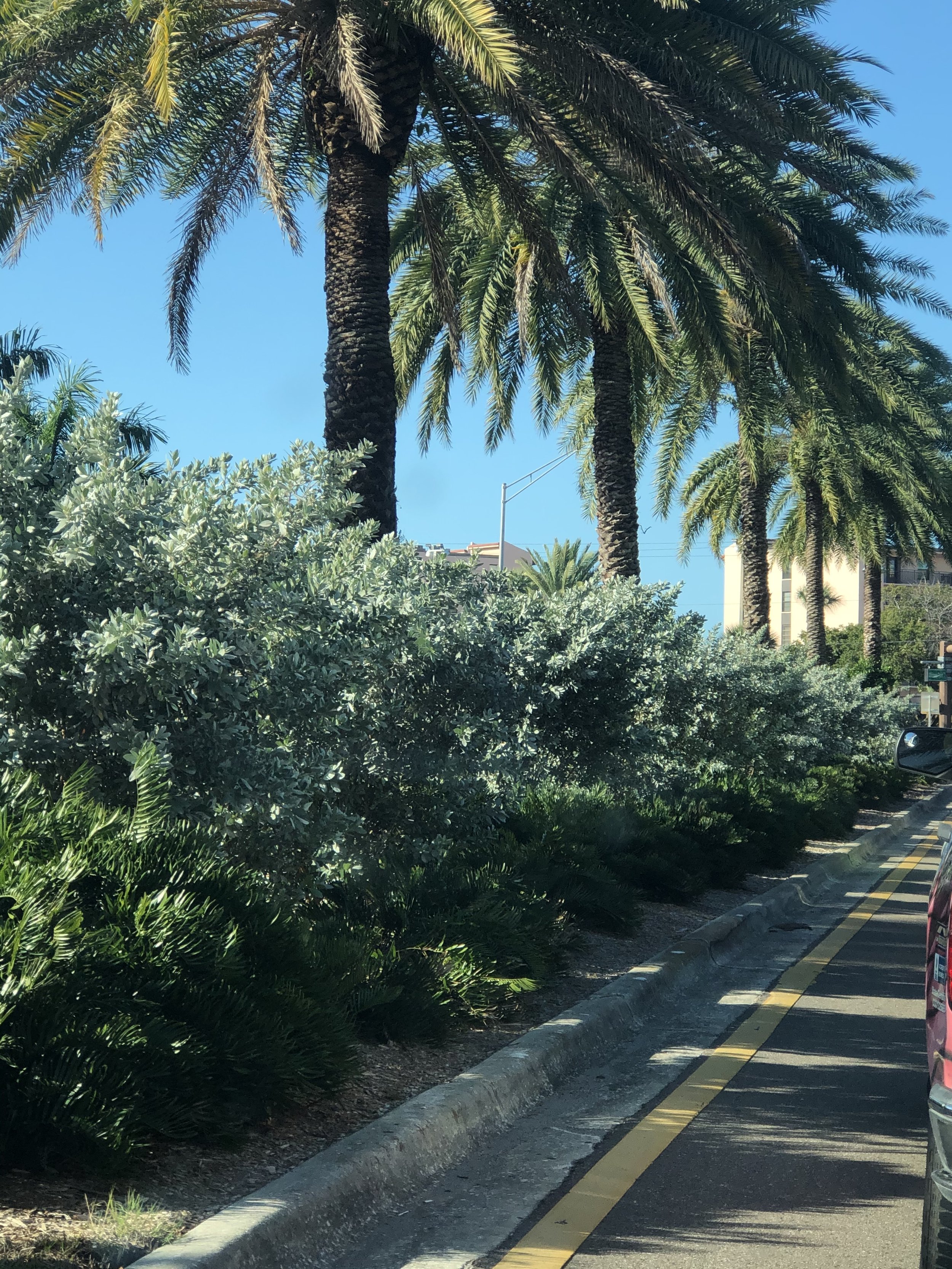
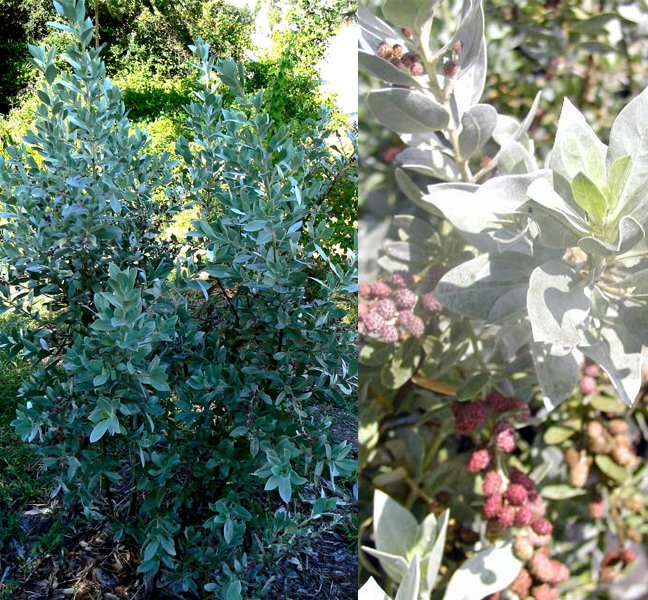
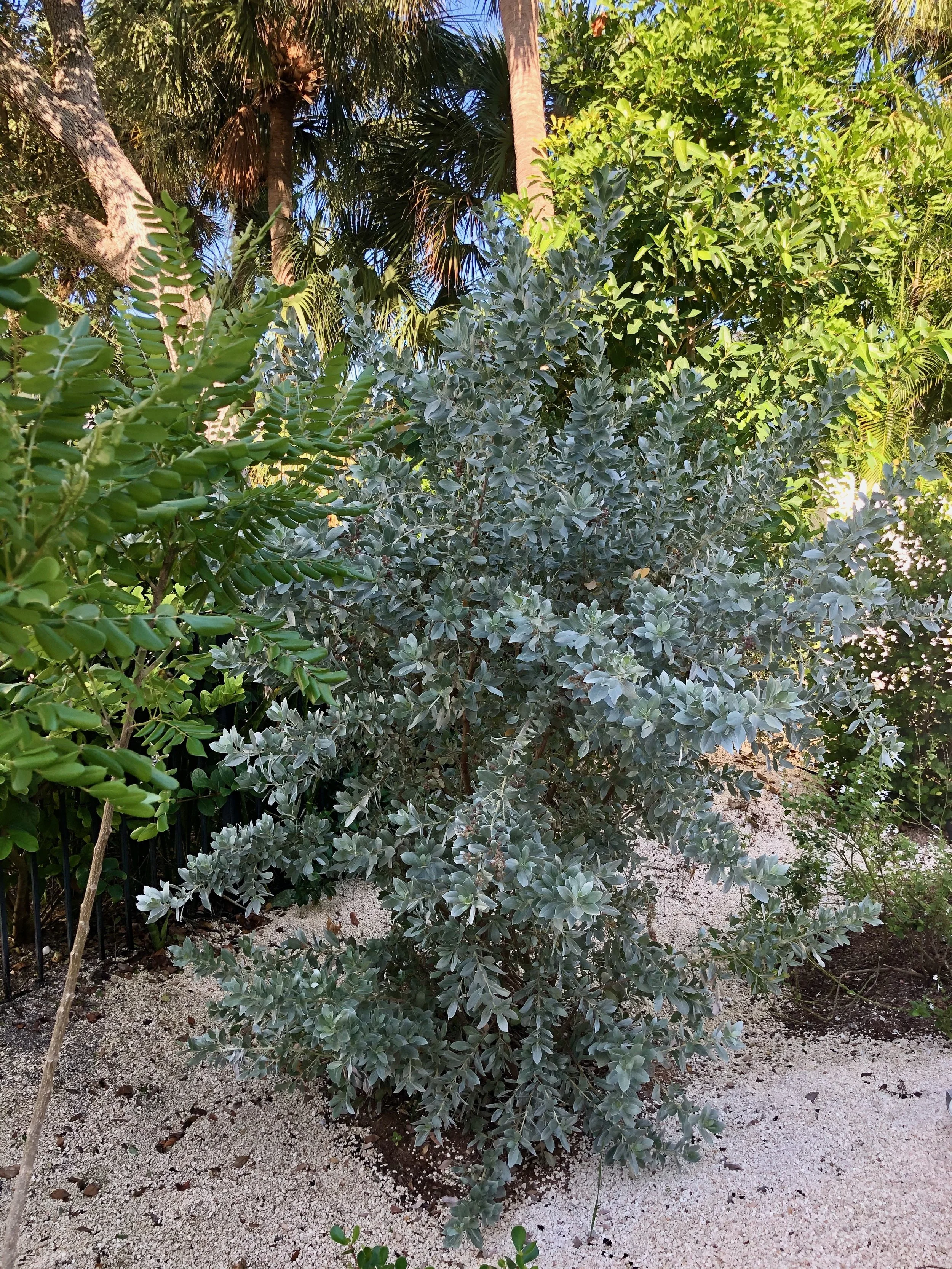
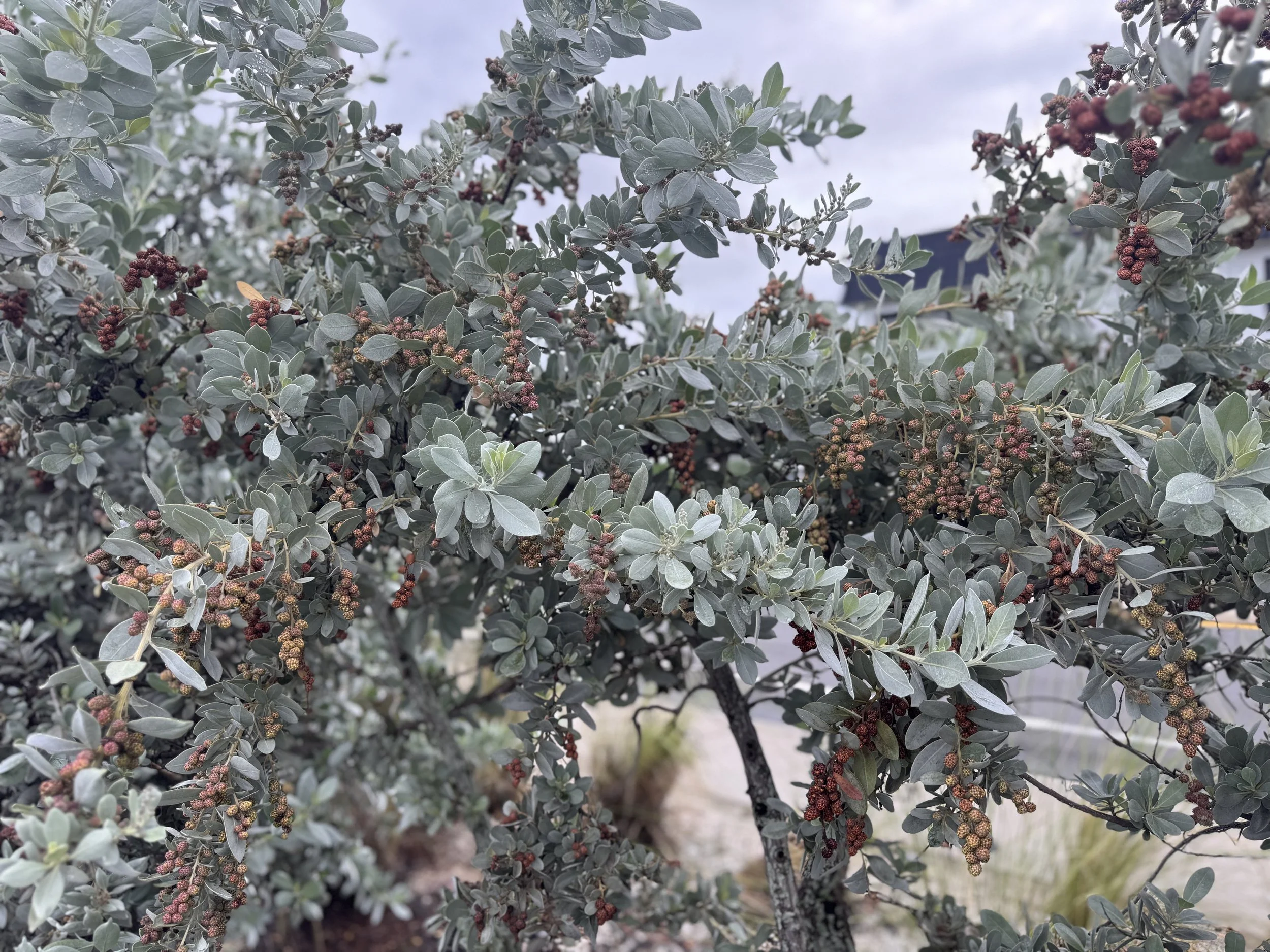
Conocarpus erectus var. sericeus
Silver Buttonwood is a unique coastal native shrub or small tree that can reach 20' and has soft silvery leaves and small brown berries that look like wood buttons. While it thrives in coastal landscapes, taking salt inundation and salty soils like a champ, it can be planted inland as well. Silver Buttonwood can be used as a specimen tree, part of a natural privacy screen or pruned into hedge.
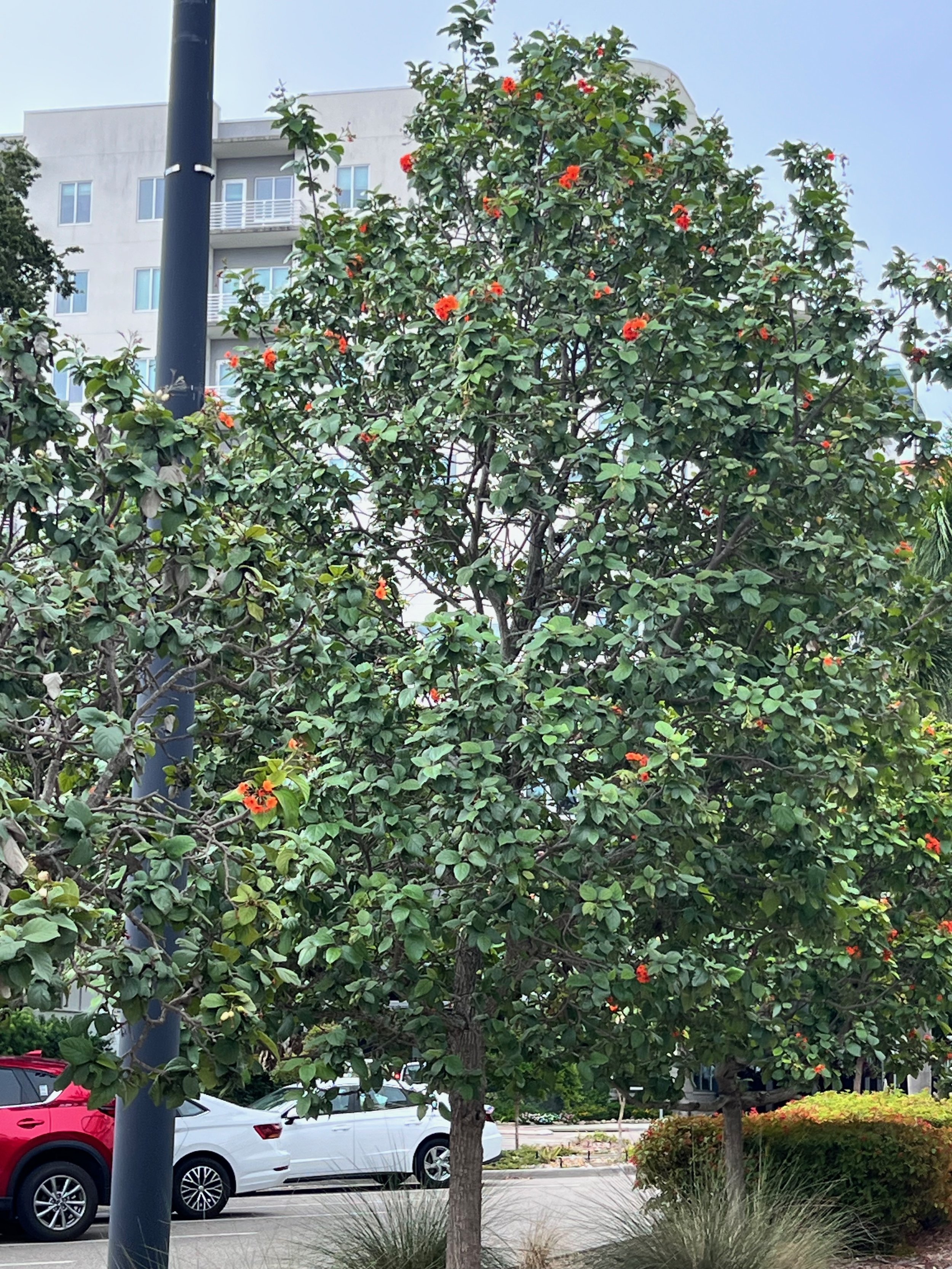
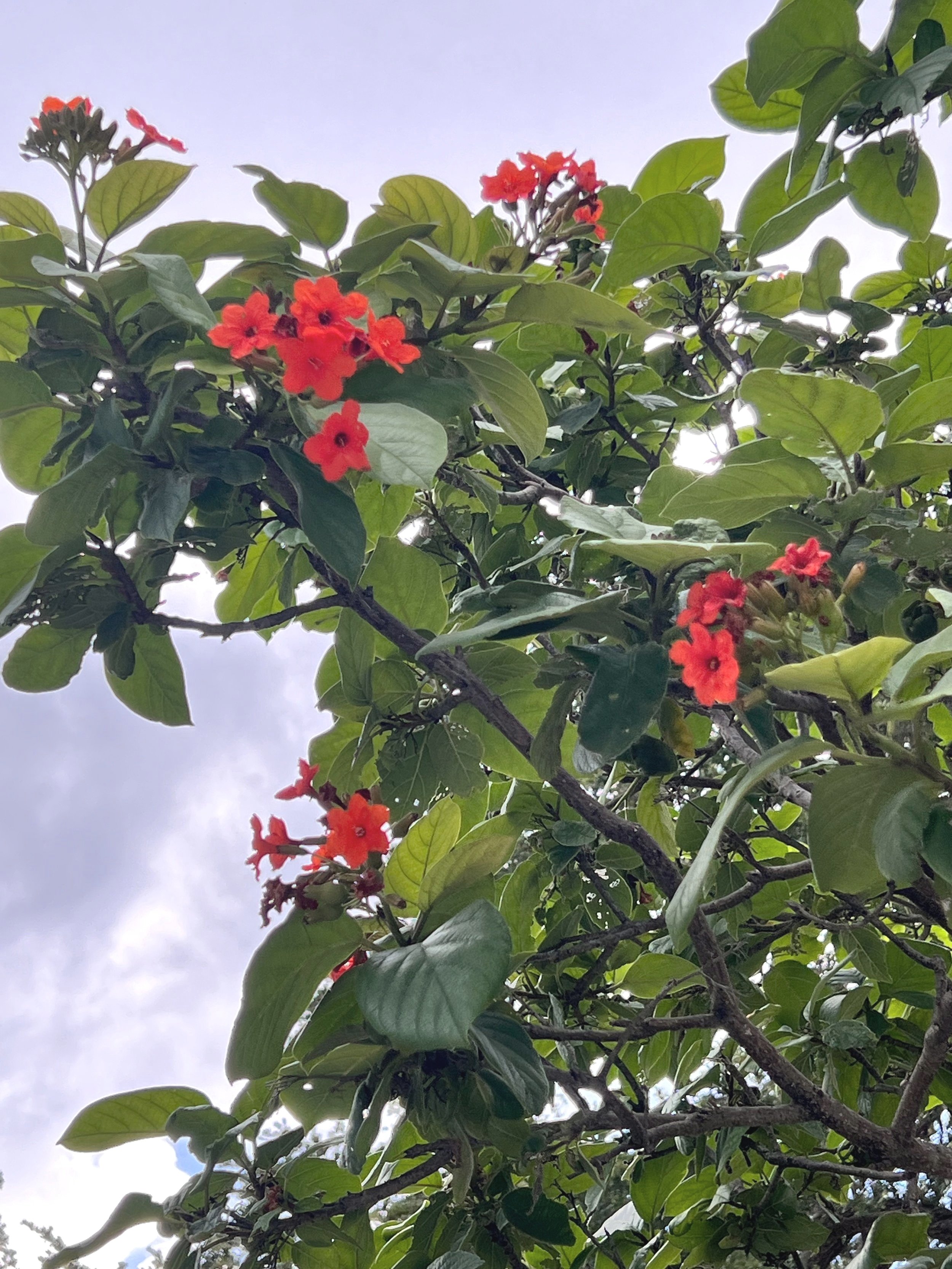
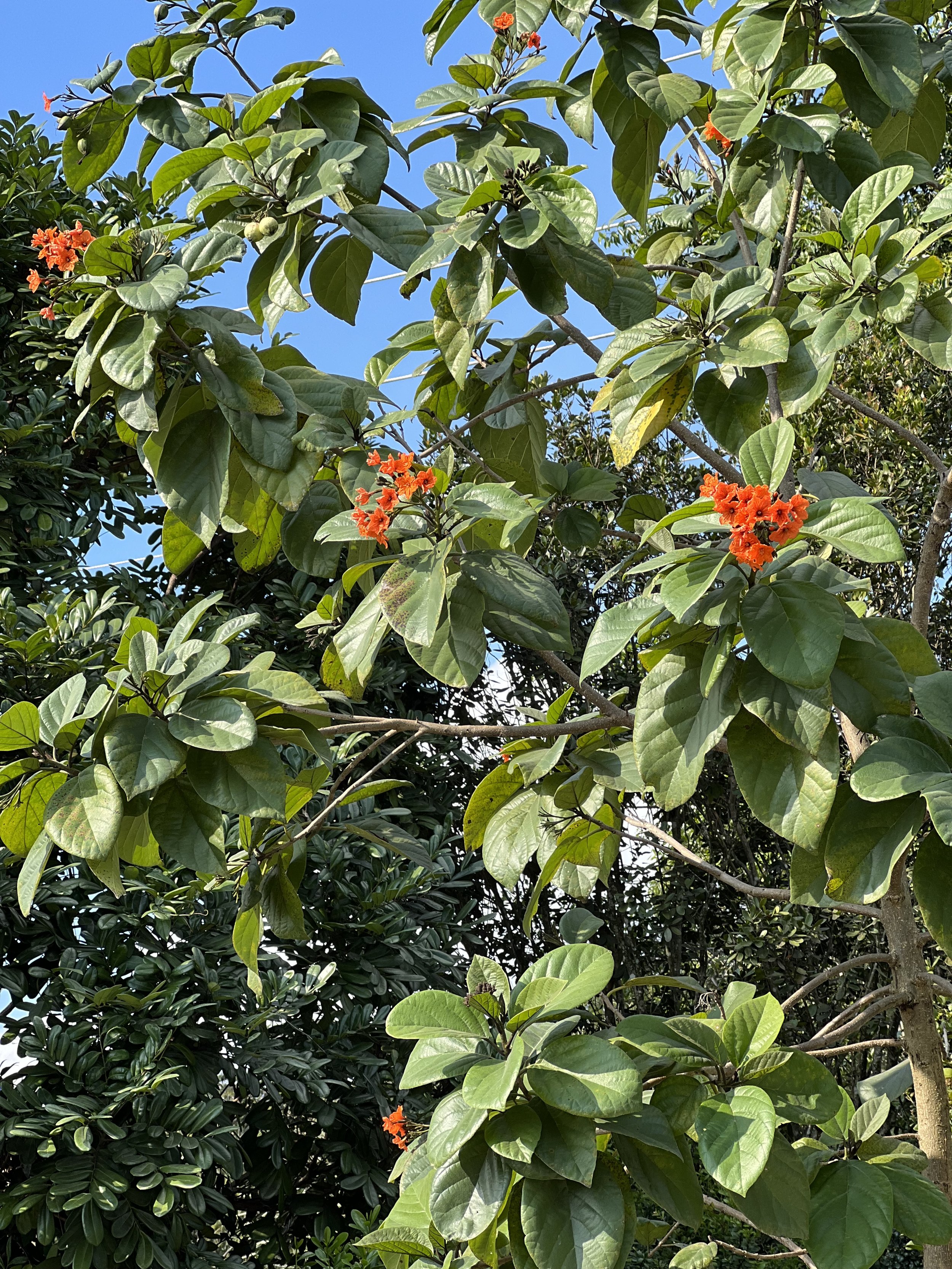
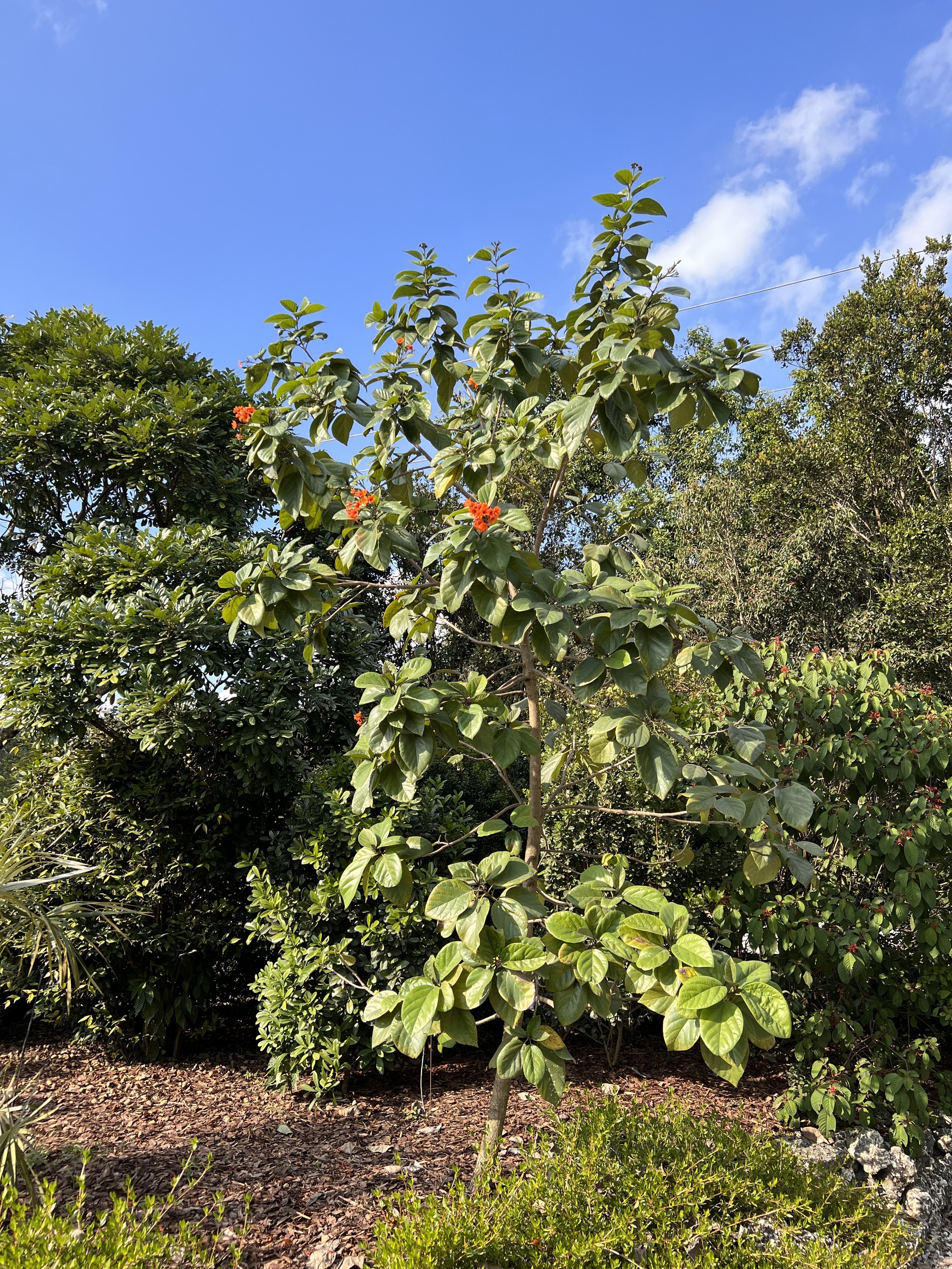
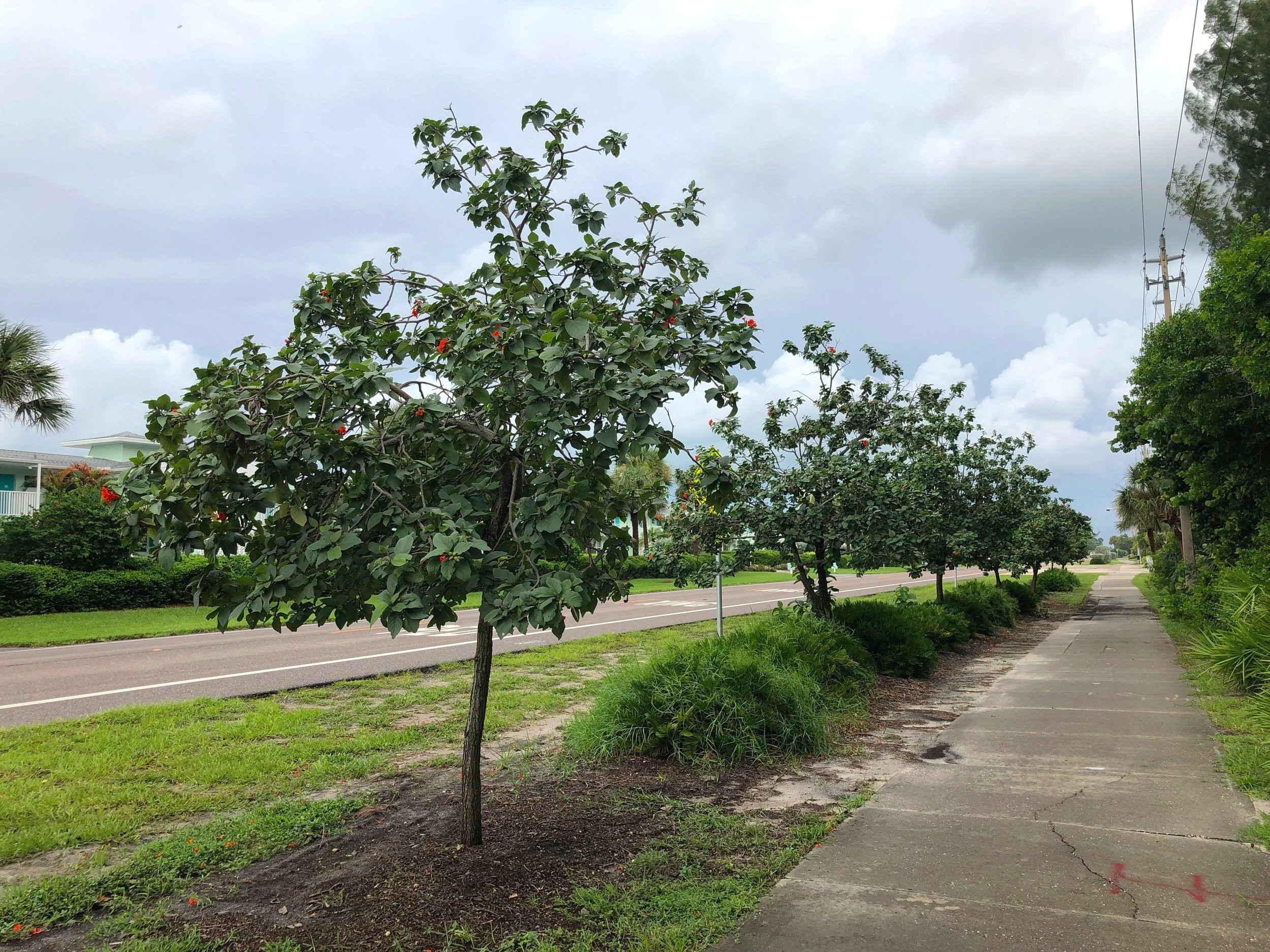
Cordia sebestena
Orange Geiger is a small, native, coastal, evergreen, flowering tree that likes full sun to light shade and well-drained soils. Orange Geiger is drought, wind and salt tolerant with large dark green leaves and showy orange flowers almost all year that attract butterflies and hummingbirds.
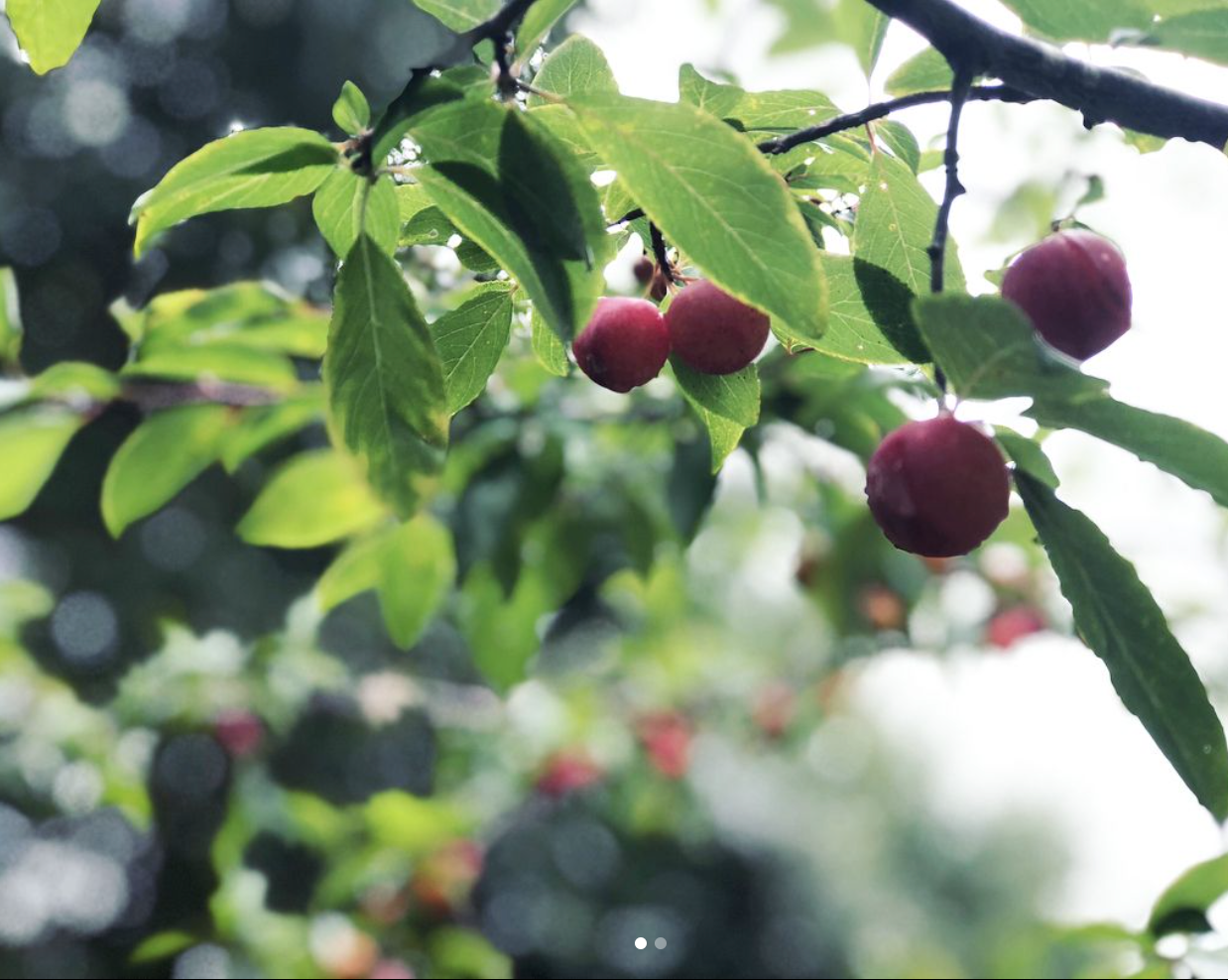
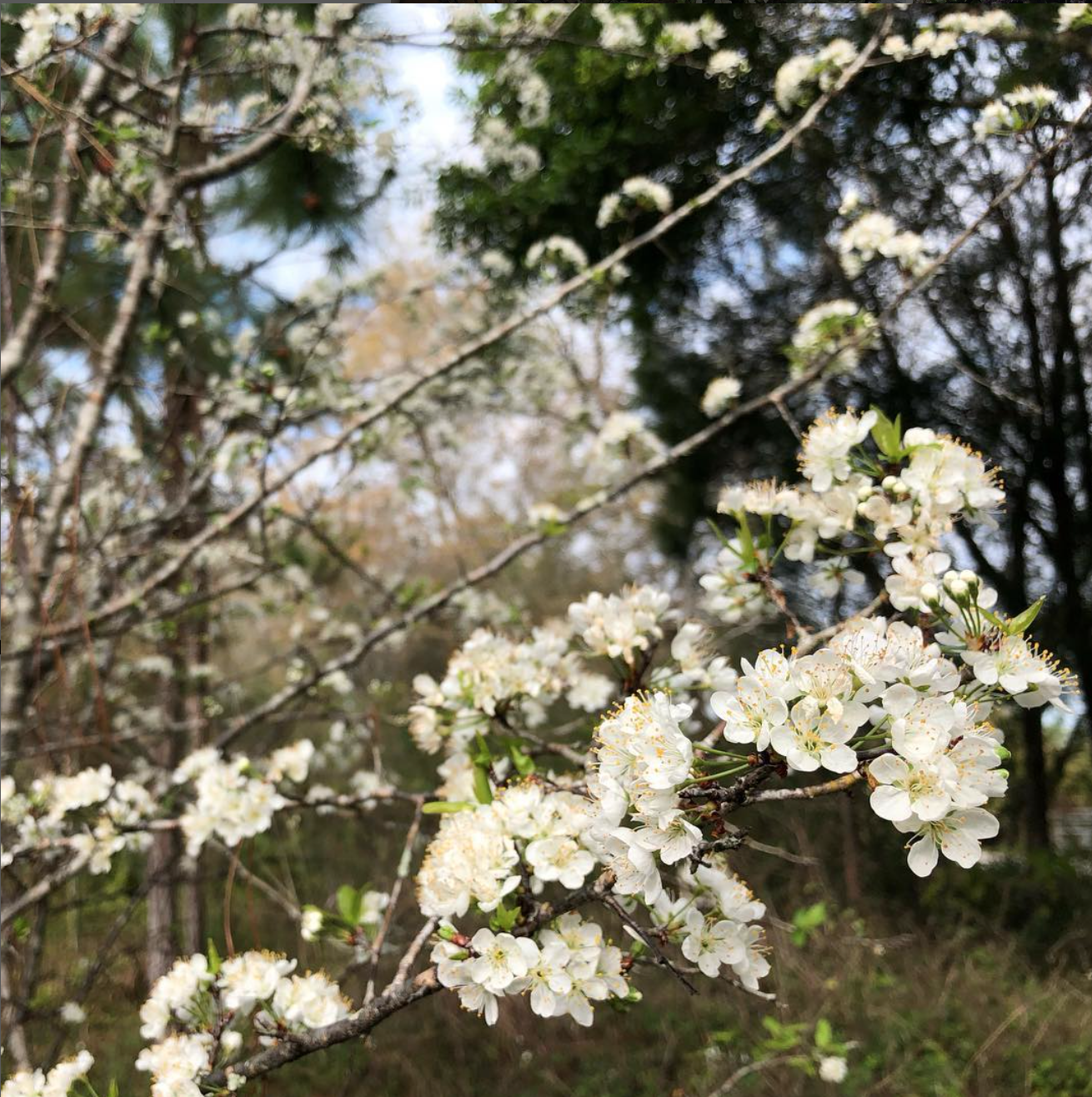
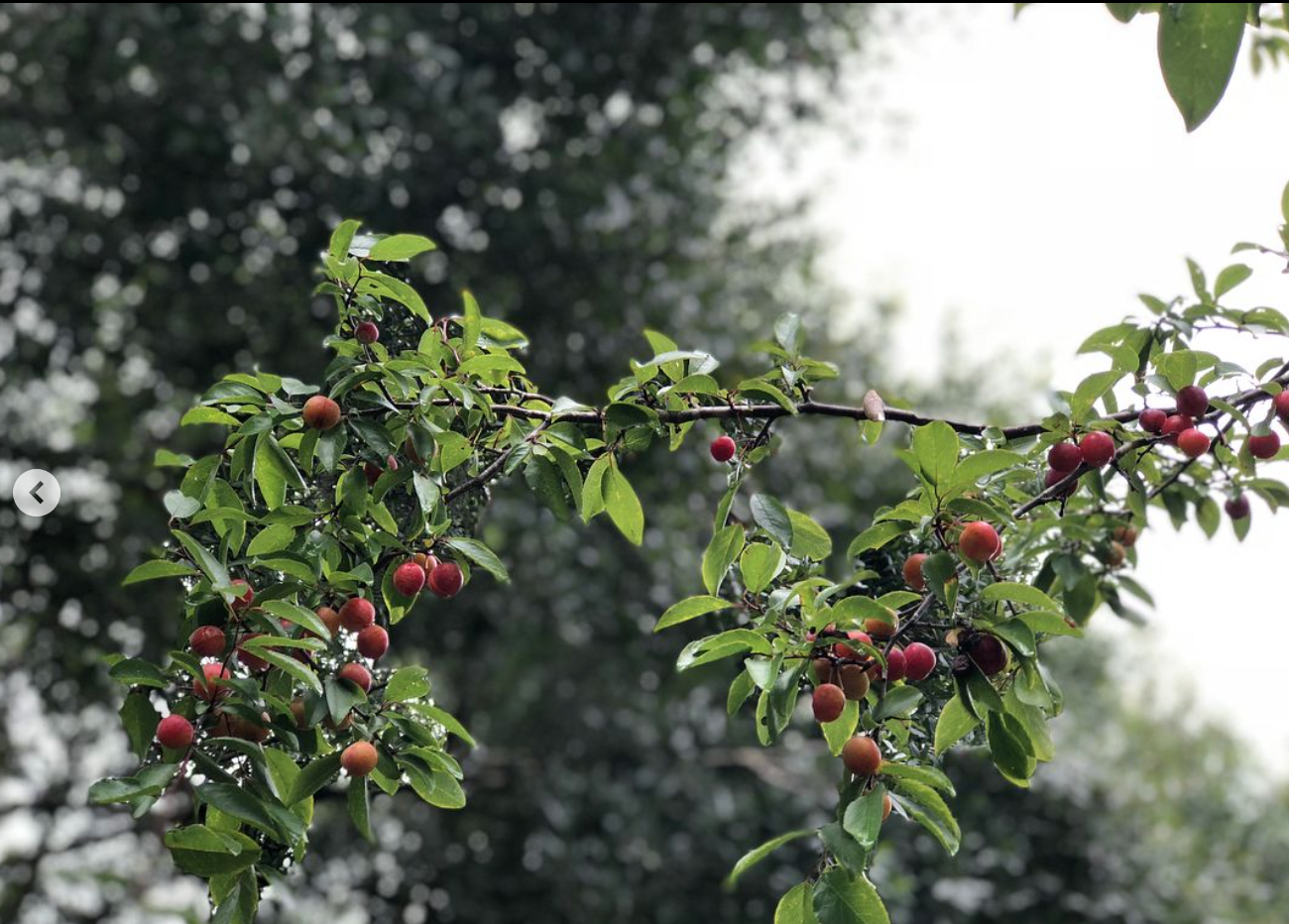
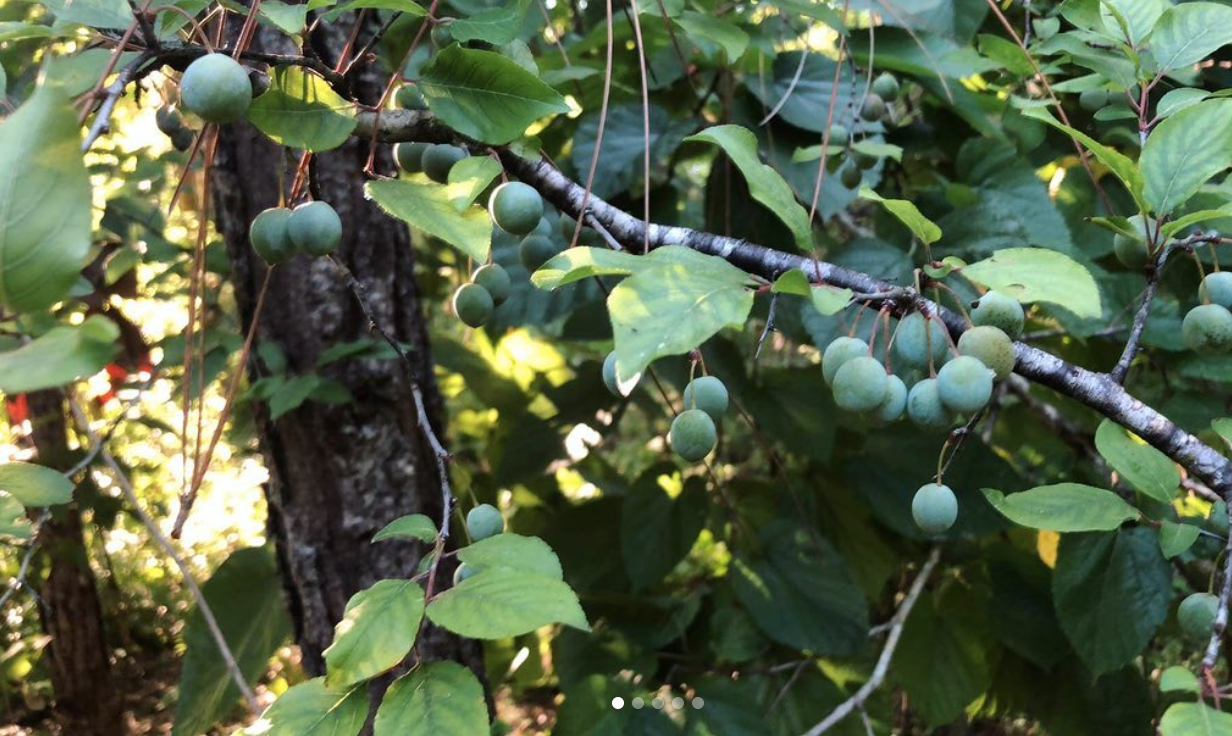
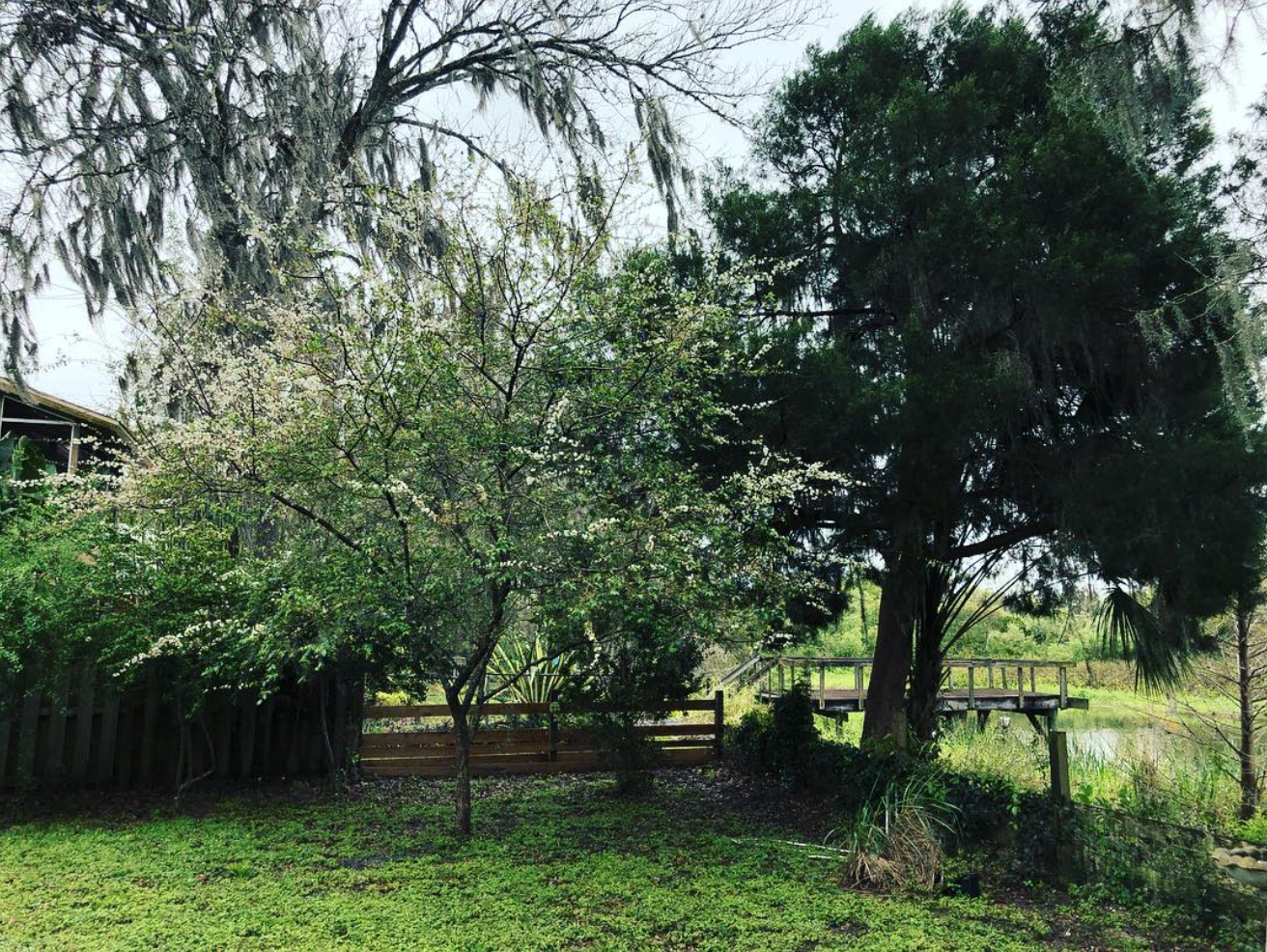
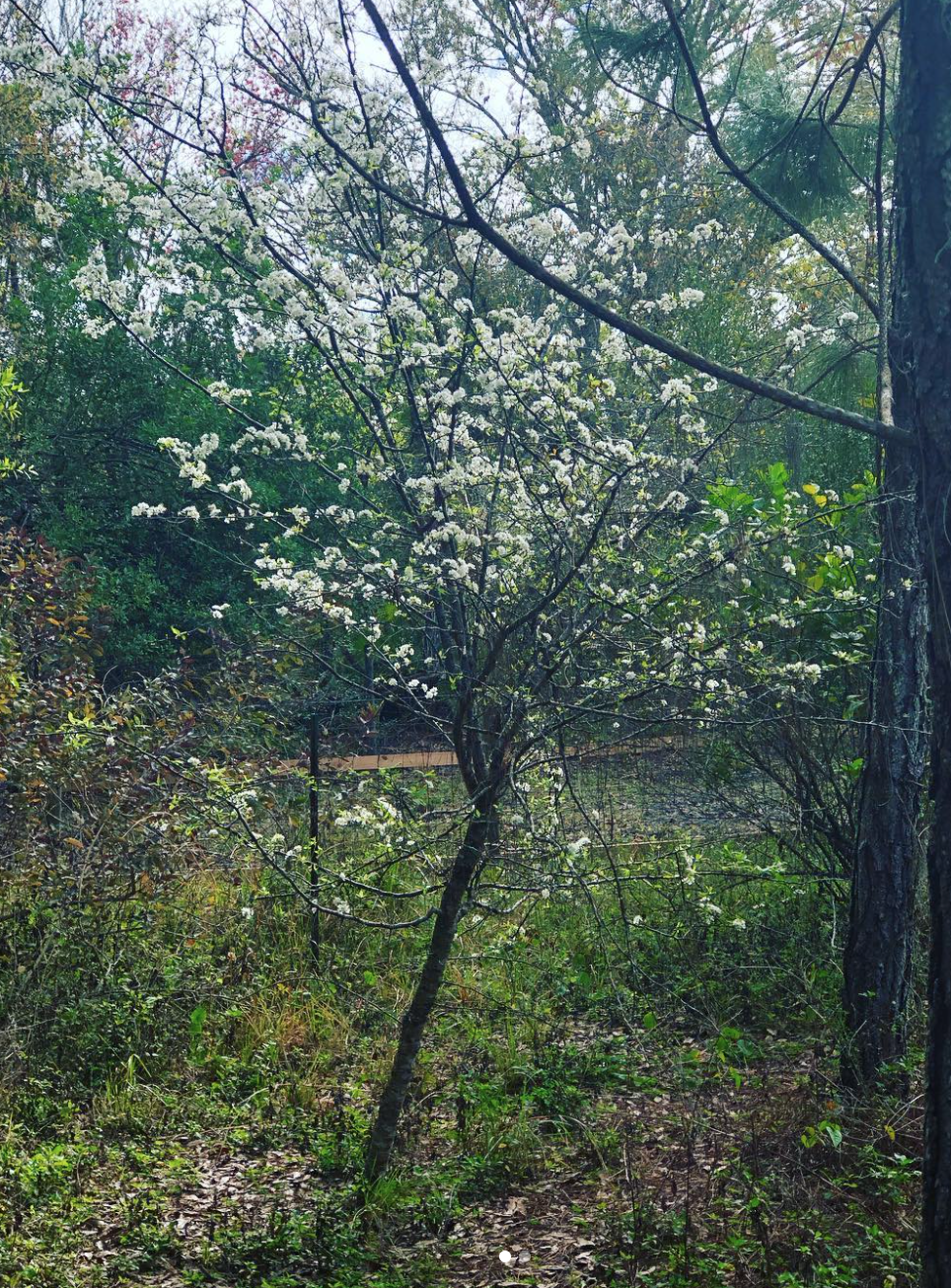
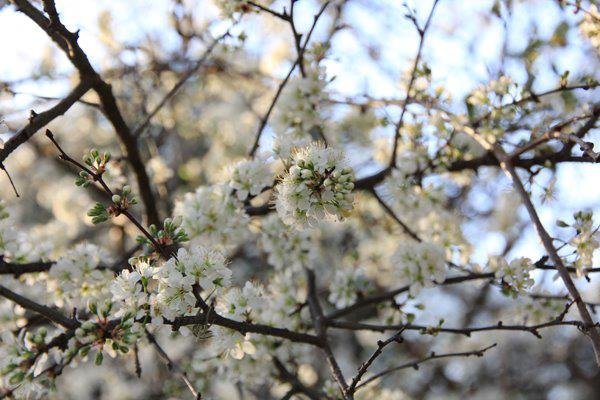
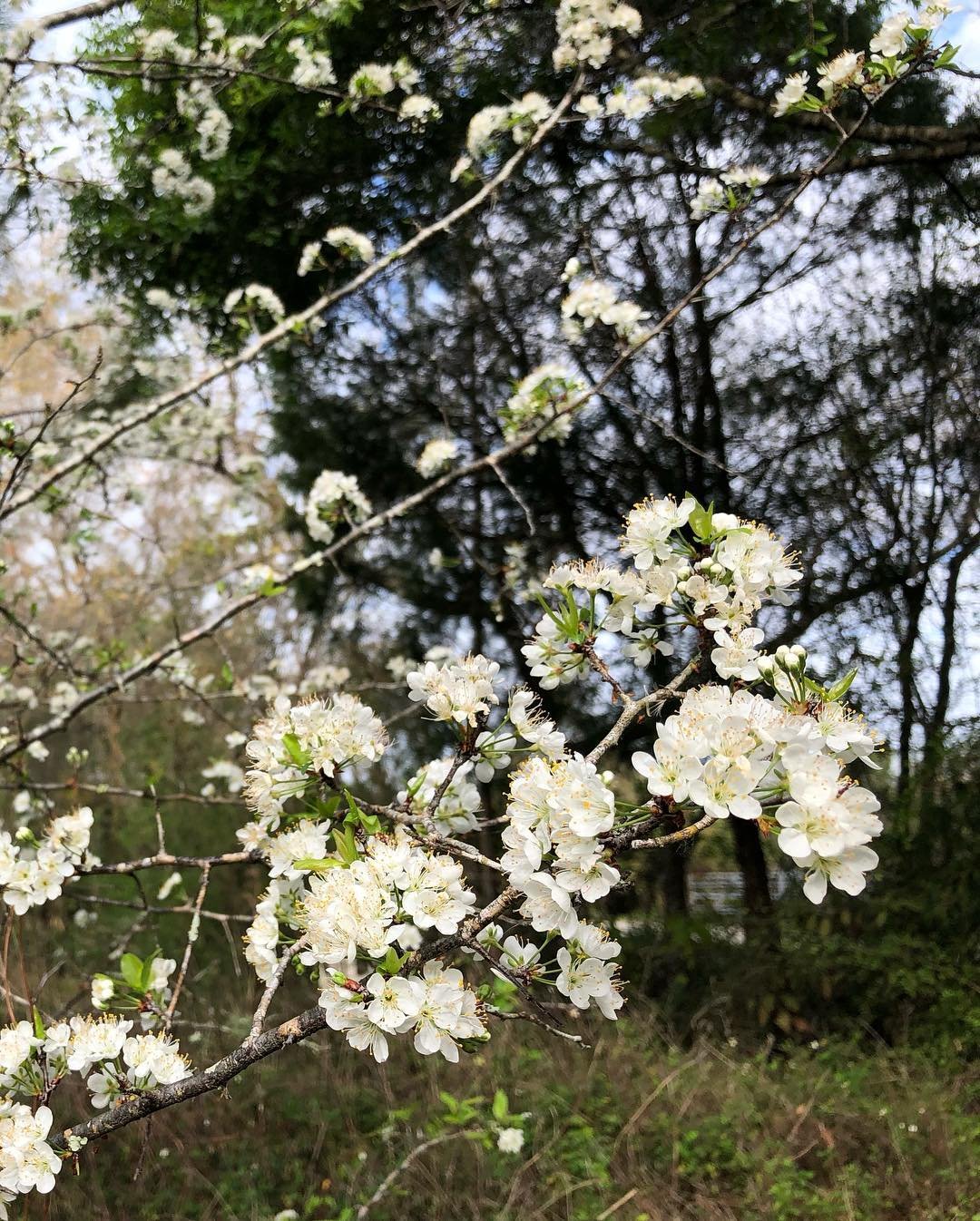
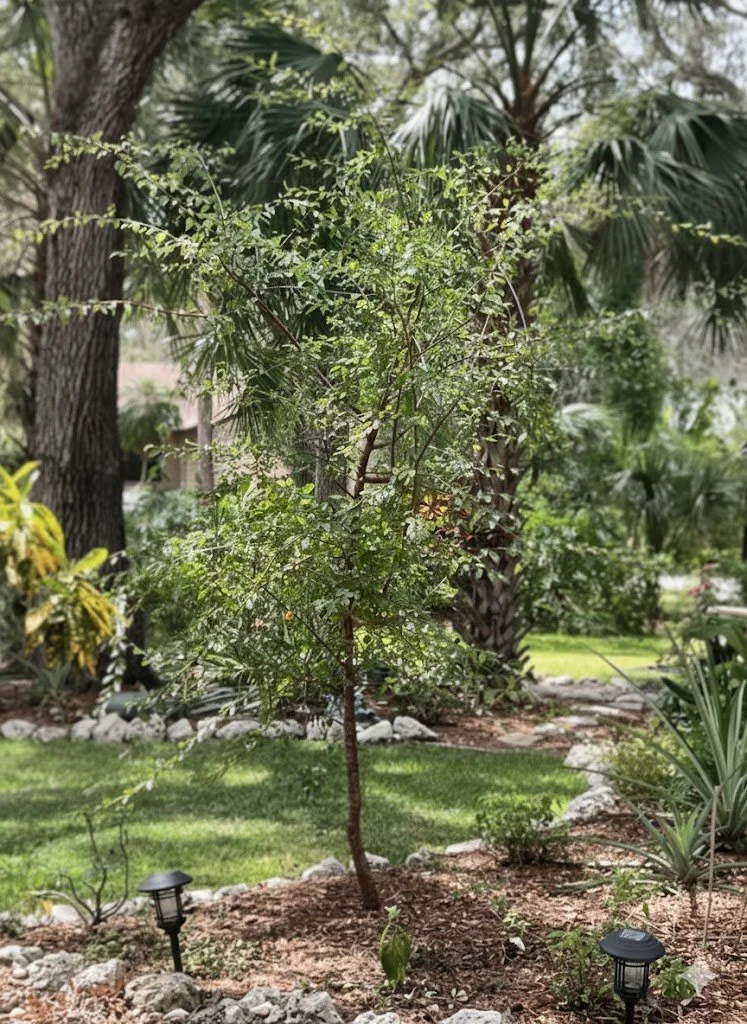
Prunus umbellata
Flatwoods plum is a small, native, deciduous, flowering and fruiting edible wild plum tree that can be grown in sun or under larger trees. It’s beautiful white flowers in the spring attract pollinators and it produces plums in summer that are small tart and edible for both people and birds.
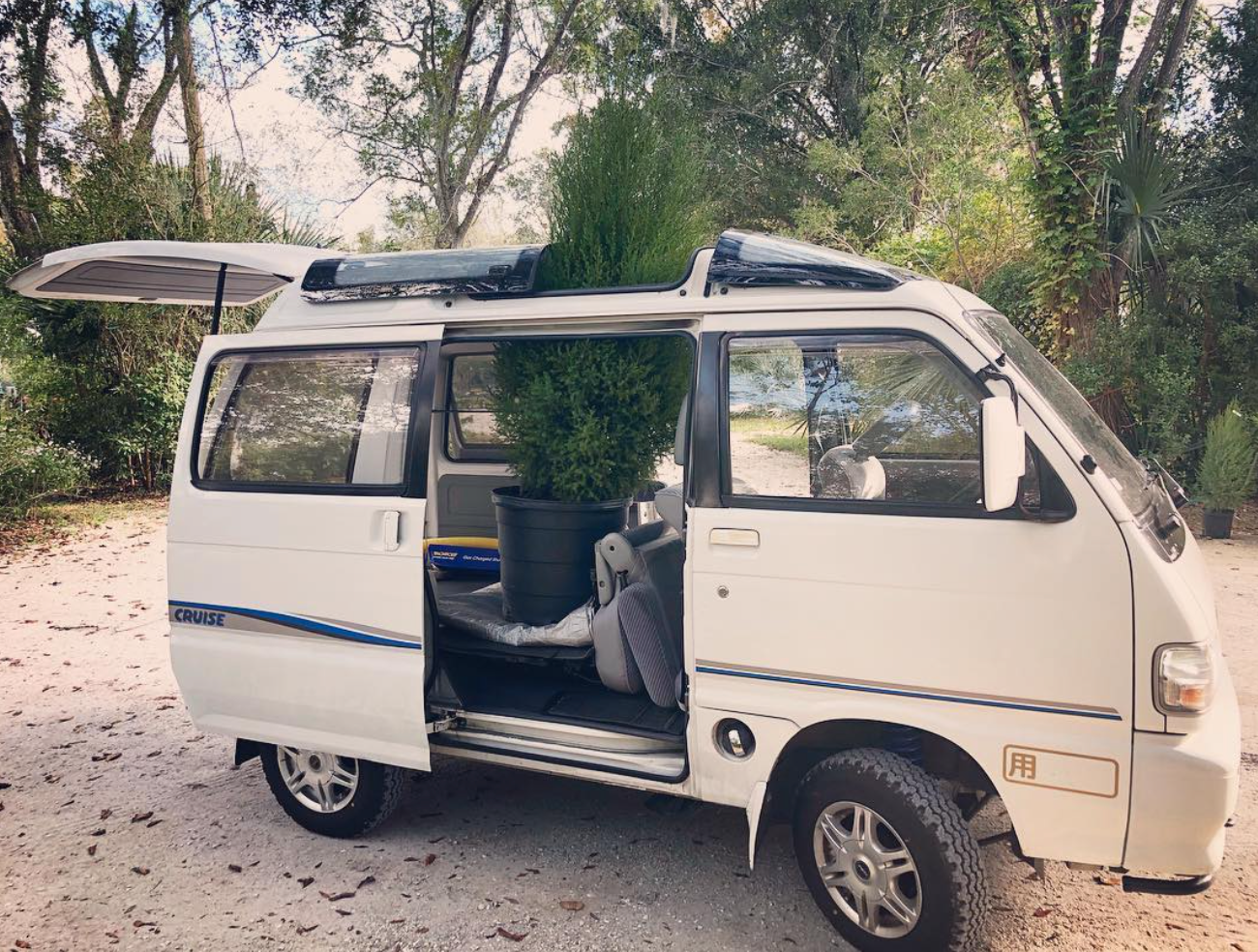
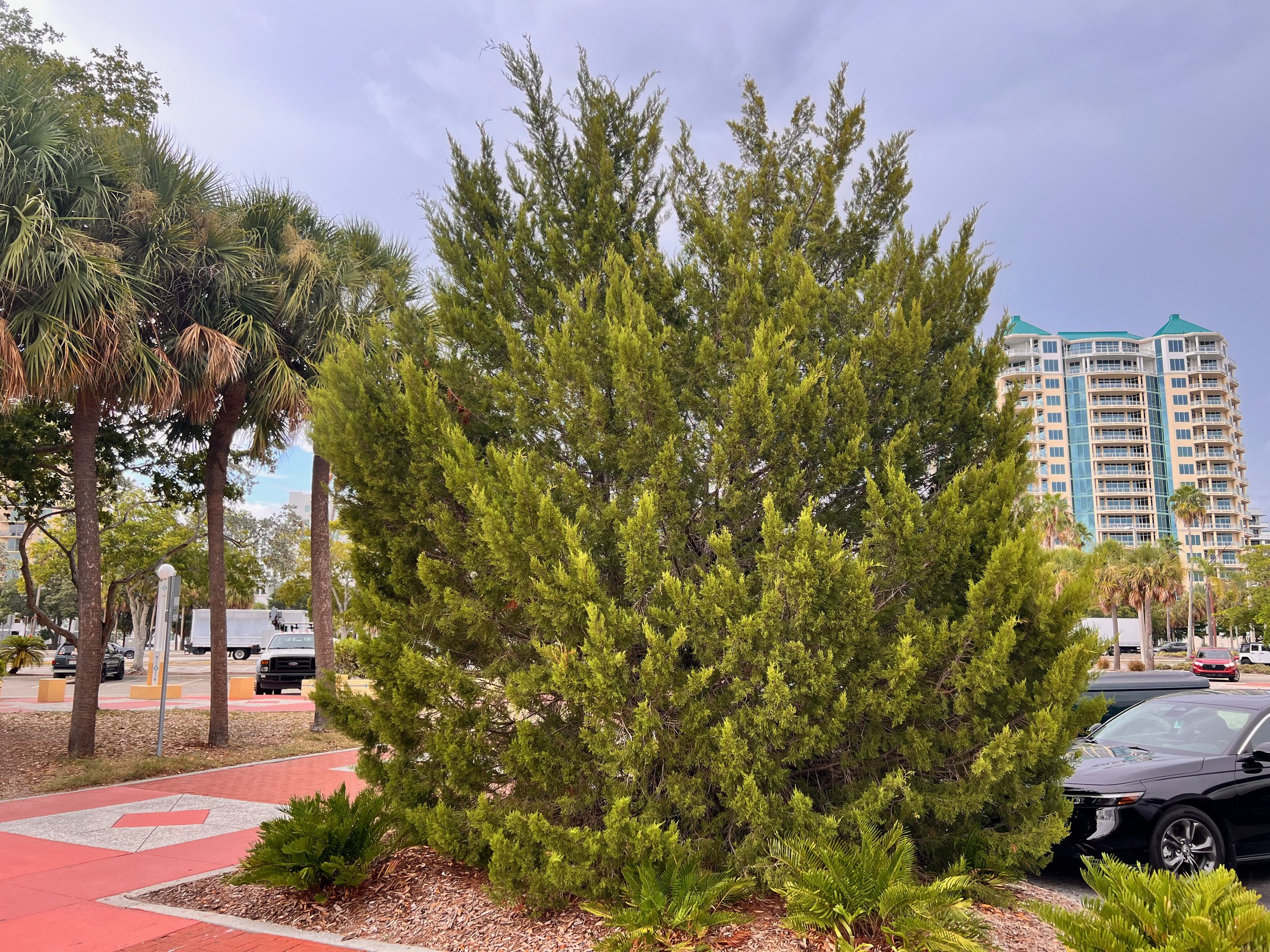
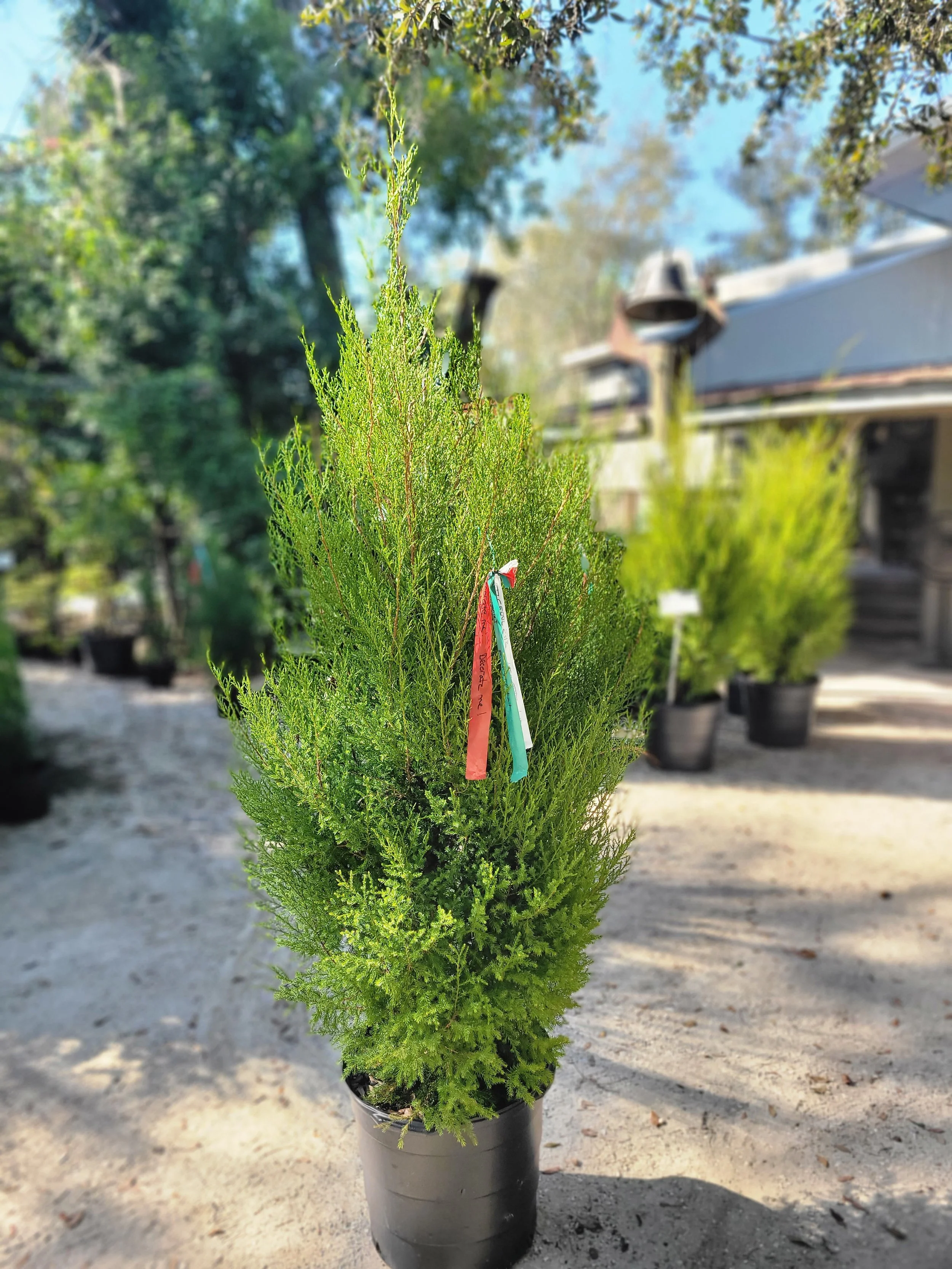
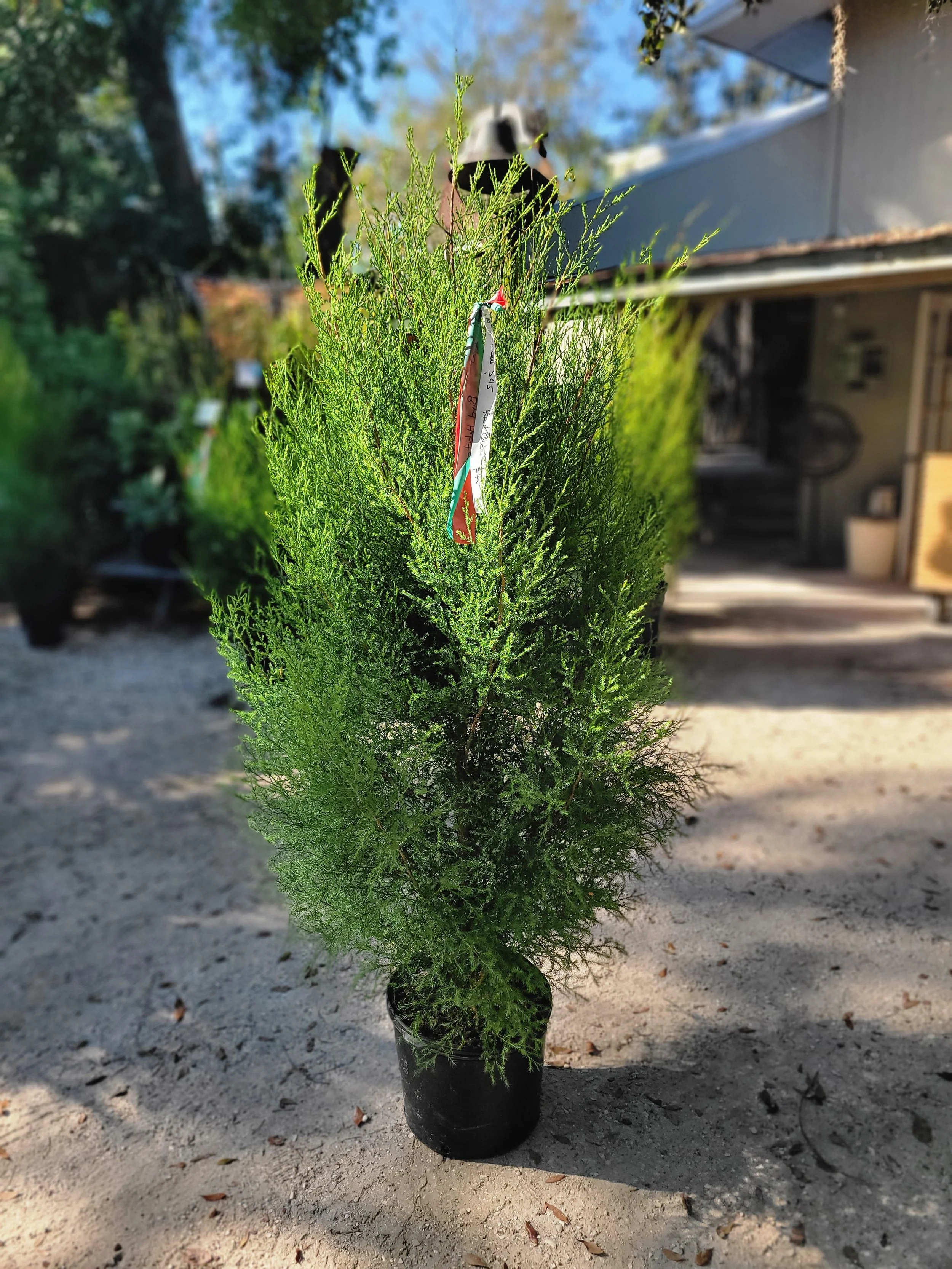
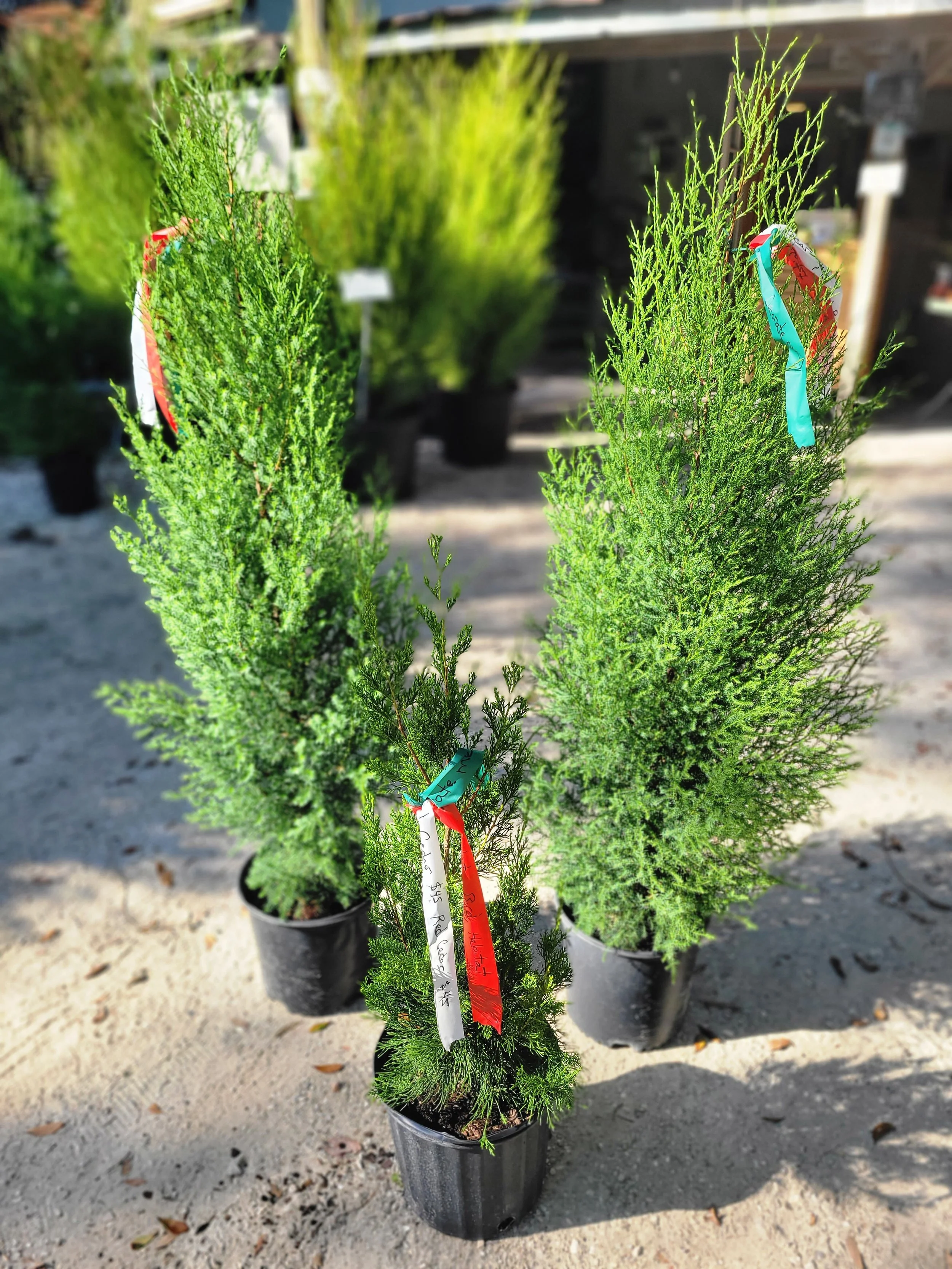
Juniperus virginiana silicoa
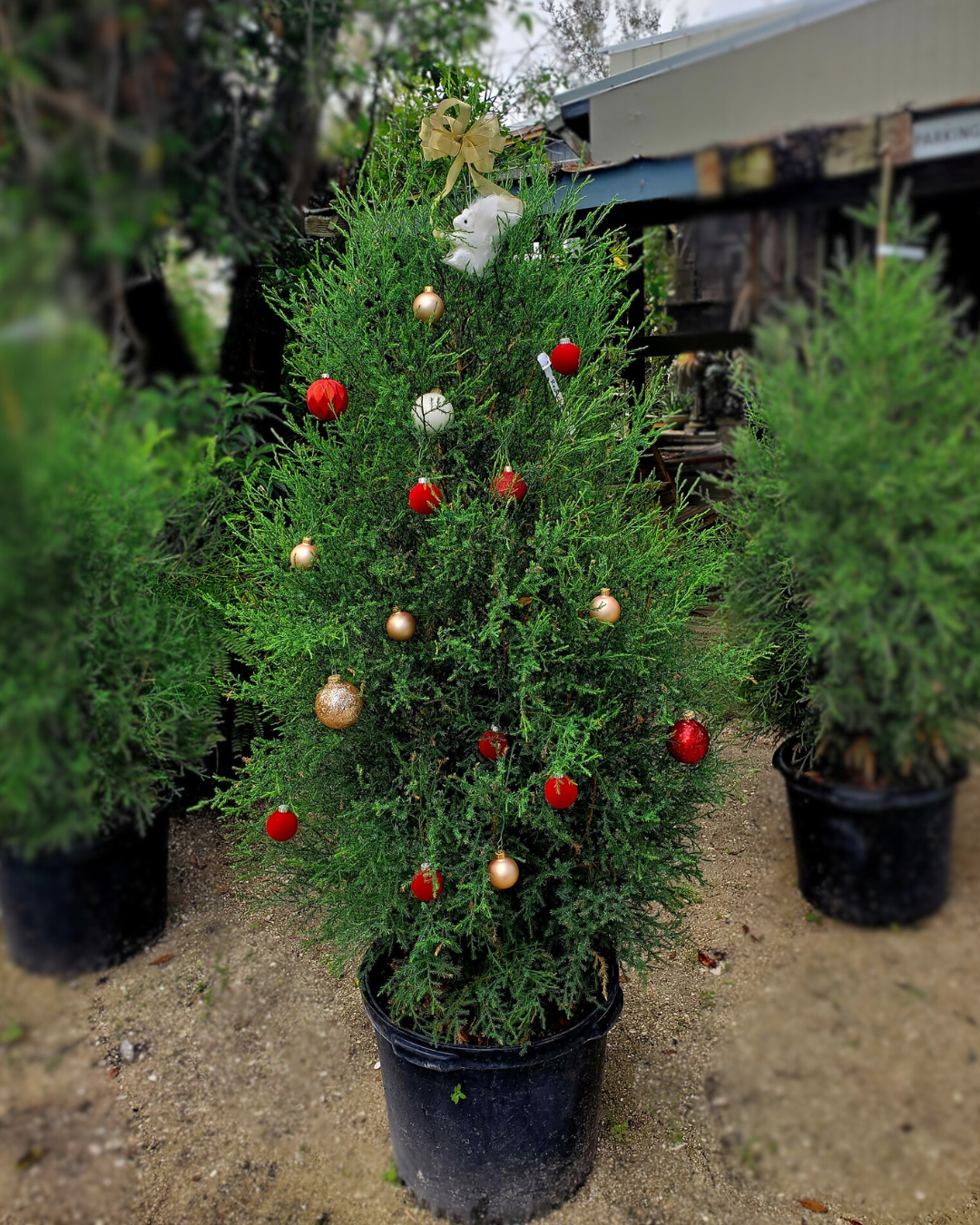
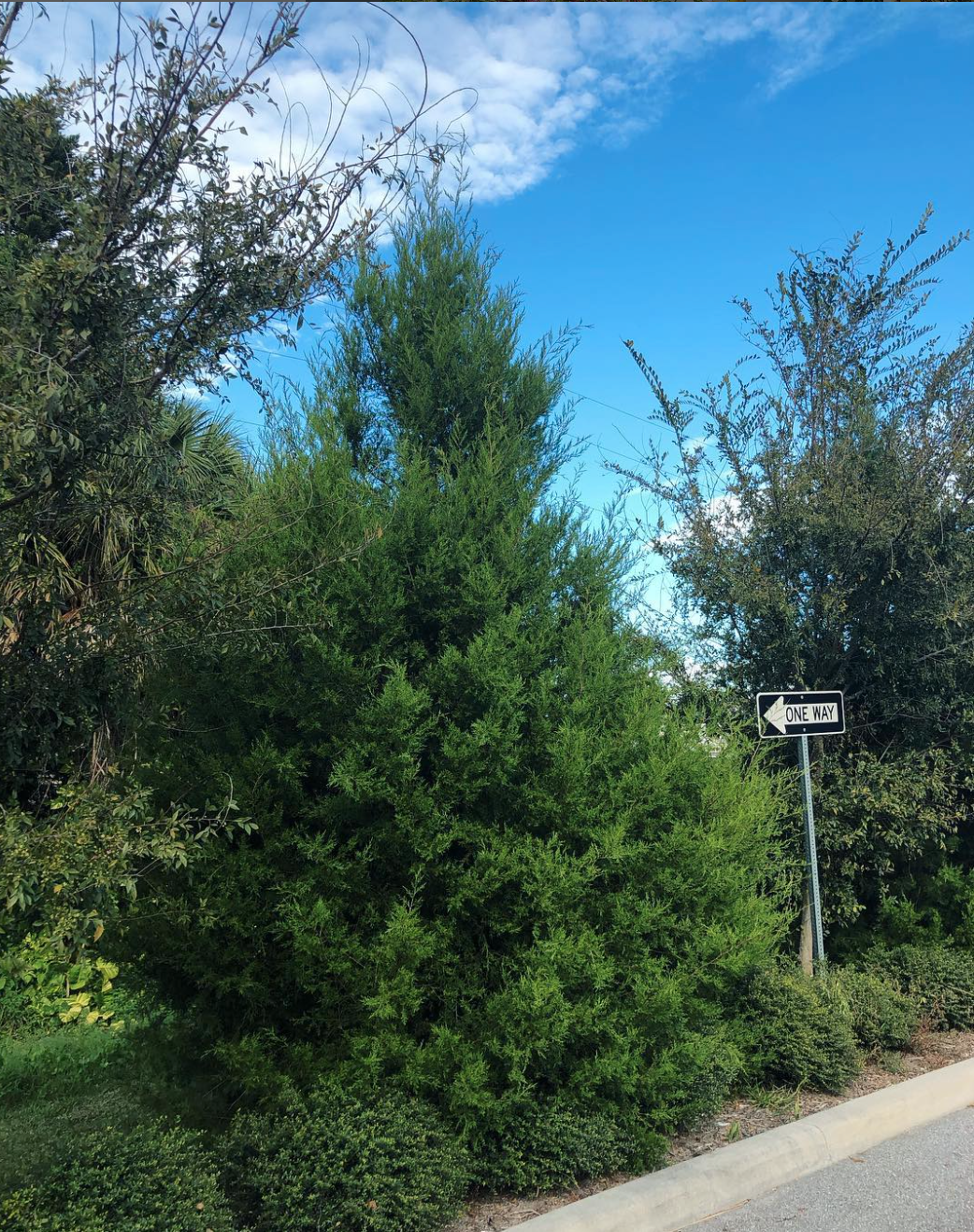
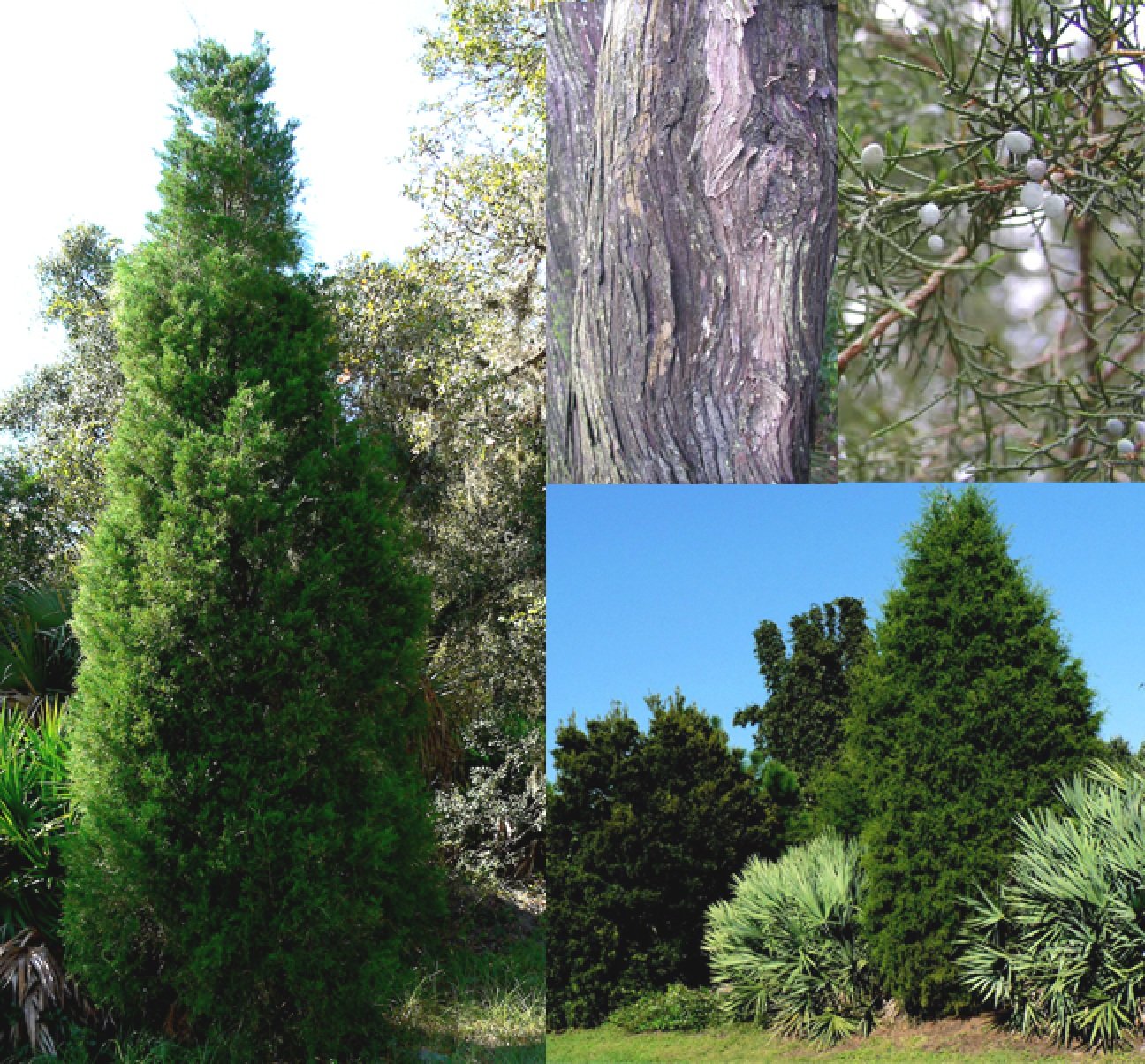
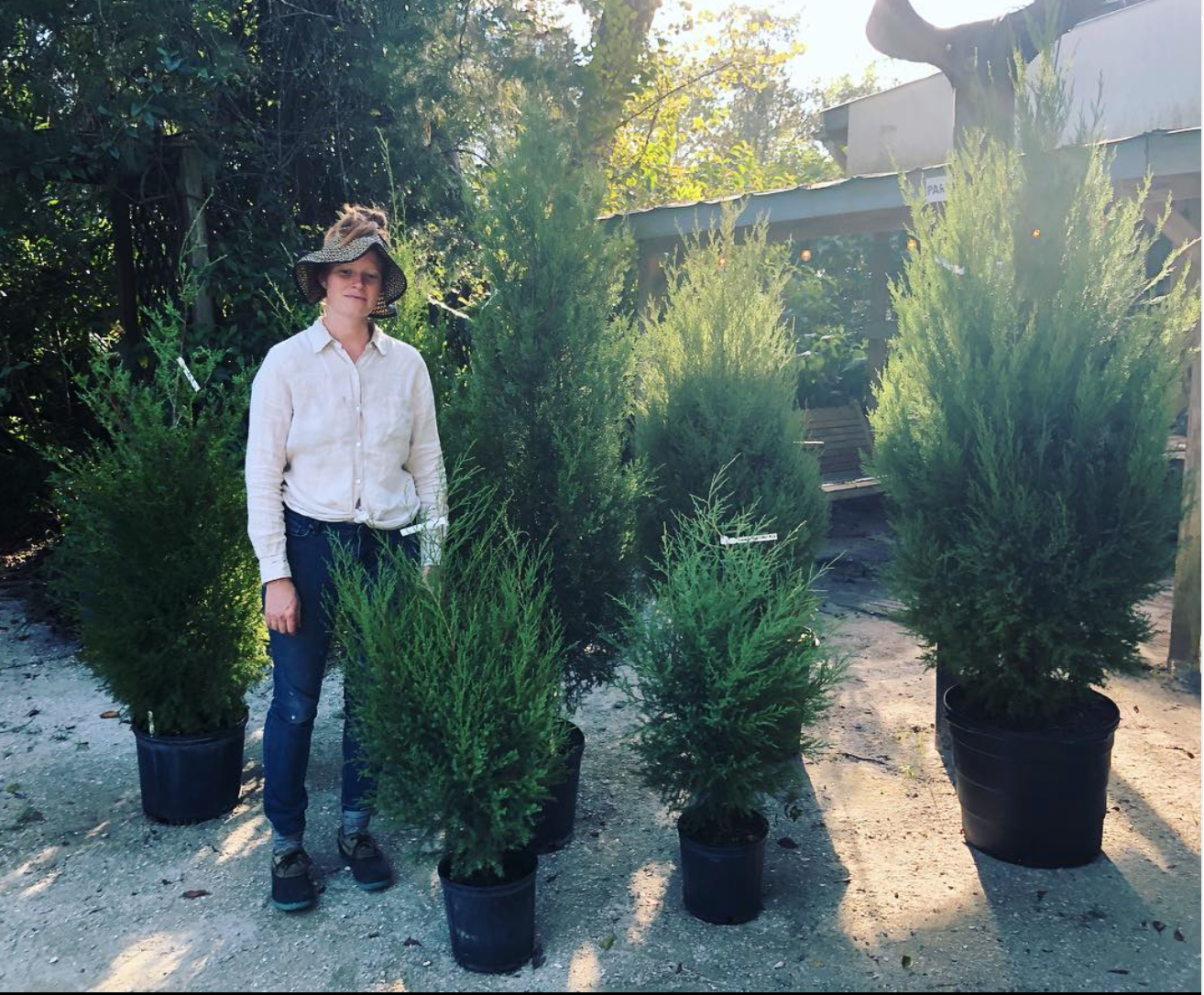
Red Cedar is an evergreen shade tree that is also excellent for a privacy screen or buffer planting. It’s long-lived, it can grow to approximately 30’ over many years, is adaptable to dry and moist soils and does well in full sun to light shade. It can be used as a coastal plant as it is salt tolerant. Red Cedars are an important nesting and food source for birds.
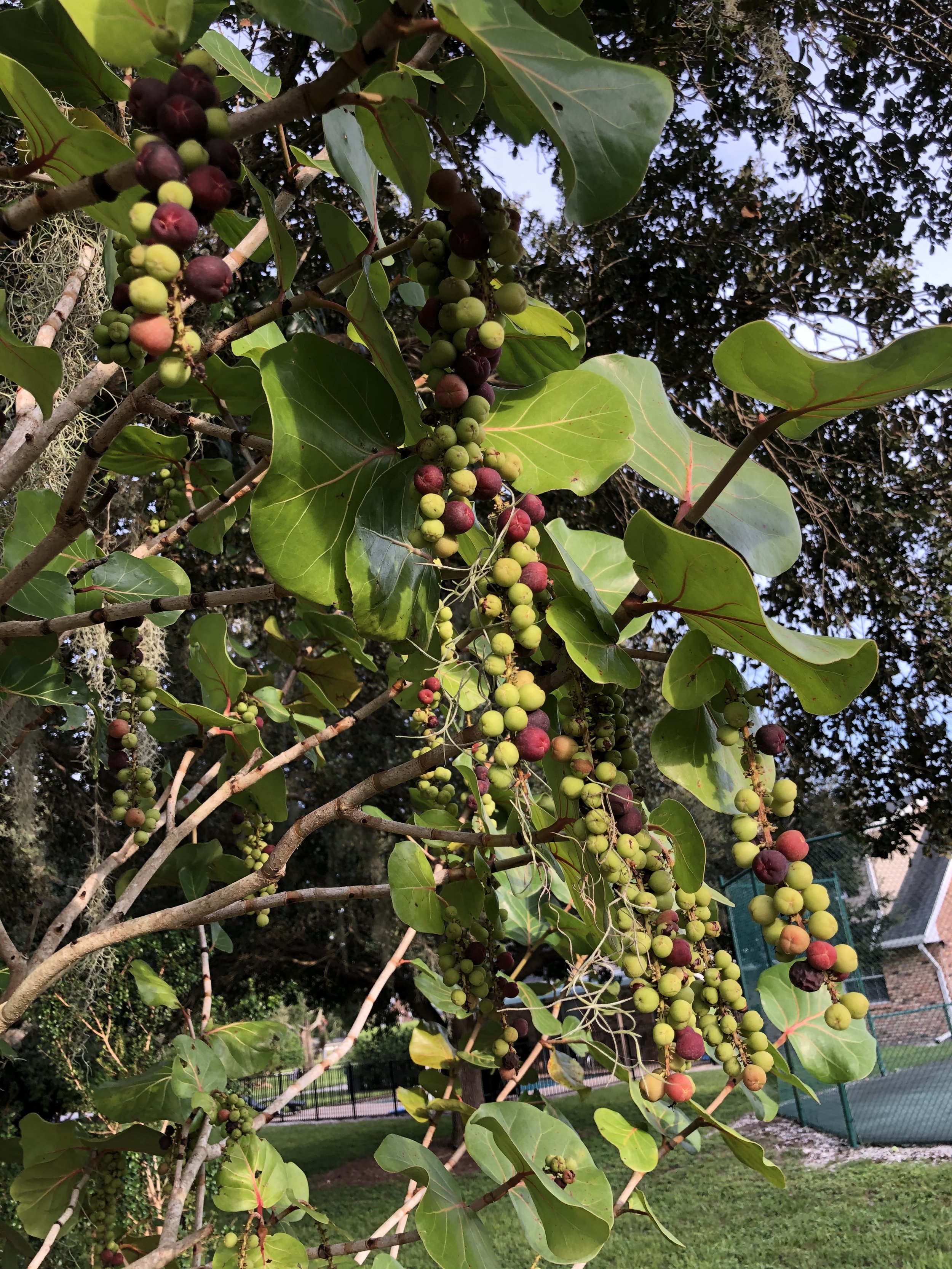
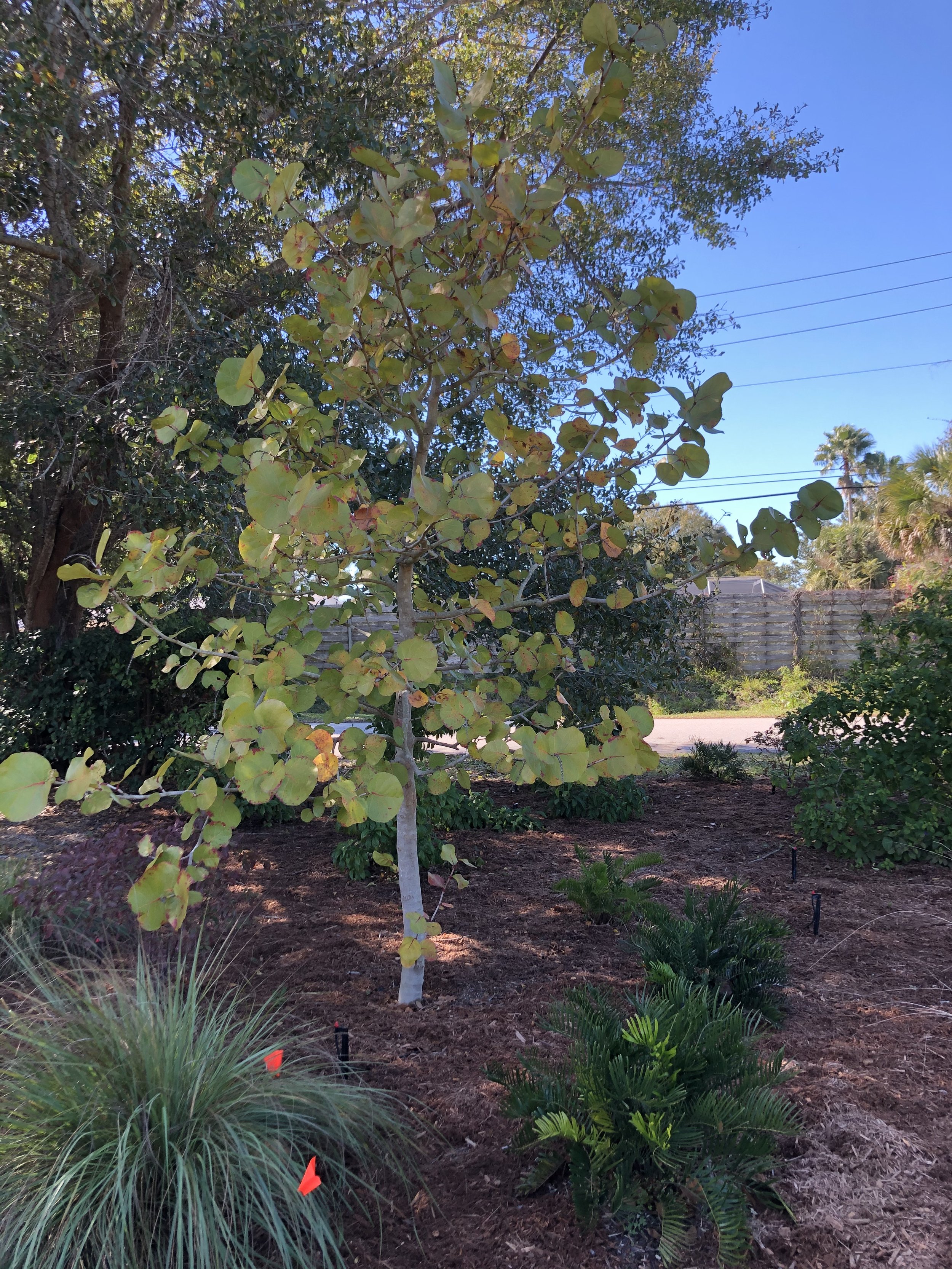
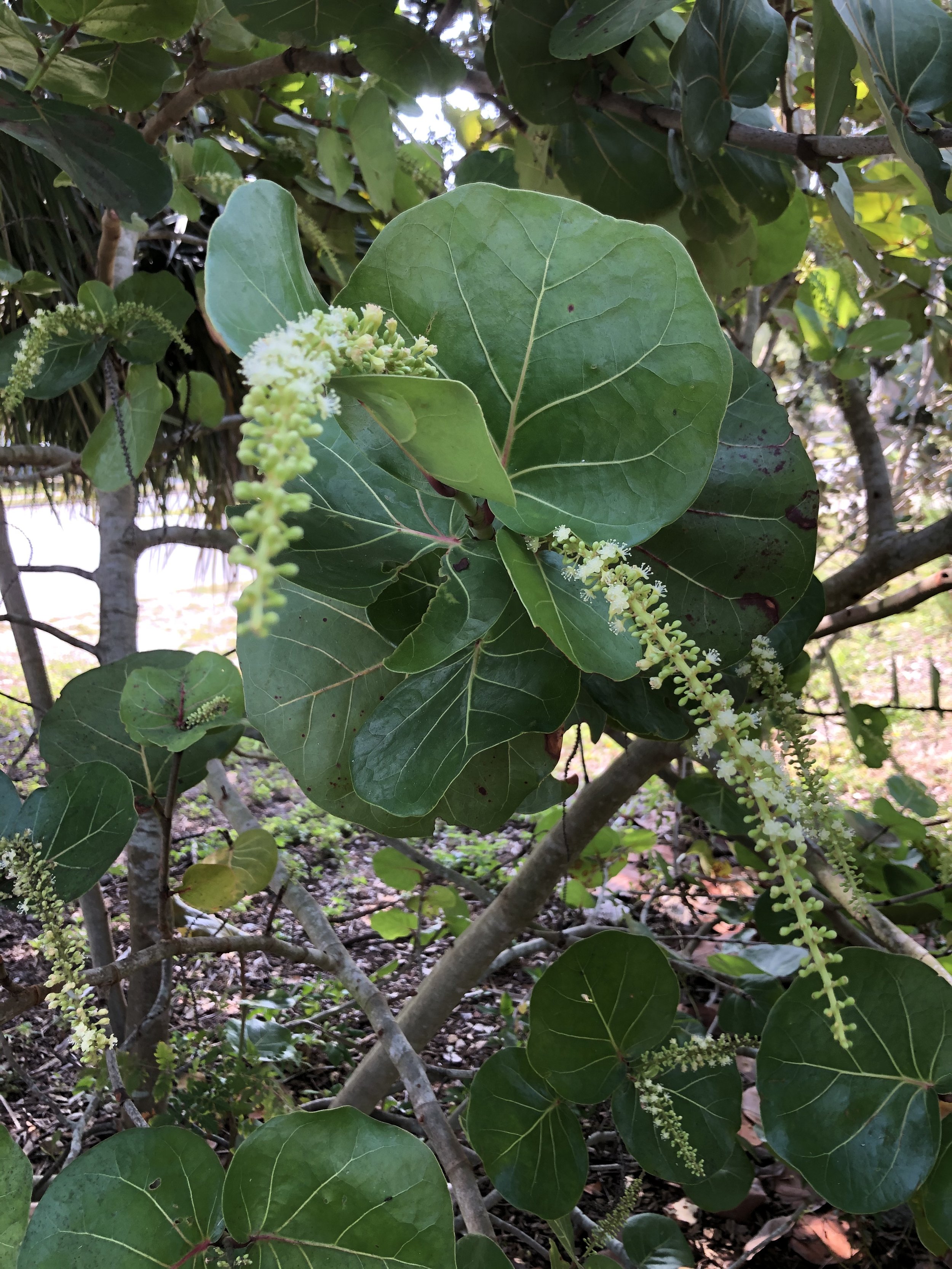
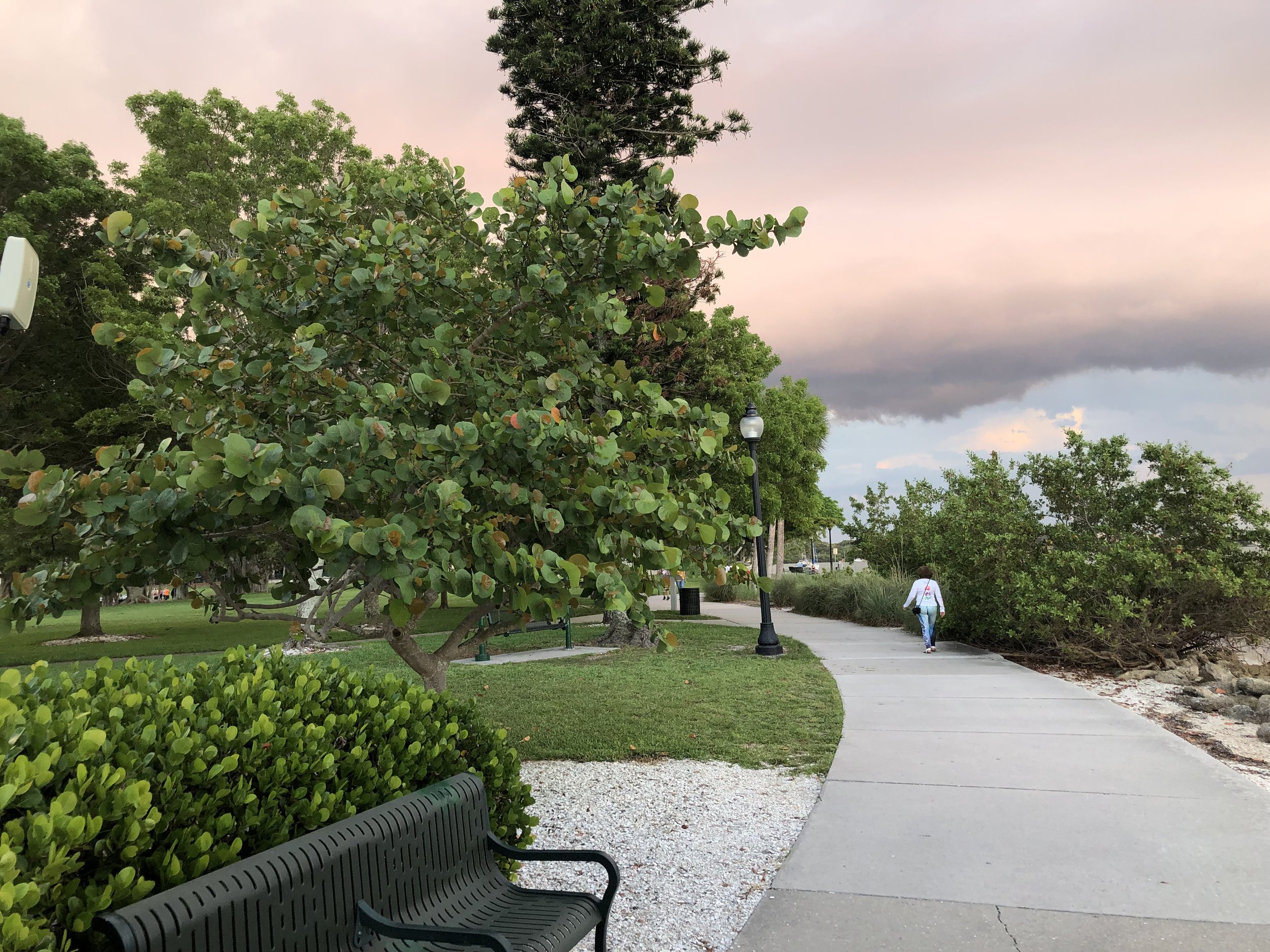
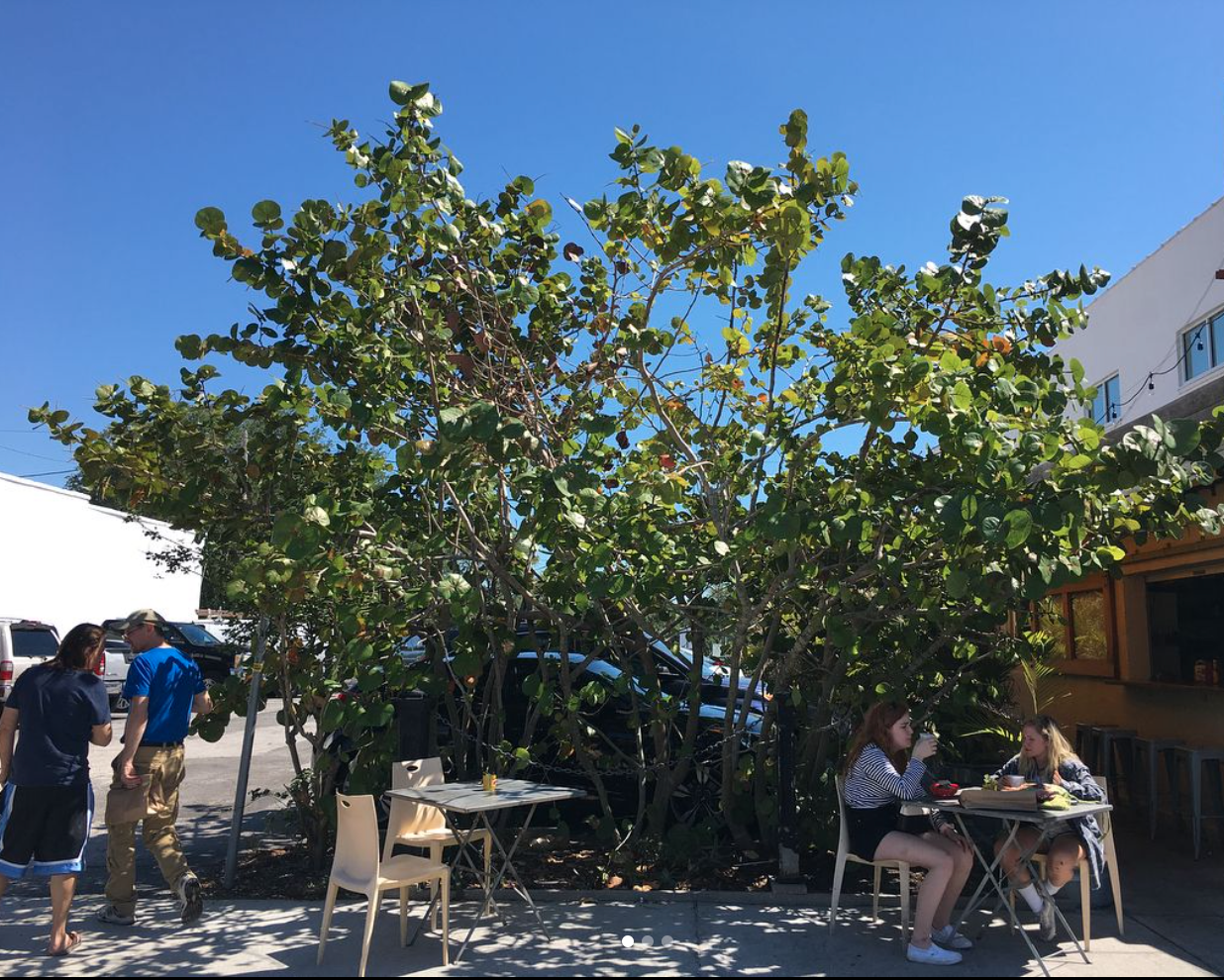
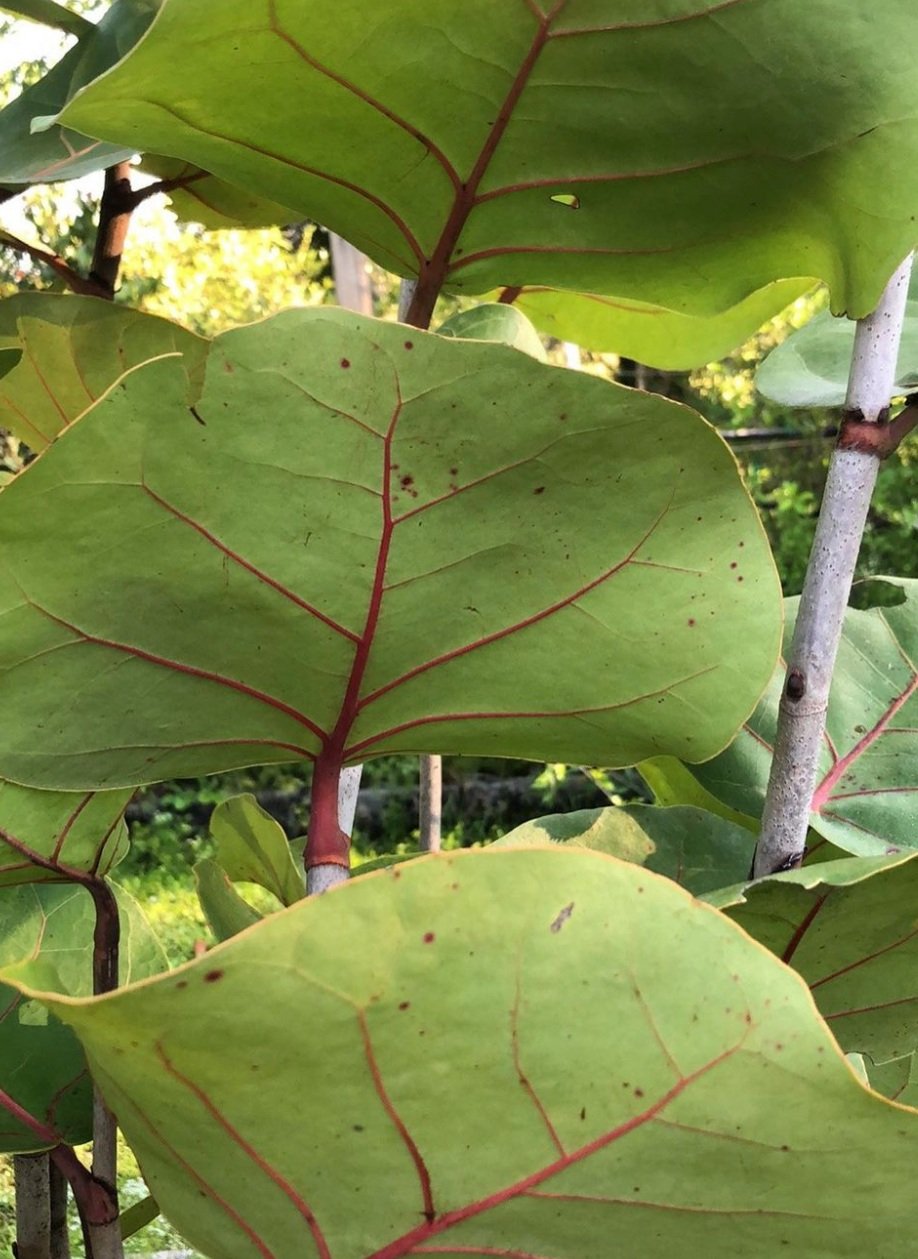
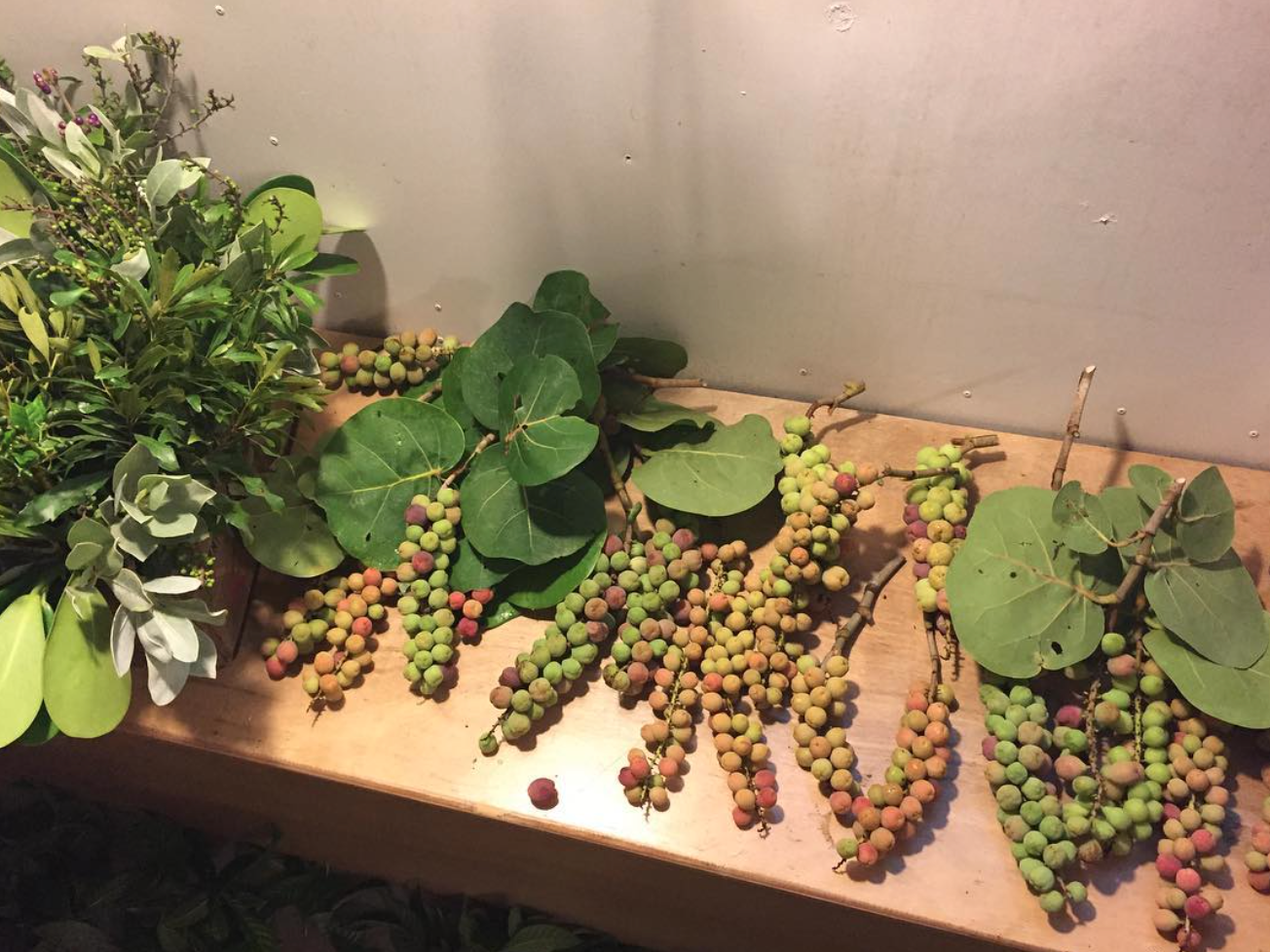
Coccoloba uvifera
A tropical-looking and unique native plant, Sea Grape grows to 10-30 ft tall and can be trimmed. Grow in full sun as a large shrub for screening and privacy or as a large sculptural tree in semi-shade. The leaves of Sea Grape are lightly deciduous and interesting with seasonal changes in color. The fruit grows in beautiful clusters and is enjoyed by both birds and people.
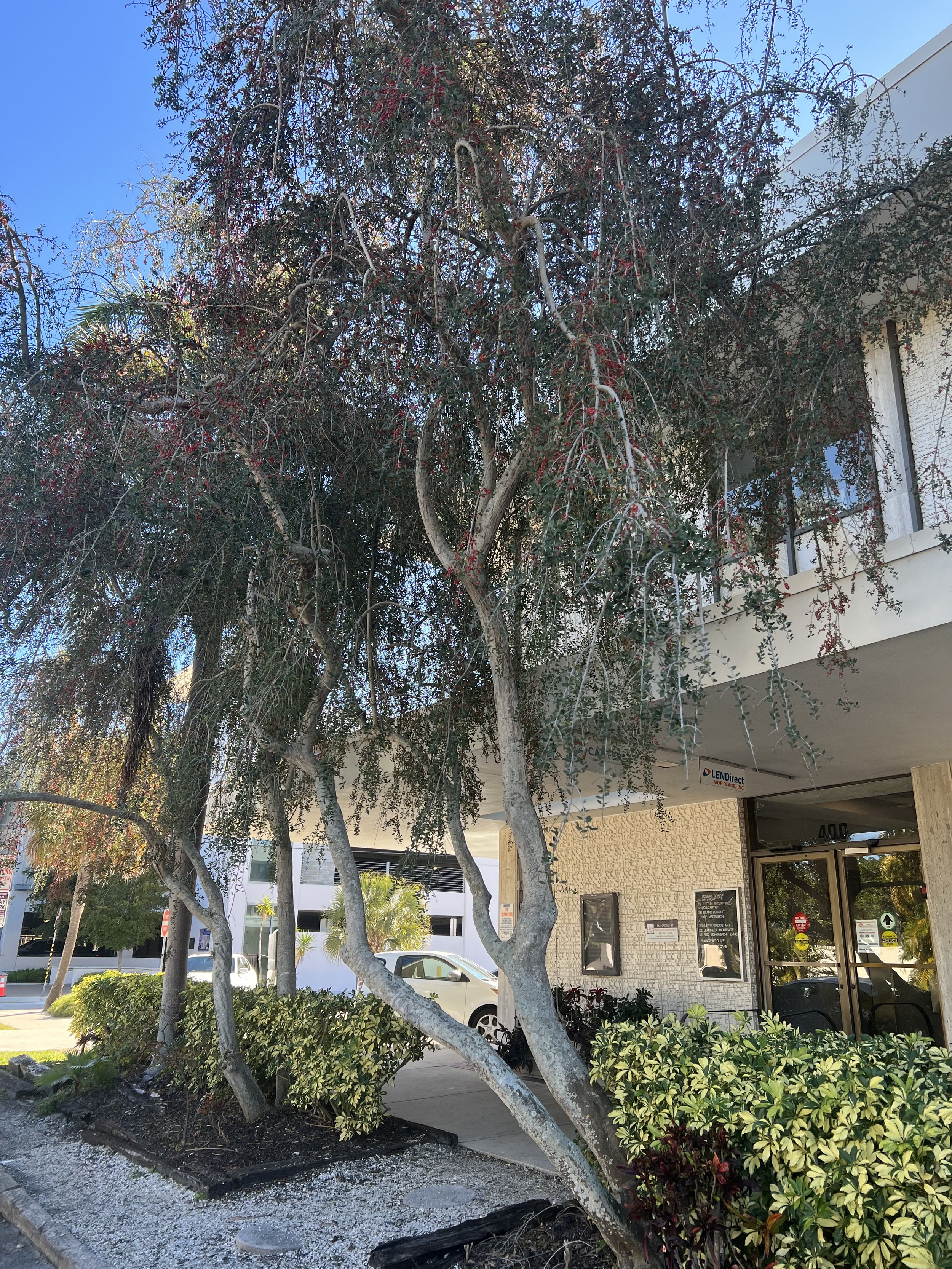
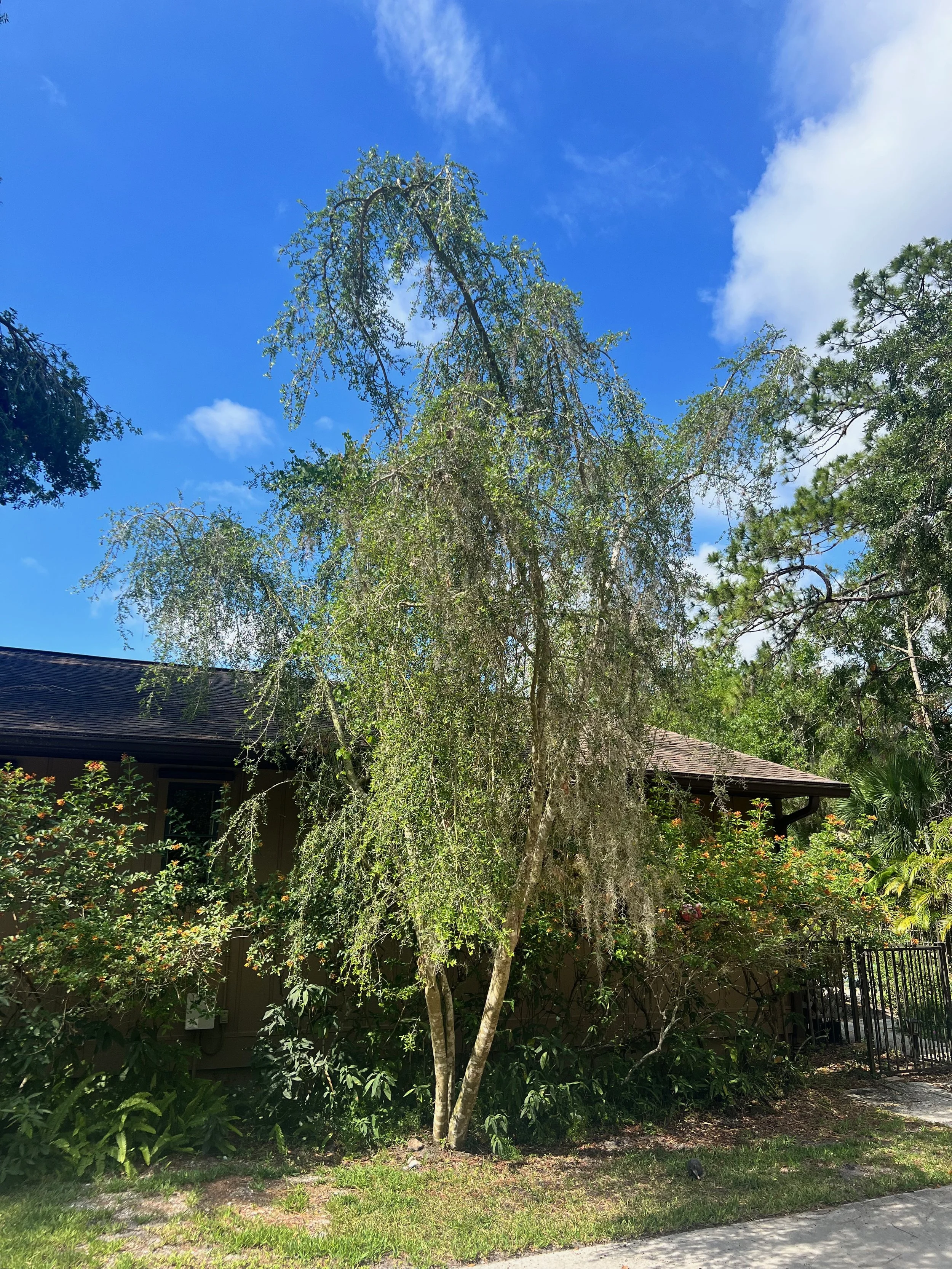
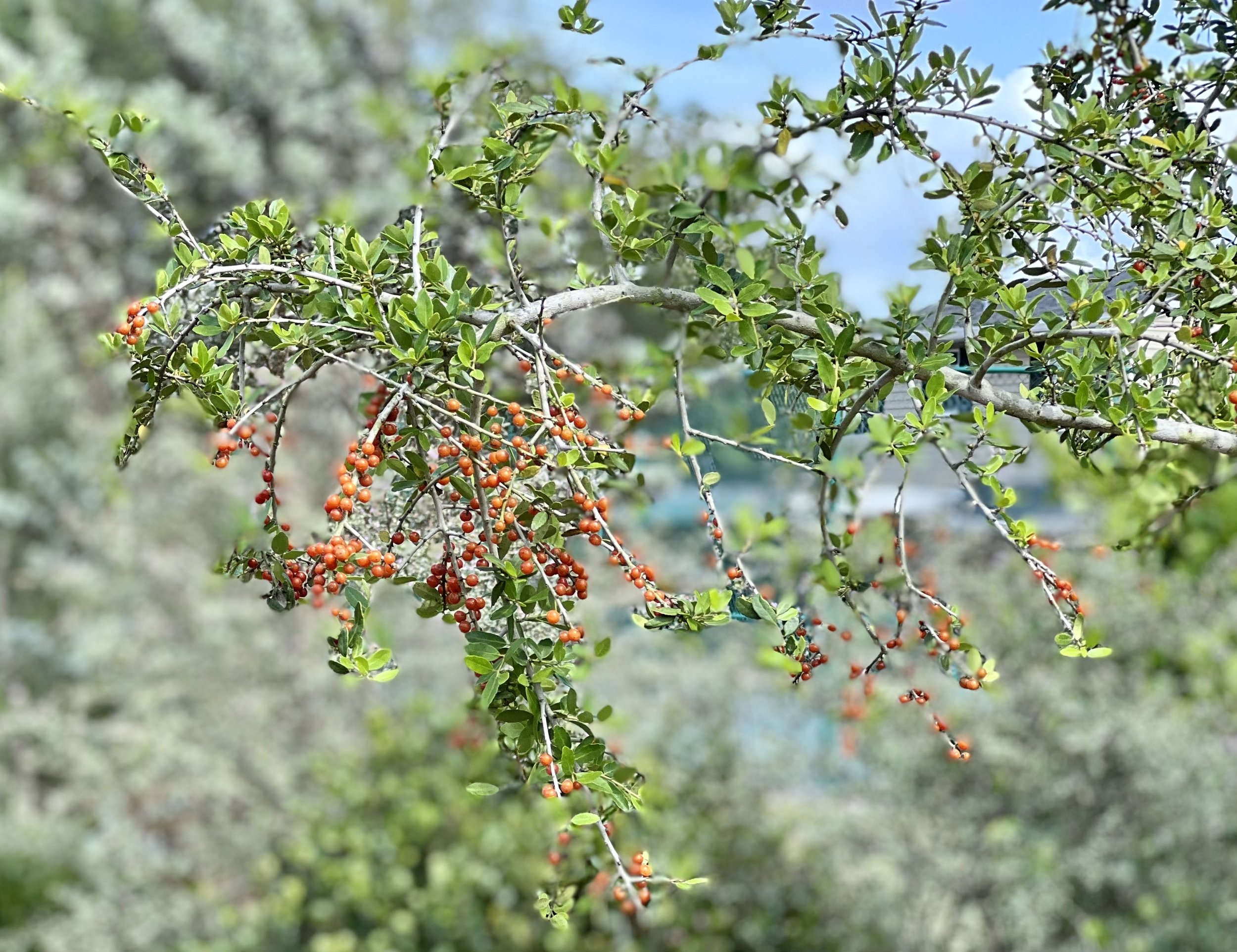
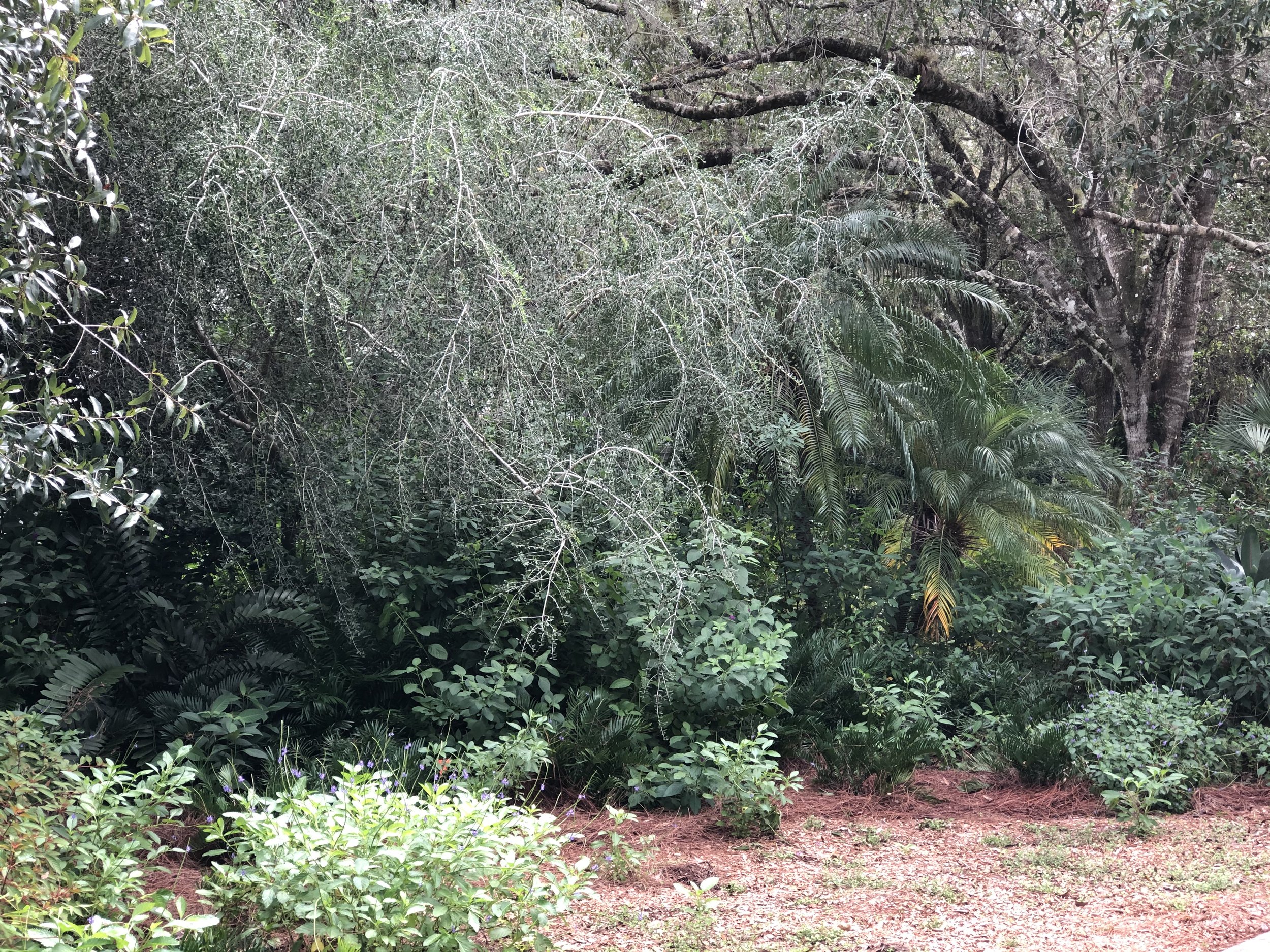
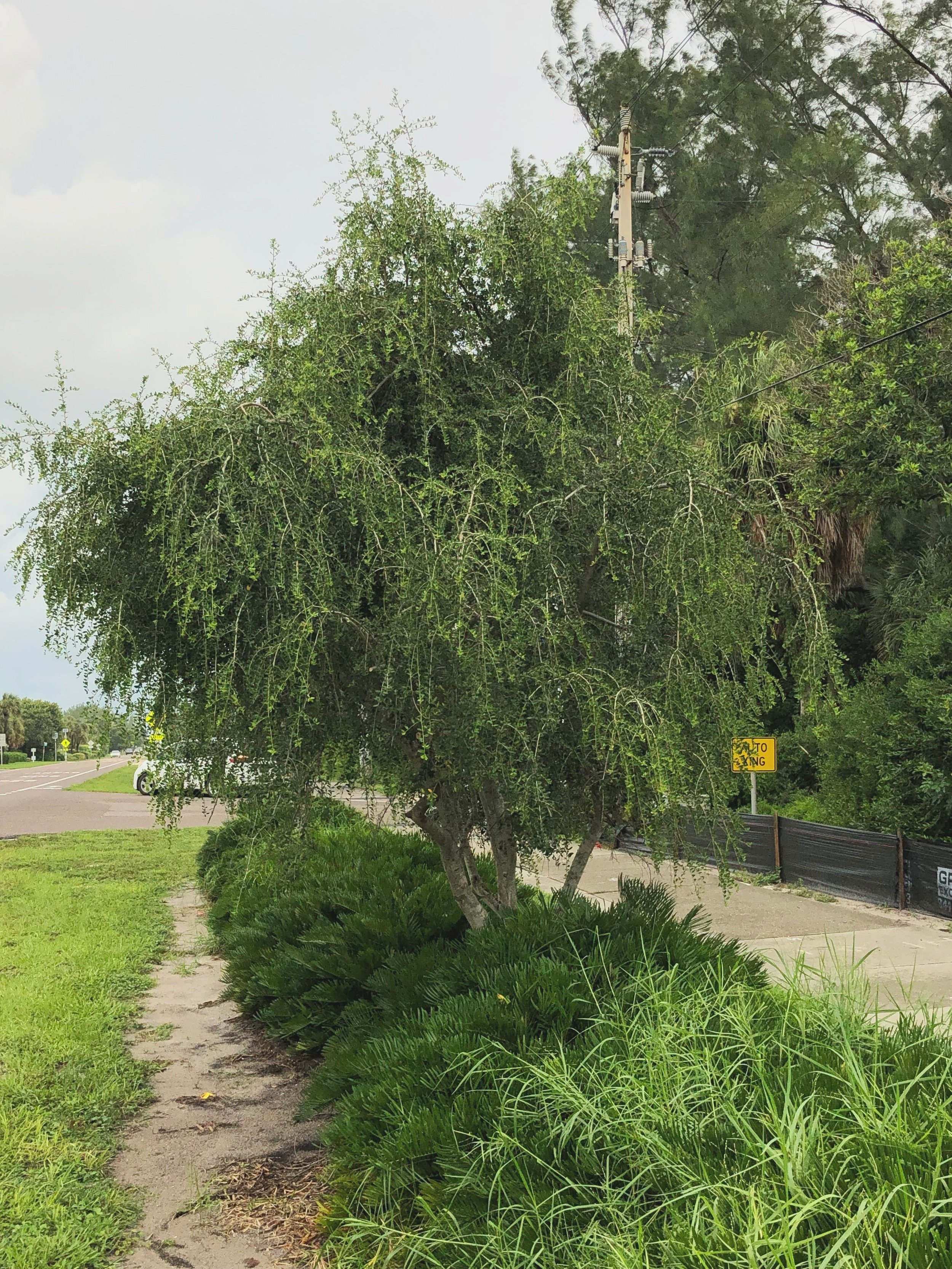
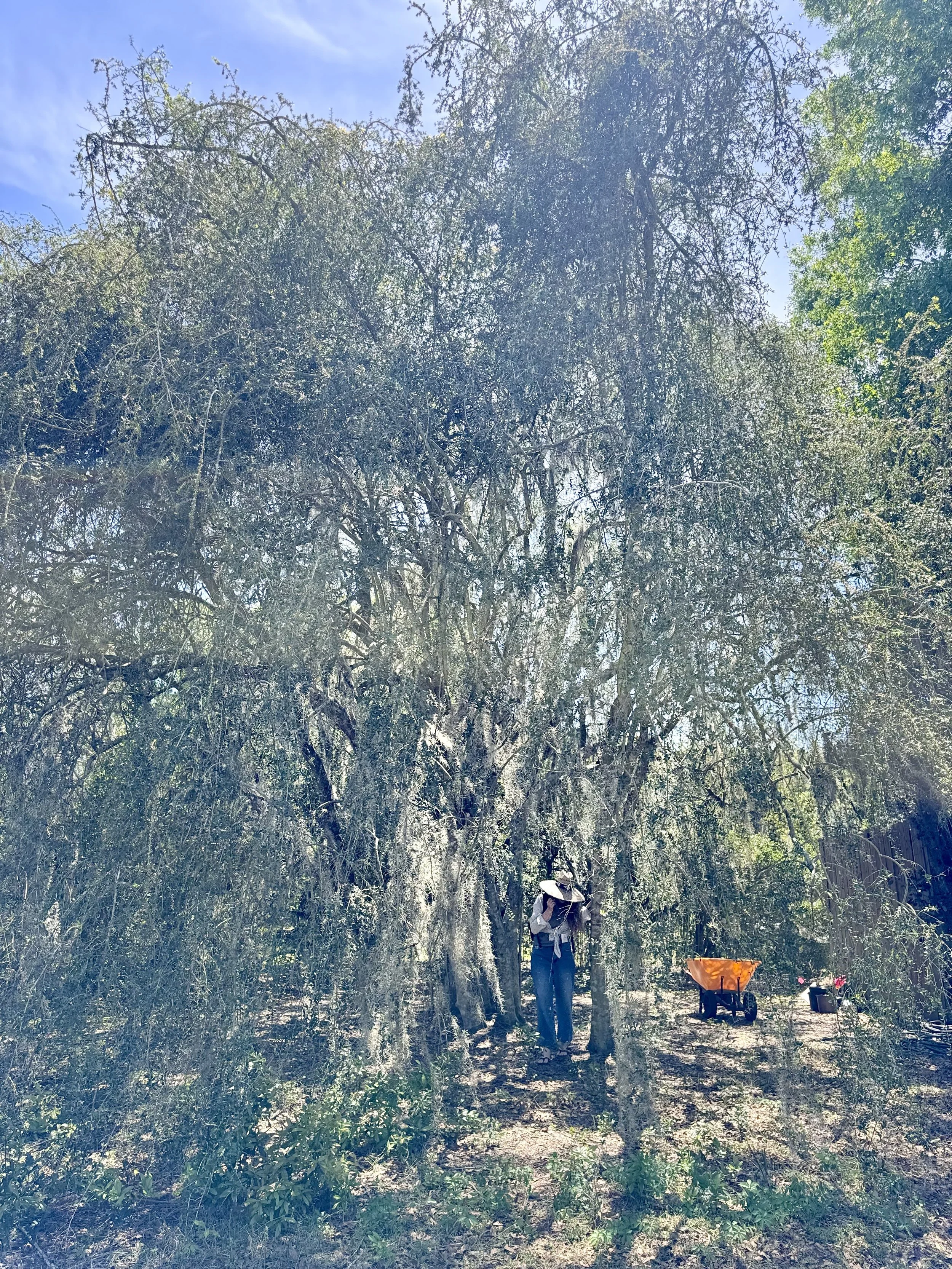
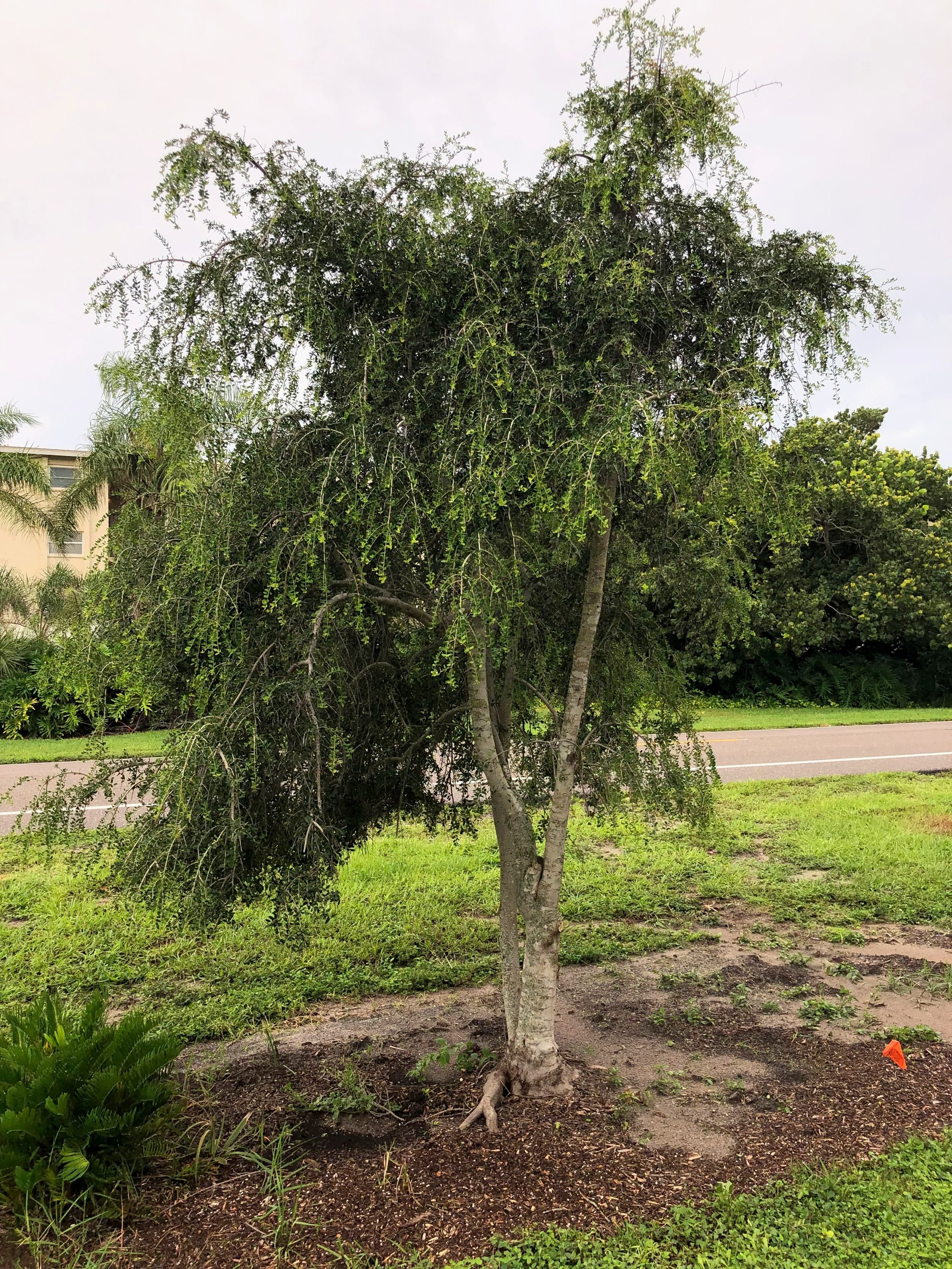
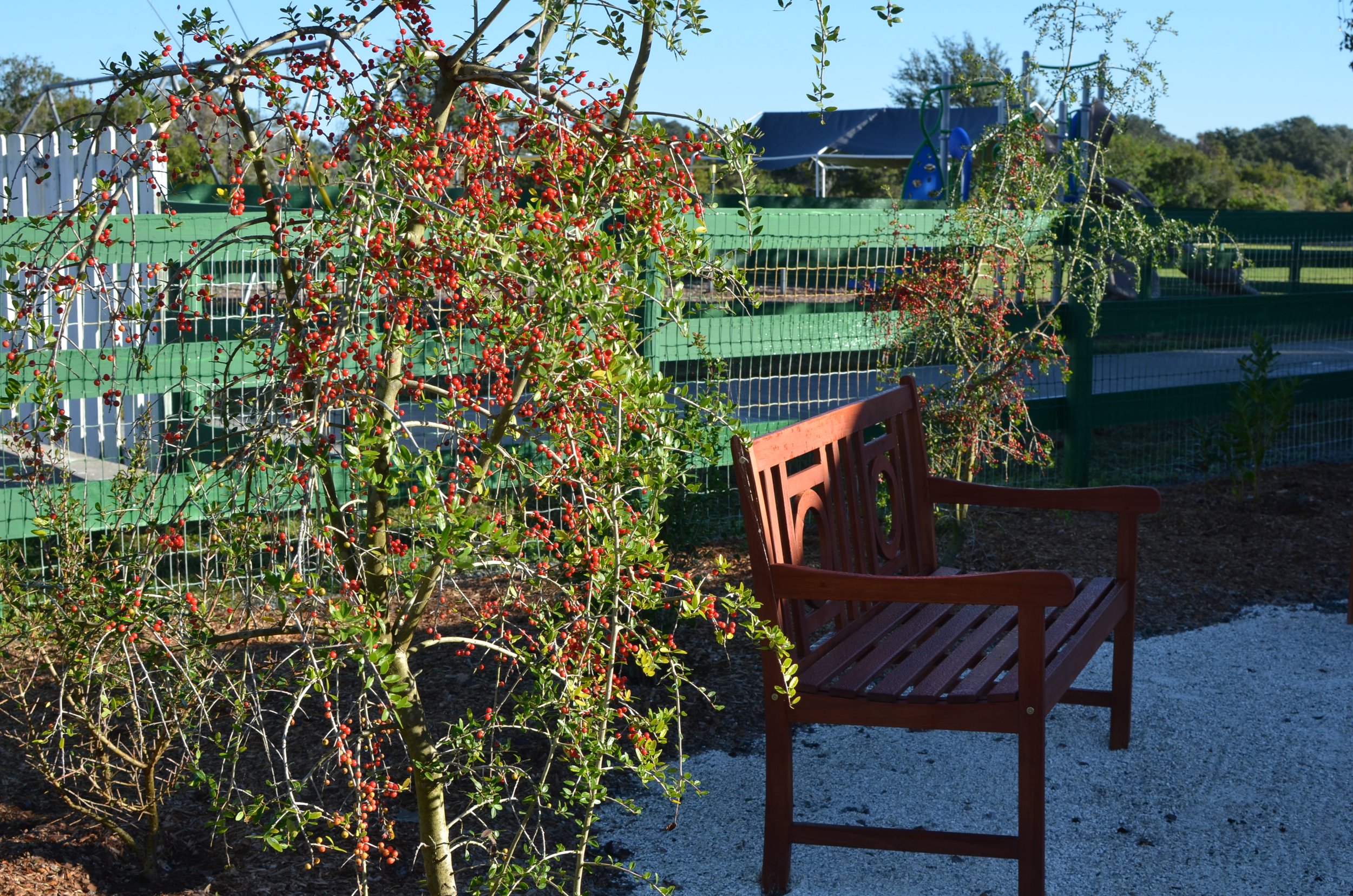
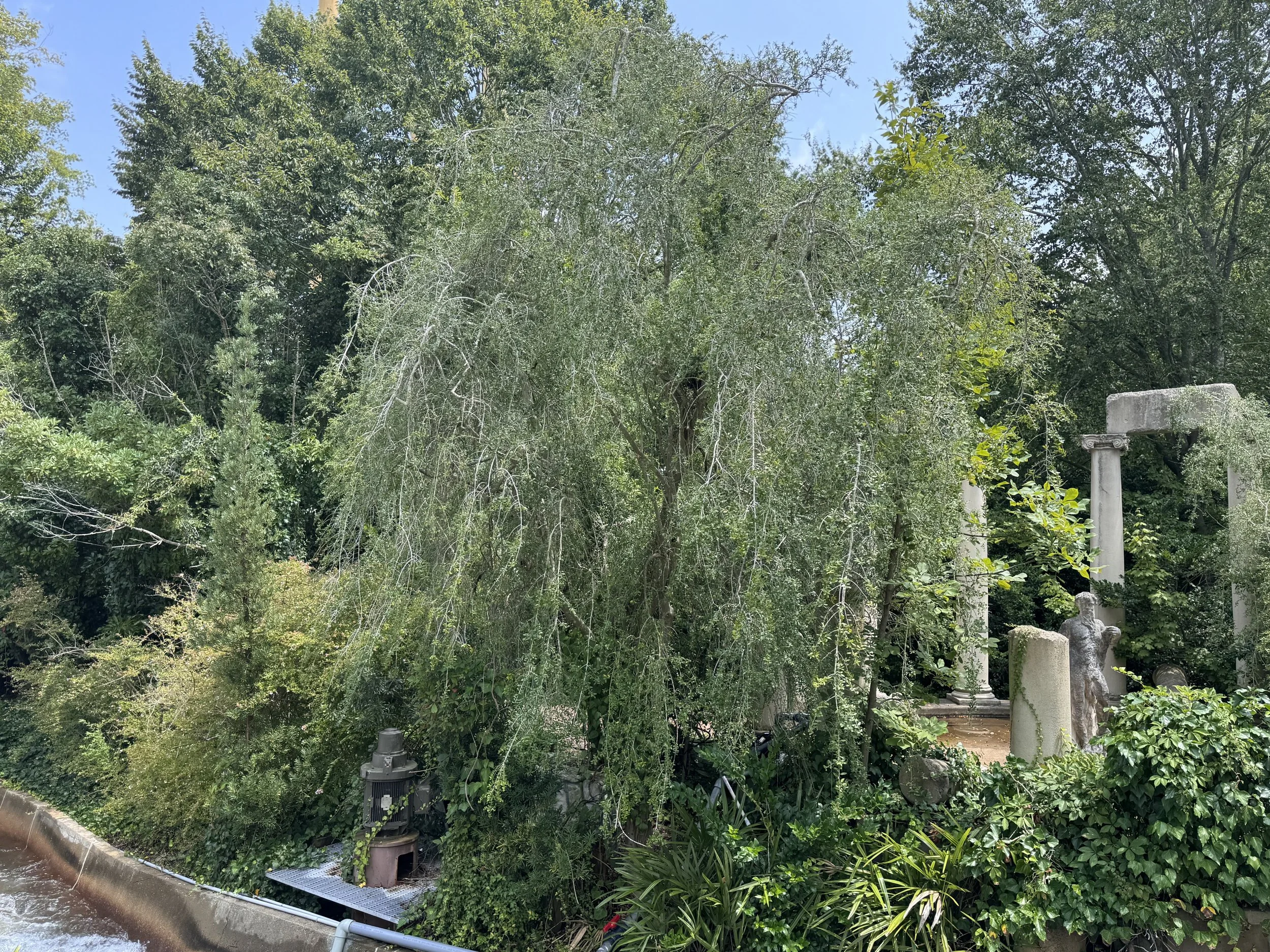
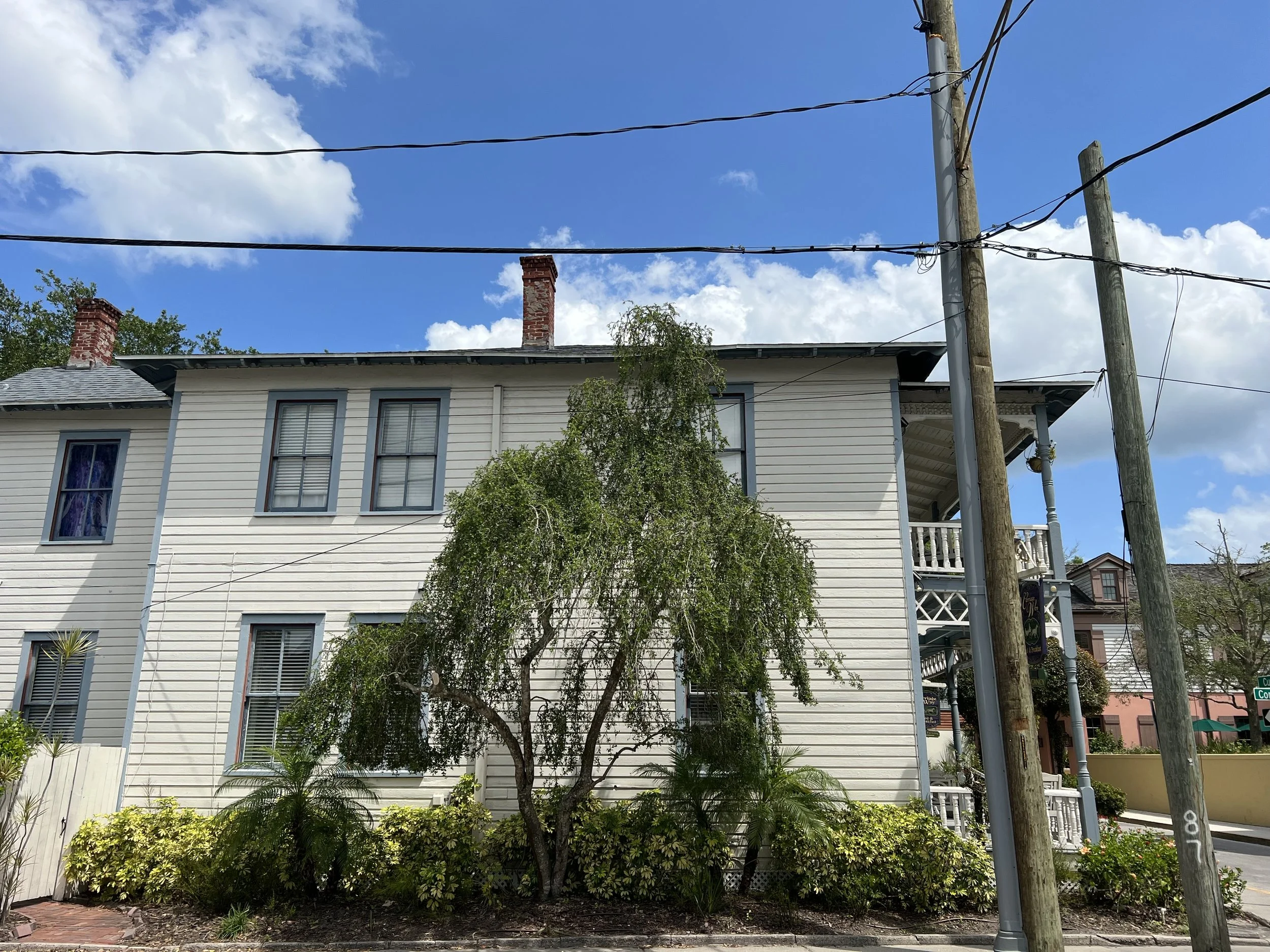
Ilex vomitoria ‘Pendula’
Weeping Yaupon Holly is a graceful cultivar of the native yaupon holly that grows 15-25 feet tall with distinctive drooping, pendulous branches that create an elegant weeping form. This evergreen cultivar features the same small, leathery dark green leaves as the species and produces inconspicuous flowers followed by bright red berries on female plants that attract birds. The cascading branches give it a unique architectural quality, making it an excellent focal point or specimen tree for large landscapes. Like its parent species, it's extremely drought and salt-tolerant, adaptable to various soil conditions, and requires minimal maintenance once established.
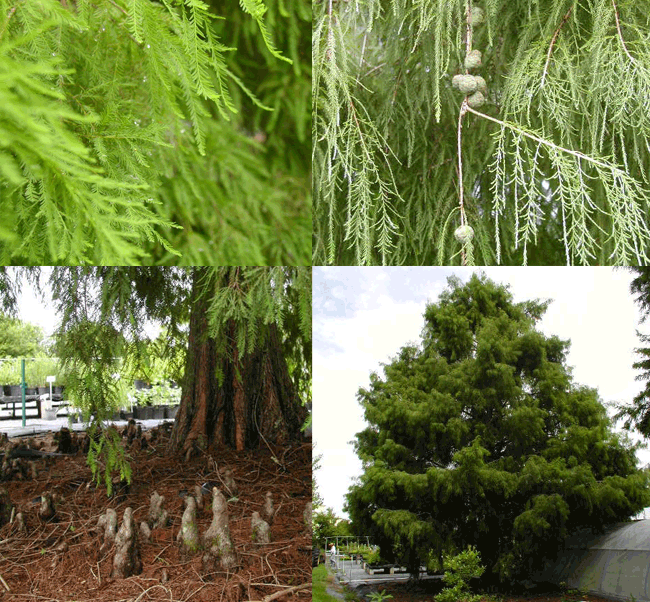

Taxodium distichum
Bald Cypress is a majestic deciduous conifer native to the southeastern United States that can reach 50’-120’ tall with a distinctive buttressed base when growing in water. This long-lived species features feathery, light green needles that turn brilliant russet-orange in fall before dropping, and fibrous, reddish-brown bark. Its most distinctive characteristic is the development of "knees" - woody projections that grow upward from the root system when the tree is in standing water or wet soils. Naturally occurring in swamps, bayous, floodplains, and along rivers from Maryland to Texas, it's remarkably adaptable, tolerating both permanently flooded conditions and surprisingly dry soils once established. This iconic tree provides critical habitat for wildlife, including nesting sites for wood ducks and various wading birds, and serves as an excellent specimen or street tree in zones 4-10.
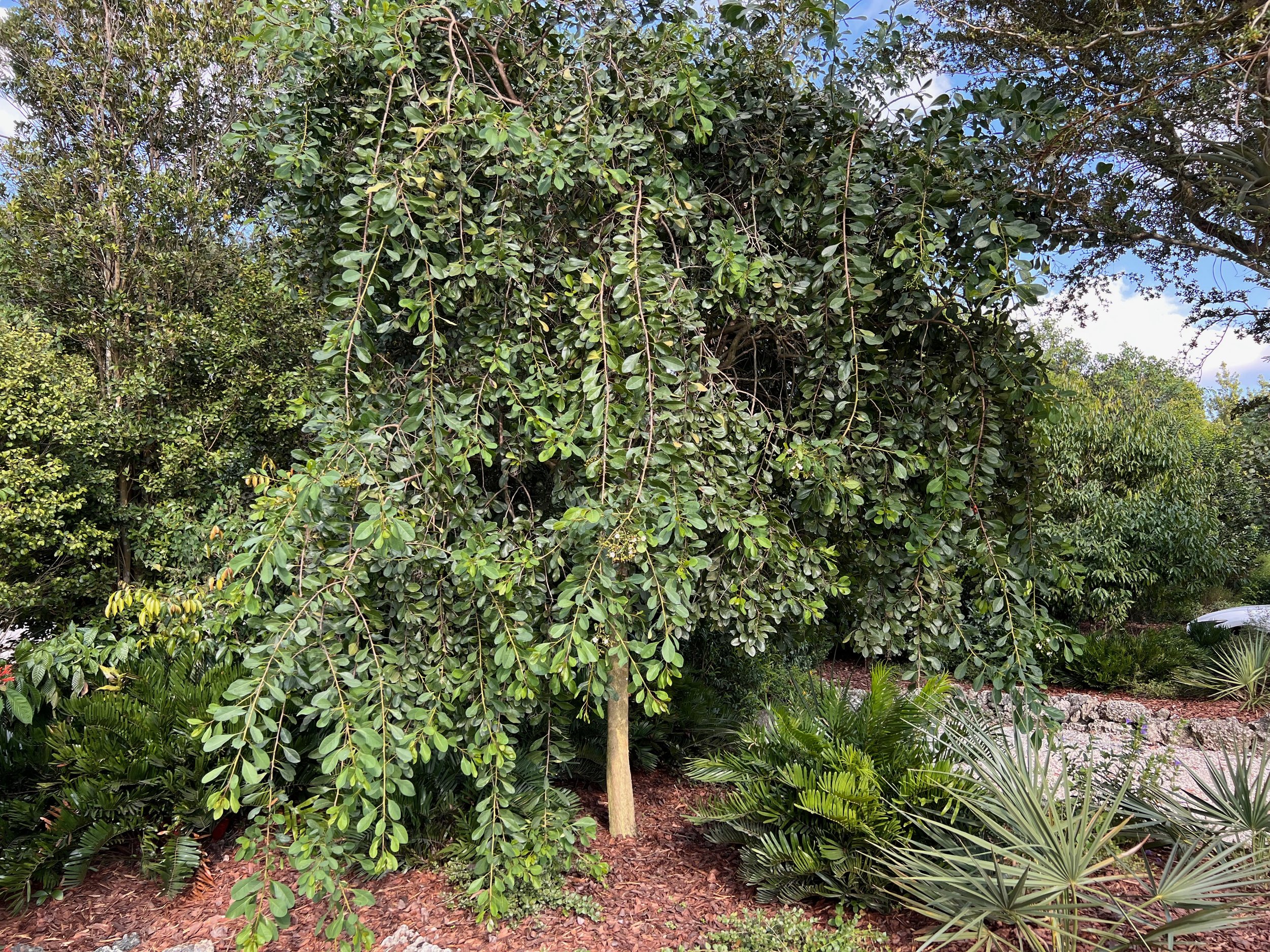
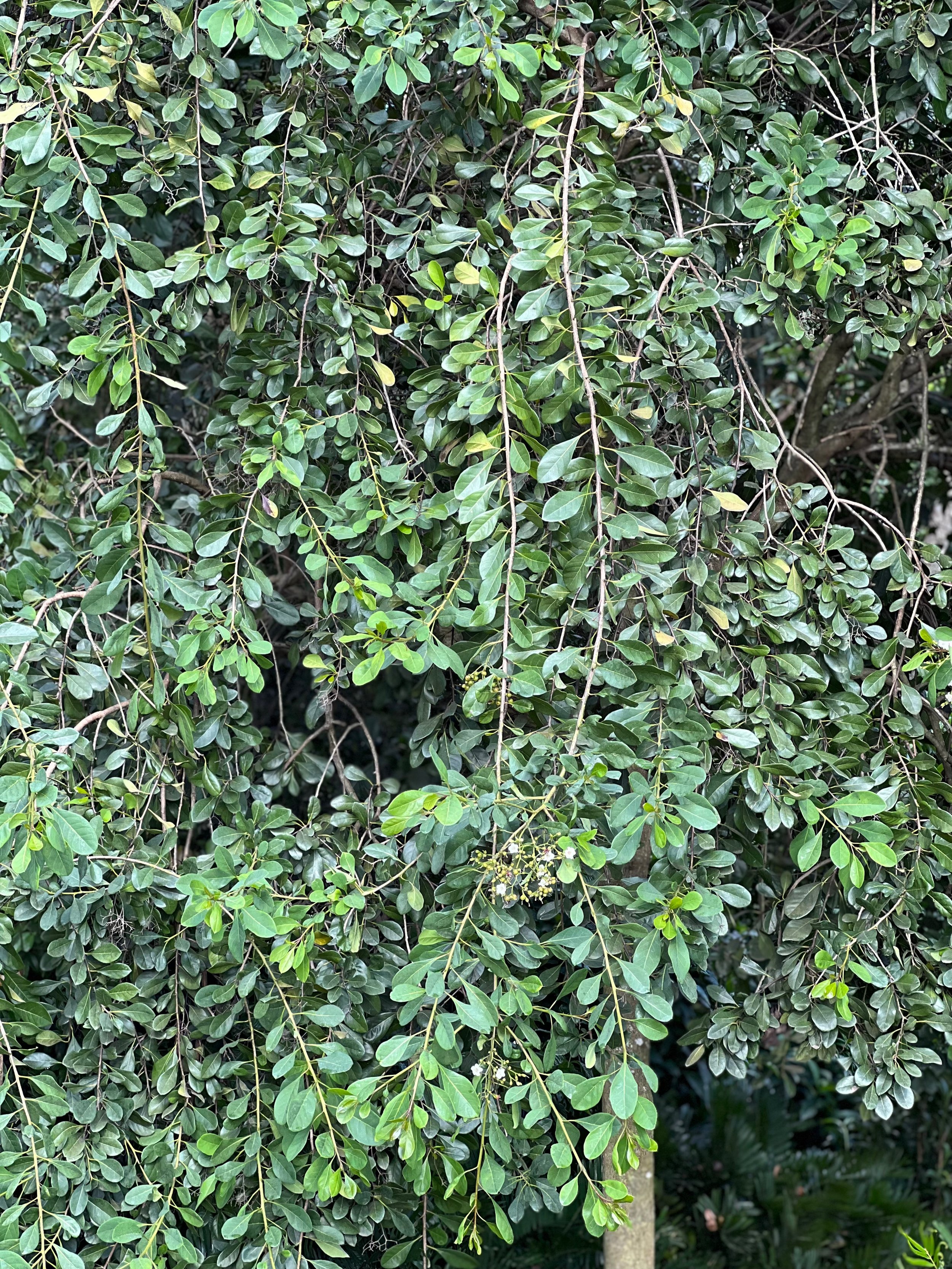
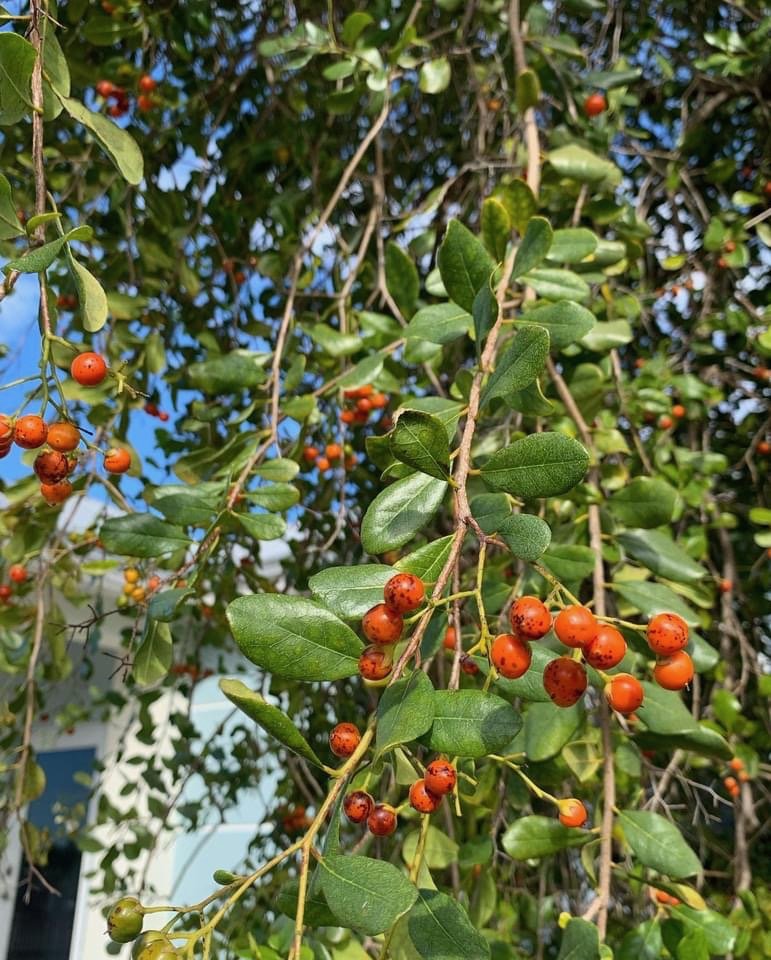
Bourreria succulenta
Bahama Strongbark is a weeping evergreen tree native to South Florida and the Florida Keys that grows 15’-25’ tall with gracefully drooping branches. This member of the borage family features smooth, leathery leaves and produces clusters of fragrant white flowers year-round that attract a diverse array of pollinators including bees, butterflies, hummingbirds, and hummingbird moths. Following the blooms, it develops showy bright orange berries that are highly attractive to birds and other wildlife. Thriving in full sun and well-drained, dry soils with moderate salt tolerance, it naturally occurs in rockland hammocks and can serve as an excellent specimen tree or screening plant in zones 10-11.
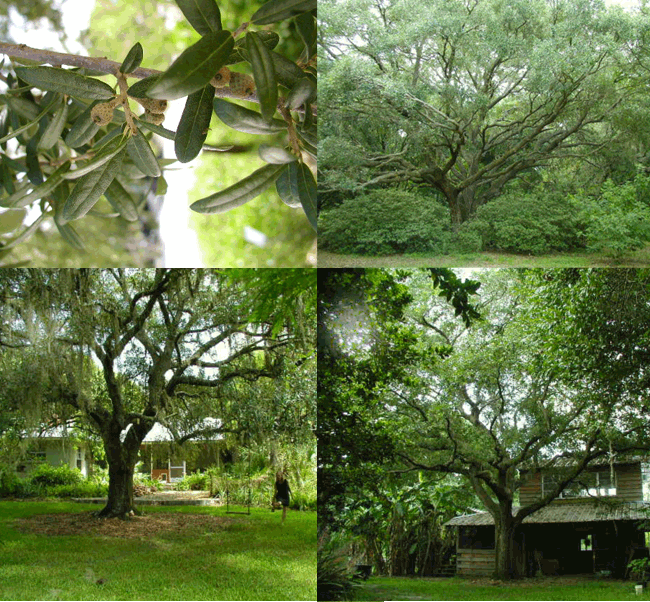
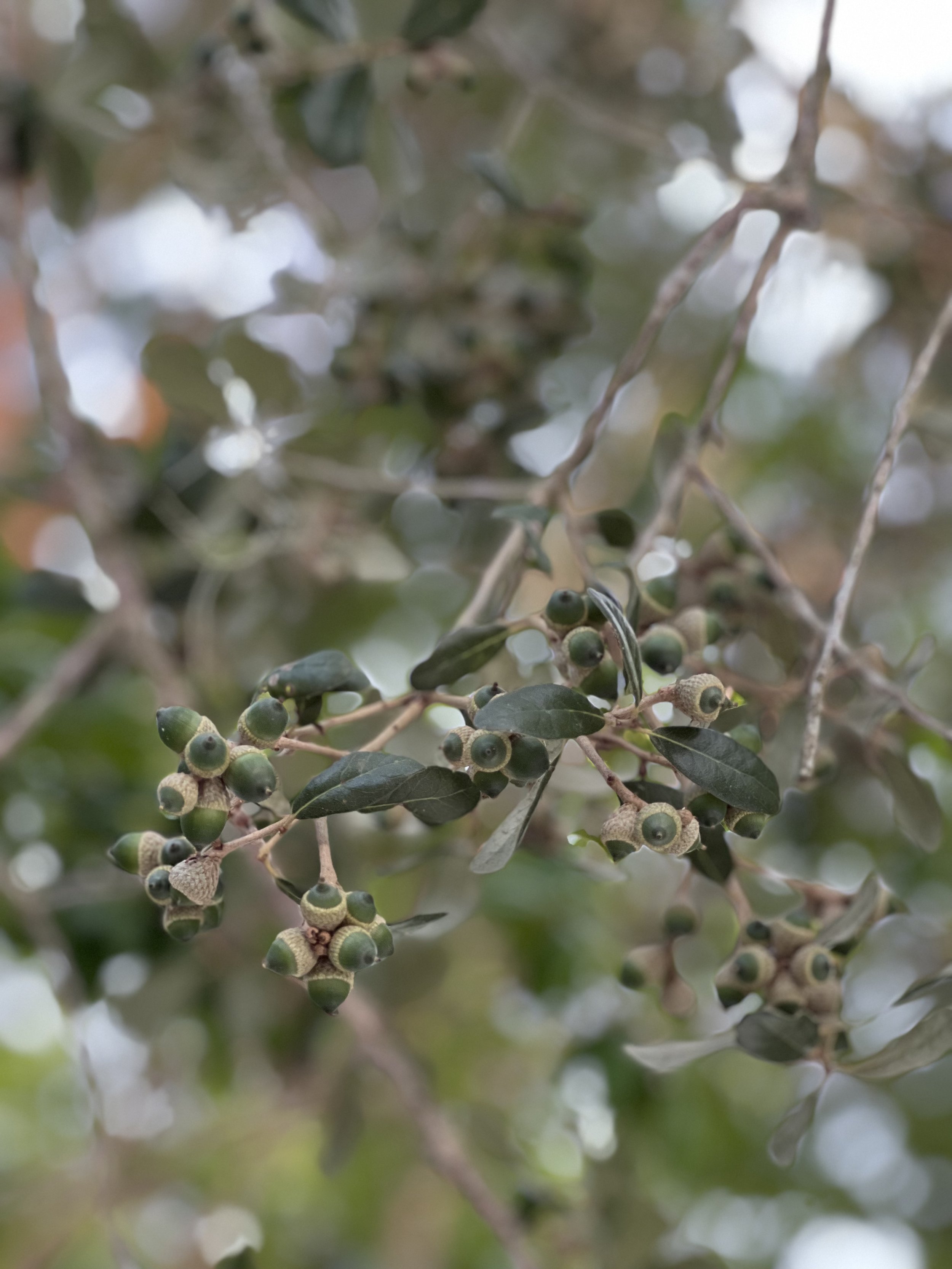
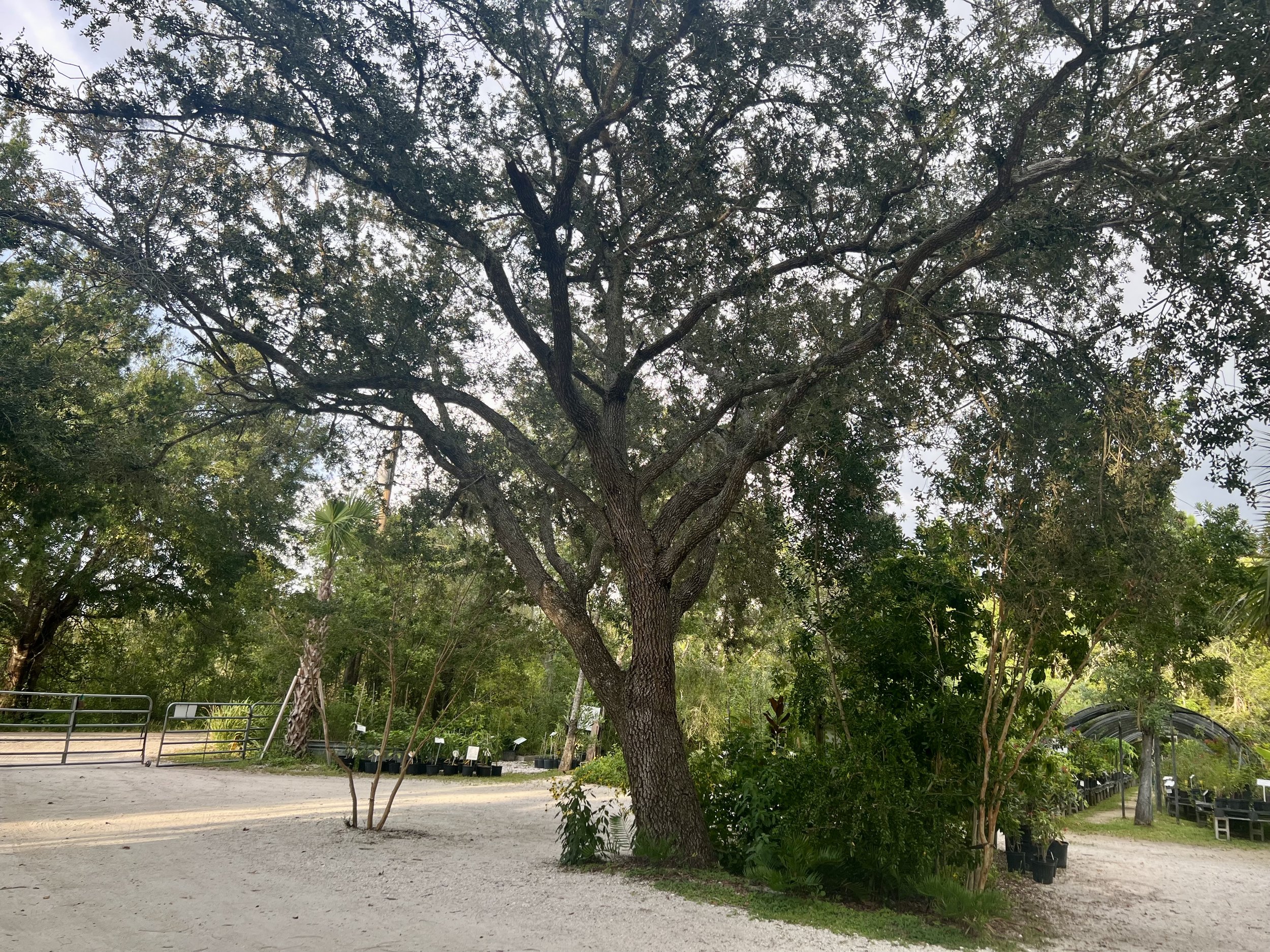
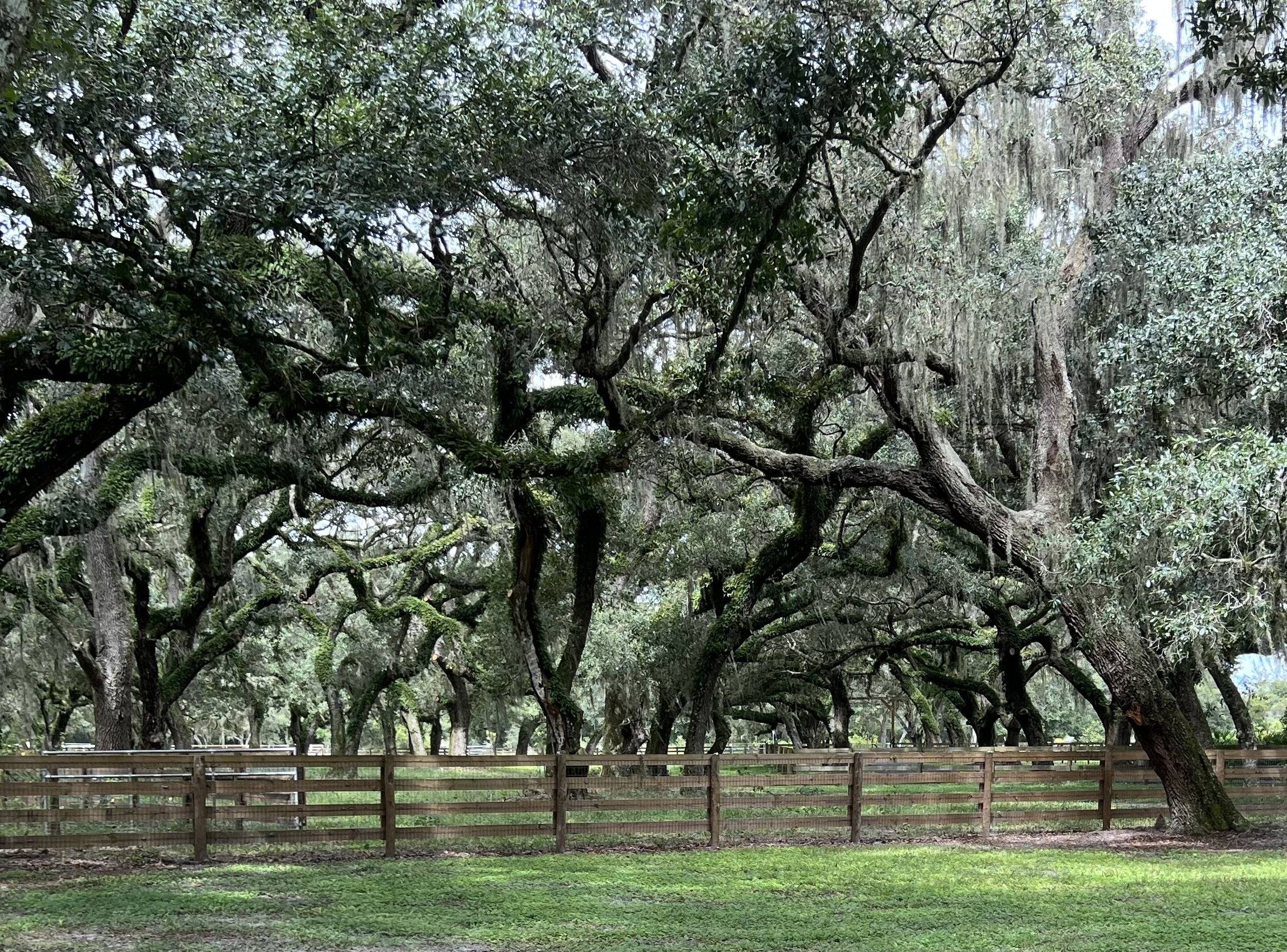
Quercus virginiana
Live Oak is a magnificent, slow-growing evergreen oak native to the southeastern United States from Virginia to Texas that can live for centuries. This iconic tree typically grows 40’-60’ tall but spreads dramatically wider, with massive horizontal and arching branches forming a broad, rounded canopy that can extend 100’ or more. The thick, leathery leaves are dark green and elliptical, often draped with Spanish moss in its native range. It produces inconspicuous flowers followed by acorns that provide critical food for squirrels, deer, and numerous bird species. Extremely durable and salt-tolerant, it thrives in sandy coastal soils and can withstand hurricanes, making it a symbol of the Old South and an excellent choice for large landscapes, parks, and street plantings in zones 8-10.
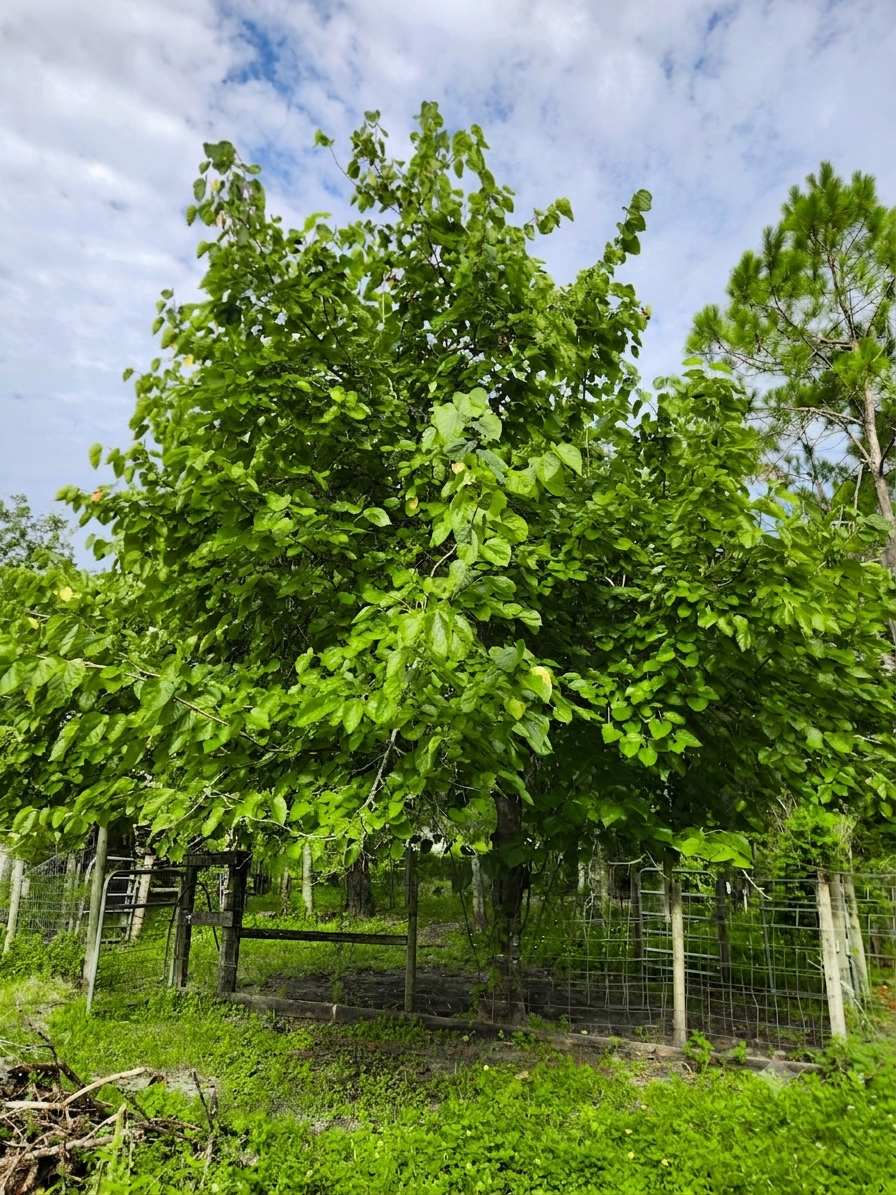
Morus hybr. ‘Tice’
Tice Mulberry is a non-native, Florida-friendly deciduous fruit tree that grows to be 15’-60’ tall, depending on the pruning methods used to maintain it. They grow best in full sun to light shade with rich, well-draining loamy soil, though they are highly adaptable to poor soil conditions. While the Tice Mulberry fruits seasonally, they fruit profusely during their season, producing many large, black, delicious berries that are edible for humans and local wildlife.


Averrhoa carambola
Carambola or Star Fruit is a non-native, Florida-friendly, small evergreen fruit tree that grows to be 22’-33’ tall and 20’-25’ wide. They grow best in full sun to partial shade and moist, well-draining soil. They have soft-green leaves and yellow, star-shaped fruit that have a delightful sweet-tart taste.
Ulmus alata
Winged Elm is a large, native, deciduous shade tree that grows to be 45’-70’ tall with a 30’-40’ canopy. They grow best in full sun to partial shade and well-draining average soil, though they are highly adaptable to different conditions. These trees have “winged” corky bark and dark green serrated leaves that form a dense canopy, making them an excellent addition to yards in need of shade. Their branches provide cover for birds and small mammals, which feed on the seeds in early spring and the insects that feed on the foliage.

Lysiloma latisiliquum
Wild Tamarind is a native, semi-deciduous, small shade tree that grows to be 30’-60’ tall with a 30’-50’ spread. It grows best in full sun and well-drained sandy soil. With its fern-like leaves and beautiful, white pom-pom flowers, Wild Tamarind makes a lovely addition to pollinator gardens and landscapes that need a shade tree that won’t get too large. They also serve as a larval host for the Mimosa Yellow and Cassius Blue butterflies.
Pinus elliottii var. densa
Southern Slash Pine is a native, evergreen conifer that grows to be 30’-50’ tall and 20’-35’ wide. They grow best in full sun, and thrive in a wide range of soil types. Their dense branches are covered in long, dark green needles and provide year-round cover for local wildlife.
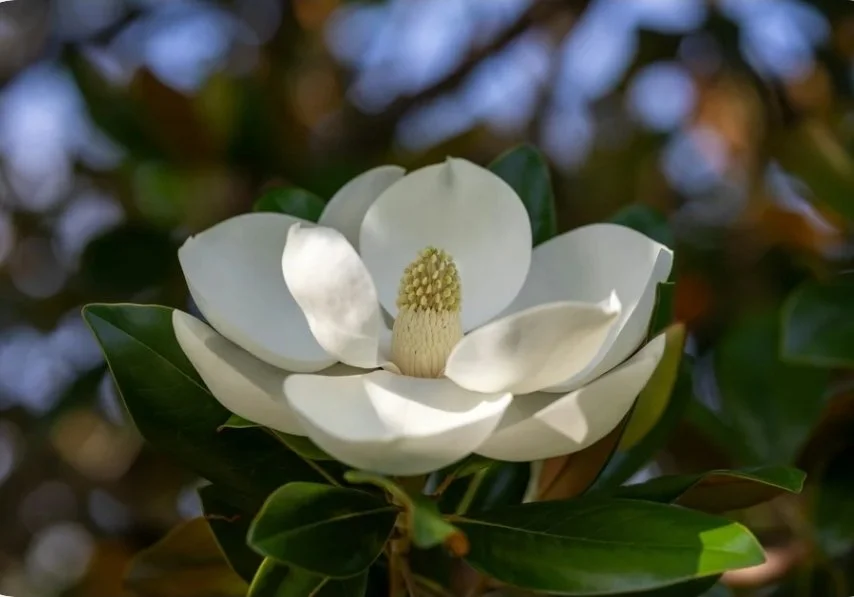
Magnolia grandiflora
Southern Magnolia is a native, evergreen flowering tree that grows to be 60’-80’ tall and 30’-50’ wide. They grow best in full sun to partial shade, with moist, rich, acidic well-drained soils. With their dark green leathery leaves and their large, heavily fragrant white flowers in late spring and summer, Southern Magnolias make a great addition to Florida landscapes as part of a privacy screen or specimen plant. Their flowers predate bees, so they are instead pollinated by beetles, but their seeds provide food for birds and small mammals, and their dense branches provide year-round cover for local wildlife.
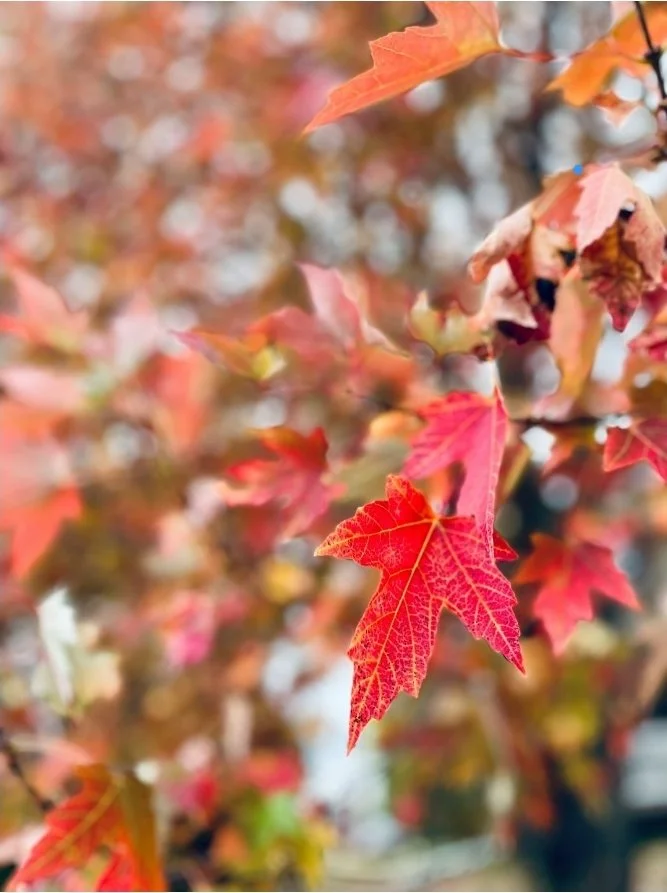
Acer rubrum
Red Maple is a native deciduous tree that can grow 40’-70’ tall and 30’-50’ wide. They grow best in full sun to partial shade and moist, well-draining, slightly acidic soils. They can tolerate both short dry periods and very wet soil once established. In spring, they produce showy pink to red blooms that attract pollinators, which are followed by seeds that feel local birds and small mammals.
Taxodium ascendens
Pond Cypress is a native, deciduous conifer that can reach heights of 50’-70’. They grow best in full sun to partial shade and average to wet soils, tolerating standing water and short dry periods very well once established. They provide cover for birds and small mammals, and their seeds are highly attractive to local wildlife. Their leaves emerge bright green and mature to a darker green, turning a lovely rust color in the fall before dropping off.
Simarouba glauca
Paradise is a native, evergreen, tropical tree with shiny, leathery, oval shaped green leaves and a rounded canopy, reaching 40’-50’ tall and 25’-30’ wide. They grow well in full sun to partial shade and are highly adaptable to different common Florida soil types. They have yellow-white flowers in spring that attract pollinators and dark summer berries that provide a food source for birds.
Ficus aurea
Strangler Fig is a native evergreen tree that grows to be 40’-60’ tall with an equally large canopy. They have dark green leathery leaves and produce small, dark figs that provide a food source for birds and other wildlife. They grow best in full sun to partial shade, and thrive in a wide range of soil types and are moderately drought and salt tolerant once established.
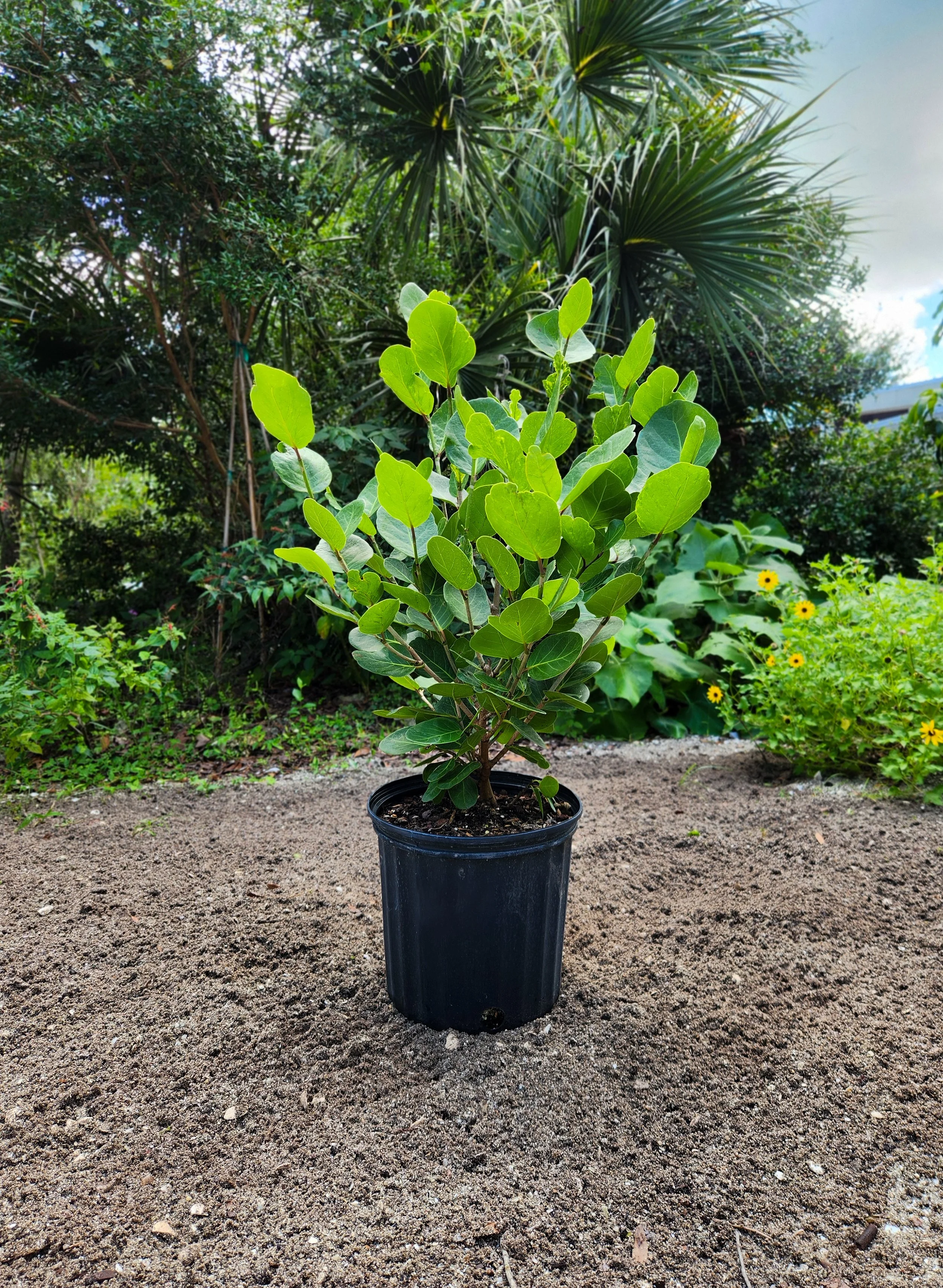
Coccoloba uvifera x diversifolia
Sea Plum is a naturally occurring hybrid between Sea Grape and Pigeon Plum that combines the best traits of both native Florida parents. This evergreen shrub typically grows 6’-12’ tall and 4’-6’ wide, though it has the potential to reach larger sizes given its parentage. It features attractive foliage that blends characteristics of both parents and produces fruit on female plants that birds readily consume. Exceptionally hardy and low-maintenance, it thrives in full sun to light shade with well-draining sandy soils and demonstrates excellent tolerance to wind, salt spray, and drought conditions. This versatile hybrid works well as a specimen plant or screening hedge and is particularly valuable for beachfront landscapes in zones 9-11.
No results match your search. Try removing a few filters.