Hi Friends!
We offer PICK UP or LOCAL DELIVERY only (NO SHIPPING).
Thank you!
Thursday–Sunday, 10am–4pm | 941-322-1915
We offer PICK UP or LOCAL DELIVERY only (NO SHIPPING).
Thank you!
Thursday–Sunday, 10am–4pm | 941-322-1915
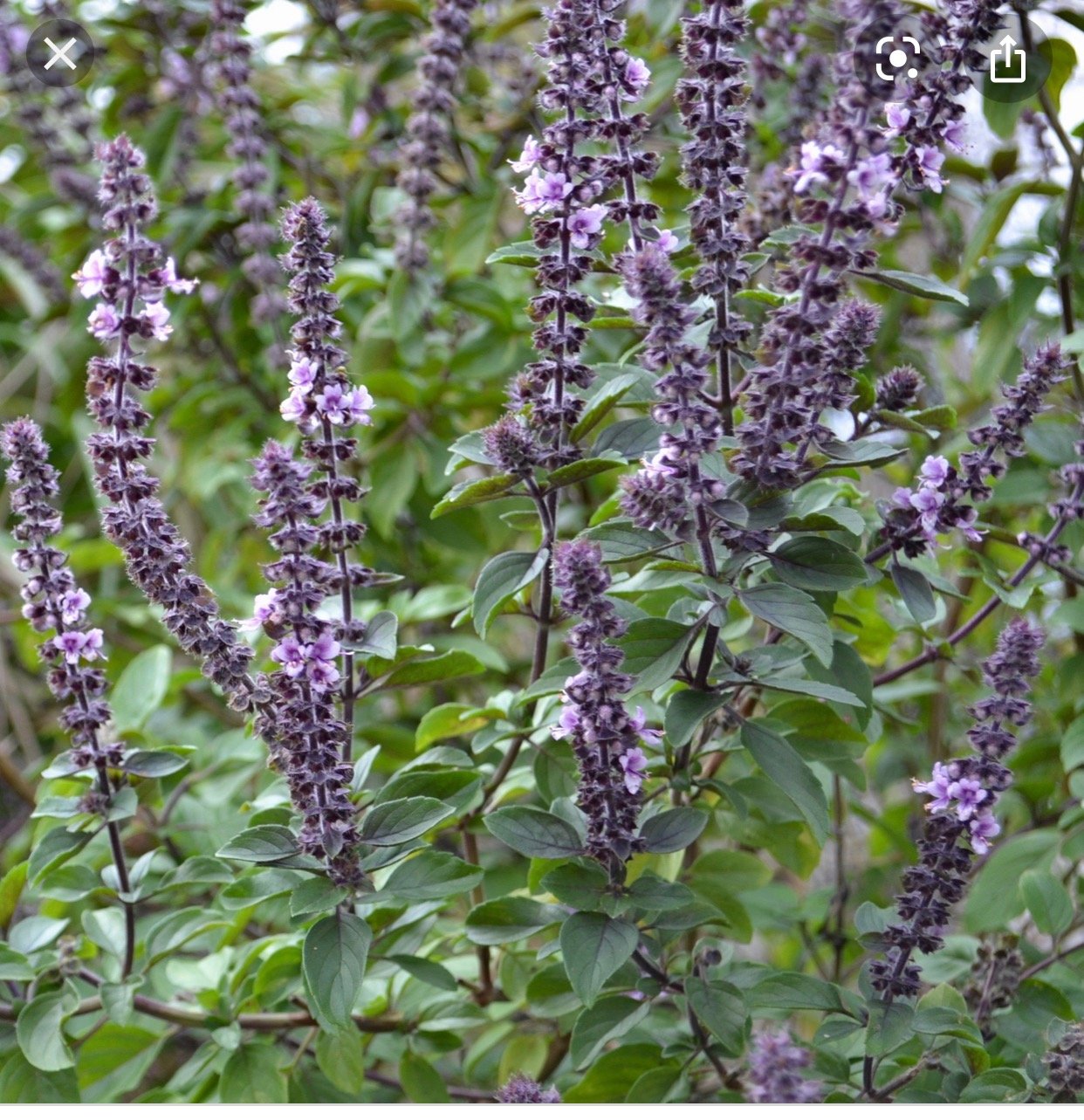
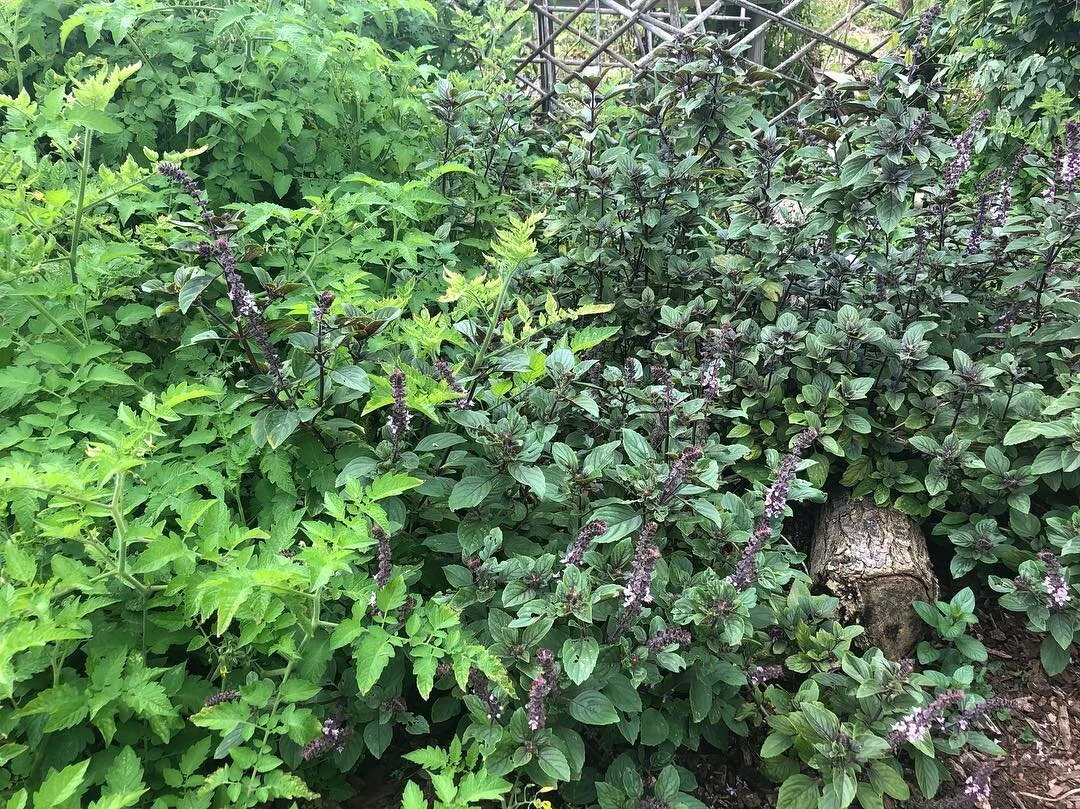
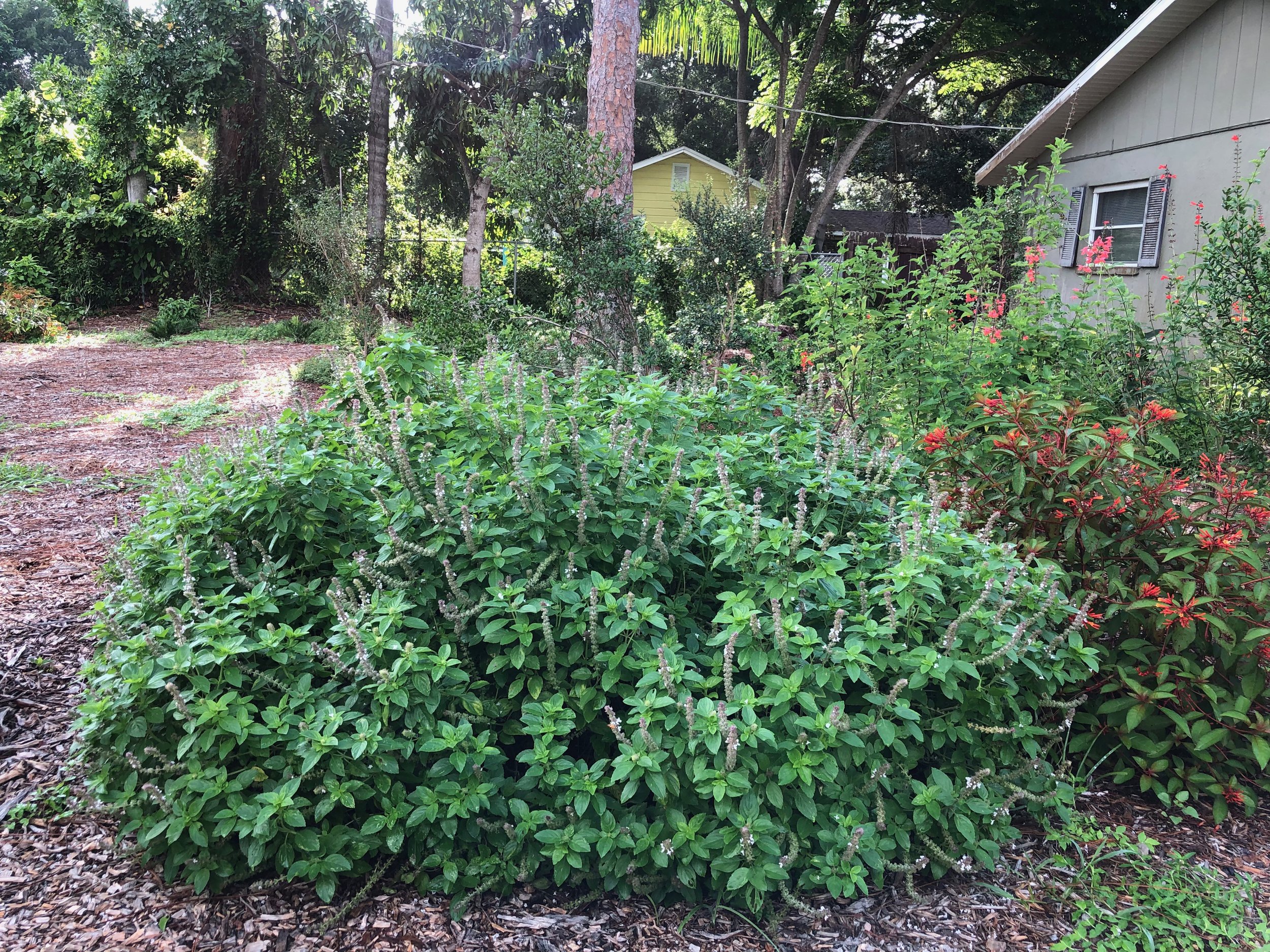
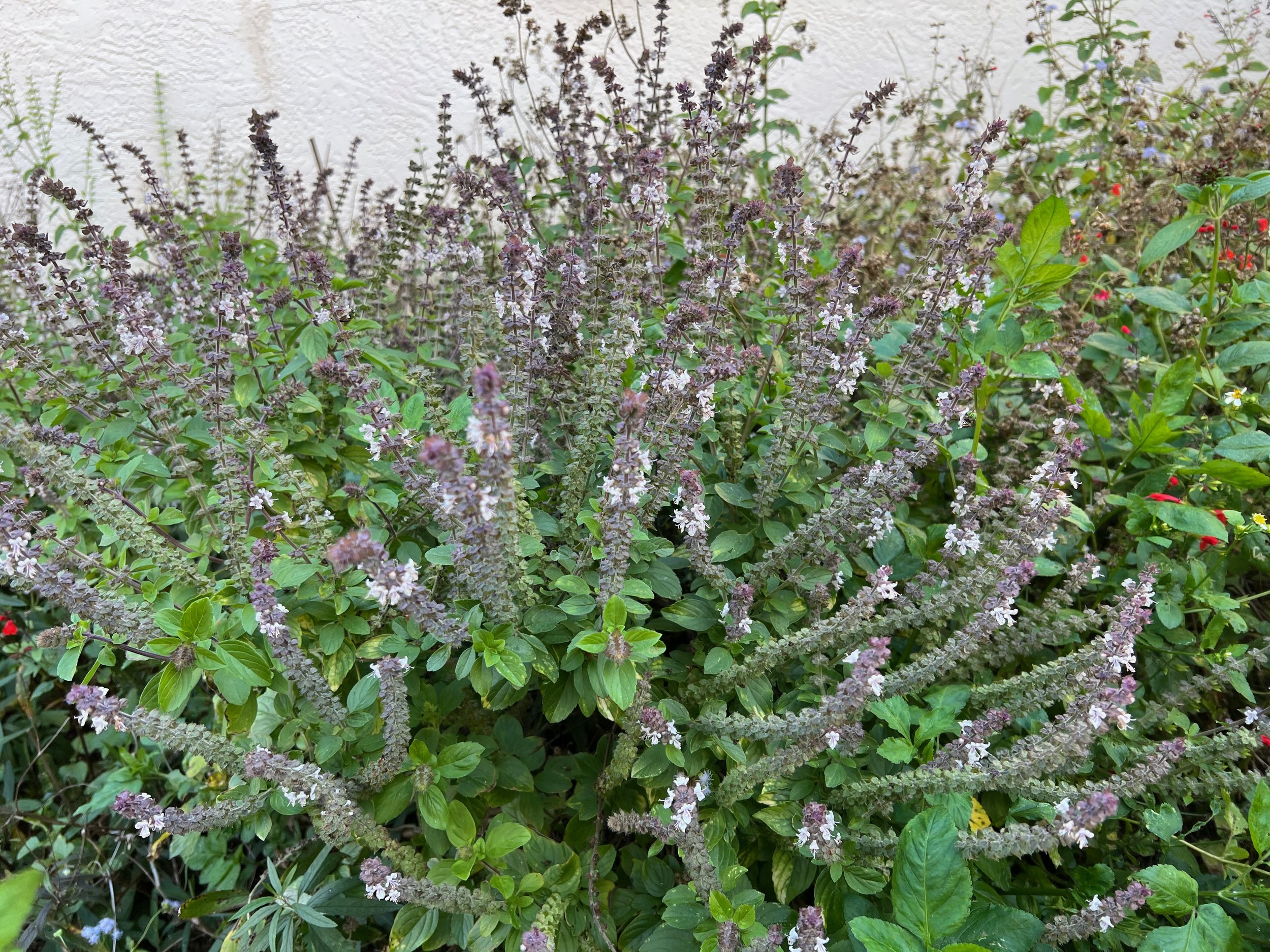
Ocimum kilimandscharicum × basilicum 'Dark Opal'
Non-native, Florida-friendly, fragrant edible perennial herb. African Blue Basil is a hardy herb that prefers full sun in winter and light shade in summer. Grows to be 3’-4’ tall. Average, composted soil, frost protection required. Pollinators, especially honey bees, love this shrub.
Capsicum annuum 'Pequin'
Bird Pepper is a native edible pepper that grows to be 12”-24” tall and 12”-18” wide. They grow best in full sun and well-drained, fertile, slightly acidic soil. They have small, dark-green pointed leaves and white flowers that are followed by very small, but very spicy, edible orange peppers. While the spice is on the higher side, they have a unique, smoky and citrusy flavor that works well in a variety of culinary applications.
Averrhoa carambola
Carambola or Star Fruit is a non-native, Florida-friendly, small evergreen fruit tree that grows to be 22’-33’ tall and 20’-25’ wide. They grow best in full sun to partial shade and moist, well-draining soil. They have soft-green leaves and yellow, star-shaped fruit that have a delightful sweet-tart taste.
Eugenia aggregata
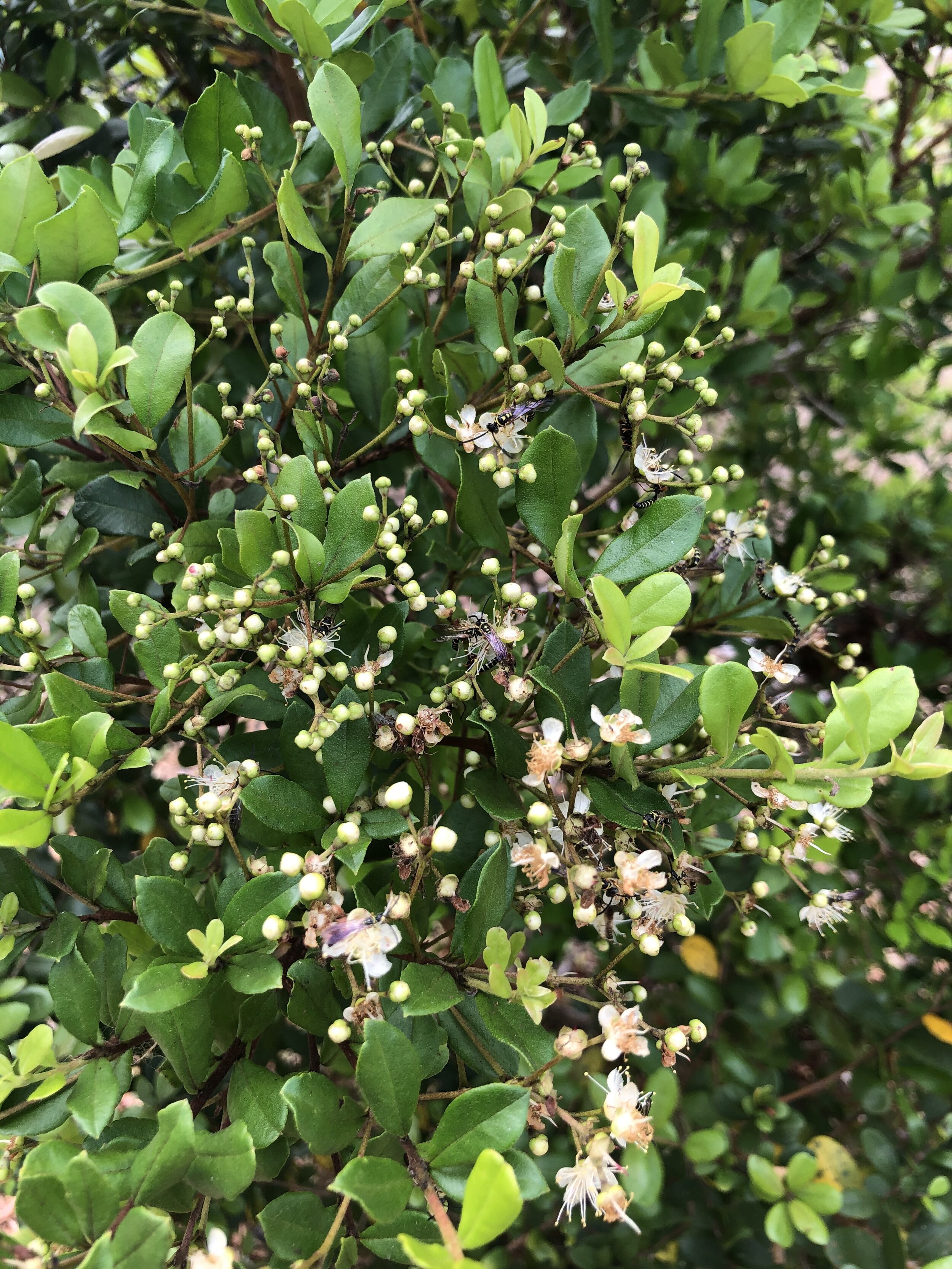
Cherry of the Rio Grande is a non-native, Florida-friendly evergreen fruit tree that grows to be 10’-20’ tall. They grow best in full sun and moist, but well-draining, slightly acidic rich soil. They have fragrant, white flowers that are followed by small, dark purple to almost black fruit with a classic cherry taste.
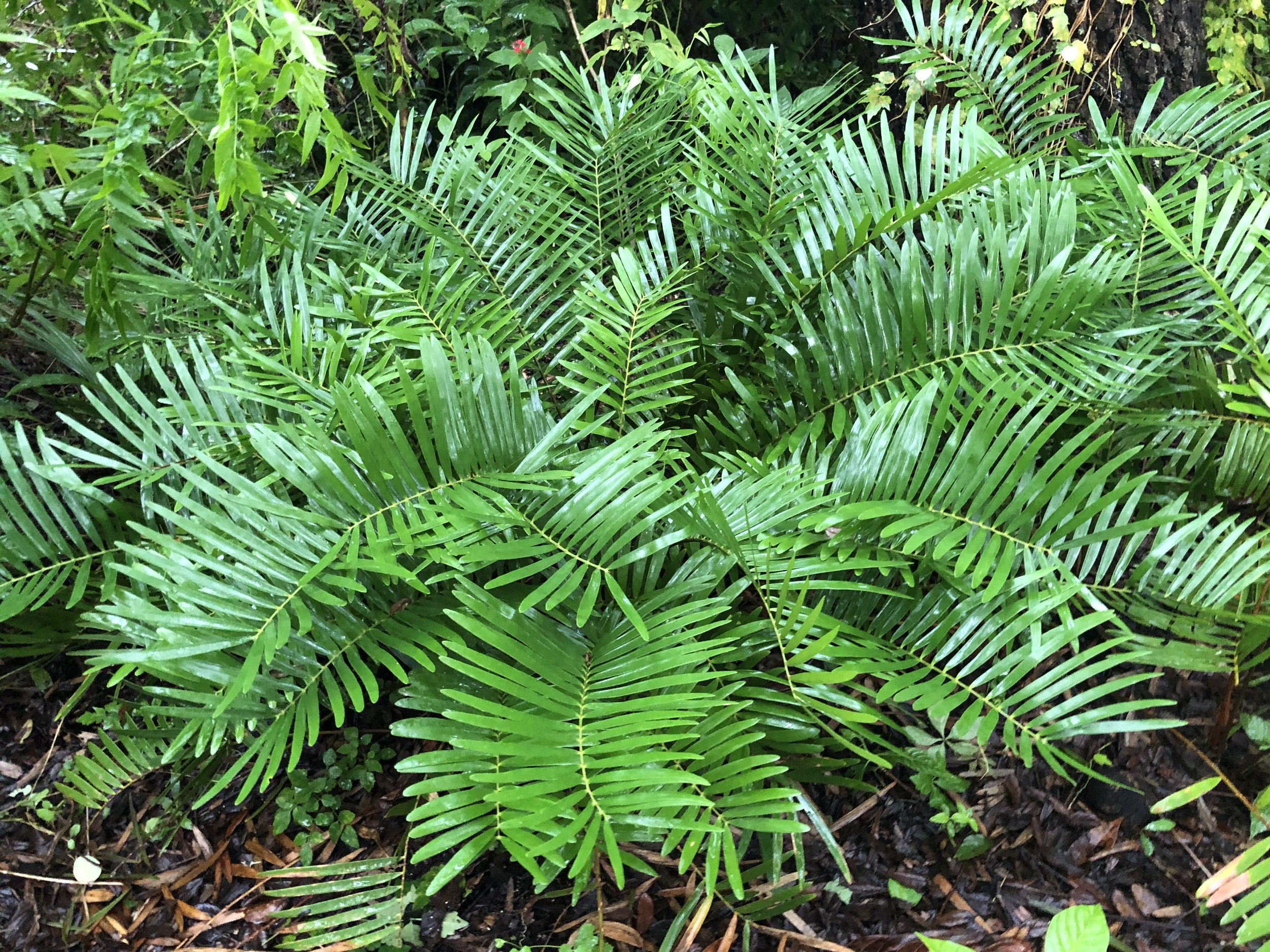
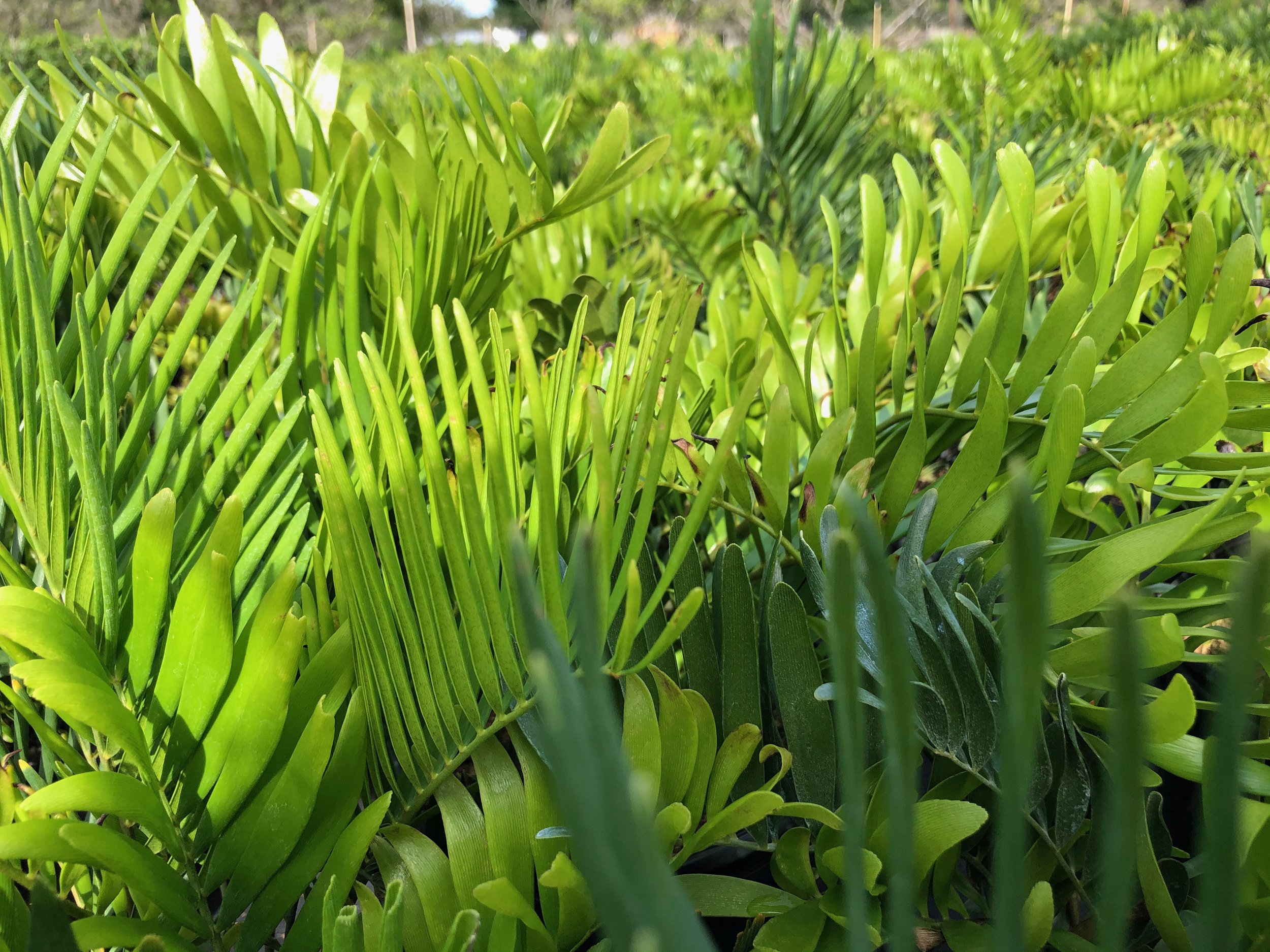
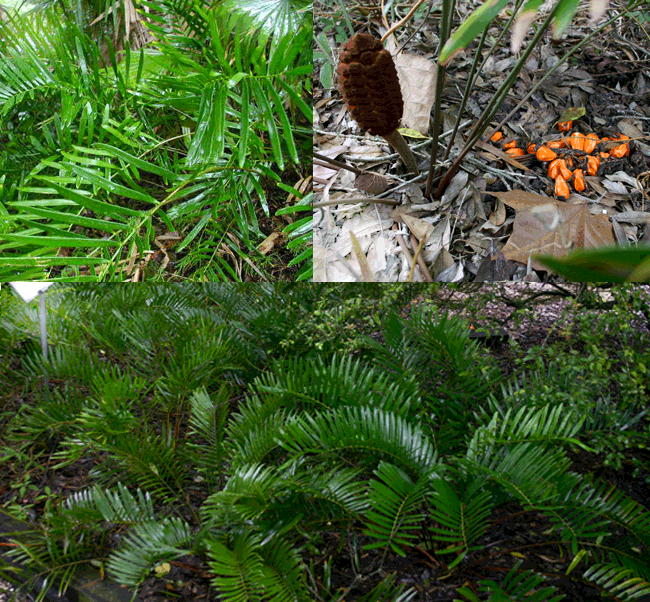
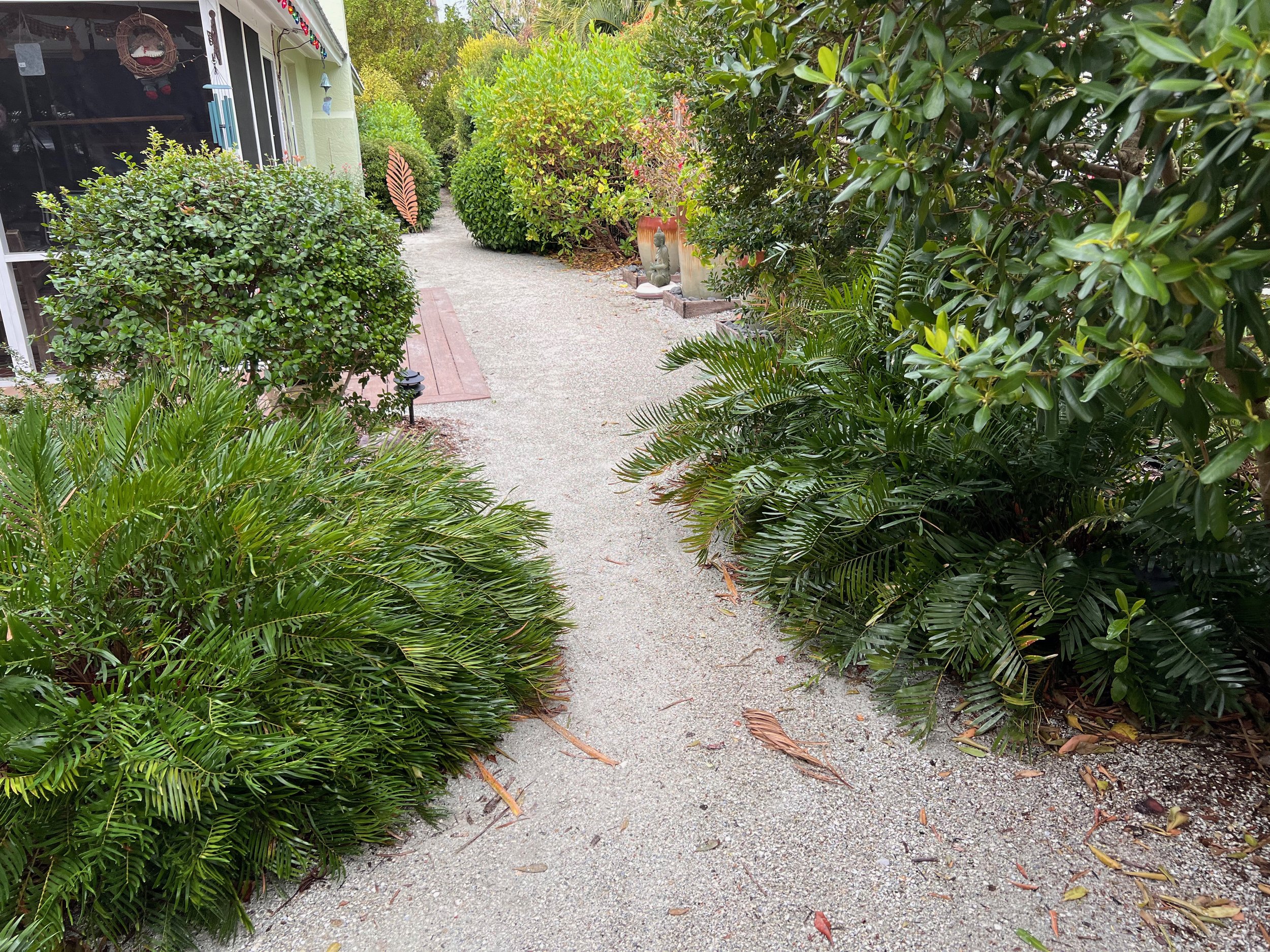
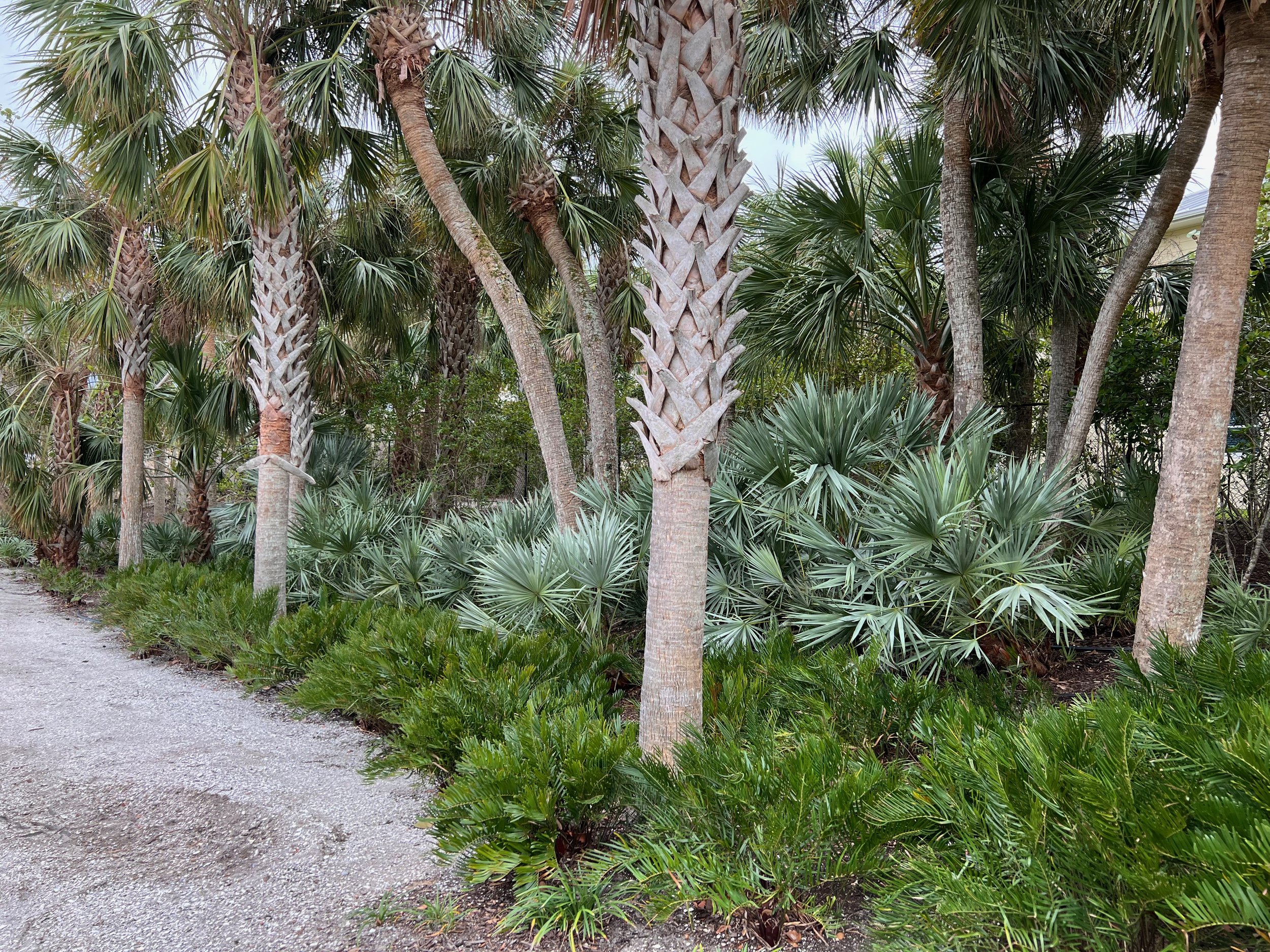
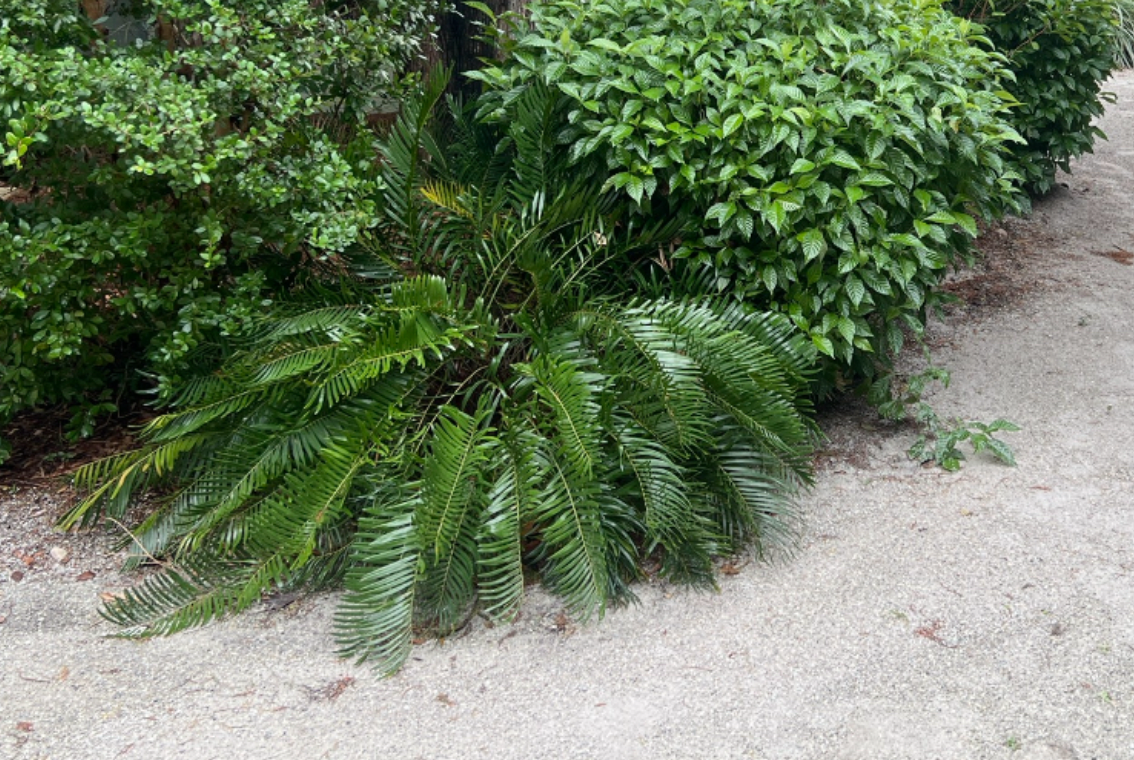
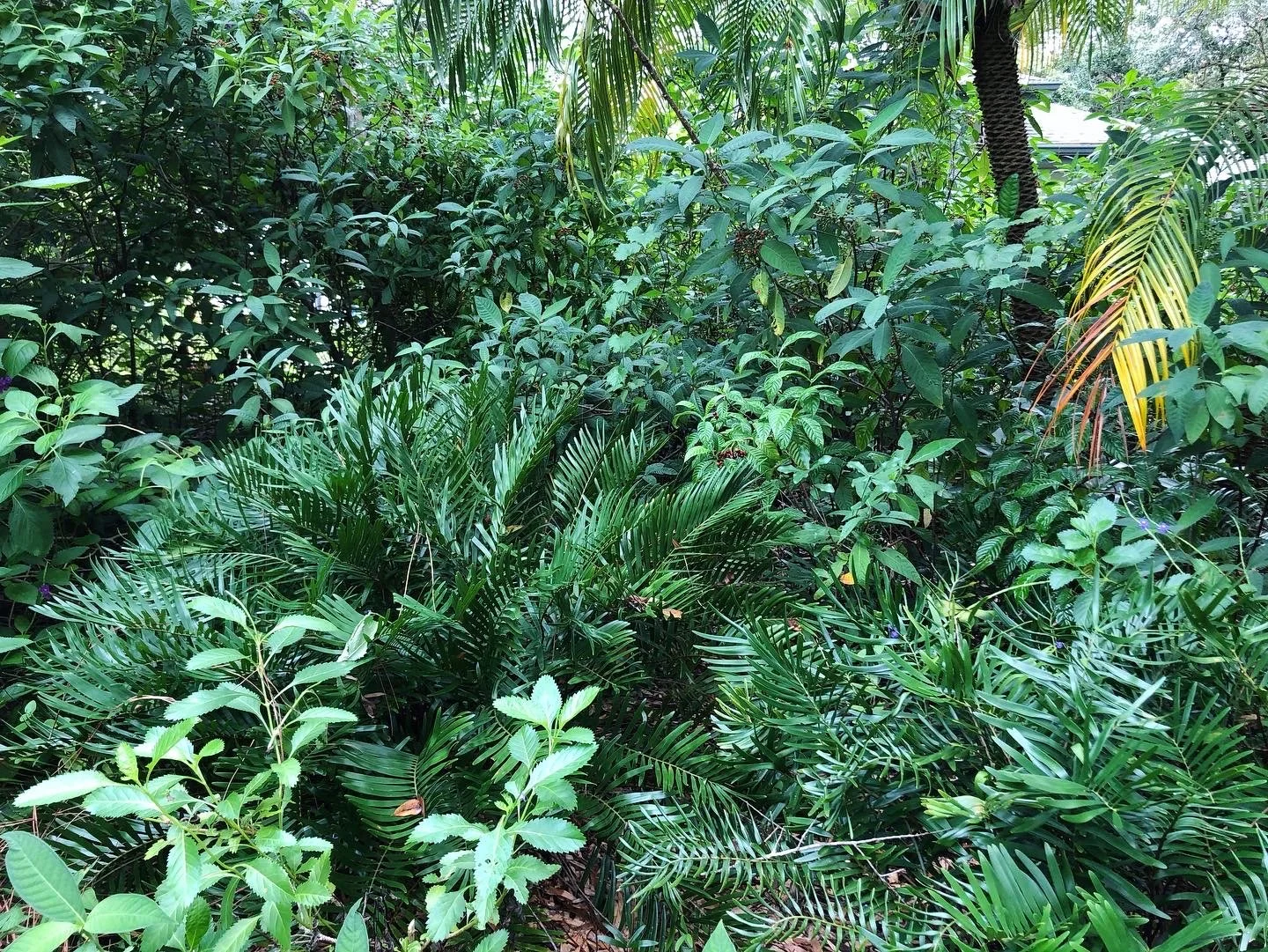
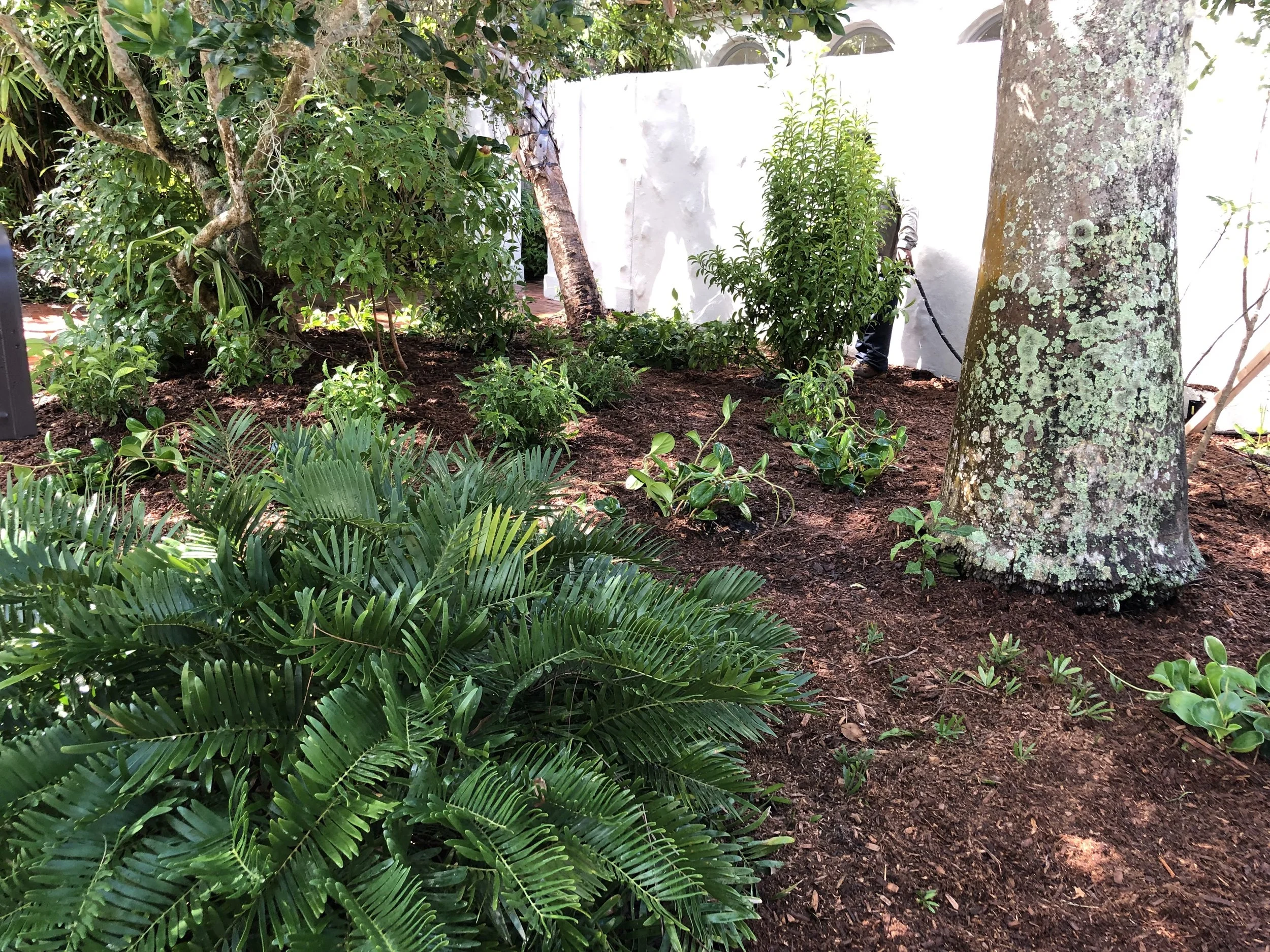
Zamia integrifolia
Coontie is perfect for a dry sunny or shady spot in the garden. It is extremely hardy and drought tolerant and is successful in harsh conditions like highway medians. It generally stays under three feet tall and 3 feet wide and has a tropical Florida feel. Coontie is an ancient plant and is Florida’s only living cycad. It is the important host plant for the Atala butterfly.
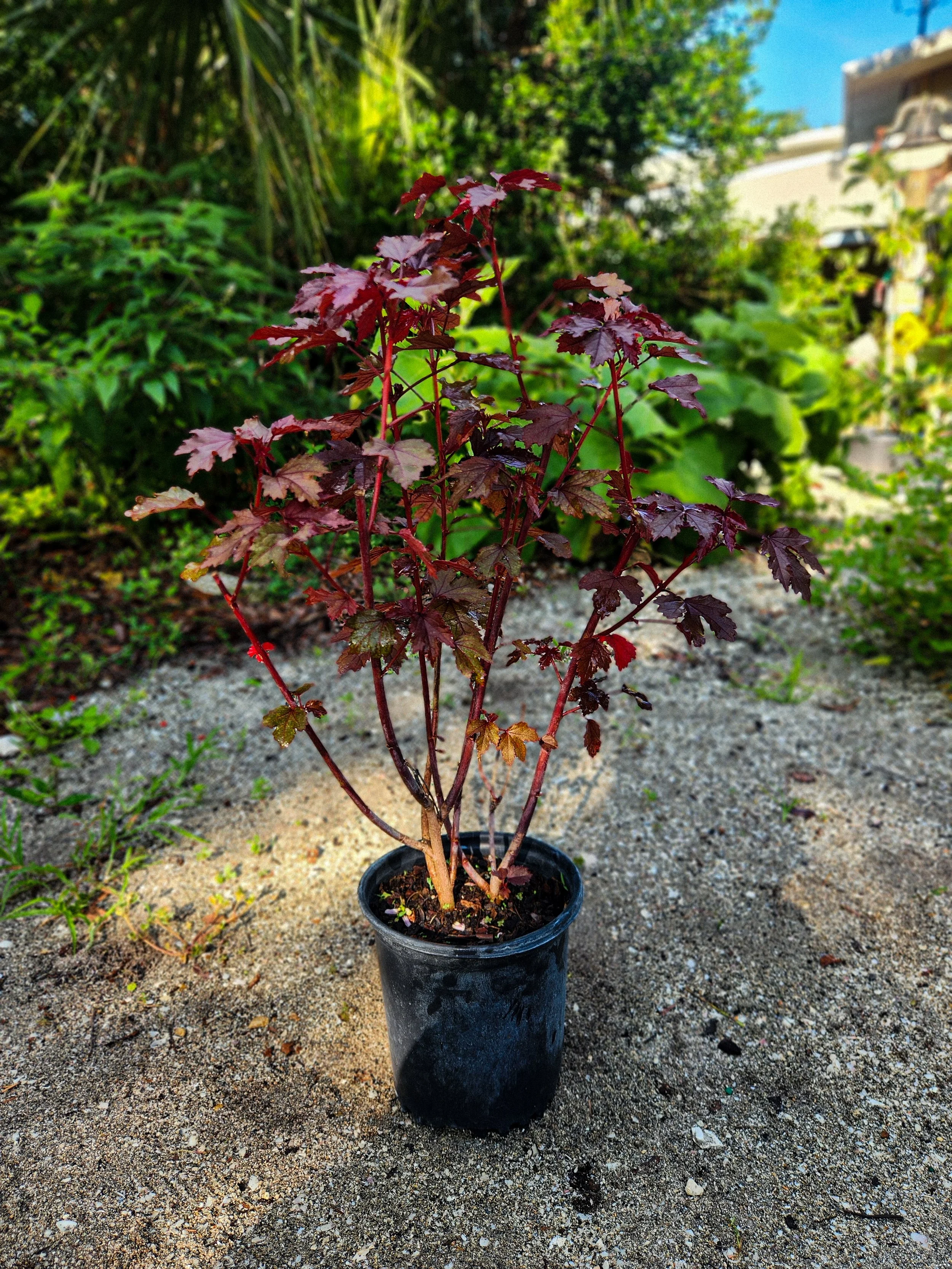
Hibiscus acetosella
Cranberry Hibiscus is a non-native, Florida-friendly flowering shrub that grows to be 3’-5’ tall. These fast-growing plants feature dark red stems, foliage, and flowers, making them a dramatic addition to gardens and landscapes. They grow best in full sun and loose, rich organic soil. In addition to bringing in butterflies, pollinators, and hummingbirds, their flowers are edible for humans, and can be used to make teas, along with the young leaves.
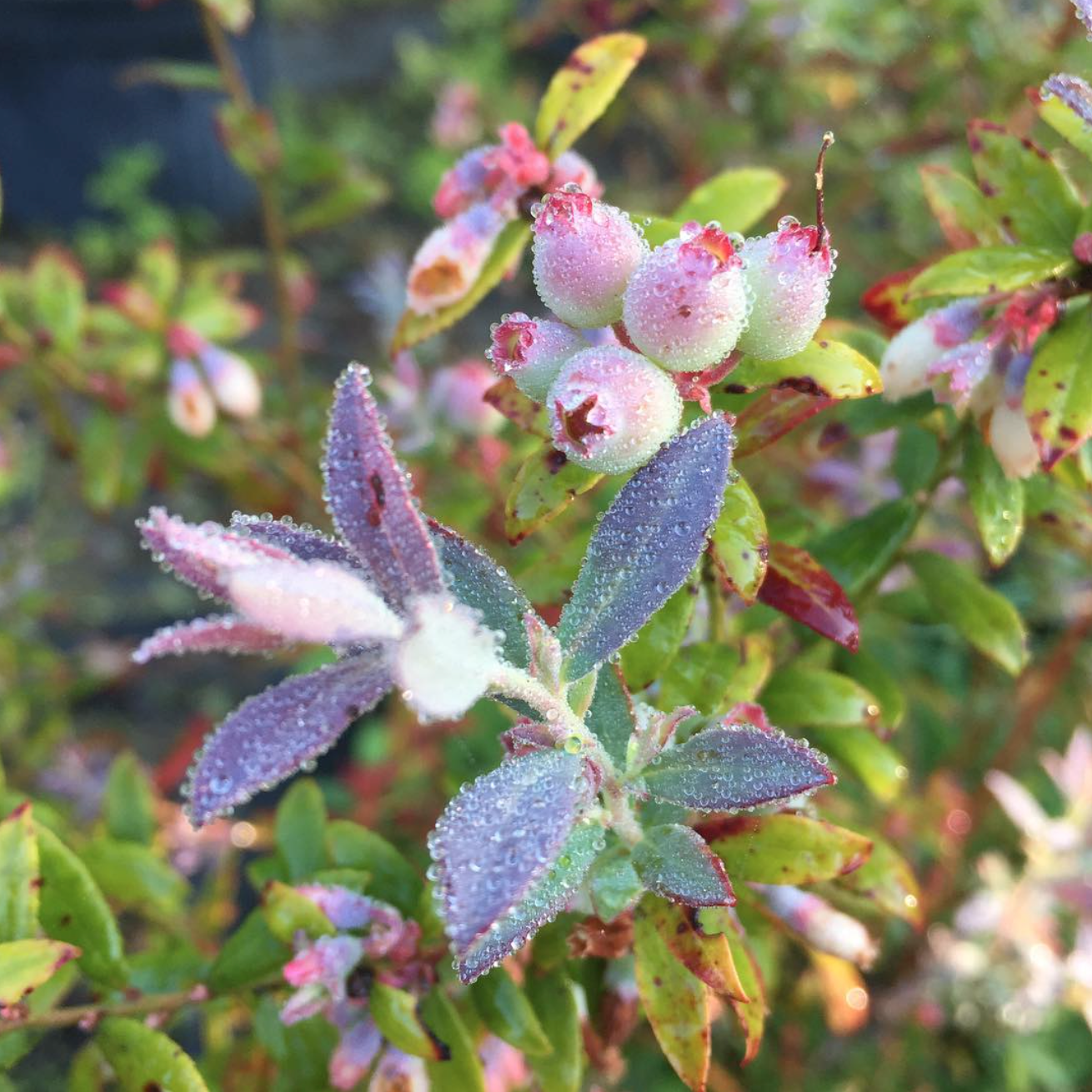
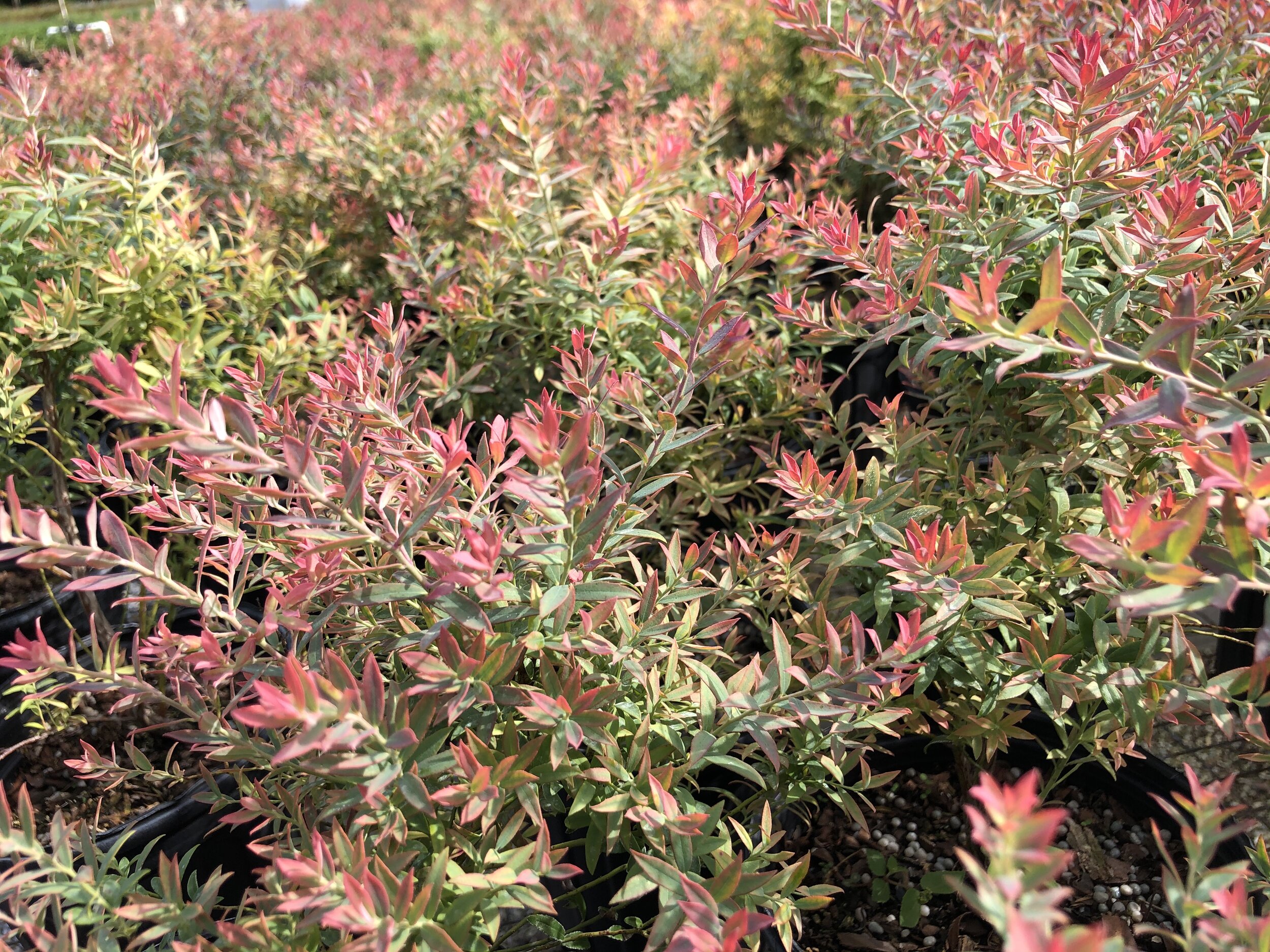
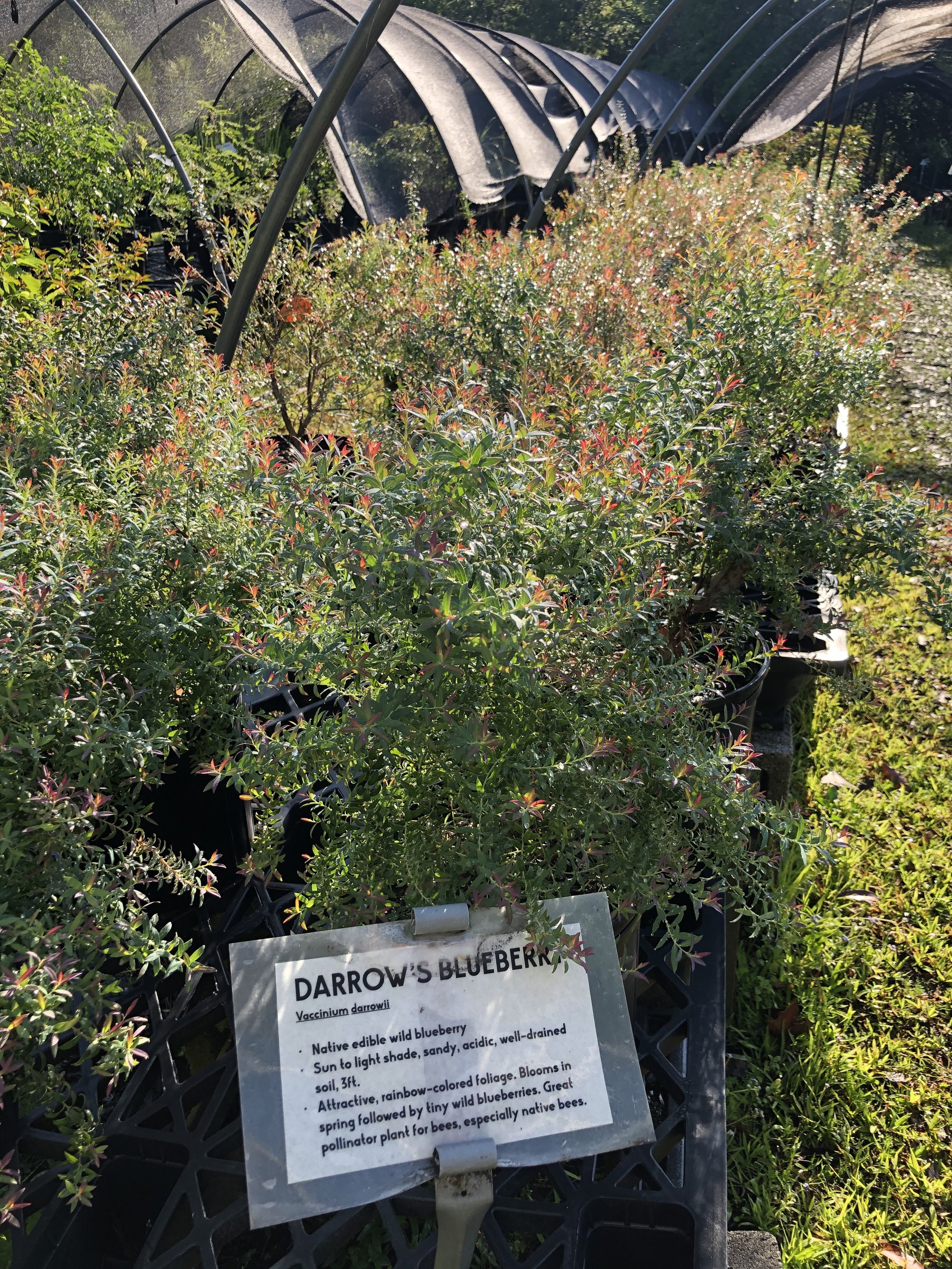
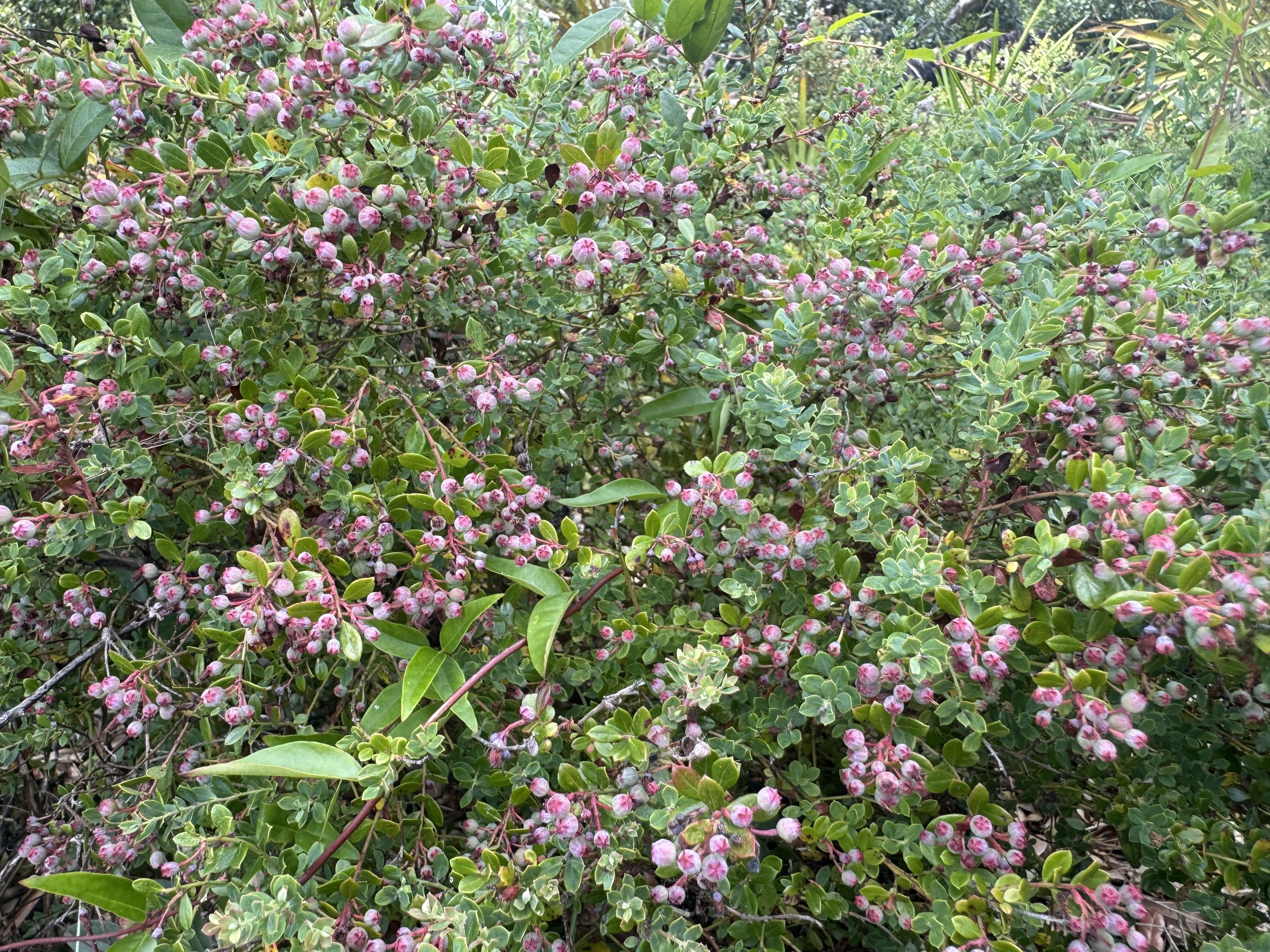
Vaccinium darrowii
Darrows Blueberry is a native perennial shrub that grows to about 2’ tall with a 2’ spread. Full sun to light shade, sandy, acidic, well-drained soil. Darrows Blueberry has attractive, rainbow-colored foliage with white flowers in spring followed by tiny purple, blue, or black wild blueberries. Great pollinator plant for bees, especially native bees!
Clusia guttifera ‘Nana’
Dwarf Pitch Apple is a compact, slow-growing cultivar of the native Florida pitch apple that stays low to the ground as a spreading shrub. This semi-succulent plant features the same distinctive thick, leathery paddle-shaped leaves as its full-sized parent but in a much more manageable form, typically reaching only 2-4 feet in height and spreading wider than it is tall. It produces waxy pink and white flowers with apple-like buds and can develop aerial roots, adding to its unique tropical appearance. Extremely low-maintenance and drought-tolerant once established, it thrives in full sun to partial shade and serves as an excellent border plant or accent specimen for South Florida landscapes in zones 9-11.
Baccharis dioca
Also known as Broombush and Falsewillow
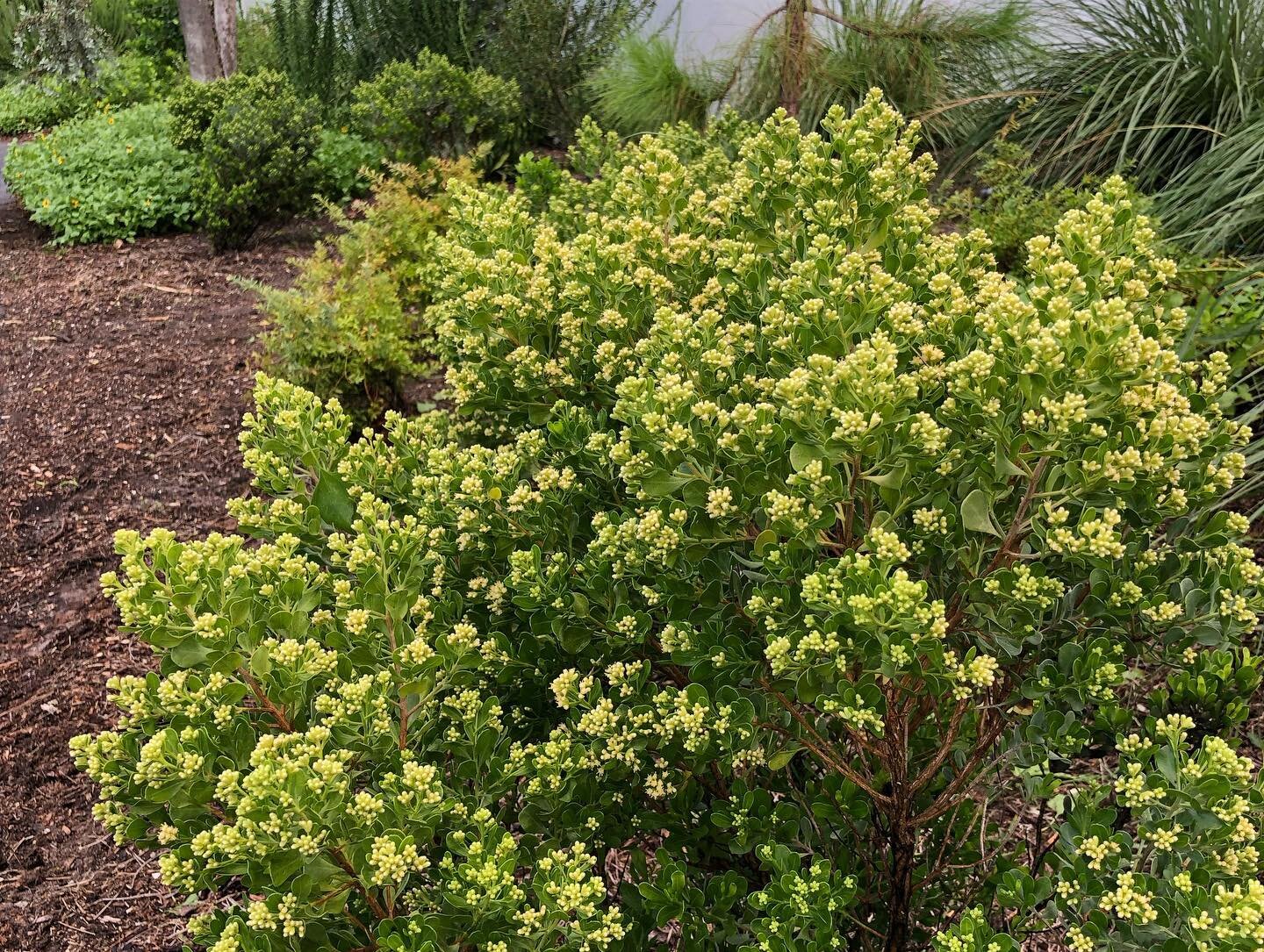
This hardy, lower-growing native shrub always seems to look great in a garden setting and it does well in a lot of different garden conditions. It holds its space well and has beautiful texture year round. The flowers bloom late summer through early fall and attract numerous pollinators. It is drought tolerant but also high tolerant of salt spray and salt inundation.
Myrcianthes fragrans ‘Compacta’
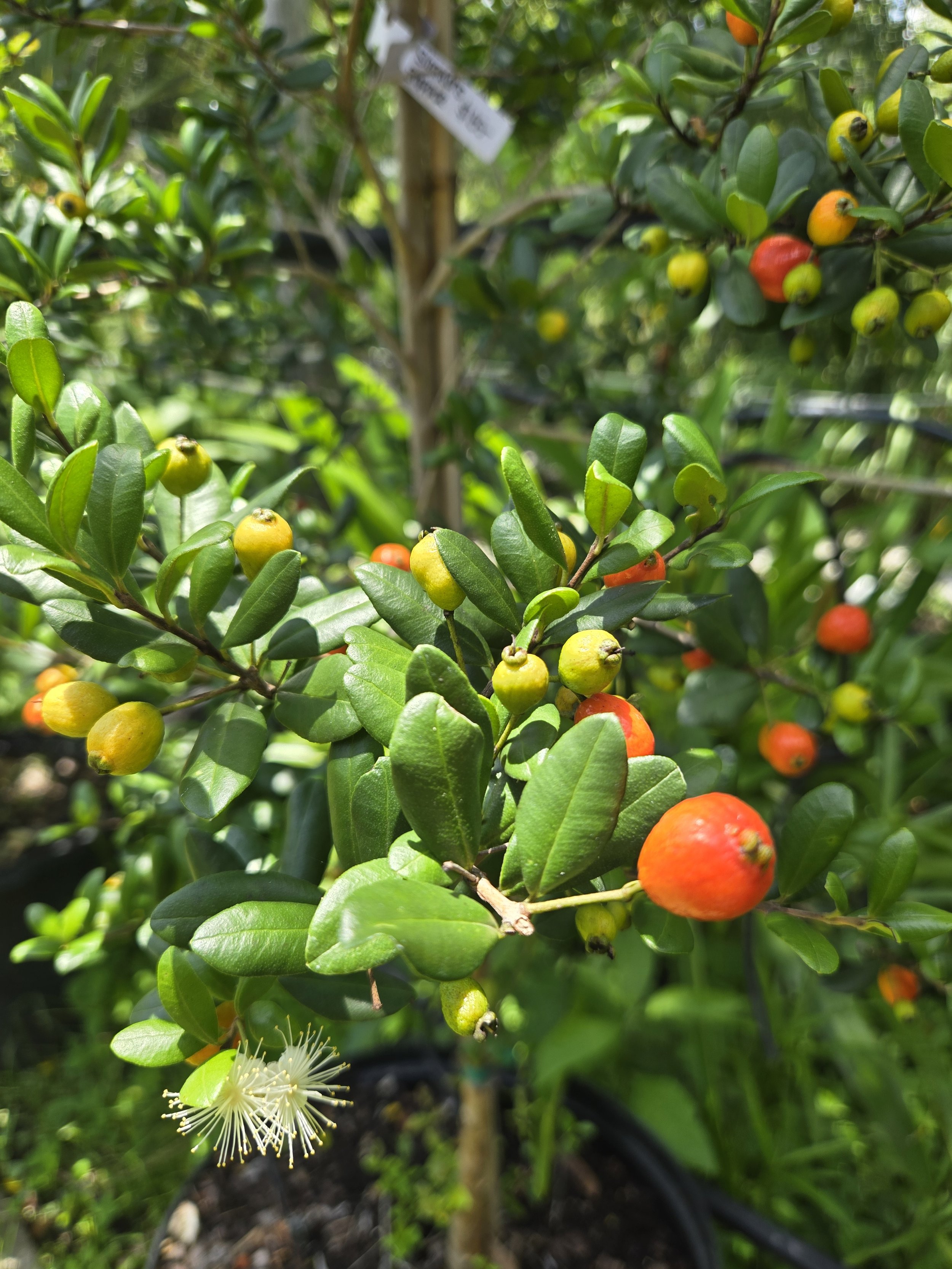
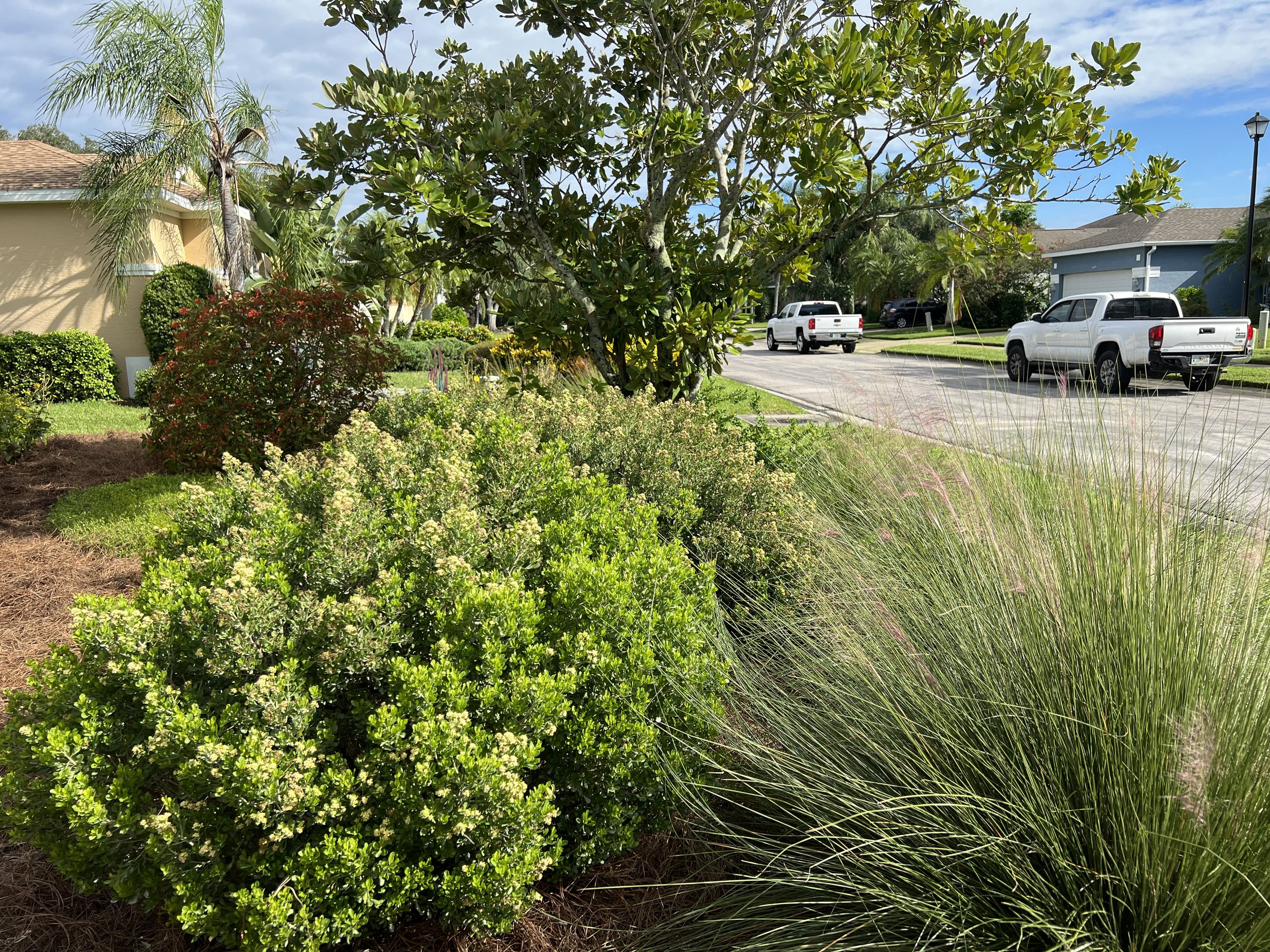
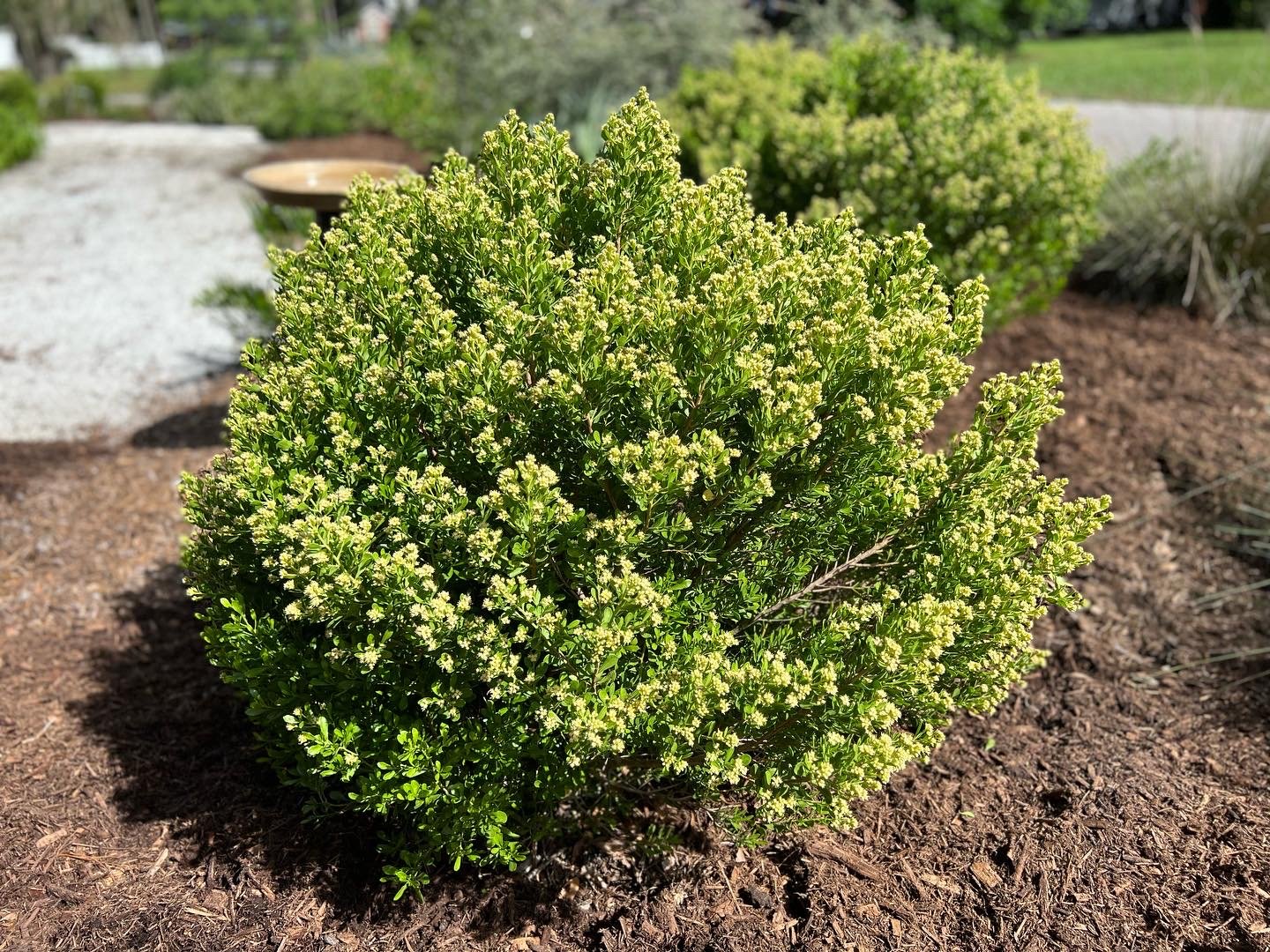
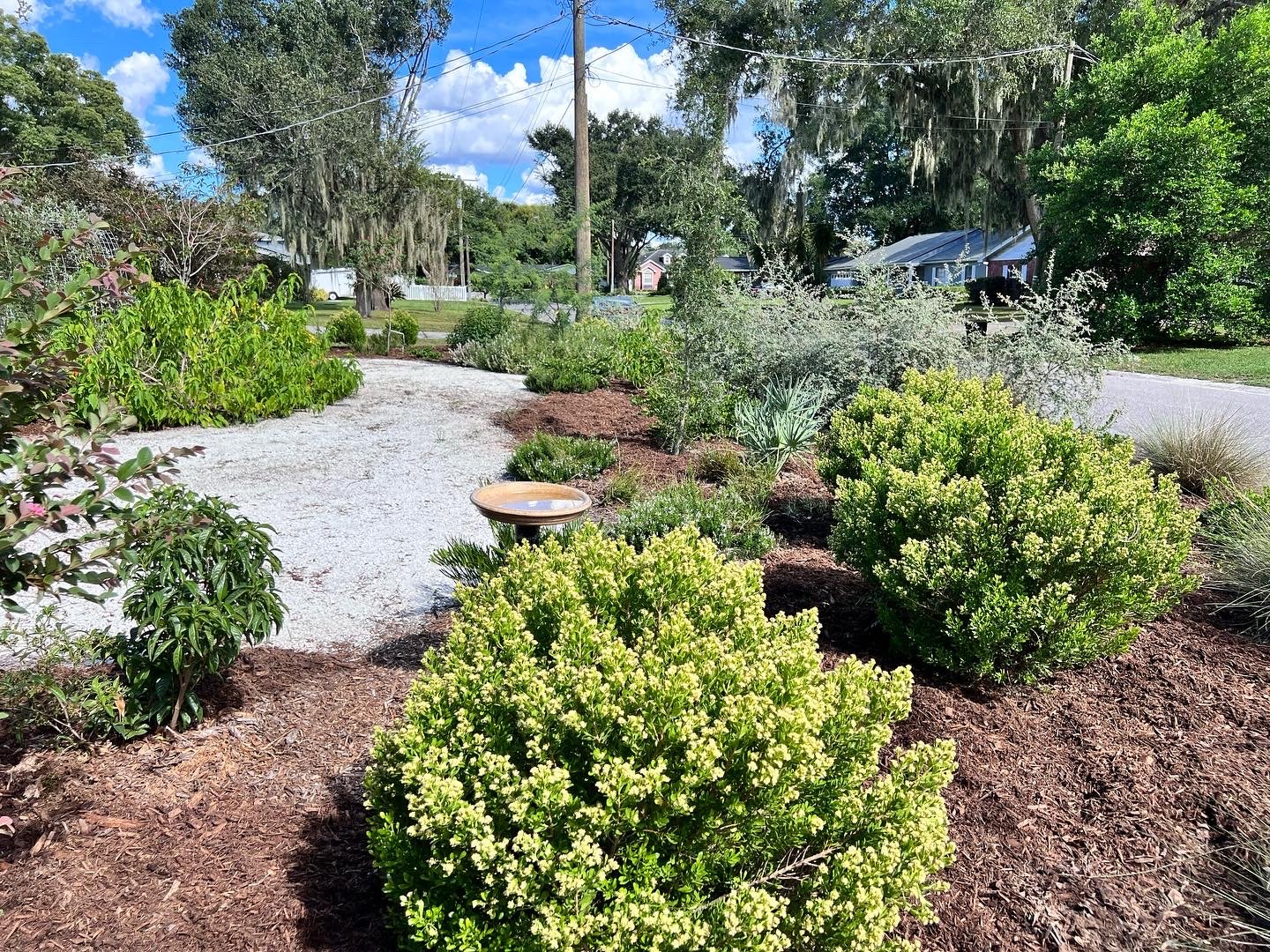
Dwarf Simpson Stopper grows to 4’ and creates a nice low hedge or border planting. Cream puff blooms and vibrant red berries add color and texture to any landscape. Drought tolerant once established, these small shrubs work well in non-irrigated landscapes. Of course, they don’t mind irrigation either!
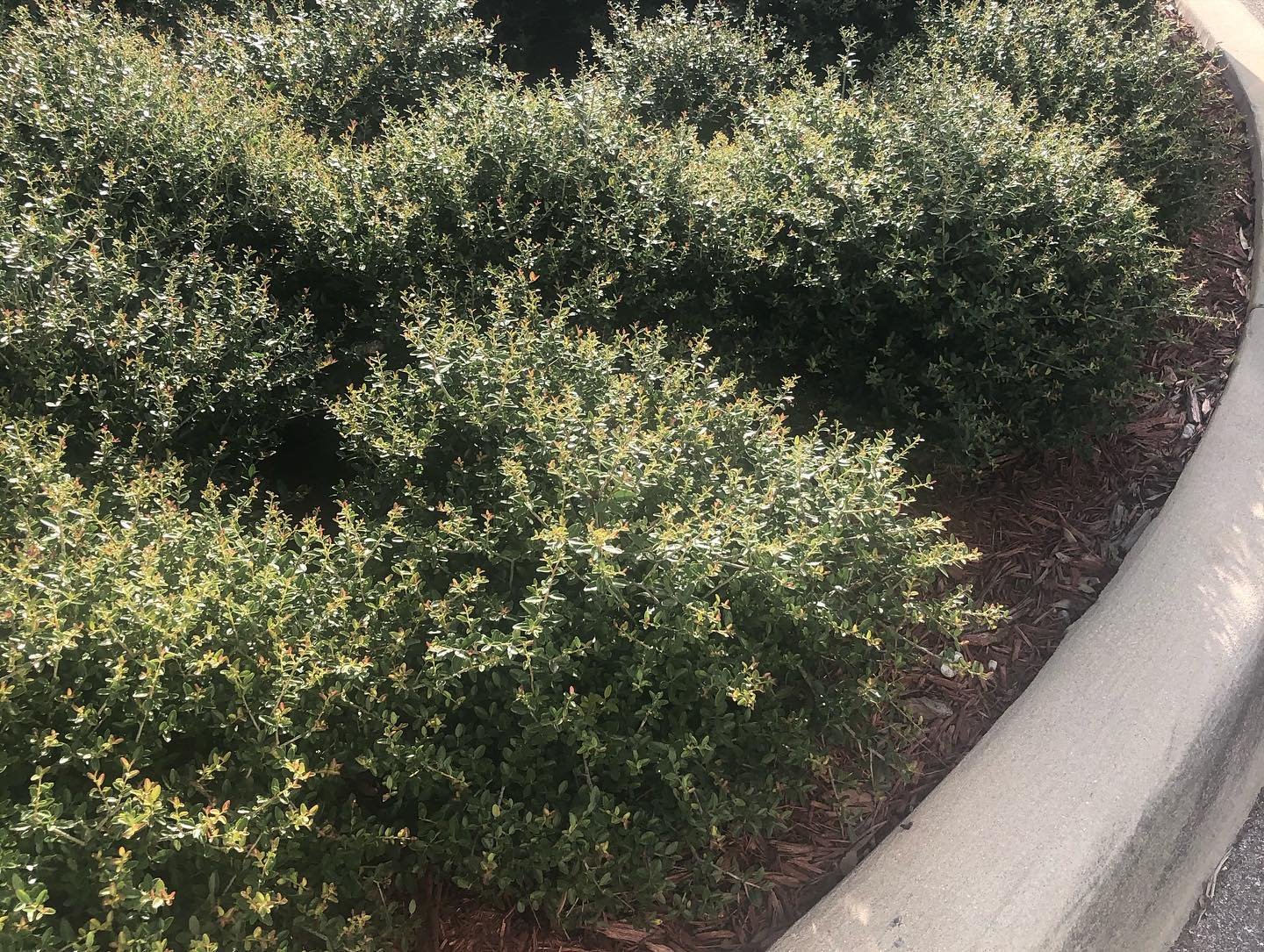
Ilex vomitoria 'Schillings Dwarf'
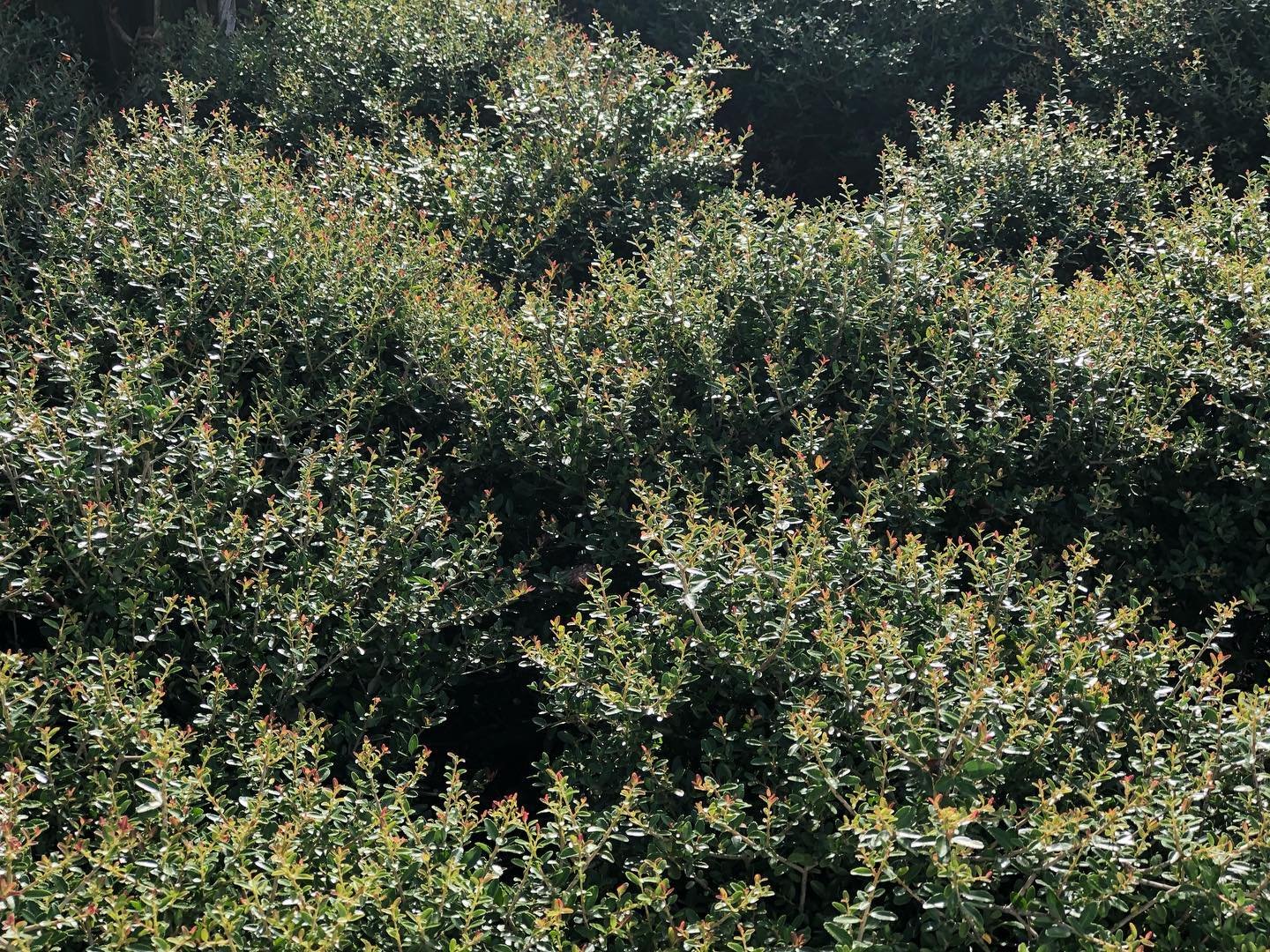
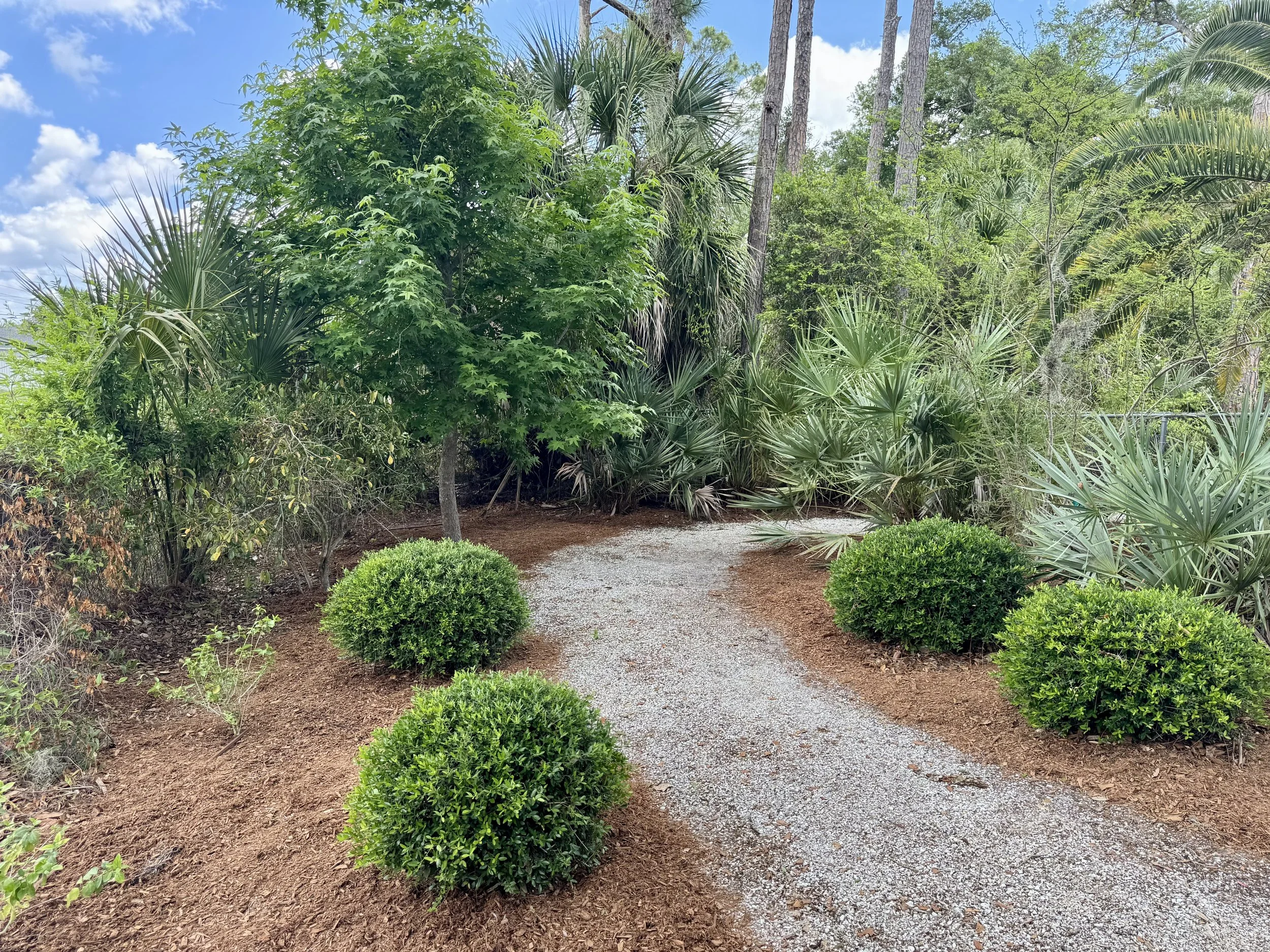
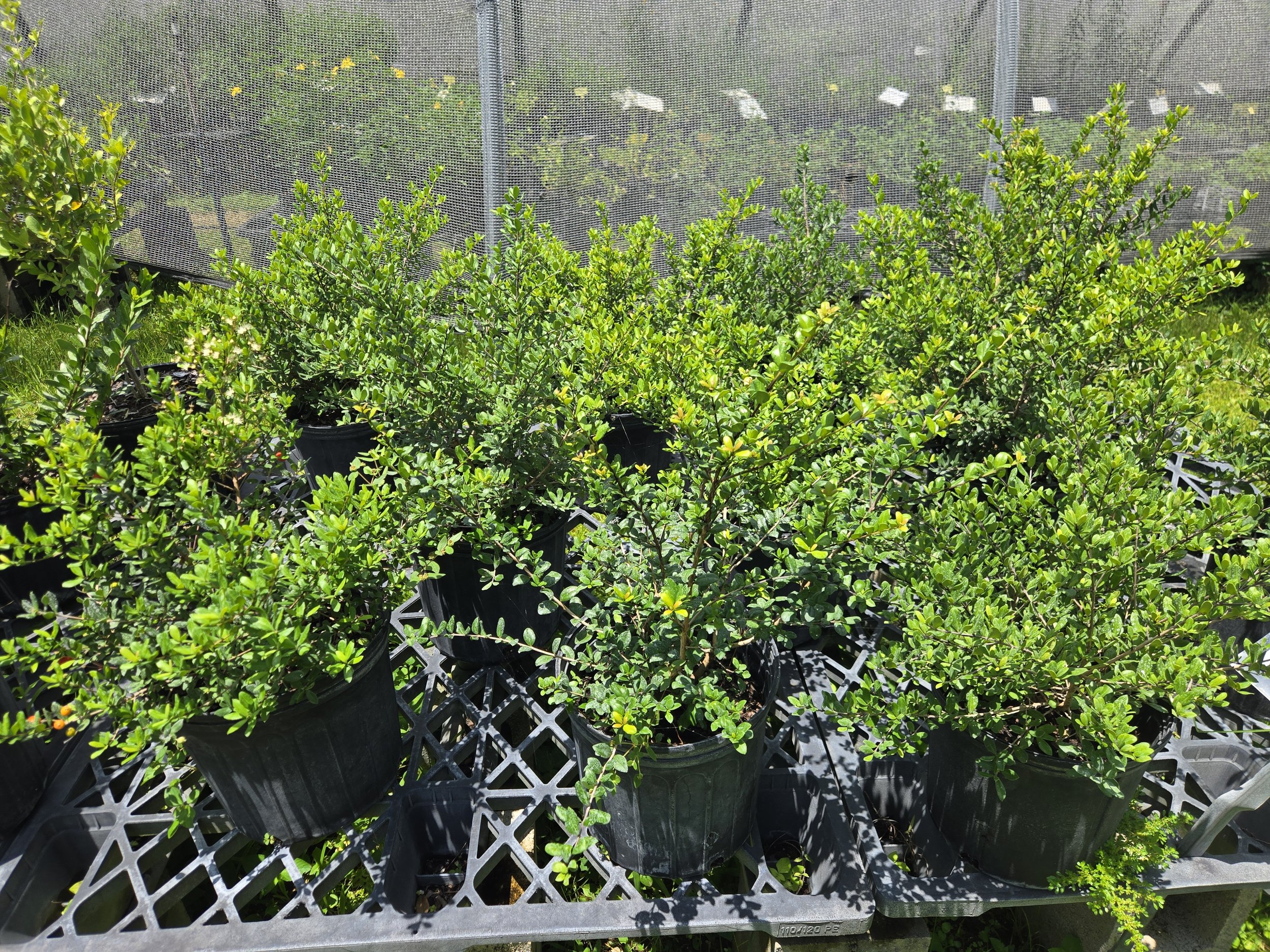
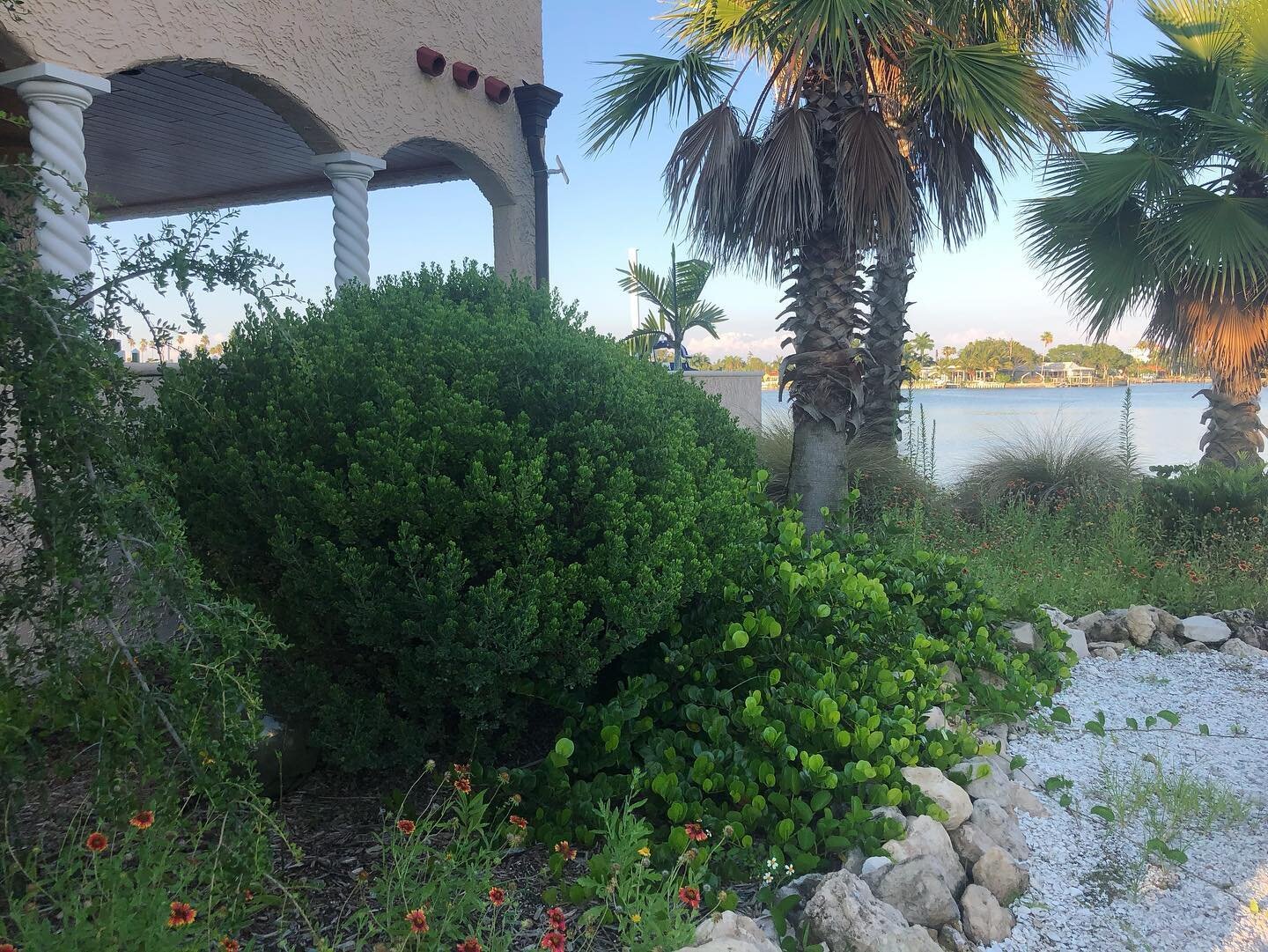
Dwarf Yaupon Holly is a super hardy and adaptable small shrub that makes a great low growing border or mass planting. It’s easily prunable and it’s full height is 3-4 ft. It does well in full sun to partial shade with dry to moist (well-drained) soils.The dwarf plants are male and produce a flower but no berries, however they help to pollinate female upright Yaupon Hollies and the Yaupon Holly cultivars like Weeping Yaupon Holly.
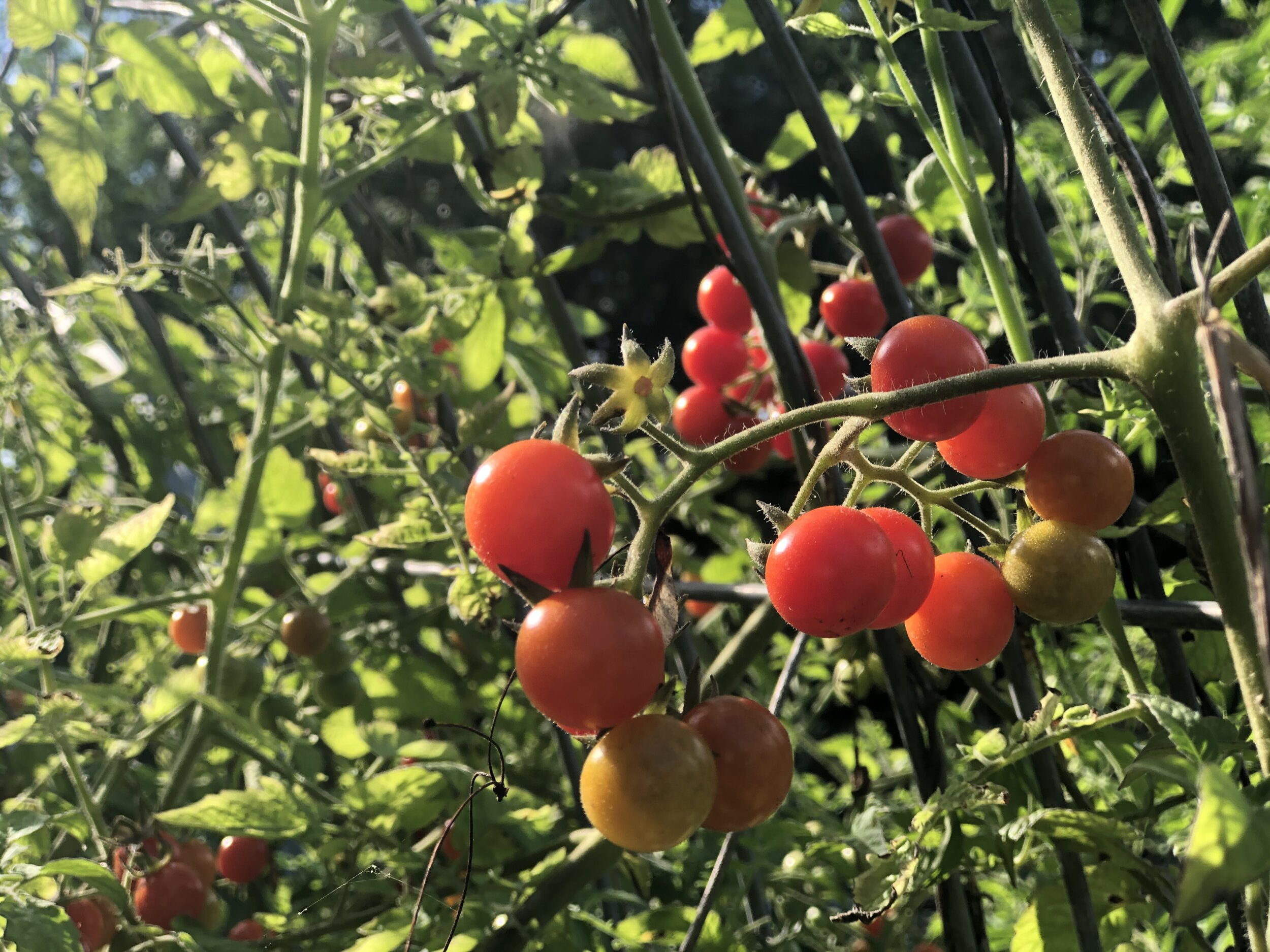
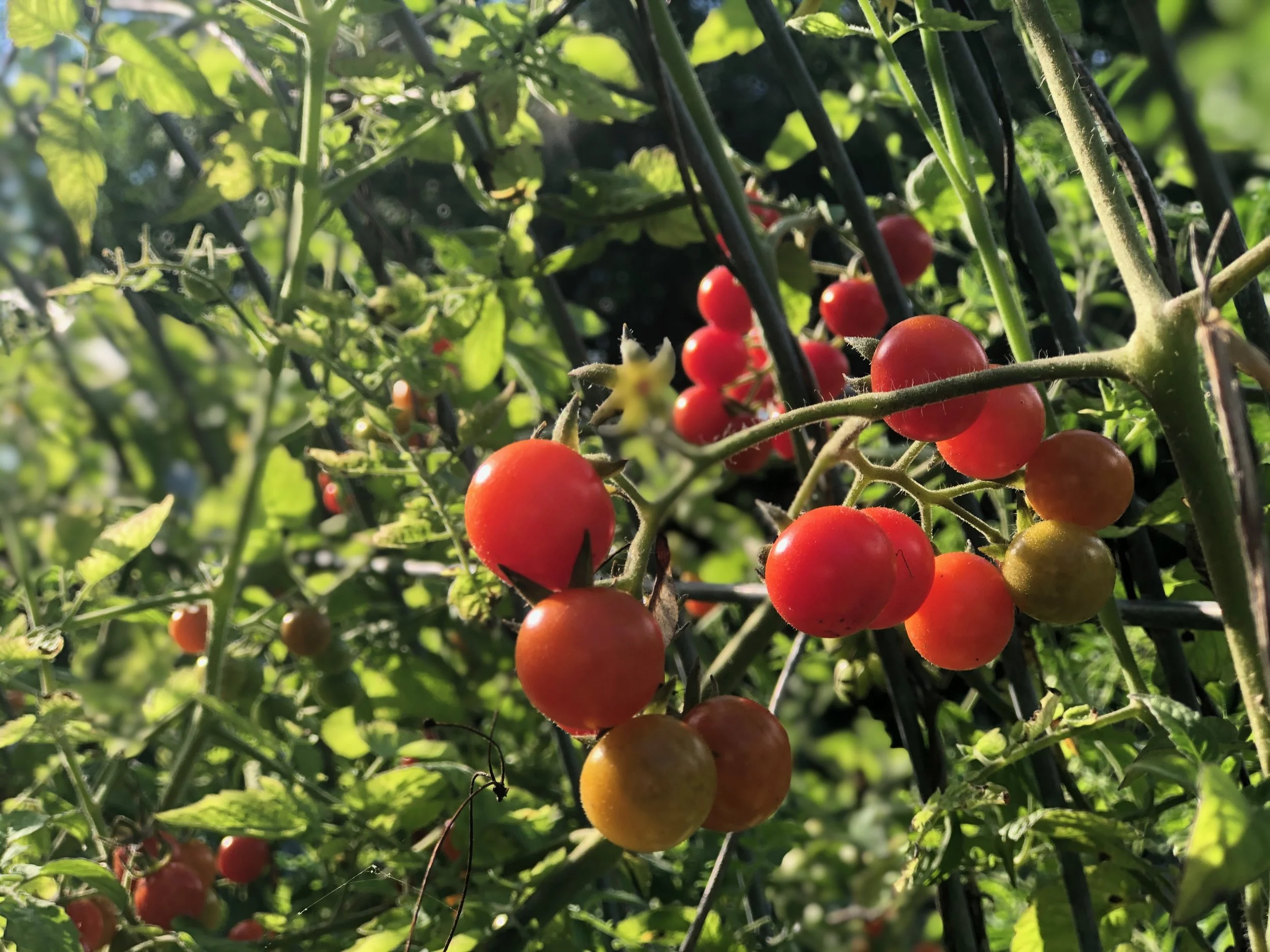
Solanum pimpinellifolium
Everglades Tomato is a hardy tomato that naturalizes here in Florida and can be grown all year. Growing best in sun to partial shade and average to moist soil, this plant does well in many Florida landscapes and provides delicious, small tomatoes all summer long. While it does need to be protected from frost, it is disease and pest resistant!
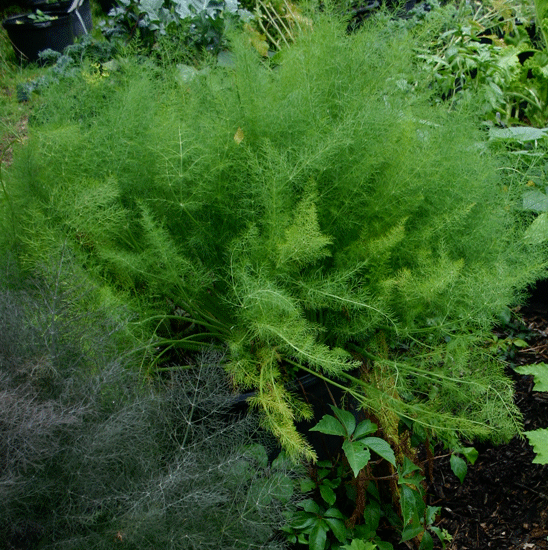
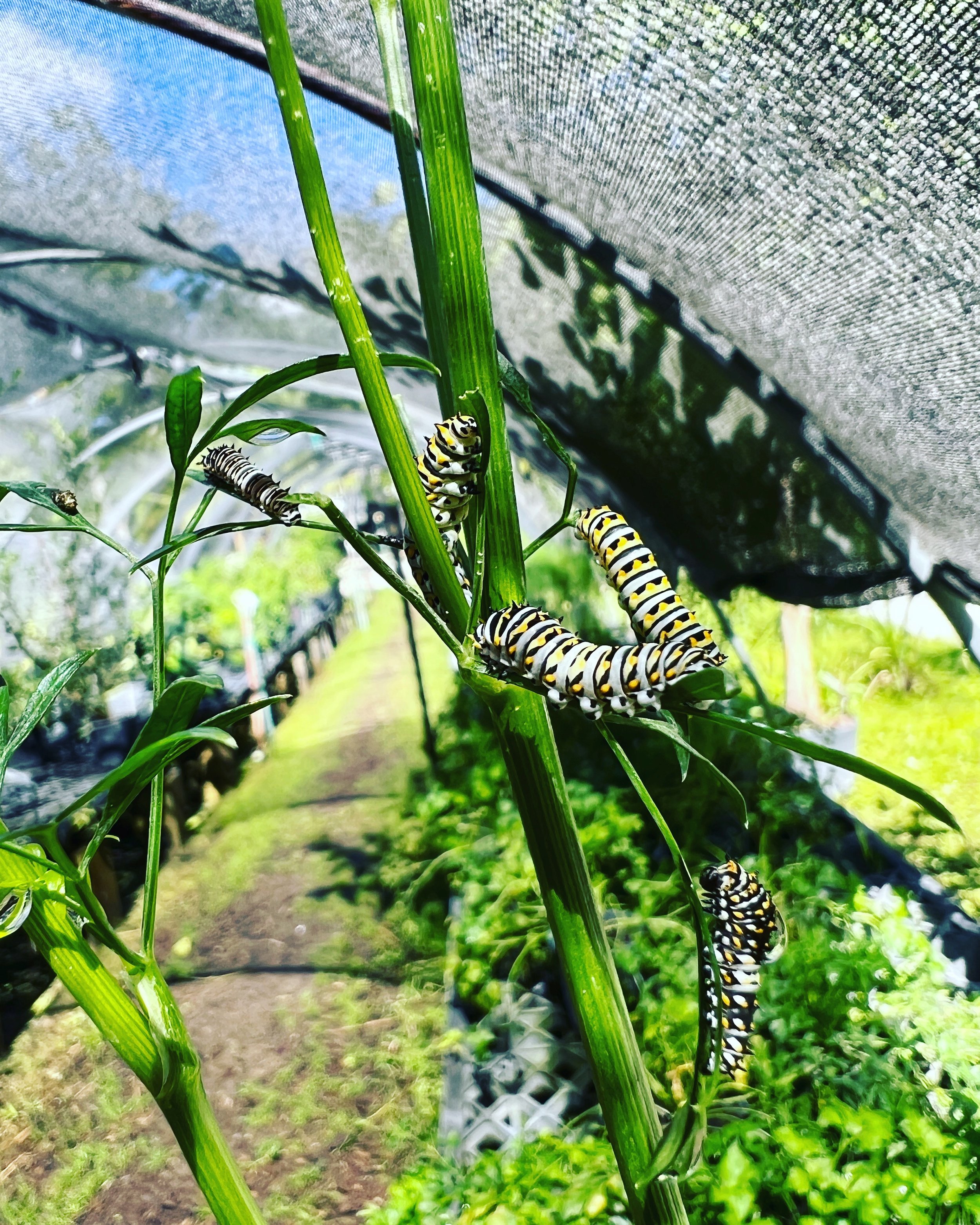
Foeniculum vulgare
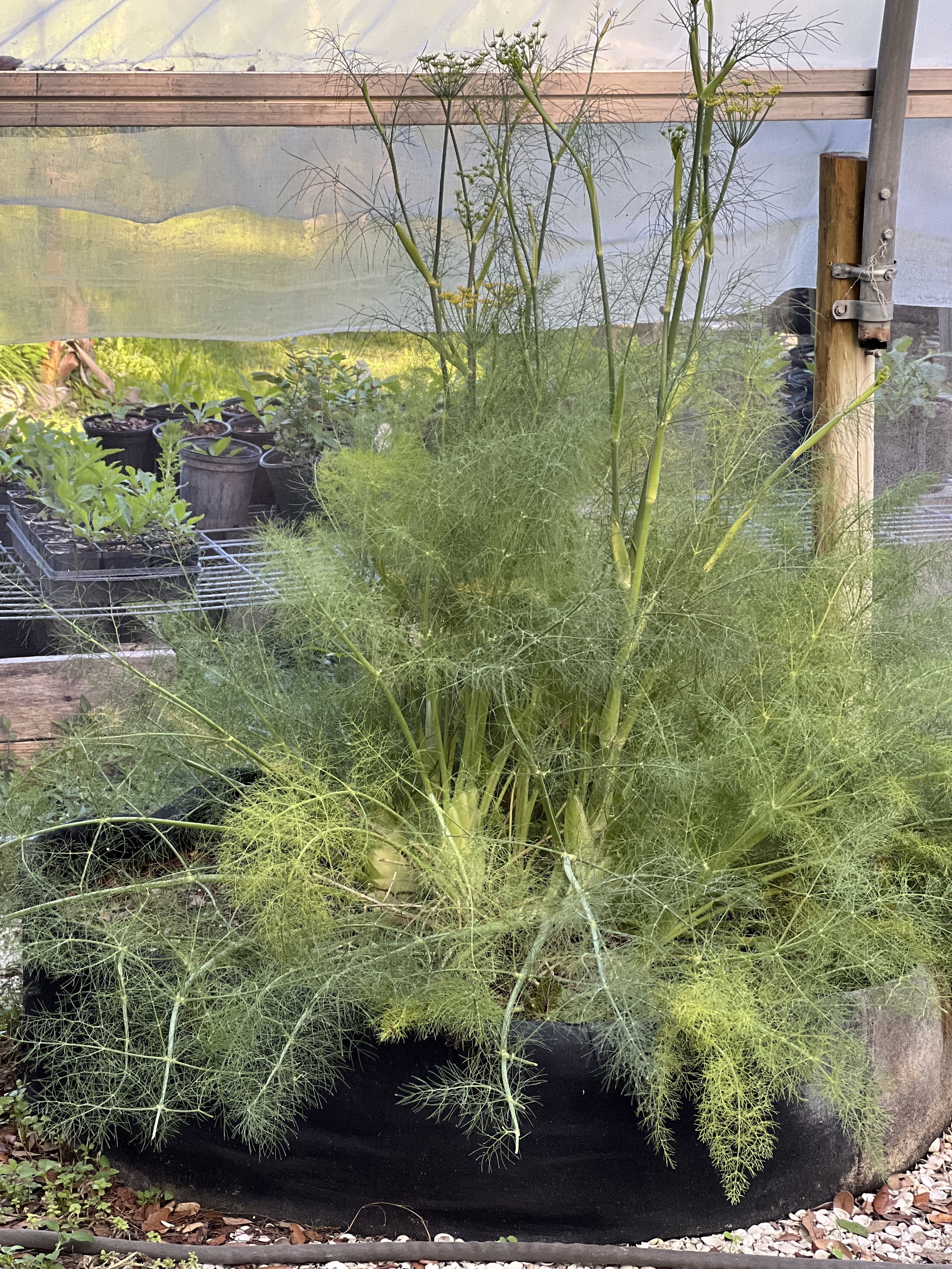
Fennel is a highly aromatic, dual-purpose perennial herb that serves both the kitchen garden and the landscape as a vital host plant for swallowtail butterflies. Prefers full sun during the winter but benefits from partial shade during the intense summer heat. Grows best in average to moist, well-drained soil enriched with organic compost. It can be successfully grown as a perennial all year round in Florida, though optimal growth occurs during the cooler months. Features fine, thread-like, feathery foliage and bright yellow umbrella-shaped flower clusters (umbels). It can grow from 3 to 6 feet tall. An essential larval host plant for the Eastern Black Swallowtail butterfly. The plant brings a sweet, anise-like flavor to seafood, soups, and salads.
Coccothrinax argentata
Florida Thatch Palm is native evergreen palm that grows to be 6’-15’ tall and 5’-7’ wide. They grow best in full sun and are highly adaptable with their soil environment once established. With flowers in summer that bring in pollinators, followed by berries that bring in birds, Florida Thatch Palm is the perfect plant for attracting wildlife to the space. They are also highly salt and drought tolerant, and can stand up to hurricane winds.
Phyla nodiflora
One of our favorite native plant “lawn alternatives,” Frogfruit is a low growing, perennial evergeen groundcover that grows in full sun to partial shade and in dry to moist soils. Frogfruit is highly salt-tolerant, fast growing, mow-able and lightly walk-able. It’s also an important host plant to the Phaon Crescent, White Peacock and Common Buckeye butterflies and is a nectar source pollinators including hummingbirds.
Calotropis gigantea
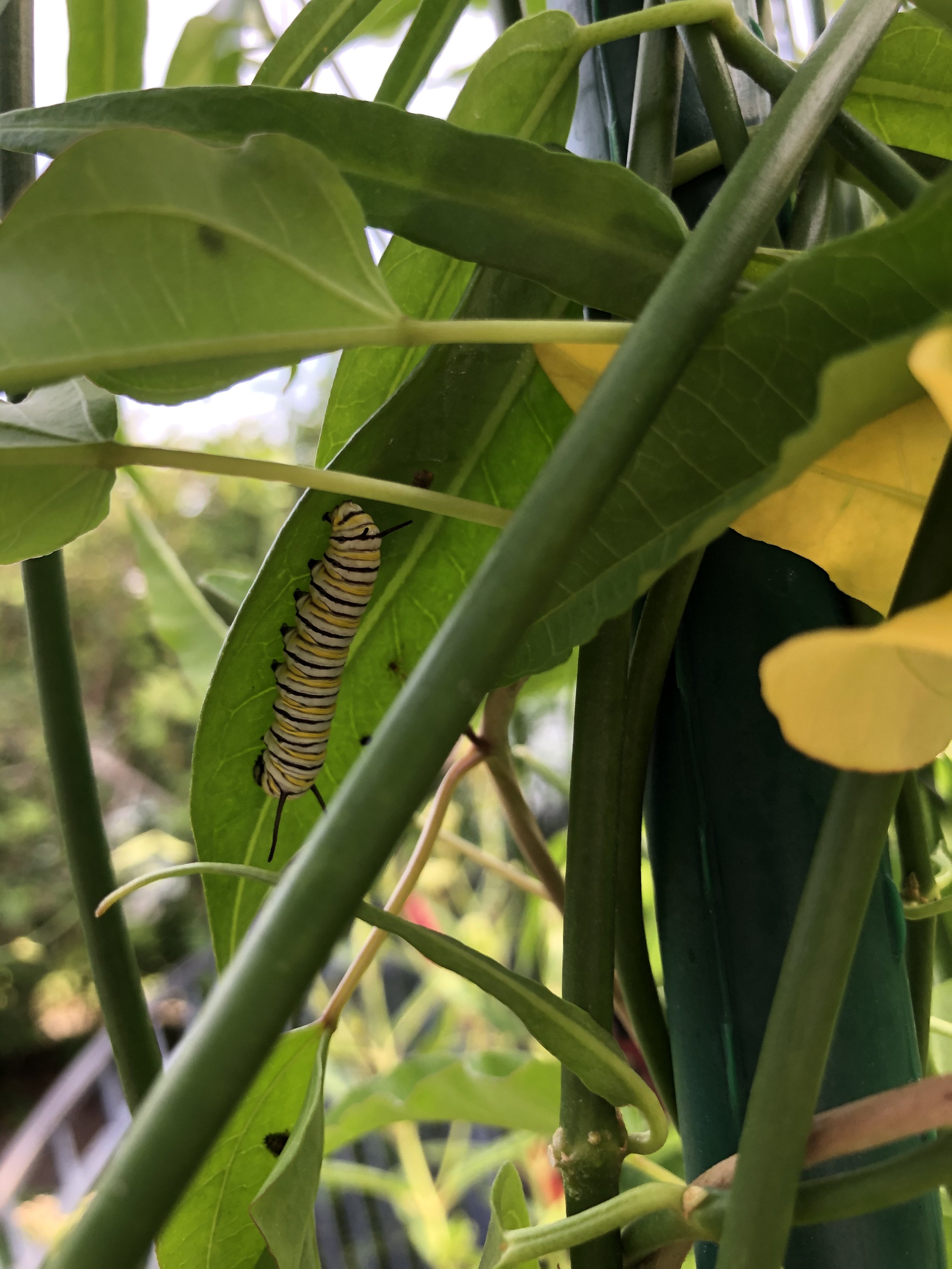
Giant Milkweed is non-native fast-growing evergreen shrub that can reach 8-15 feet in height. As a member of the milkweed family, it serves as a host plant for Monarch butterfly caterpillars and attracts various pollinators including bees and butterflies. It has thick, leathery, silvery-green leaves and produces clusters of waxy, pale lavender or white flowers that bloom year-round. Extremely drought-tolerant once established, it thrives in full sun and well-drained soils. We sometimes carry a white-flowering variety as well.
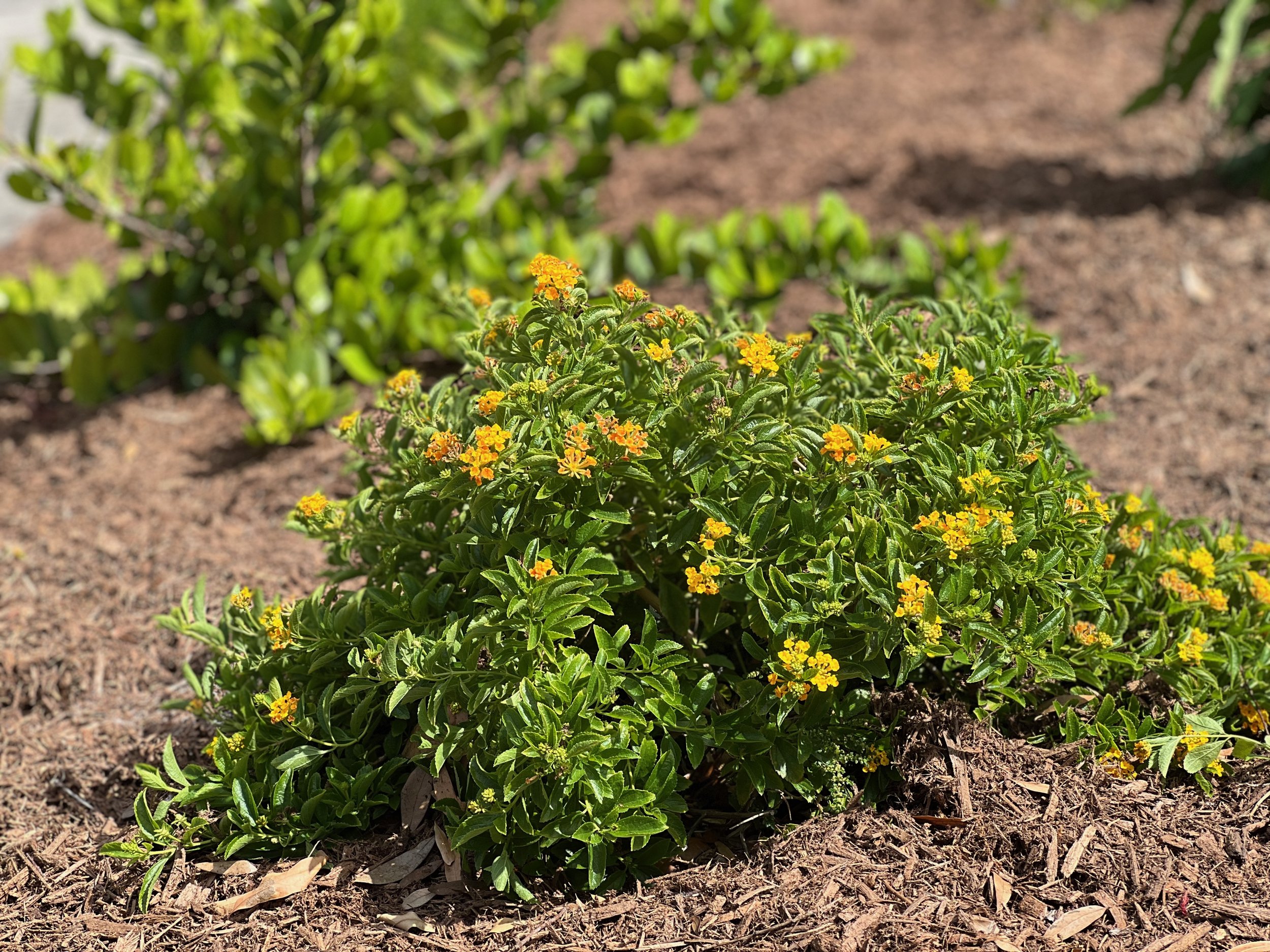
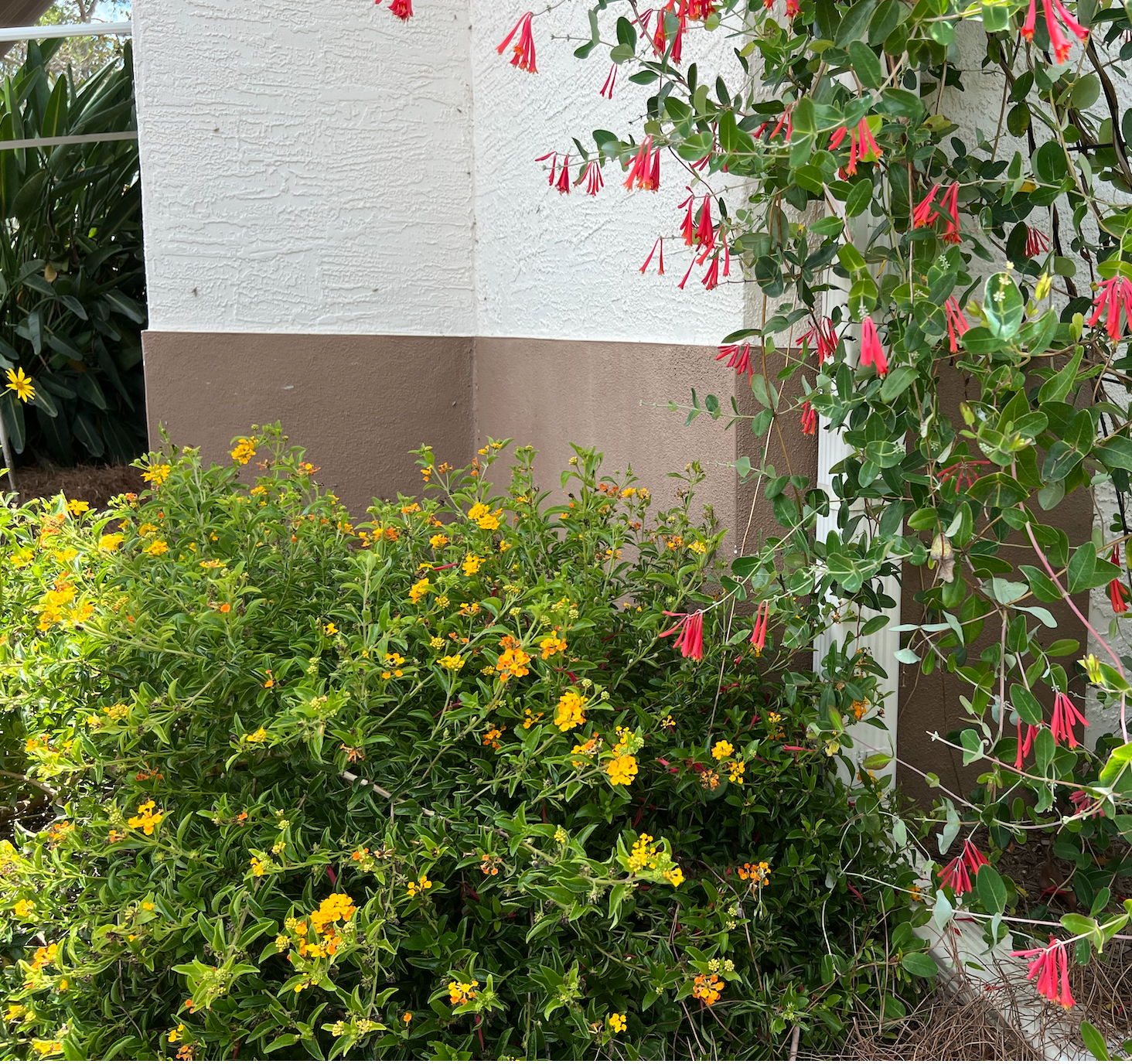
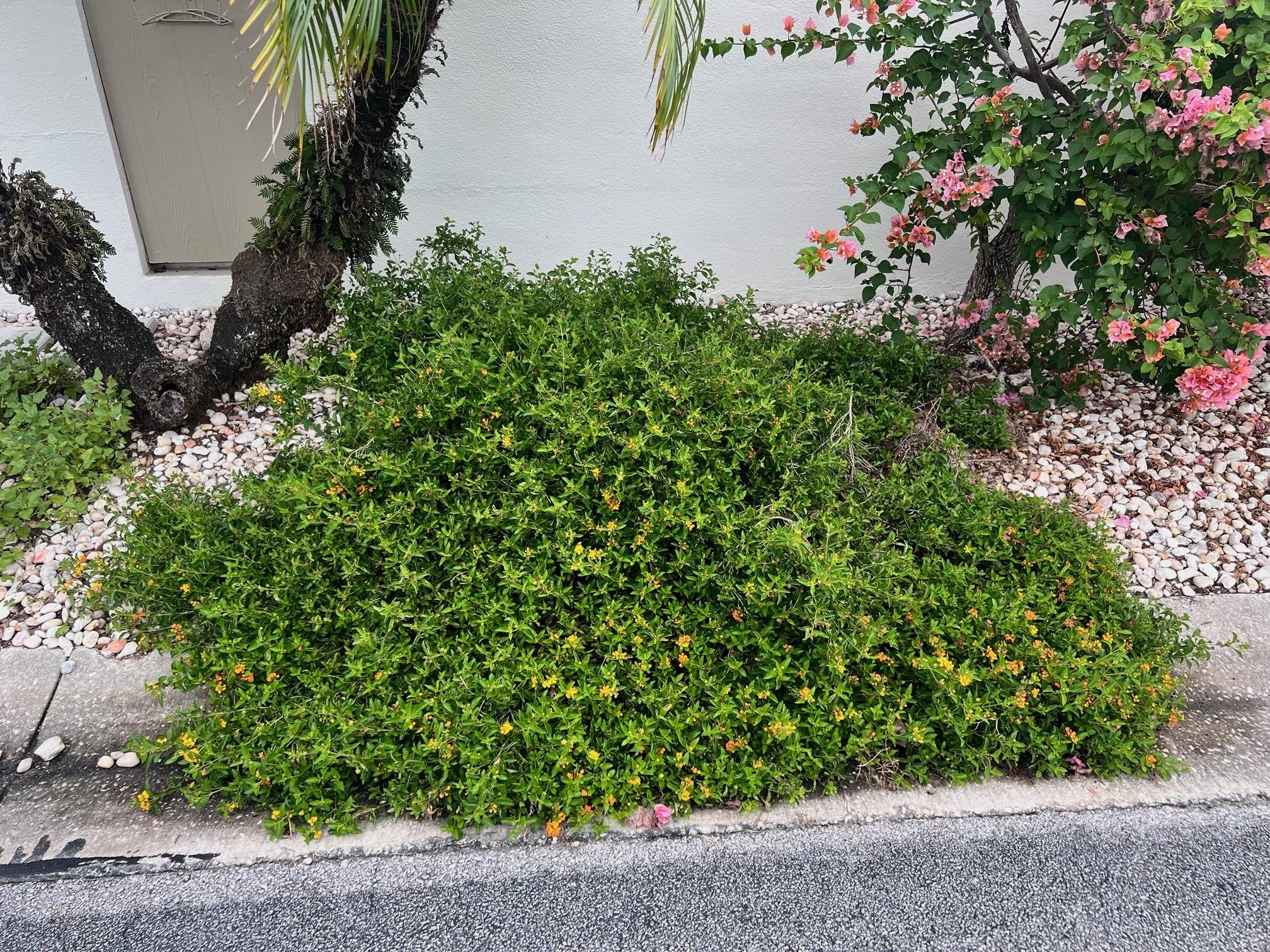
Lantana depressa var. ‘depressa’
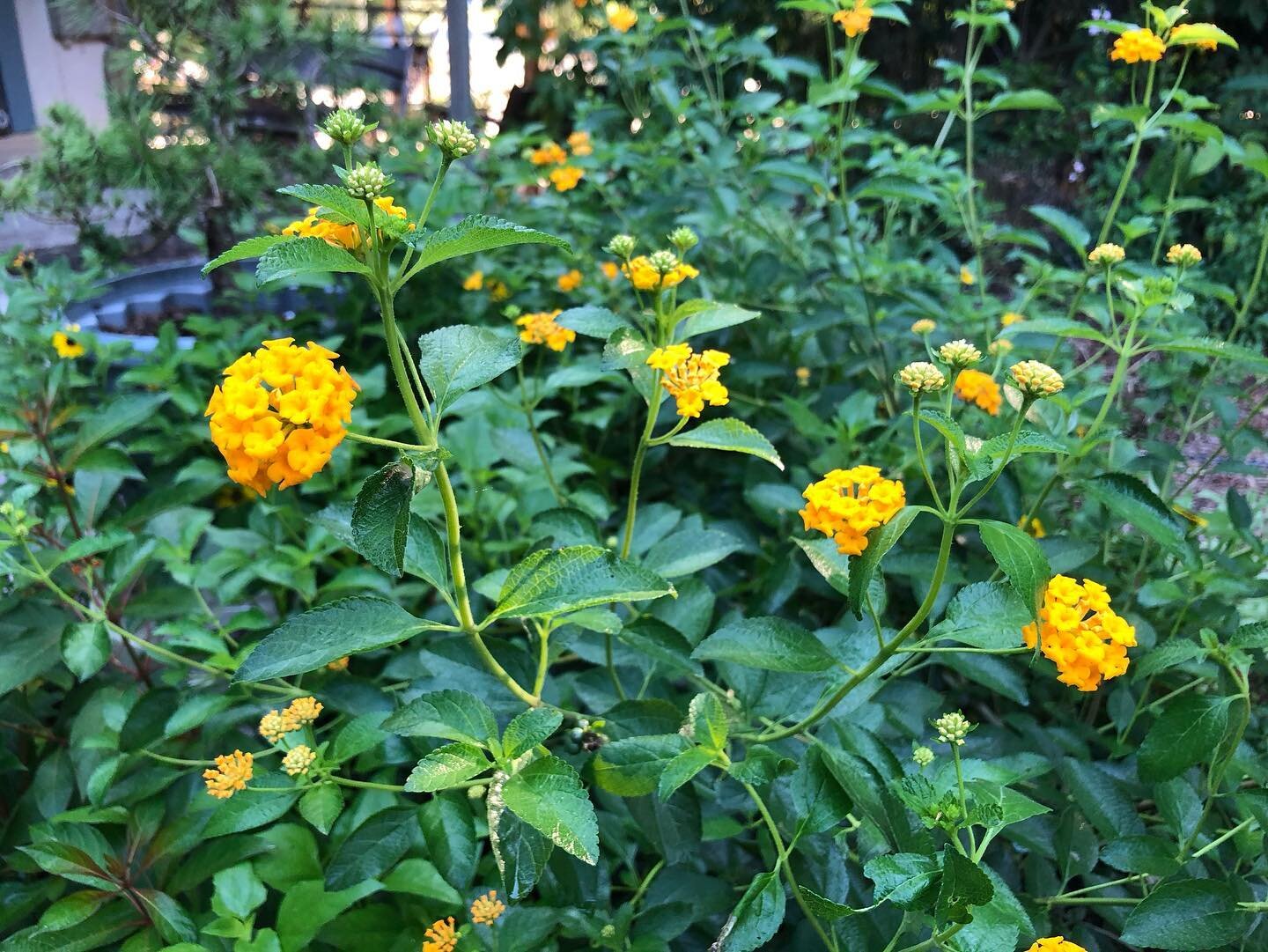
Gold Lantana is an evergreen, low-growing, rare, native lantana. Growing 1’-2’ tall and 3’-4’ wide, with showy gold flowers on and off all year that attract butterflies and purple fruit for birds, this plant makes a great addition to landscapes and pollinator gardens. Plant in full sun with average (well-drained) to dry soil, and enjoy this fragrant, semi-salt-tolerant shrub!
Passiflora 'Incense'
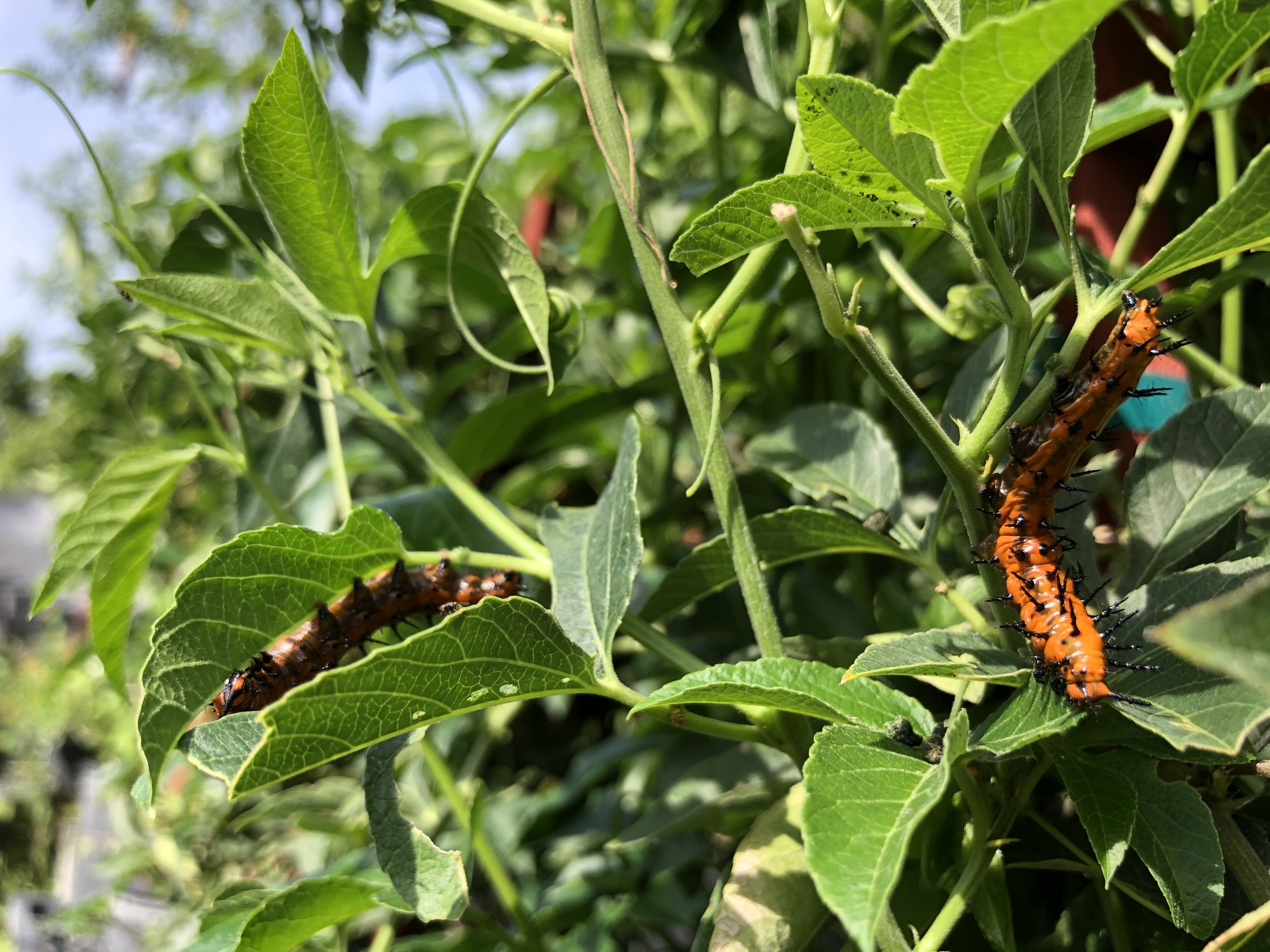
Incense Passionvine is a non-native, Florida-friendly hybrid passionvine that is a cross of the native Maypop Passionvine and a South American variety. They can grow 10’-20’ with support, and do well in full sun to shade, with well-draining, rich organic soil. These vines have dark green leaves and beautiful, fragrant blooms that bring in butterflies and pollinators. They also serve as a larval hot for Gulf Fritillary, Zebra Longwing, and Julia butterflies.
Cymbopogon citratus
Lemongrass is a non-native, Florida-friendly, perennial edible grass that grows 3’-4’ tall and 2’-3’ wide. They require full sun and rich, well-draining, loamy, clay, or sandy soil. When crushed, their leaves give off a lovely citrusy scent, and their lower stalks can be used to flavor soups, curries, and teas. As large clumping grass, they also make great border plants for folks who want to add some texture to their landscape.
Pseudogynoxys chenopodioides
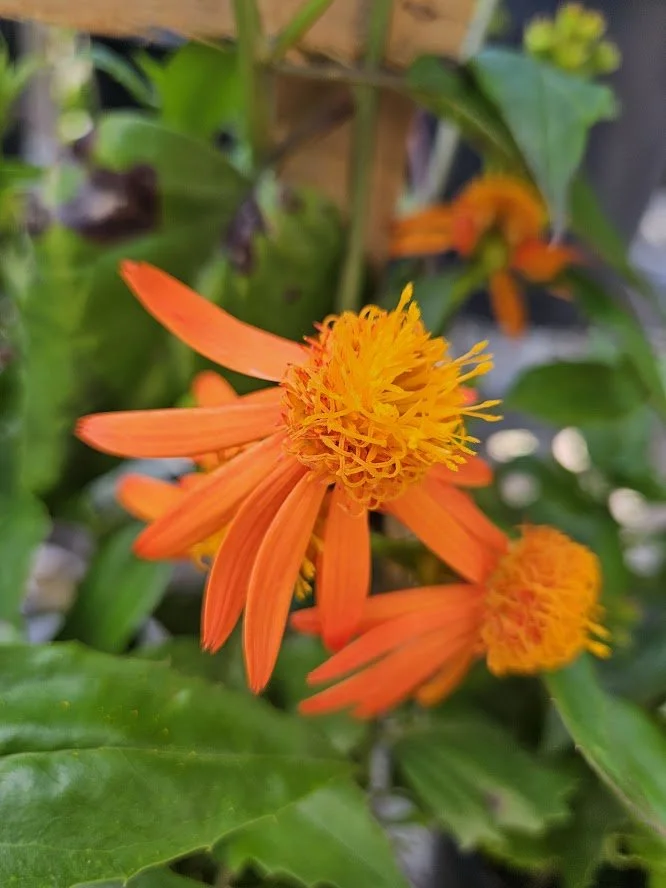
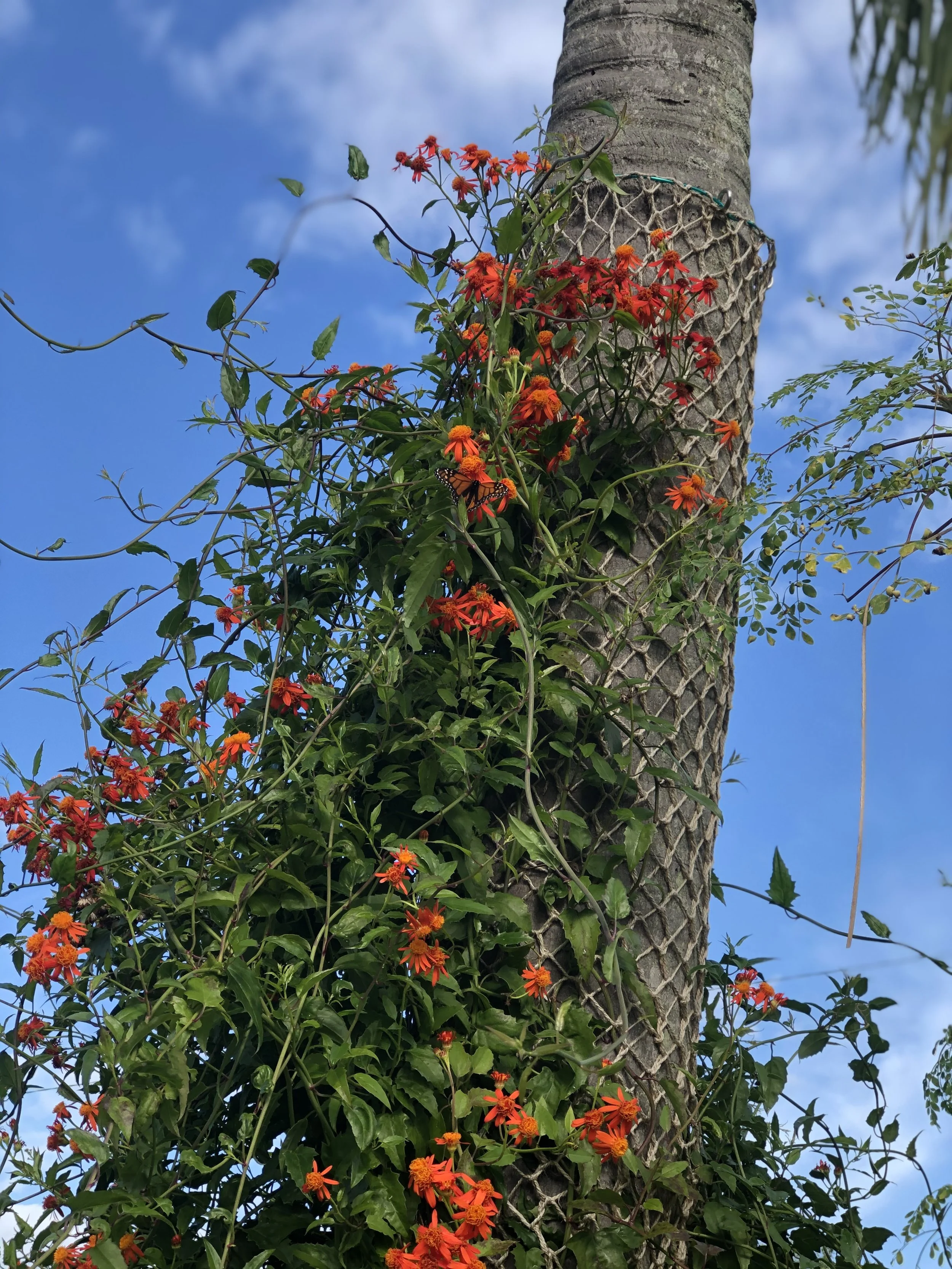
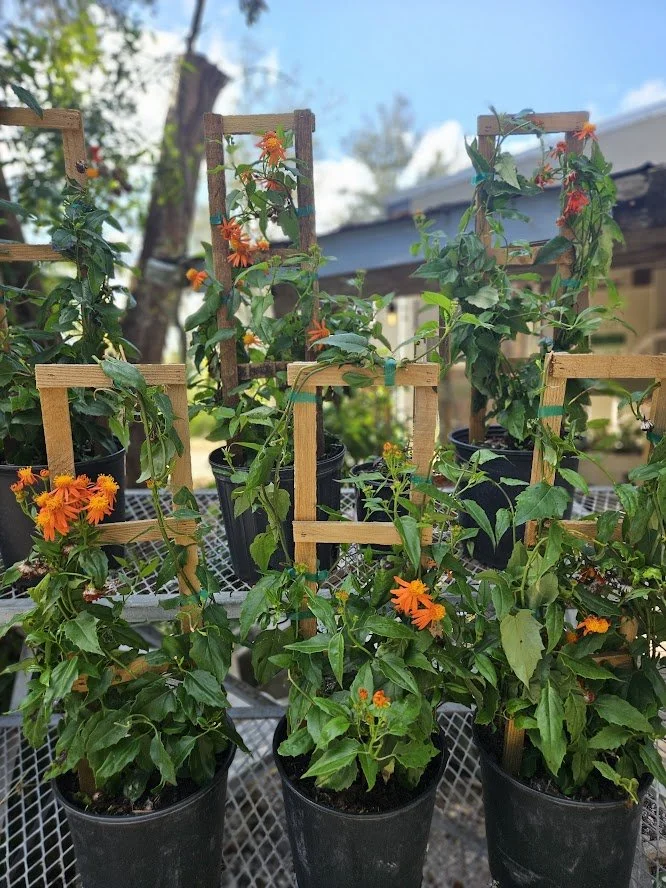
Mexican Flame Vine is a vigorous, fast-growing evergreen climber native to Mexico and Central America that reaches 12 feet in length with a 6-foot spread. This ornamental vine features attractive arrowhead-shaped leaves with purple undersides and produces clusters of brilliant orange-red daisy-like flowers from late spring through fall. The showy blooms are highly attractive to butterflies, hummingbirds, and bees, making it an excellent choice for pollinator gardens. Hardy in zones 9-11, it thrives in average to organically rich, well-drained soils in full sun to partial shade and tolerates short periods of drought once established.
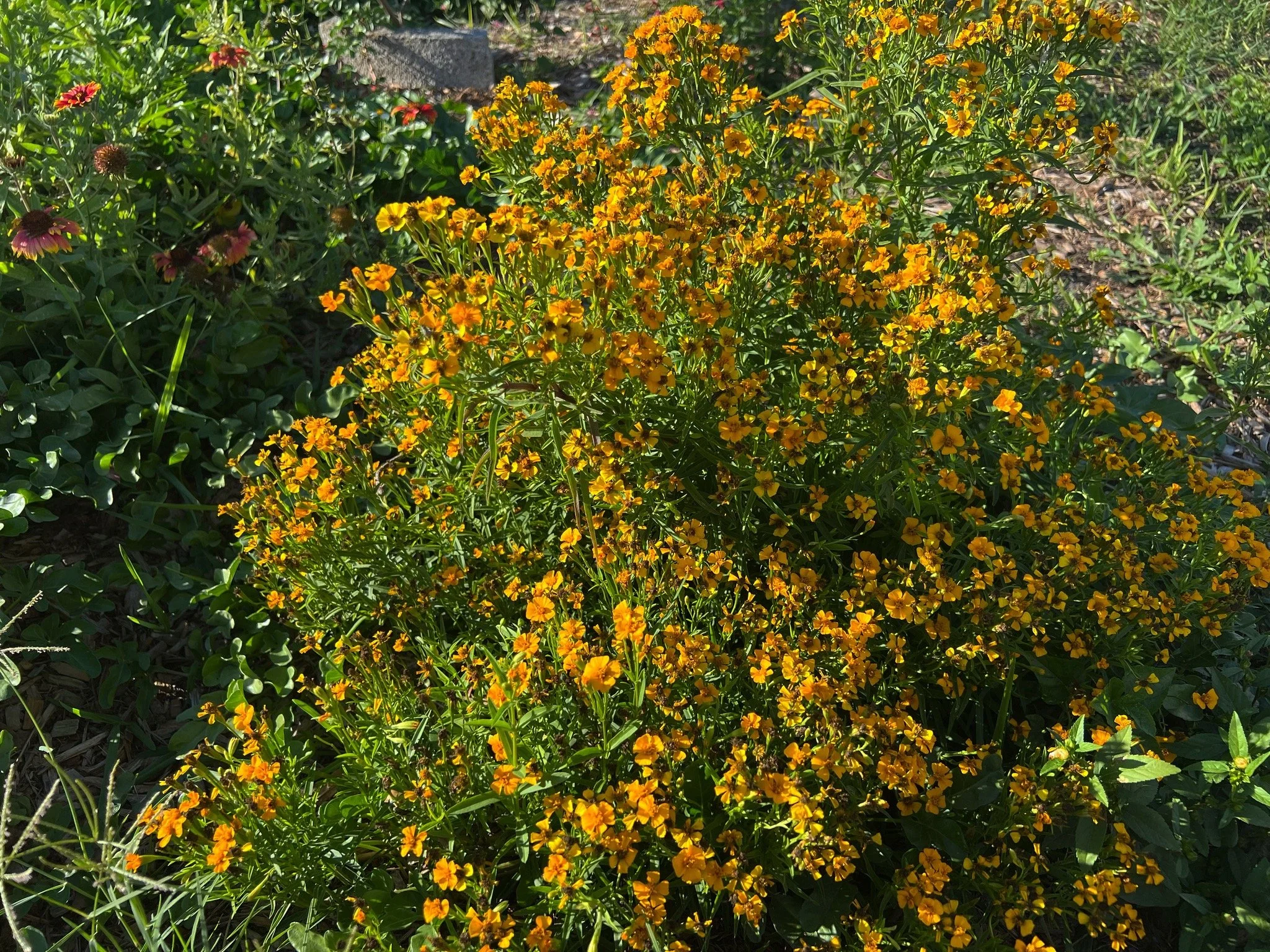
Tagetes lucida
This hardy herb is a must-have for warm-climate herb gardeners. Its glossy, narrow leaves produce a sweet fragrance and flavor remarkably similar to licorice or anise and its golden flowers are super showy.
Flavor Profile: A bold, sweet anise scent and flavor. It holds up much better in cooked dishes than French Tarragon.
Pollinator Friendly: In late summer and fall, the plant is covered in clusters of small, golden-yellow flowers that attract butterflies and bees.
Heat & Drought Tolerant: Unlike traditional tarragon, this variety loves the sun and handles humidity and dry spells with ease.
Garden Versatility: Grows into a tidy, upright bush (roughly 2–3 feet tall), making it perfect for borders, containers, or dedicated herb "cocktail" gardens.
Mentha villosa
Mojito Mint is a non-native, Florida-friendly perennial herb that can grow 1’-3’ tall and 2’-3’ wide. They do well in full sun to partial shade and rich, moist, well-draining soil. The leaves are fragrant and edible, often used in mojitos and teas, salads, and as a garnish. The flowers are also highly attractive to pollinators.
Pink Milkweed is a native, perennial, re-seeding, winter-dormant host plant for monarch and queen butterflies. Its foliage dies back in the winter and returns in the spring. It prefers moist soil conditions but can be grown in containers if kept moist. It is one of the most hardy of the native milkweeds for Florida gardeners to grow.
Gynura bicolor
Okinawa Spinach is a non-native, Florida-friendly perennial sprawling mound that can grow to be 2’-3’ tall and wide. They grow well in full sun and partial shade and well-drained organic soil. These plants are very tolerant of the Florida heat, producing crisp, bicolored leaves with a deep green top and dark purple underside. The leaves can be enjoyed raw in salads and smoothies, or cooked into soups and stir-fries.
Petroselinum crispum
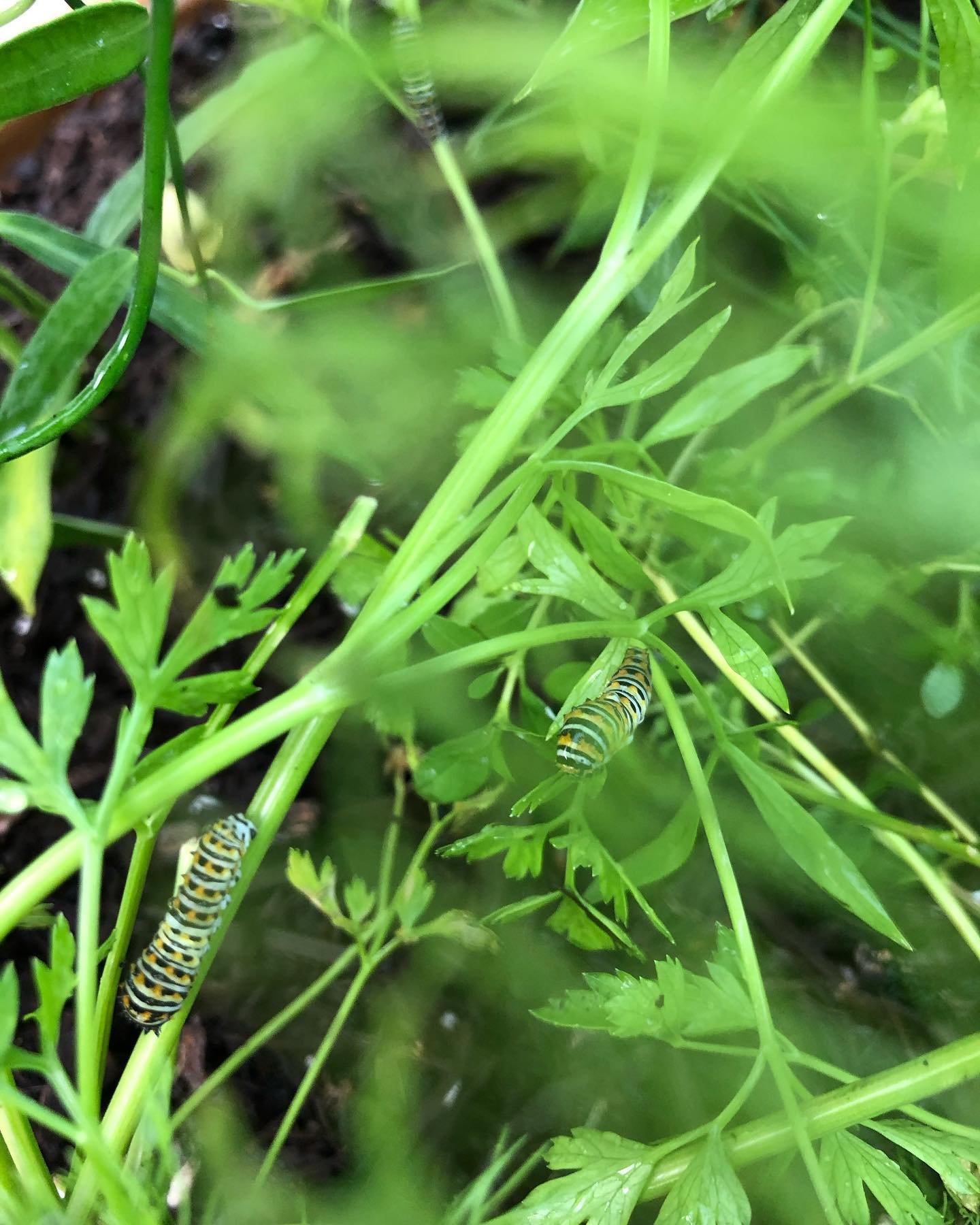
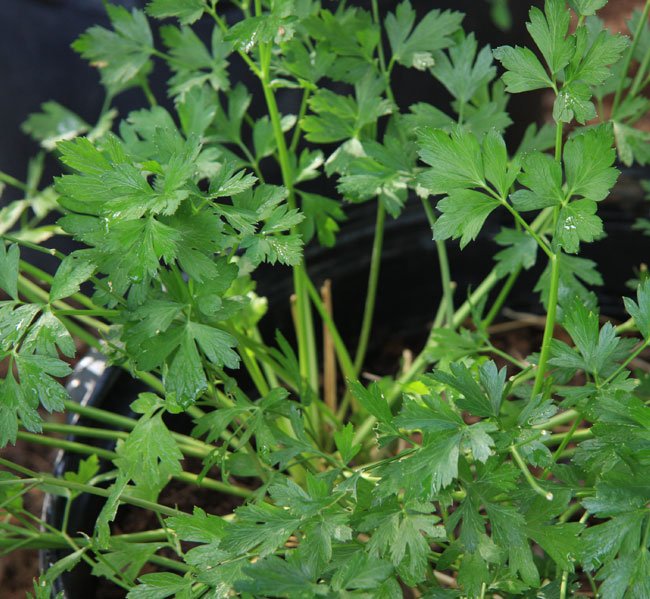
Parsley is a non-native and Florida-friendly many-purpose garden plant that can be grown year-round in Florida. It is an edible plant for both people and butterflies. Many gardeners include it in their butterflies gardens as it is an easy-to-grow host plant for Black Swallowtail butterflies. It can tolerate sun (in winter) and partial shade (in summer), average to moist (well-drained) soils, and it benefits from amended soils (organic compost/content).
Passiflora edulis “Purple Possum”
Purple Passionvine is a Florida-friendly, evergreen, perennial, showy passion variety known for it’s fruit, unlike other passion varieties that are known for serving as host plants. While the fruit and the flowers are the stars of the show, Purple Possum also serves as a host plant for Zebra Longwing and Gulf Fritillary caterpillars, so you can use this plant to feed yourself, and your local butterflies! Grow in full sun with rich, well-draining sandy soil for the best blooms and fruit. The vines and fruit get heavy as they grow, so provide a sturdy trellis, arbor, tree, or fence to support them.
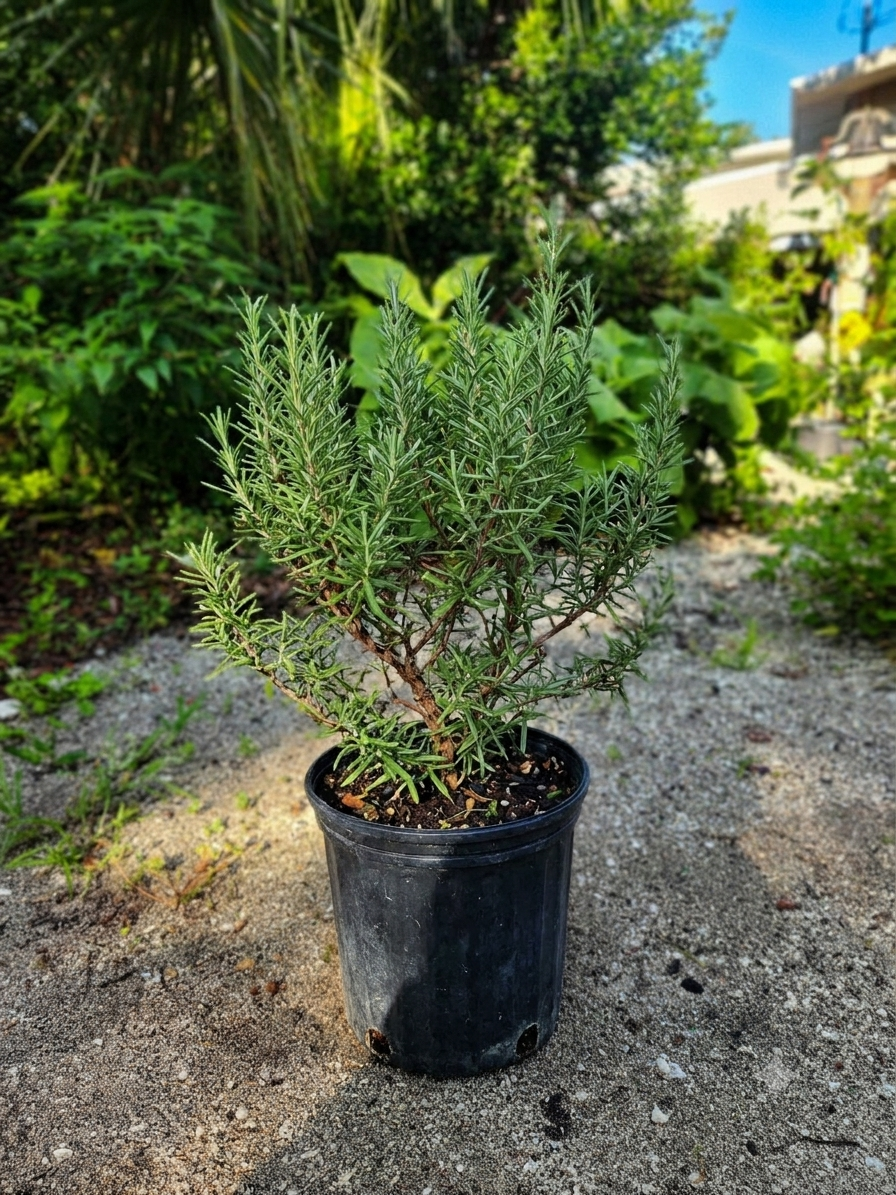
Salvia rosmarinus
Rosemary is a non-native, Florida-friendly evergreen woody herb that serves a purpose in the garden and the kitchen. Reaching 2’-5’ in height, with full sun and dry to average, well-draining sandy or rocky soil, Rosemary is a great drought-tolerant herb that handles the Florida heat very well. With flowers for pollinators from late winter to spring, and an undeniably delicious flavor when using the leaves, this plant can be used in a butterfly garden and in teas, soups, and roasts.
Nephrolepis exaltata
Sword Fern is a Florida-native fern that can grow to be 2’-3’ tall and wide. They grow best in shade with moist to wet, organic soil. These plants can be planted in the ground, kept as a potted plant on the porch, or used as a house plant. Plant in shade or rain gardens to provide cover for ground-dwelling wildlife.
Funastrum clausum
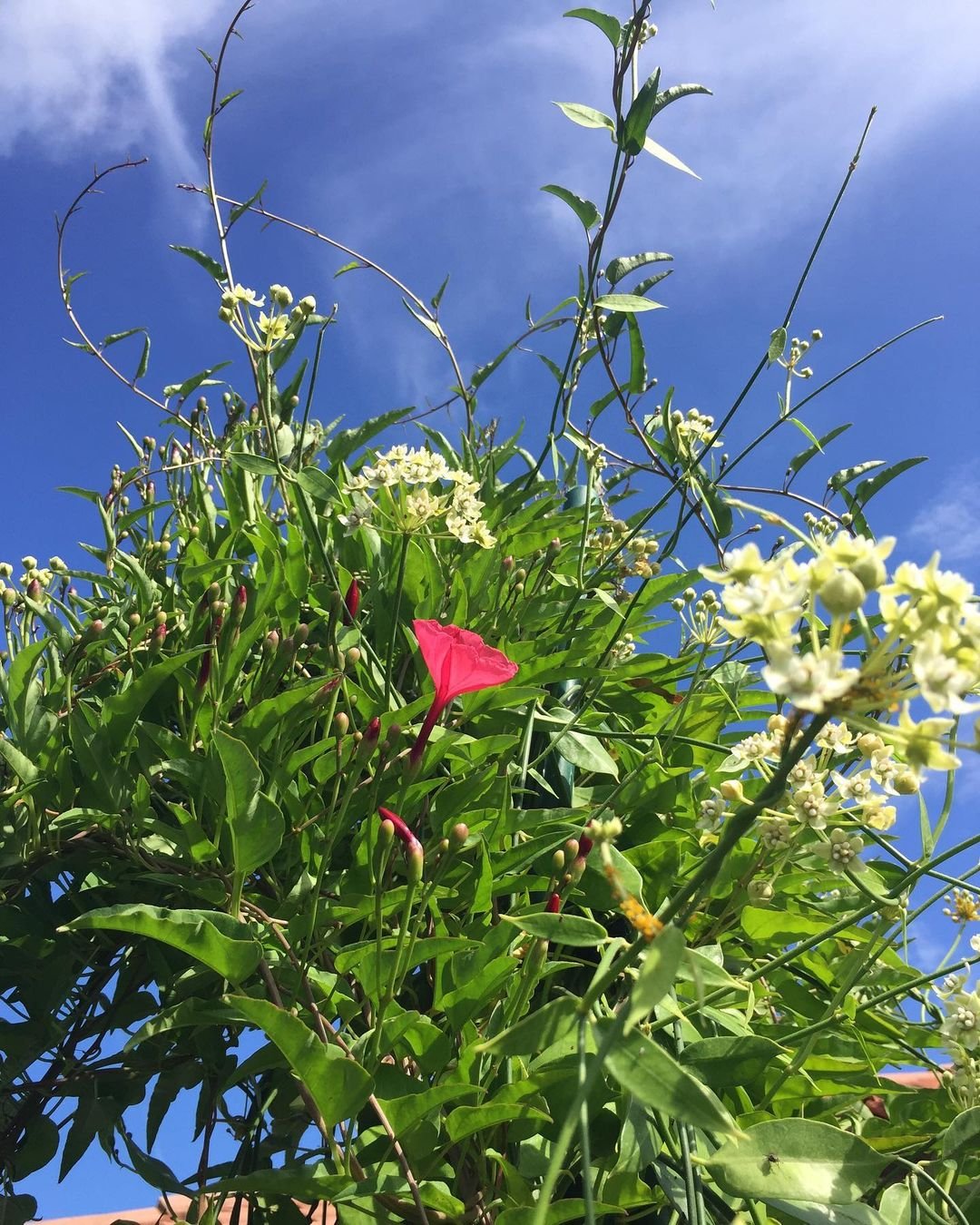
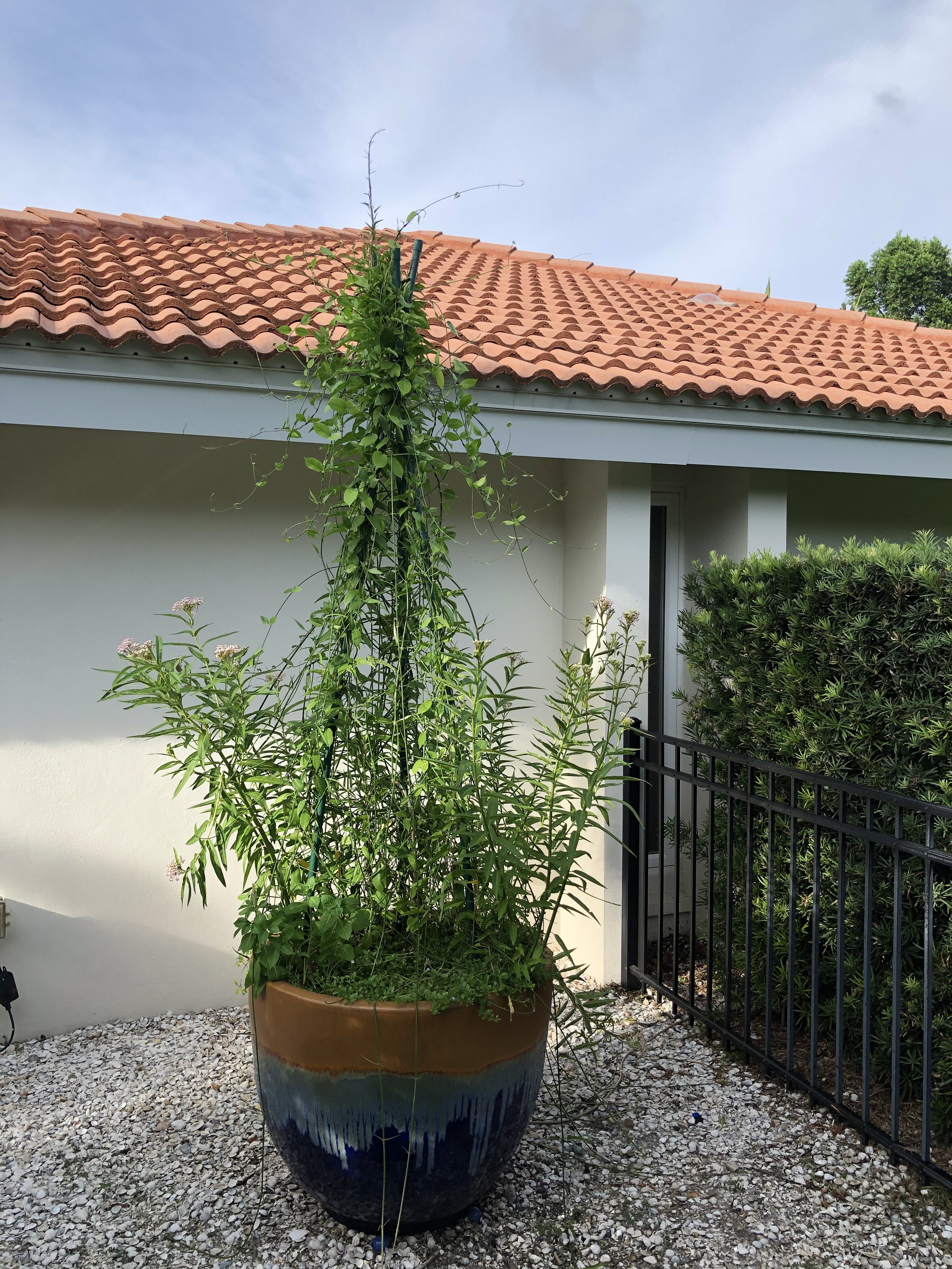
Twine Vine is a native perennial flowering vine that is planted in butterfly gardens. It is a year-round host plant for monarch, queen and soldier butterflies as well as a nectar source for many other butterflies and pollinators. It prefers moist to average soils and can be grown well in a container to control its growth. It’s showy clusters of white flowers can bloom year round.
Asclepias perennis
aka Aquatic Milkweed
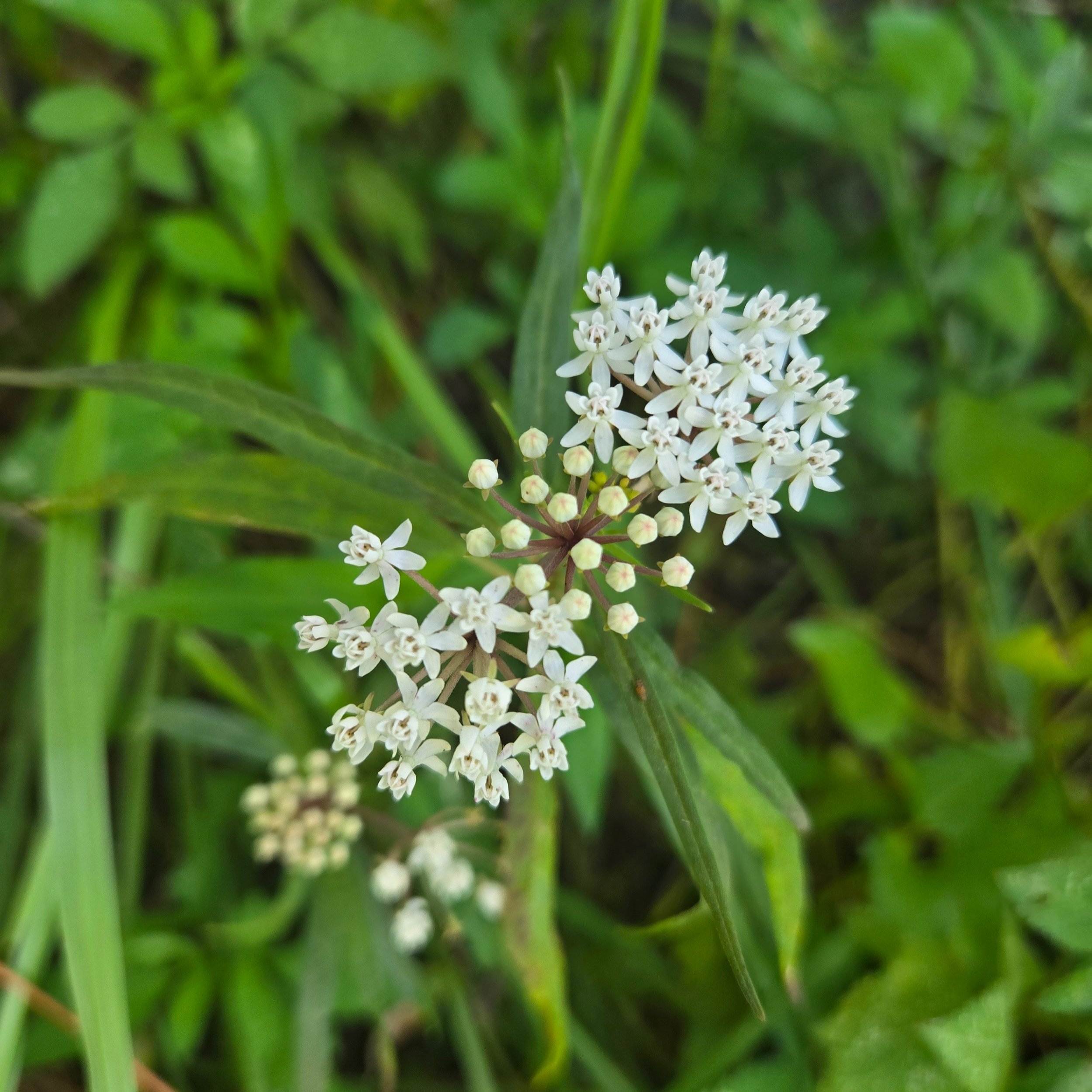
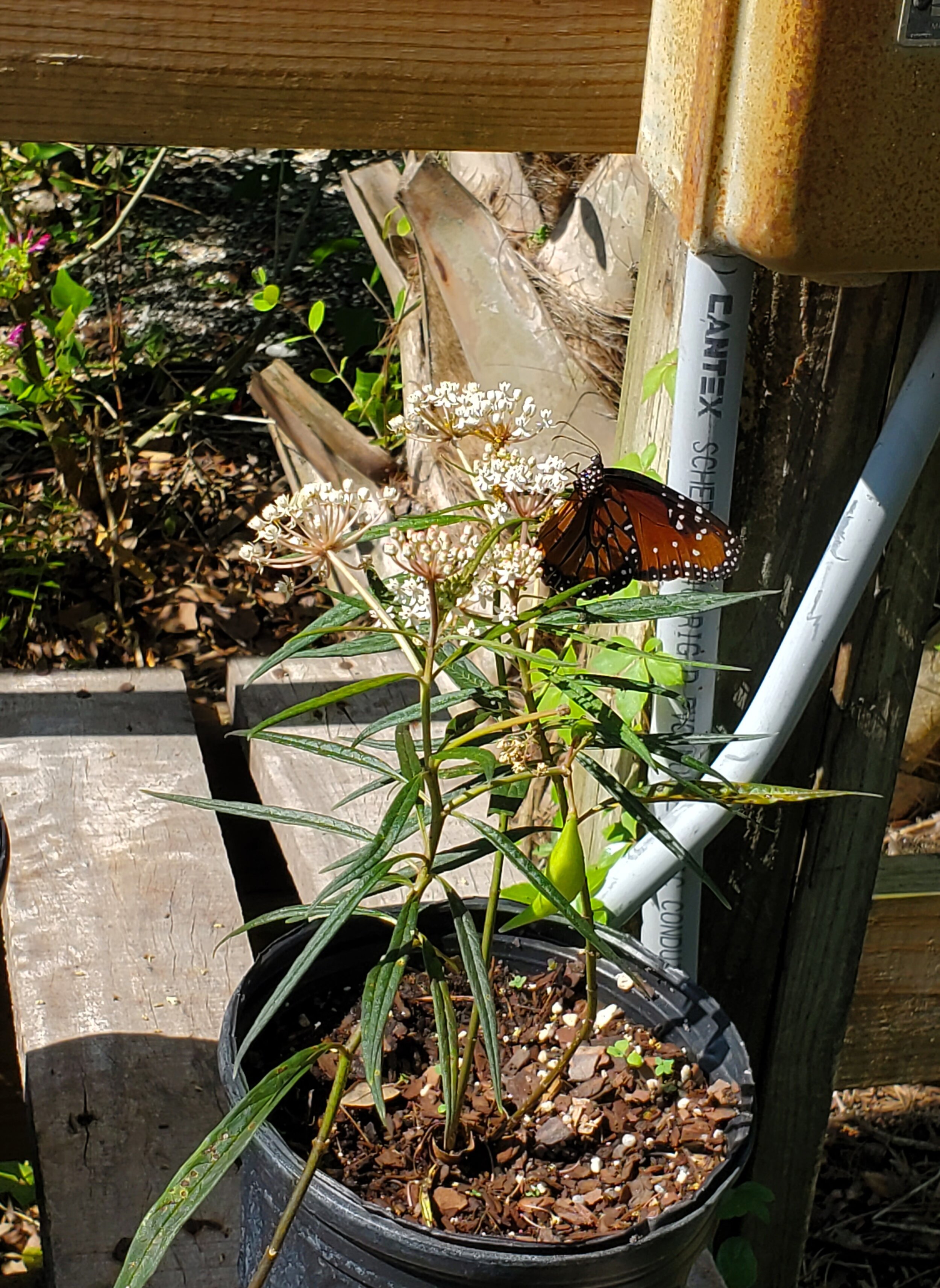
A. perennis is a perennial, reseeding small wildflower that likes wetter conditions but if planted in shadier spots can be quite drought tolerant once established. It's white flowers bloom from spring though fall and serve as a nectar source for many pollinators. As a native milkweed, this plant is a well-known host for Monarch and Queen butterflies, but it also serves as a host plant for a few cool moths and unique to this genus bugs. A. perennis works well in butterfly gardens, along pond edges and in containers.
Viola sororia
Common Violet is a stemless, rhizomatous perennial native to Florida. This low-growing species features glossy, heart-shaped leaves that are edible. It produces attractive white flowers with some blue veining that bloom in mid-spring and in winter. It thrives in moist, rich soils and dappled sunlight but adapts to various light conditions and soil types. Known for spreading to form pollinator-friendly ground cover it's valued for naturalizing in woodland gardens and shaded areas.
Fragaria virginiana
Wild Strawberry is a native North American strawberry species that grows naturally in Florida's cooler, higher elevation areas and shaded woodlands. This low-growing perennial produces small, intensely flavorful berries that are much smaller than commercial strawberries but pack more concentrated taste. It's an important native plant that provides food for wildlife and for people. Does well in a hanging basket, pot, or shady garden beds.
No results match your search. Try removing a few filters.