Hi Friends!
We offer PICK UP or LOCAL DELIVERY only (NO SHIPPING).
Thank you!
Thursday–Sunday, 10am–4pm | 941-322-1915
We offer PICK UP or LOCAL DELIVERY only (NO SHIPPING).
Thank you!
Thursday–Sunday, 10am–4pm | 941-322-1915
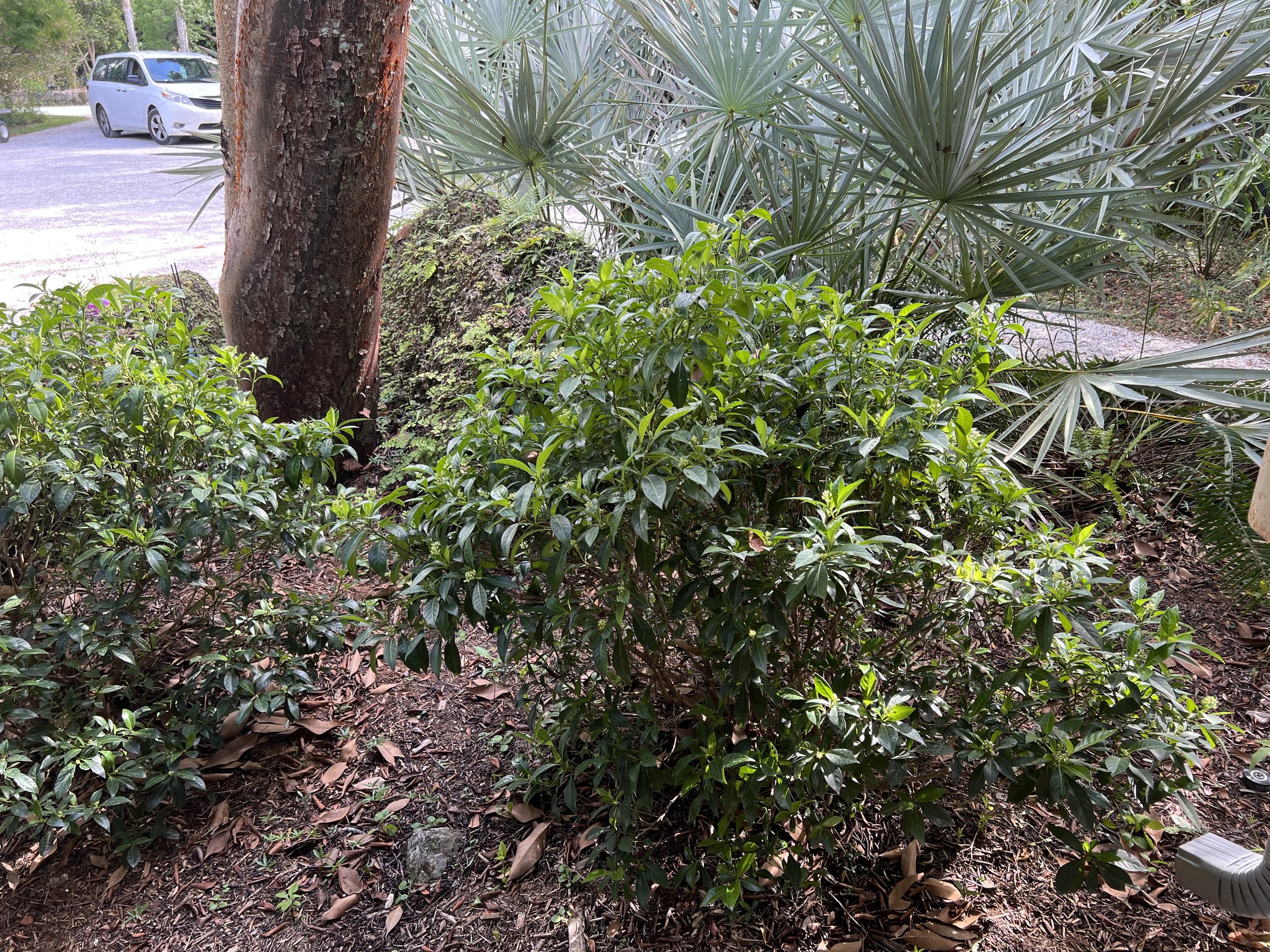
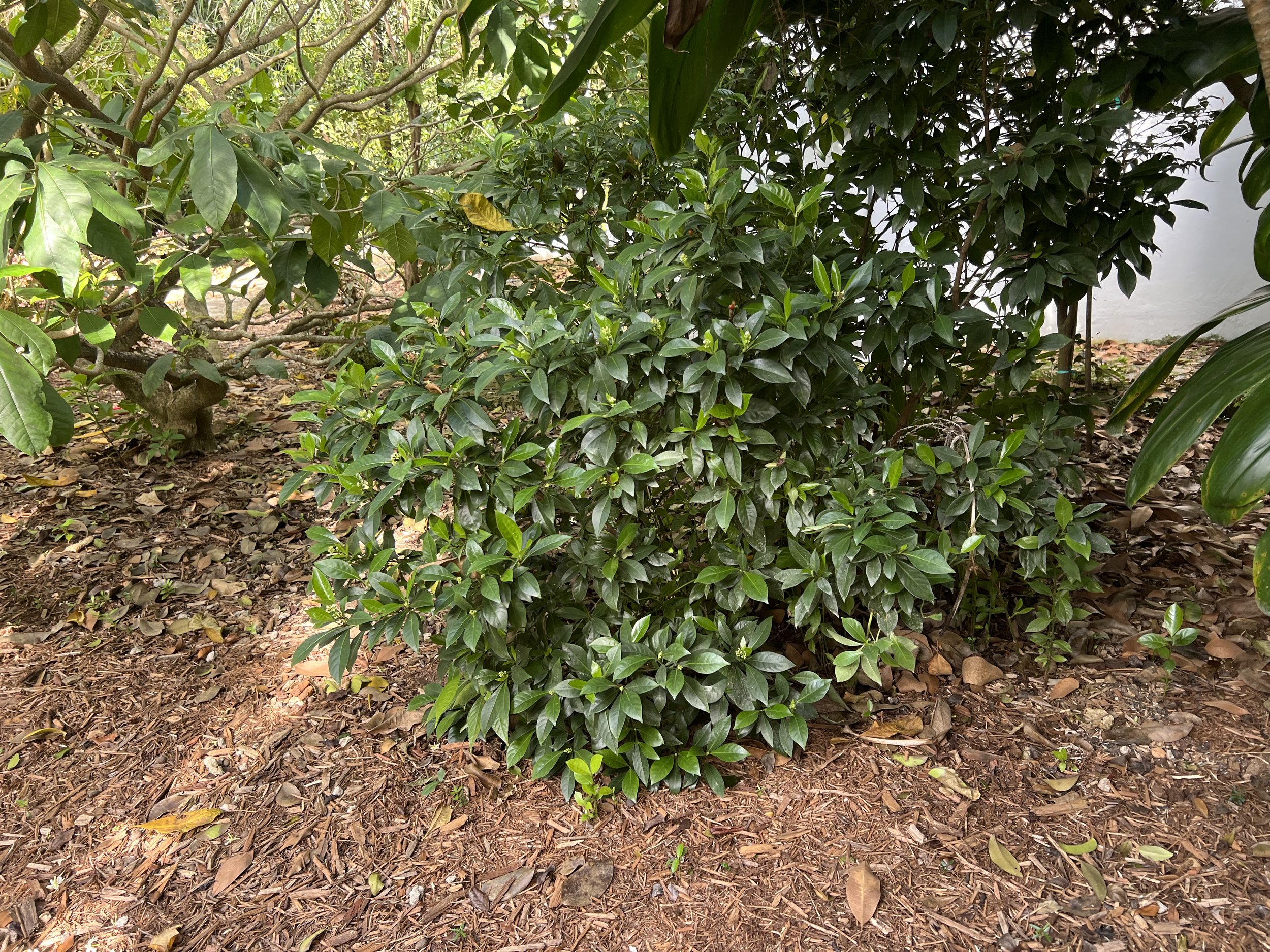
Psychotria ligustrifolia
Bahama Wild Coffee is an evergreen and low-growing understory shrub that can adapt to more sun than it’s relative Wild Coffee (Psychotria nervosa). It’s deep green, glossy leaves are tropical looking and can help a garden feel soft and lush. The berries are a superior food source for birds and they eat them fall through winter. The white flowers feed pollinators in the summer.
Suriana maritima
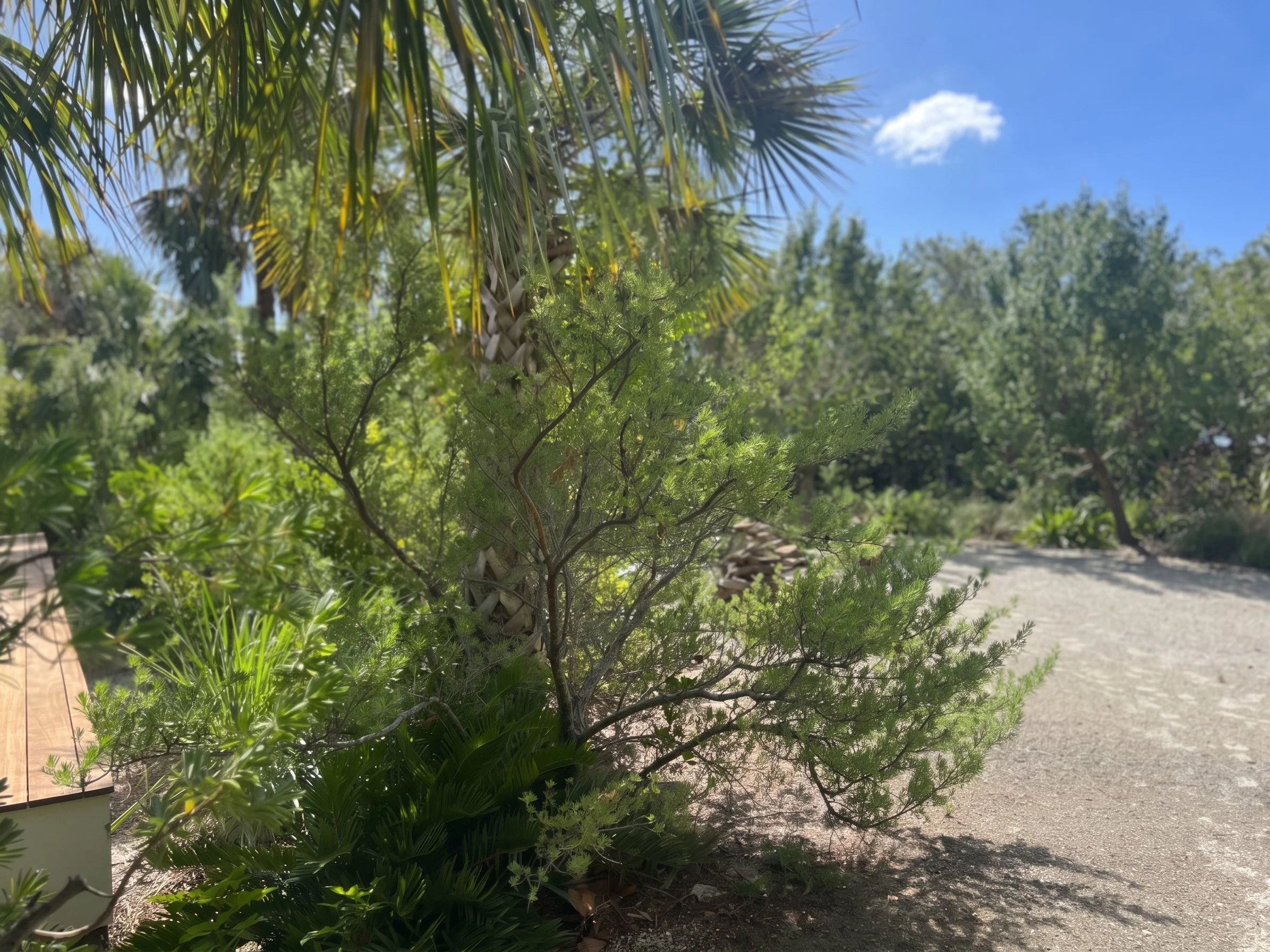
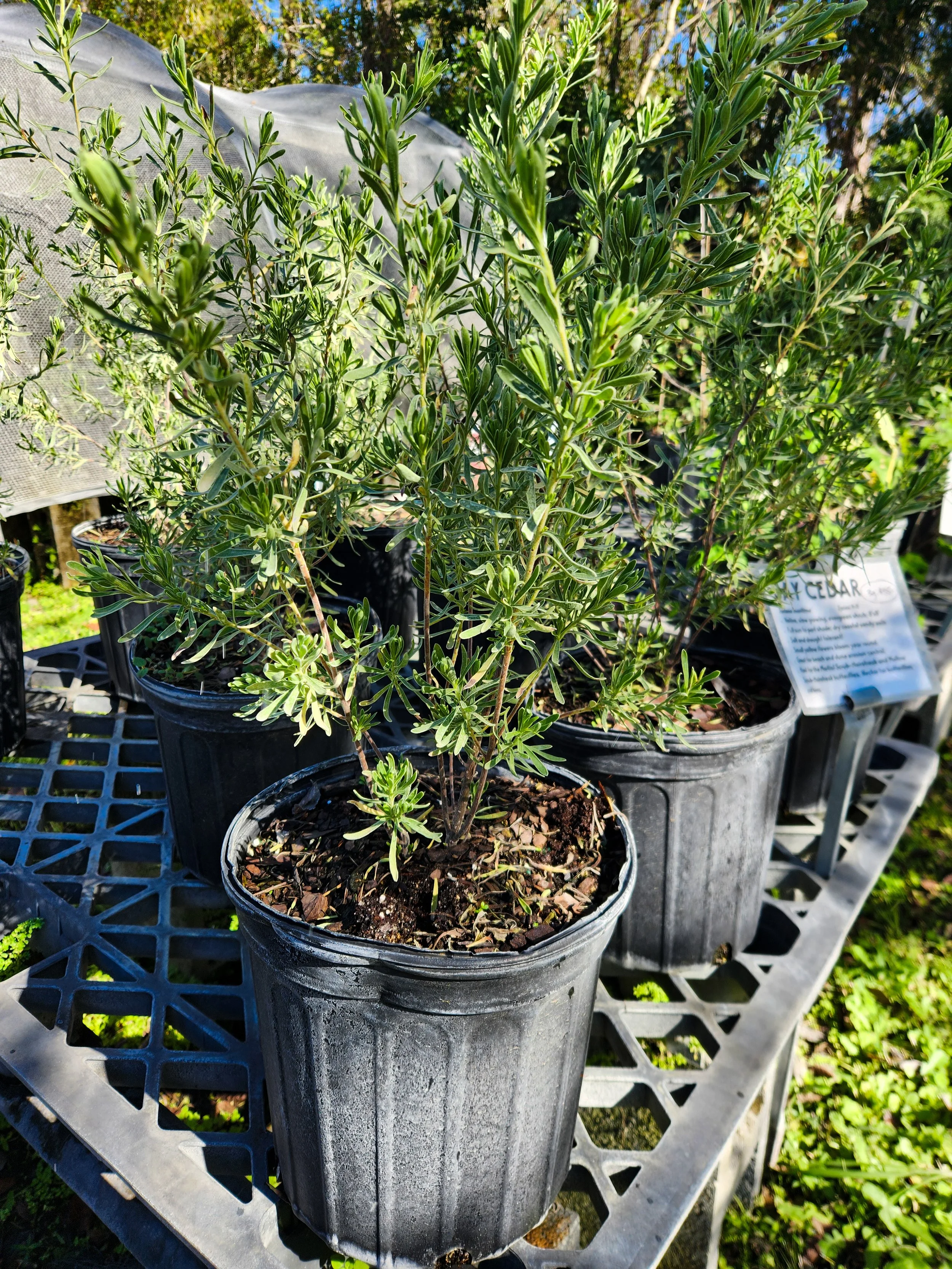
Bay Cedar is a slower growing, native, evergreen coastal shrub that is naturally found on sand dunes and beaches. This hurricane resistant shrub can weather storm surges, and is salt spray and drought tolerant! The Bay Cedar is excellent for erosion control of dunes and beaches. Small yellow flowers bloom year round and attract pollinators, and it is a host plant for certain hairstreak butterflies.
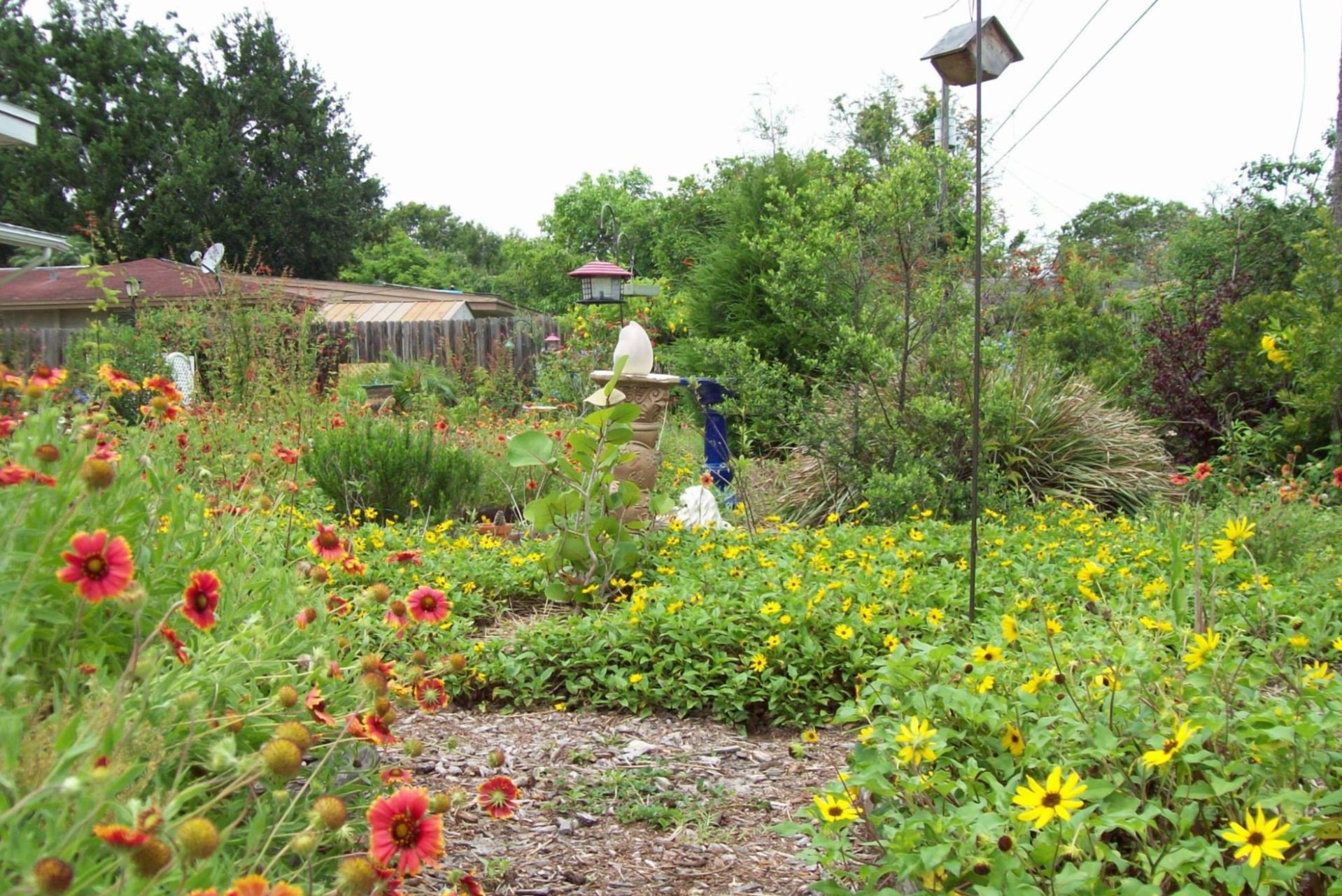
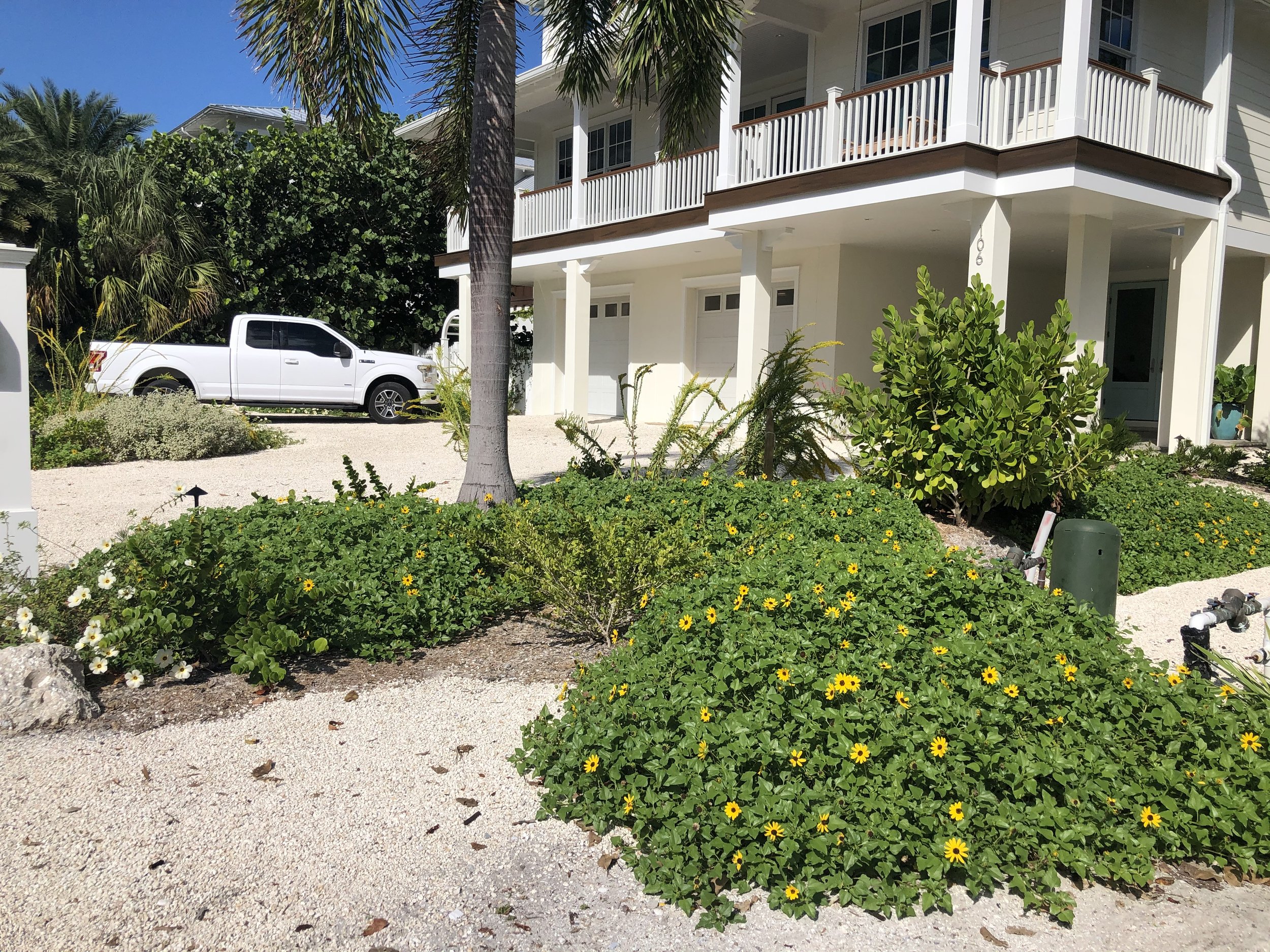
Helianthus debilis ‘vestitus’
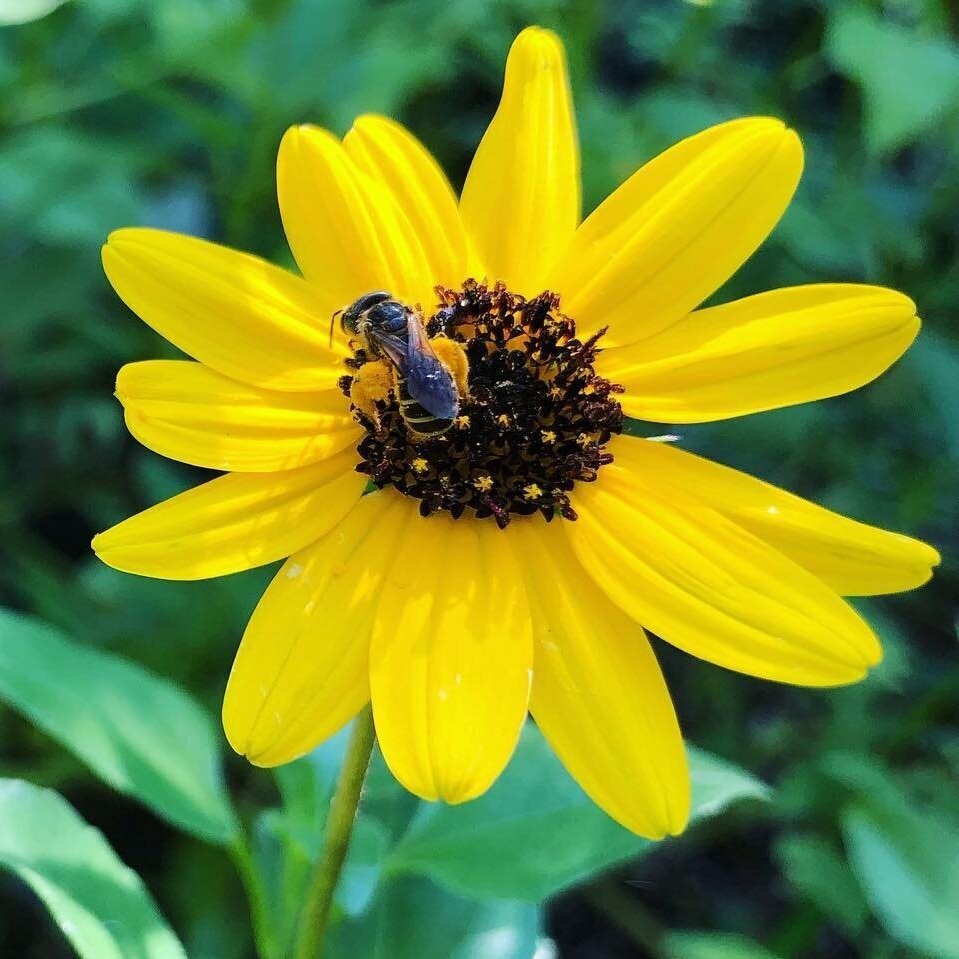
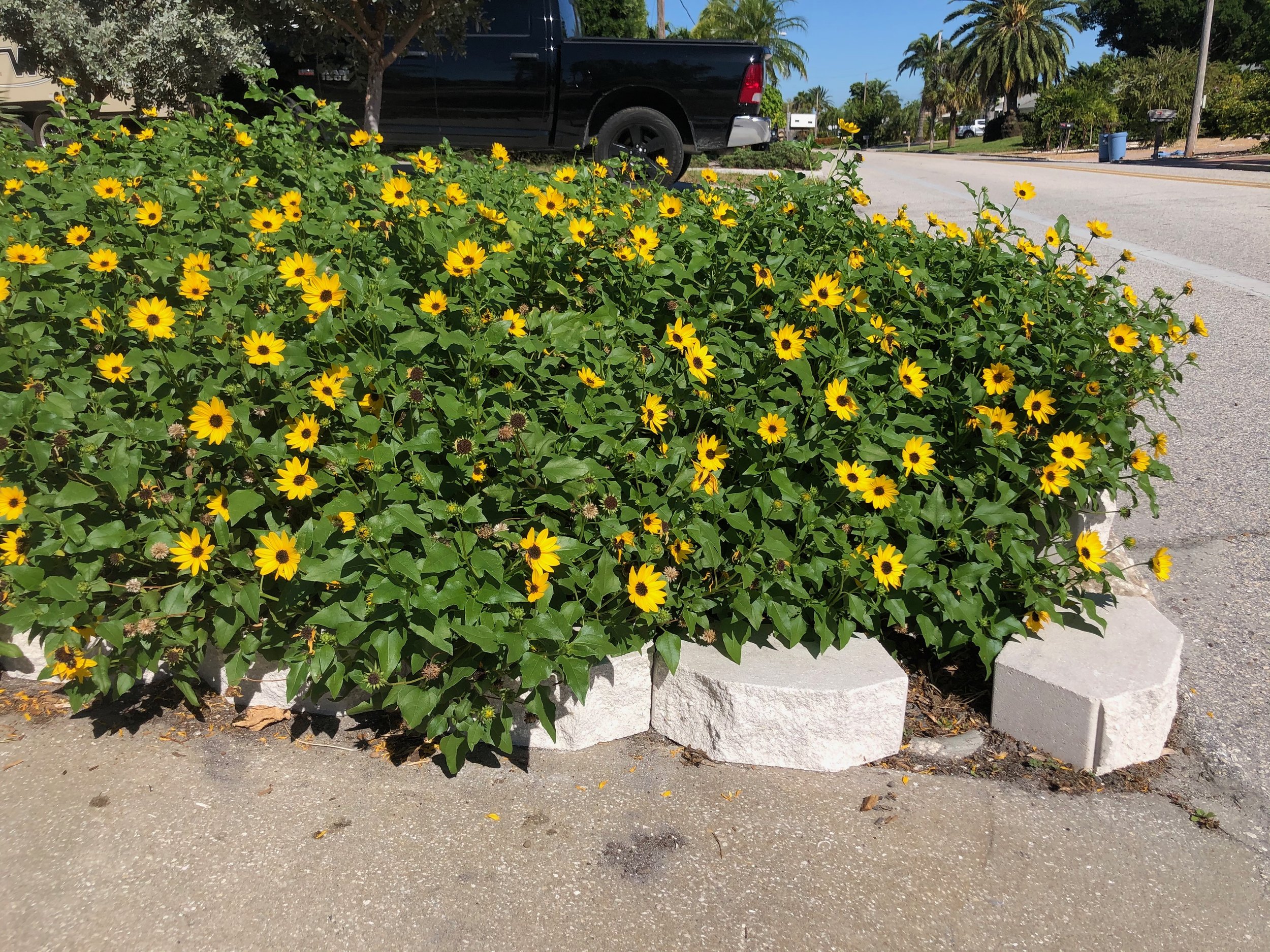
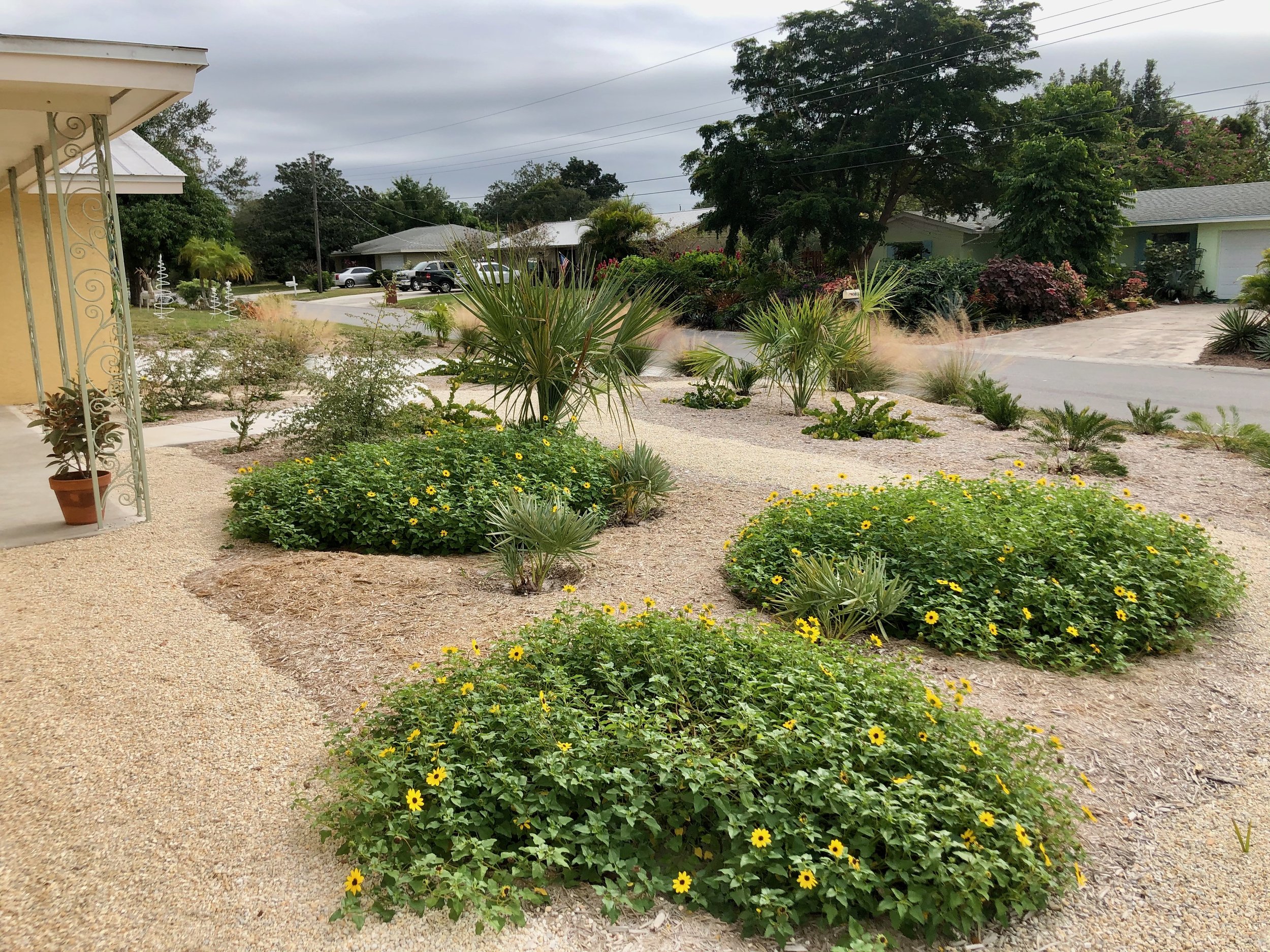
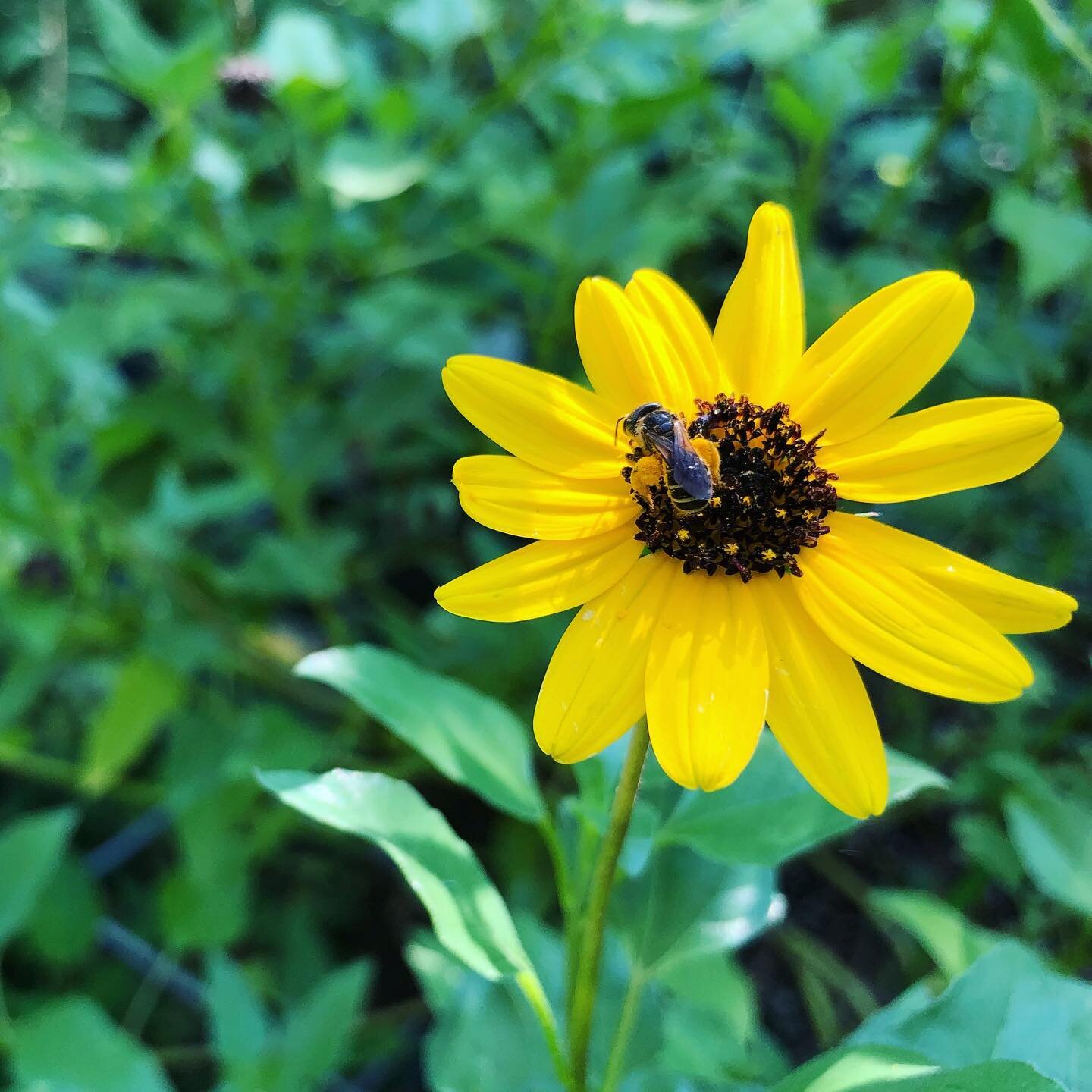
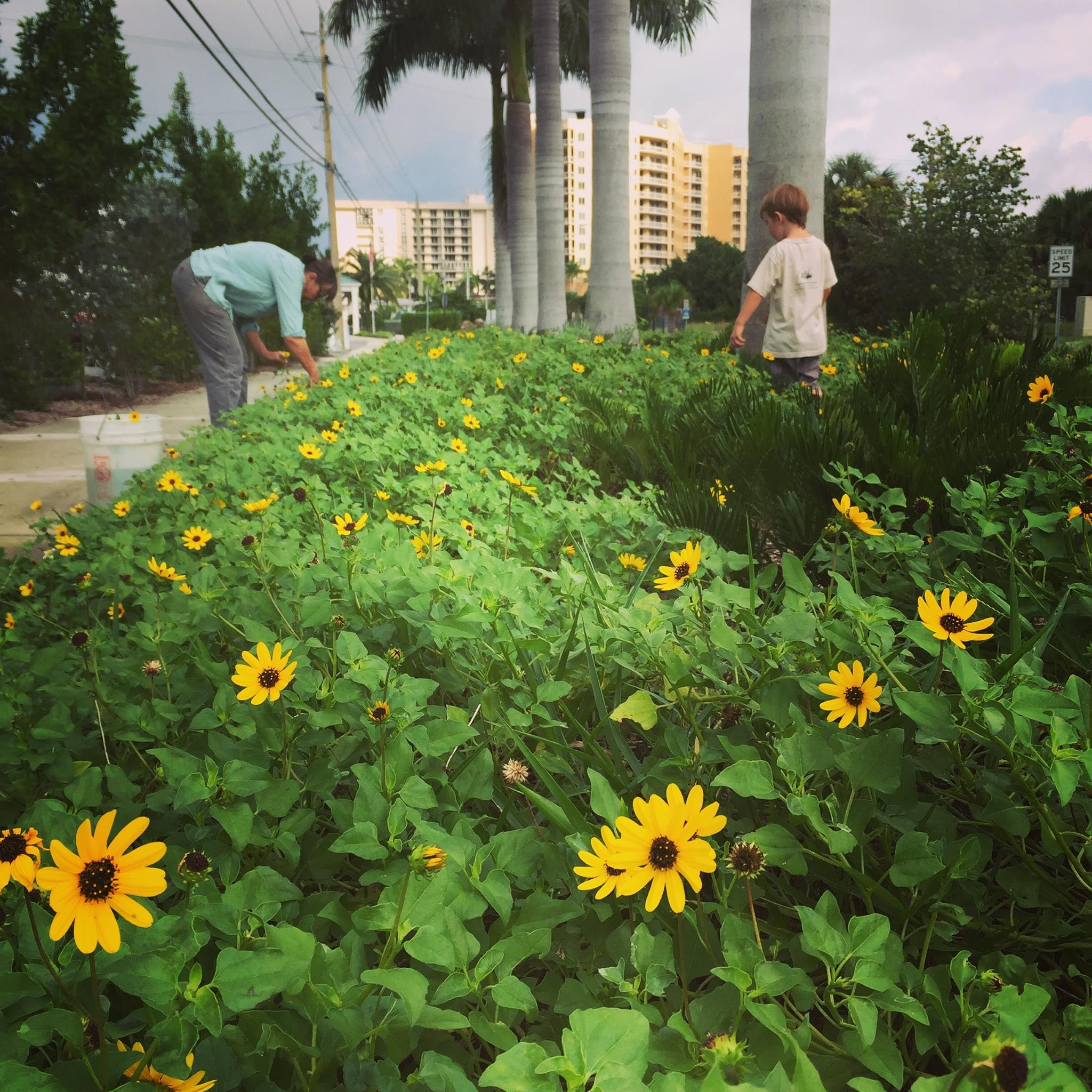
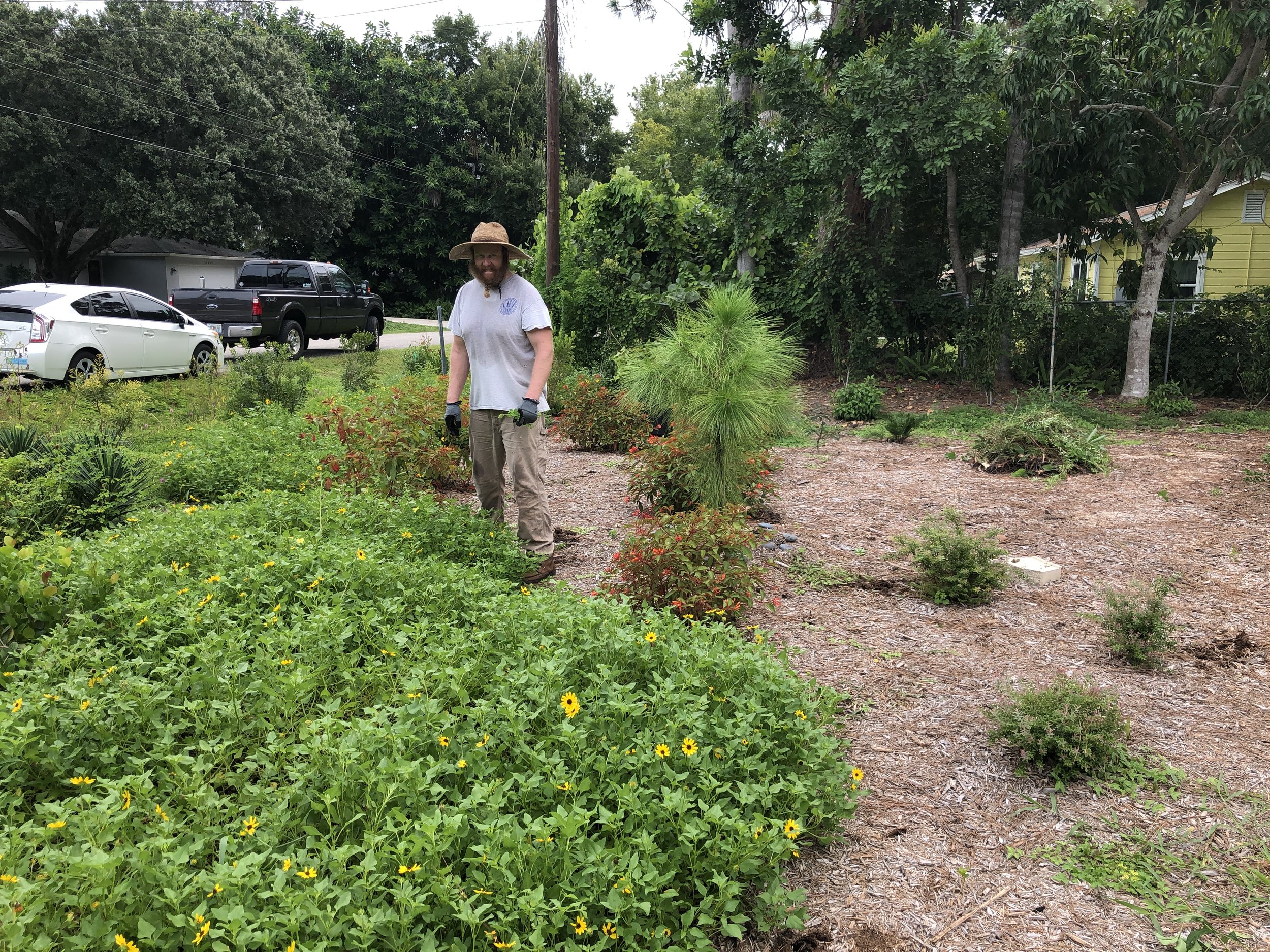
West Coast Beach Dune Sunflower is one of the best ground covers for sunny, dry areas where things just don't grow! One plant can spread 4' wide and grows fast, so you'll see beautiful greens and yellow blooms abound in no time! This sunflower is an annual that reseeds in place so once the mature plants start to die back, just cut them back and watch the babies grow. Loved by pollinators and birds, its the perfect Florida plant in any yard! Want to grow this in a coastal area? You sure can! Beach Dune Sunflower naturally occurs on beach dunes and can take salt spray and brief storm surges. It's extremely drought tolerant too!
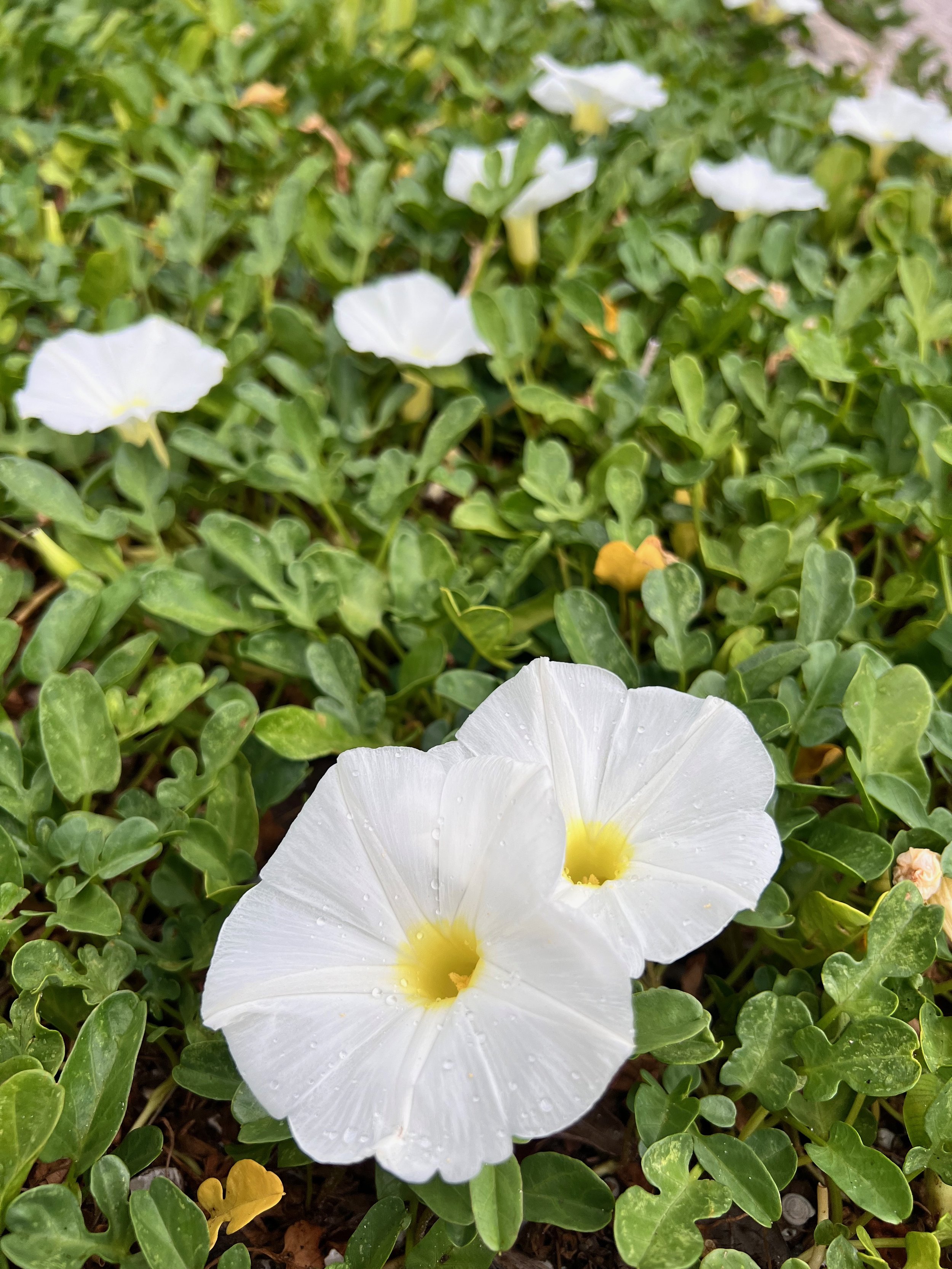
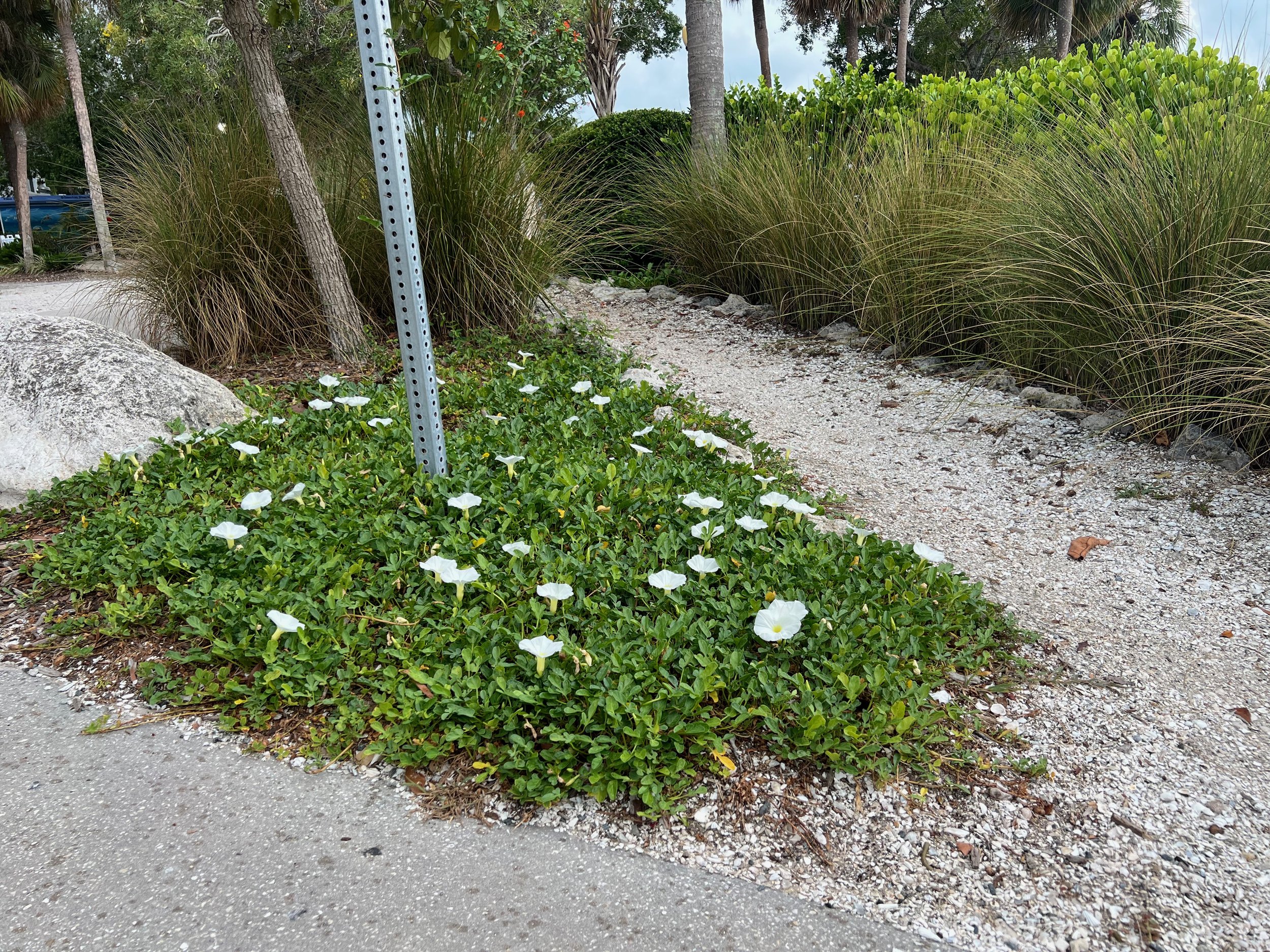
Impomoea imperati
Beach Morning Glory is a native, long-lived, perennial, low-growing, flowering vine that grows along the ground. It is wonderful for coastal sites or full sun, dry sandy soils. It is highly drought and salt tolerant and has showy white flowers that are great for bee, butterflies and pollinators including hummingbirds.
Senna ligustrina
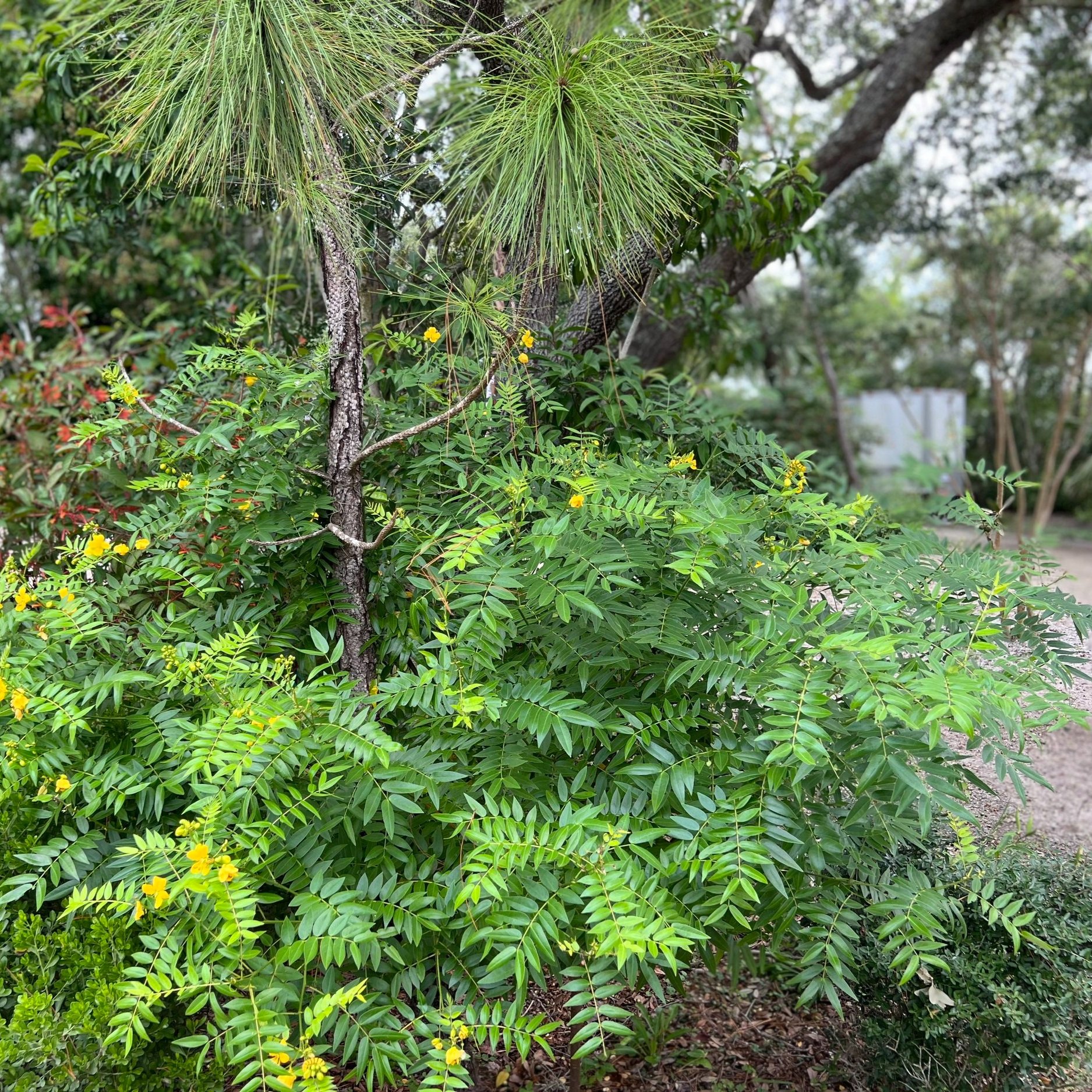
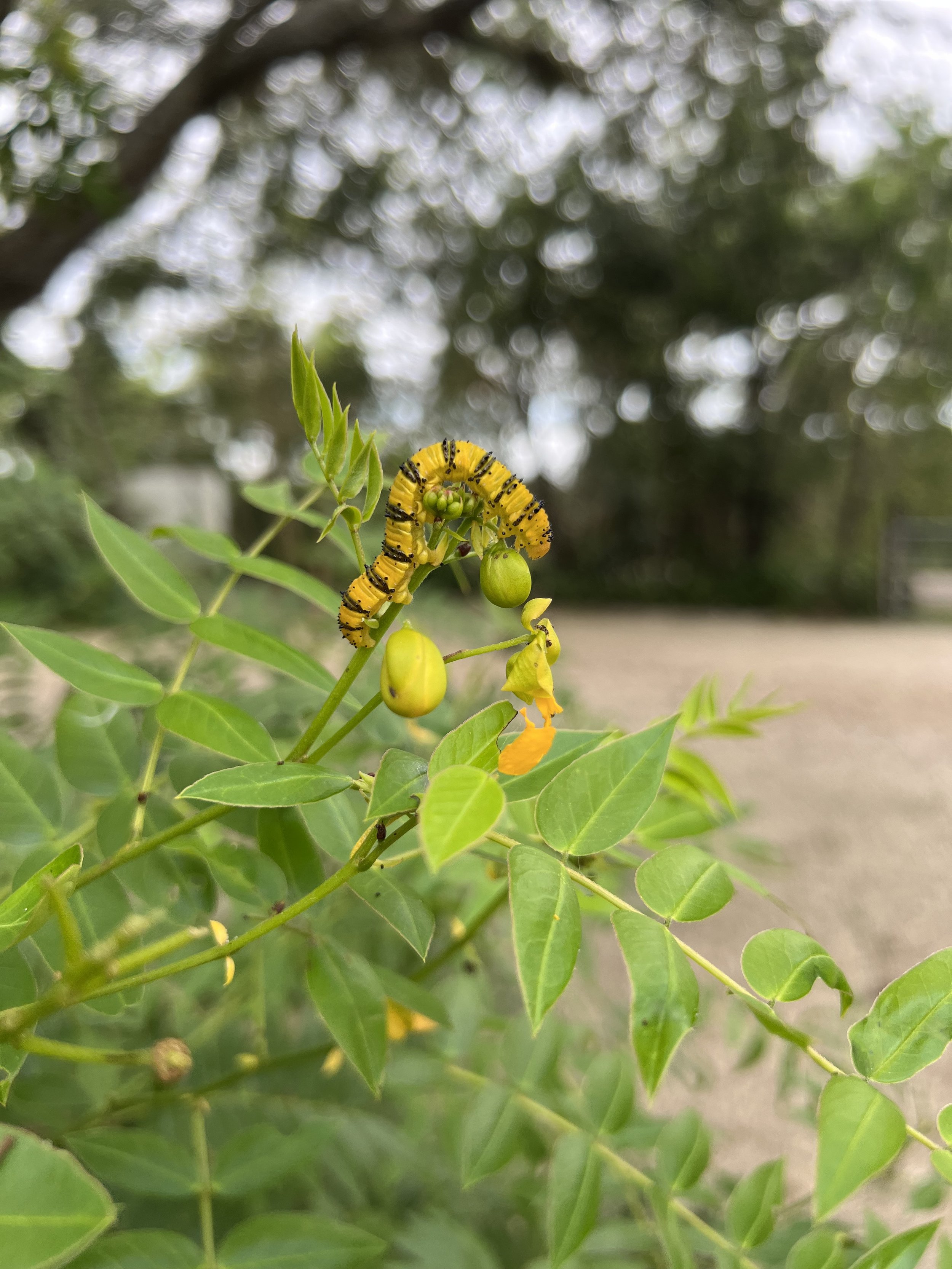
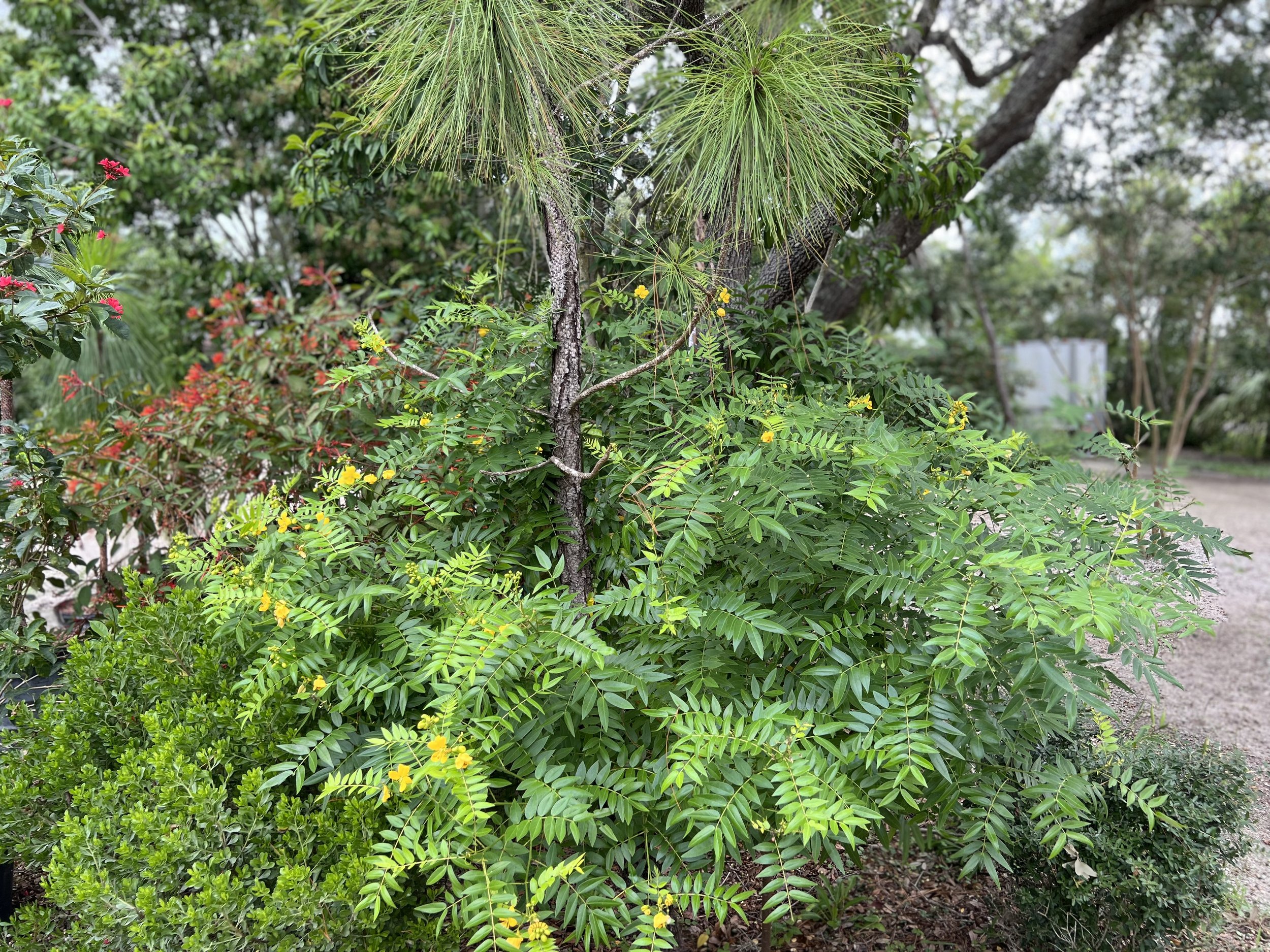
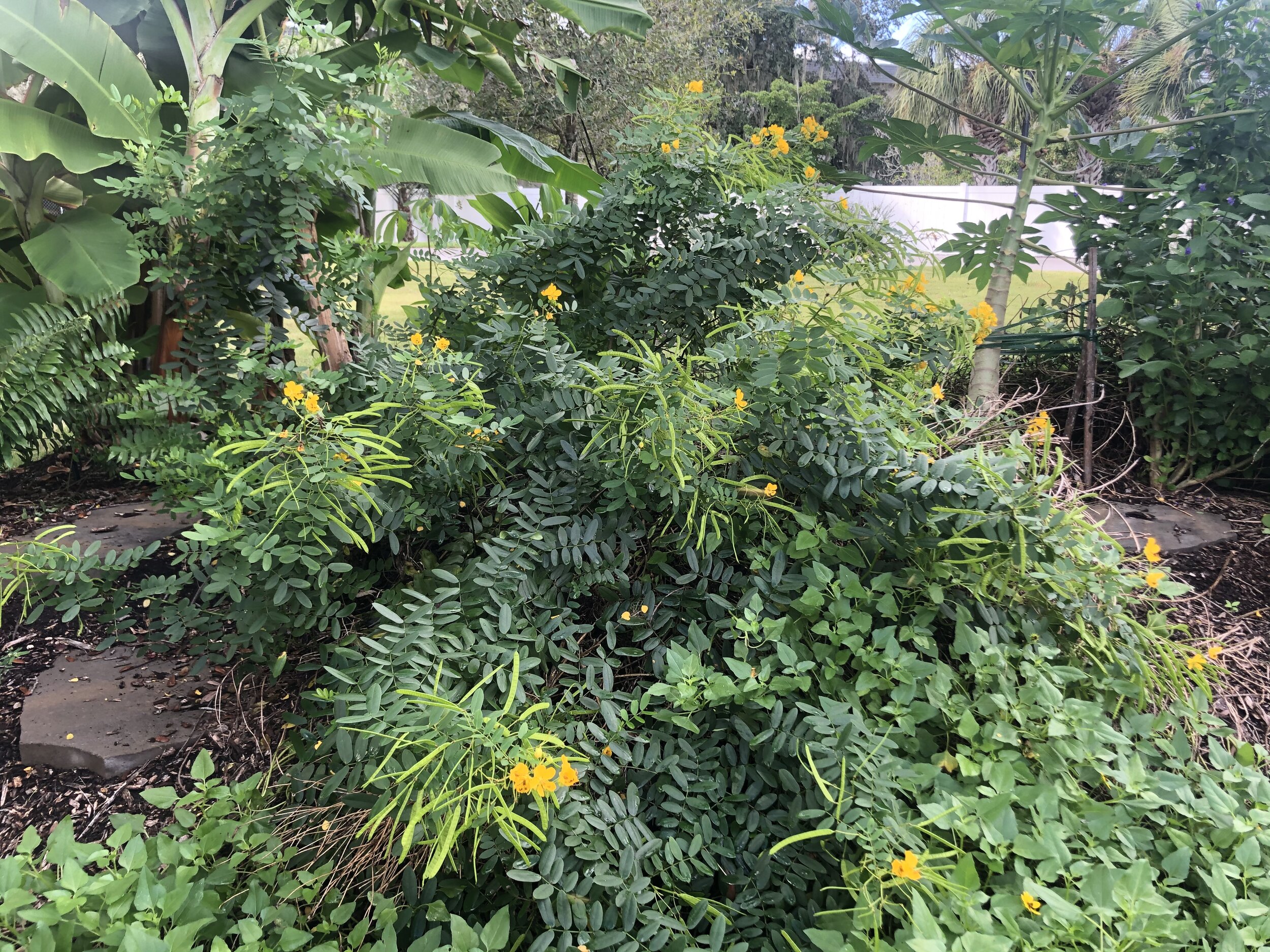
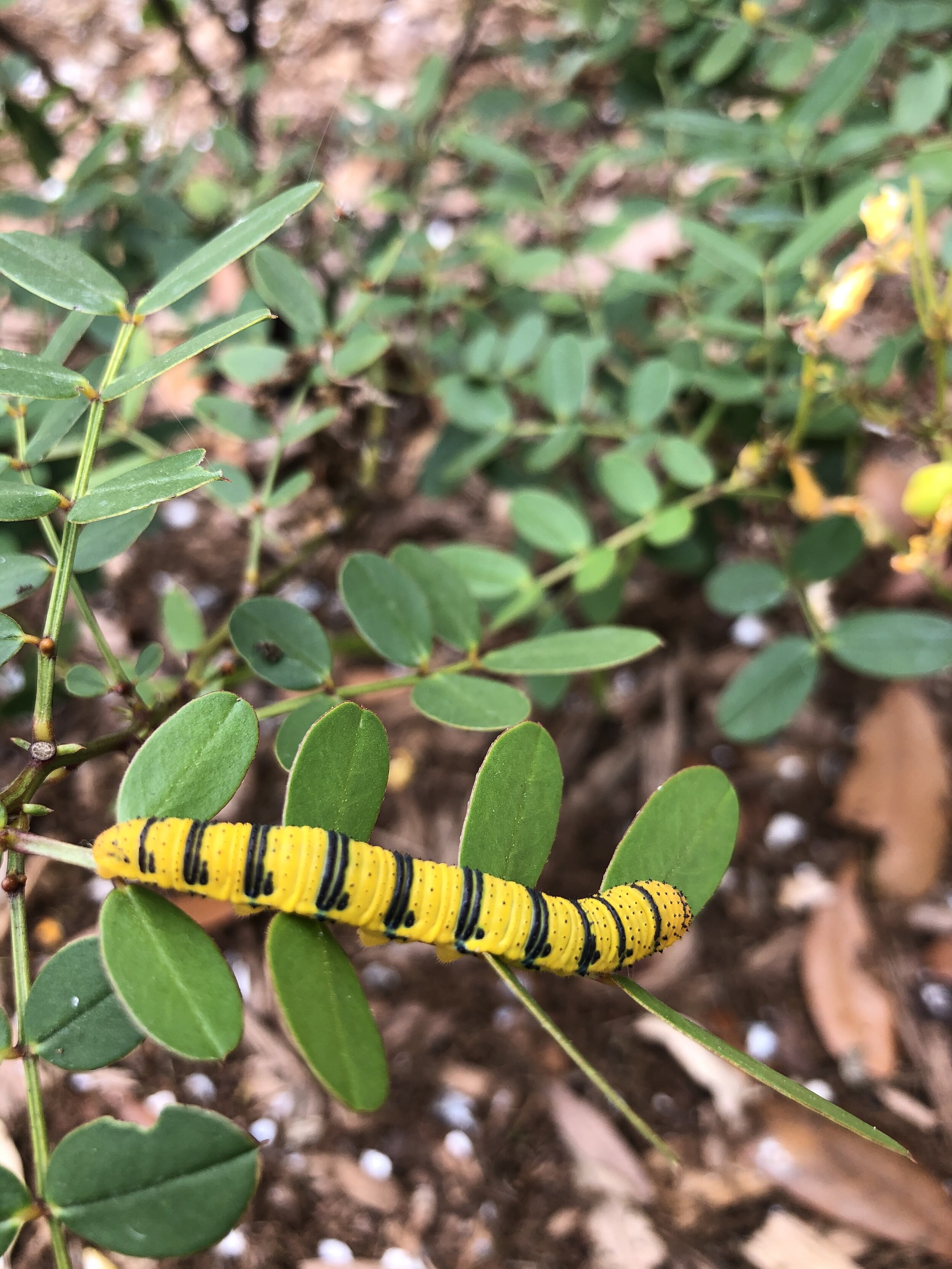
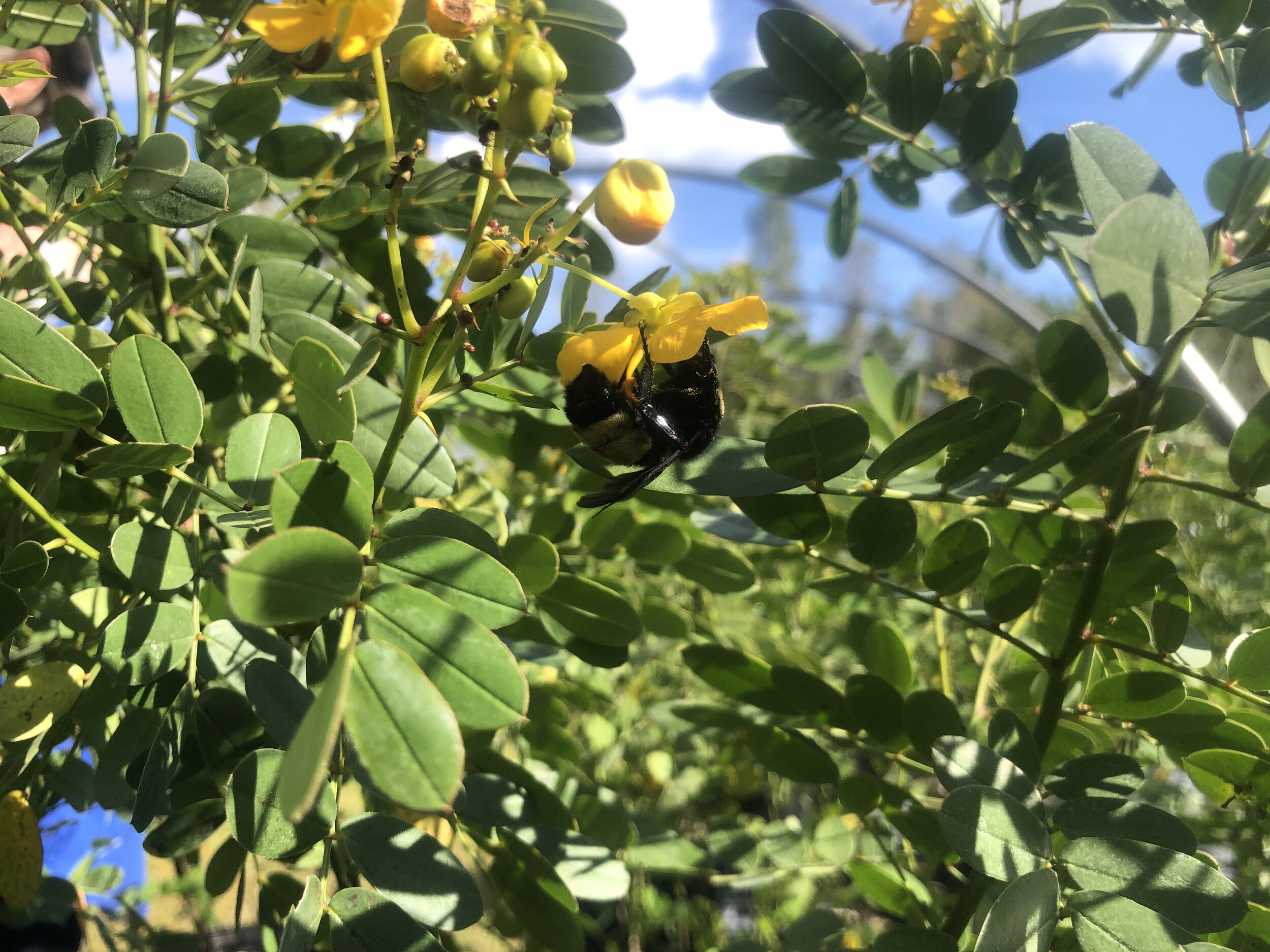
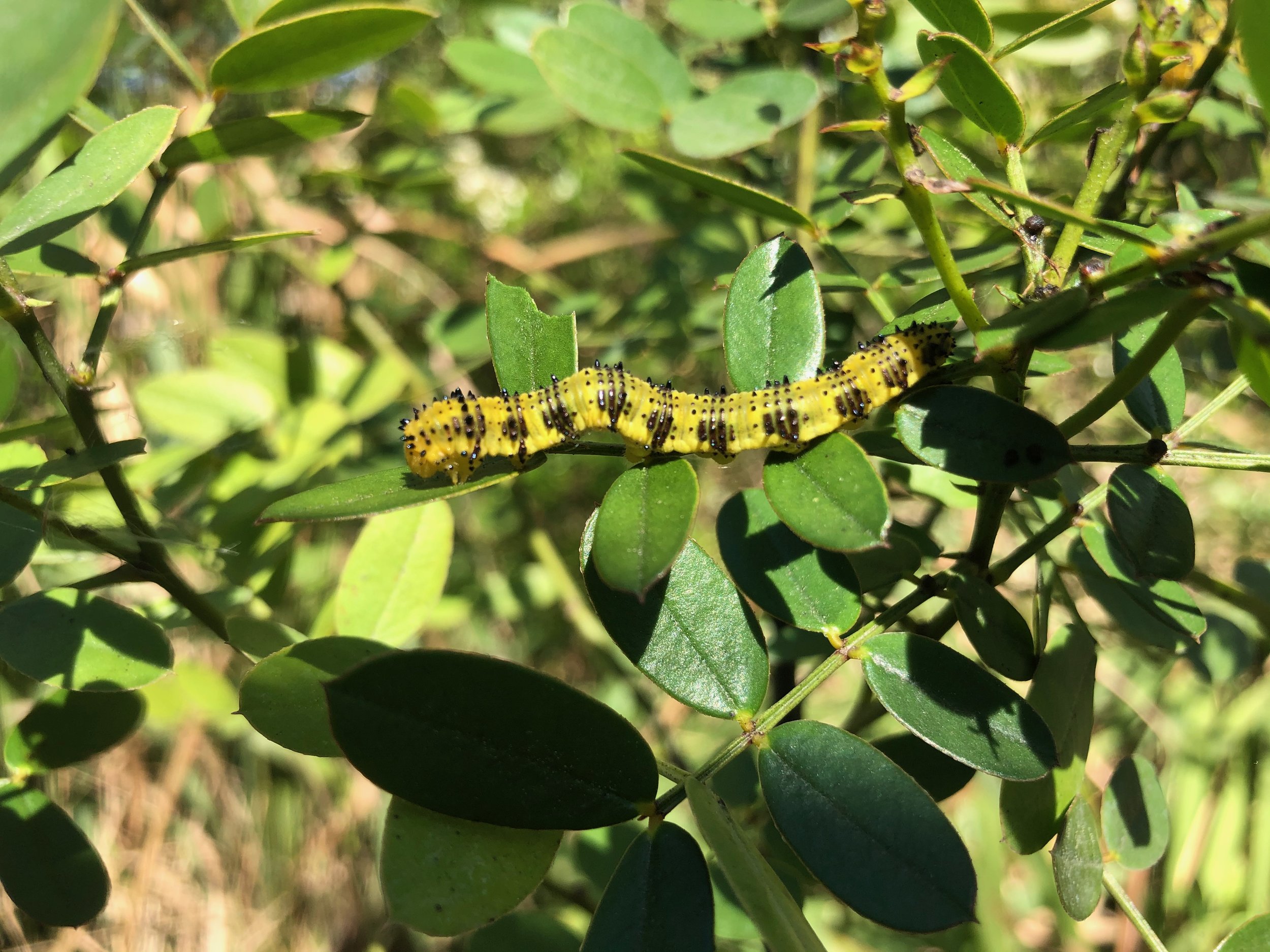
Privet Senna is an evergreen perennial shrub native to Florida that grows 4’-8’ tall with an upright, narrow-crowned habit. This fast-growing member of the legume family features pinnately compound leaves with many small, dark green leaflets and produces clusters of bright yellow, five-petaled flowers from fall through spring. The blooms are followed by thin, brown seed pods approximately 5” long. Serving as a larval host plant for cloudless Sulphur, sleepy orange, and orange-barred Sulphur butterflies, it's an excellent choice for butterfly gardens while also attracting bees and other pollinators. Thriving in full sun to partial shade with well-drained soils, it naturally occurs along forest edges and hammocks from central Florida southward and readily self-seeds in suitable conditions.
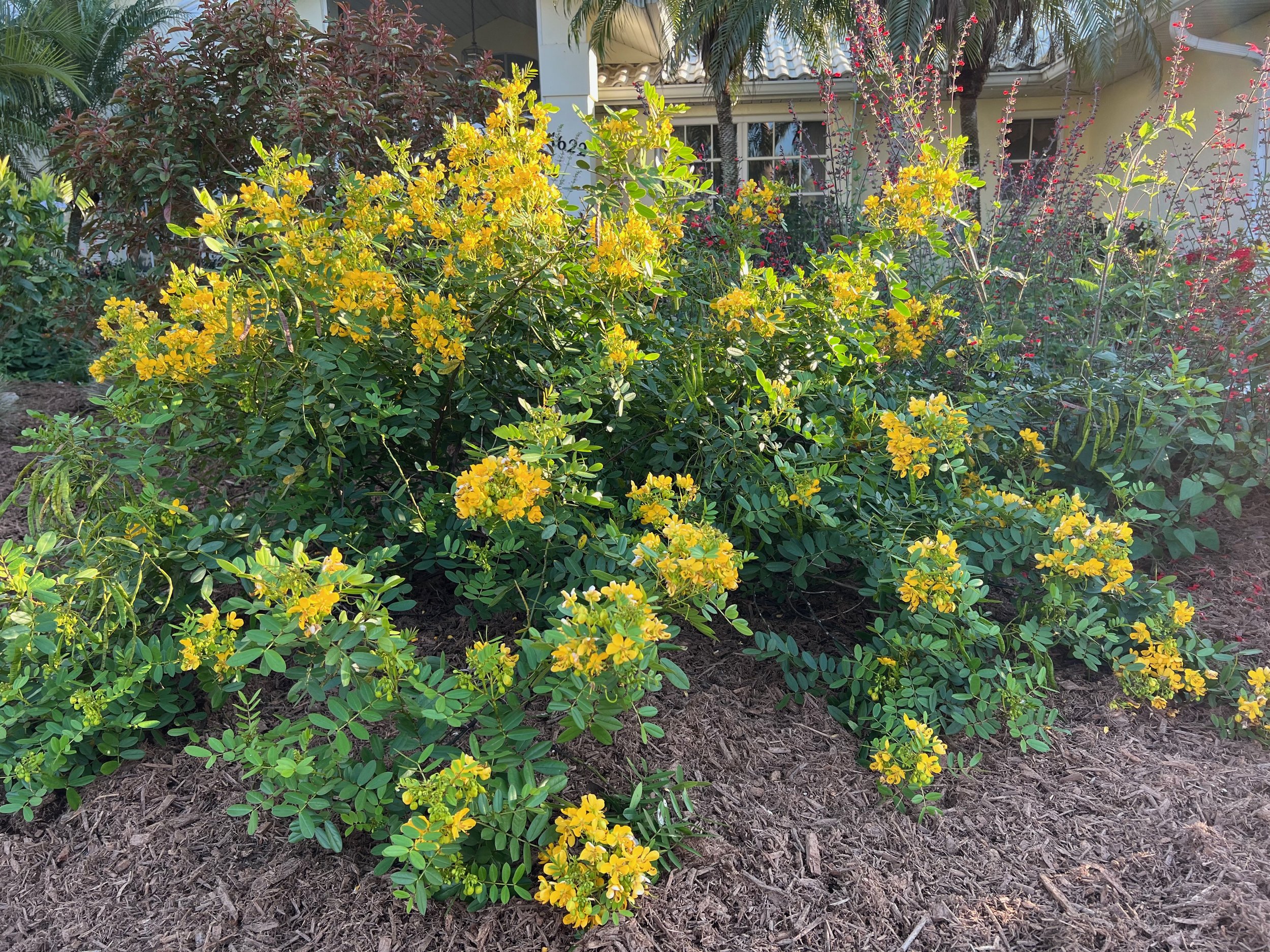
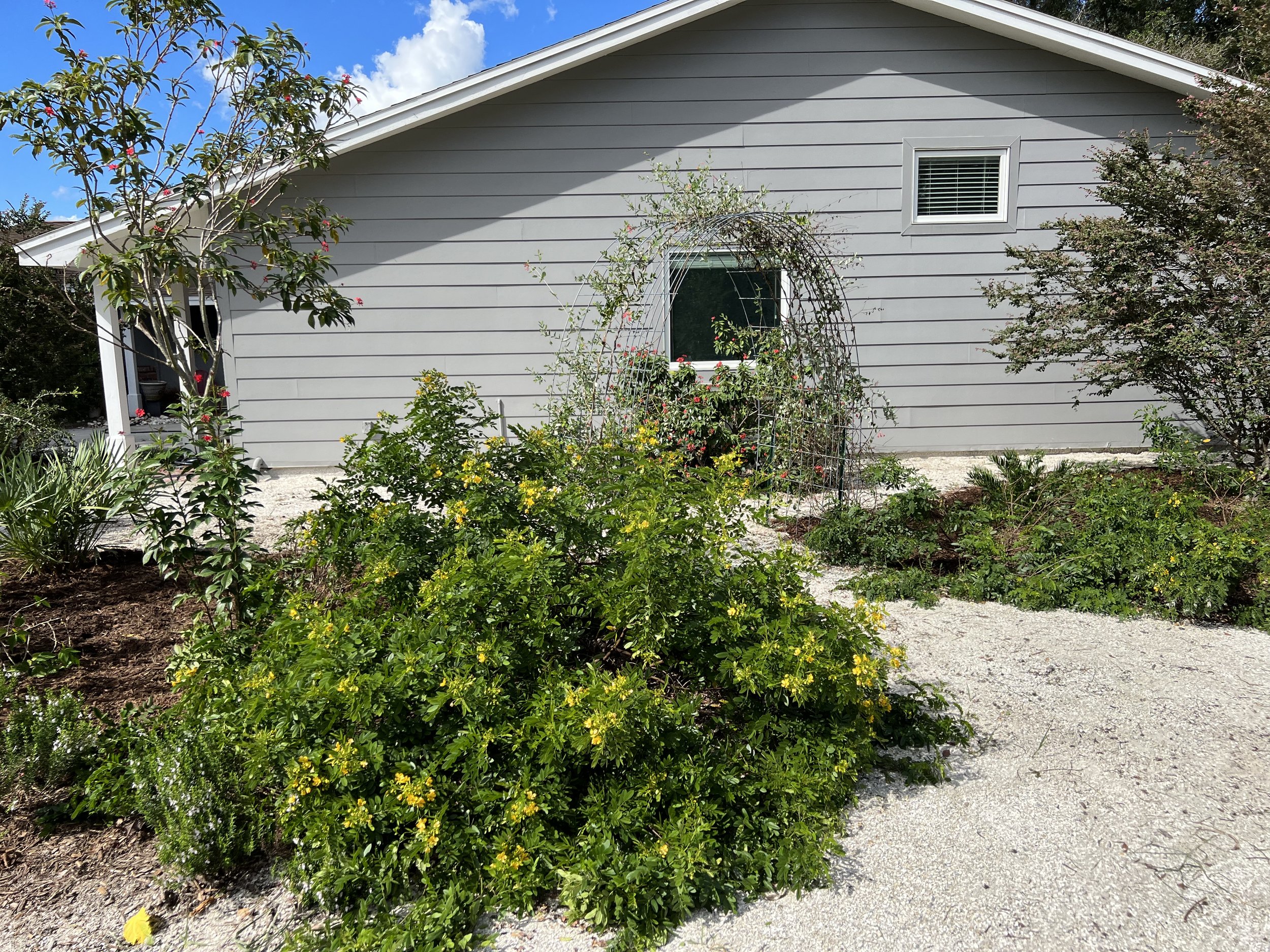
Senna mexicana var. Chapmanii
This beautiful Florida native butterfly garden must-have thrives in many local gardener’s gardens. It is evergreen and grows to be about 4’ by about 3’ and enjoys full sun to light shade and dry to moist (well-drained) soils. It is an important larval food source for Sulphur butterflies. Most people know it for its showy yellow flowers that bloom spring through fall and because it attracts and hosts butterflies and pollinators.
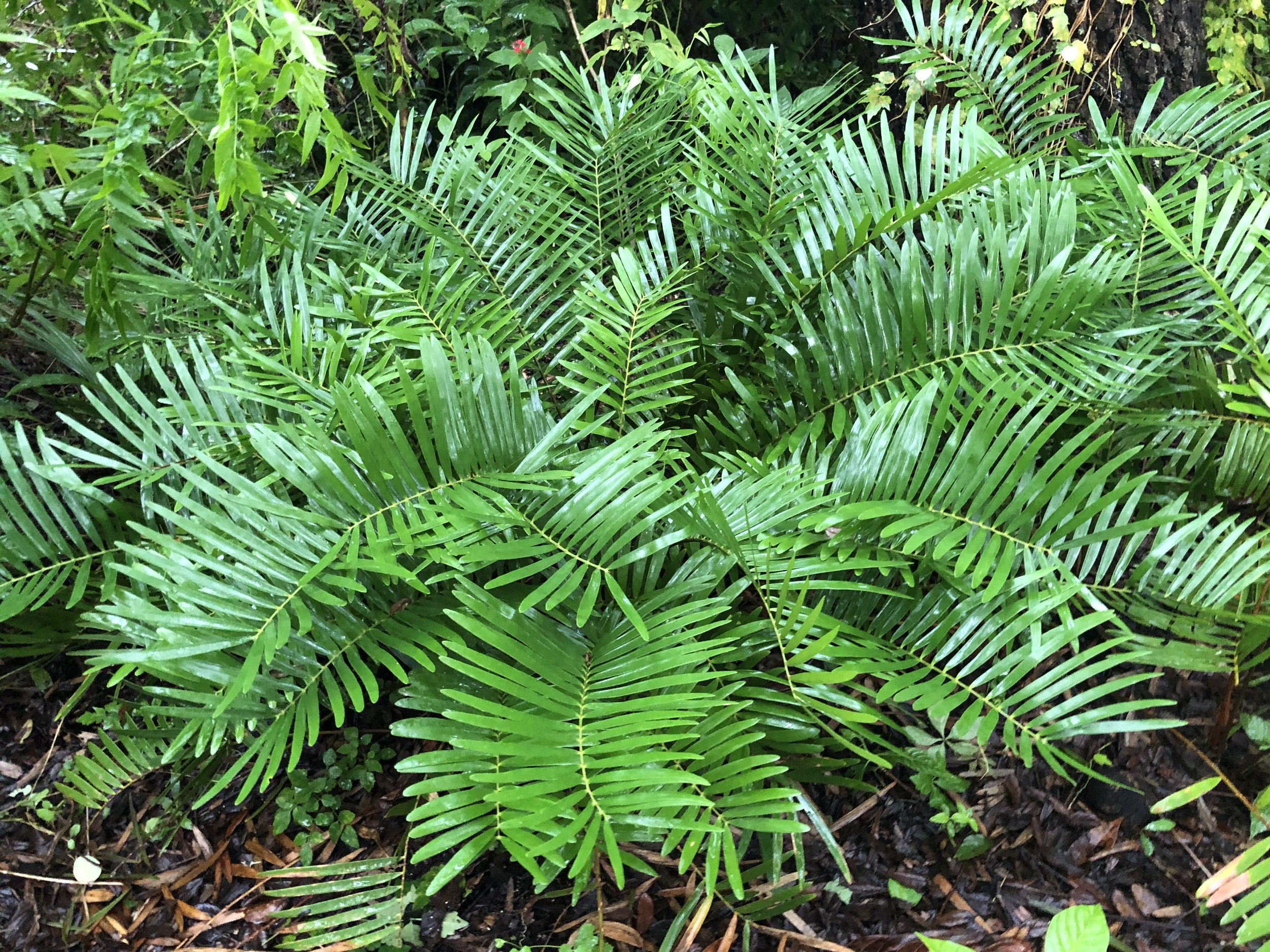
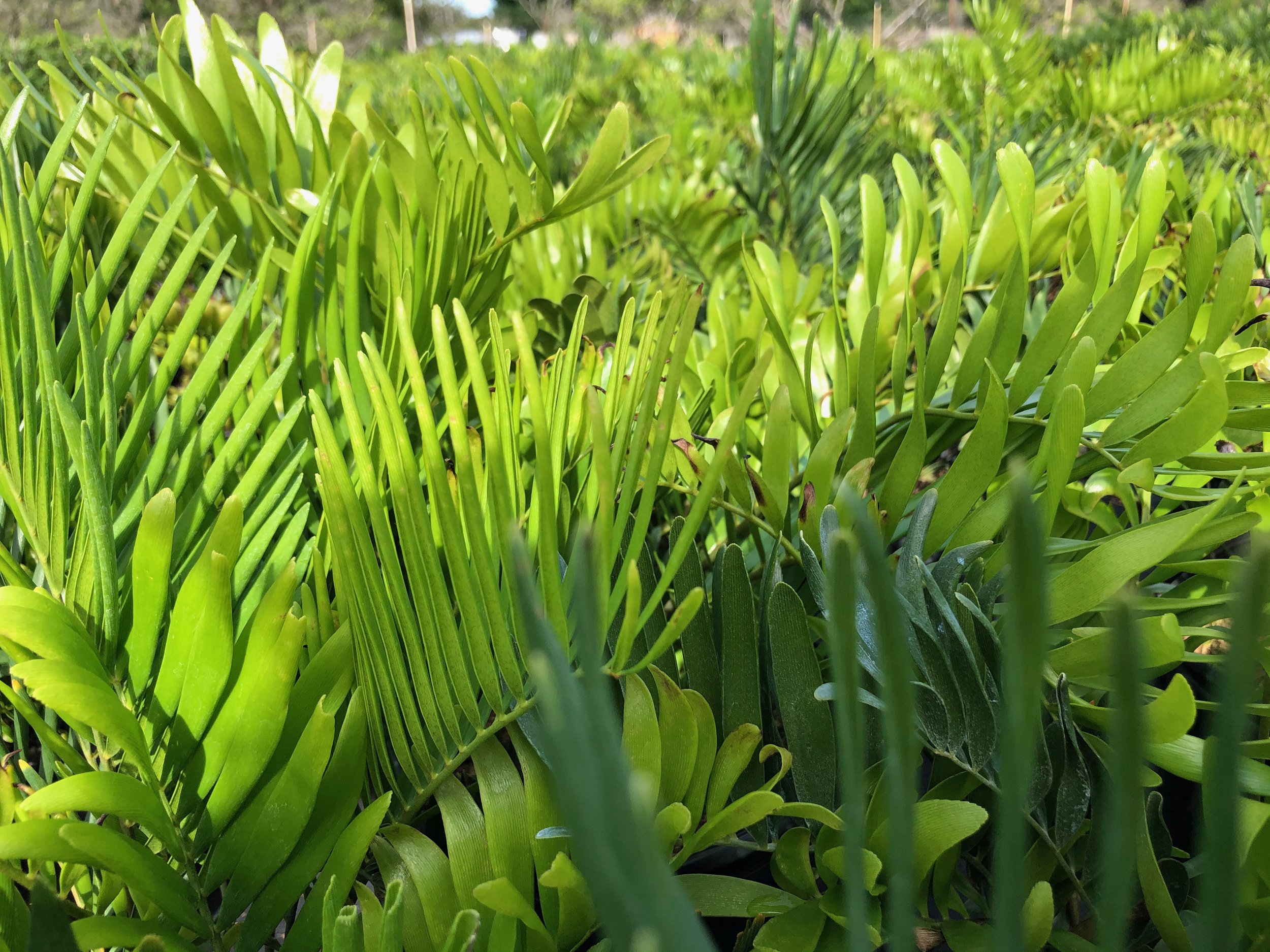
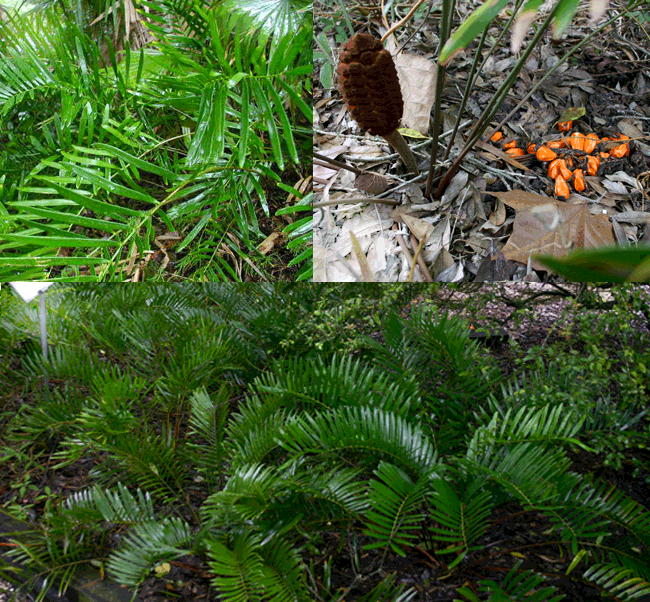
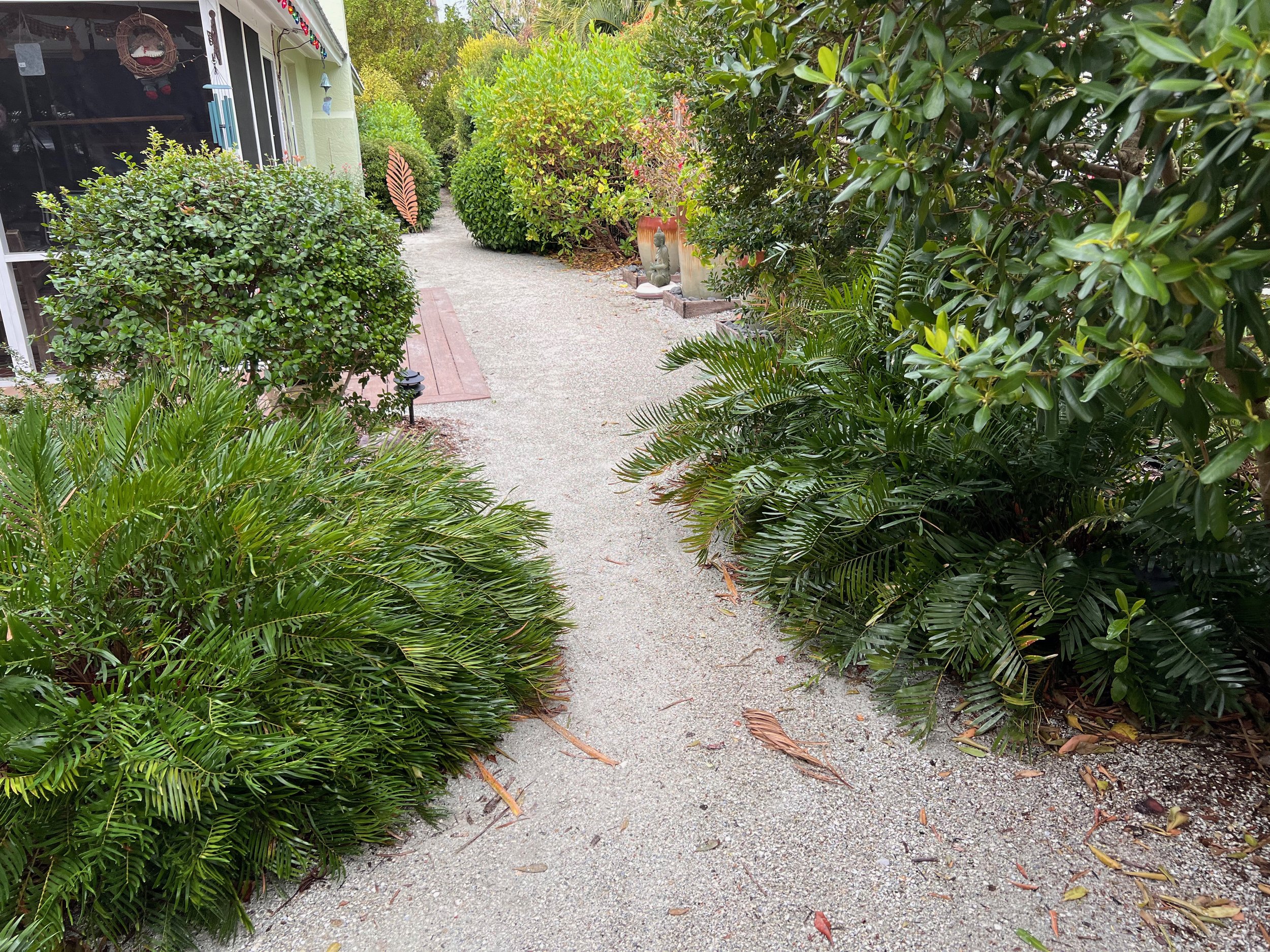
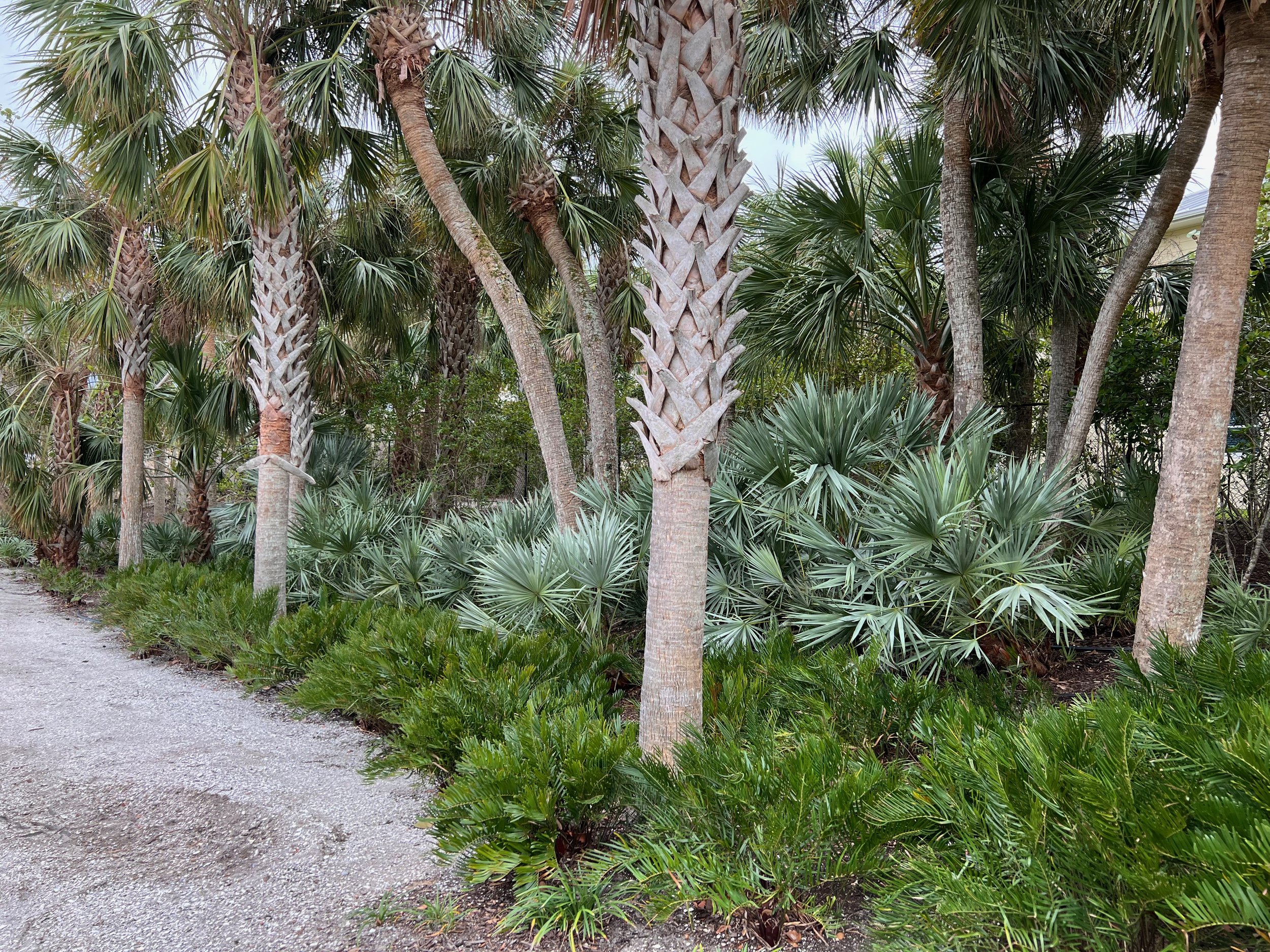
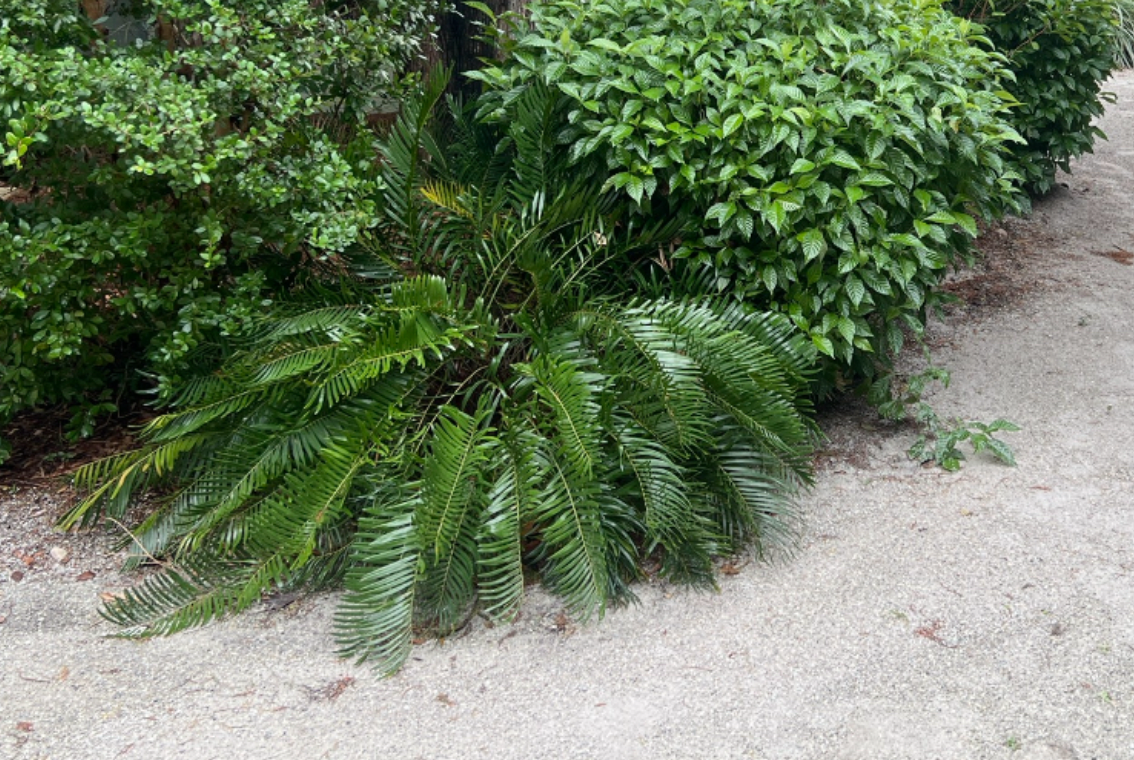
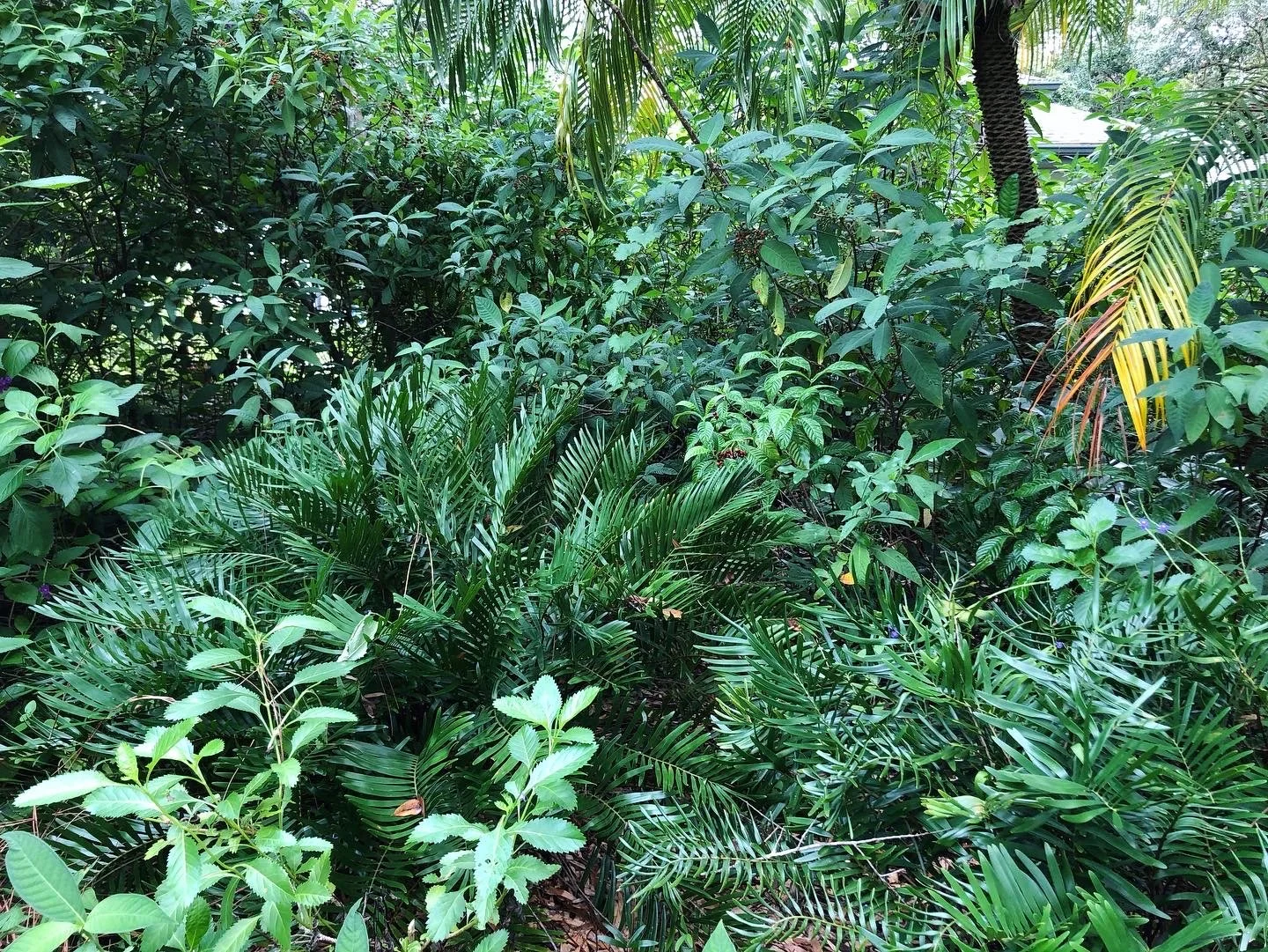
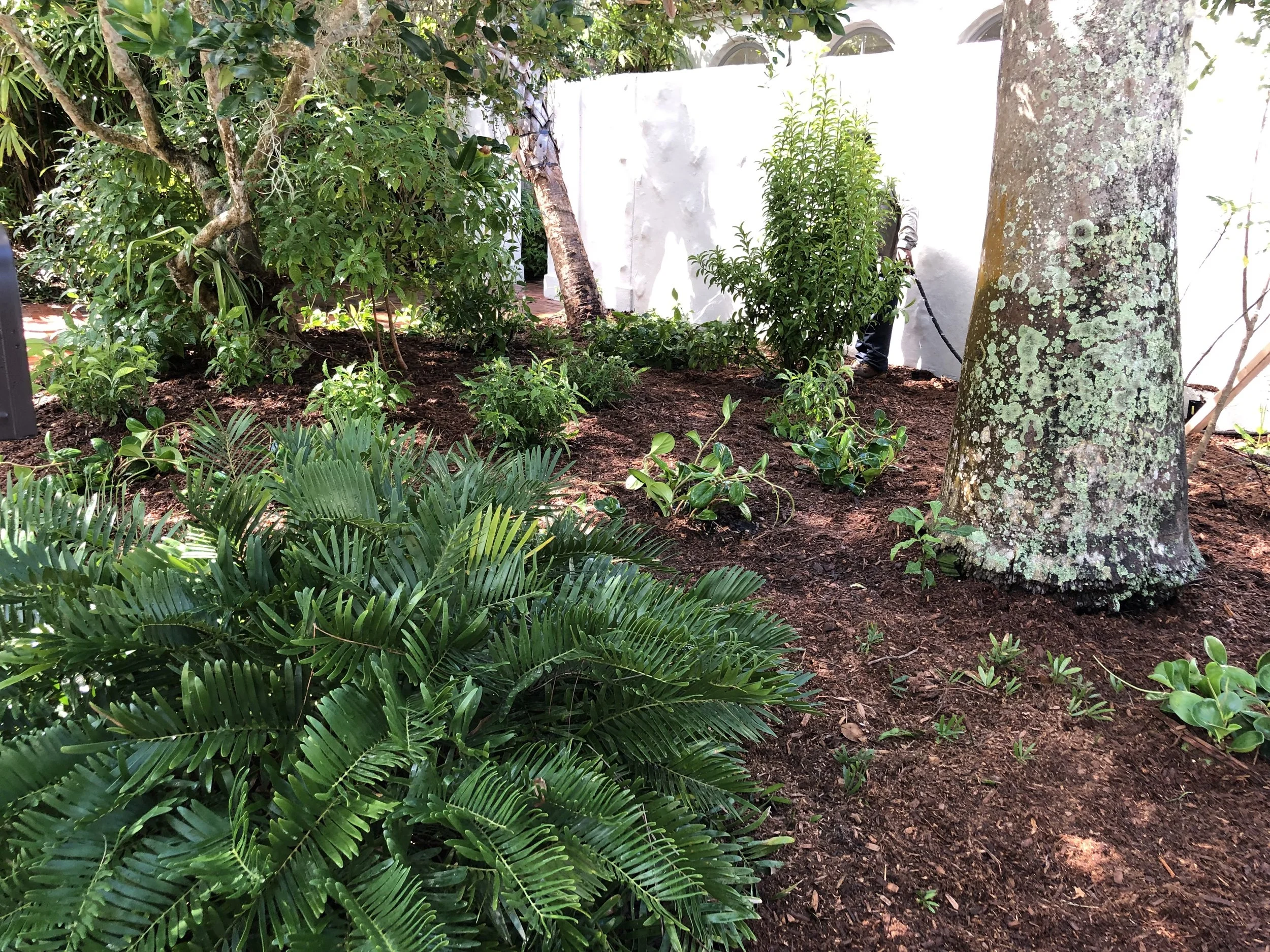
Zamia integrifolia
Coontie is perfect for a dry sunny or shady spot in the garden. It is extremely hardy and drought tolerant and is successful in harsh conditions like highway medians. It generally stays under three feet tall and 3 feet wide and has a tropical Florida feel. Coontie is an ancient plant and is Florida’s only living cycad. It is the important host plant for the Atala butterfly.
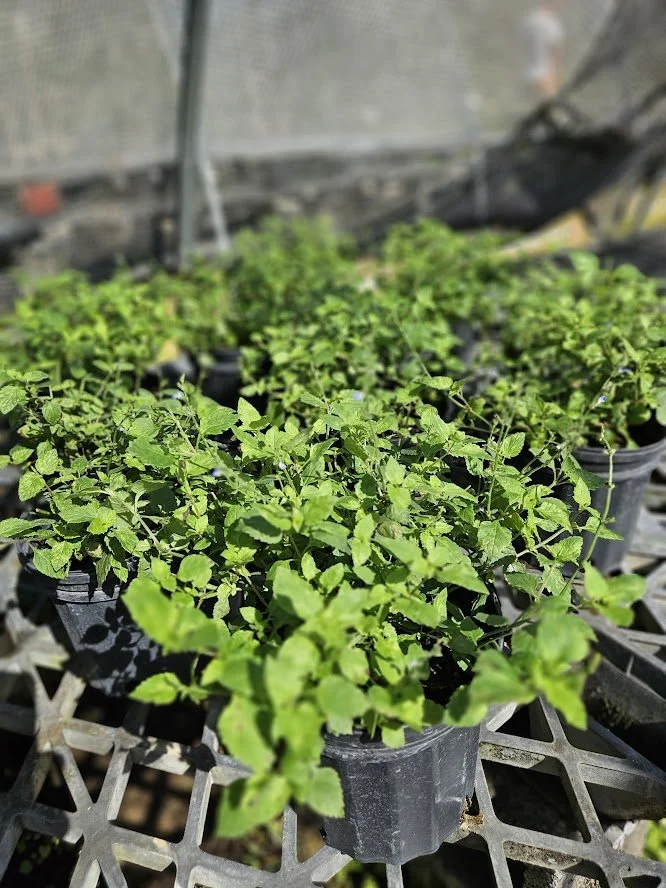
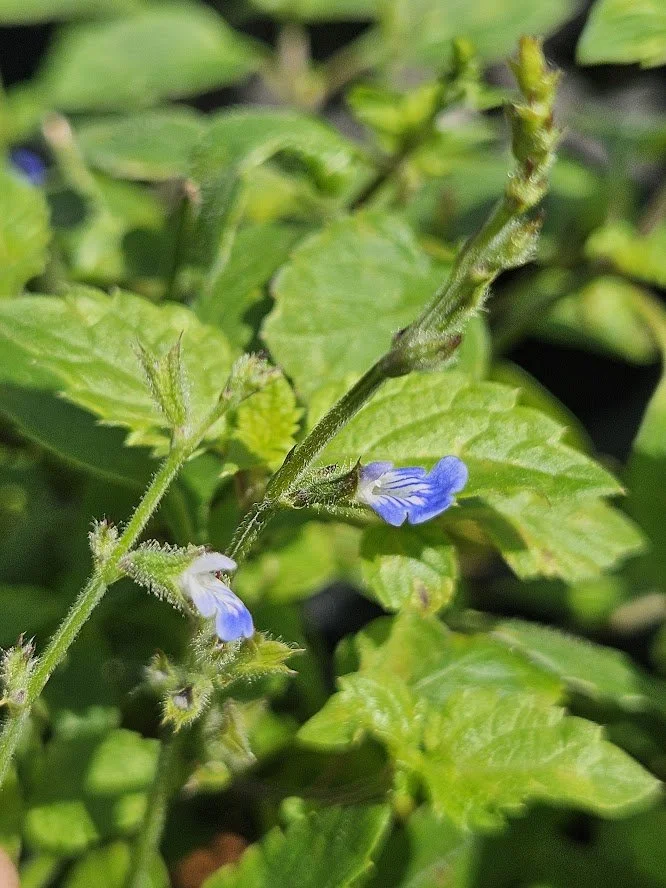
Salvia misella
Creeping Sage is a low-growing perennial native to Florida that forms dense, aromatic ground cover mats. This species produces small blue flowers and thrives in well-drained, average to dry soils. It serves as an excellent choice for planting between shrubs and trees as it prefers dappled sunlight to full shade.
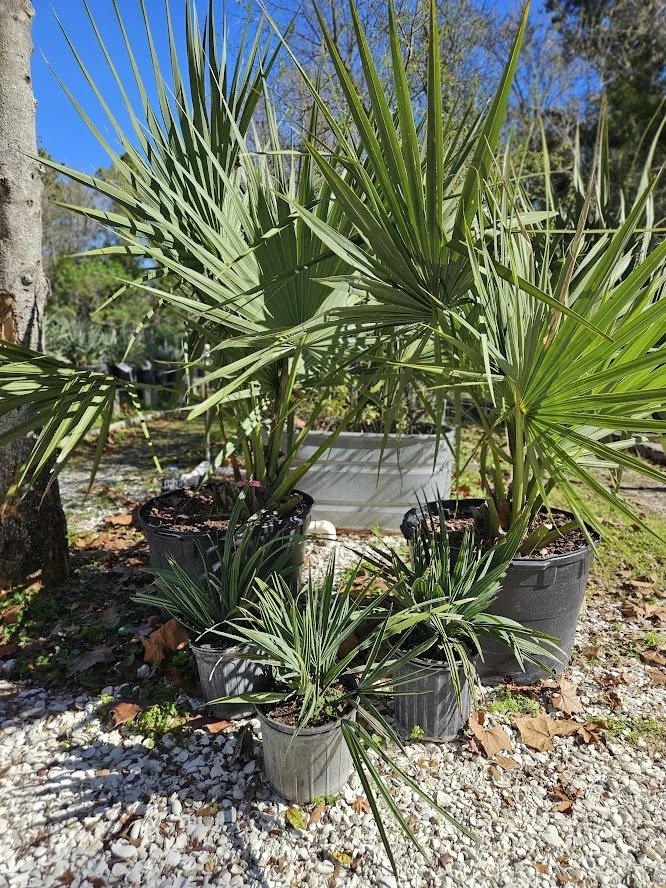
Sabal minor
Dwarf Blue Stem Palmetto is a small, clumping palm that typically grows 3-6 ft tall with a trunkless or short-trunked form. It is extremely cold-hardy, flood-tolerant, and drought-tolerant once established. It thrives in full sun to partial shade with average to moist soil. This low-maintenance native requires little care and provides excellent textural interest and tropical appeal to landscapes. Its fan-shaped fronds create dense, attractive foliage year-round, making it ideal for understory plantings or as a distinctive accent plant.
Tripsacum floridana
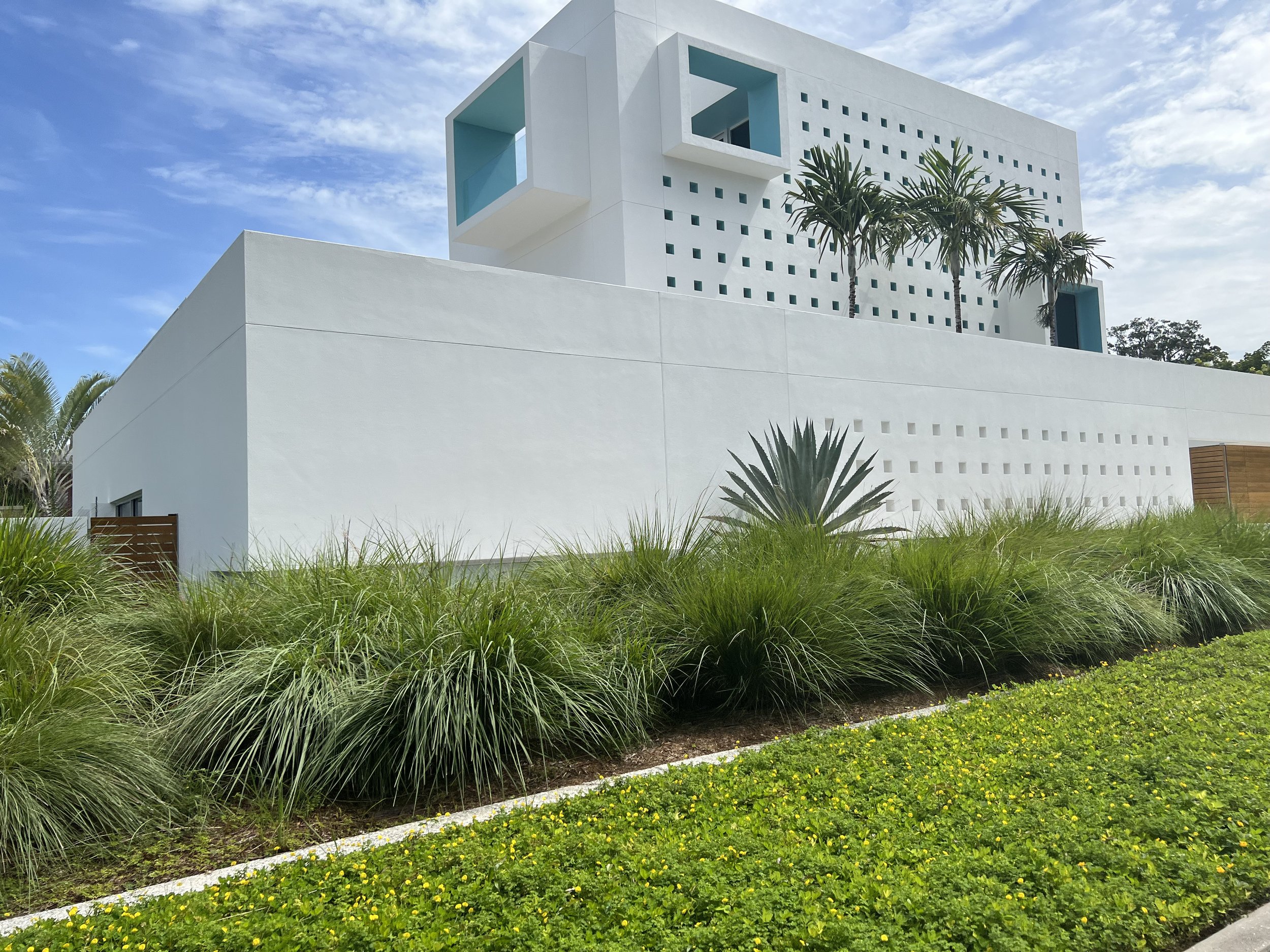
Dwarf Fakahatchee Grass is a Florida-native ornamental grass with dense, clumping foliage that can reach 2’-3’. It does well in full sun to partial shade with average to moist soil. Perfect for rain gardens, borders, and erosion control, this grass produces graceful, spiky foliage and unique, showy flower spikes. The foliage provides shelter for birds and small mammals, the seeds are a food source for many birds, and the foliage is a larval host for several Skipper butterflies.
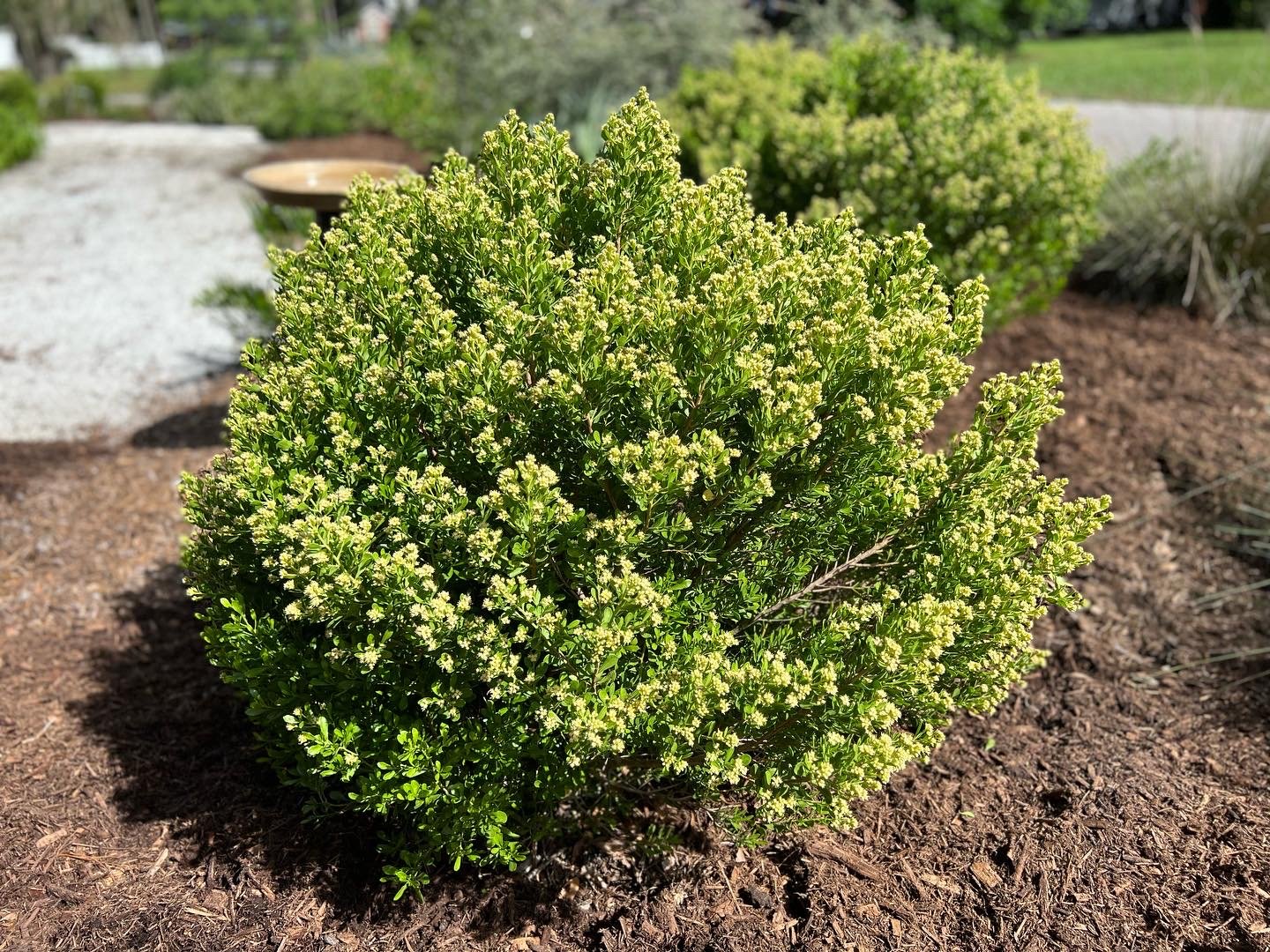
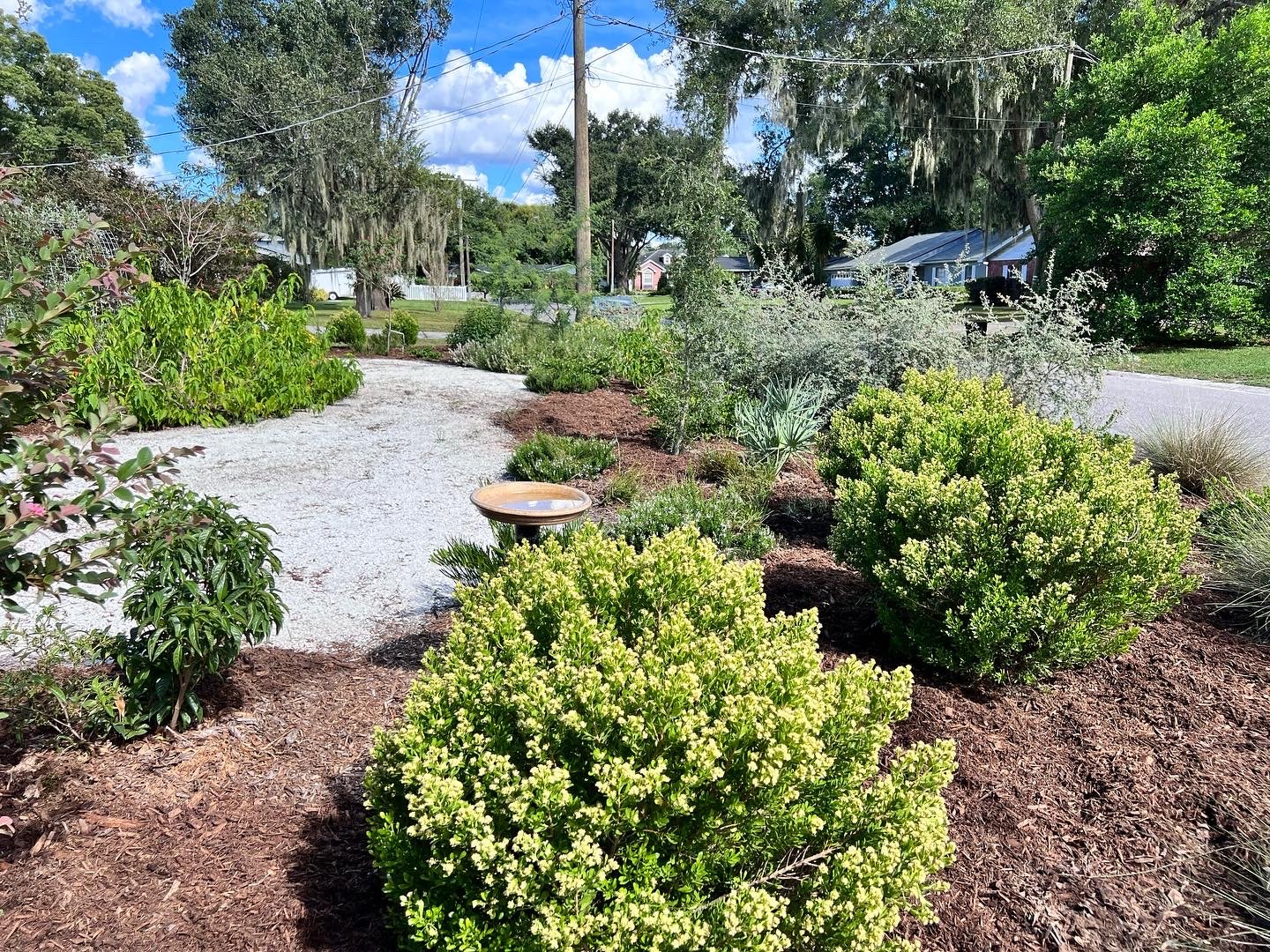
Baccharis dioca
Also known as Broombush and Falsewillow
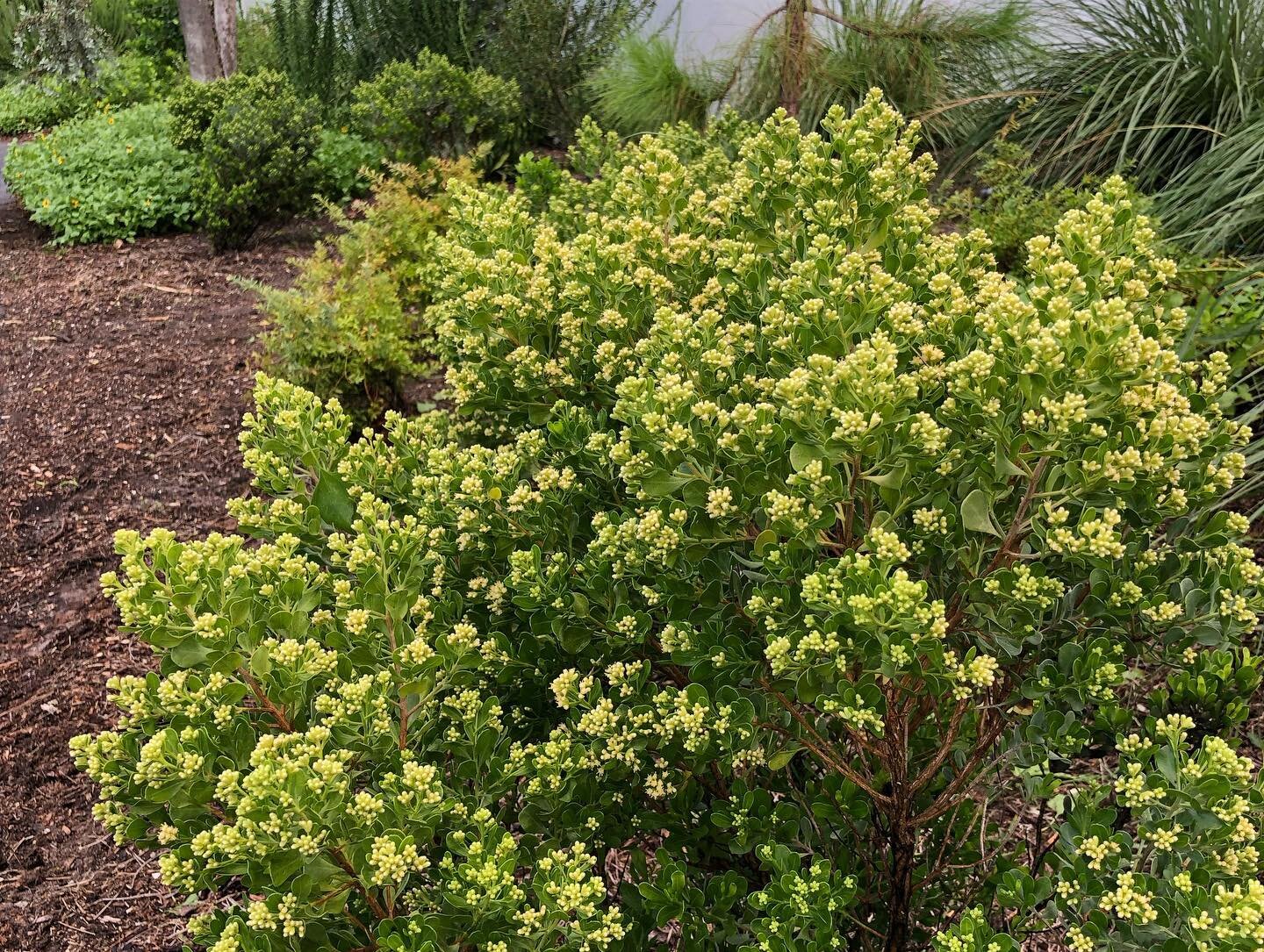
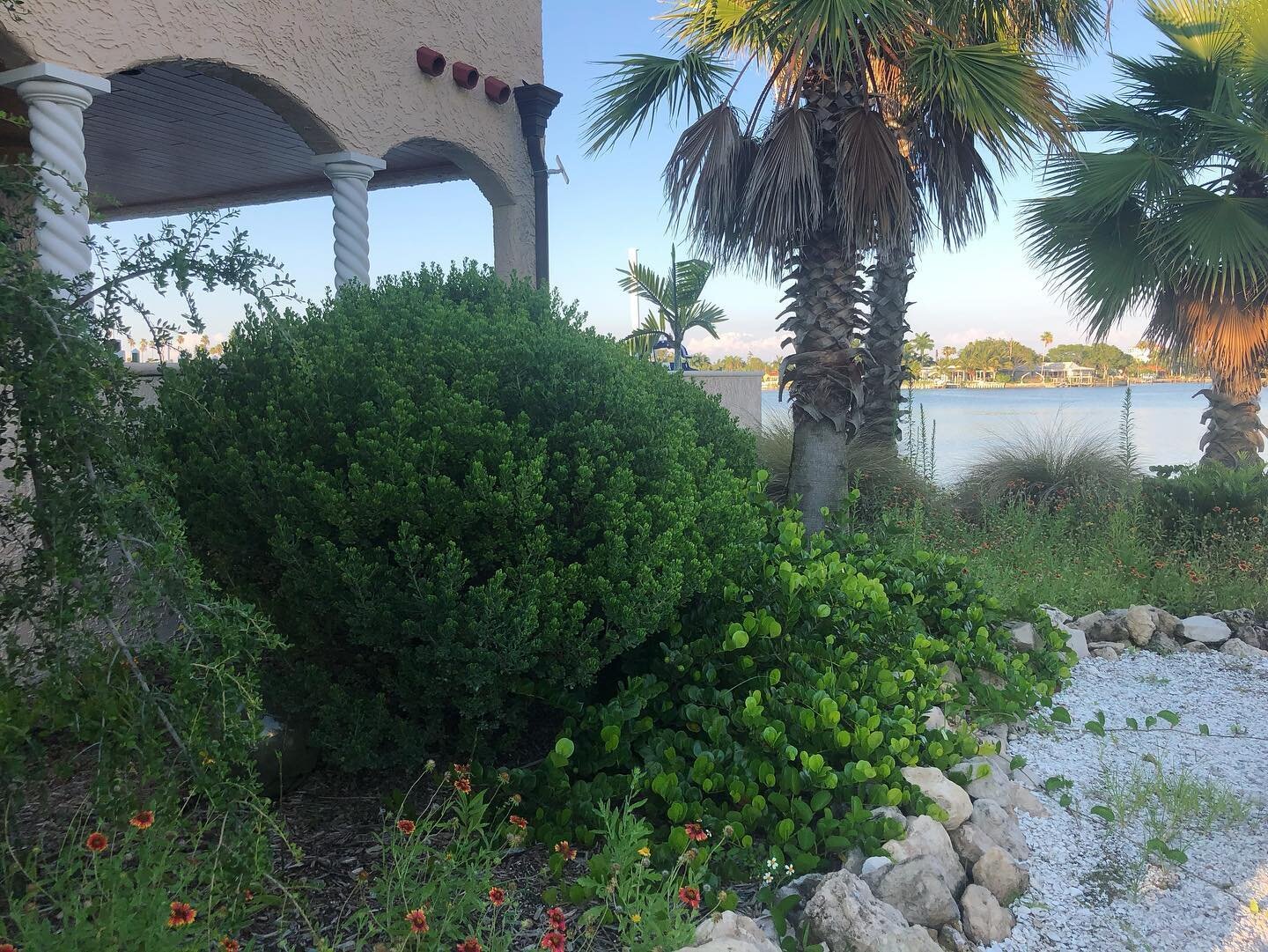
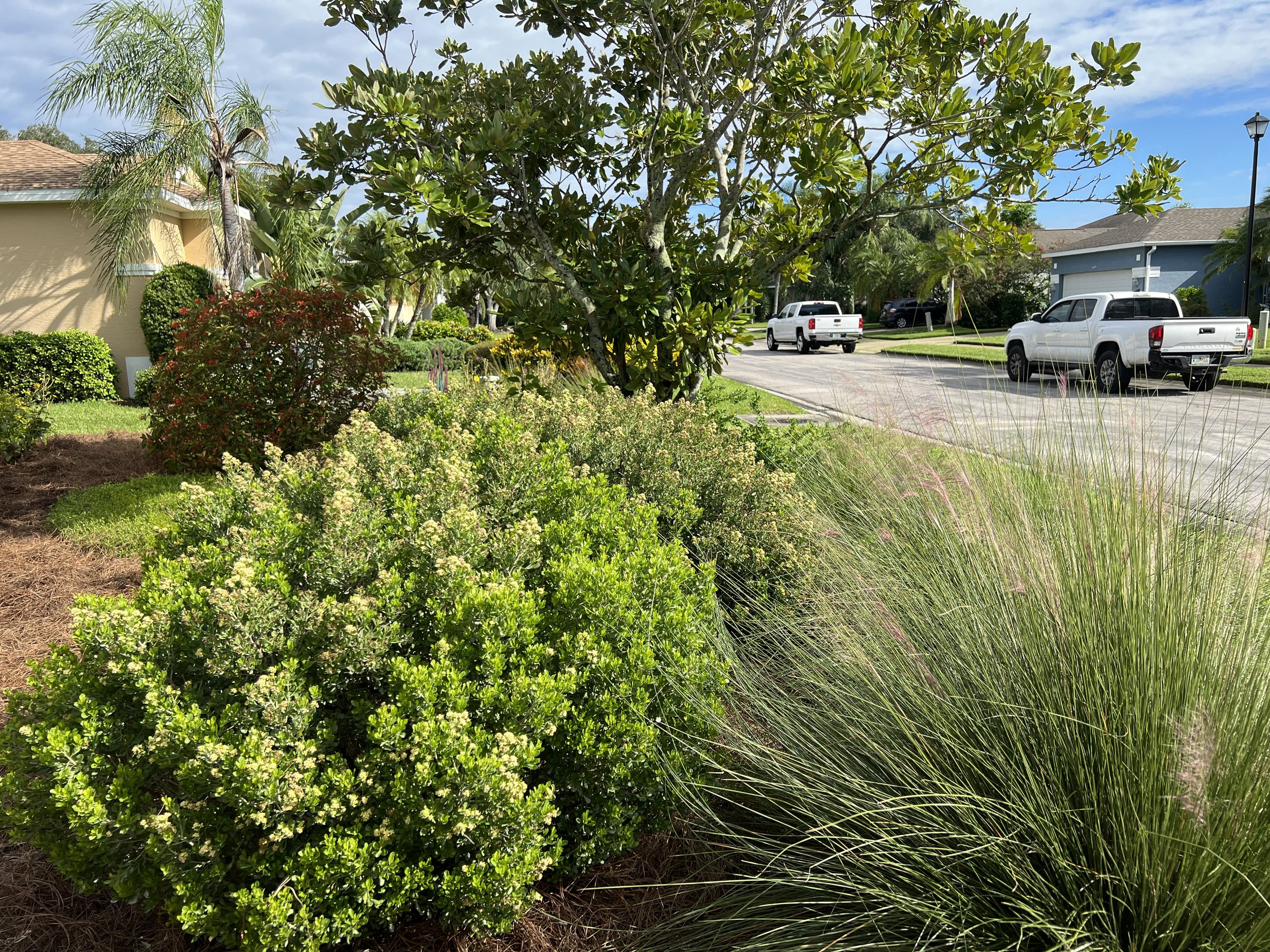
This hardy, lower-growing native shrub always seems to look great in a garden setting and it does well in a lot of different garden conditions. It holds its space well and has beautiful texture year round. The flowers bloom late summer through early fall and attract numerous pollinators. It is drought tolerant but also high tolerant of salt spray and salt inundation.
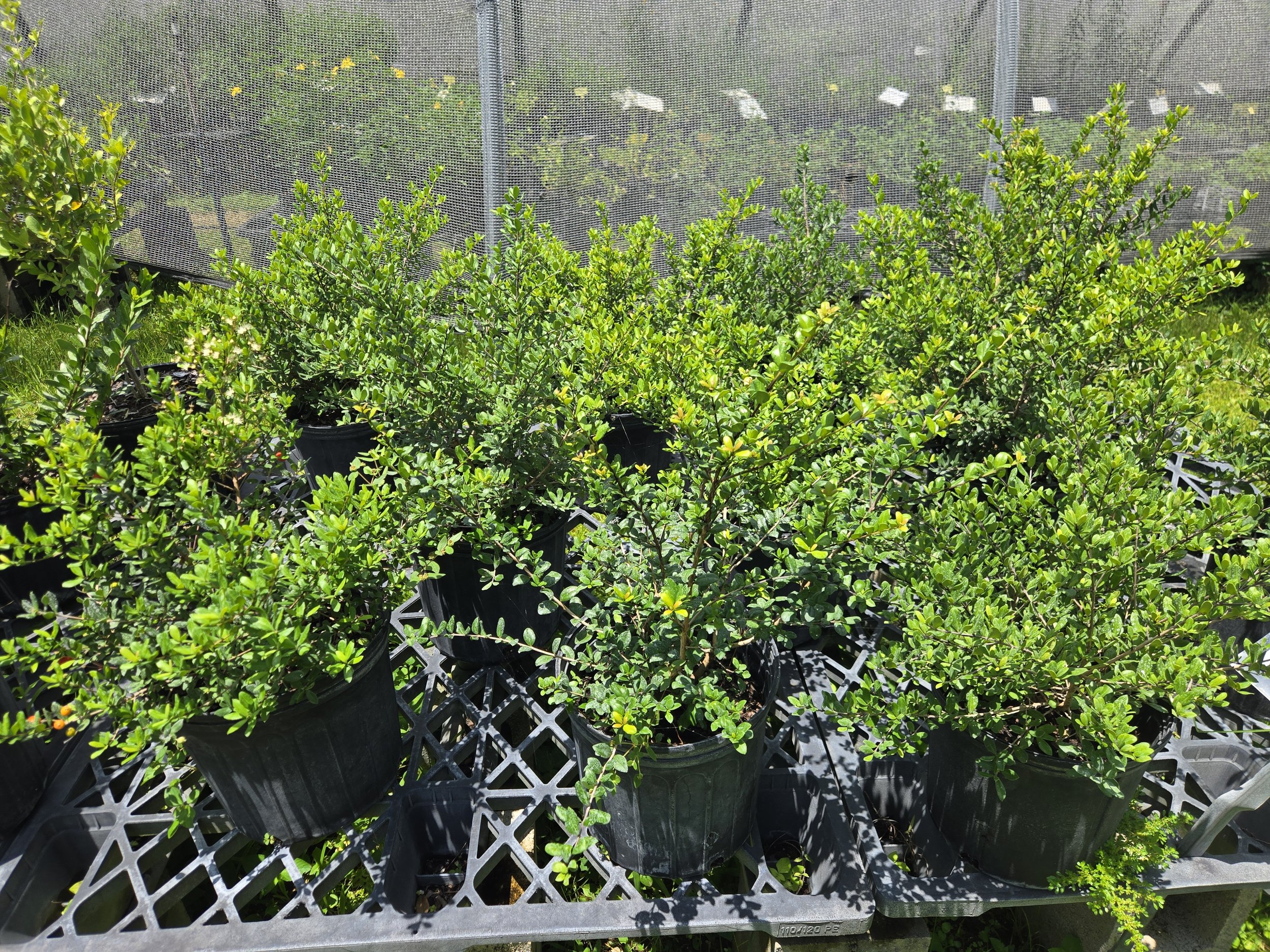
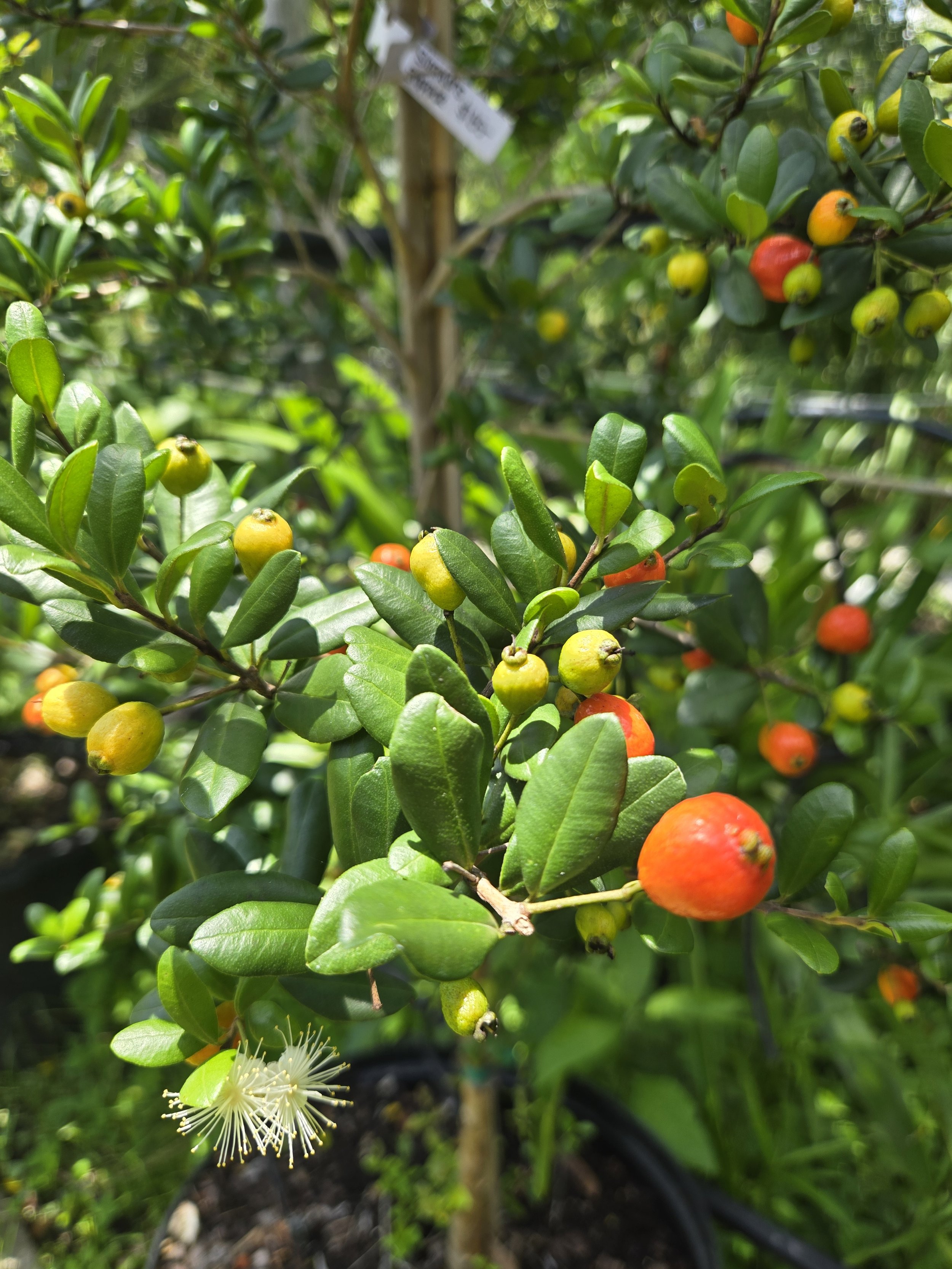
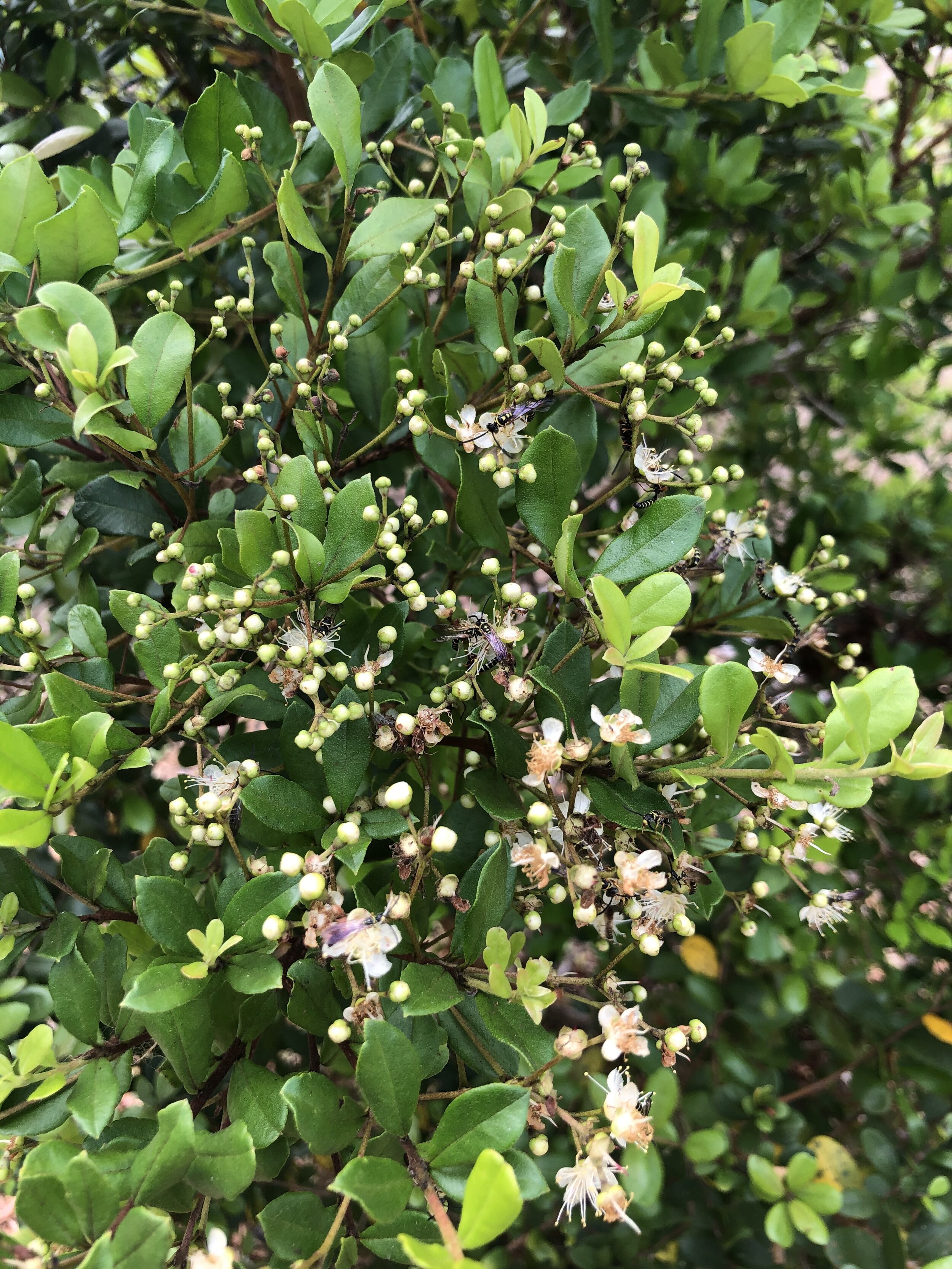
Myrcianthes fragrans ‘Compacta’
Dwarf Simpson Stopper grows to 4’ and creates a nice low hedge or border planting. Cream puff blooms and vibrant red berries add color and texture to any landscape. Drought tolerant once established, these small shrubs work well in non-irrigated landscapes. Of course, they don’t mind irrigation either!
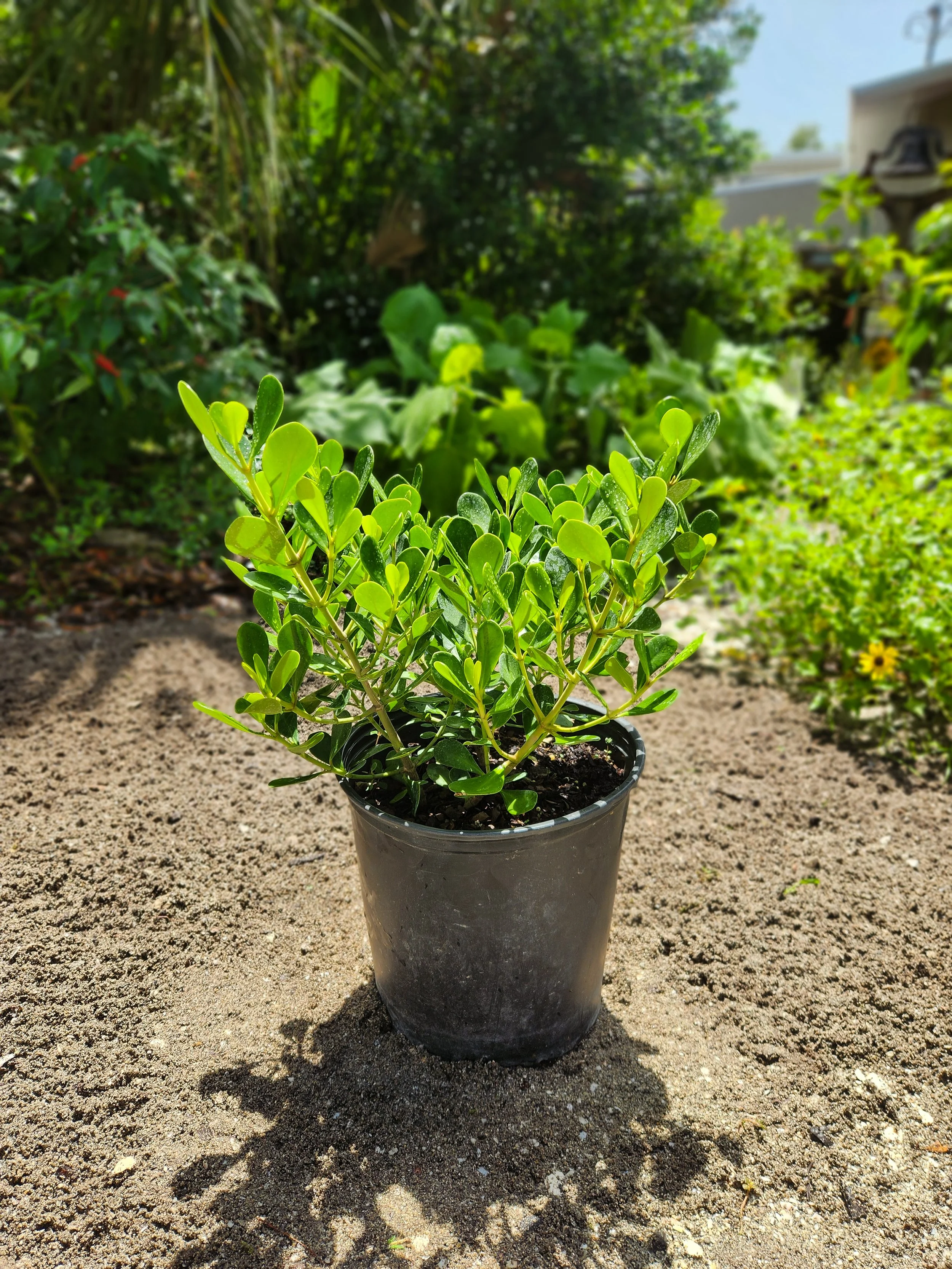
Clusia guttifera ‘Nana’
Dwarf Pitch Apple is a compact, slow-growing cultivar of the native Florida pitch apple that stays low to the ground as a spreading shrub. This semi-succulent plant features the same distinctive thick, leathery paddle-shaped leaves as its full-sized parent but in a much more manageable form, typically reaching only 2-4 feet in height and spreading wider than it is tall. It produces waxy pink and white flowers with apple-like buds and can develop aerial roots, adding to its unique tropical appearance. Extremely low-maintenance and drought-tolerant once established, it thrives in full sun to partial shade and serves as an excellent border plant or accent specimen for South Florida landscapes in zones 9-11.
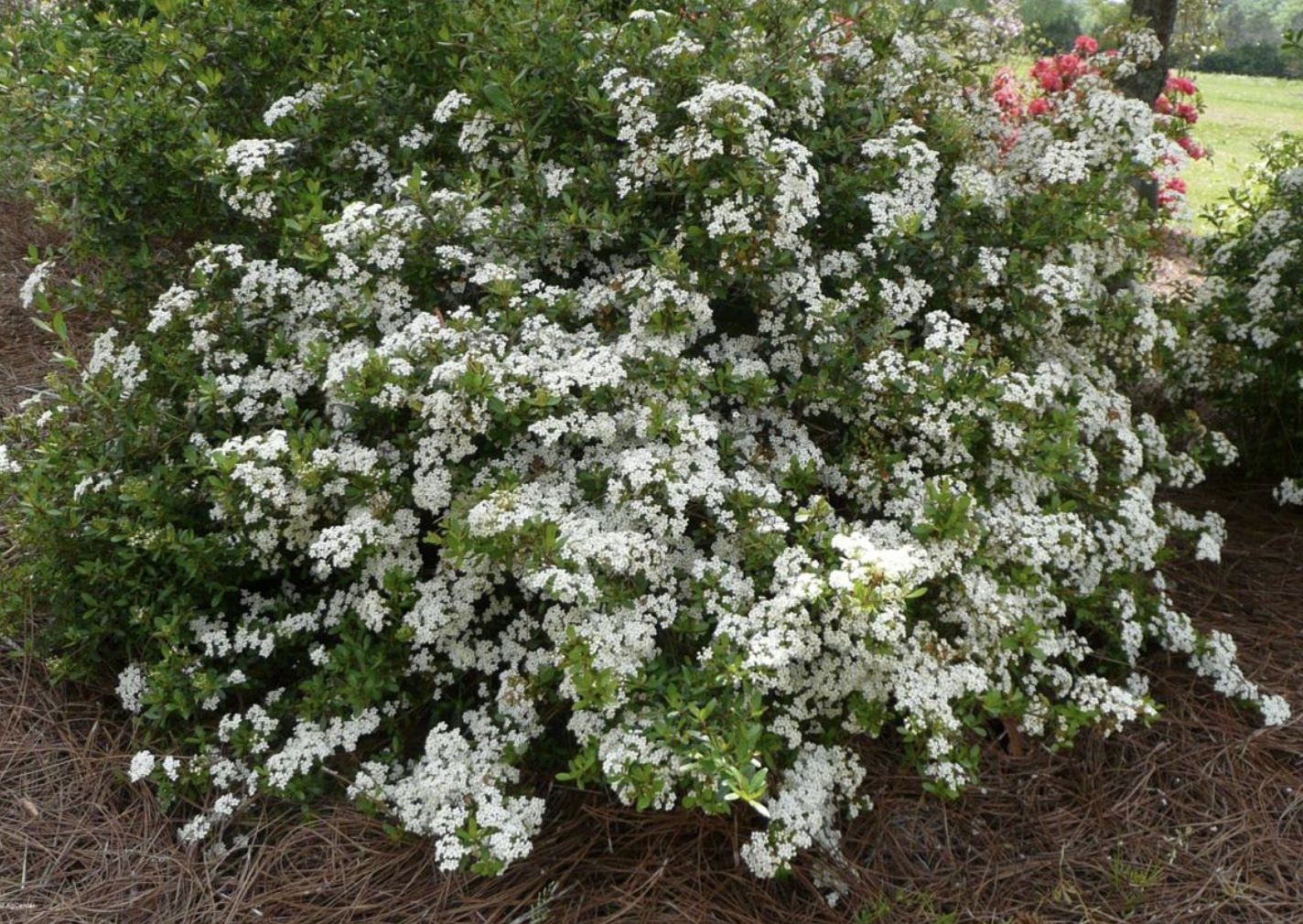
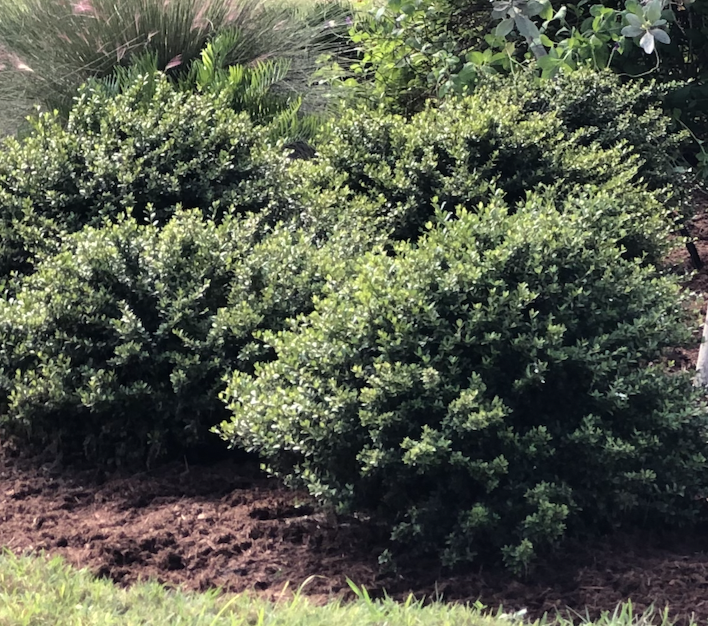
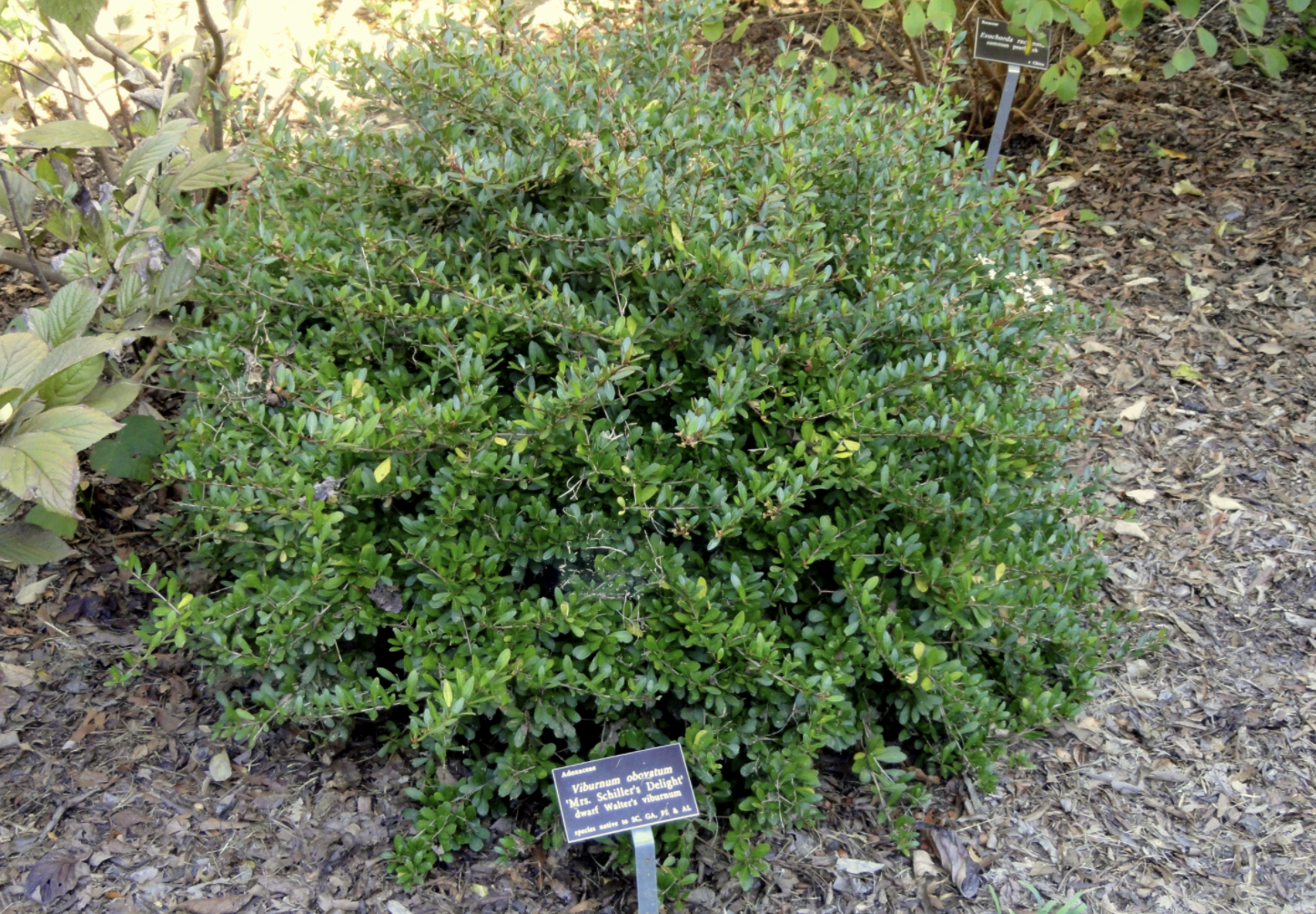
Viburnam obovatum Dwarf
This hardy, evergreen native low-growing shrub is a foundational plant for any Florida garden. With a height of about 4 feet, it provides a dense, low-growing habitat that stays compact without constant maintenance. For the environment, its near-constant clusters of white flowers offer a reliable nectar source for pollinators, while the subsequent berries provide essential forage for local songbirds. Whether used as a sturdy border or in mass plantings, it thrives in everything from full sun to part shade and adapts well to average or moist soils, offering year-round structure and ecological value to your landscape.
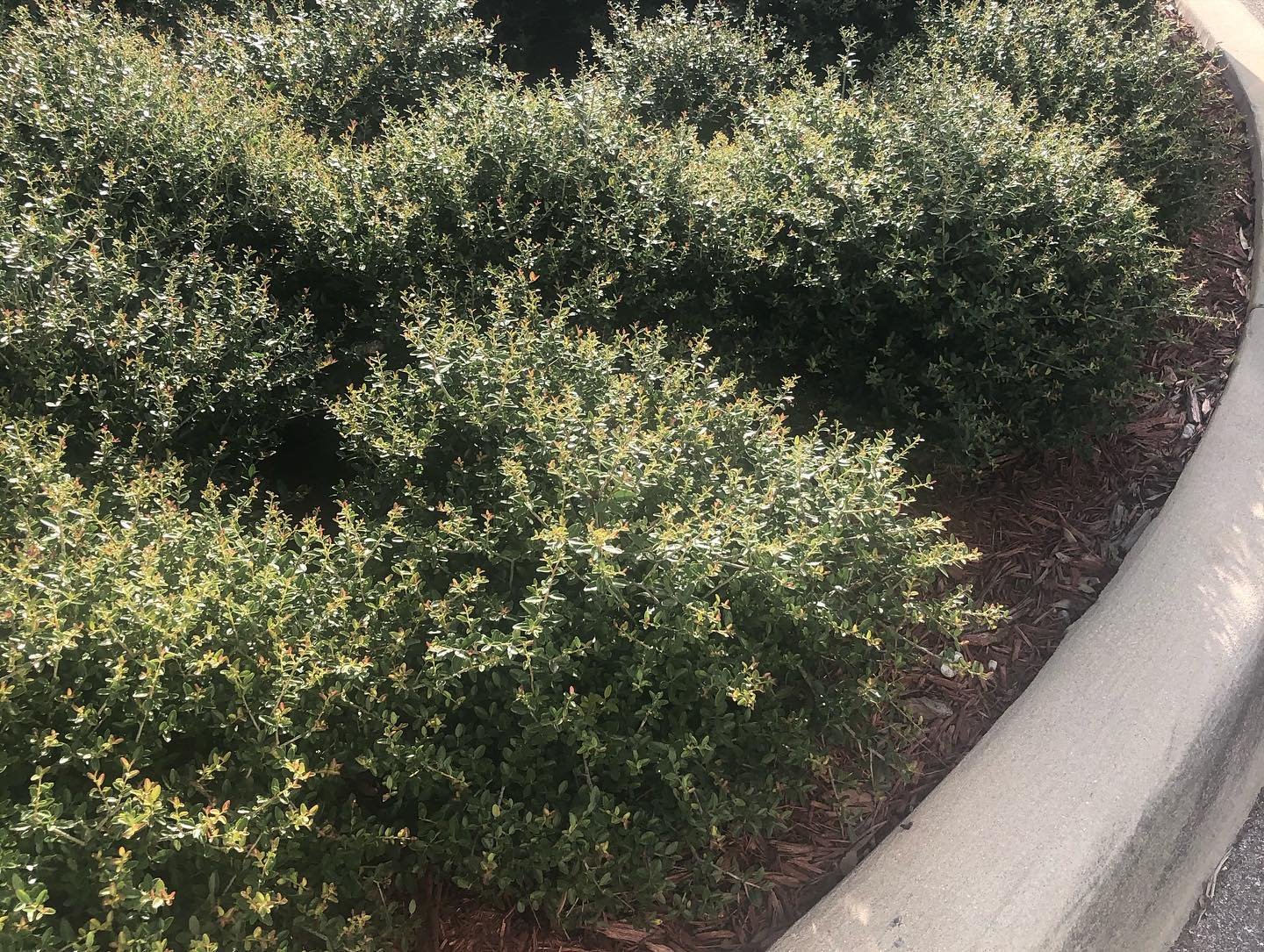
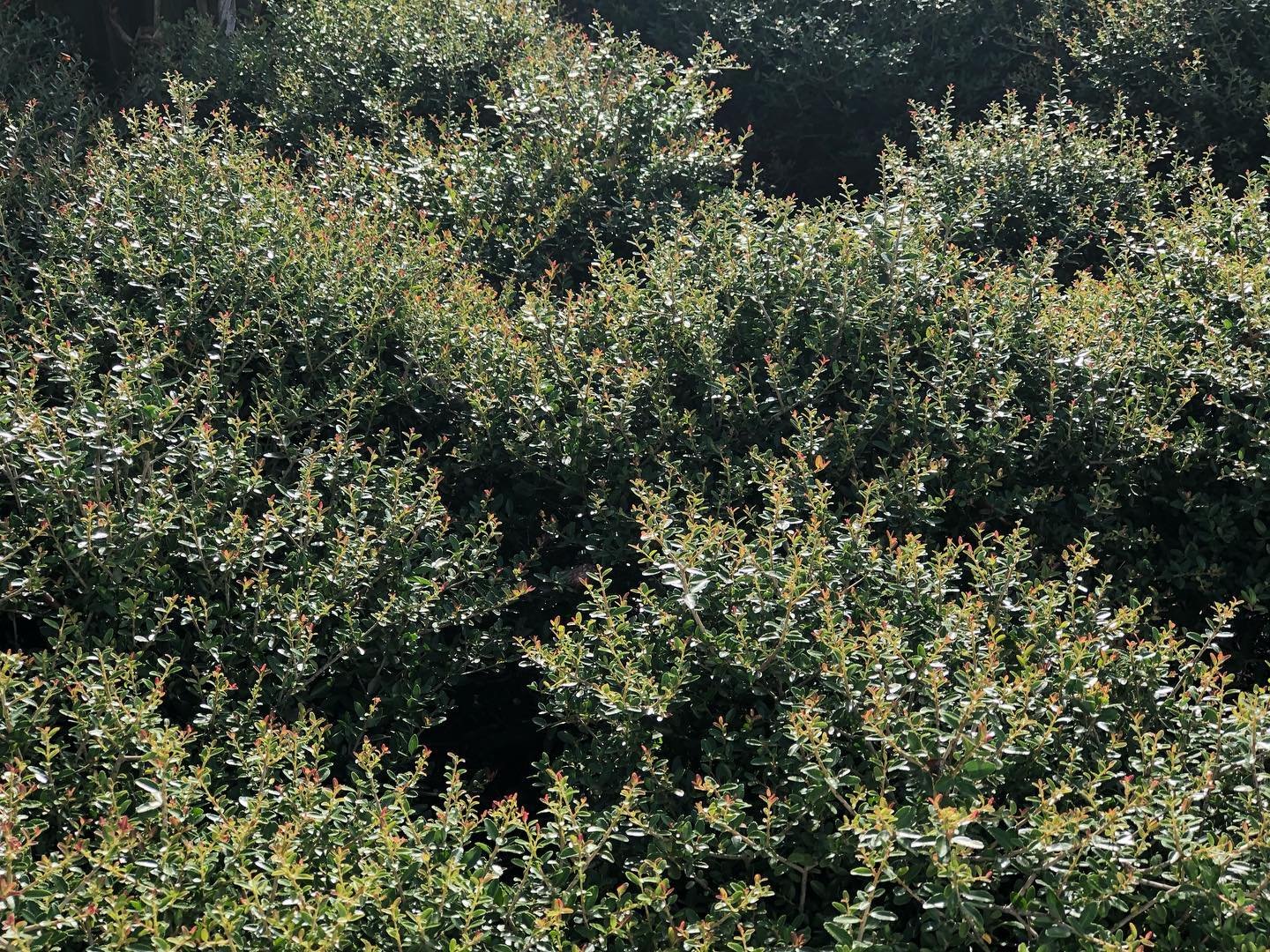
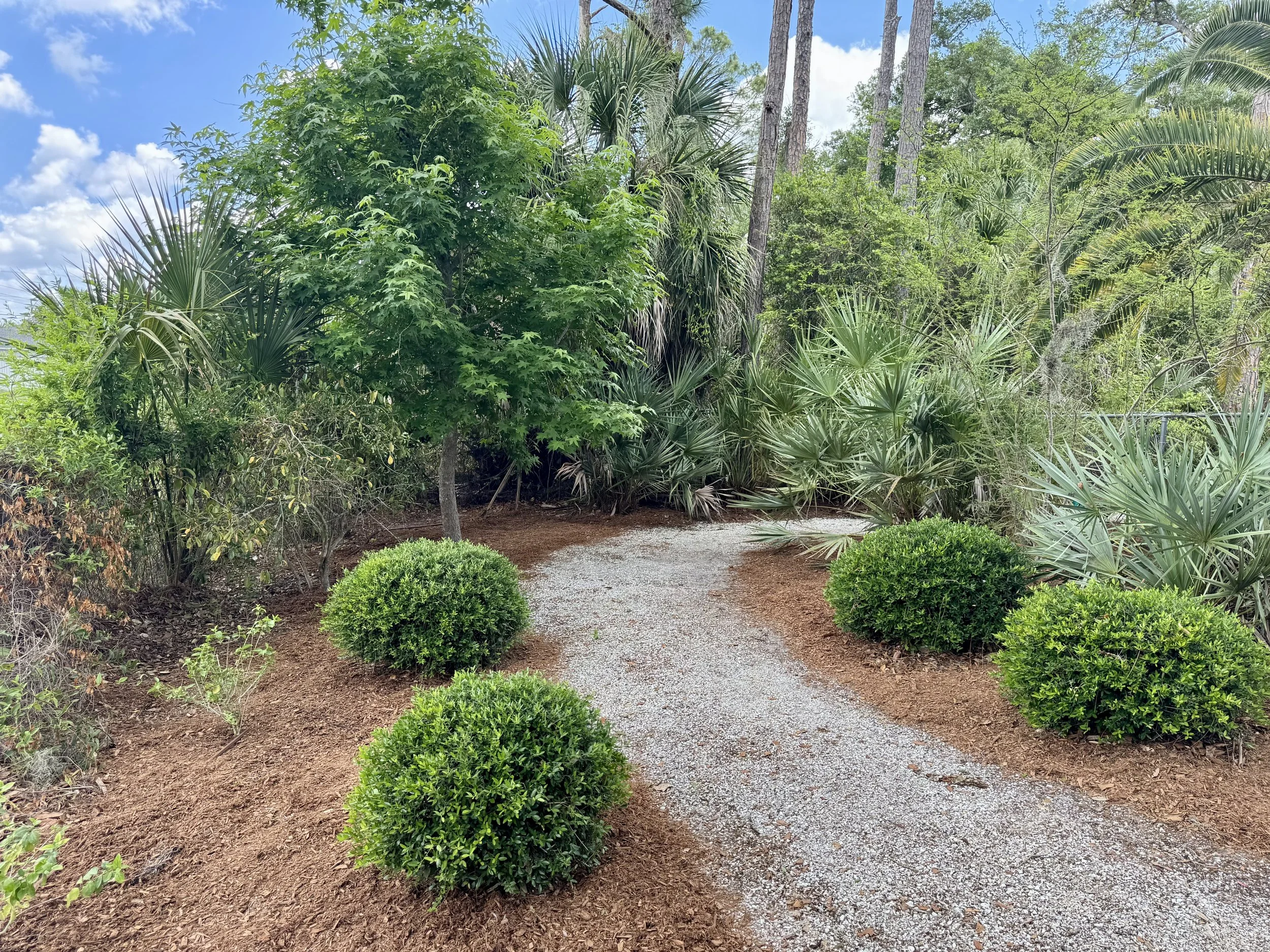
Ilex vomitoria 'Schillings Dwarf'
Dwarf Yaupon Holly is a super hardy and adaptable small shrub that makes a great low growing border or mass planting. It’s easily prunable and it’s full height is 3-4 ft. It does well in full sun to partial shade with dry to moist (well-drained) soils.The dwarf plants are male and produce a flower but no berries, however they help to pollinate female upright Yaupon Hollies and the Yaupon Holly cultivars like Weeping Yaupon Holly.
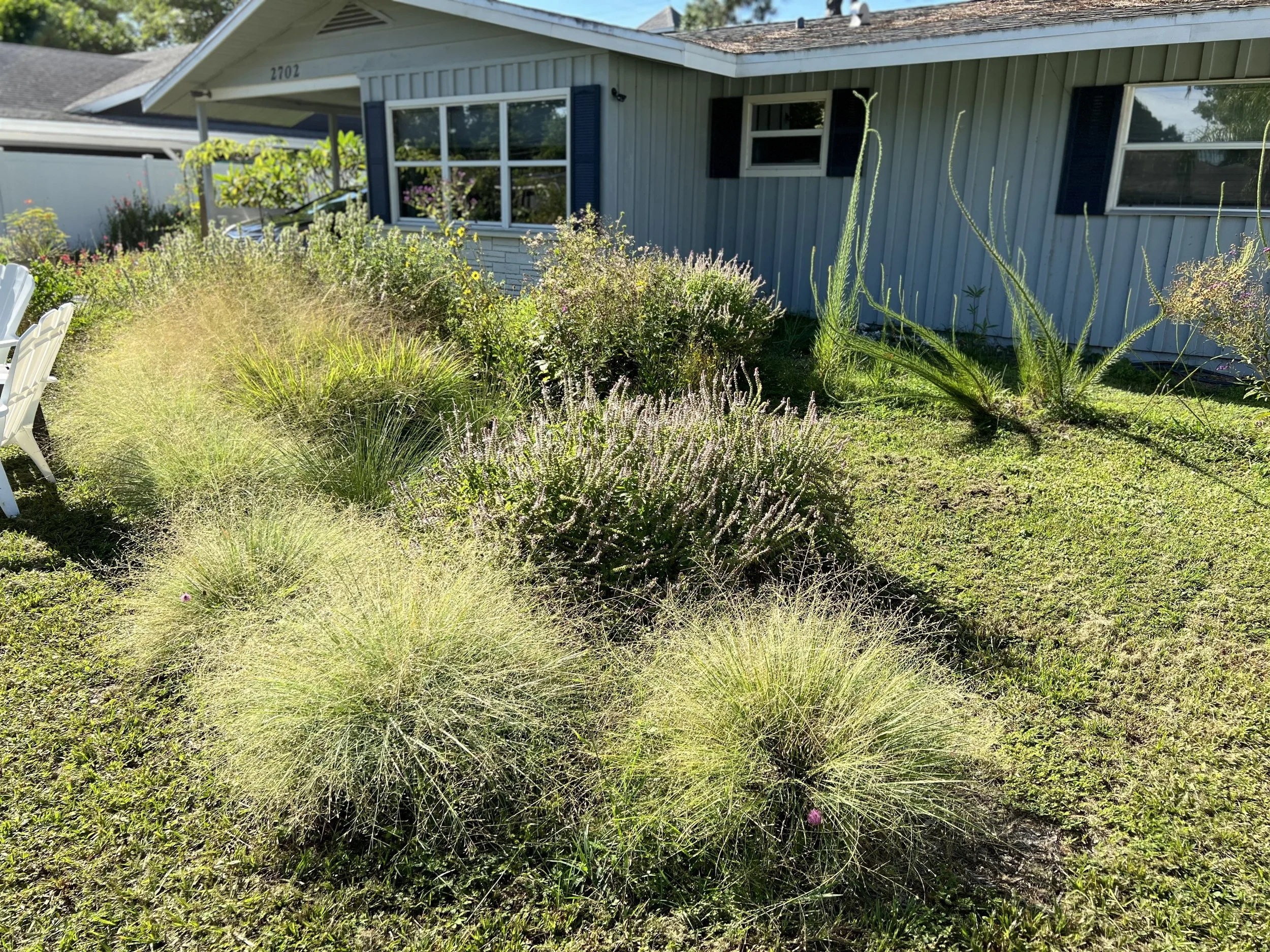
Eragrostis elliotti
Elliott's Lovegrass is a native perennial bunchgrass. This delicate species produces silvery blue-green foliage topped by airy panicles of tiny beige to pinkish flowers that create a billowy, cloud-like appearance when in bloom from late summer through fall. It demonstrates remarkable tolerance to both drought and periodic flooding with fresh water and salt-wind spray. This re-seeding and adaptable grass thrives in sandy, low-nutrient soils and provides excellent texture and late-season interest for naturalized plantings.
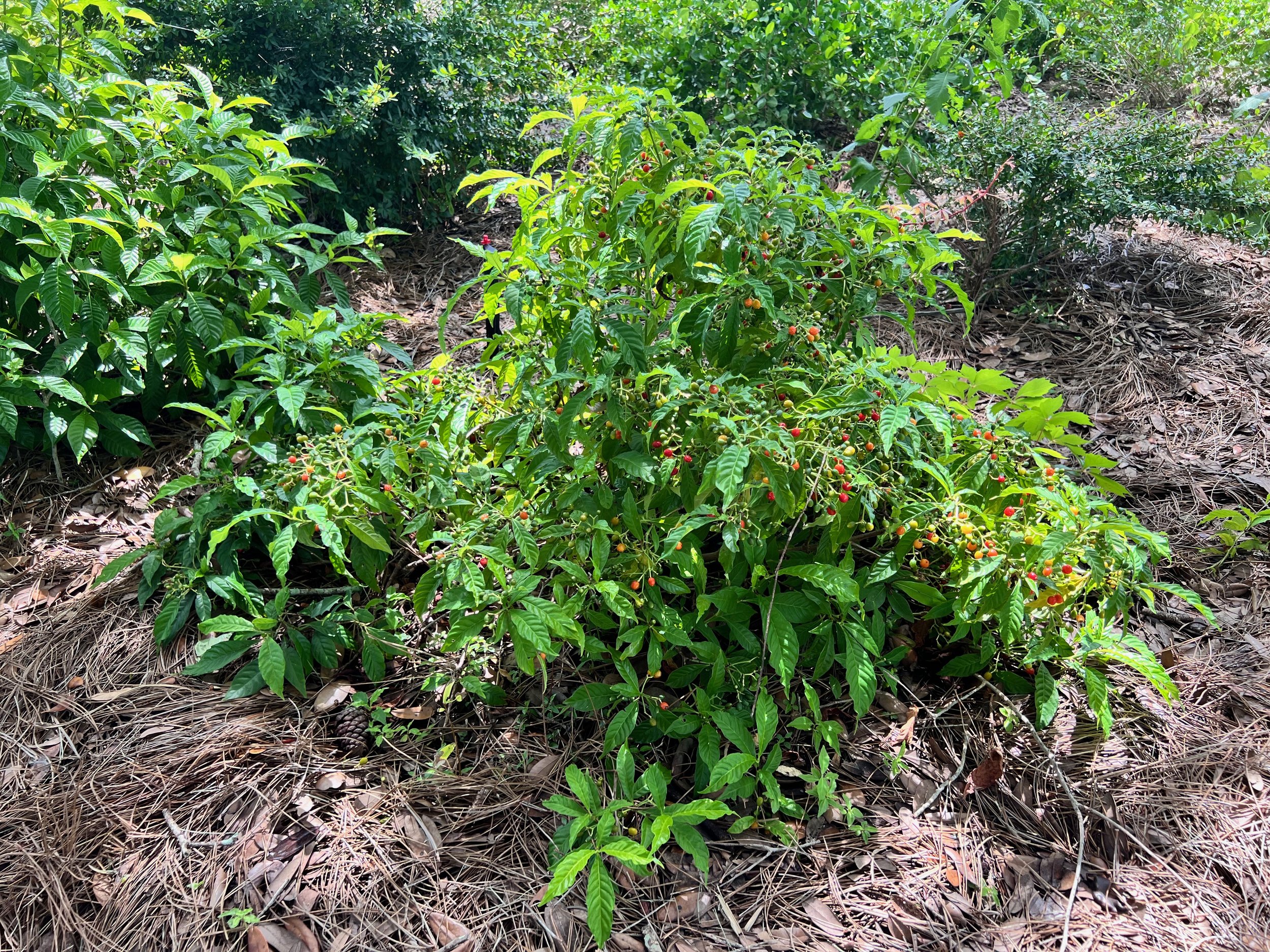

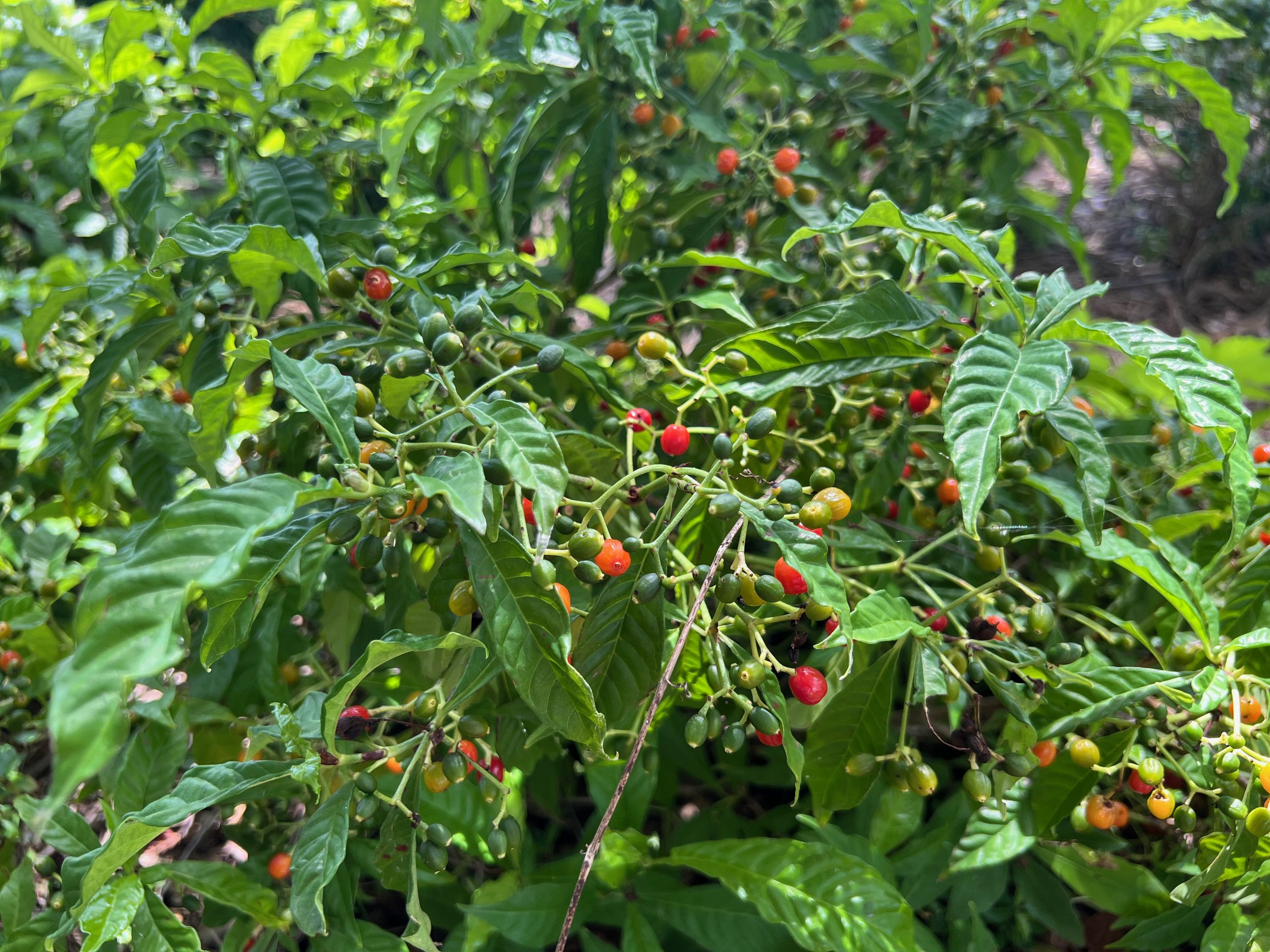
Psychotria nervosa
This evergreen native shrub is loved by pollinators and birds. Staying small at 2' or shorter, Extra Dwarf Wild Coffee is perfect as a low ground cover in shady areas, under oaks or as a border plant. Flowers bloom through summer turning into red berries in fall and winter.
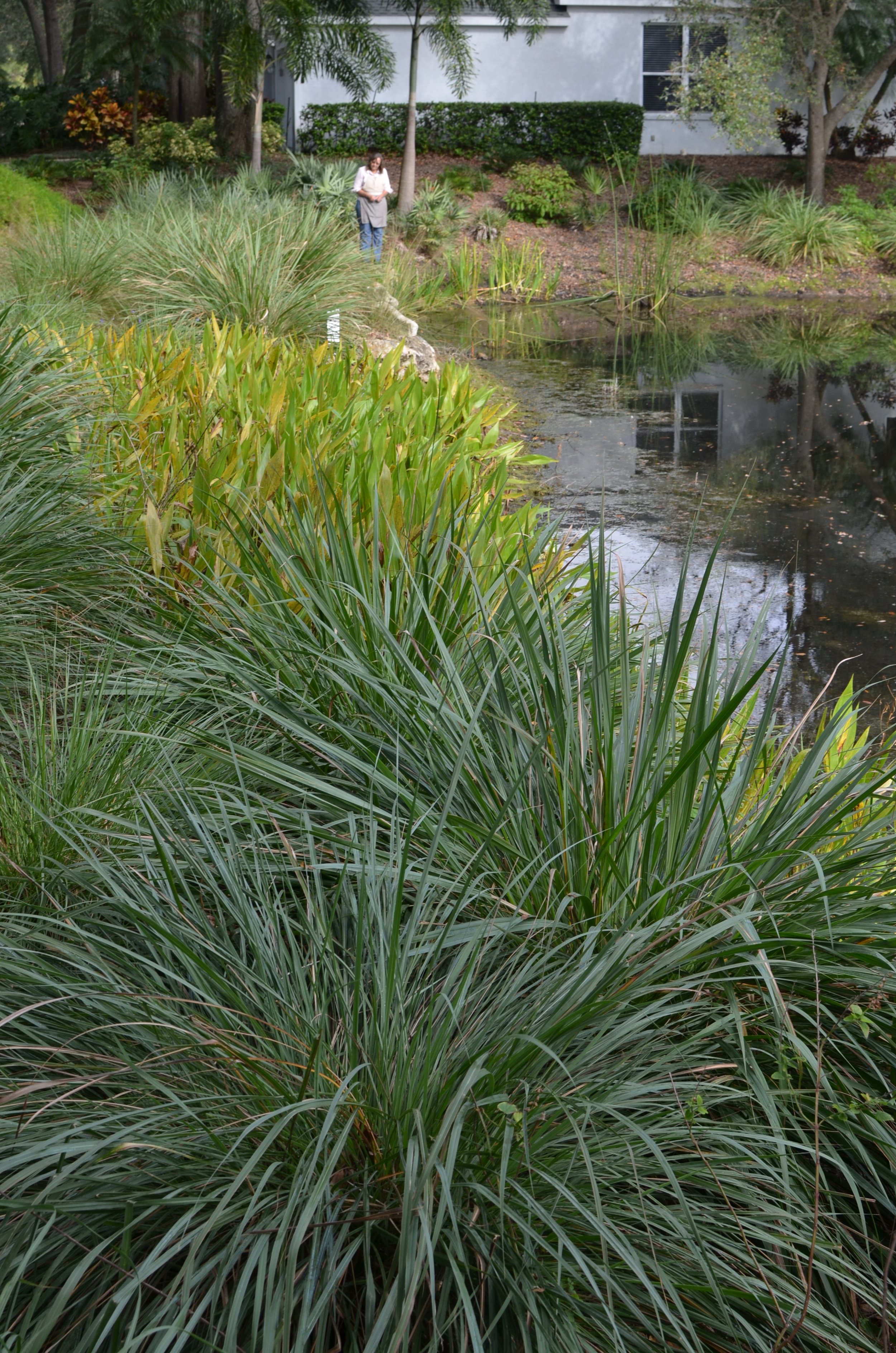
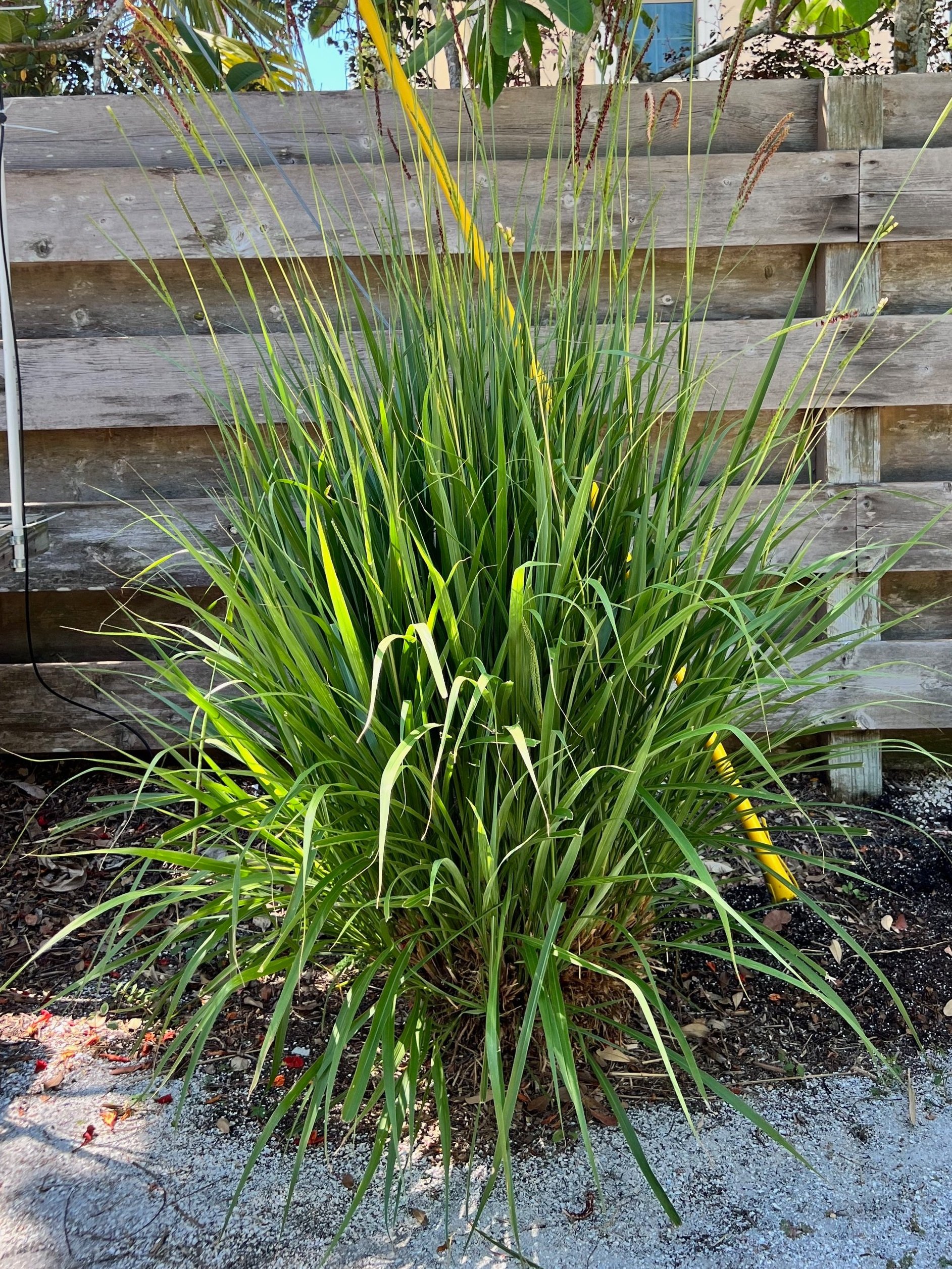
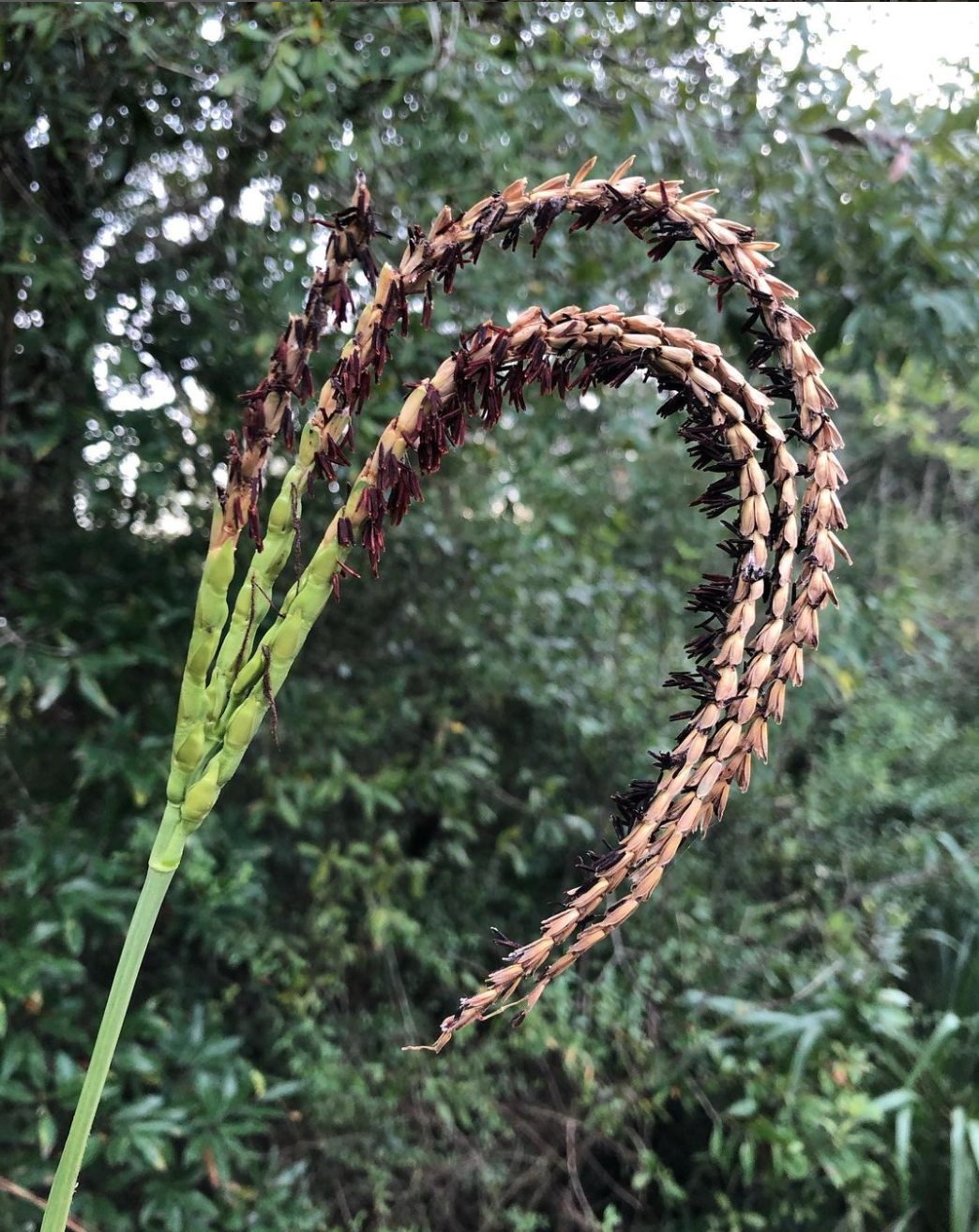
Tripsacum dactyloides
Fakahatchee Grass is a large Florida-native ornamental grass with dense, clumping foliage that can reach 4’-6’. It does well in full sun to partial shade with average to moist soil. Perfect for rain gardens, borders, and erosion control, this grass produces graceful, spiky foliage and unique, showy flower spikes. The foliage provides shelter for birds and small mammals, the seeds are a food source for many birds, and the foliage is a larval host for several Skipper butterflies.


Ruellia caroliniana
Petunia’s are a beloved household wildflower that grows and reseeds prolifically in Florida. Often dappling the floors of woodlands and forests, this wildflower likes average to moist soils with dappled sunlight to full shade. It attracts many pollinators but is favored by bees.
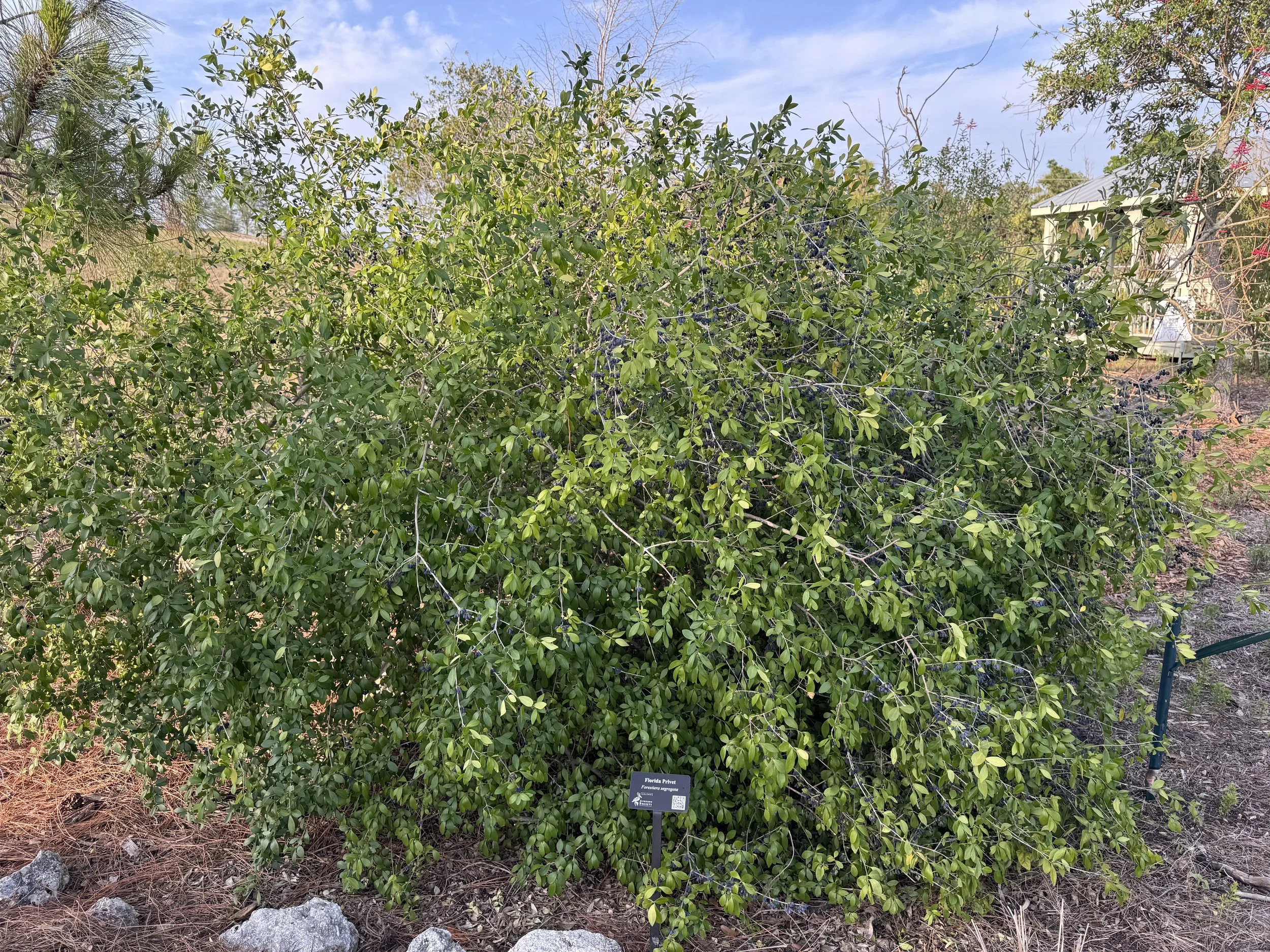
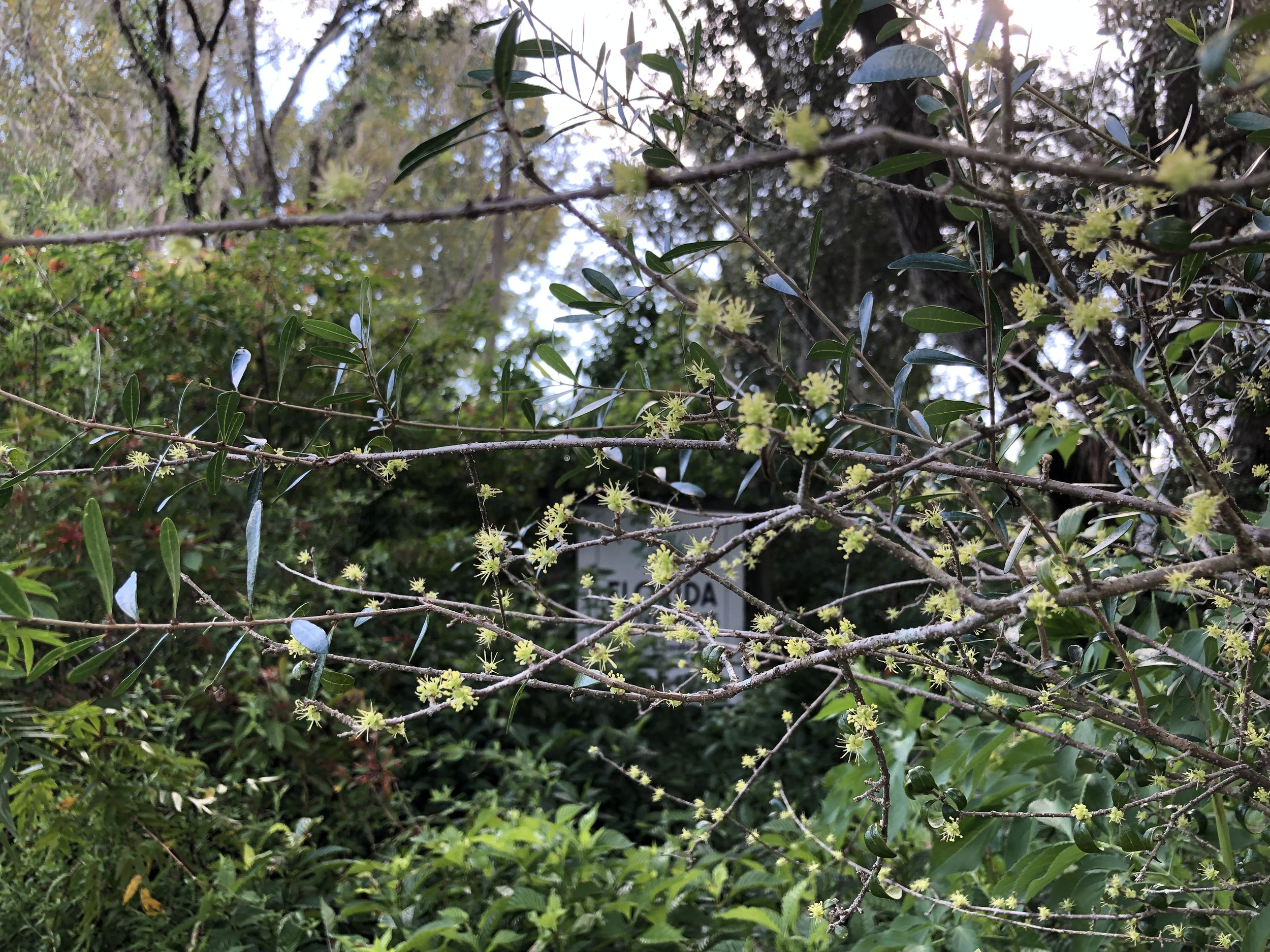
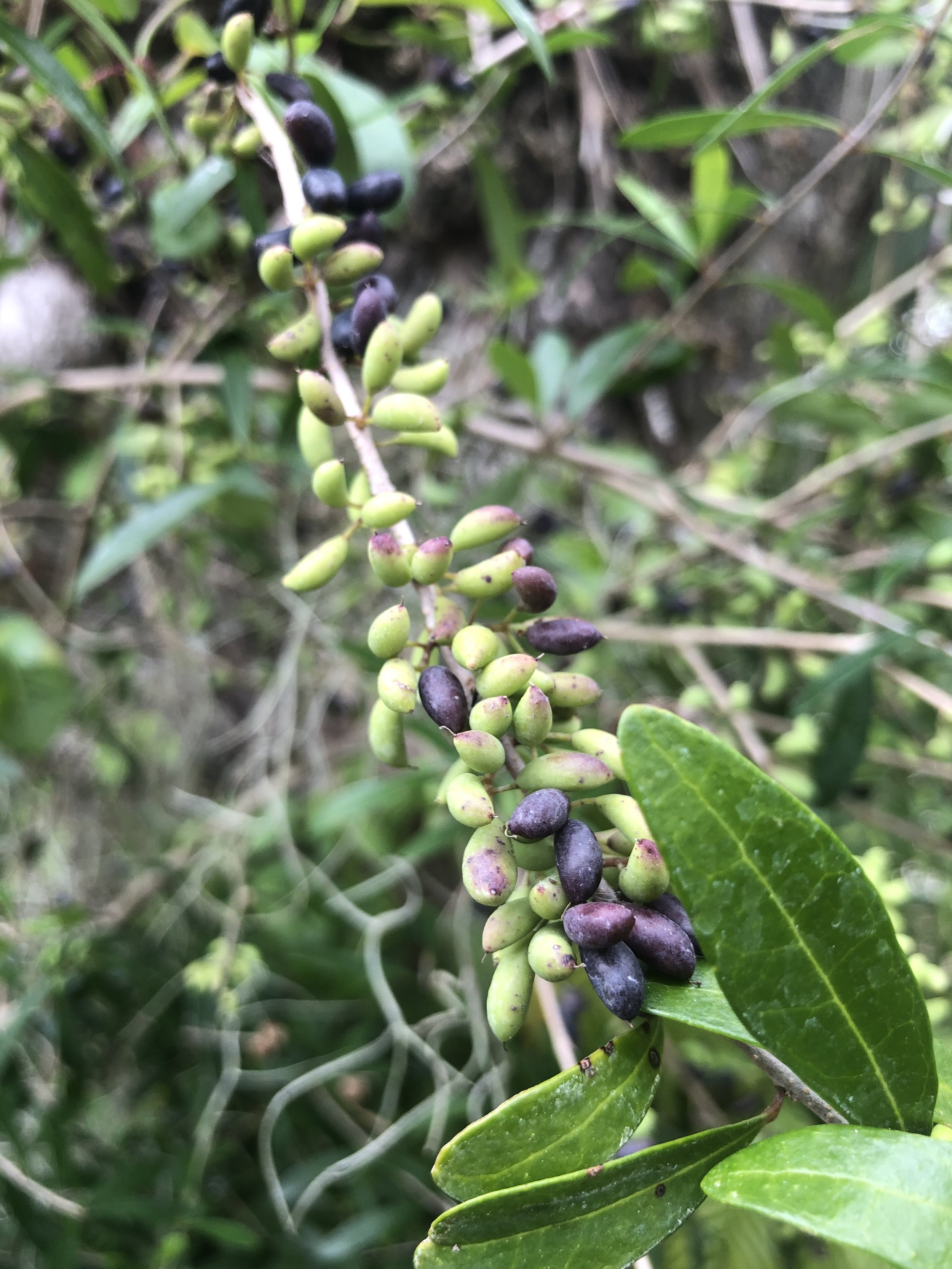
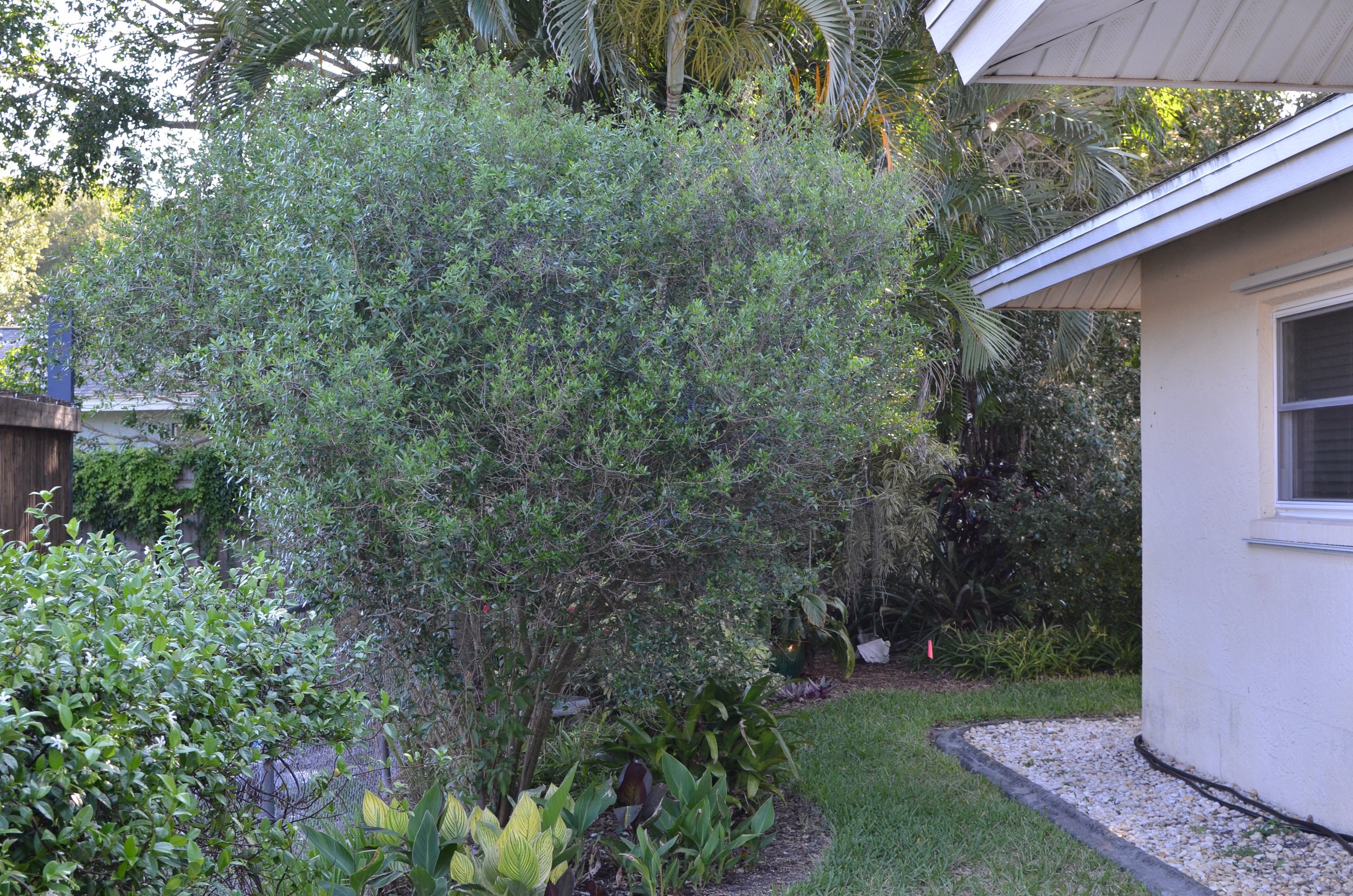
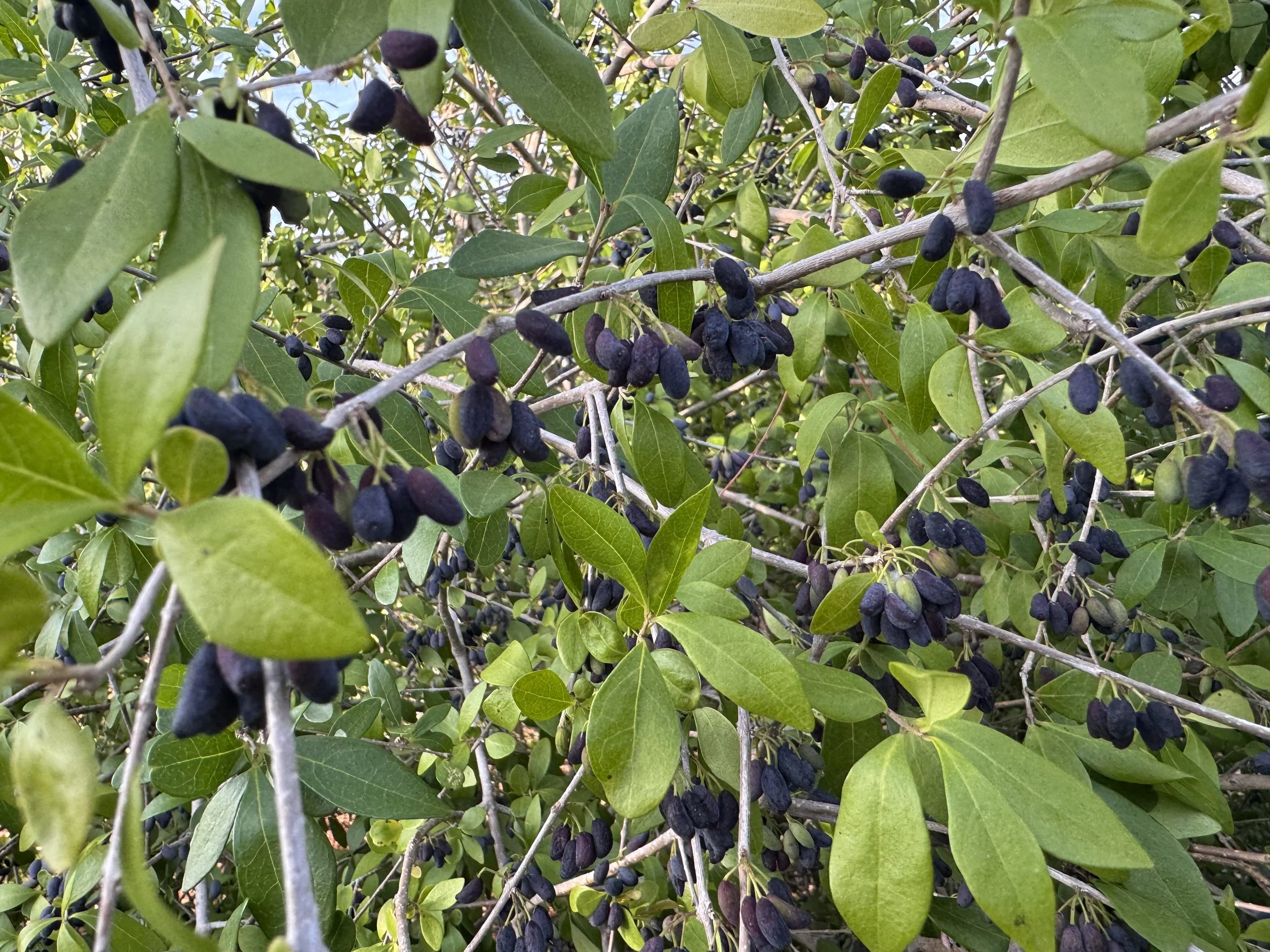
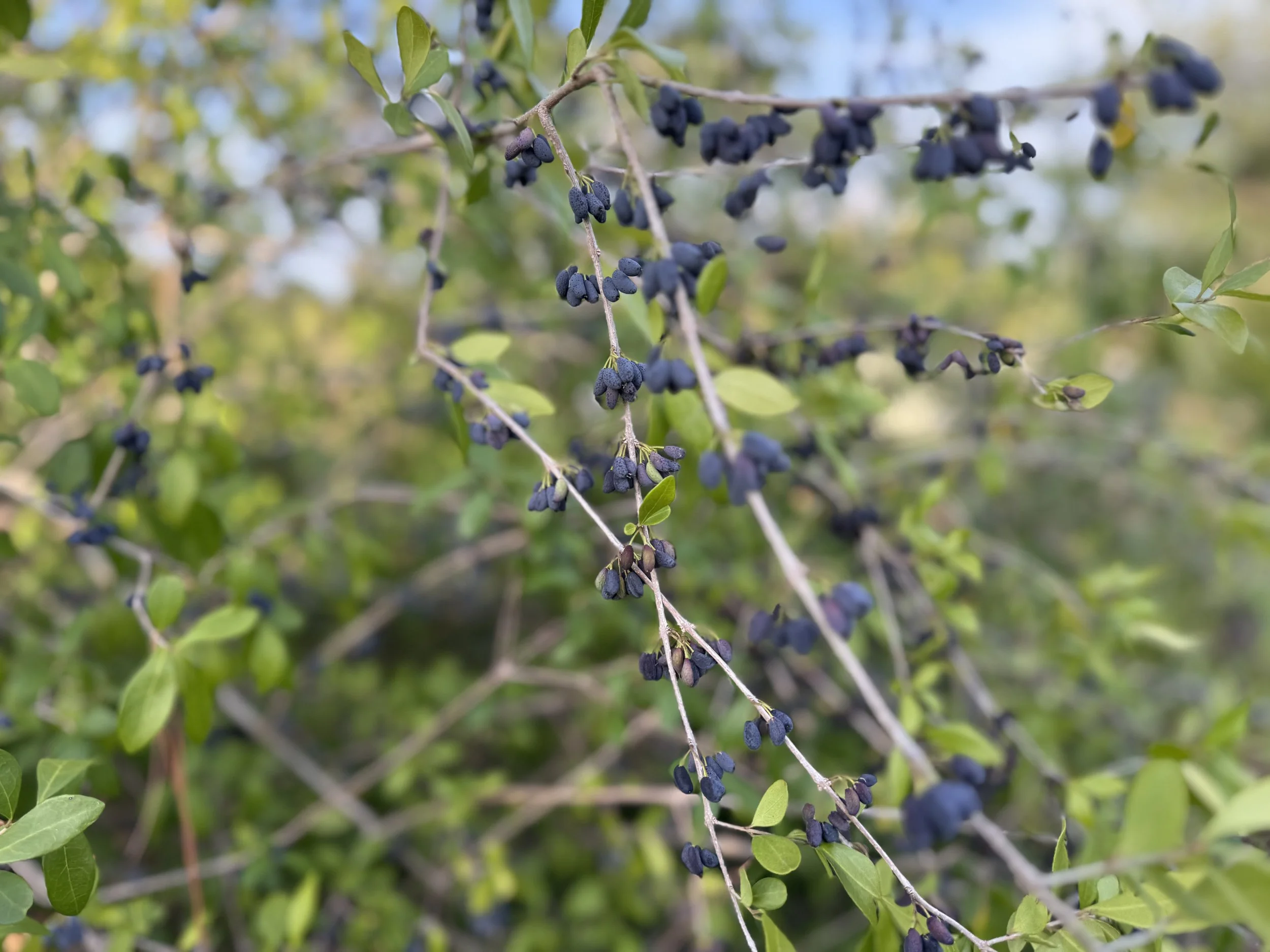
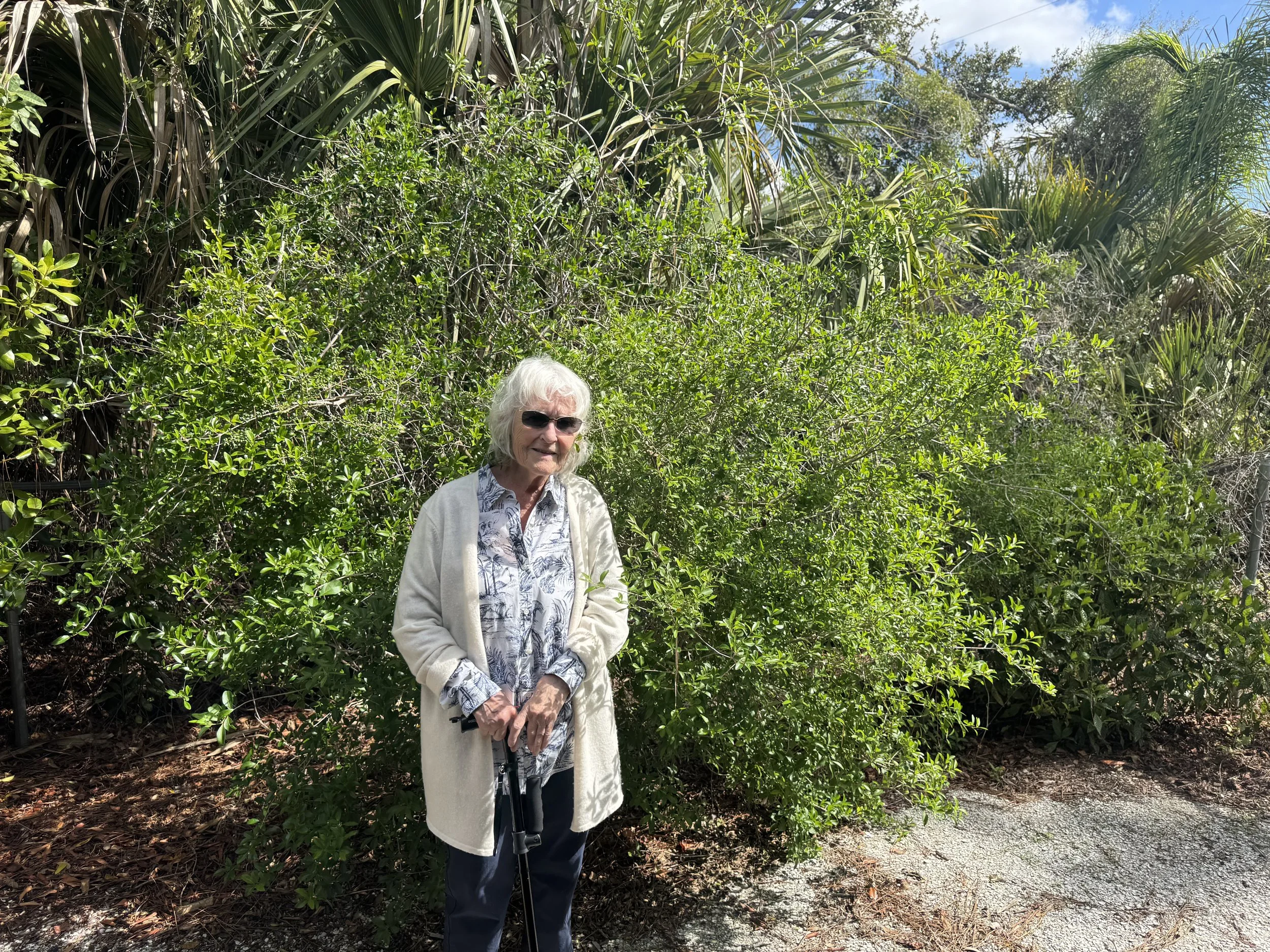
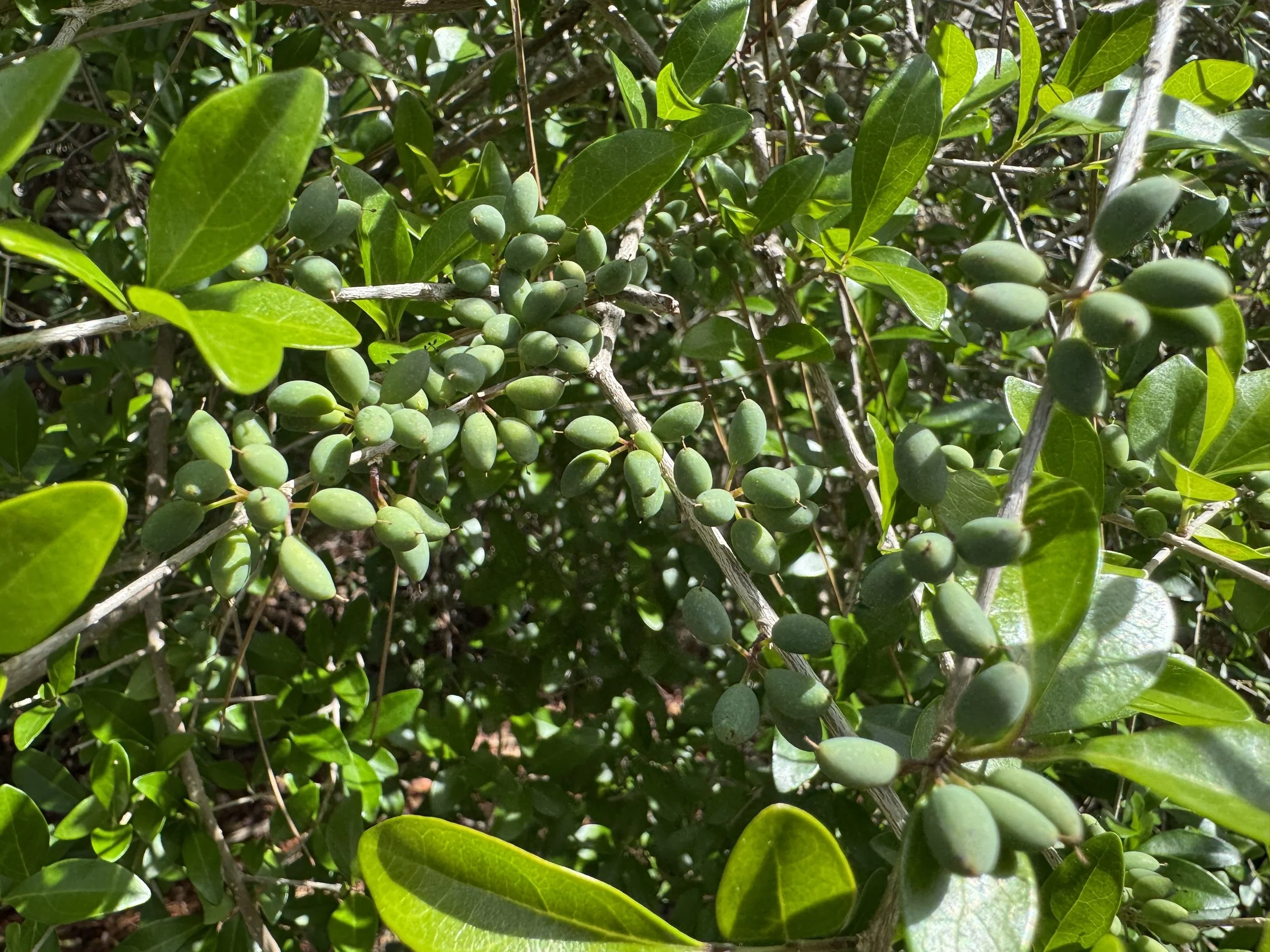
Forestiera segregata
Florida Privet is a versatile native evergreen shrub that typically grows up to 15’t tall and 10’ wide. It is highly adaptable and easy to maintain, as it responds well to pruning and can be kept as a formal hedge or a small specimen tree. It thrives in full sun to light shade and prefers average to dry, well-drained soils.
This hardy shrub is exceptionally salt-tolerant, making it an ideal choice for coastal landscapes. Beyond its greenery, it provides essential habitat and food for local wildlife; its small flowers attract pollinators, while the dark berries serve as a valuable food source for birds.
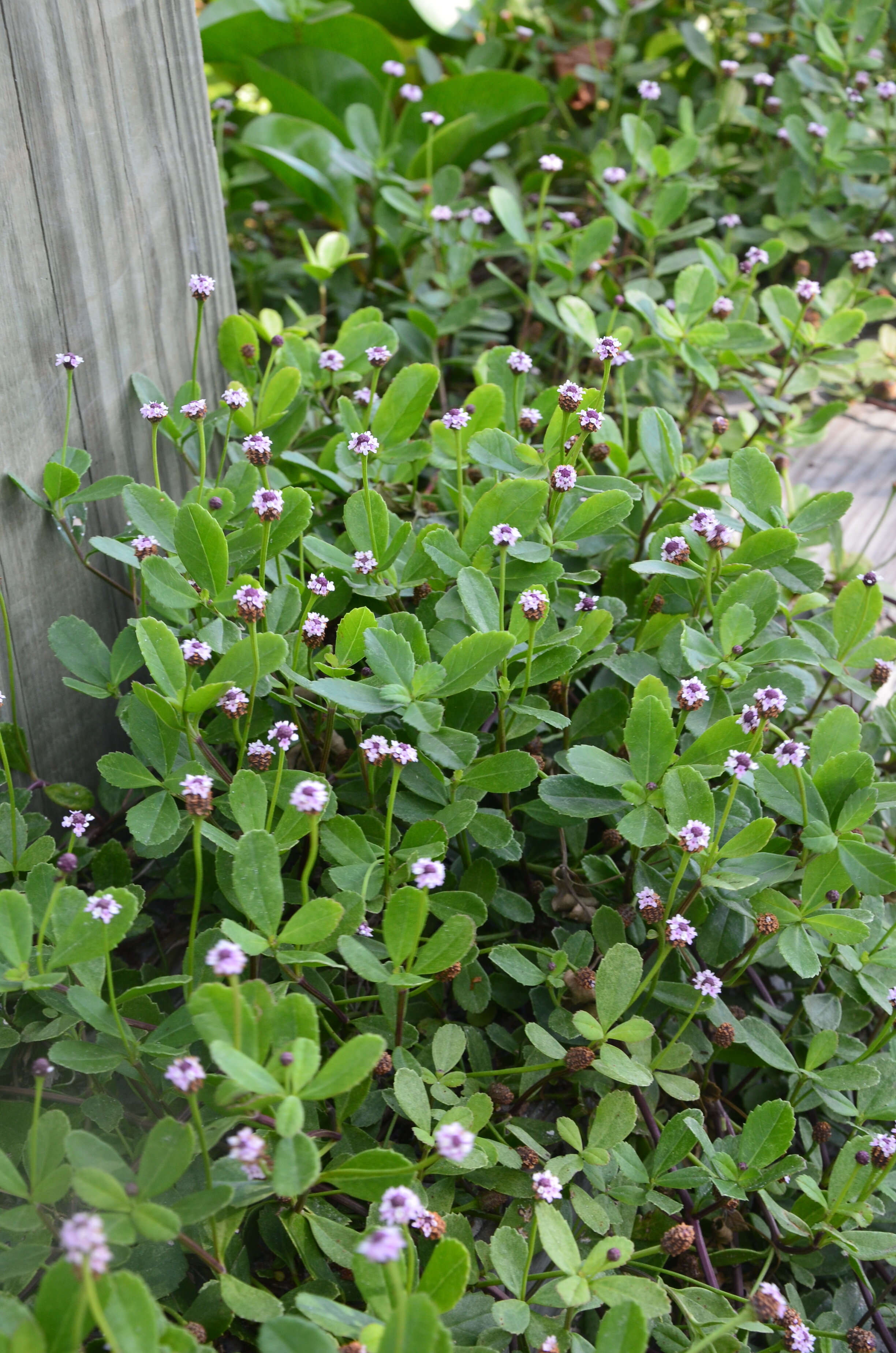
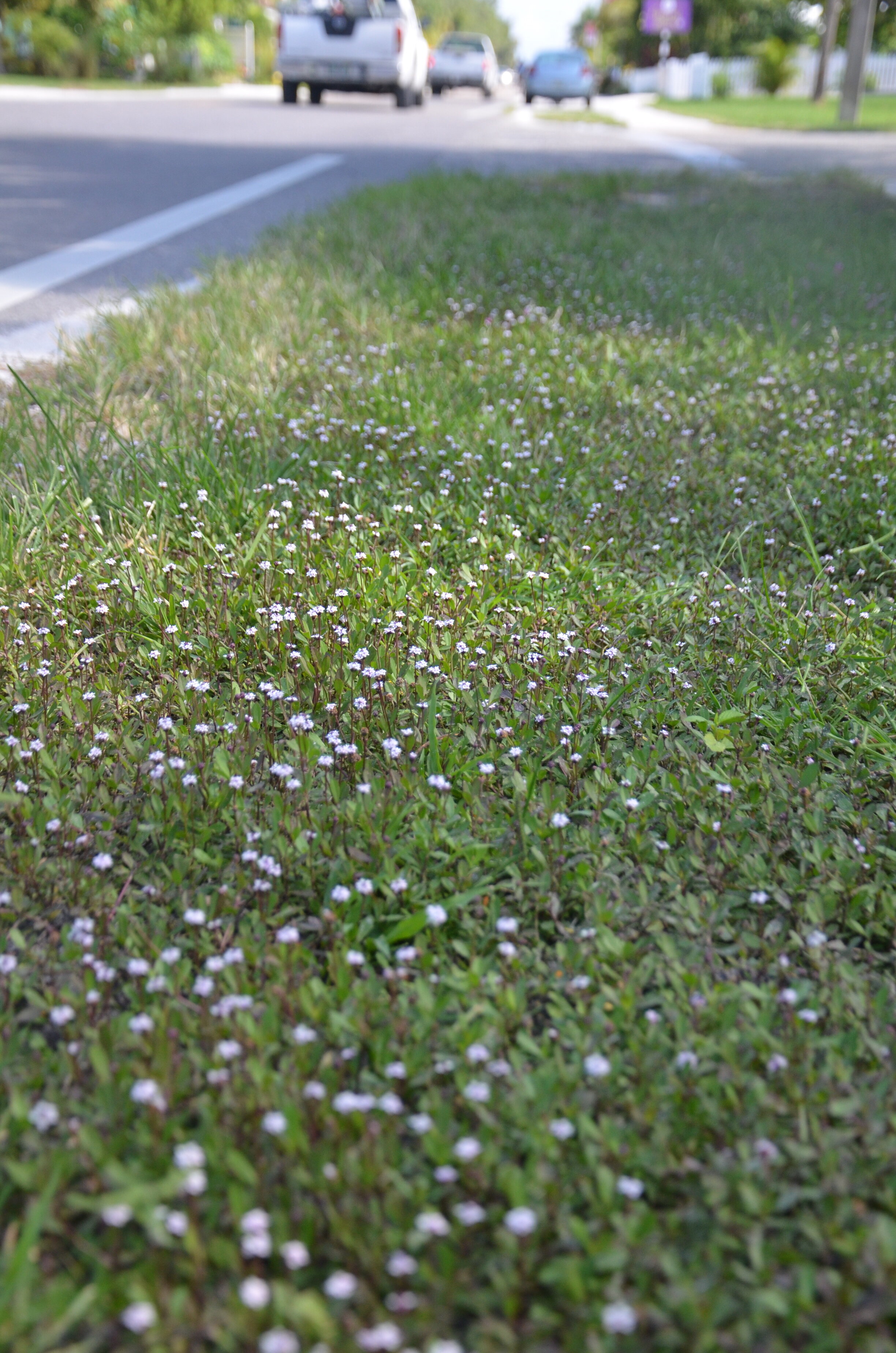
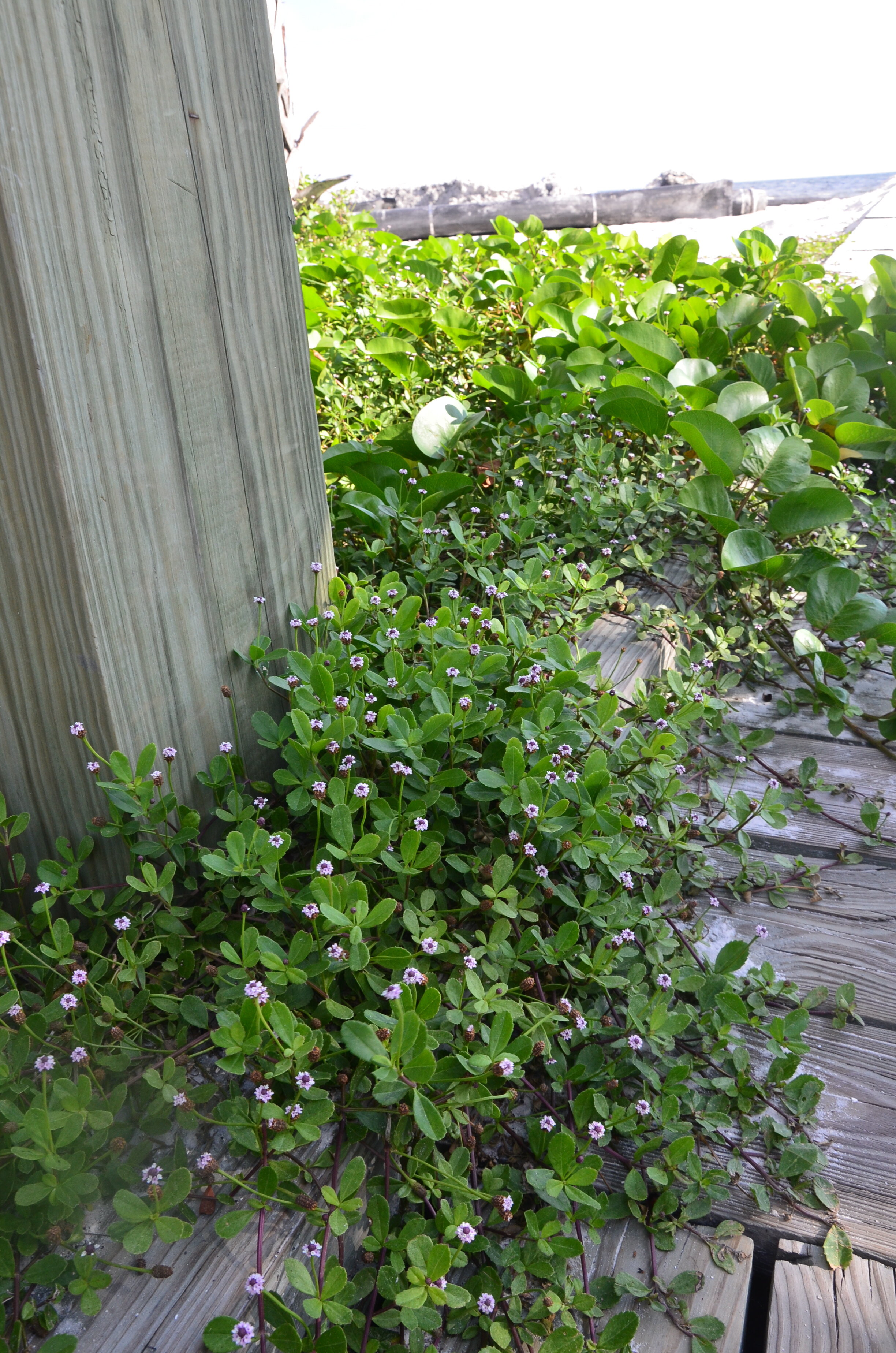
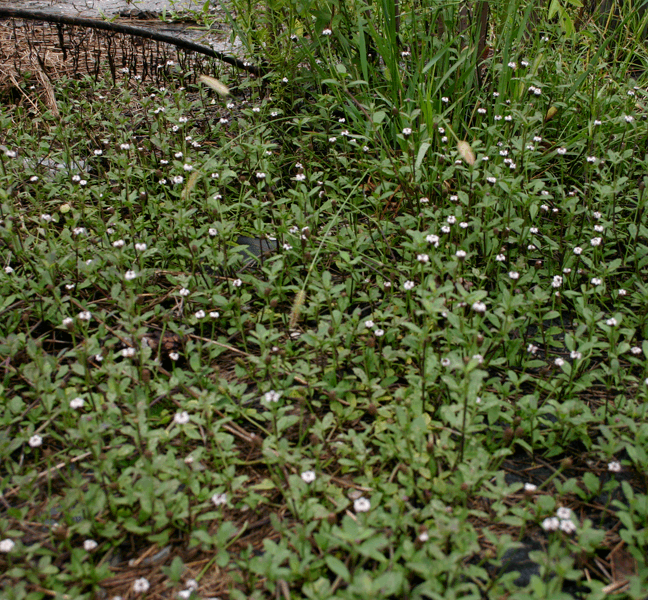
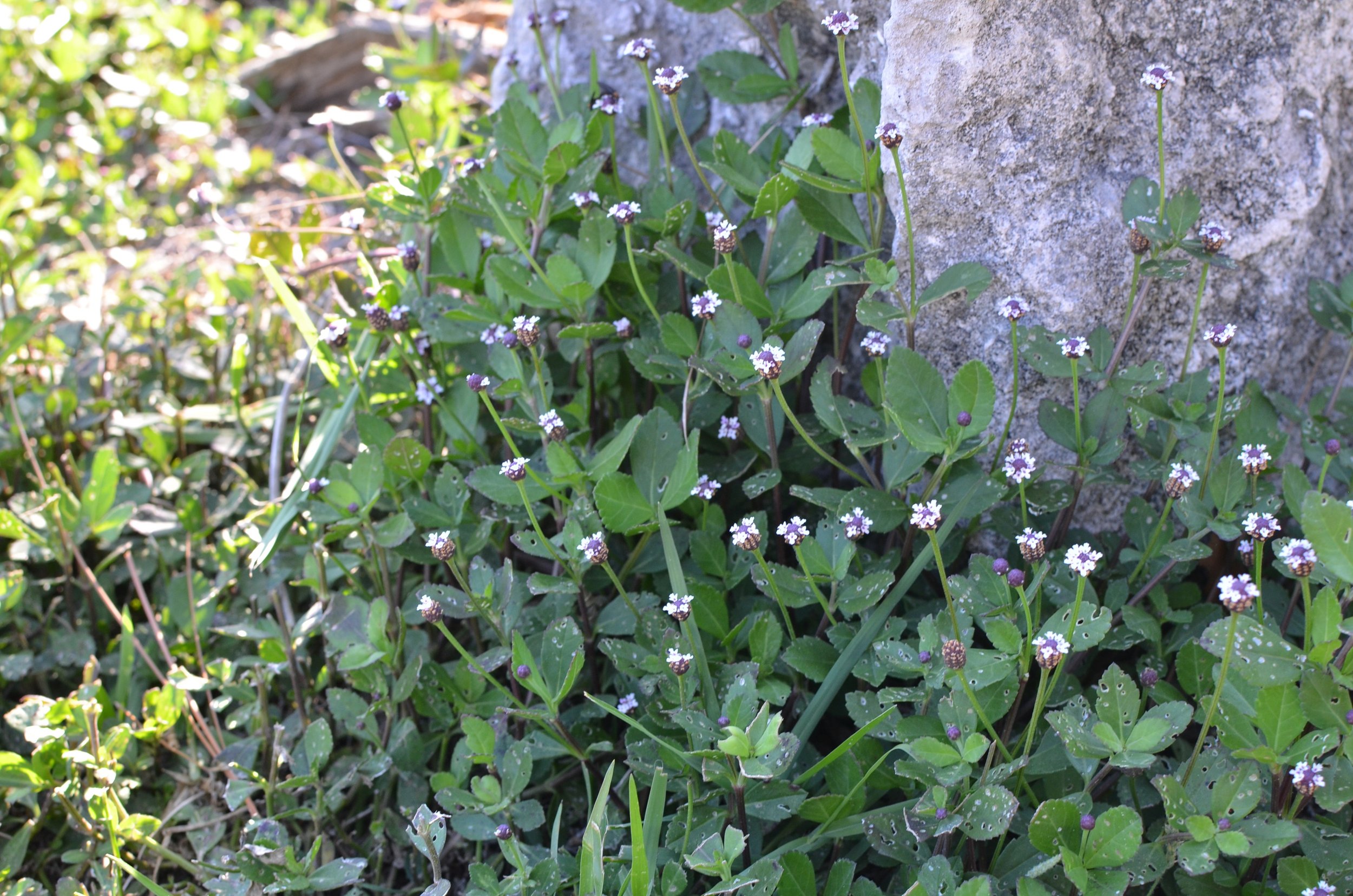
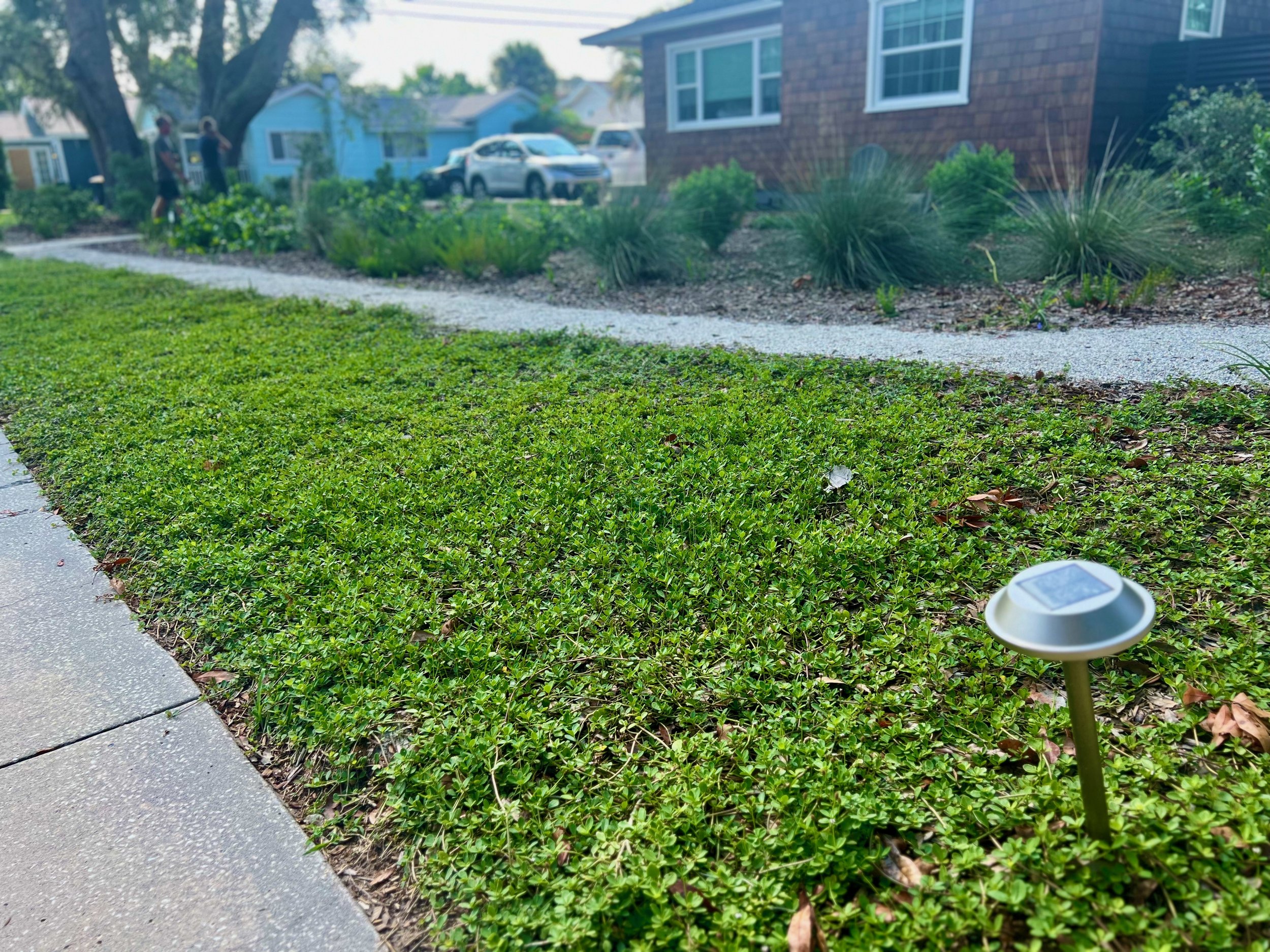
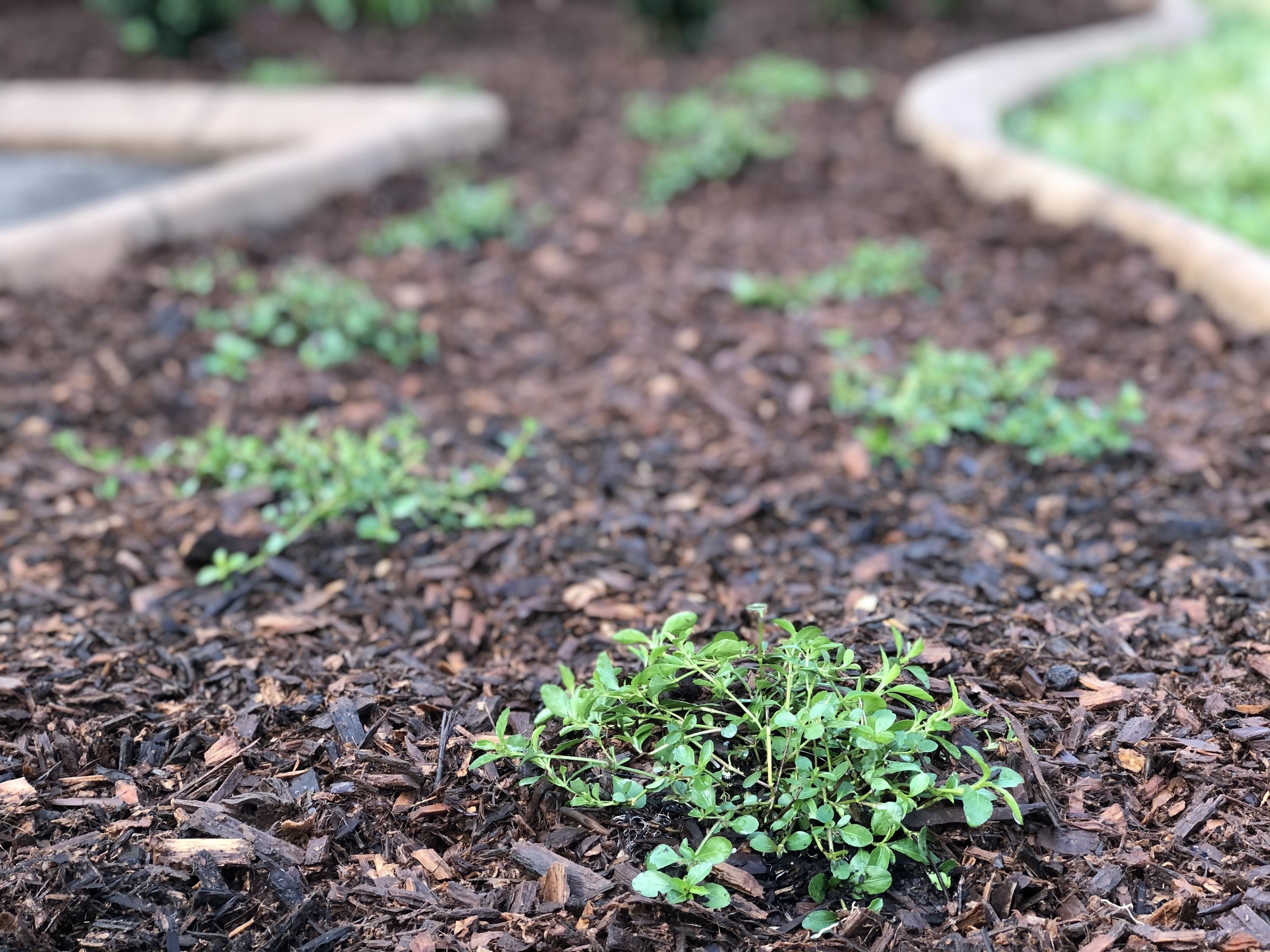
Phyla nodiflora
One of our favorite native plant “lawn alternatives,” Frogfruit is a low growing, perennial evergeen groundcover that grows in full sun to partial shade and in dry to moist soils. Frogfruit is highly salt-tolerant, fast growing, mow-able and lightly walk-able. It’s also an important host plant to the Phaon Crescent, White Peacock and Common Buckeye butterflies and is a nectar source pollinators including hummingbirds.
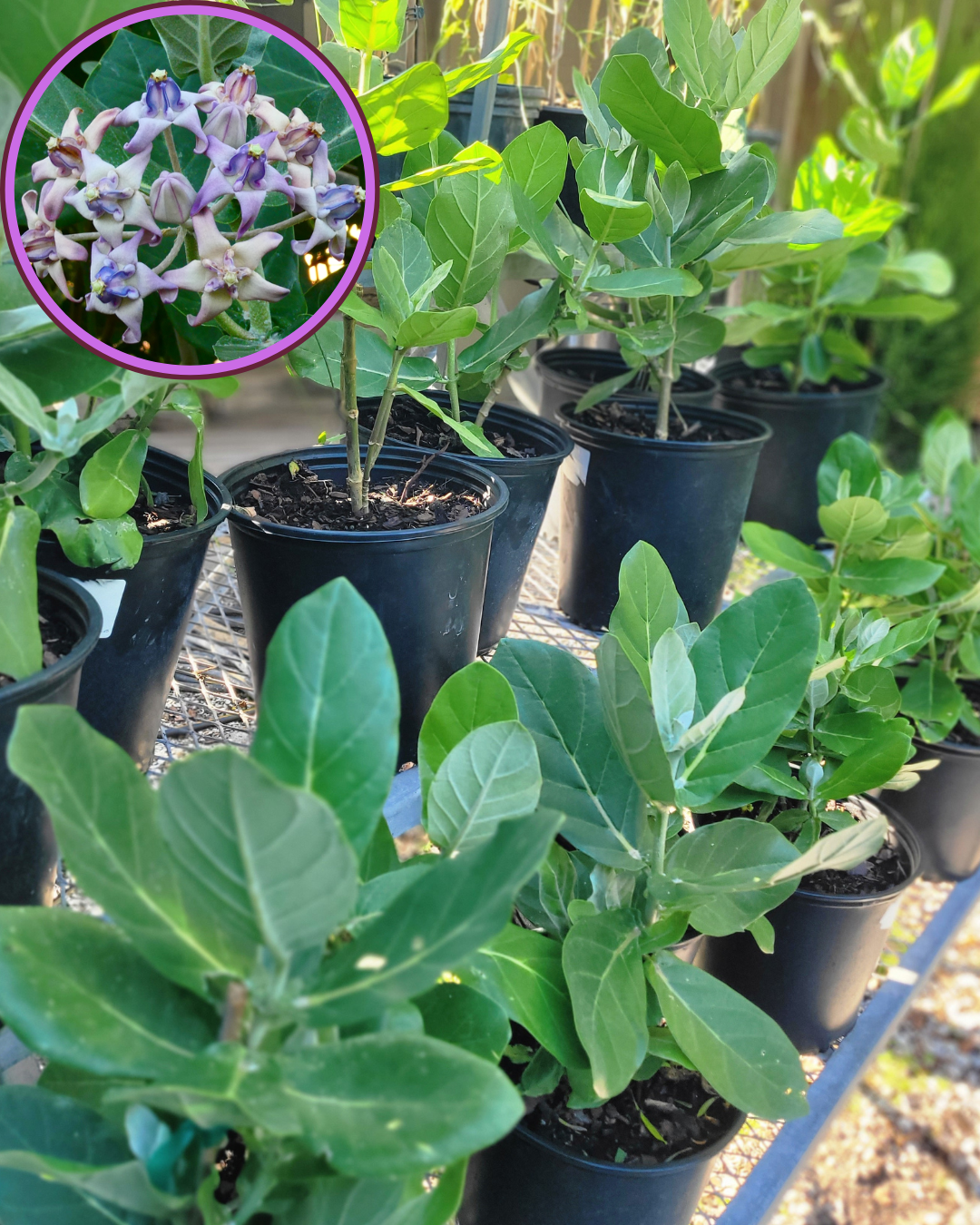
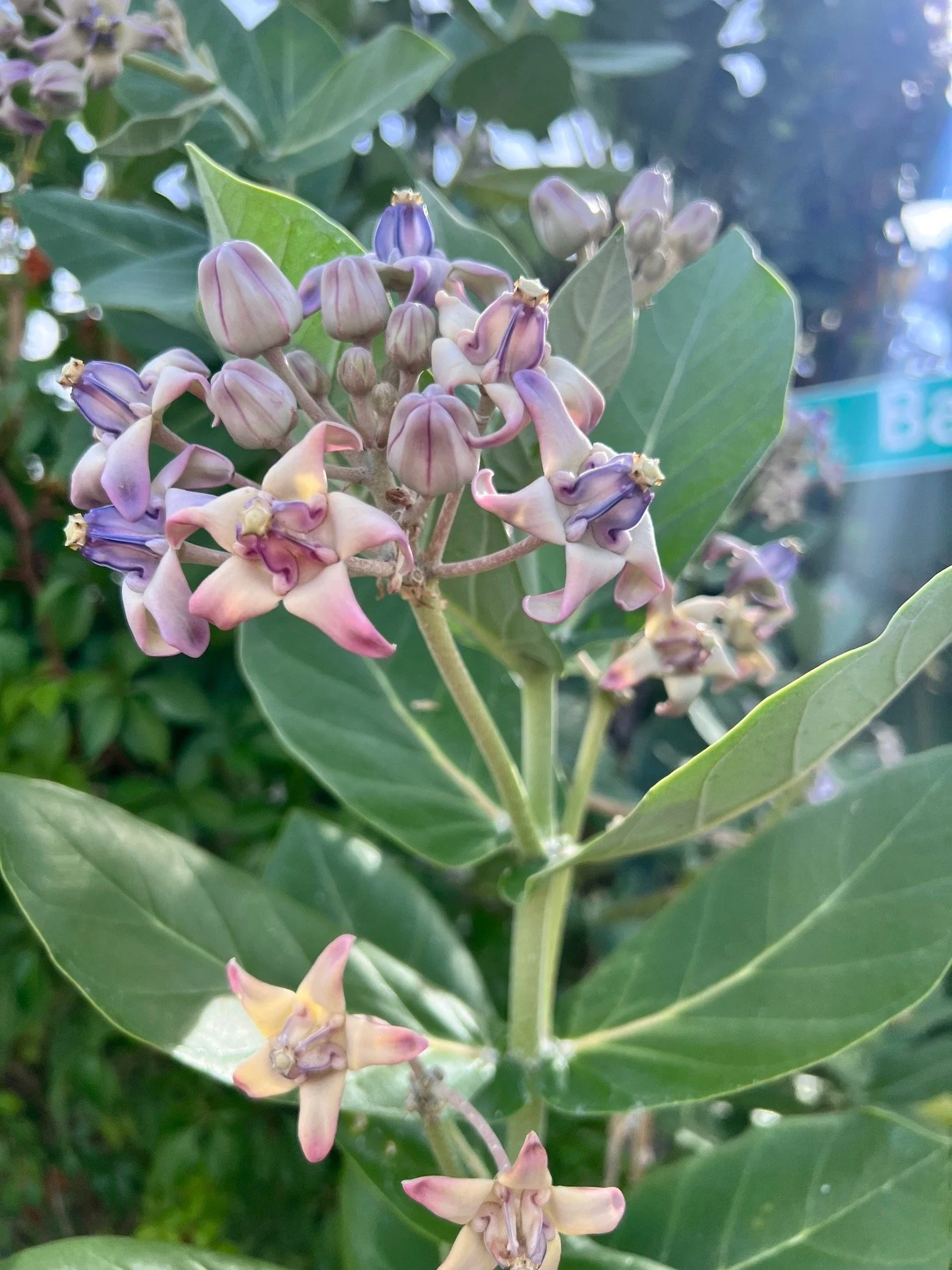
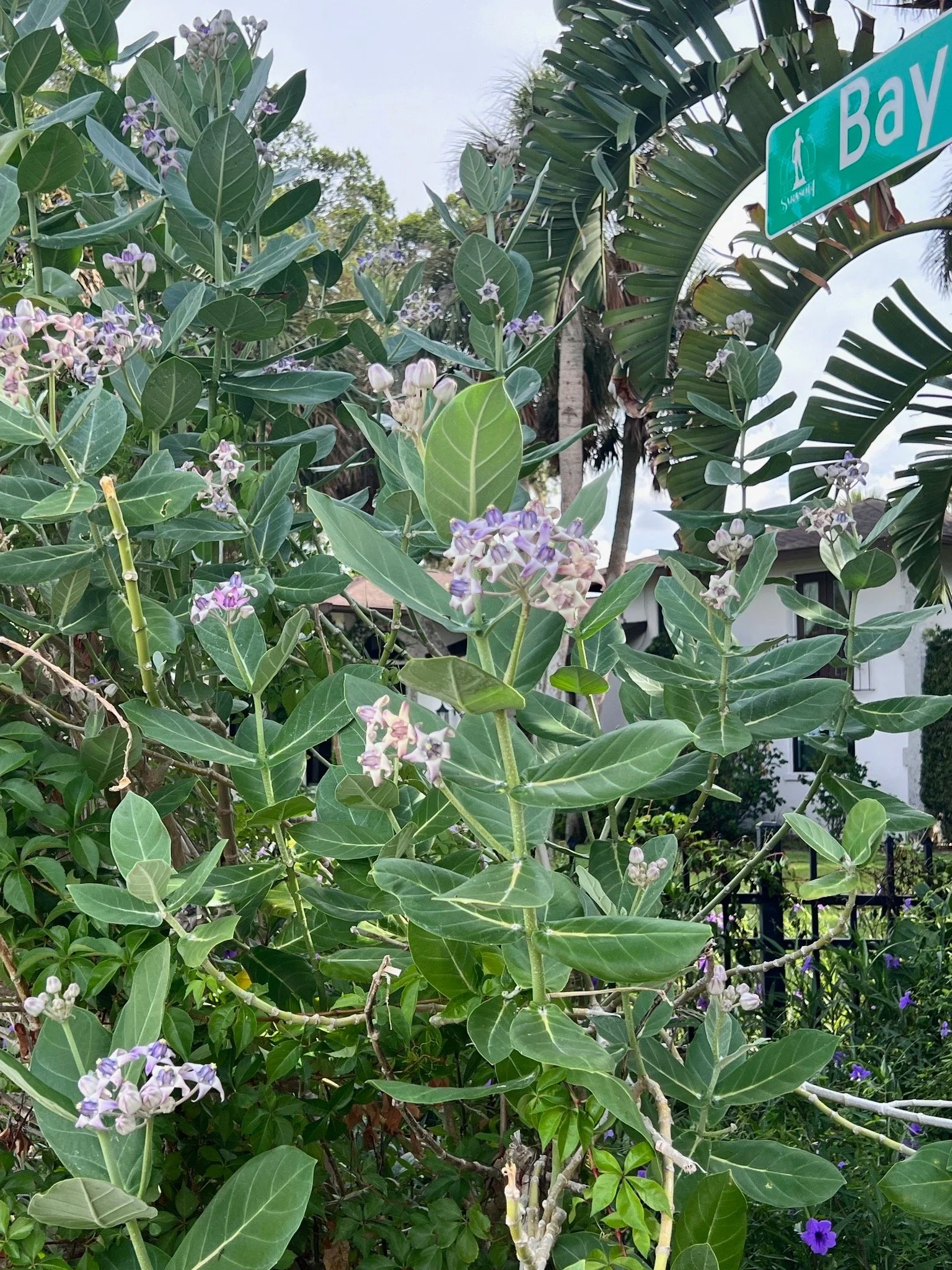
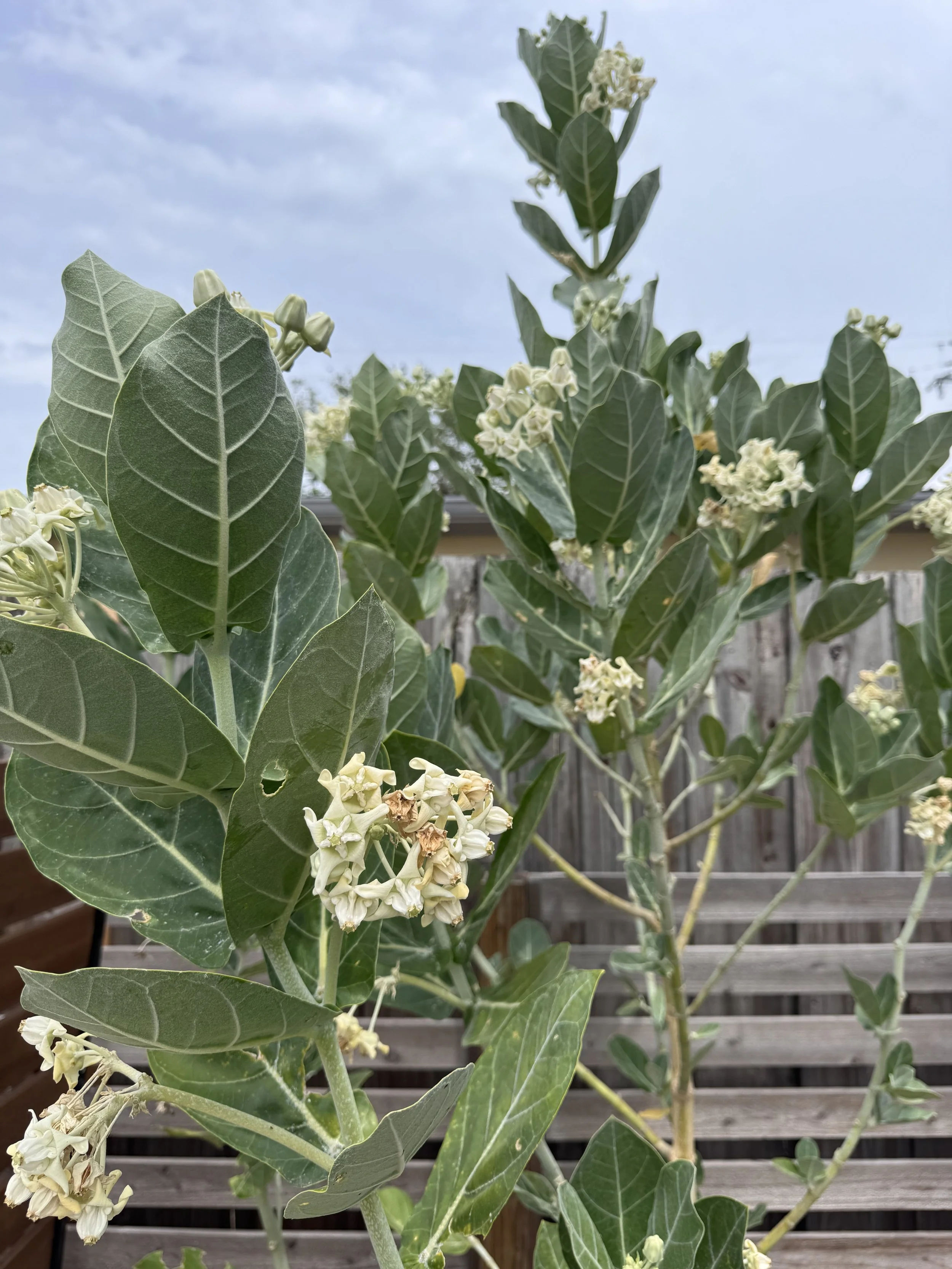
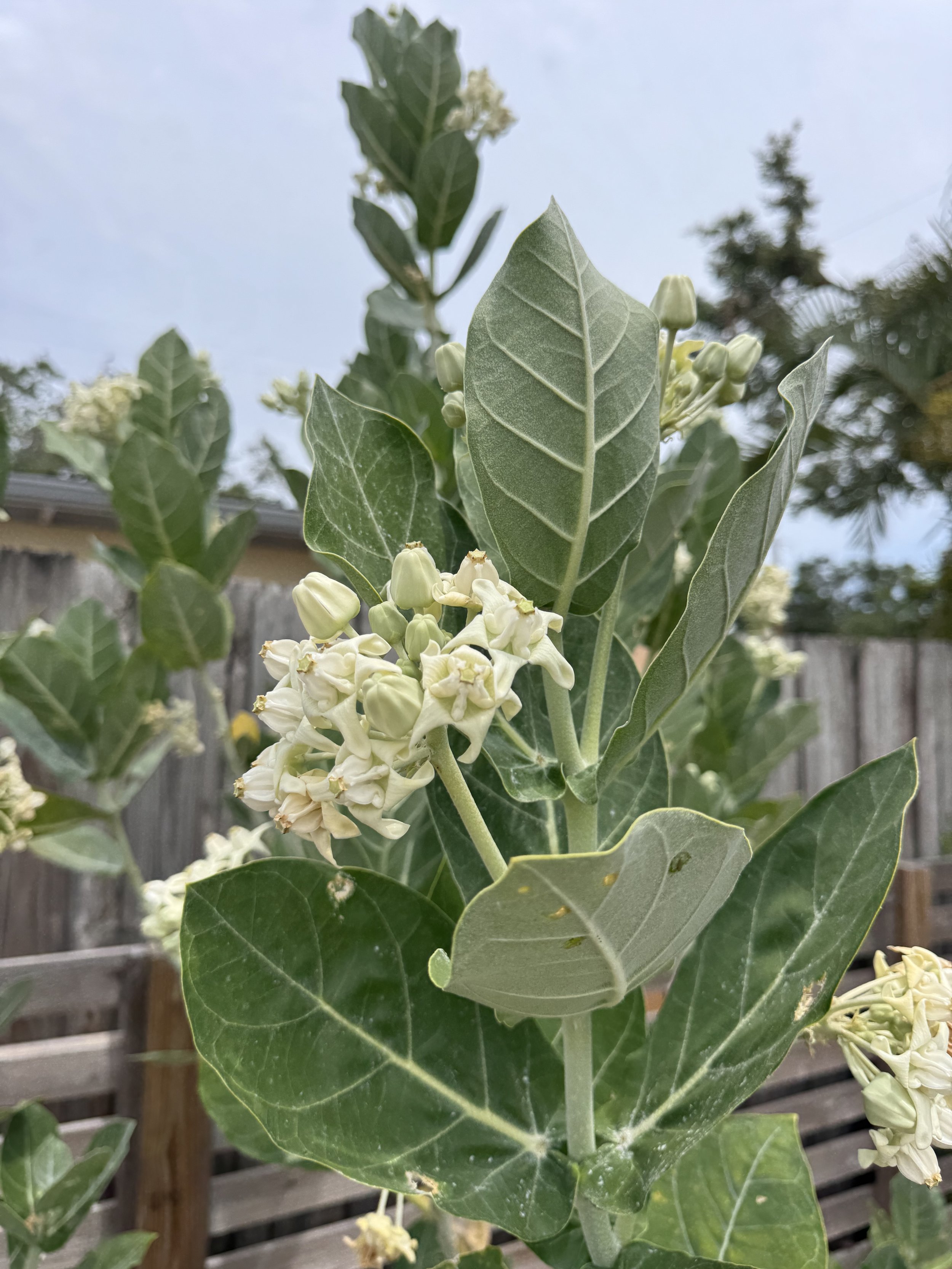
Calotropis gigantea
Giant Milkweed is non-native fast-growing evergreen shrub that can reach 8-15 feet in height. As a member of the milkweed family, it serves as a host plant for Monarch butterfly caterpillars and attracts various pollinators including bees and butterflies. It has thick, leathery, silvery-green leaves and produces clusters of waxy, pale lavender or white flowers that bloom year-round. Extremely drought-tolerant once established, it thrives in full sun and well-drained soils. We sometimes carry a white-flowering variety as well.
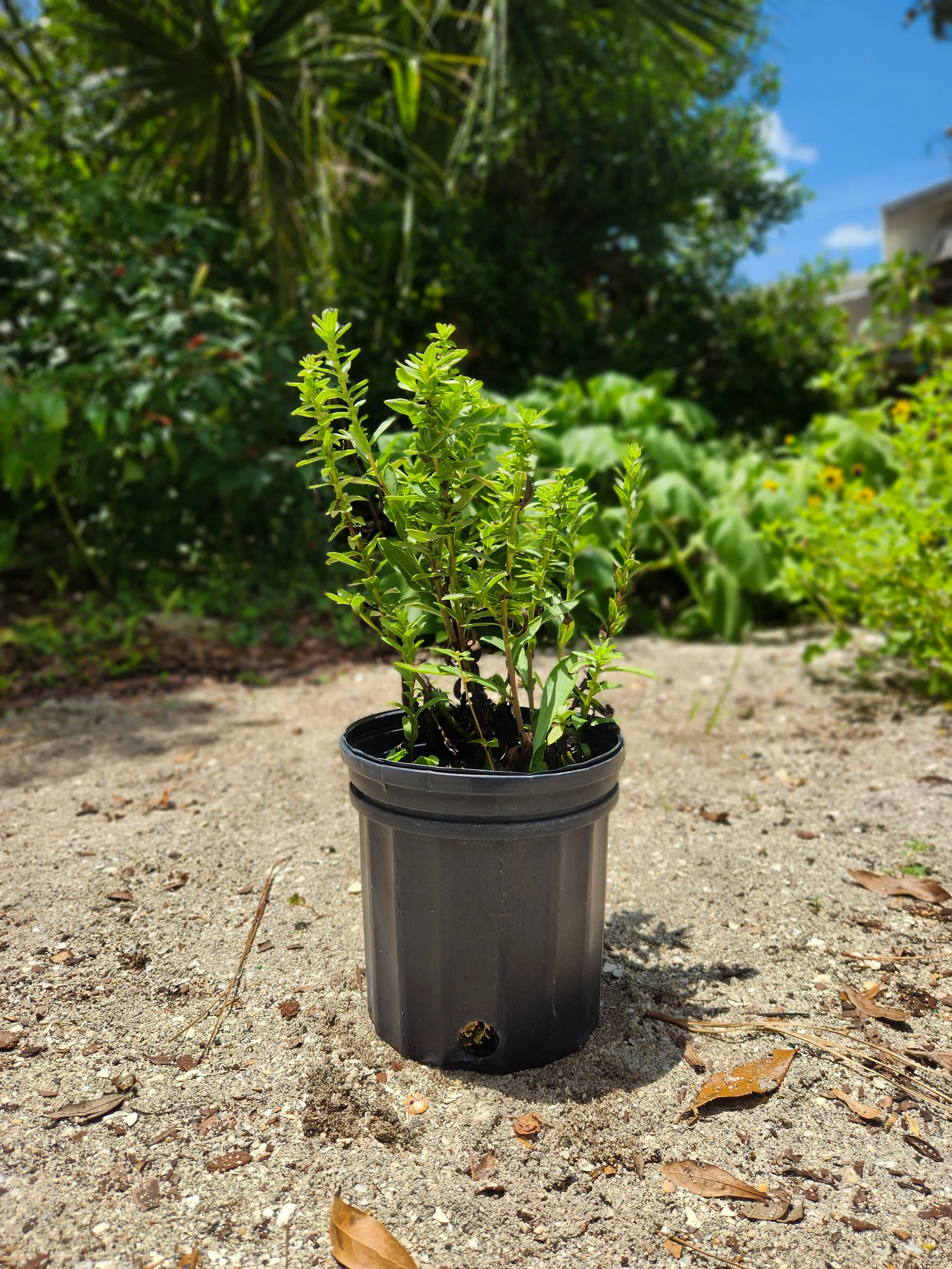
Chrysopsis mariana
Golden Aster is a native perennial wildflower that grows 1’-2’ tall, with showy yellow flowers that bloom from late spring to fall. They grow best in full sun to partial shade and well-drained, moist to dry sandy soil. The flowers provide a nectar source for butterflies and other pollinators, and add a bright pop of color to the garden.
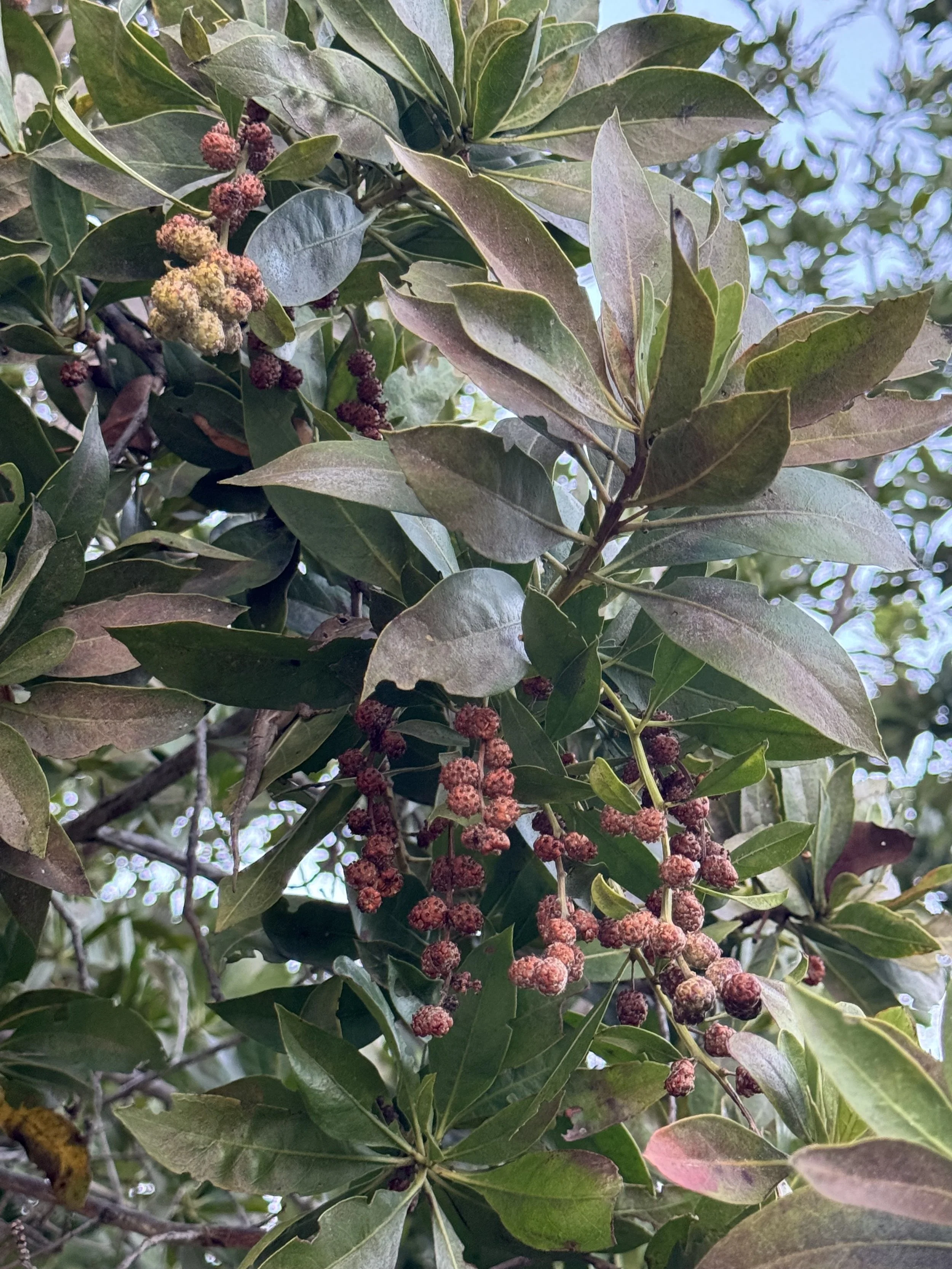

Conocarpus erectus
The Green Buttonwood is an evergreen, coastal, native small tree or large shrub that can reach 20' and has vibrant green leaves and small brown berries that look like wood buttons. This buttonwood is considered the 4th type of mangrove and really thrives in coastal conditions, and can take salt water inundation and salty soils. The Buttonwood also has high wind tolerance making it a great windscreen on coastal properties.
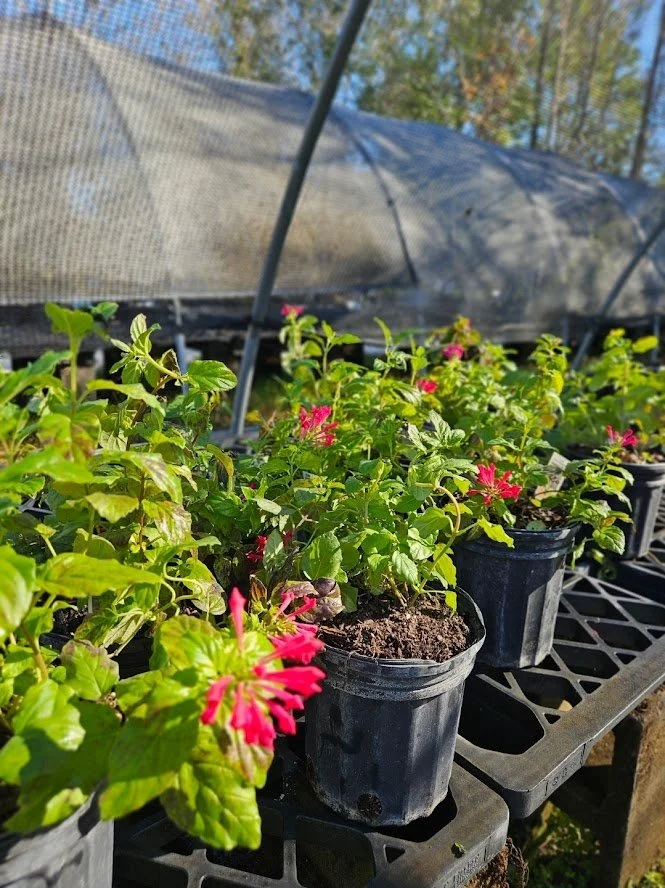
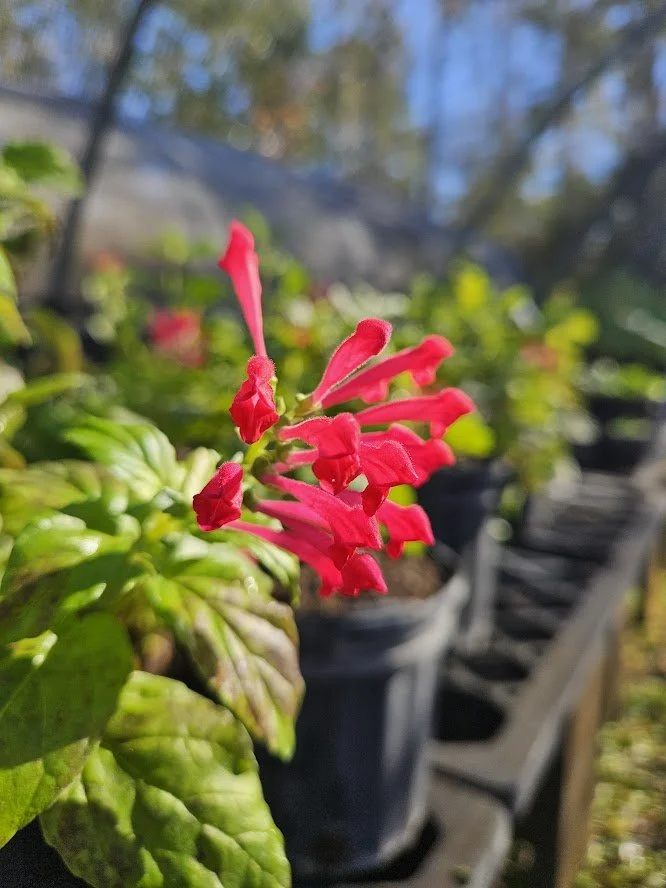
Scutellaria longifolia 'Red Fountains
Hot Pink Skullcap is a perennial wildflower that grows 1-2 ft tall with an upright, branching habit. It produces vibrant hot pink tubular flowers along tall spikes from late spring through summer, creating a stunning display. This hardy native is easy-to-grow and thrives in full sun to partial shade with well-drained to average soil. It attracts hummingbirds, butterflies, and other pollinators while requiring minimal maintenance once established, making it an excellent choice for naturalized gardens and pollinator-friendly landscapes.
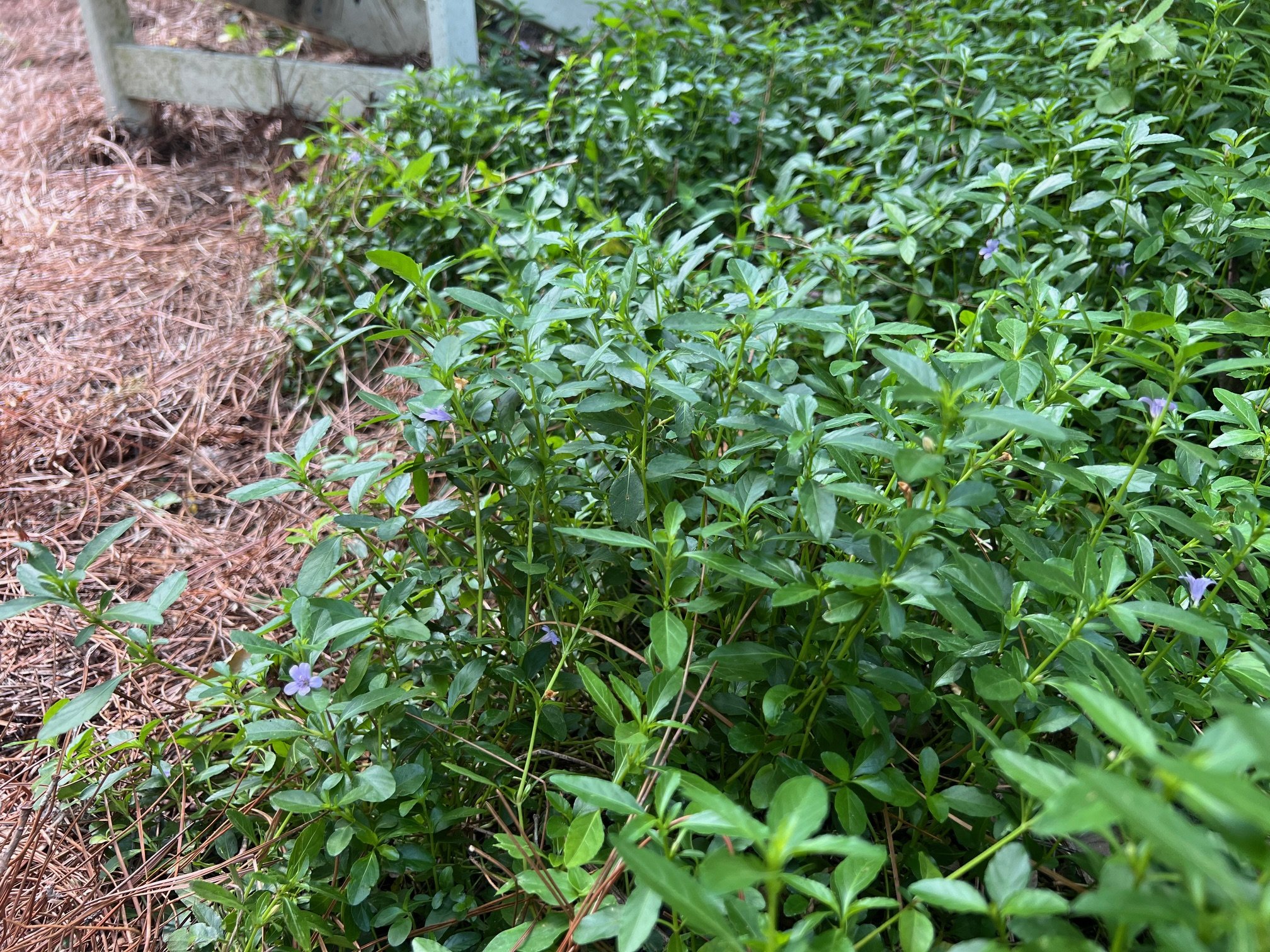

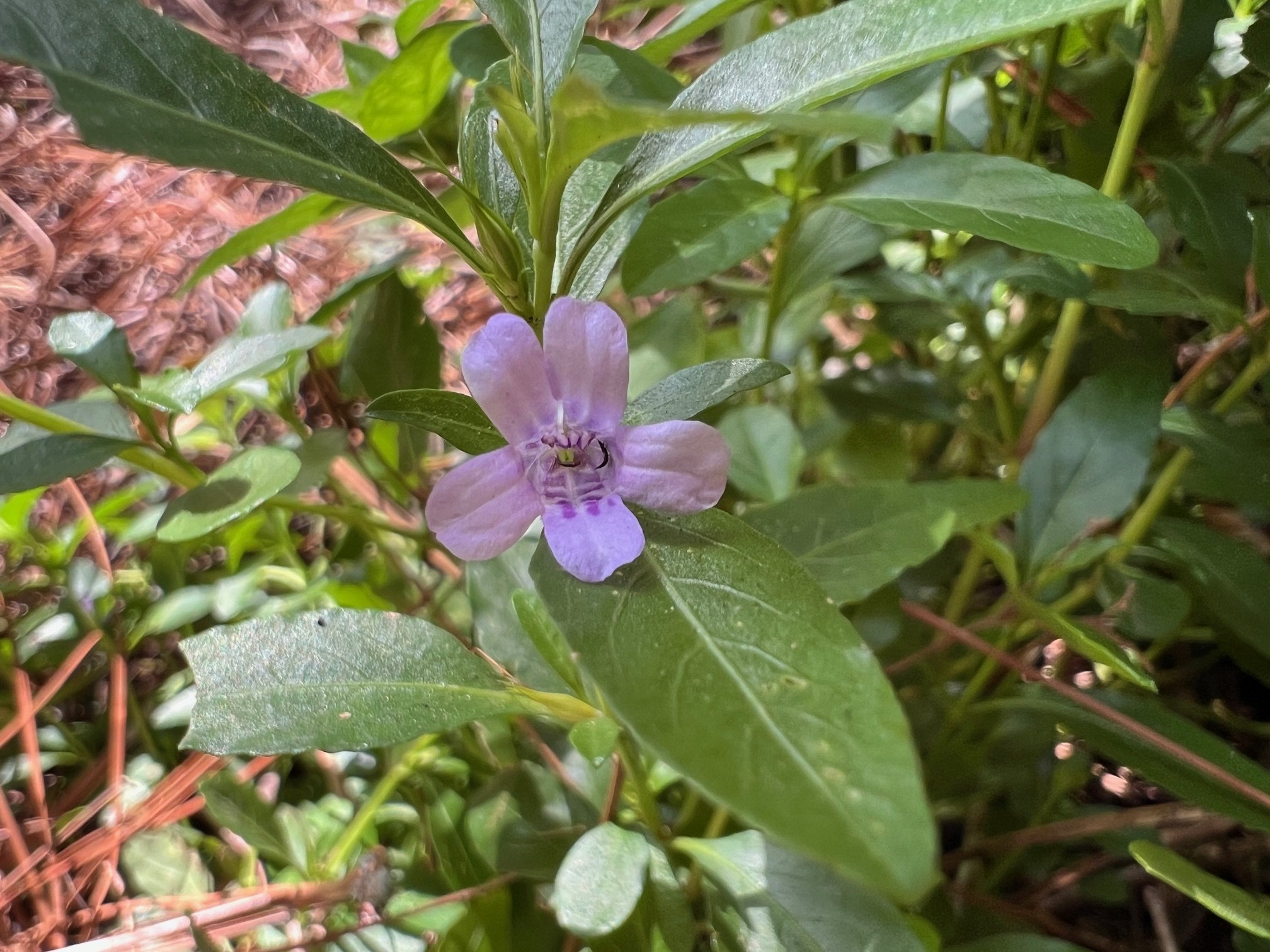
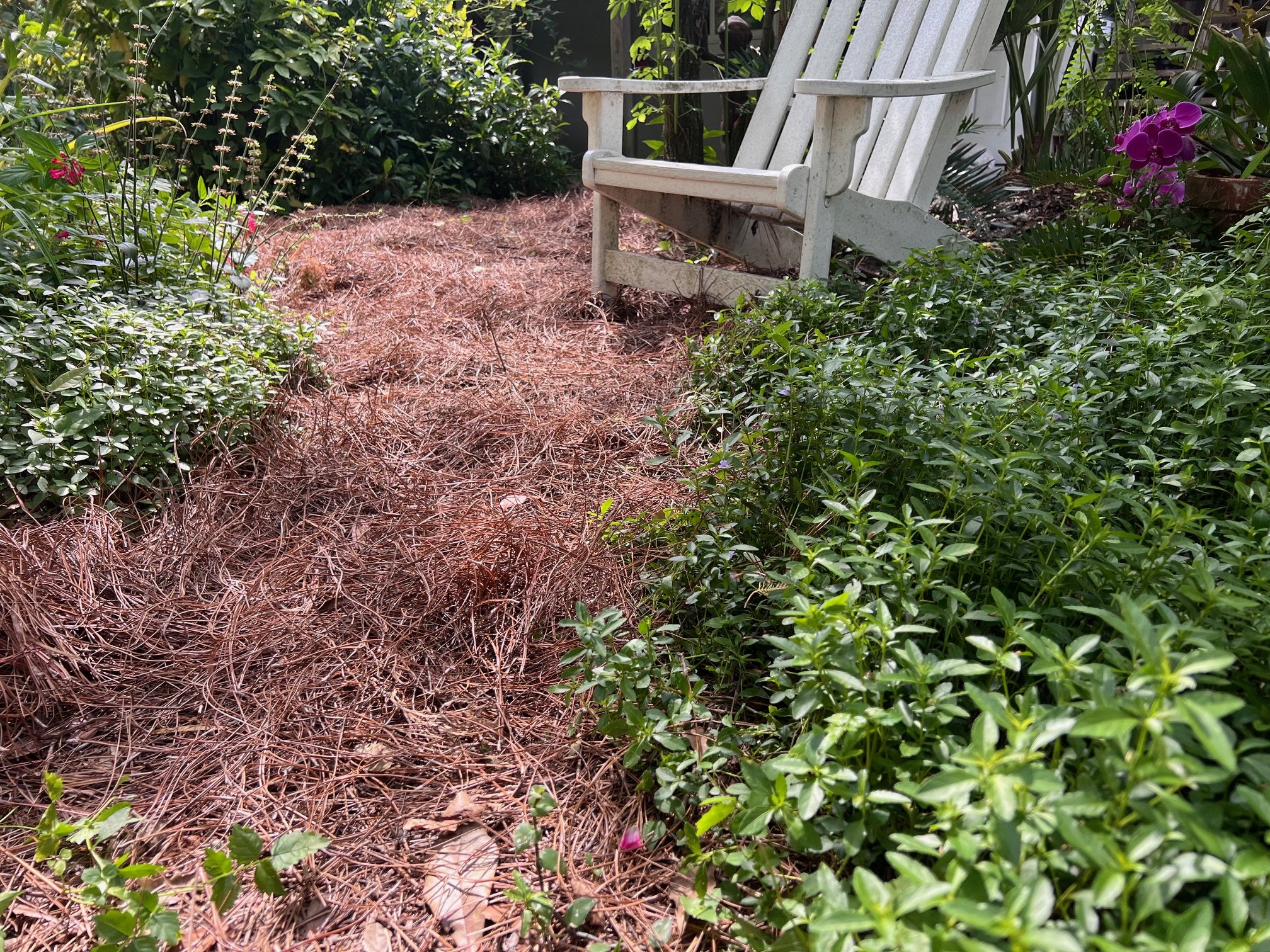
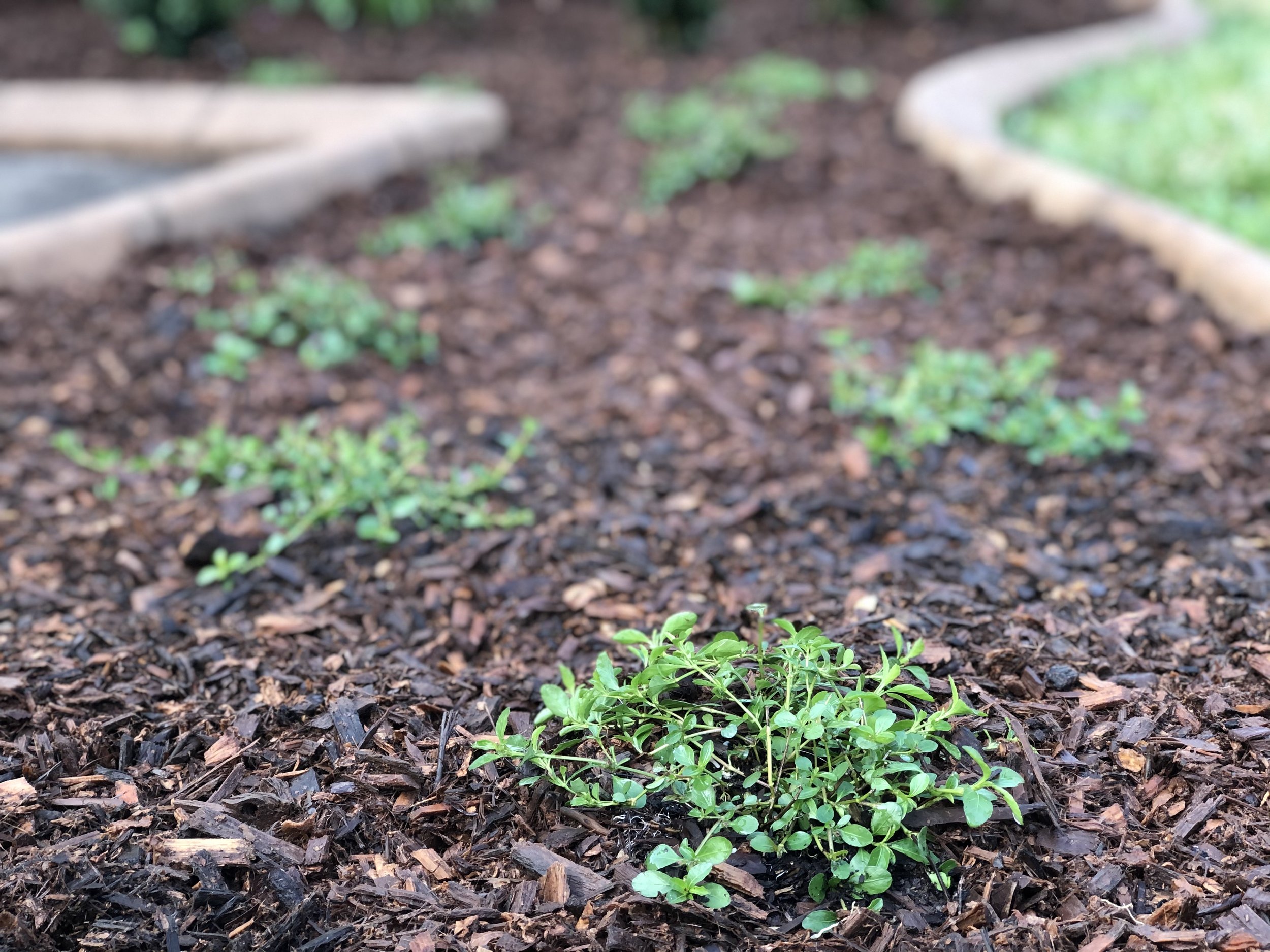
aka Hammock Twinflower or Swamp Twinflower
Dyschoriste humistrata
Lakeside Twinflower is a lawn alternative for areas where there is soil moisture (lakesides or swales) and/or regular irrigation. It’s perennial and can be semi-dormant if there is a freeze. Lakeside Twinflower blooms blue/purple flowers spring to fall and is a larval food source for the Buckeye butterfly.
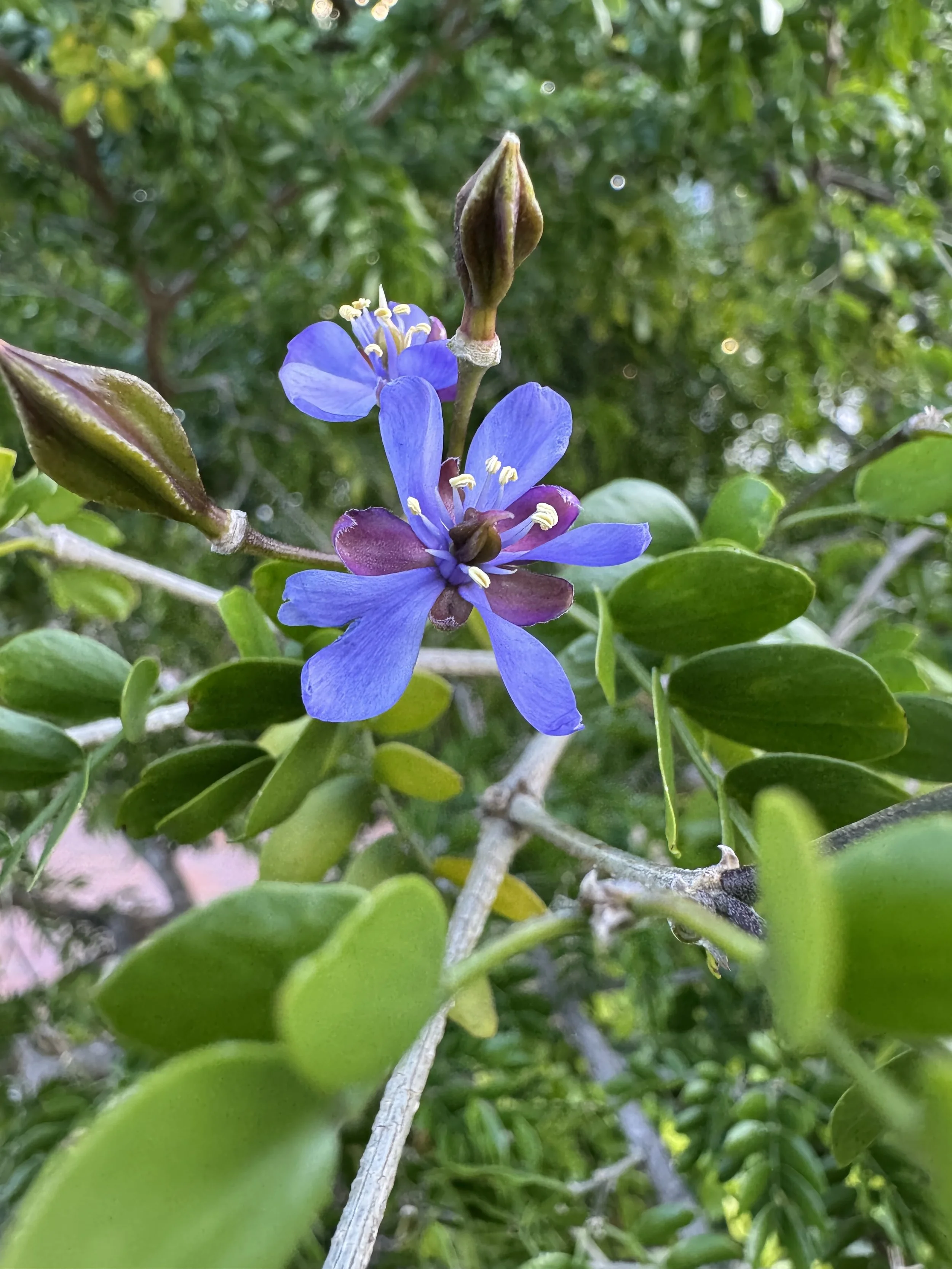

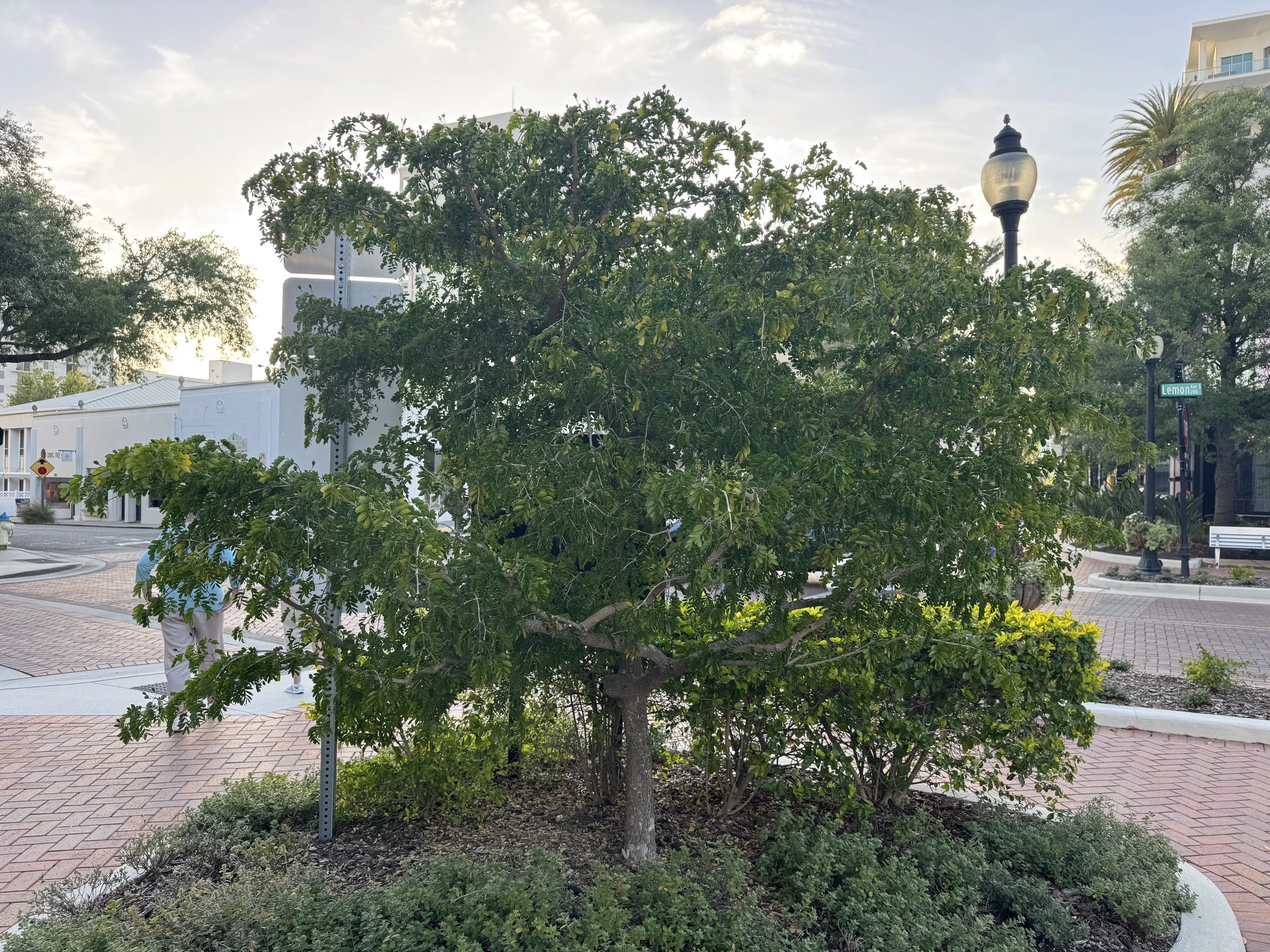
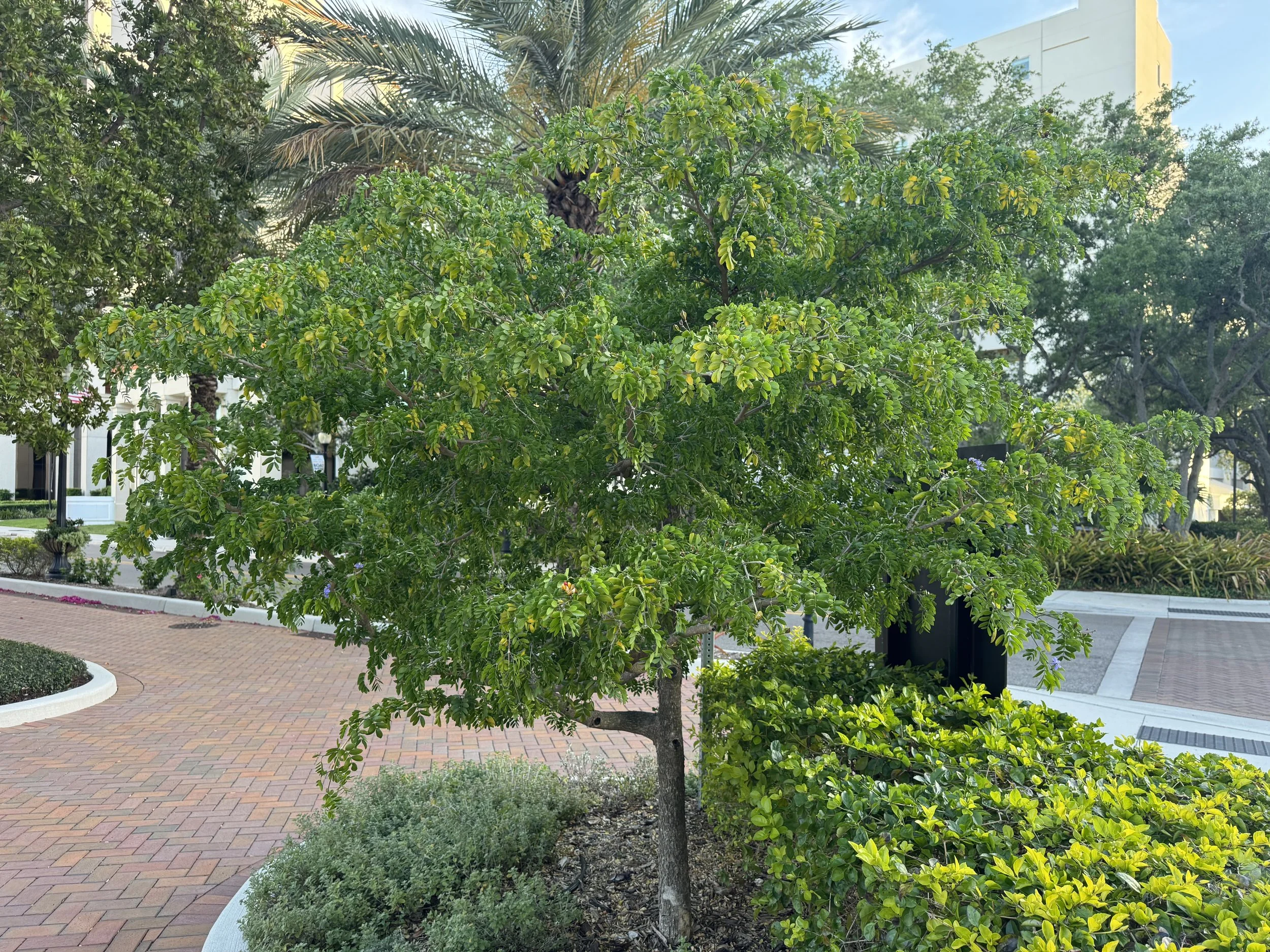
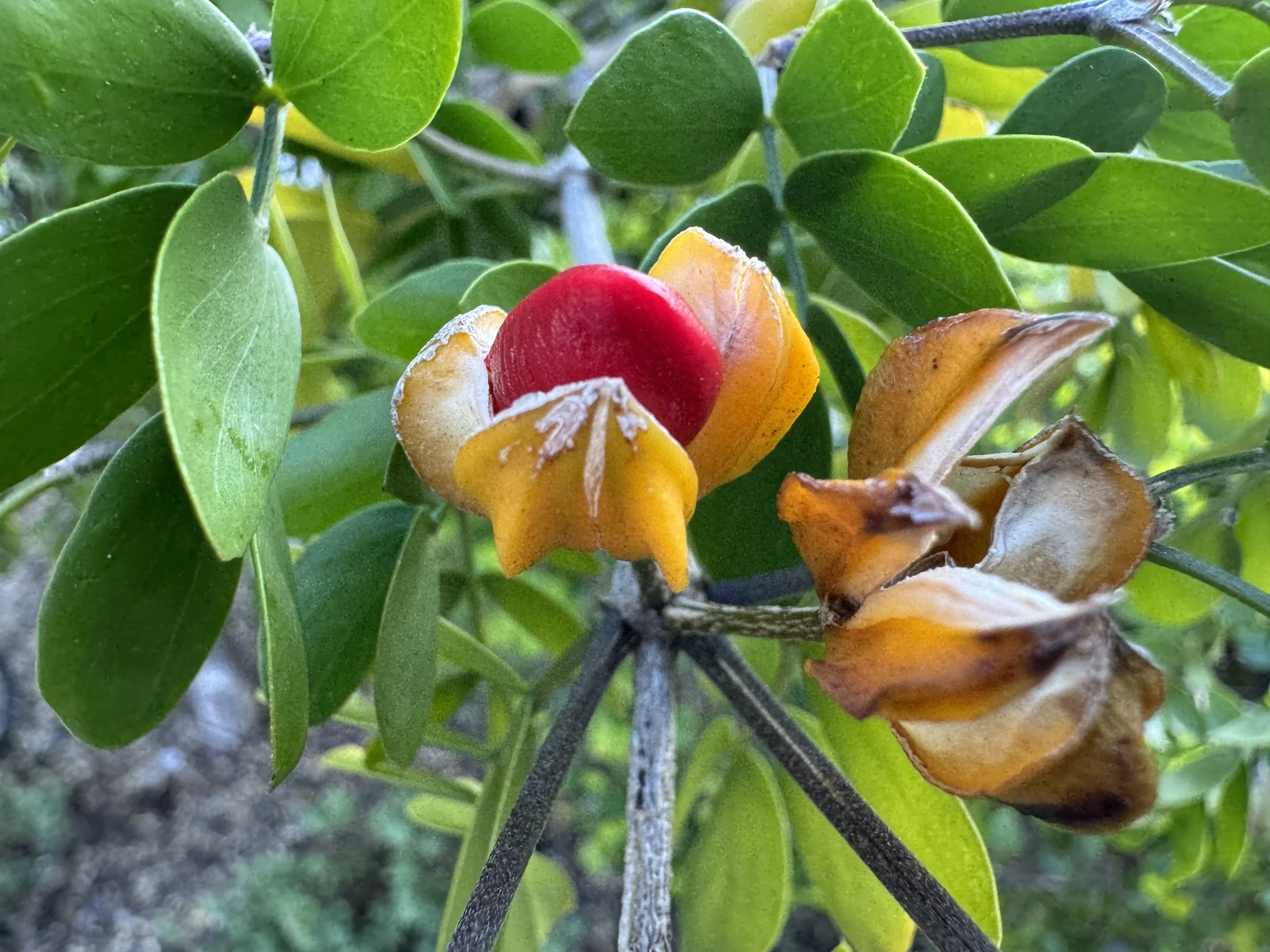

Guaiacum sanctum
The “Wood of Life” tree has a rich ethnobotanical history due to its dense wood and spectacular flowers. For best growth, plant in full sun to partial shade, with well-drained soil. This small tree is slow growing but worth the wait. Rich blue blooms lead to orange fruits which Catbirds adore. Its drought tolerance, hurricane resistance and ability to take salt spray make this tree a great choice for coastal landscapes.
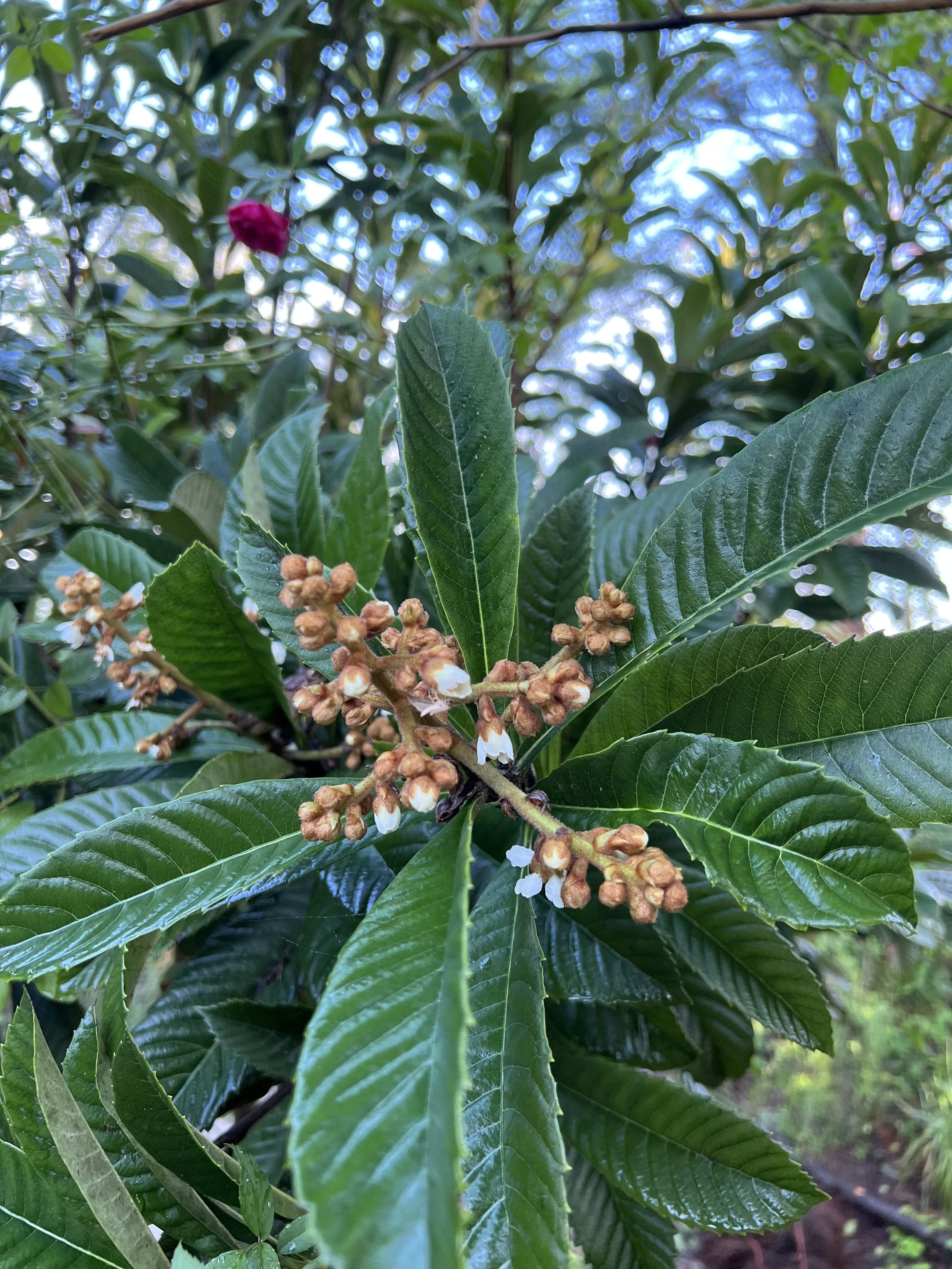
Eriobotrya japonica
Loquat is a non-native, Florida-friendly, evergreen fruiting tree that grows 15’-25’ tall. They grow best in full sun to partial shade, with average, well-draining sandy, clay, or loamy soil. Their flowers are highly attractive to butterflies and other pollinators, and their apricot-like fruit can be enjoyed by humans and wildlife alike.
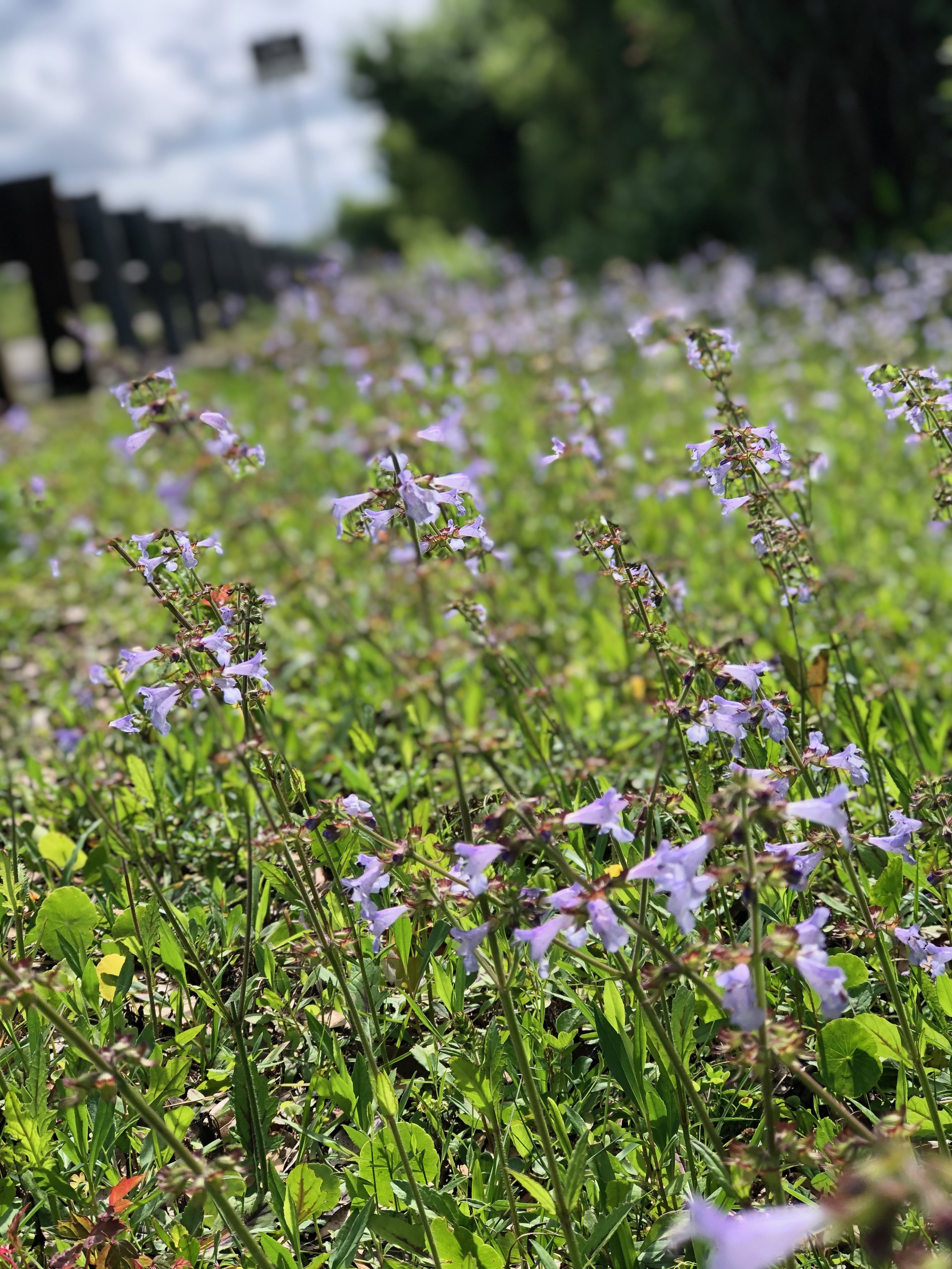
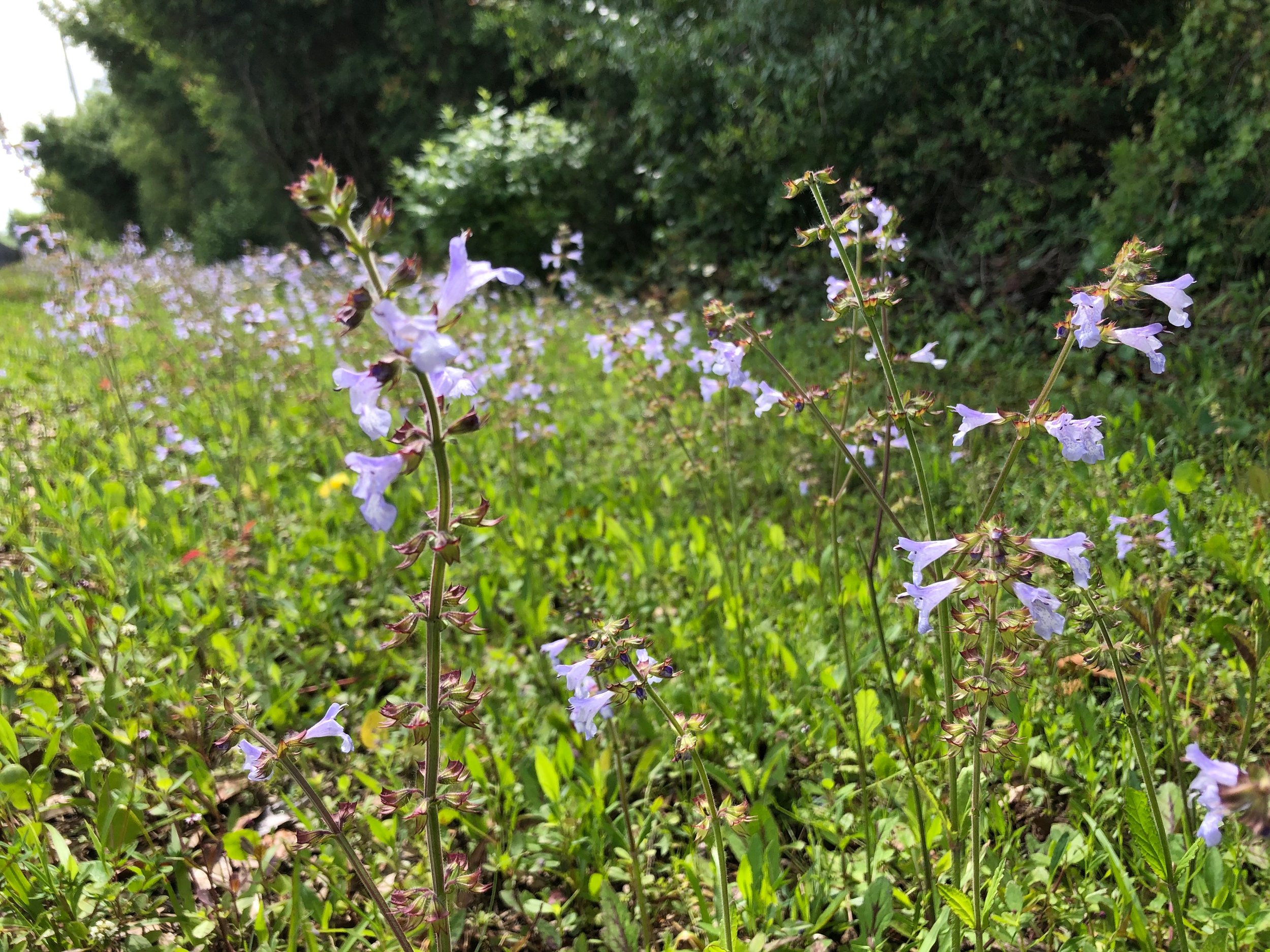
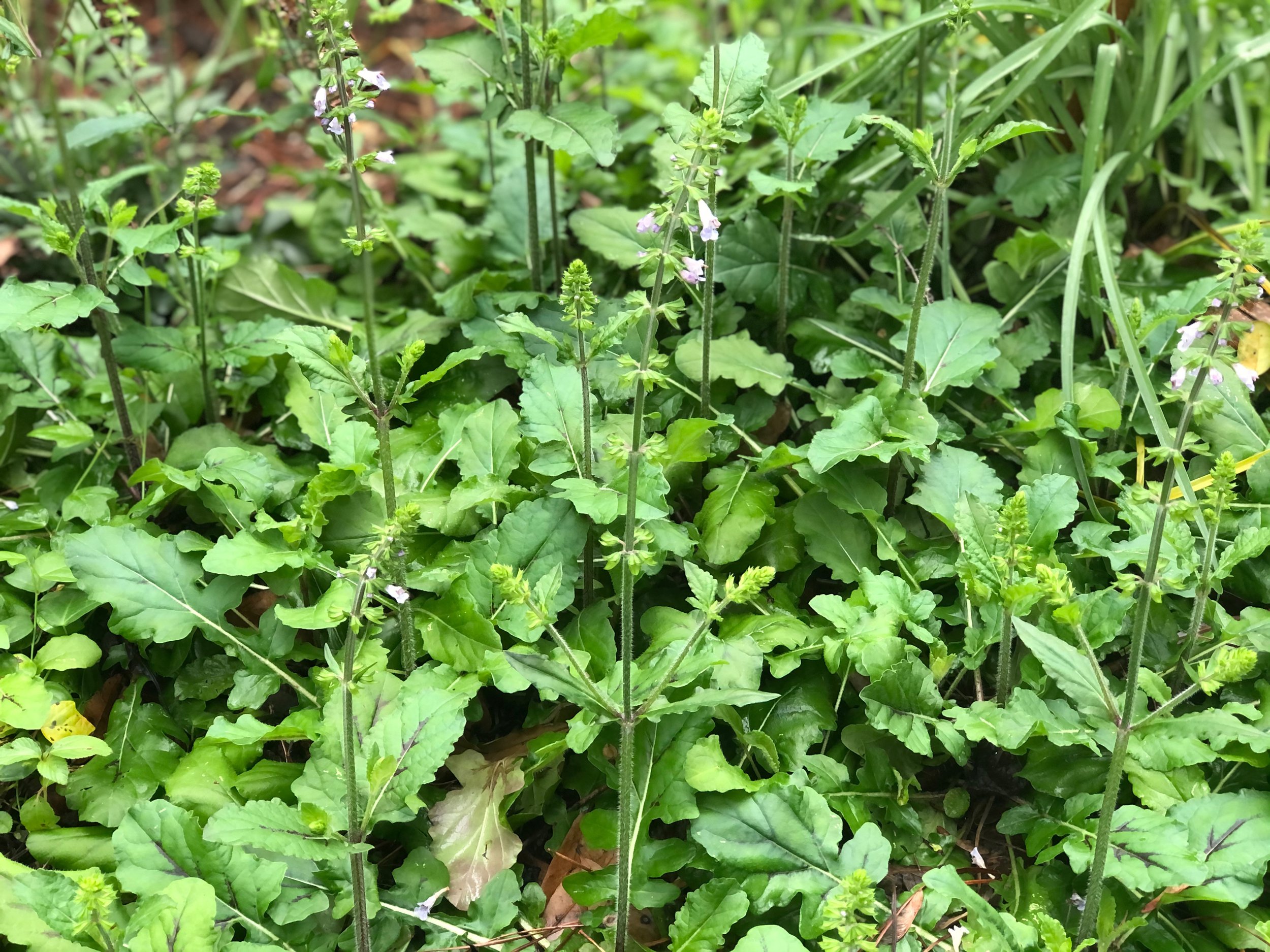
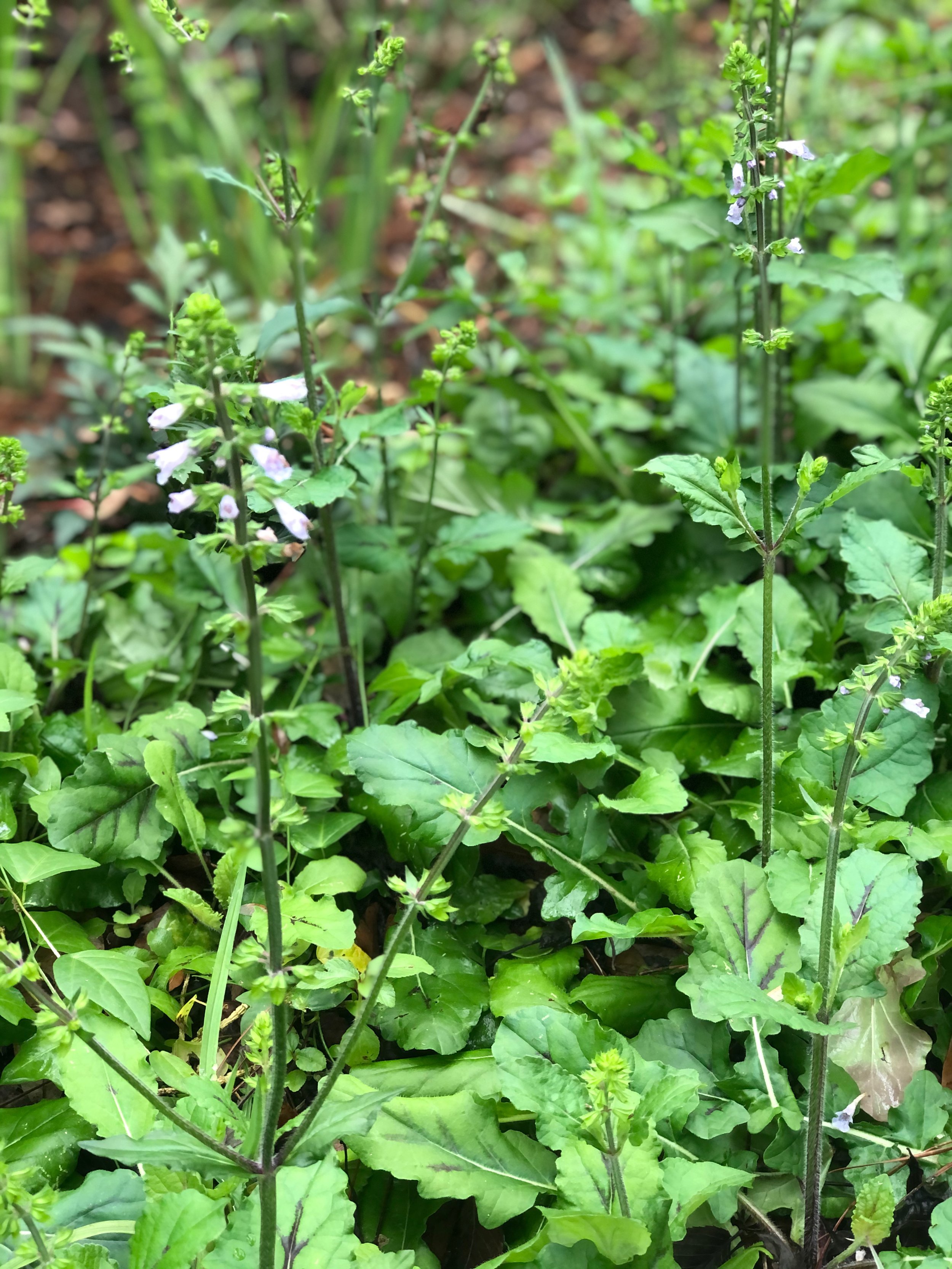
Salvia lyrata
Lyreleaf Sage is a long-lived, reseeding, perennial, evergreen, ground-covering wildflower that blooms in the spring and summer. Lyreleaf likes sun to shade and dry to wet (well-drained) soils. The purple flowers attract hummingbirds as well as other pollinators like butterflies. The young leaves are edible and the plant is used medicinally.
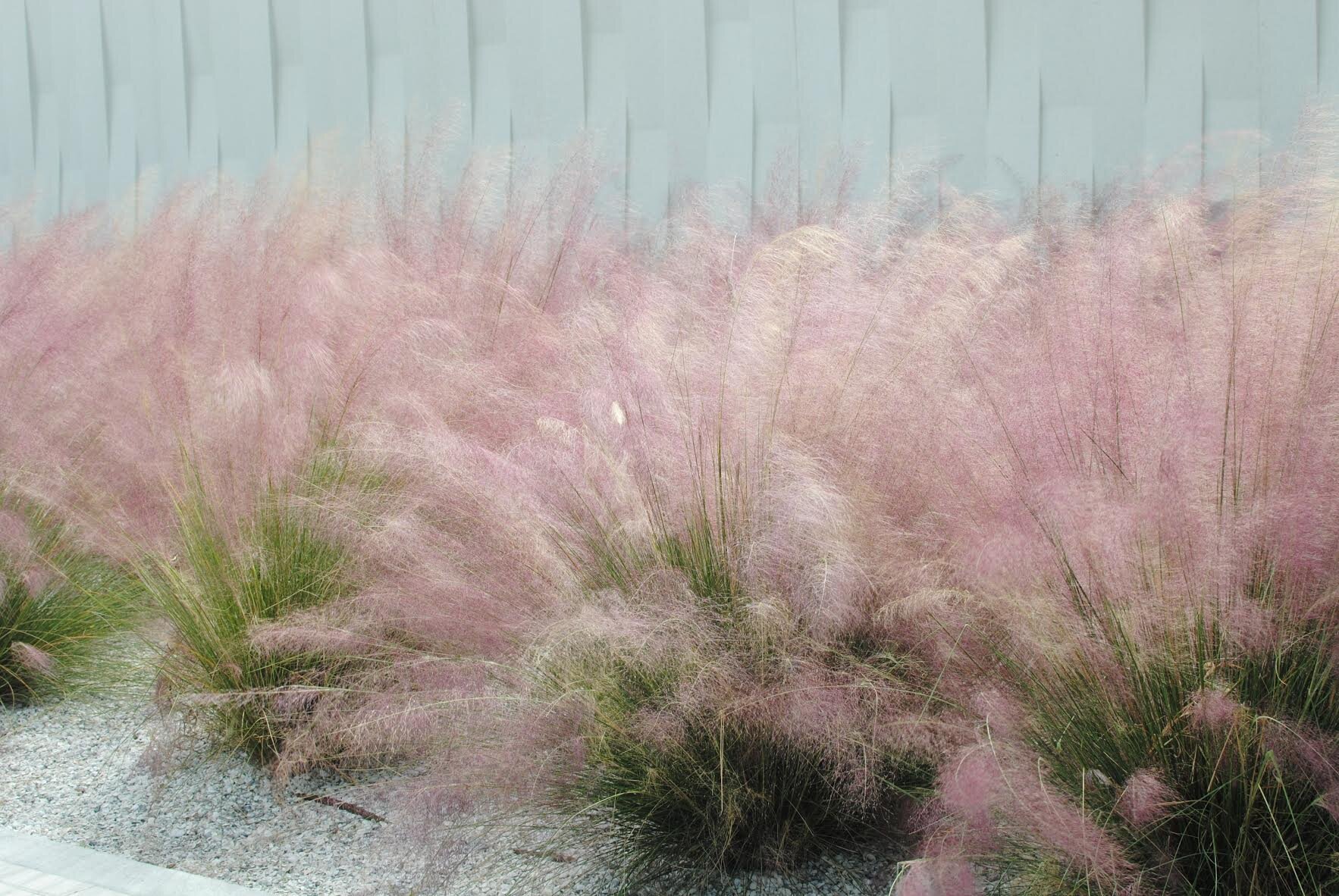


Native, perennial, weeping and thick clumping grass. Full sun to light shade, average soil, 4'. Moderately salt-tolerant, can usually spread by self-sown seeds. Attractive foliage year-round, but showiest in the fall with purple/pink flowering plumes. Combines well with wildflowers.
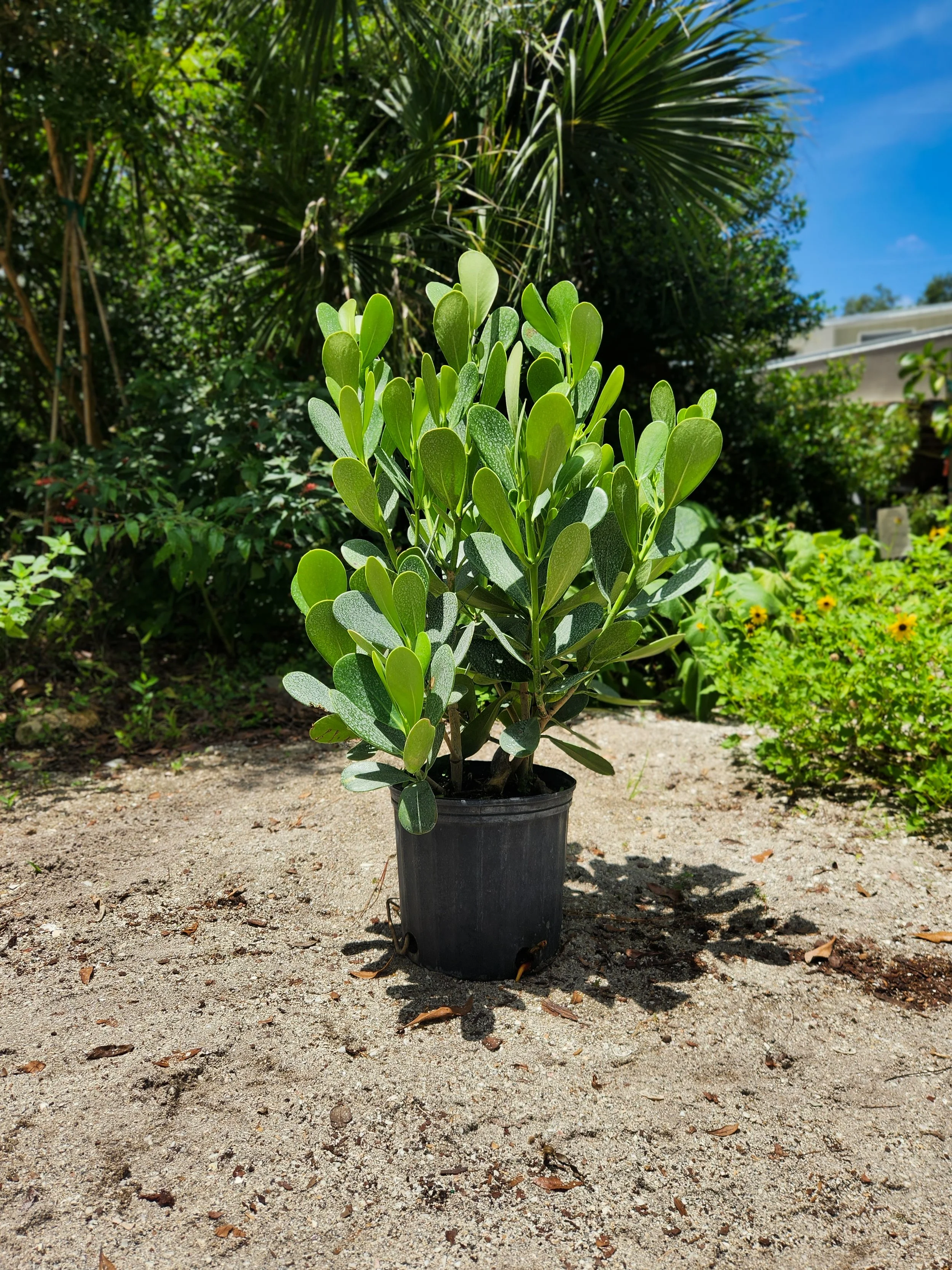
Clusia guttiferra
Non-native, Florida-friendly, prunable evergreen shrub. Pitch Apples can reach a height of about 15’, with a 15’ spread. These shrubs do well in full sun to shade, well-drained sandy or loamy soil, and are salt-tolerant once established. They are fast growing, and make a great hedge or buffer, specimen, or container plant.
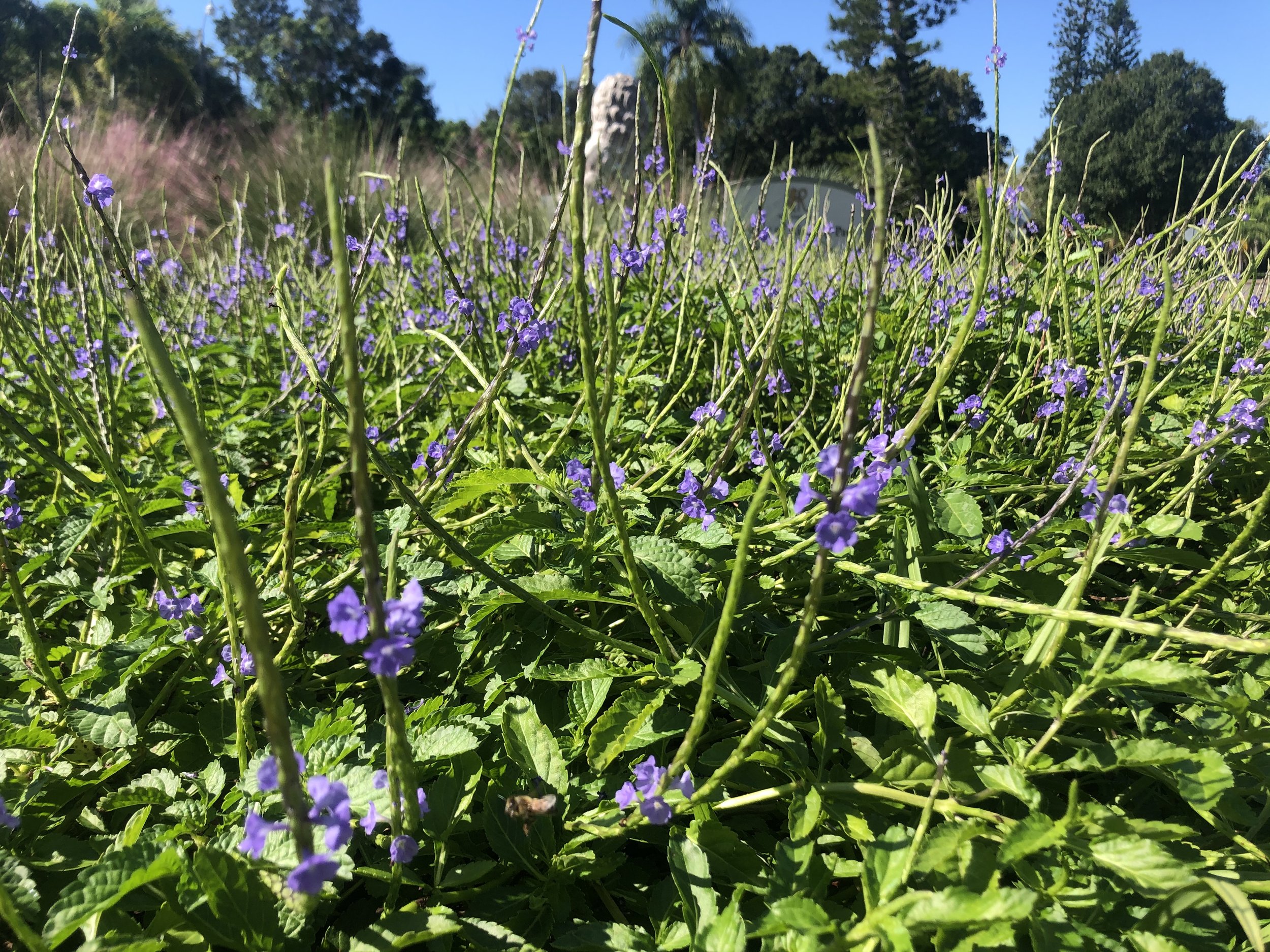

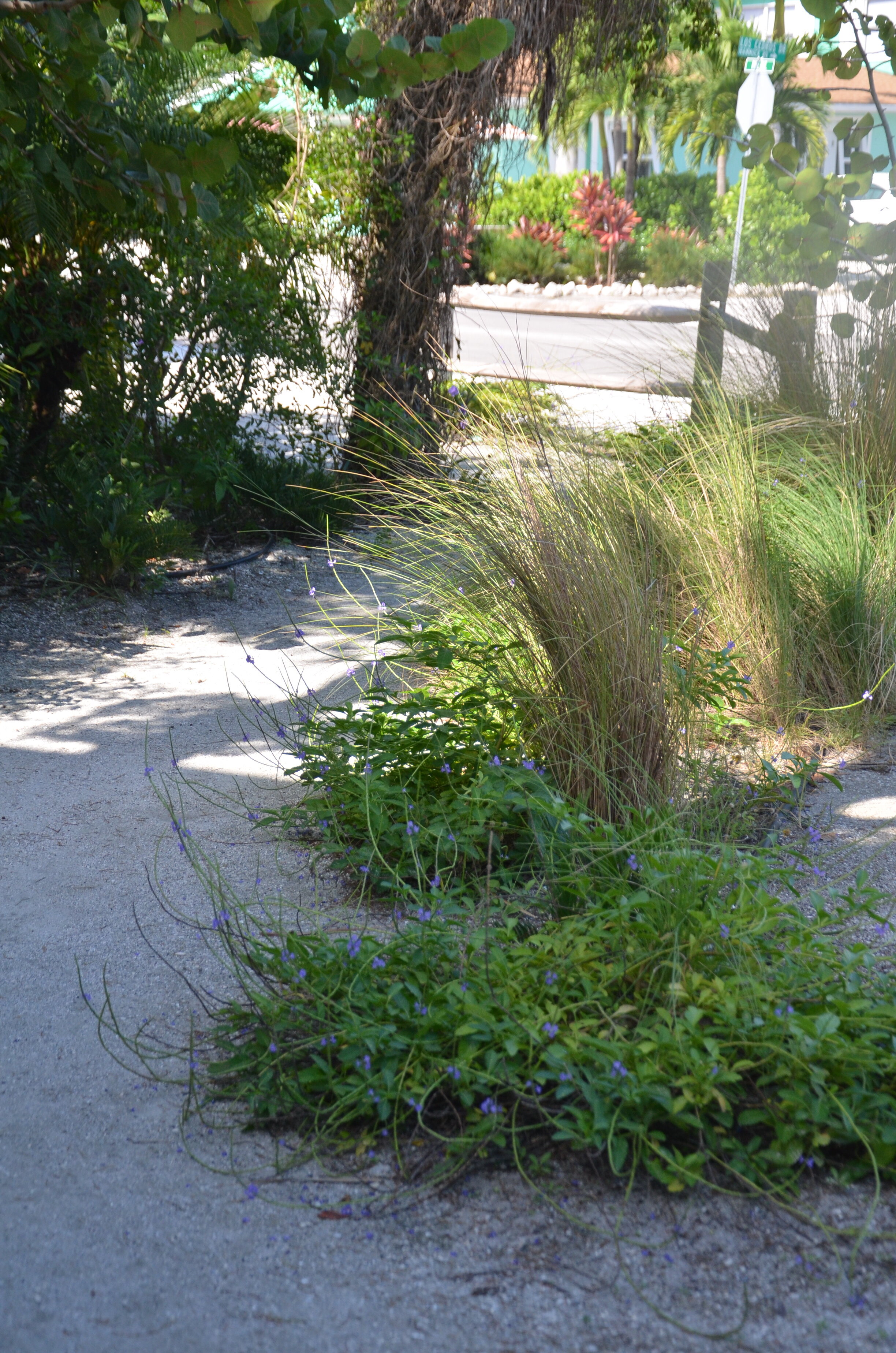
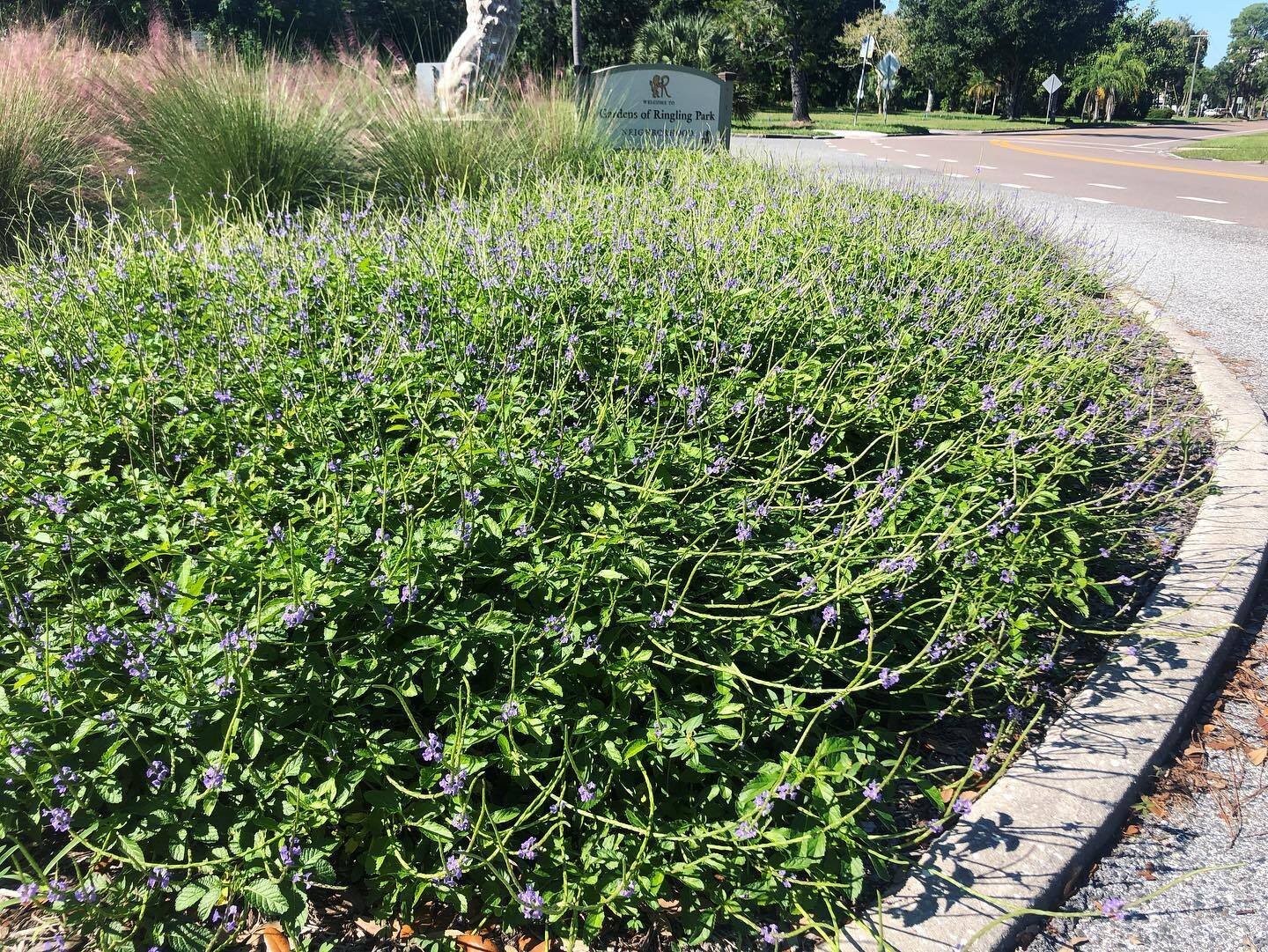
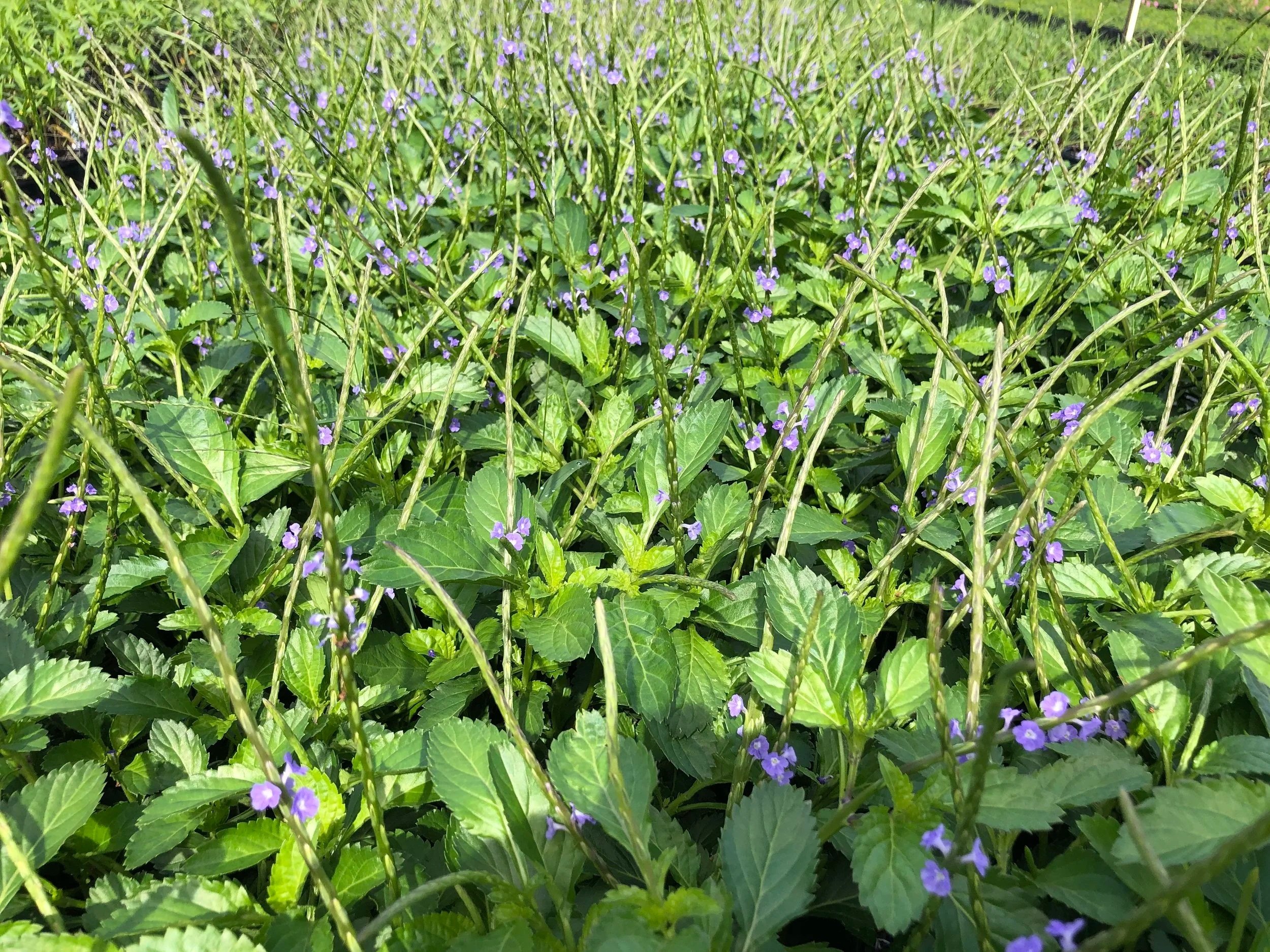
Stachytarpheta jamaicensis
Blue Porterweed is the only porterweed native to Florida. It is a low-growing plant, typically reaching 1 to 2 feet tall, that thrives in full sun or light shade. It is highly drought-tolerant and grows well in average to dry soils. This plant is a favorite for local wildlife. It serves as the primary food source for Tropical Buckeye caterpillars and provides nectar for many other butterflies and hummingbirds. Its unique, spike-like purple flowers bloom year-round, making it a reliable and attractive addition to any low-maintenance garden.
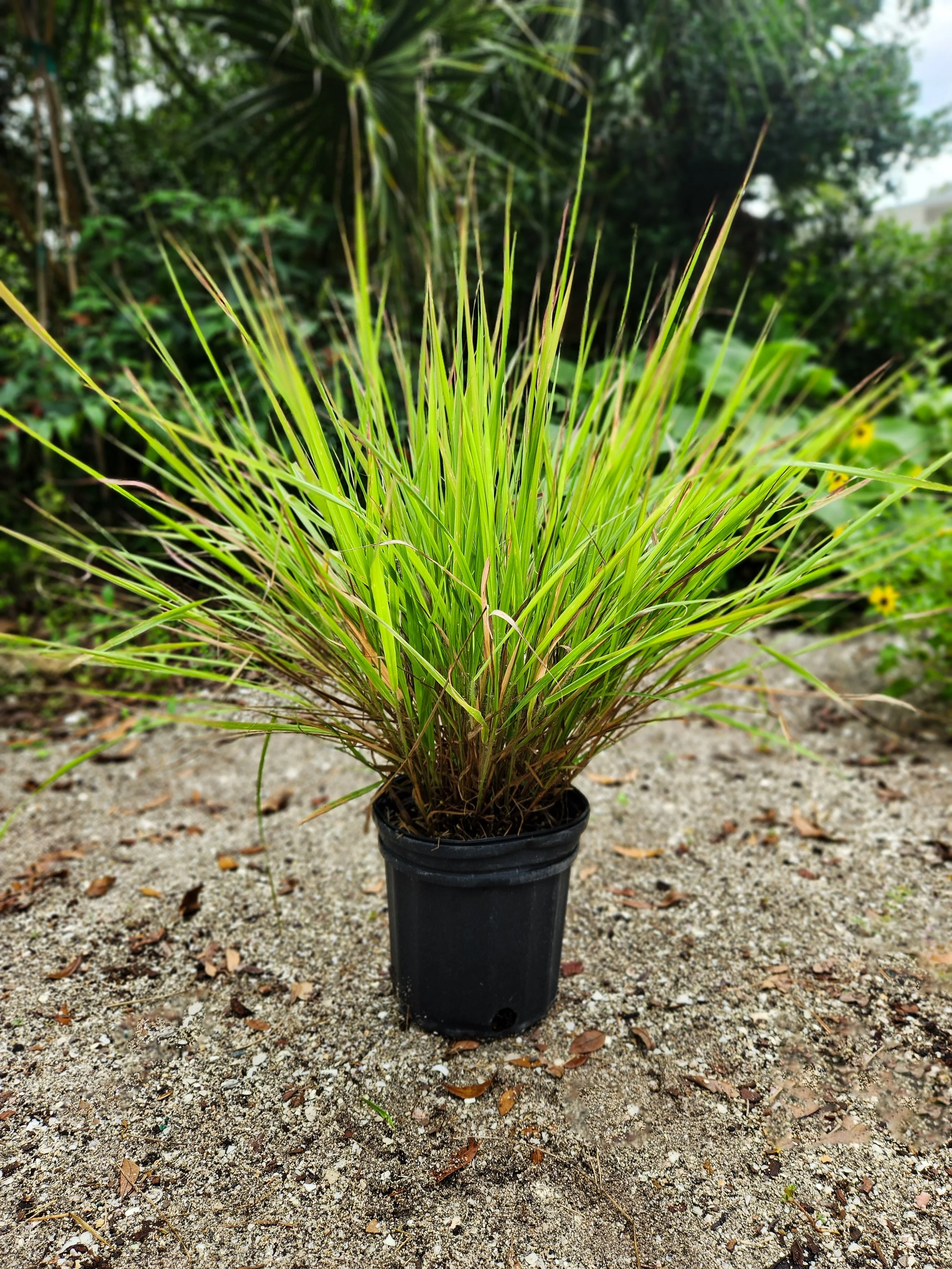
Eragrostis spectabilis
Purple Lovegrass is a warm-season bunchgrass native to eastern and central North America that forms low, mounding clumps 1’-2’ tall and wide. This drought-tolerant species features flat, blue-green basal leaves topped by airy, delicate flower panicles that create a stunning purple-pink haze above the foliage in late summer. Extremely hardy and well-suited for hot, dry conditions, it thrives in sandy or gravelly soils, where few other plants can survive, and spreads slowly by short rhizomes and self-seeding. Found naturally in abandoned fields, roadsides, dry prairies, and upland savannas from Maine to Florida, it serves as an excellent ornamental grass for xeriscaping and naturalized plantings, providing late-season color and texture to challenging sites.
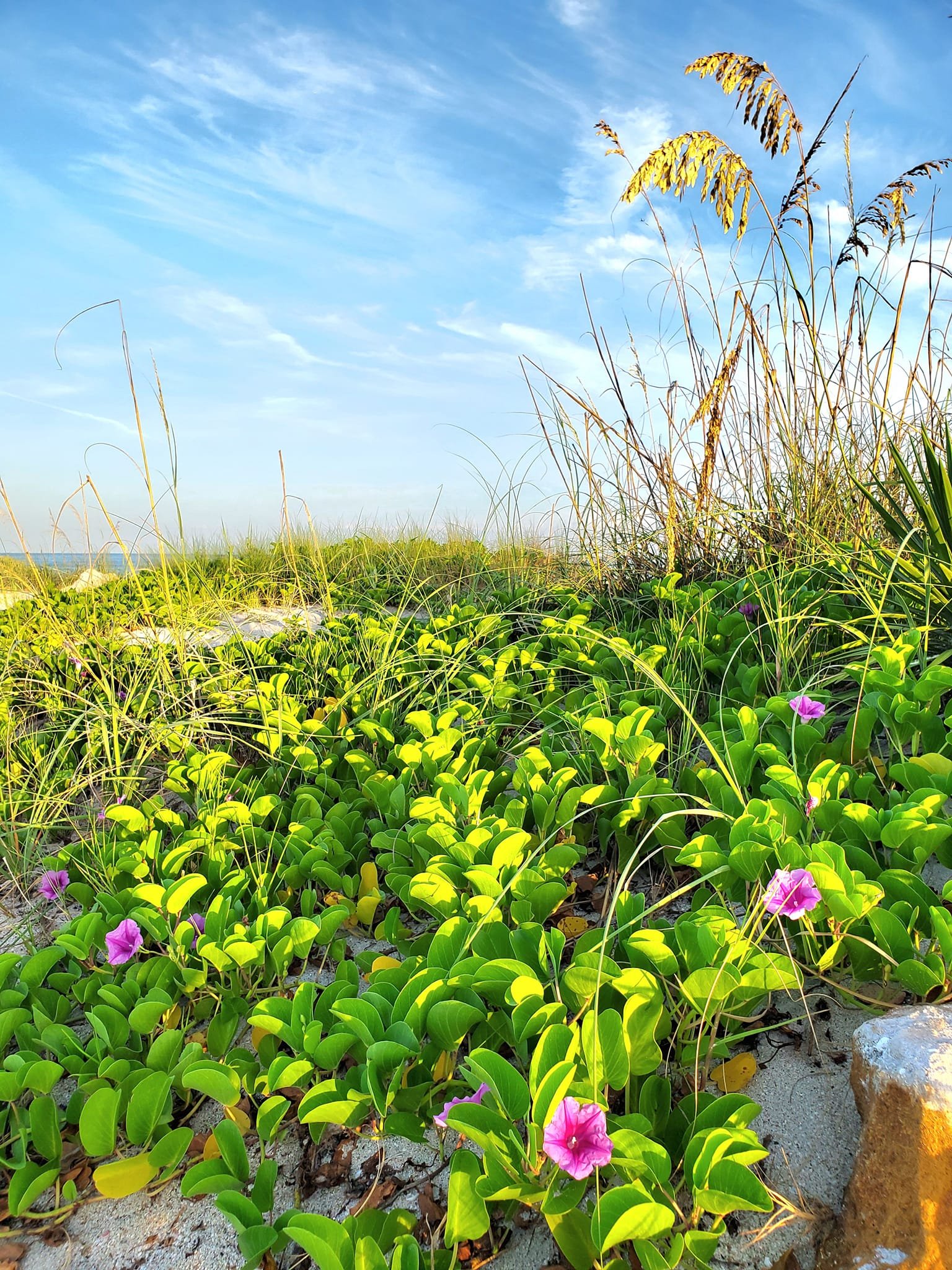
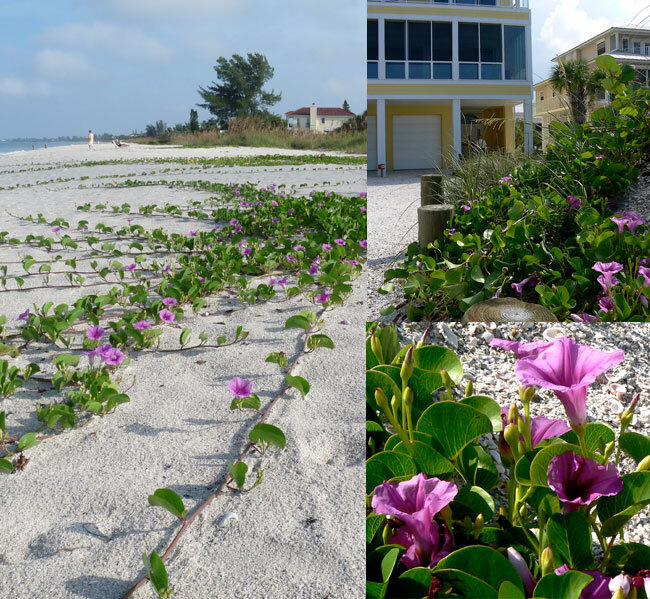
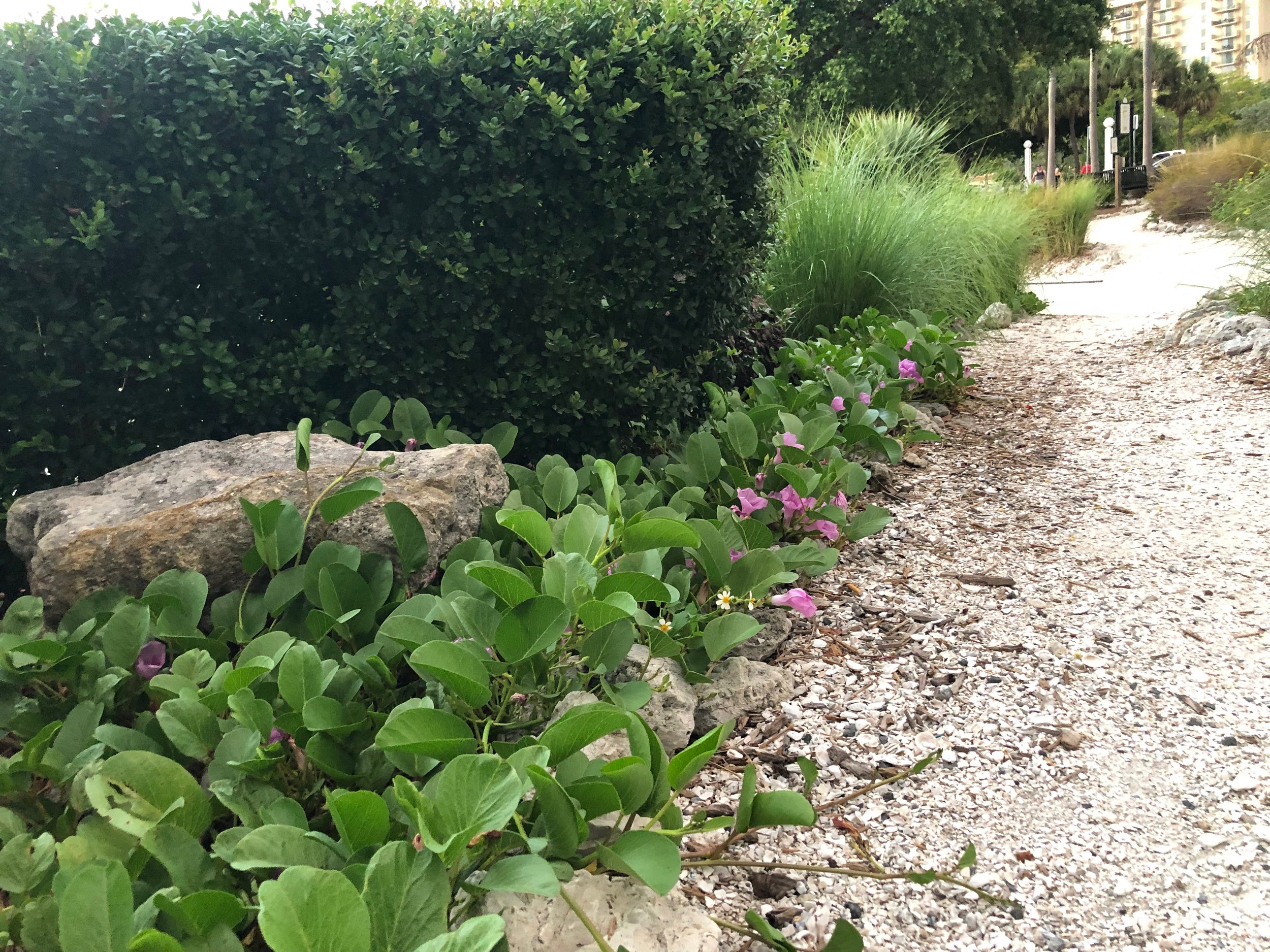
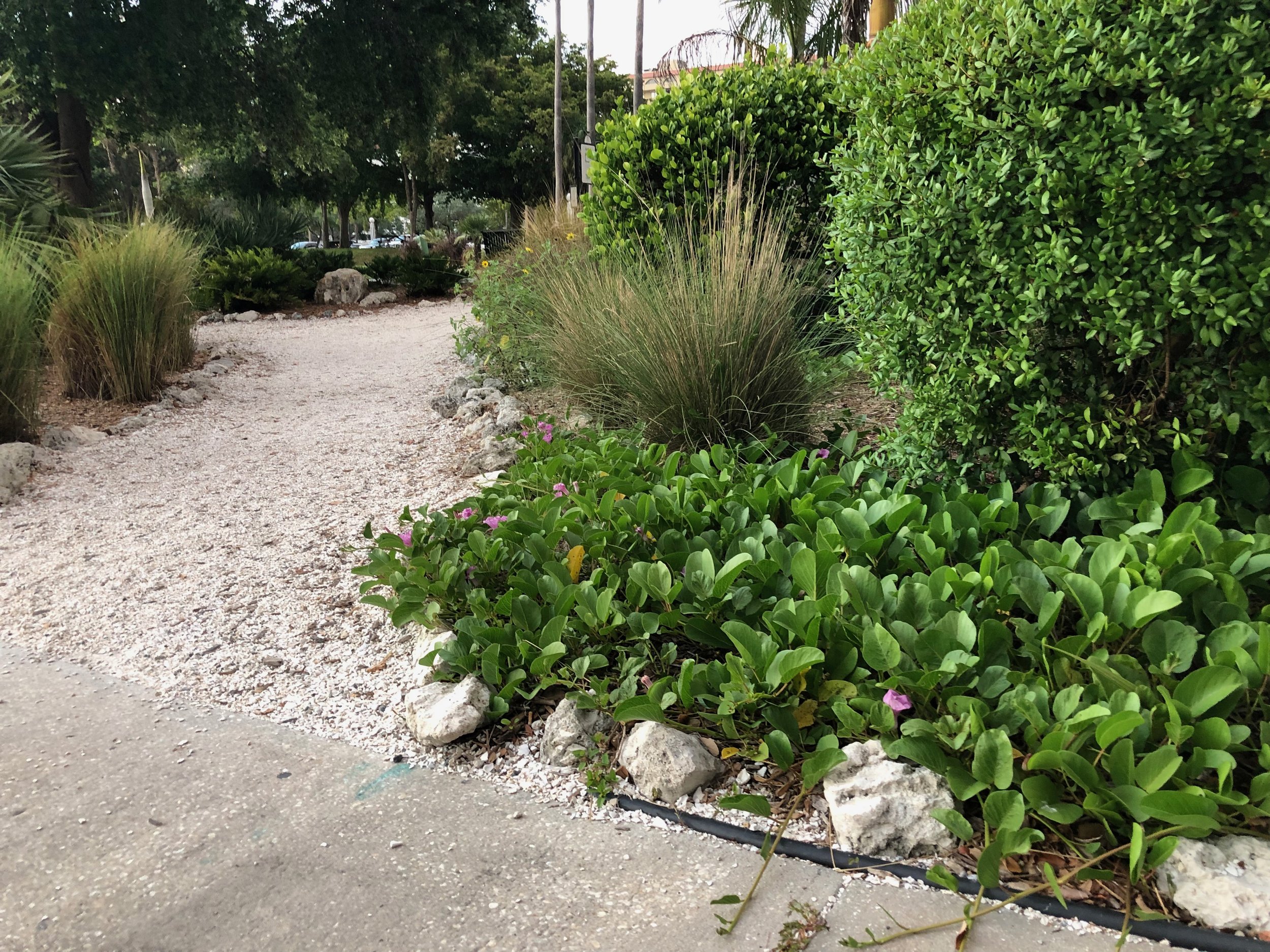
Ipomoea pes-caprae
Railroad vine is an evergreen, flowering, vining groundcover. It is fast growing, does not require a trellis, and reaches 1ft in height. It thrives in full sun on coastal landscapes, is salt tolerant, but very cold-sensitive. It needs dry, sandy soils, and is great for stabilizing beach dunes. Showy pink/purple trumpet flowers are great for bees, butterflies and other pollinators.
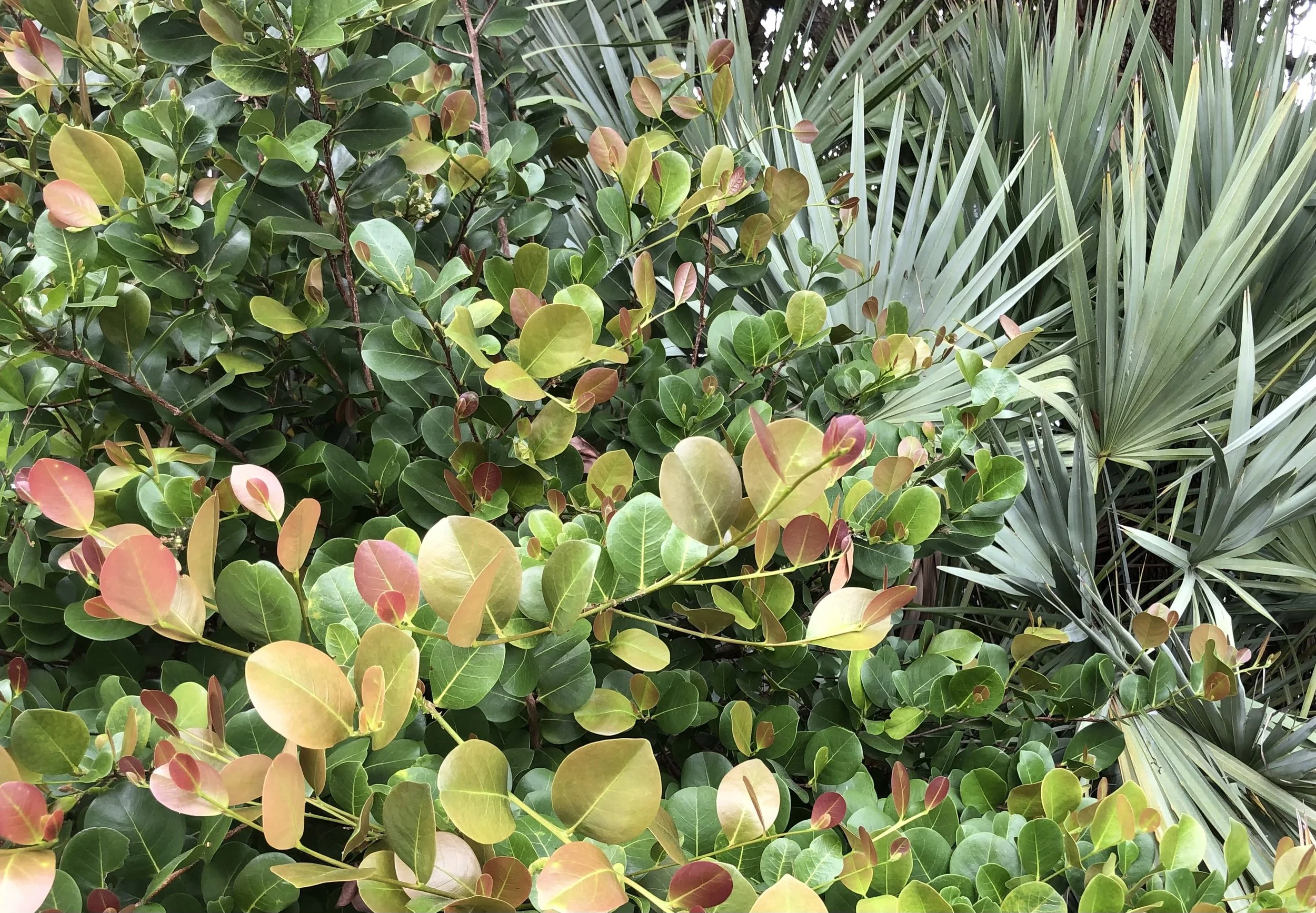
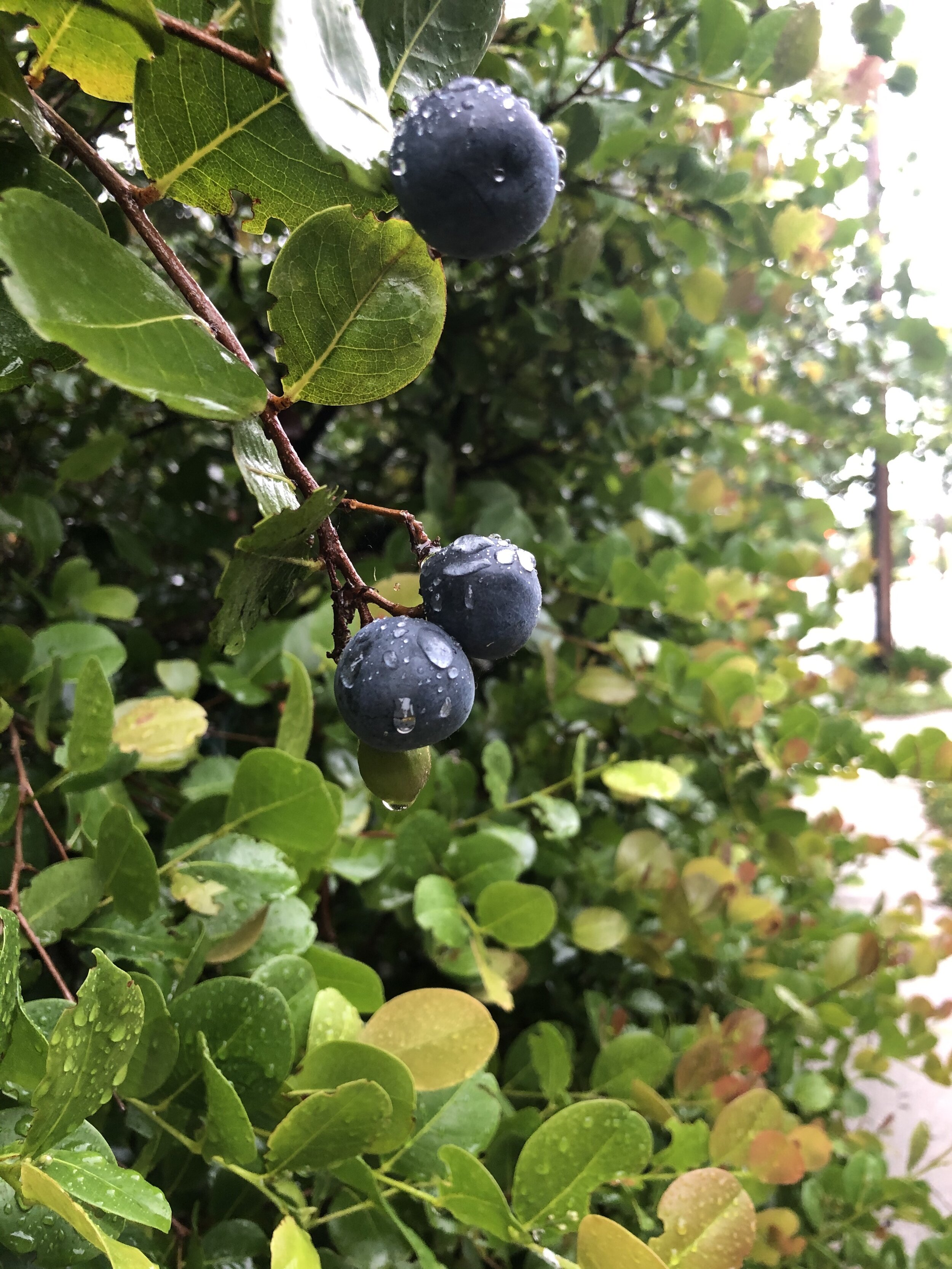
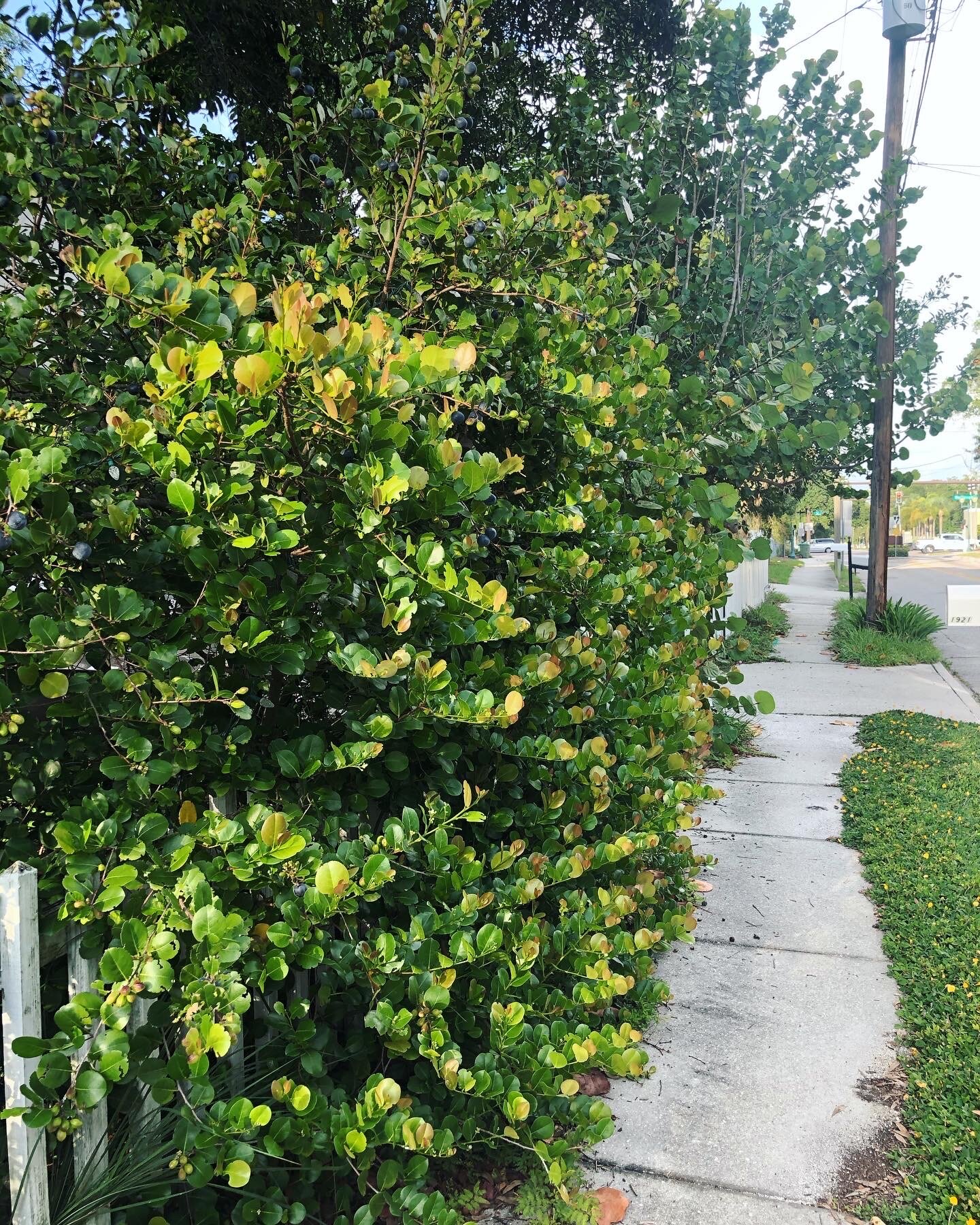
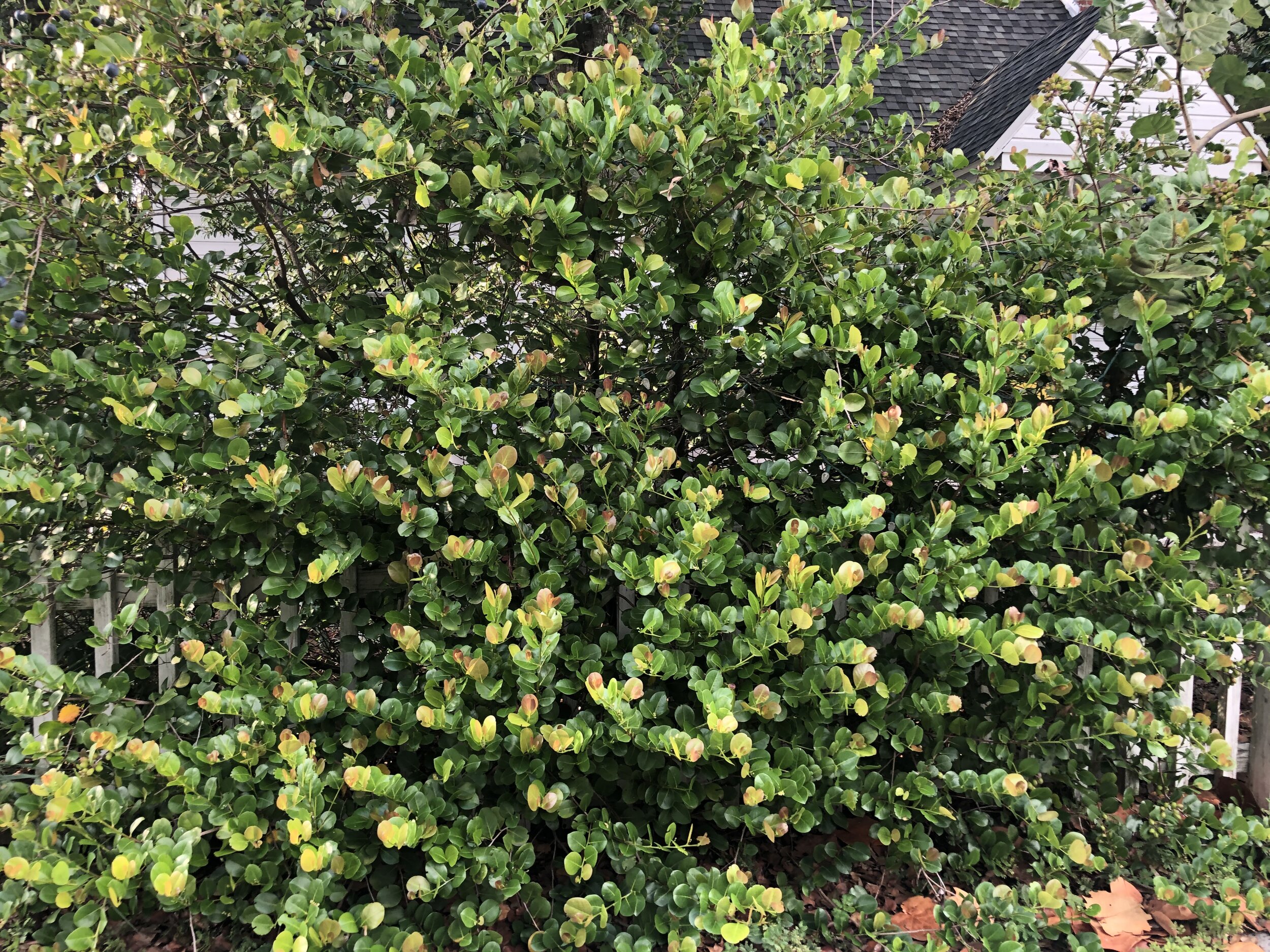
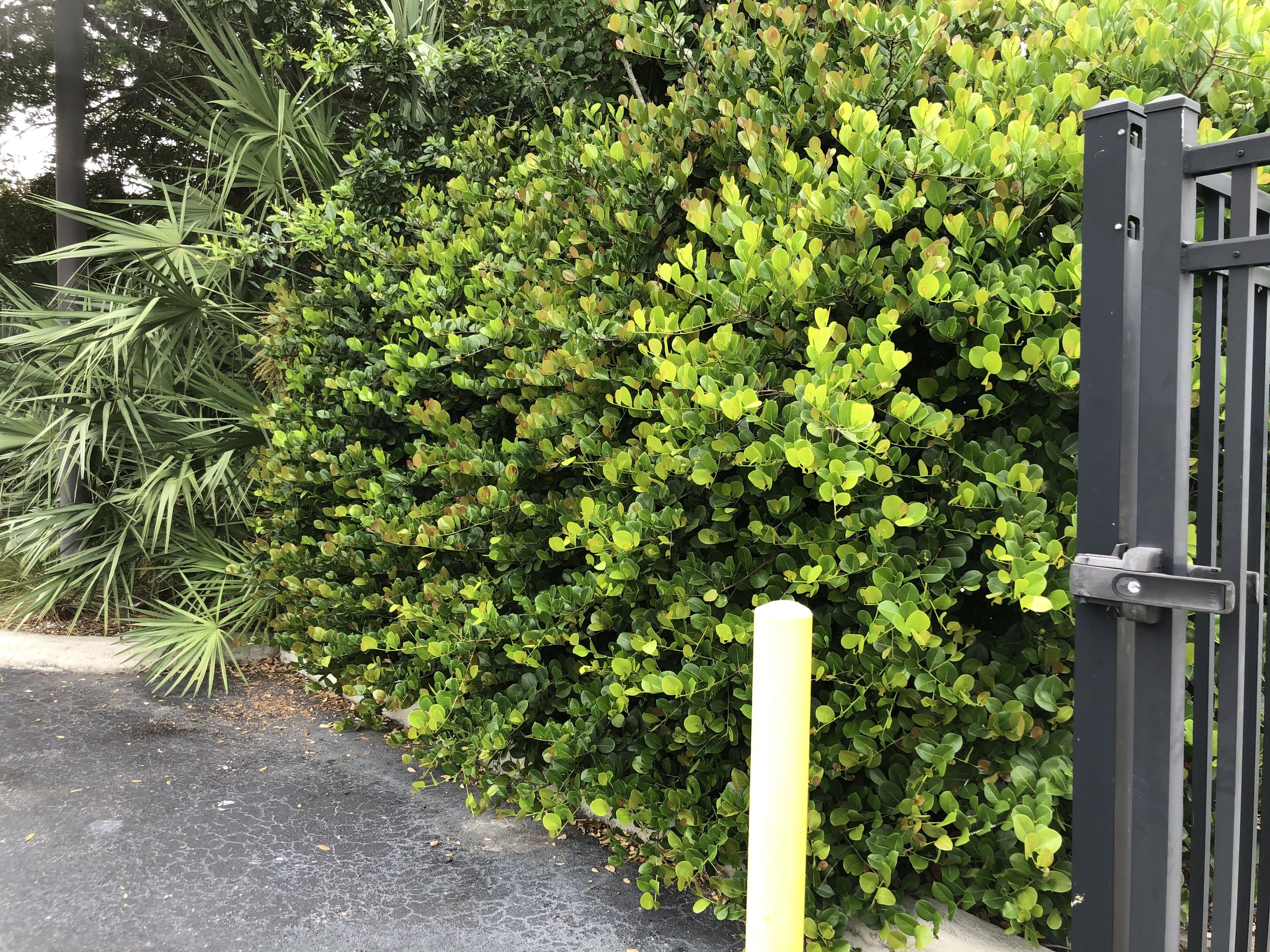
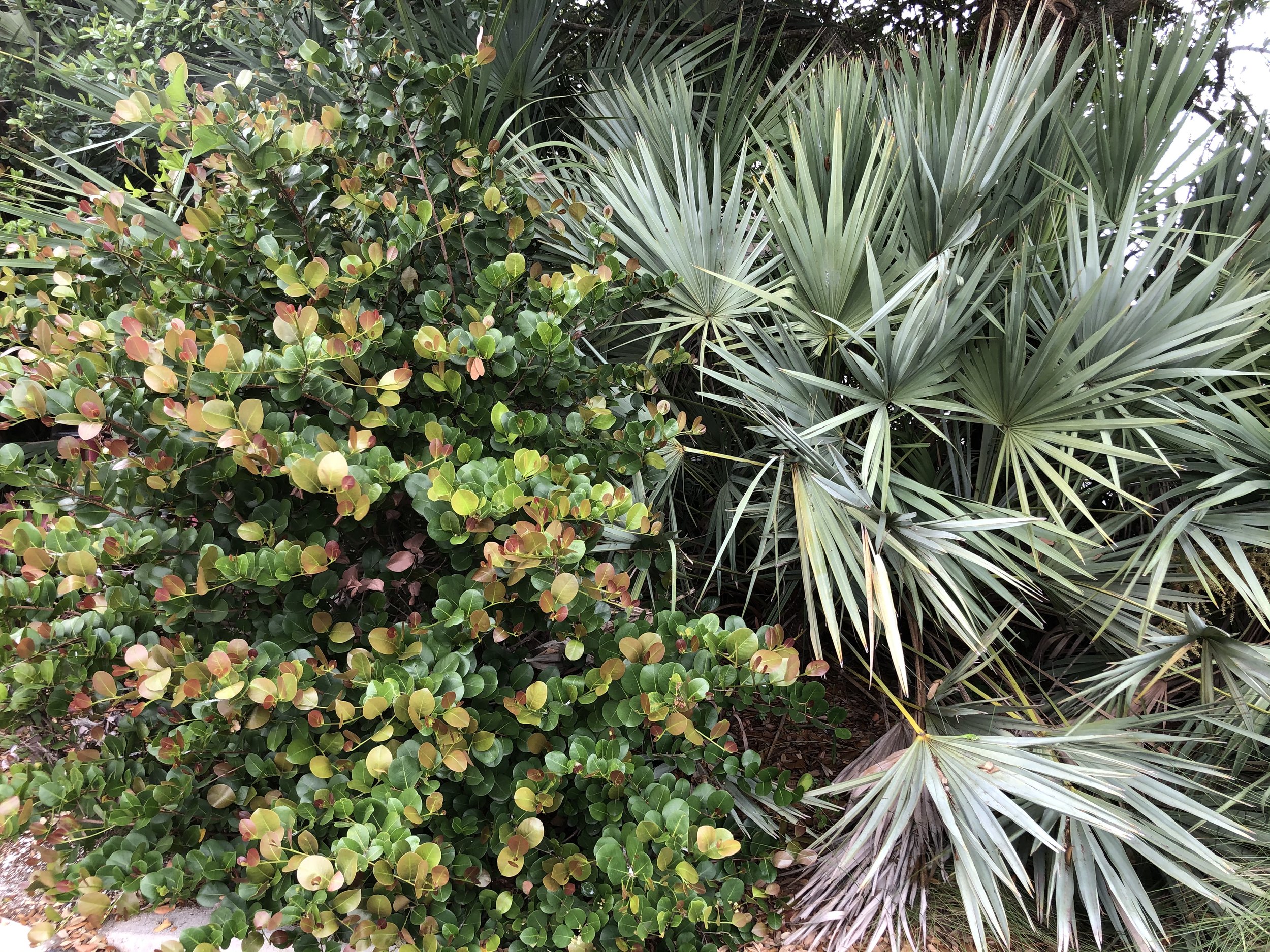
Chrysobalanus icaco ‘Red Tip’
Red Tip Cocoplum is a popular cultivar of the native Florida cocoplum that grows 5’-20’ tall with an attractive upright to spreading form. This evergreen shrub is distinguished by its striking new growth that emerges bright red to orange-bronze before maturing to glossy, dark green rounded leaves. It produces clusters of small white flowers in summer followed by edible dark purple fruits that can be used for jellies and preserves. It thrives in full sun to partial shade with well-drained soils, making it an excellent choice for hedging, privacy screens, and buffer plantings in zones 10-11.
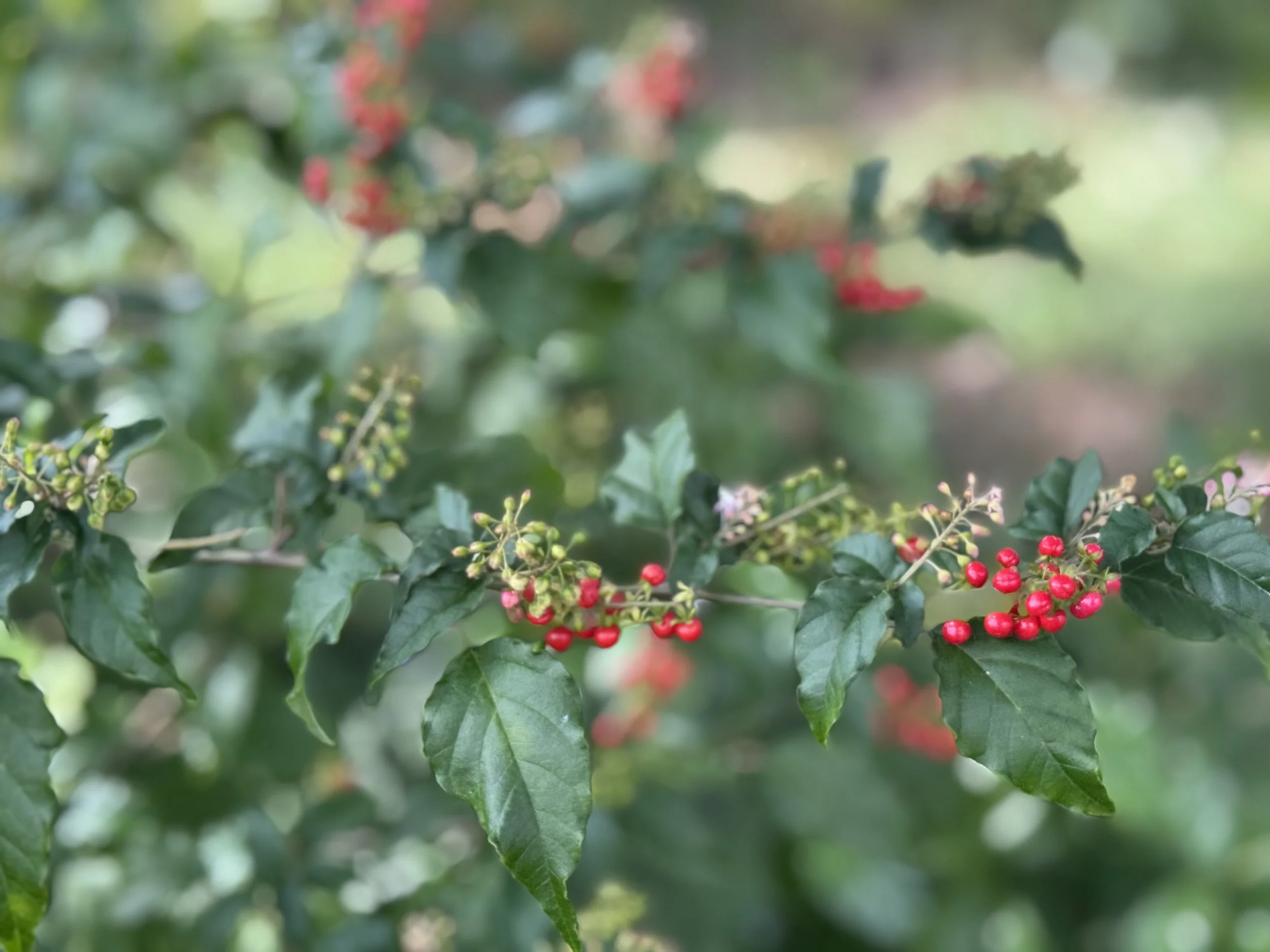


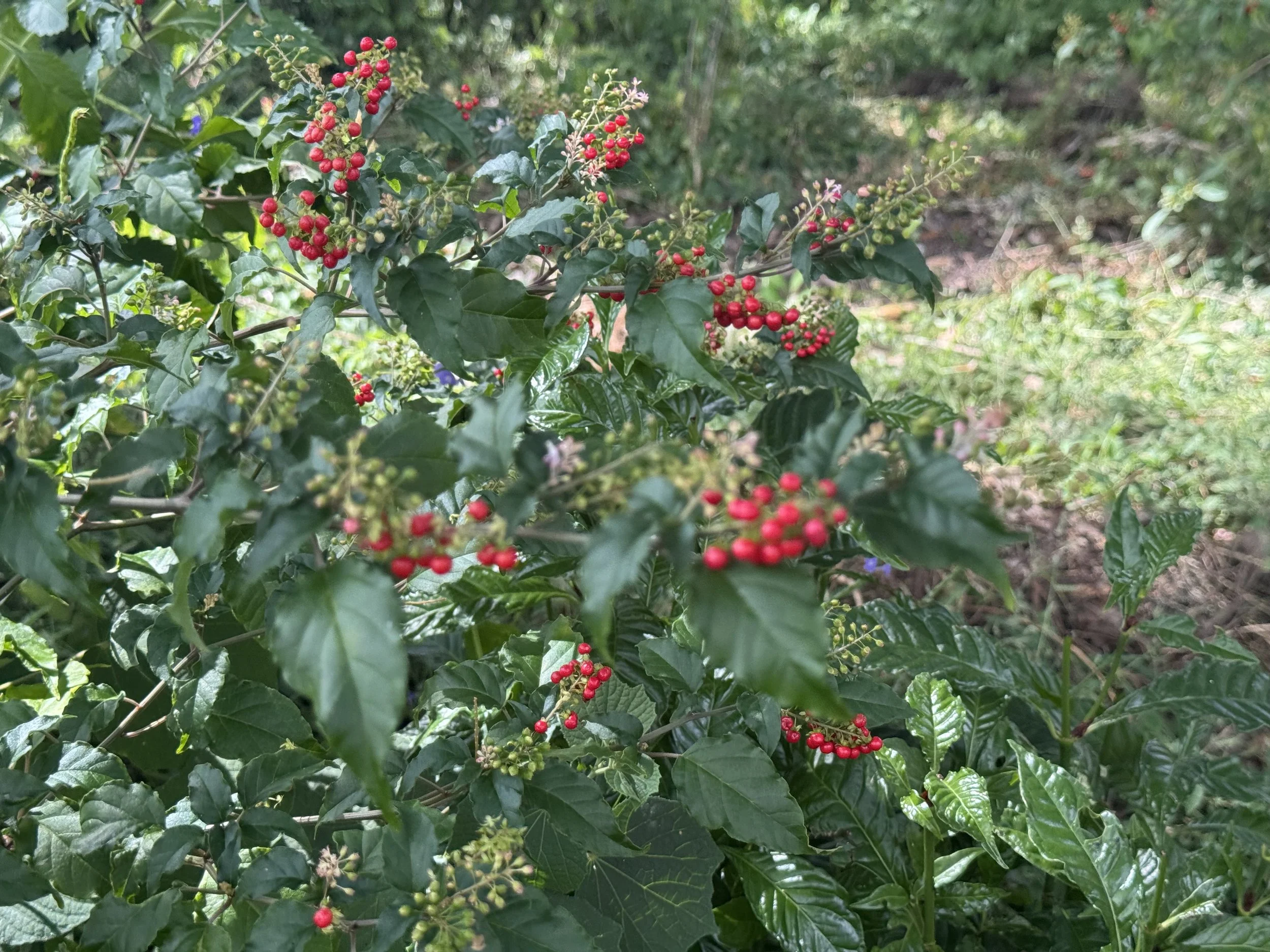
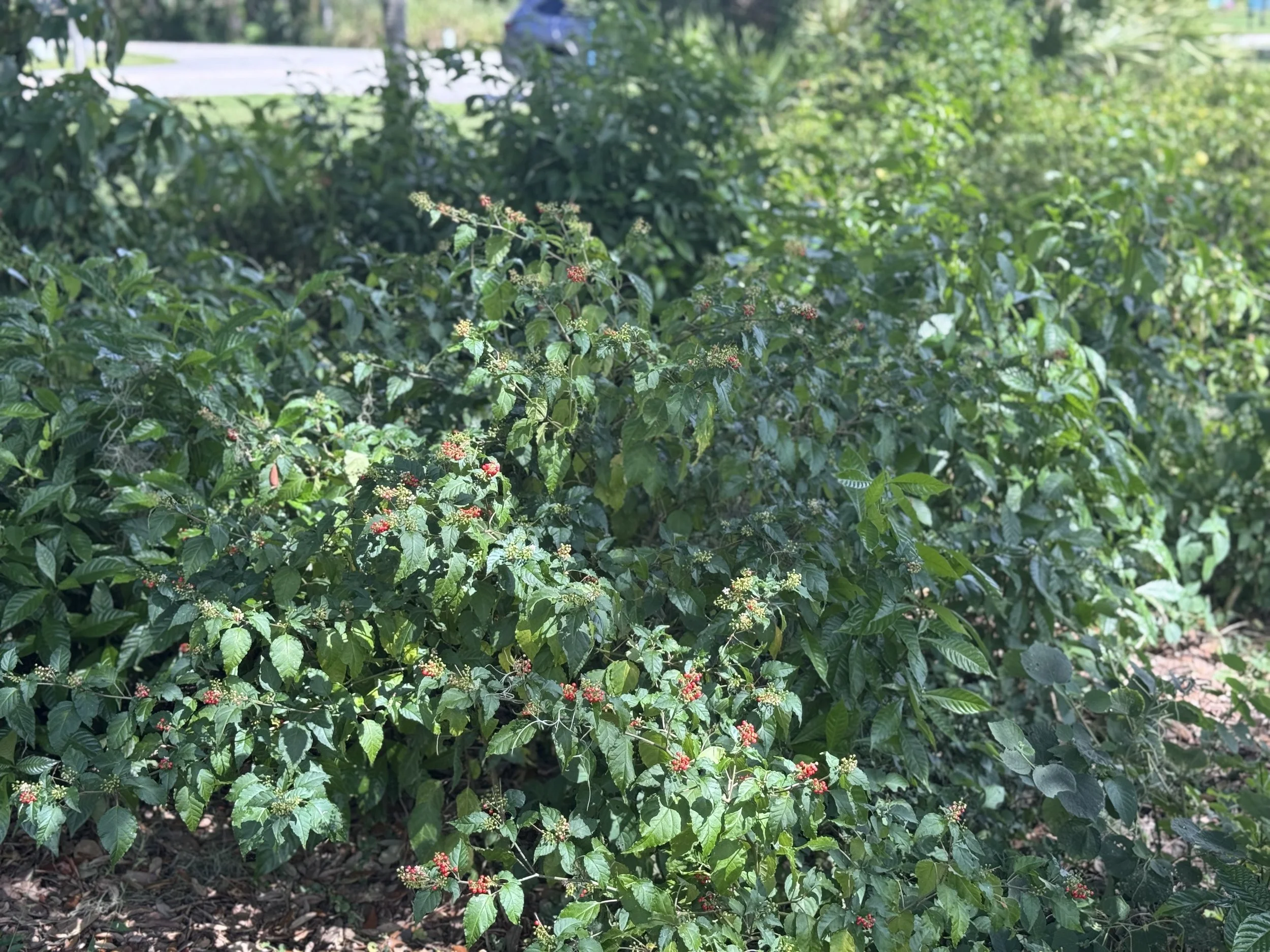
Rivina humilis
Birds will be flocking to your yard if you add this to your garden! This small, flowering shrub produces small red berries after their delicate, white flowers. They flower year-round so there is always a splash of color in their green foliage. They prefer shade to part shade but can handle sun when established.
Spartina bakeri
Sand Cordgrass is a native clumping grass that grows 3’-5’ tall and 3’-4’ wide. They grow best in full sun to partial shade and moist to wet soils, but they are highly adaptable to drought once they are established. They are tolerant of salt wind, spray, and occasional flooding, and they provide food and cover for native birds and small mammals.

Spartina patens
Saltmeadow Cordgrass is a perennial grass native to Florida's coasts that grows up to 3 feet tall in salt marshes and brackish wetlands. This hardy species features slender, wiry stems and narrow leaves that often form distinctive whorled patterns, creating dense clumps in the high marsh zone above the high-tide line. Highly valuable for Florida wildlife, it provides critical nesting habitat for saltmarsh sparrows, red-winged blackbirds, and boat-tailed grackles, while the seeds feed various shorebirds and waterfowl including mallards and pintails. The dense grass also offers protective cover for diamondback terrapins, marsh rabbits, and juvenile fish during high tide, while serving as foraging areas for great blue herons and snowy egrets. This salt-tolerant native grass plays a vital ecological role in Florida's coastal marsh systems, supporting both resident and migratory species.
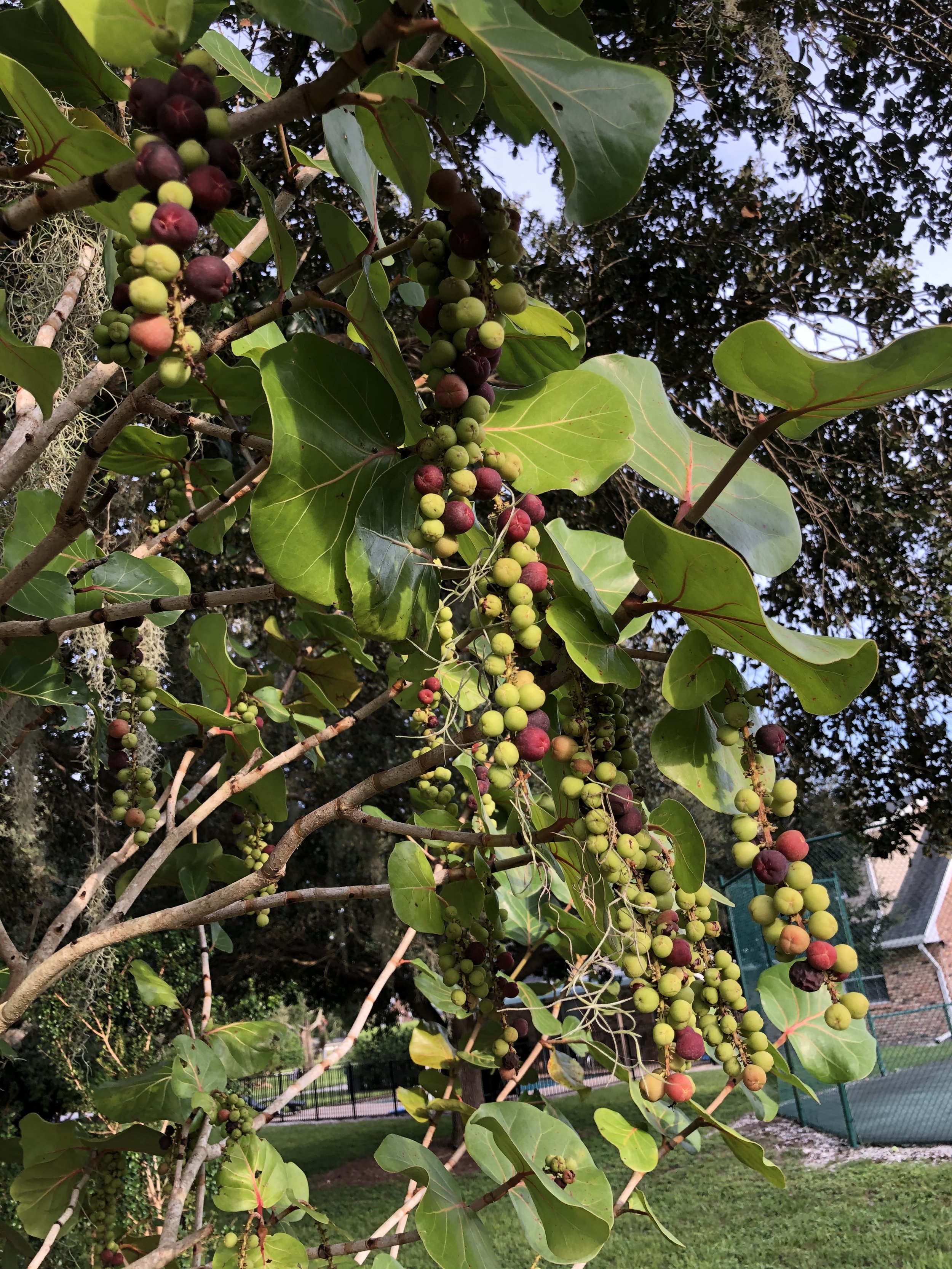
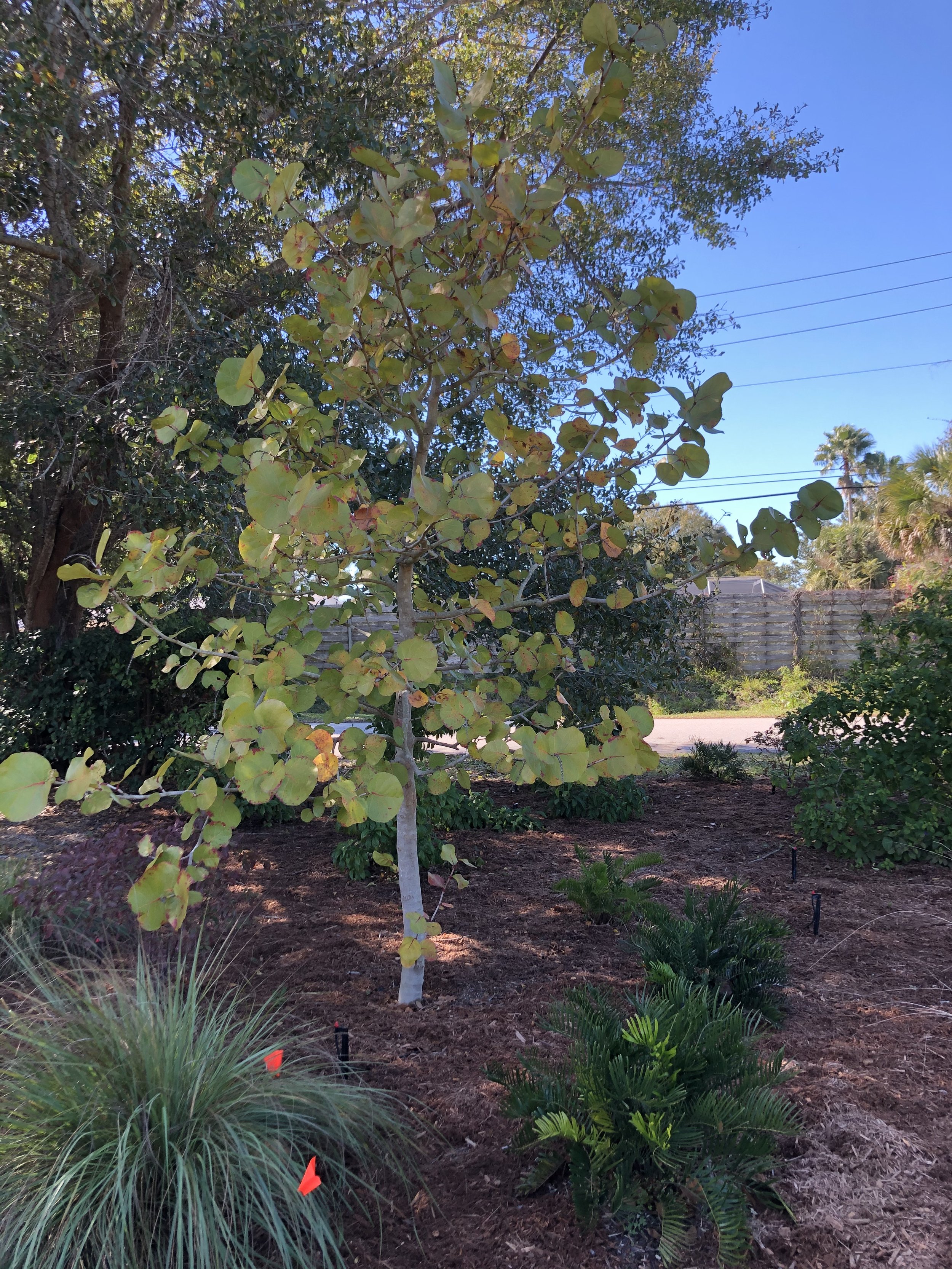
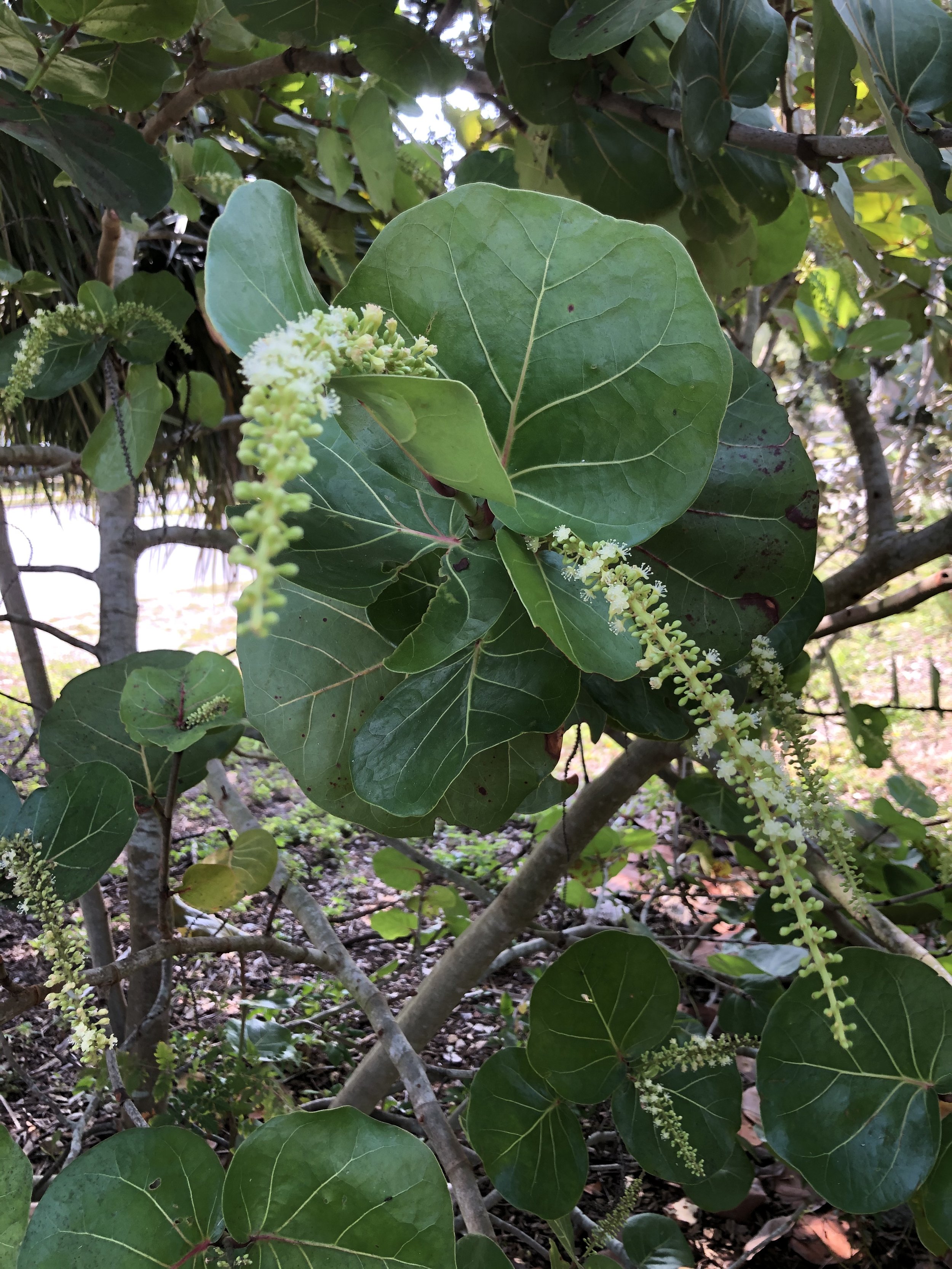
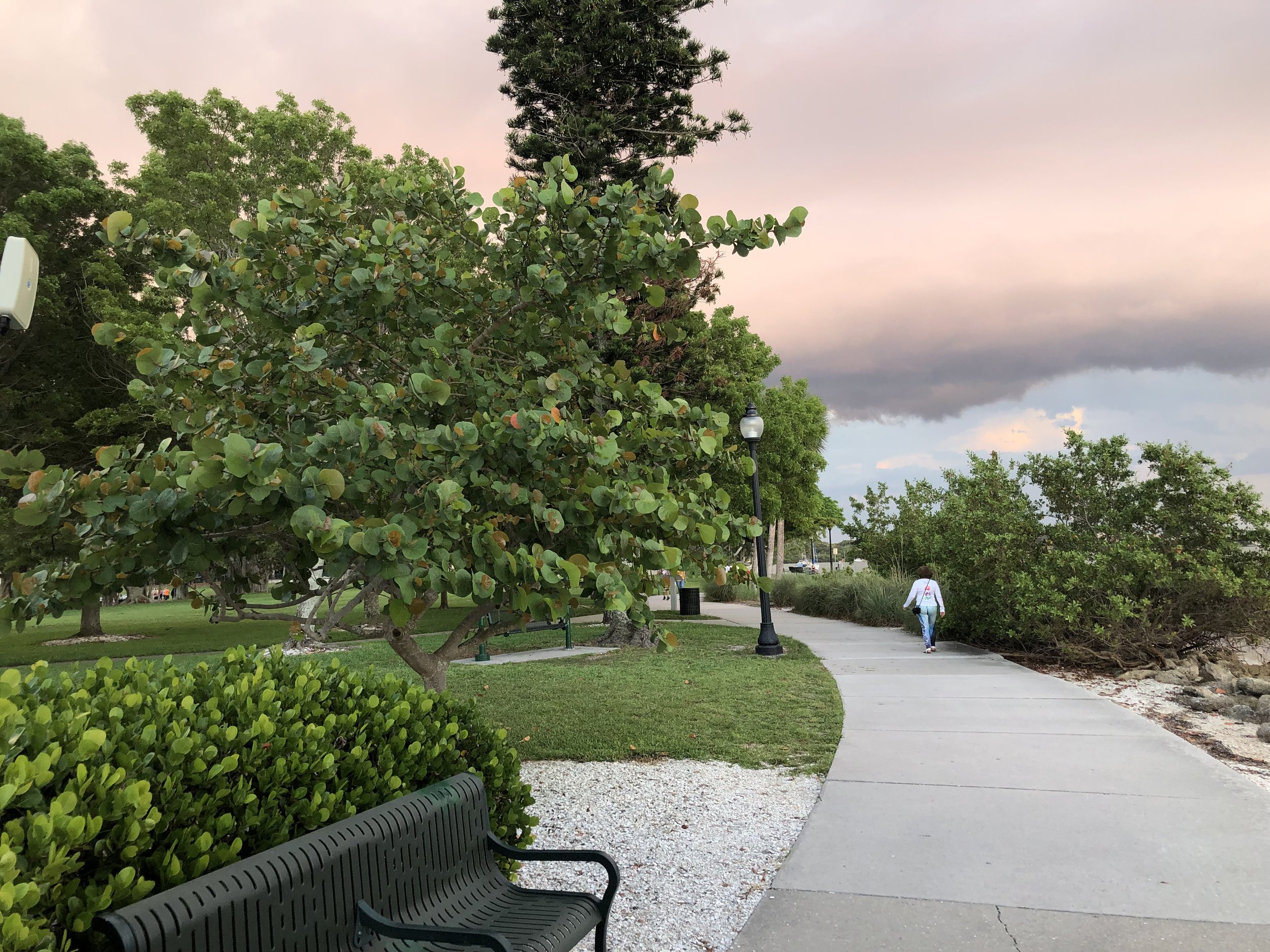
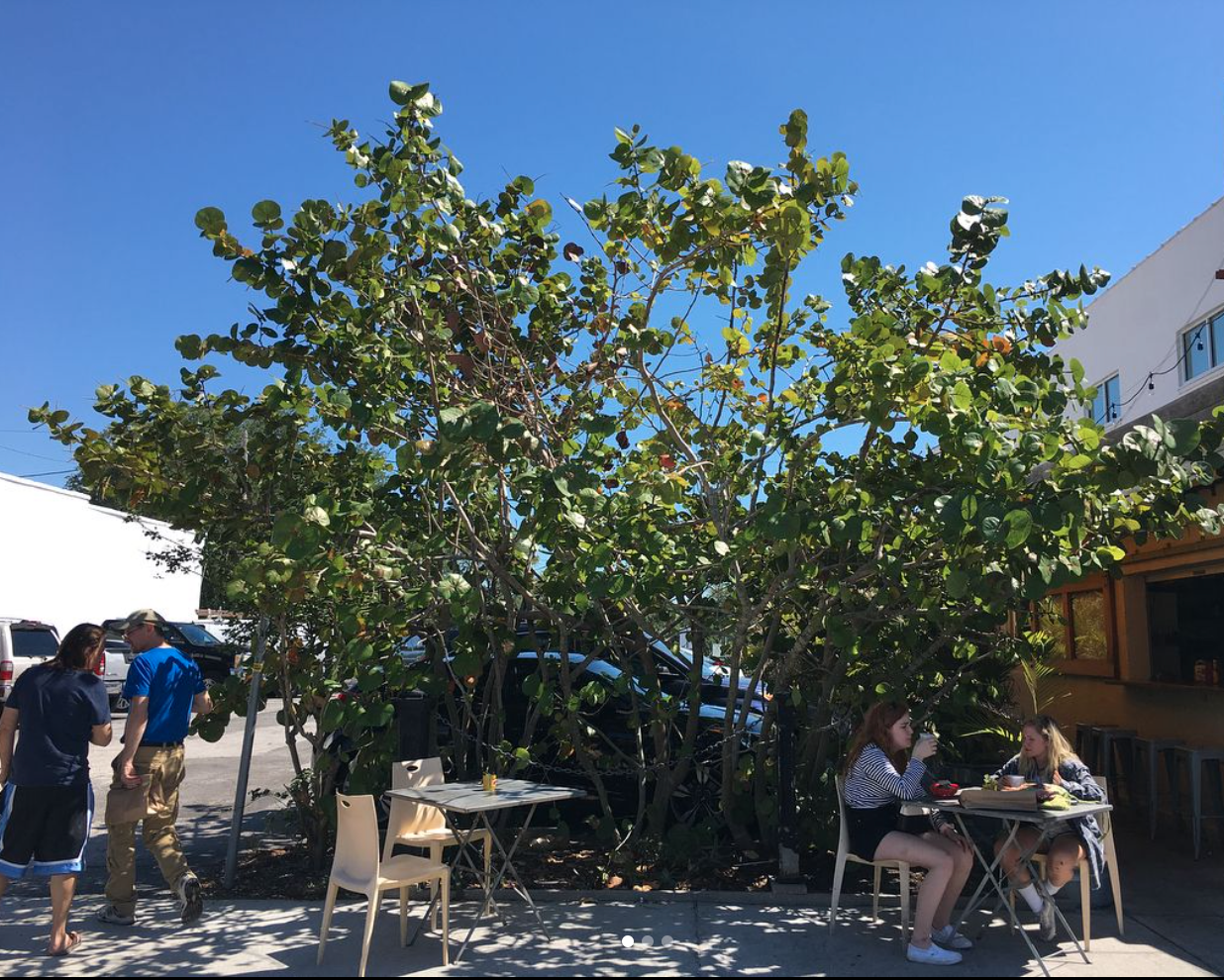
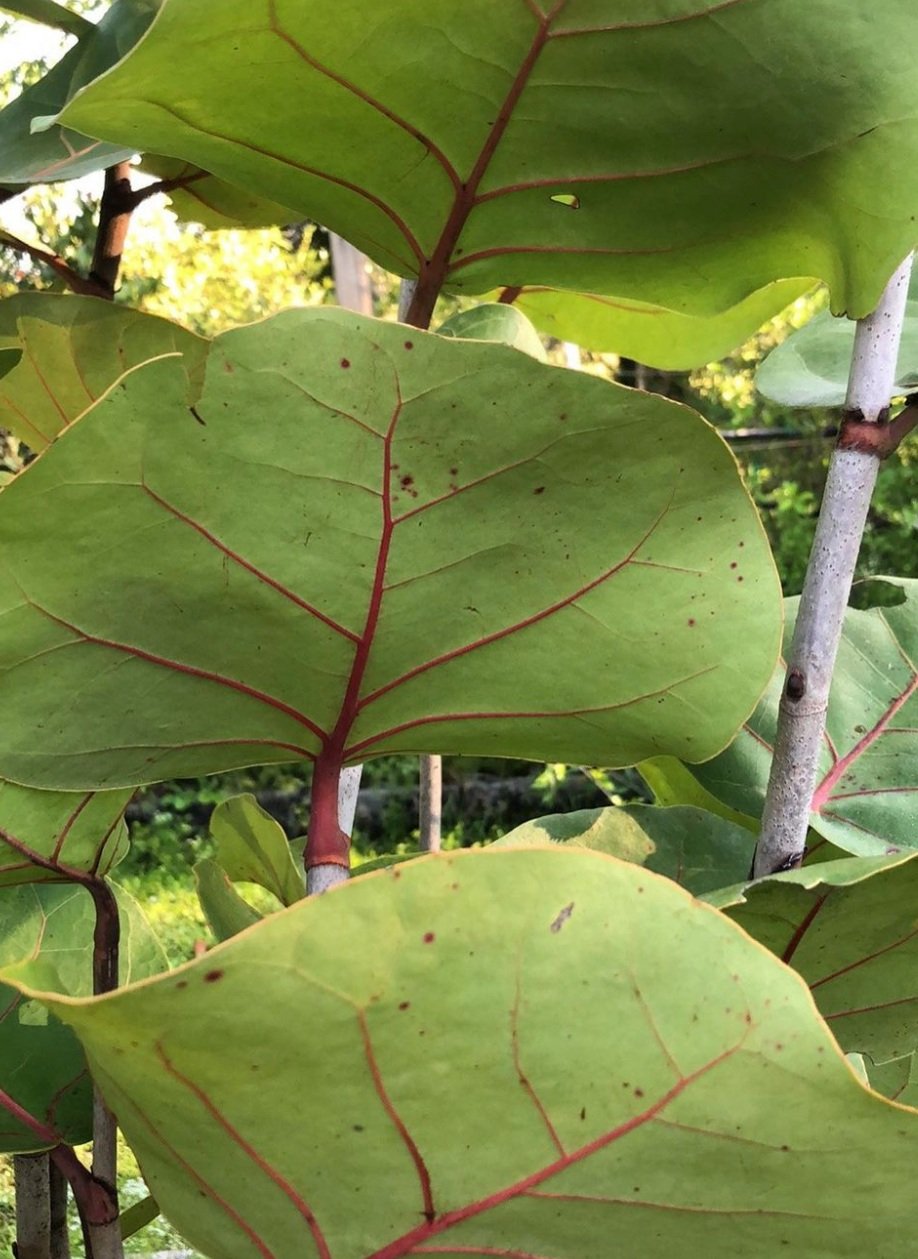
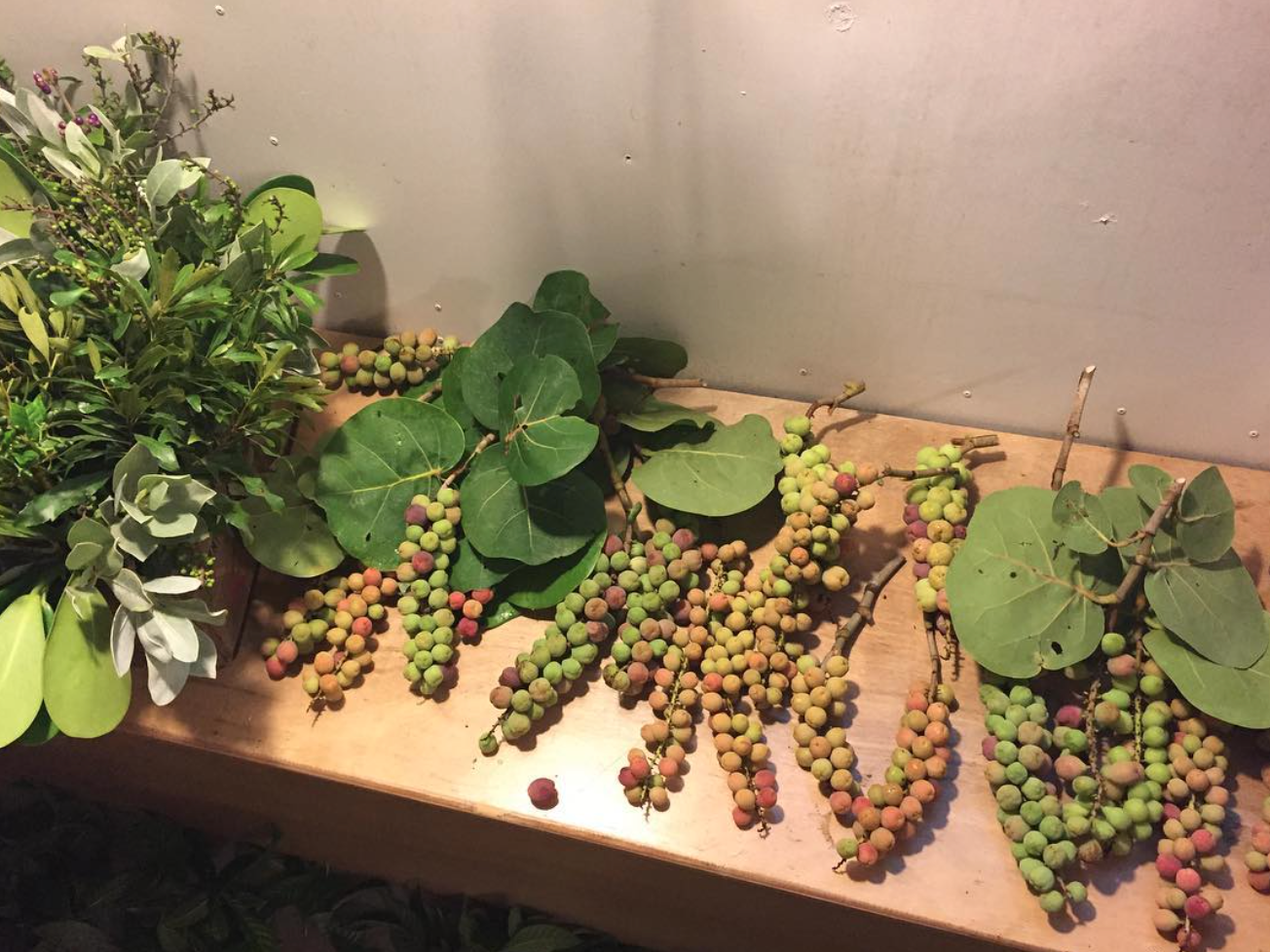
Coccoloba uvifera
A tropical-looking and unique native plant, Sea Grape grows to 10-30 ft tall and can be trimmed. Grow in full sun as a large shrub for screening and privacy or as a large sculptural tree in semi-shade. The leaves of Sea Grape are lightly deciduous and interesting with seasonal changes in color. The fruit grows in beautiful clusters and is enjoyed by both birds and people.
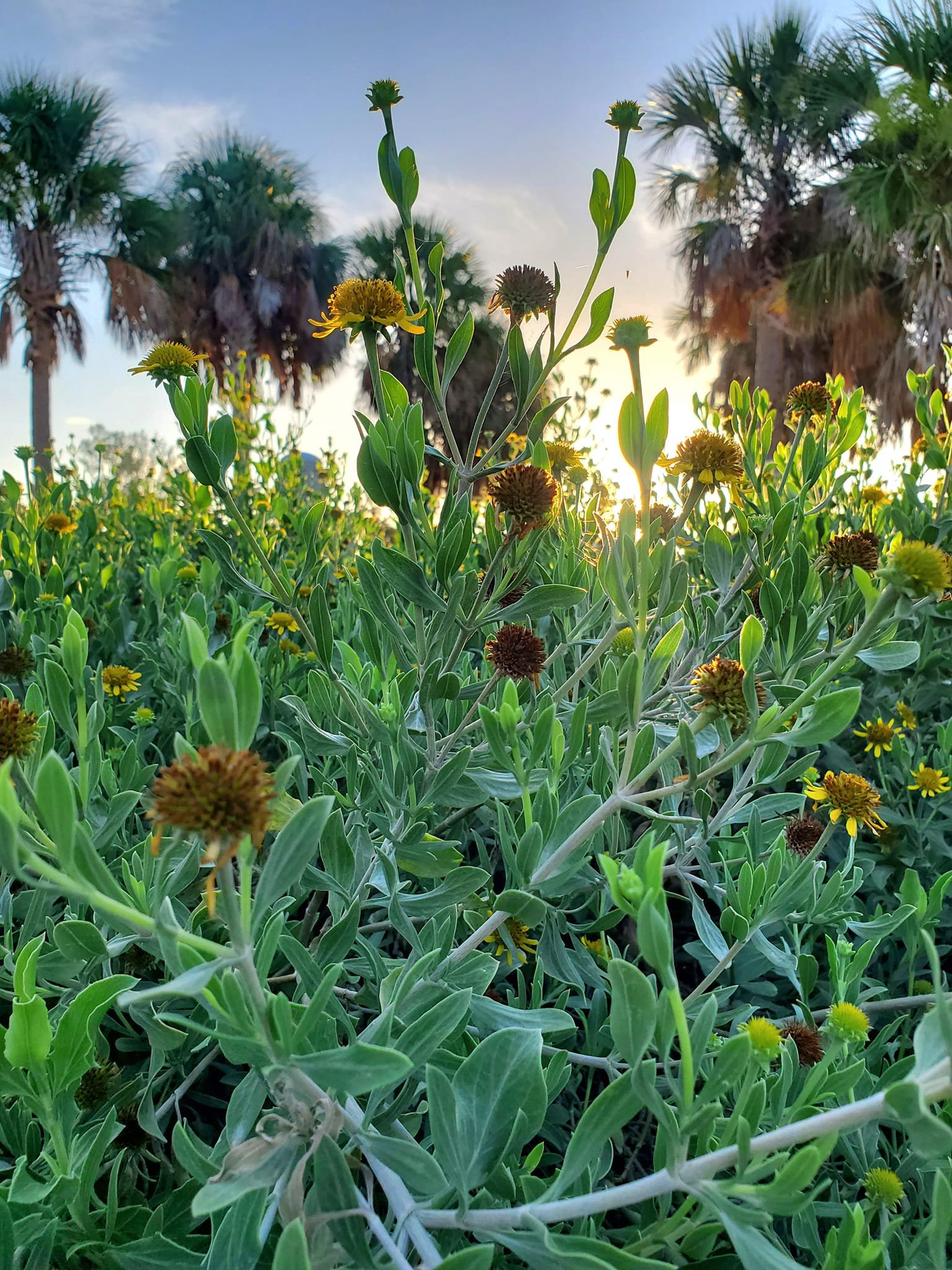
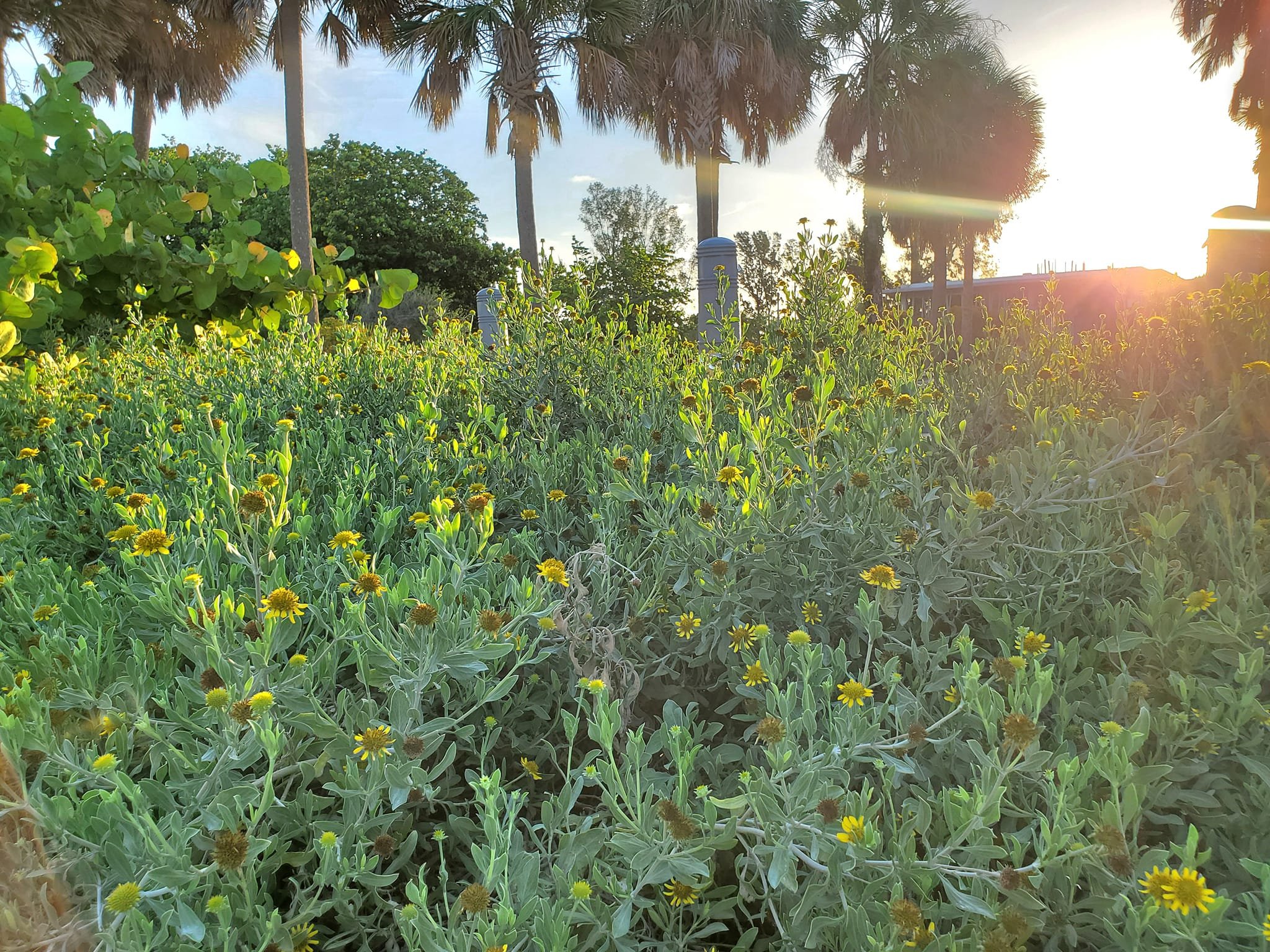
Borrichia frutescens
Sea Oxeye Daisy is a great shrubby wildflower for coastal areas. One plant grows to be 3x3' but they can colonize in areas they love creating a beautiful pollinator patch! Great for coastal areas where the tide comes in, this plant is highly salt tolerant and can take flooding, tides, and salty soil and wind. Does best in full sun. Sea Oxeye Daisy attracts many small butterflies like hairstreaks and blues and other pollinators like native bees. Birds eat the seeds. Blooms heavily spring-summer and on and off the rest of the year.
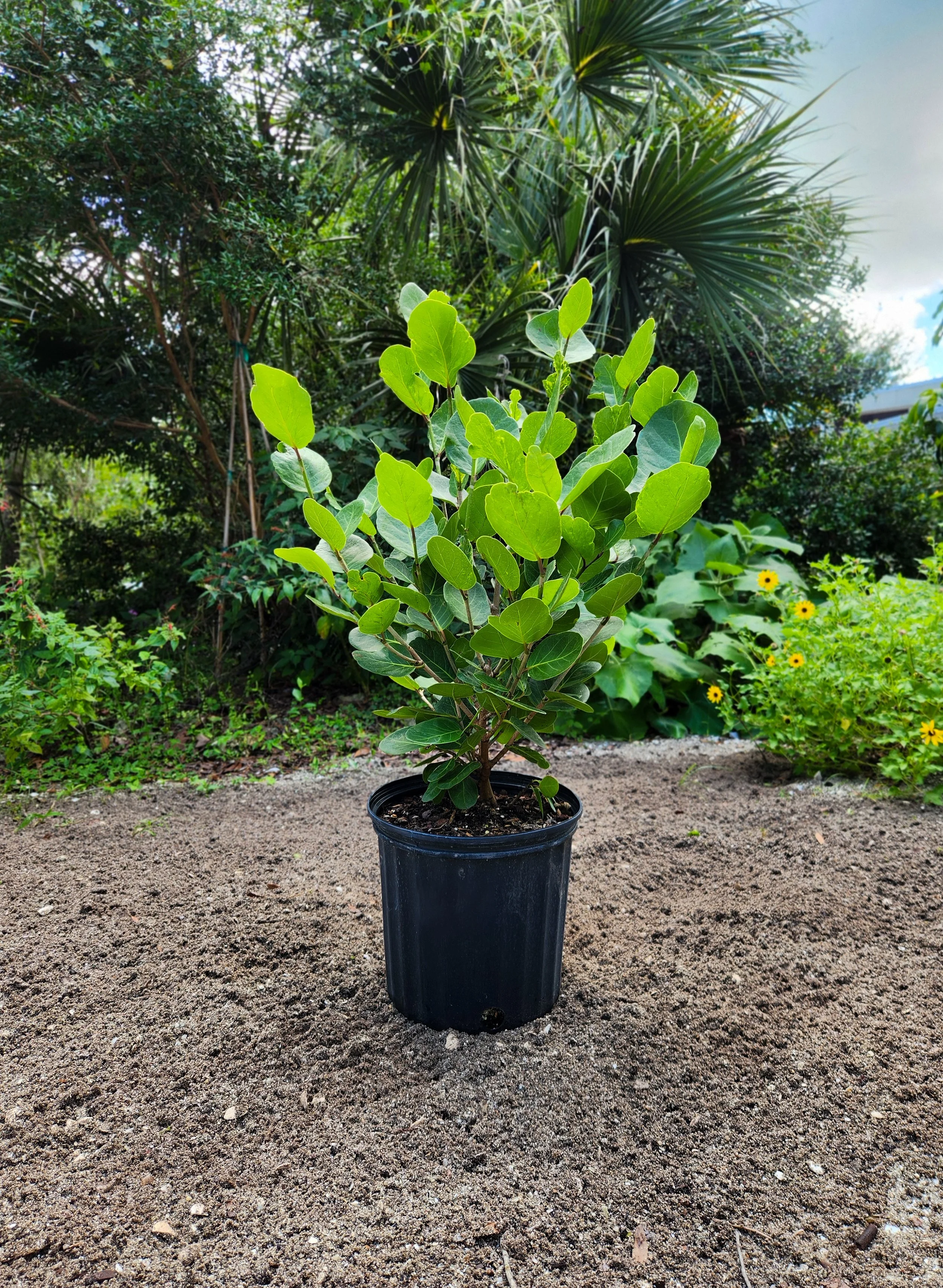
Coccoloba uvifera x diversifolia
Sea Plum is a naturally occurring hybrid between Sea Grape and Pigeon Plum that combines the best traits of both native Florida parents. This evergreen shrub typically grows 6’-12’ tall and 4’-6’ wide, though it has the potential to reach larger sizes given its parentage. It features attractive foliage that blends characteristics of both parents and produces fruit on female plants that birds readily consume. Exceptionally hardy and low-maintenance, it thrives in full sun to light shade with well-draining sandy soils and demonstrates excellent tolerance to wind, salt spray, and drought conditions. This versatile hybrid works well as a specimen plant or screening hedge and is particularly valuable for beachfront landscapes in zones 9-11.
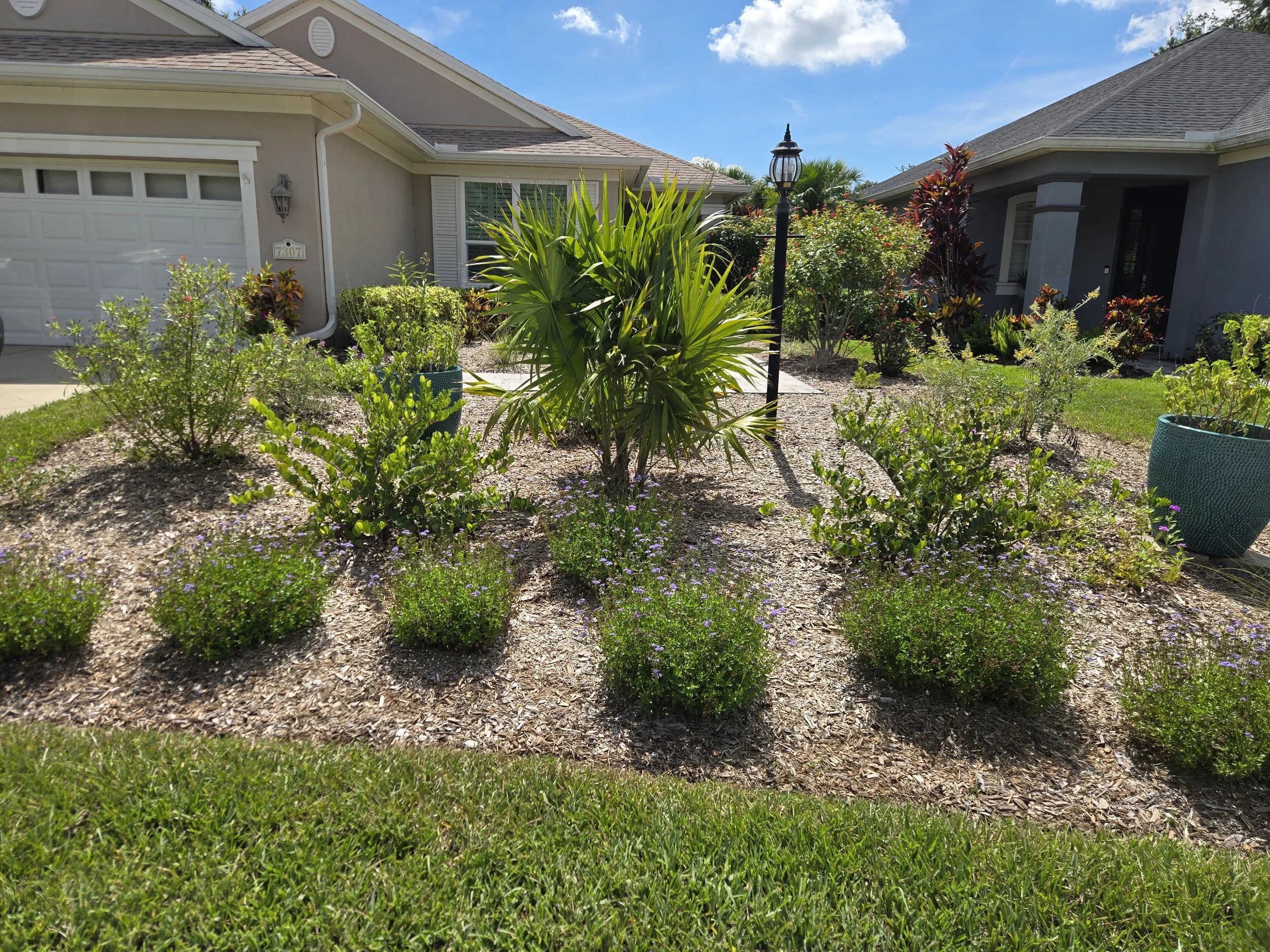
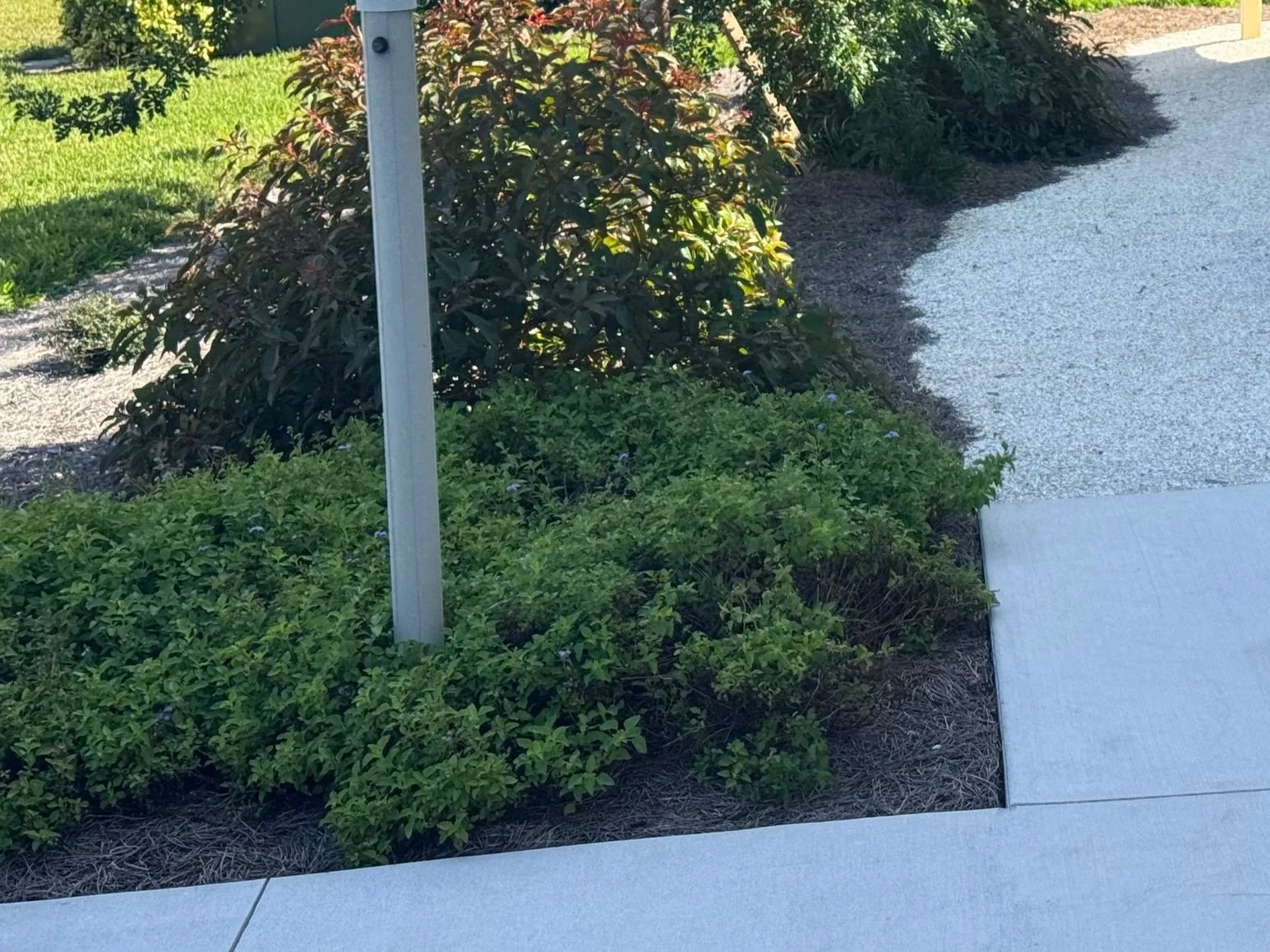
Ageratum maritimum
Seaside Mistlfower or Seaside Ageratum is a charming, low-growing wildflower native to Florida’s coastal habitats. Its soft, bluish-purple blooms attract butterflies and add color to sunny, sandy spots. Perfect for coastal landscape or pollinator gardens, this hardy plant thrives in salty, well-drained conditions.
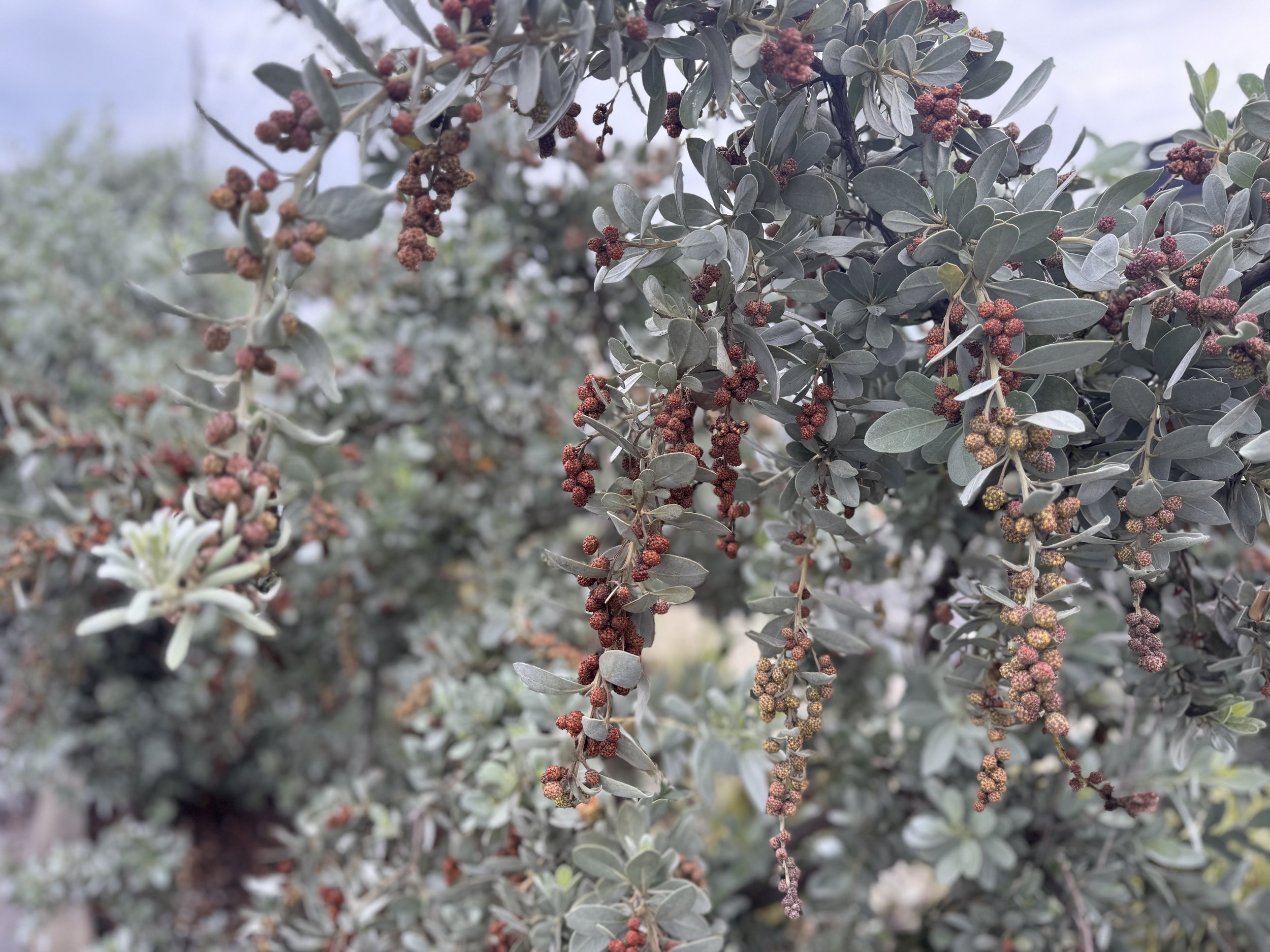
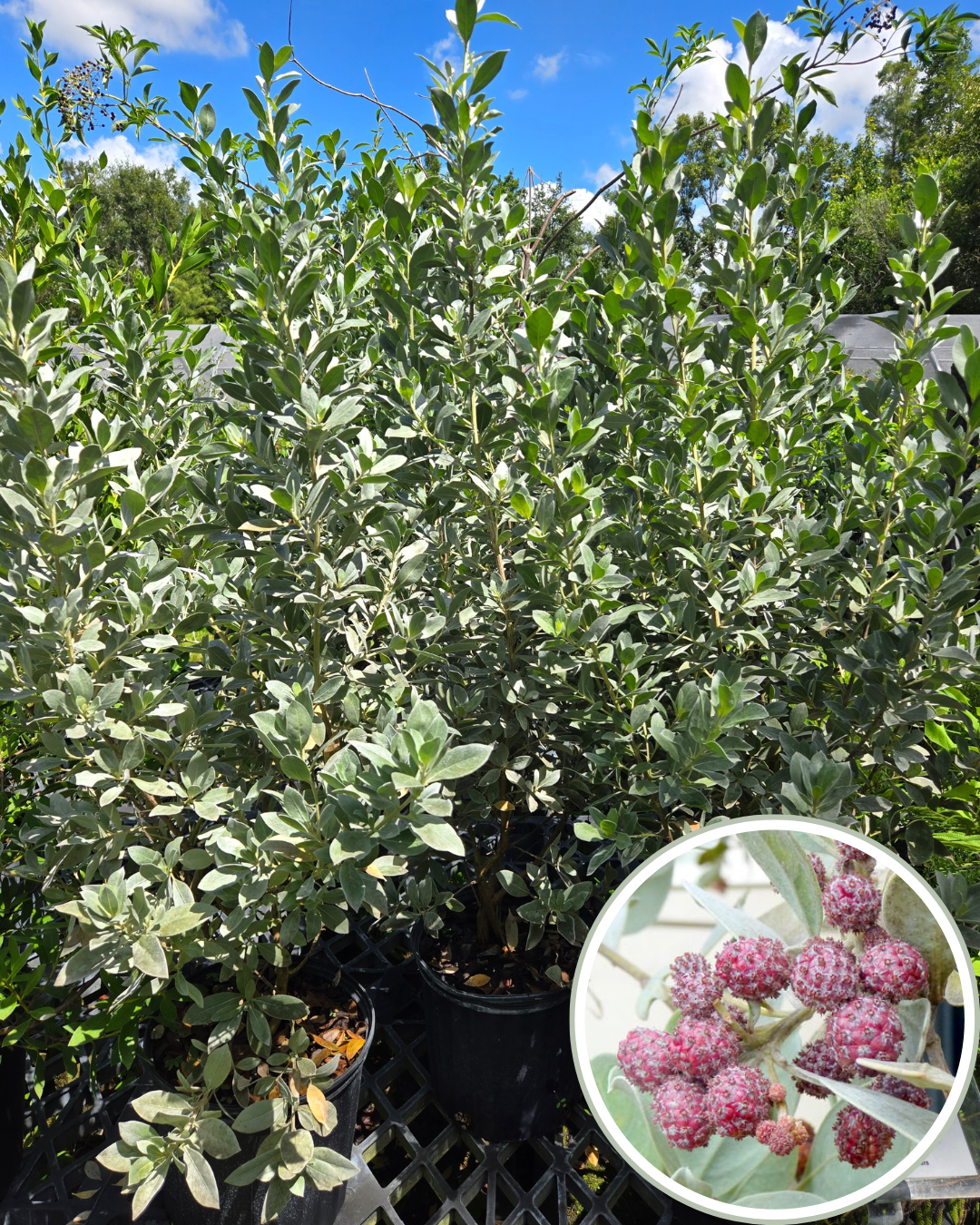
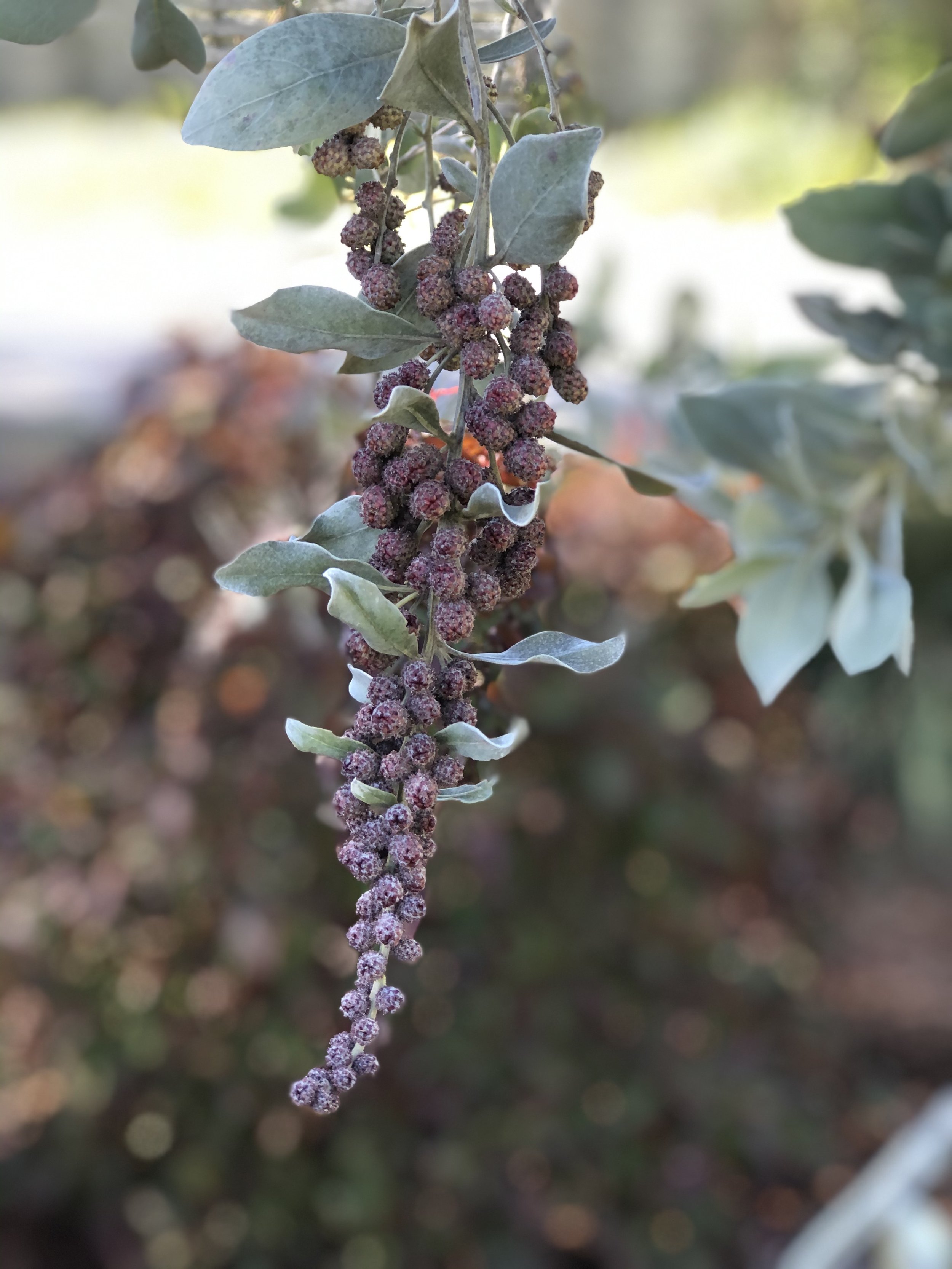
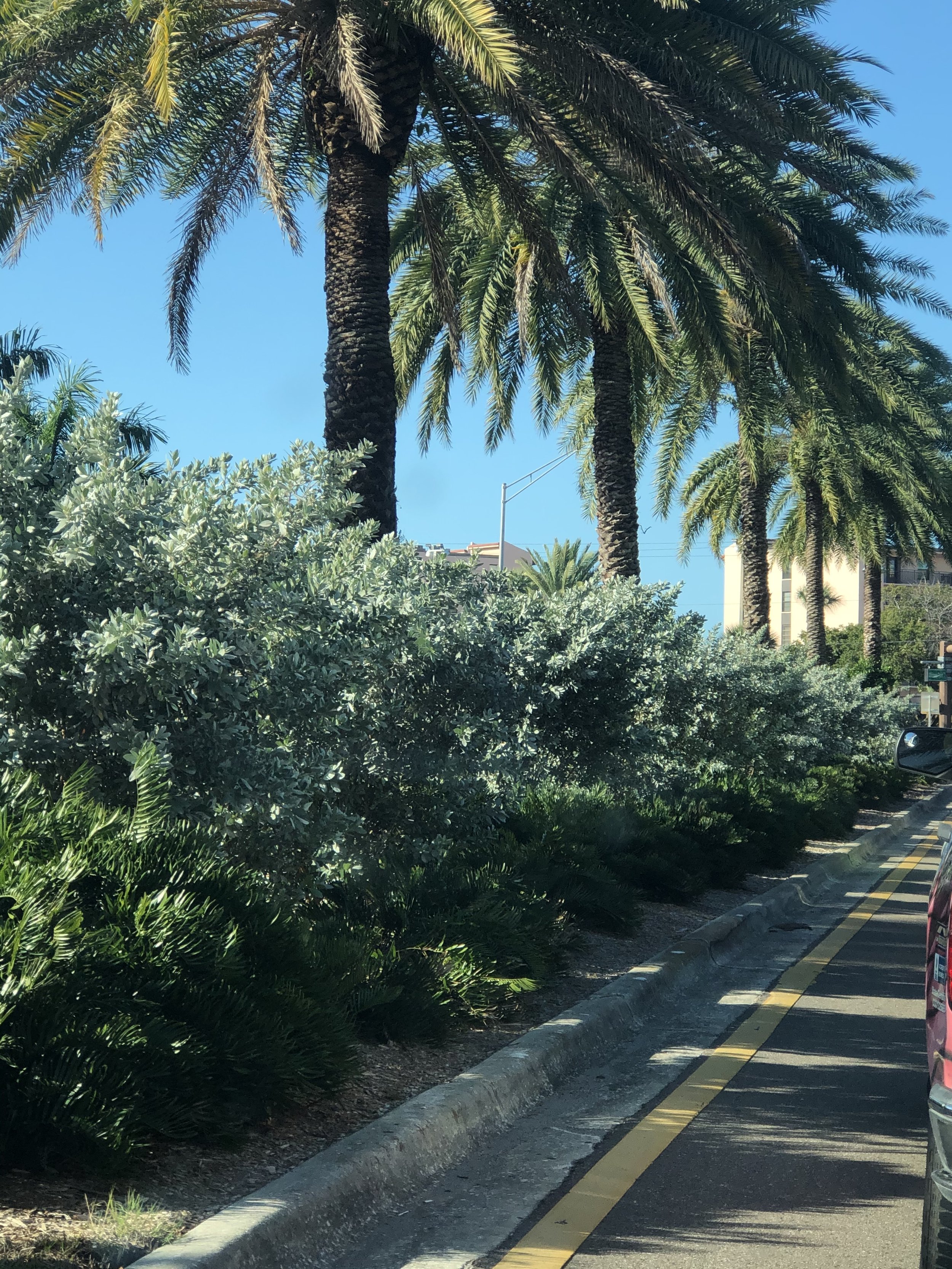
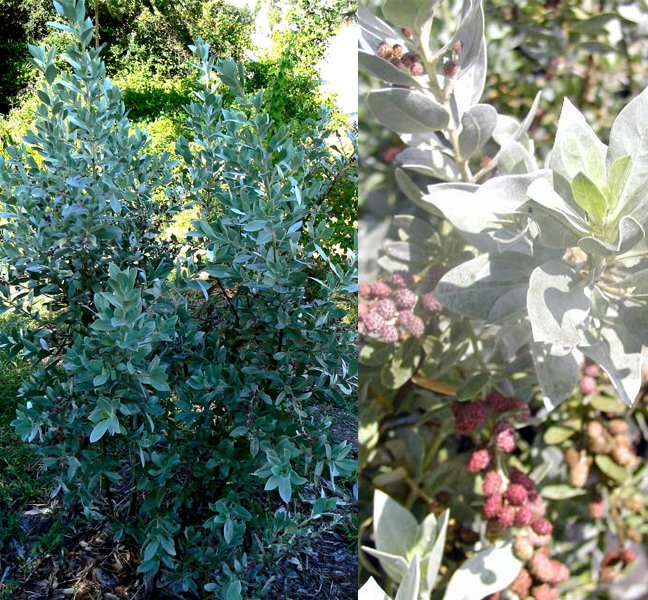
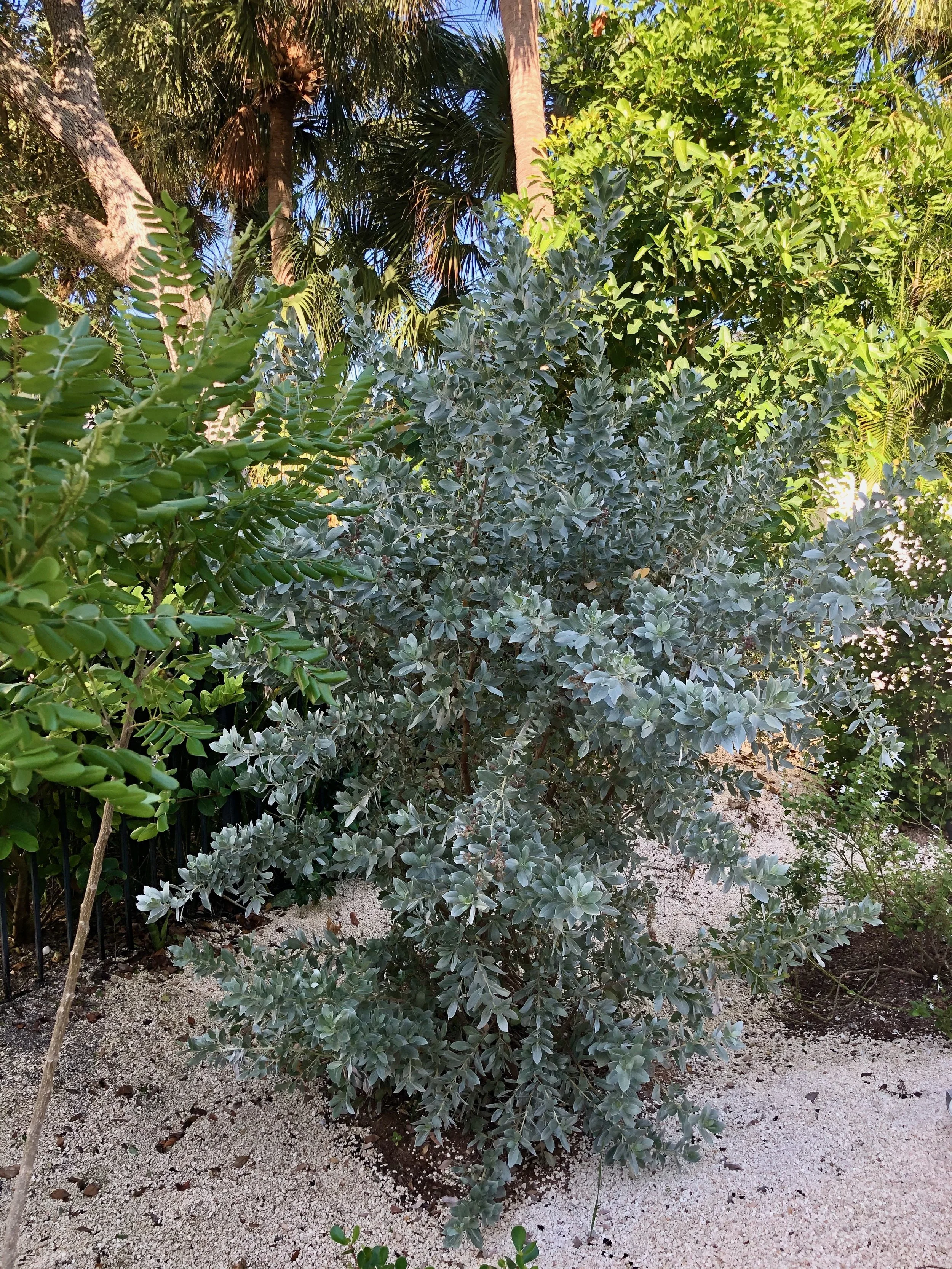
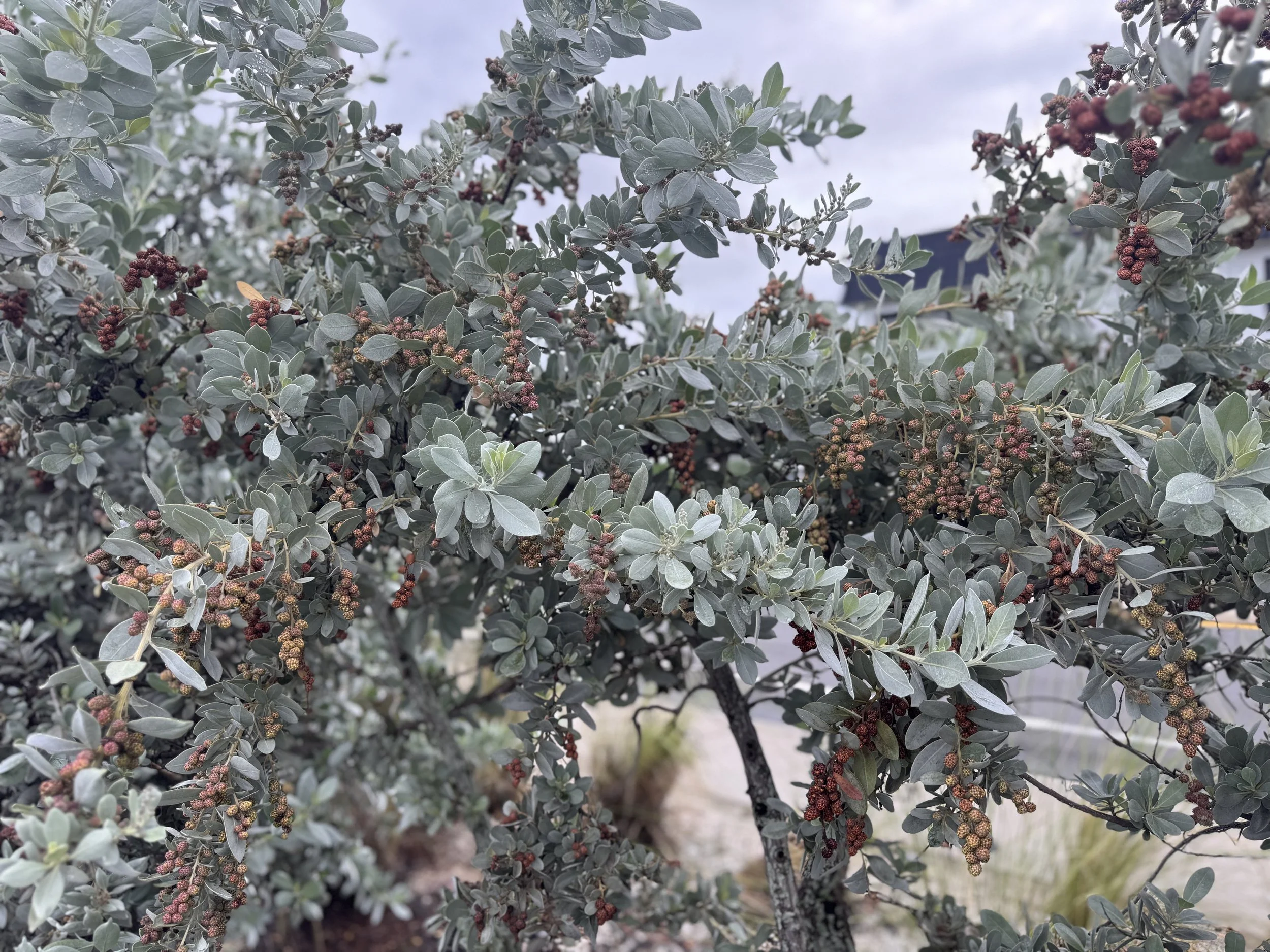
Conocarpus erectus var. sericeus
Silver Buttonwood is a unique coastal native shrub or small tree that can reach 20' and has soft silvery leaves and small brown berries that look like wood buttons. While it thrives in coastal landscapes, taking salt inundation and salty soils like a champ, it can be planted inland as well. Silver Buttonwood can be used as a specimen tree, part of a natural privacy screen or pruned into hedge.
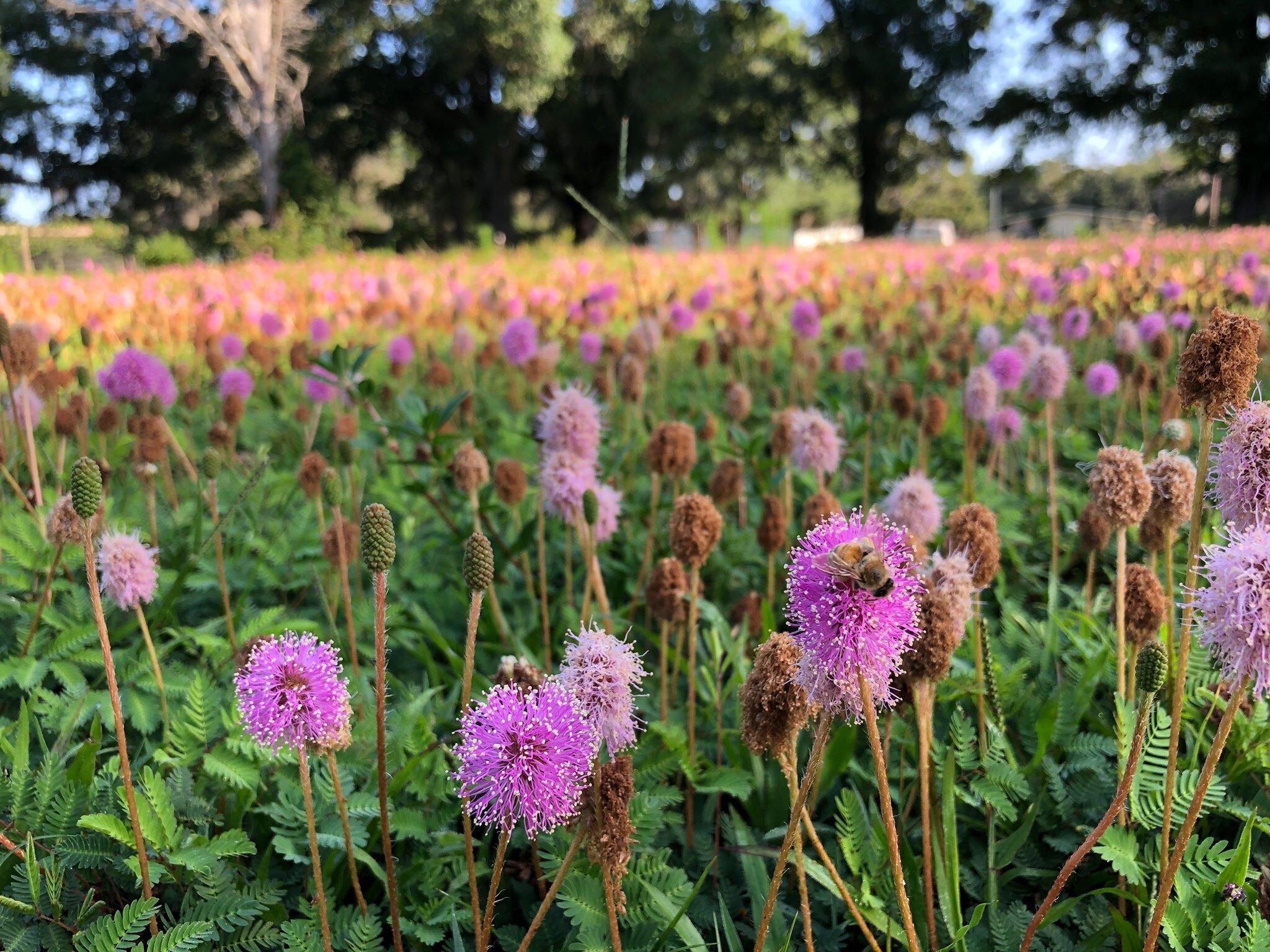

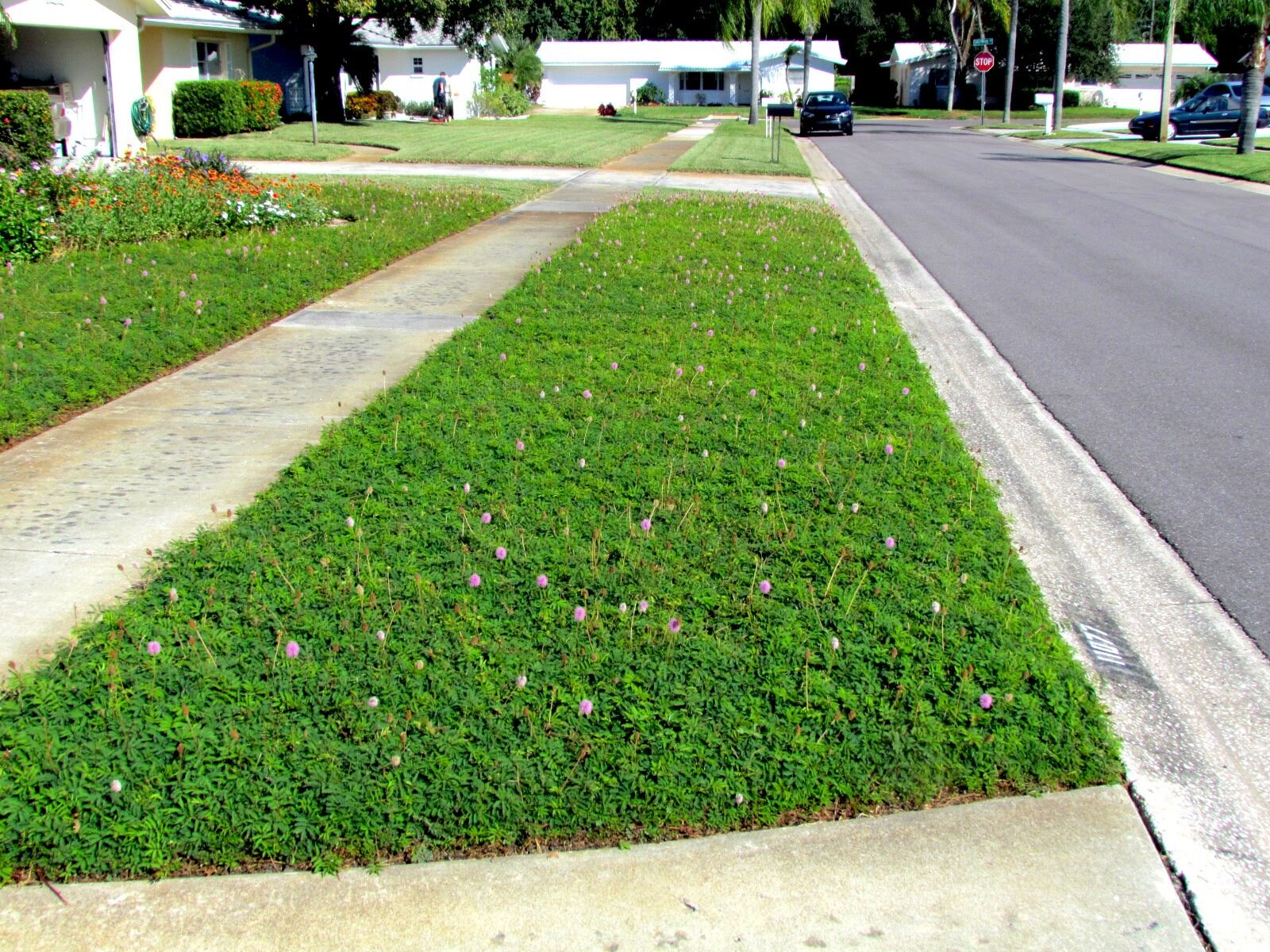
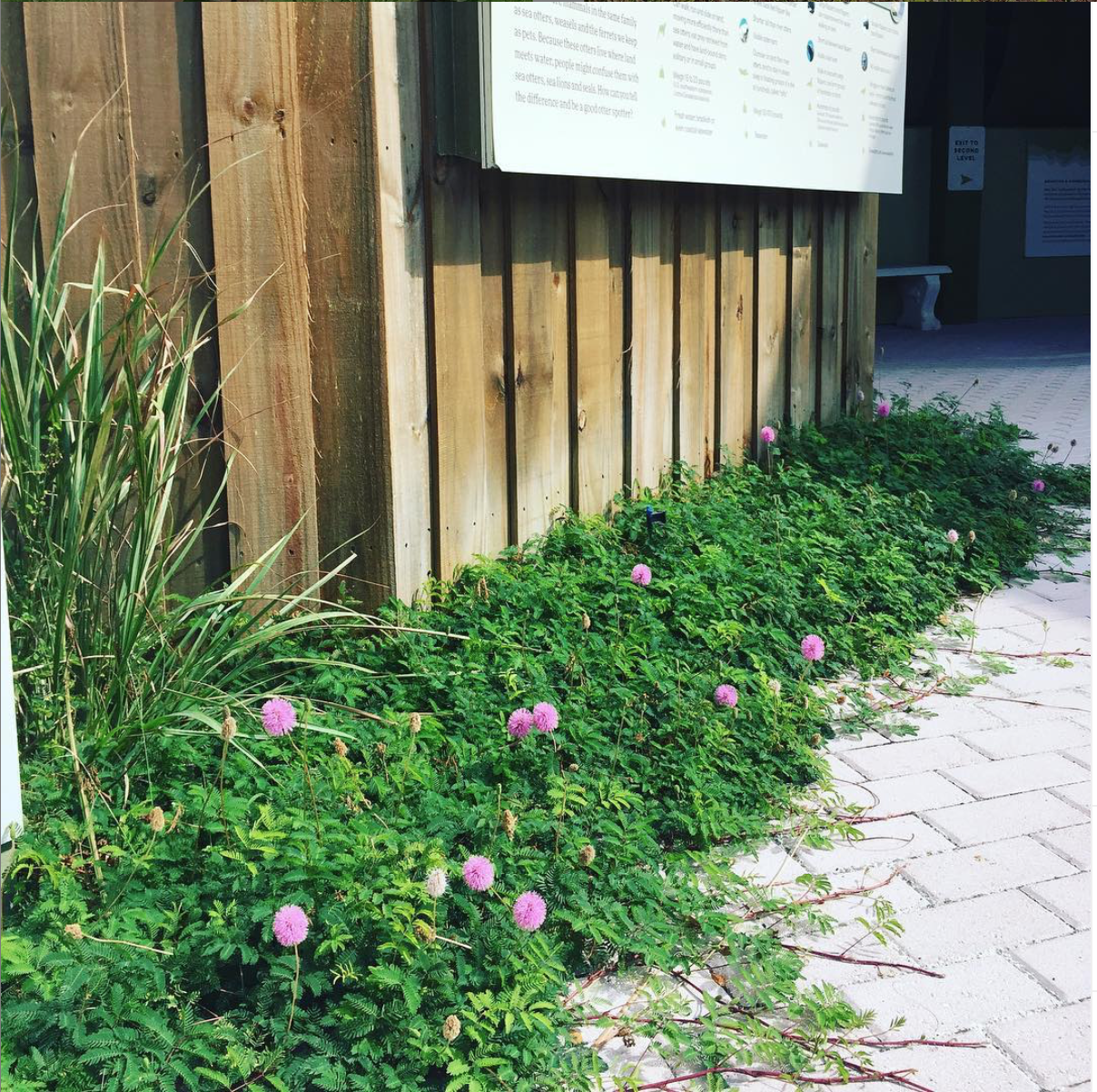
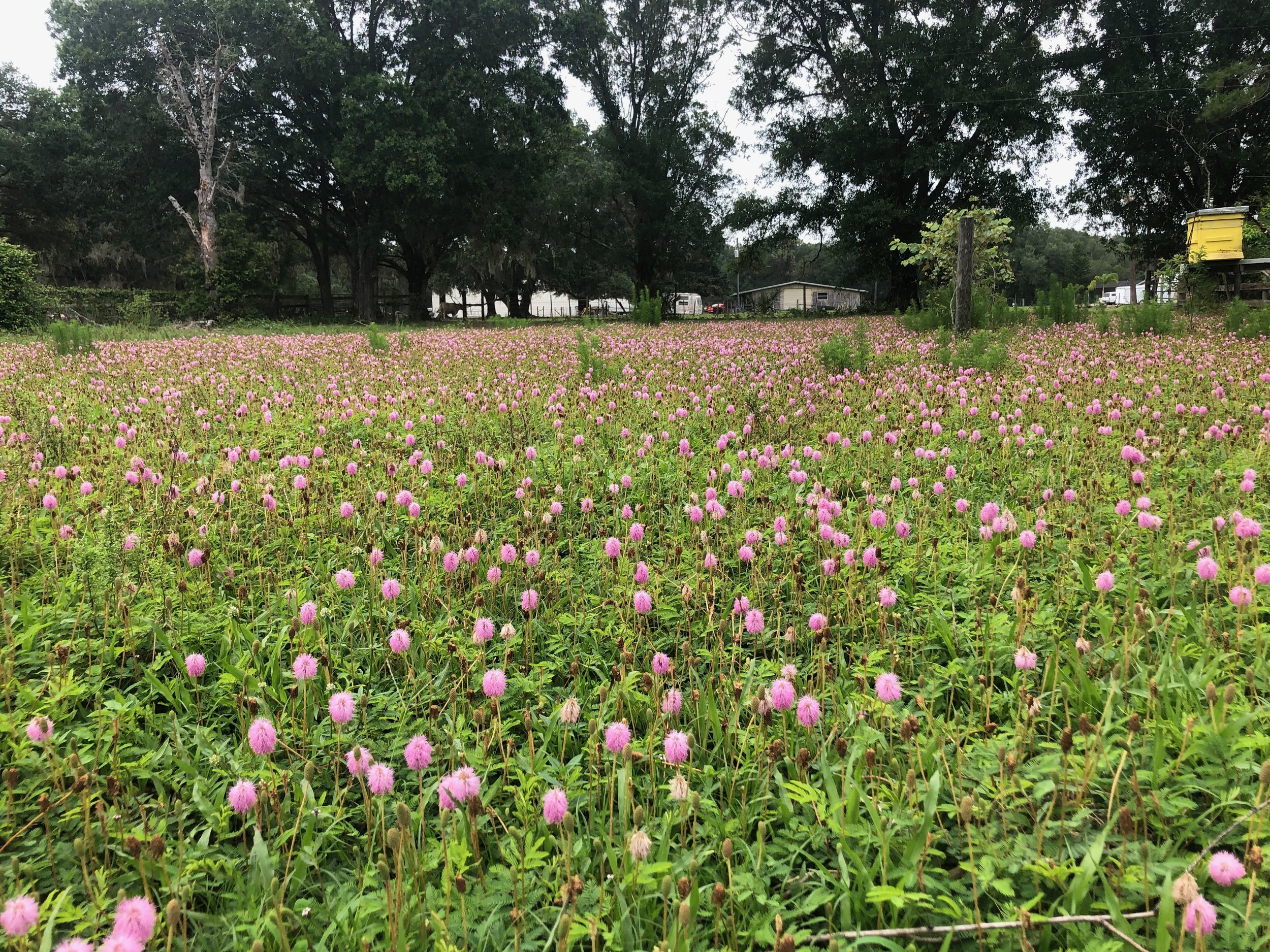
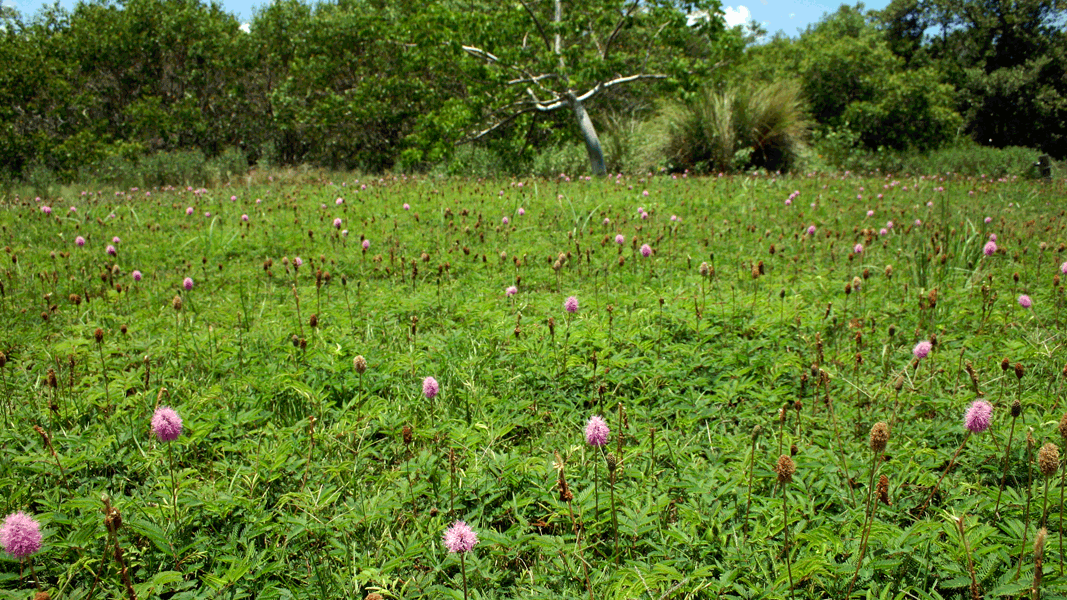
Mimosa strigillosa
Sunshine Mimosa is a native perennial groundcover that grows 6–9” tall, with a deep root system and a fast-spreading habit. It thrives in full to partial sun and adapts to dry to wet soils. This hardy plant is salt-tolerant, cold-tolerant, and perfect for walkable or mowable spaces, making it an excellent choice for multi-species or “floral lawns.” Pollinators love it.


Aloysia virgata
Sweet Almond bush is a Florida-friendly, non-native, highly scented, large, climbing vining shrub with almond colored flower drupes and nicely textured leaves. It is very attractive to pollinators including multiple butterfly species and bees. Adaptable to most garden conditions, this shrub has a place in any Florida Friendly landscape!
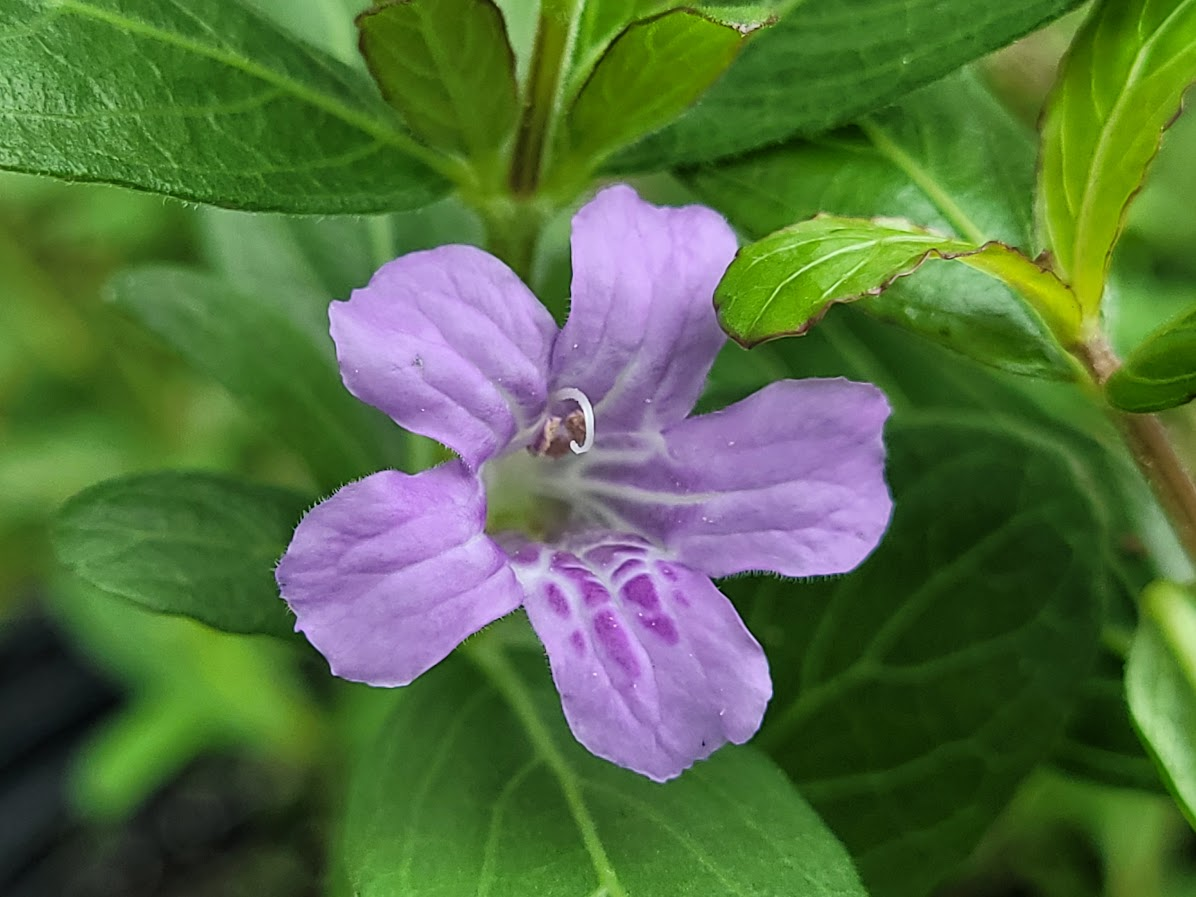
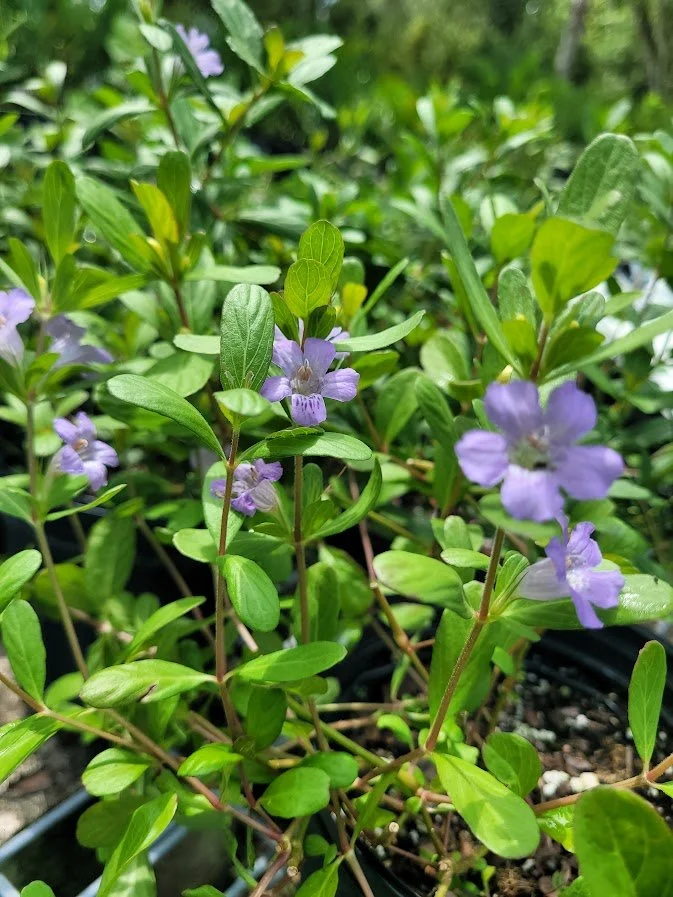
Dyschoriste oblongifolia
This low-growing wildflower acts like a groundcover and is found growing naturally in pine flatwoods, sandhills, and savannas. Twinflower has ornate purple-blue flowers that tend to come in pairs with deep green to reddish colored leaves. This wildflower is best in sunny, dry areas that are well-draining.

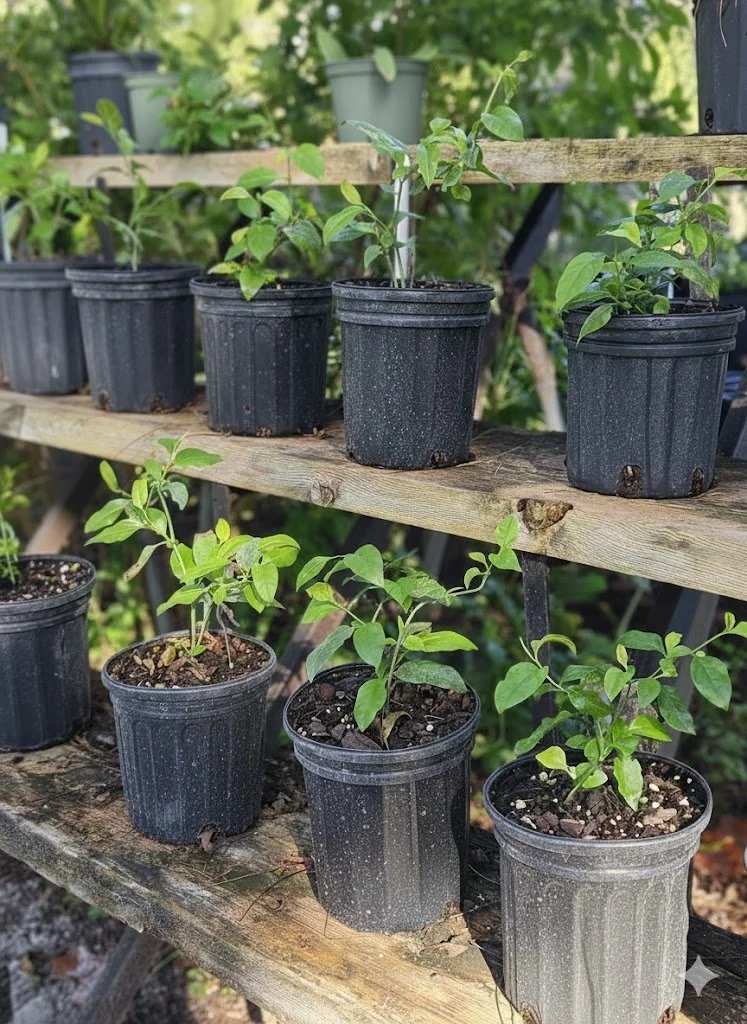
Plumbago zeylanica
White Plumbago is a charming, evergreen, perennial, native vine that deserves a spot in every Florida garden! White Plumbago is a vigorous climber or groundcover, reaching 4', with a sprawling growth habit featuring delicate white tubular flowers and sticky seed capsules that attract butterflies and beneficial pollinators. It thrives in partial shade to full sun and is deer resistant and drought tolerant once established.
No results match your search. Try removing a few filters.