Hi Friends!
We offer PICK UP or LOCAL DELIVERY only (NO SHIPPING).
Thank you!
Thursday–Sunday, 10am–4pm | 941-322-1915
We offer PICK UP or LOCAL DELIVERY only (NO SHIPPING).
Thank you!
Thursday–Sunday, 10am–4pm | 941-322-1915
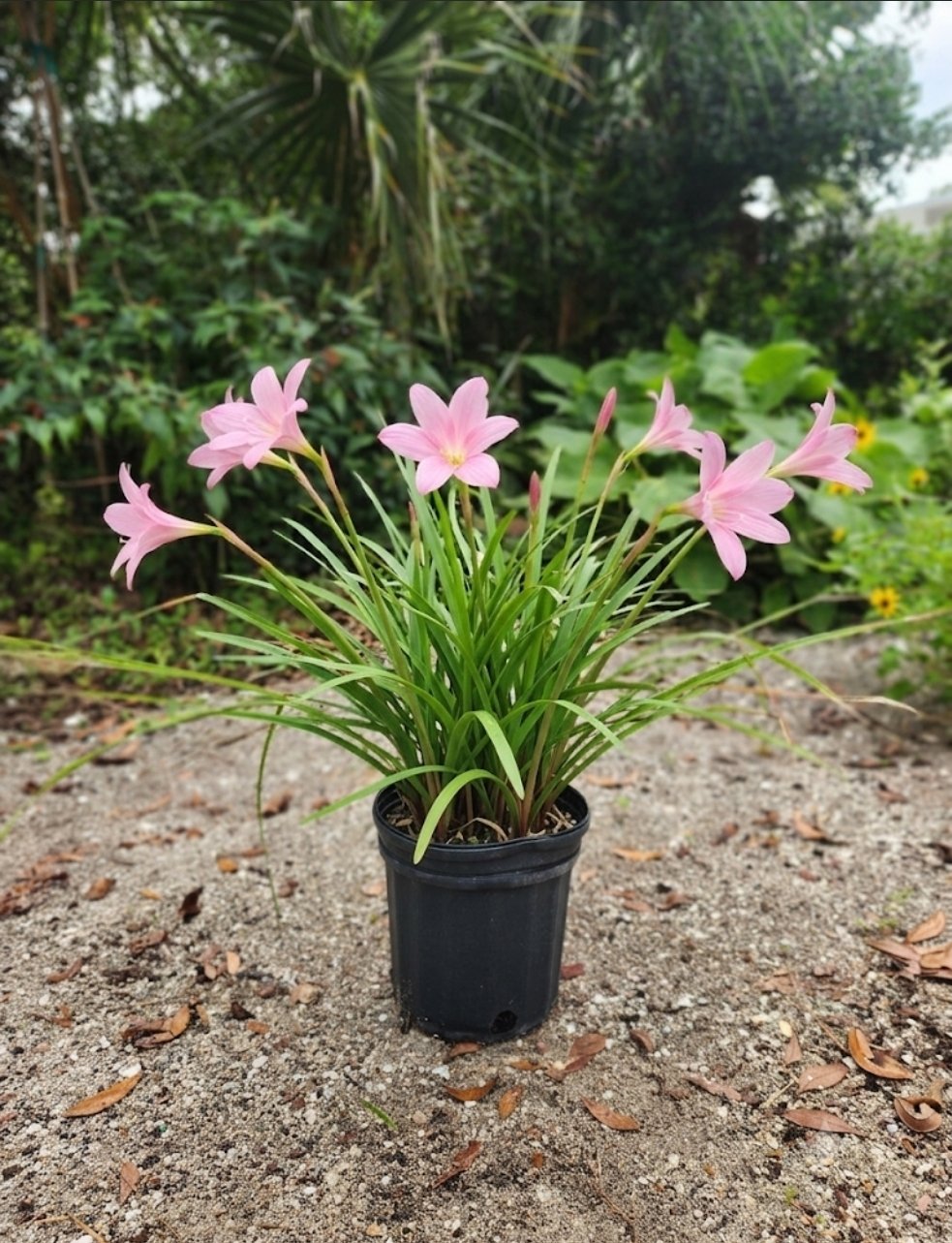
Habranthus robustus
Argentine Rain Lily is a non-native, Florida-friendly, perennial, reseeding wildflower that is a lovely addition to wetland and rain garden applications. They do best in full sun to part shade, and moist to average soil. With showy, pink flowers that bloom after it rains, they are great for attracting pollinators to your space, spreading via seed and bulb.
Sagittaria lancifolia
Arrowhead is a native, perennial wetland wildflower. It grows 3’-6’ tall and 2’-3’ wide, thriving in full sun and very wet soil, mud, and pond muck with a high content of organic material. Its white summer blooms are highly attractive to bees and butterflies, and the plant also serves as a food source for waterfowl, songbirds, frogs, and fish. It spreads reliably via underground rhizomes to stabilize muddy shorelines and naturally absorb excess nutrients from the water.
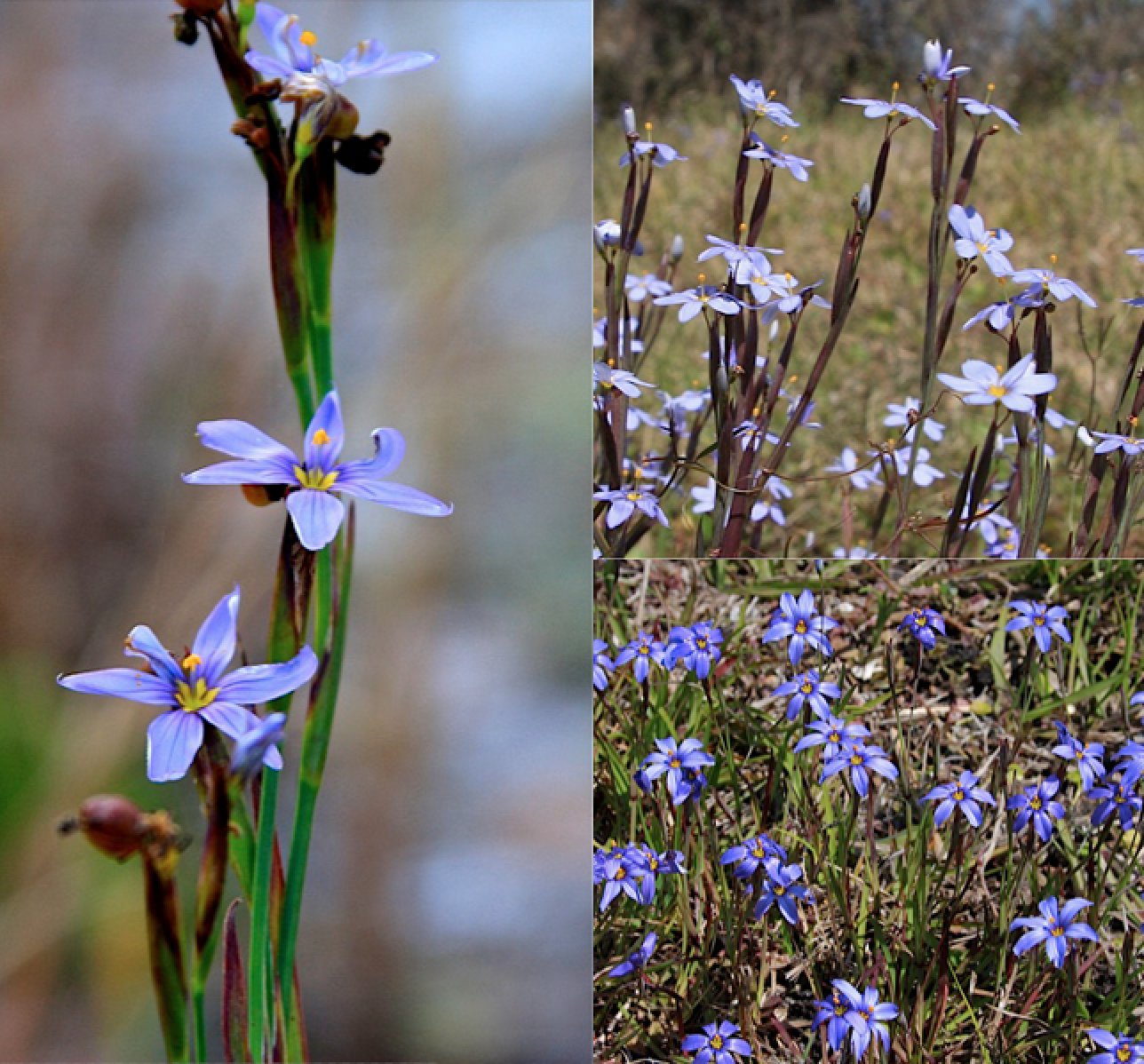
Sisyrinchium angustifolium
Blue Eyed Grass is a native re-seeding, perennial wildflower that likes moist soils. A member of the iris family, it has little blue/purple flowers that bloom profusely in the spring, attracting pollinators, and then it appears as a clump of grass the rest of the year. It likes sun to partial shade, average to wet soils and is best when planted in mass along moist or irrigated garden edges or pathways.
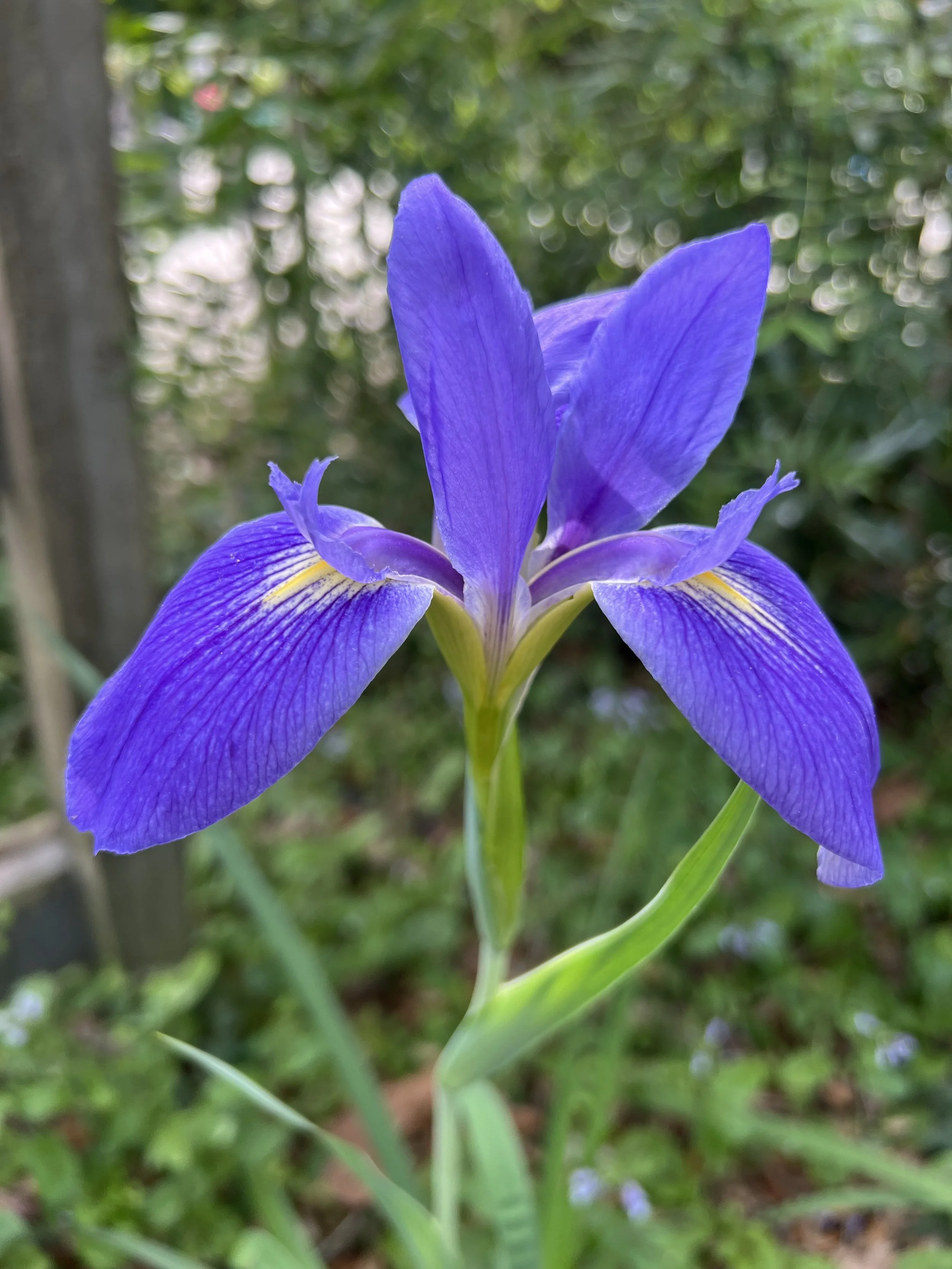
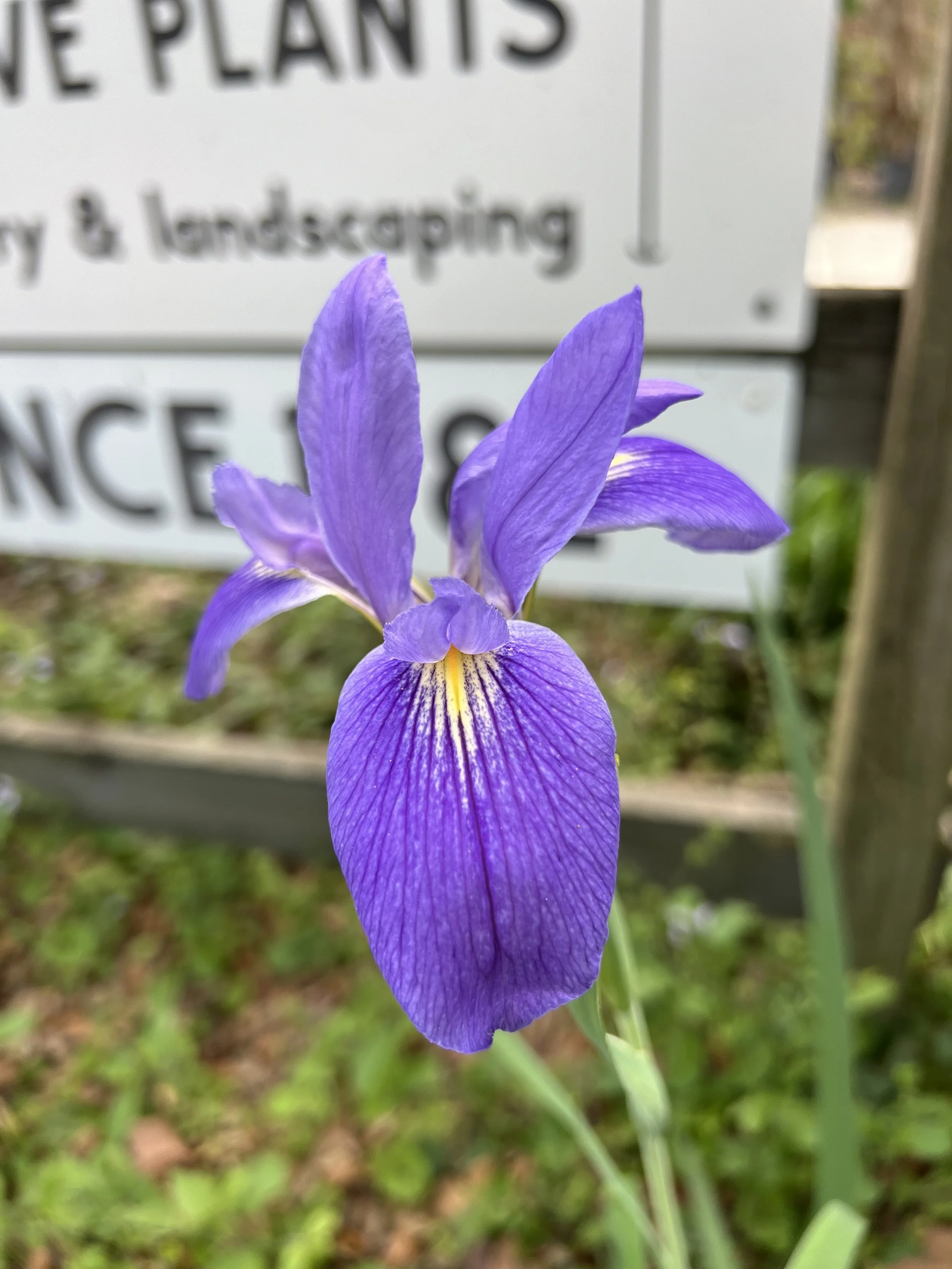
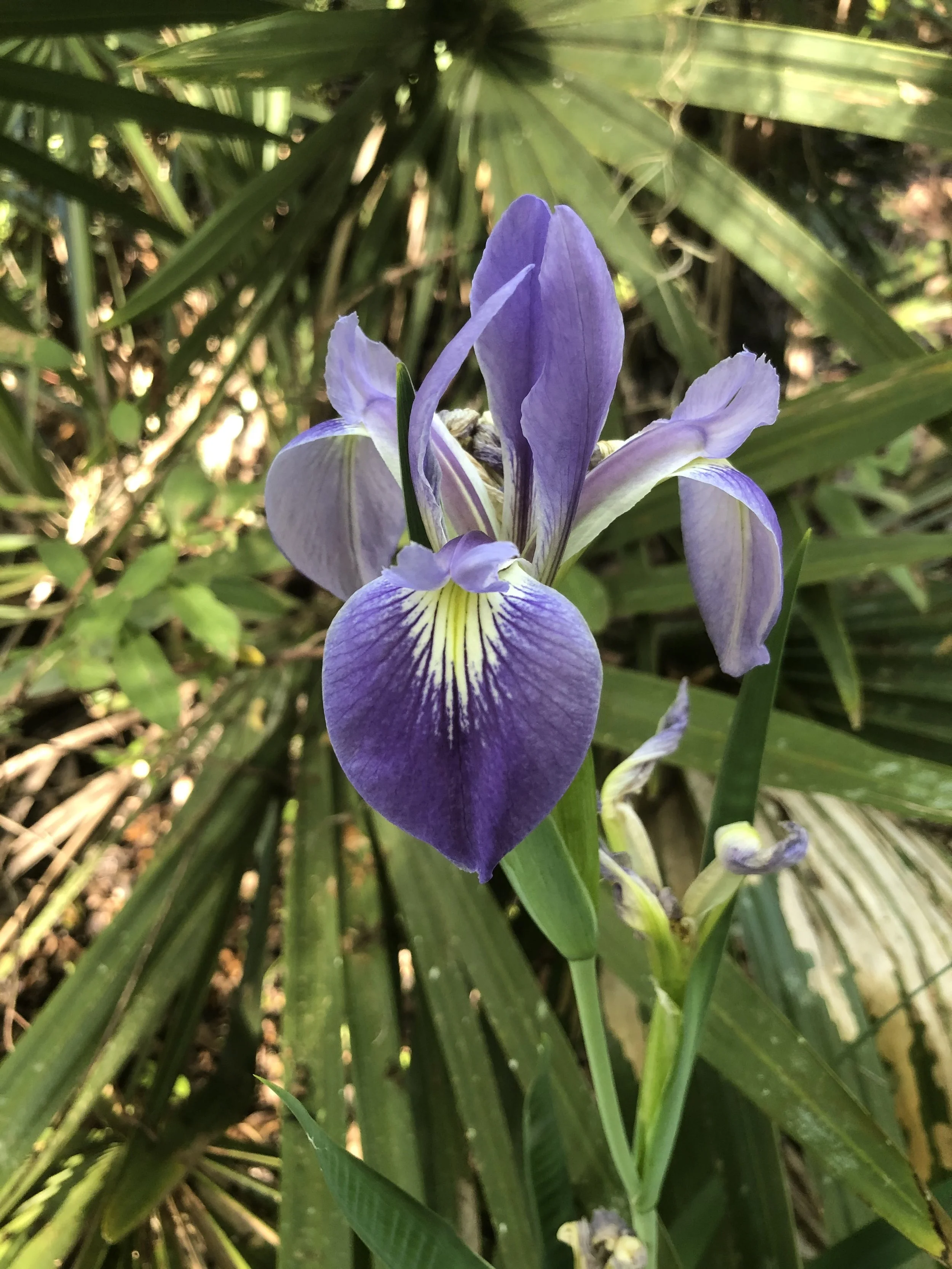
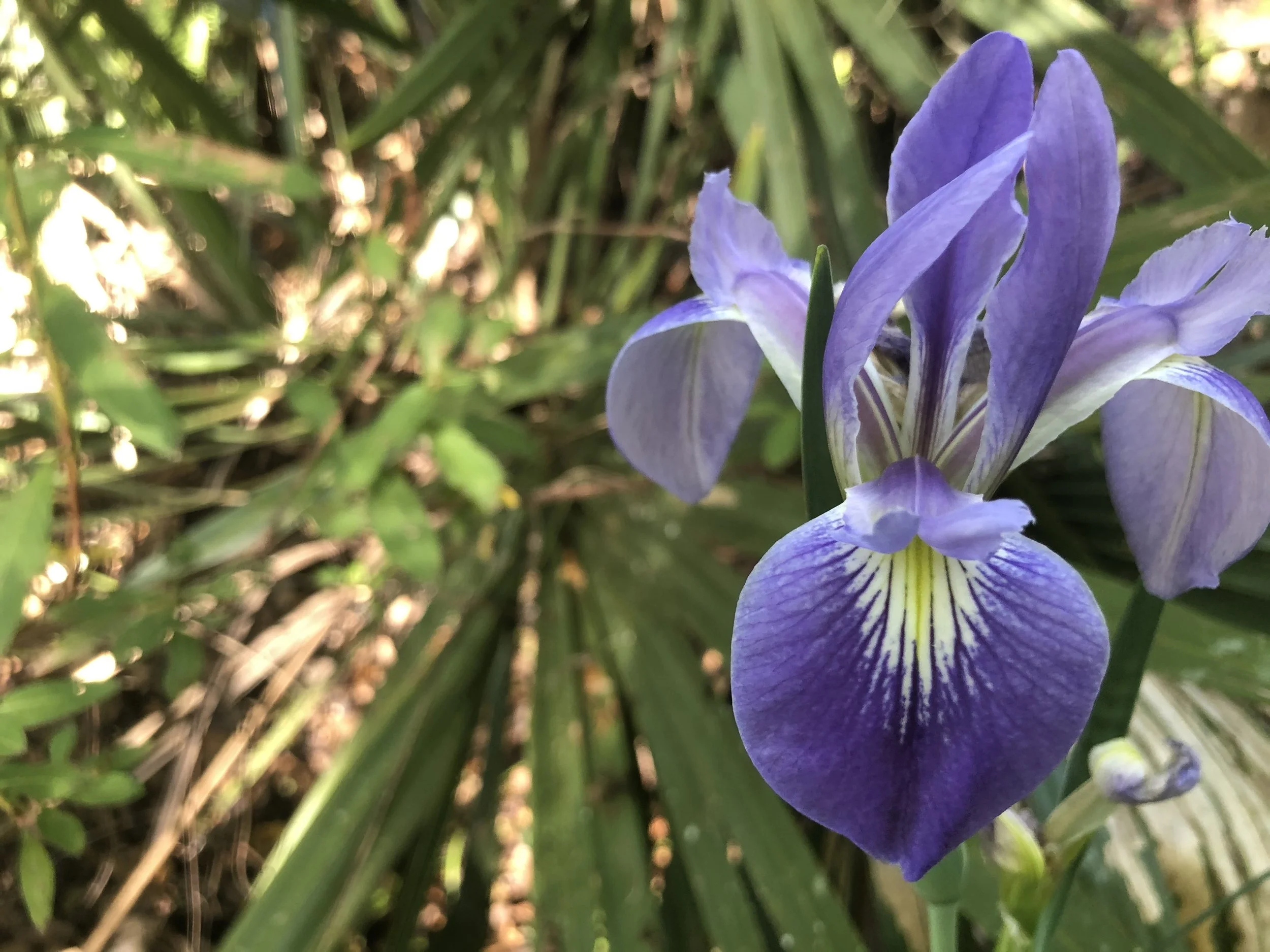
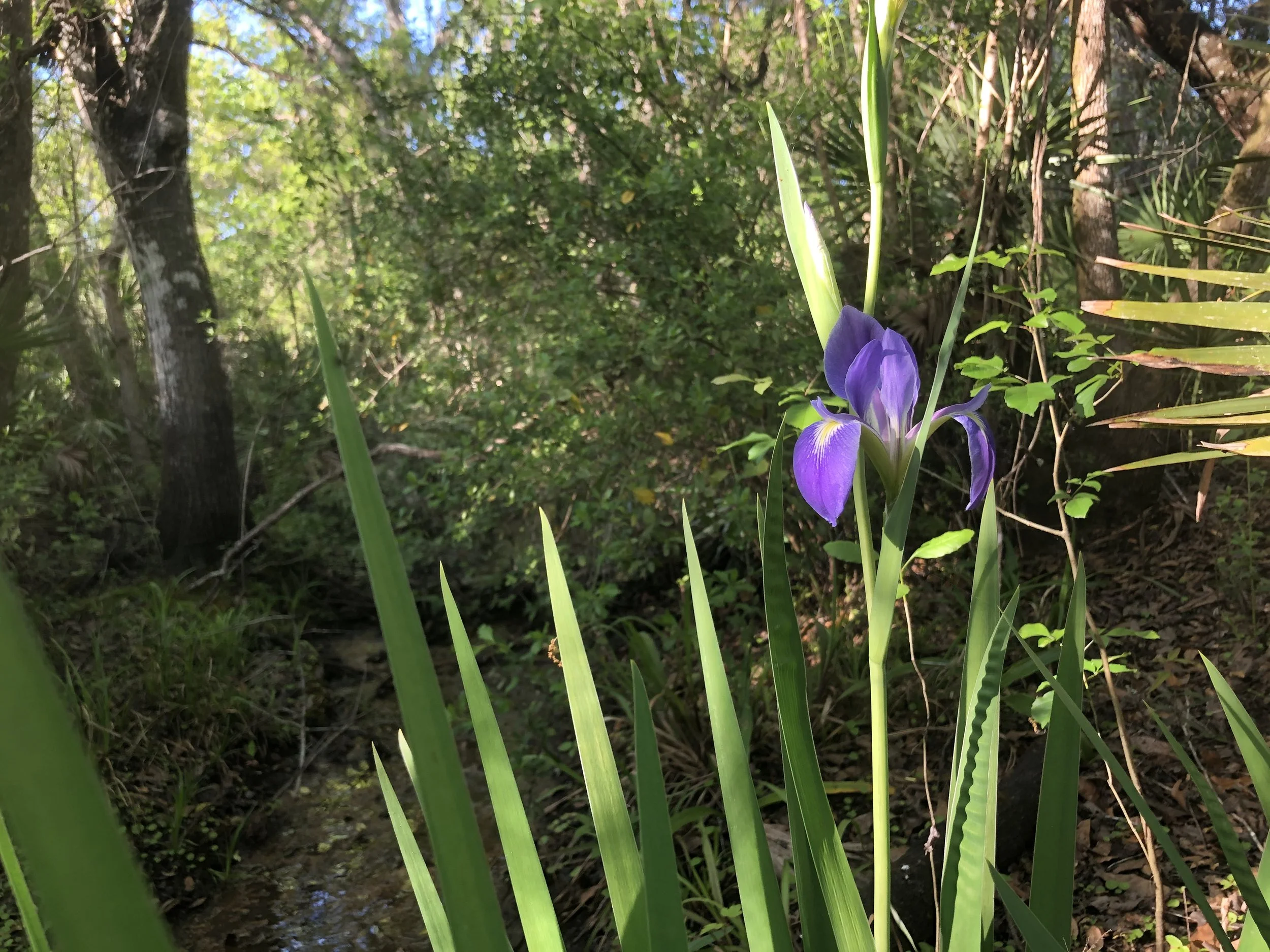
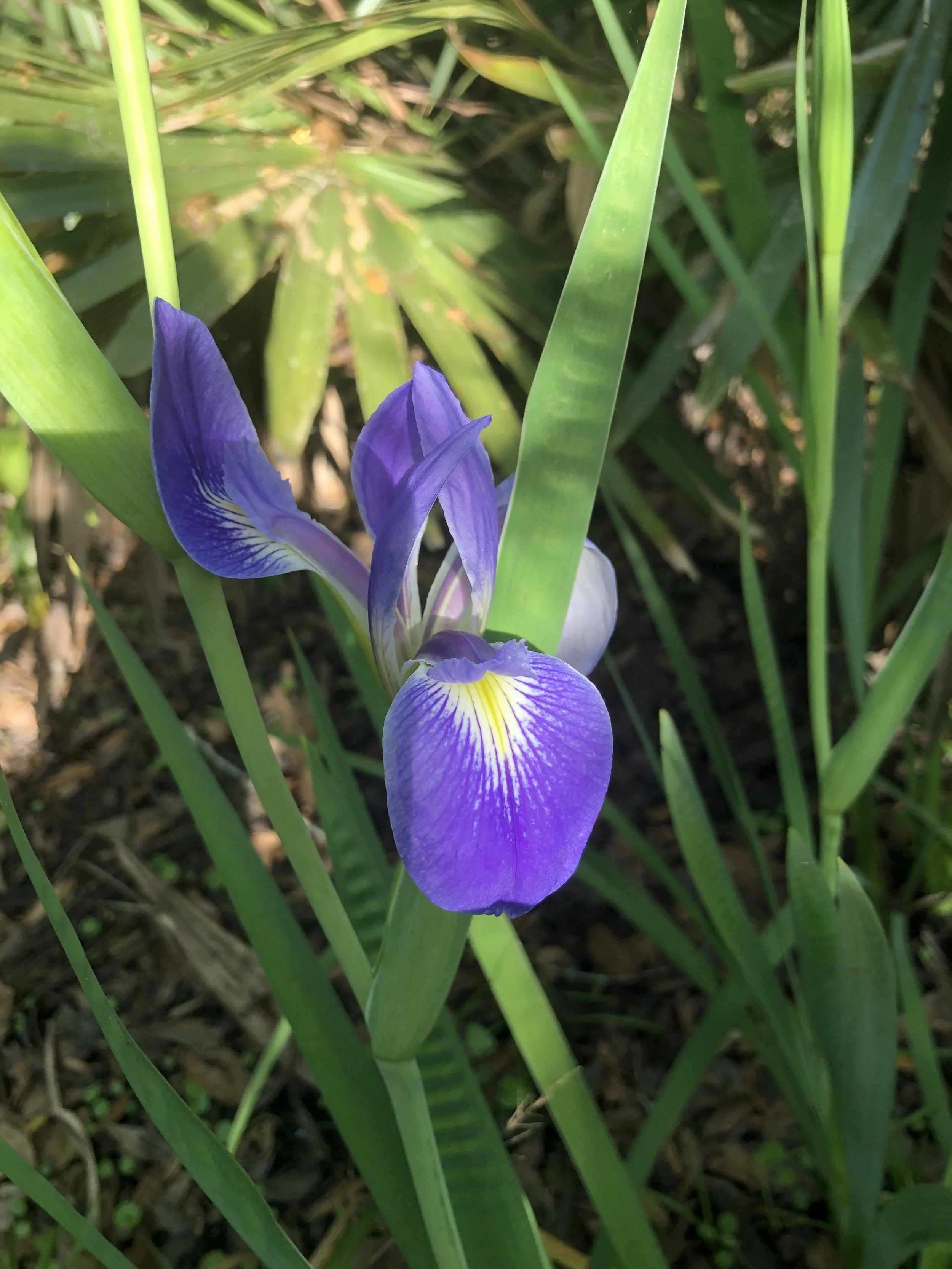
Iris virginica
Blue Flag Iris is a Florida-native perennial wetland plant that grows 2’-3’ tall and wide with bright green, sword-shaped leaves. It produces showy blue to violet flowers in late spring, each measuring 3”-5” across with drooping sepals marked with white and yellow near the throat. Thriving in wet soils and shallow water, it naturally occurs in marshes, swamps, and pond edges throughout Florida, making it excellent for rain gardens and bog plantings in zones 6-10.
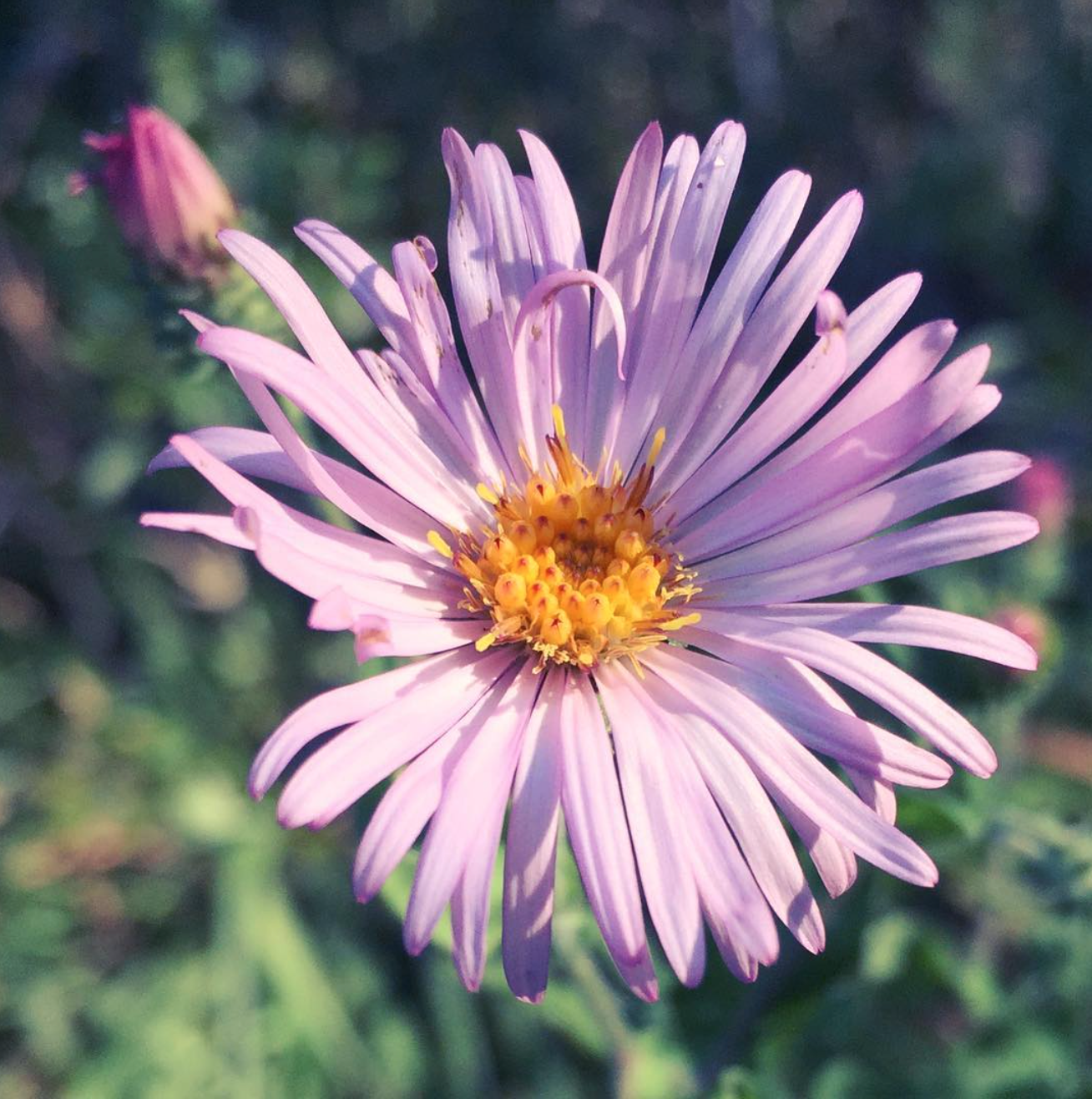

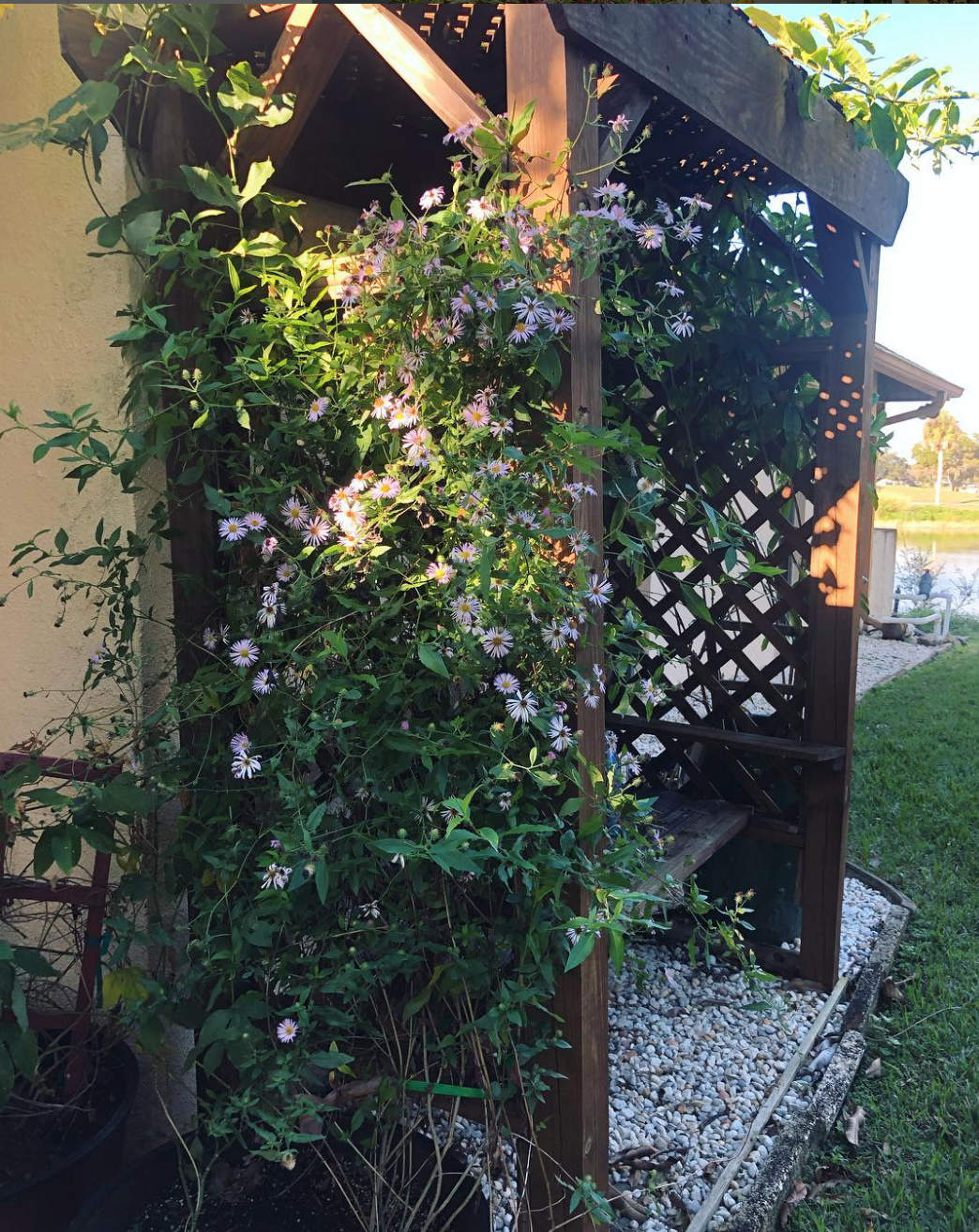
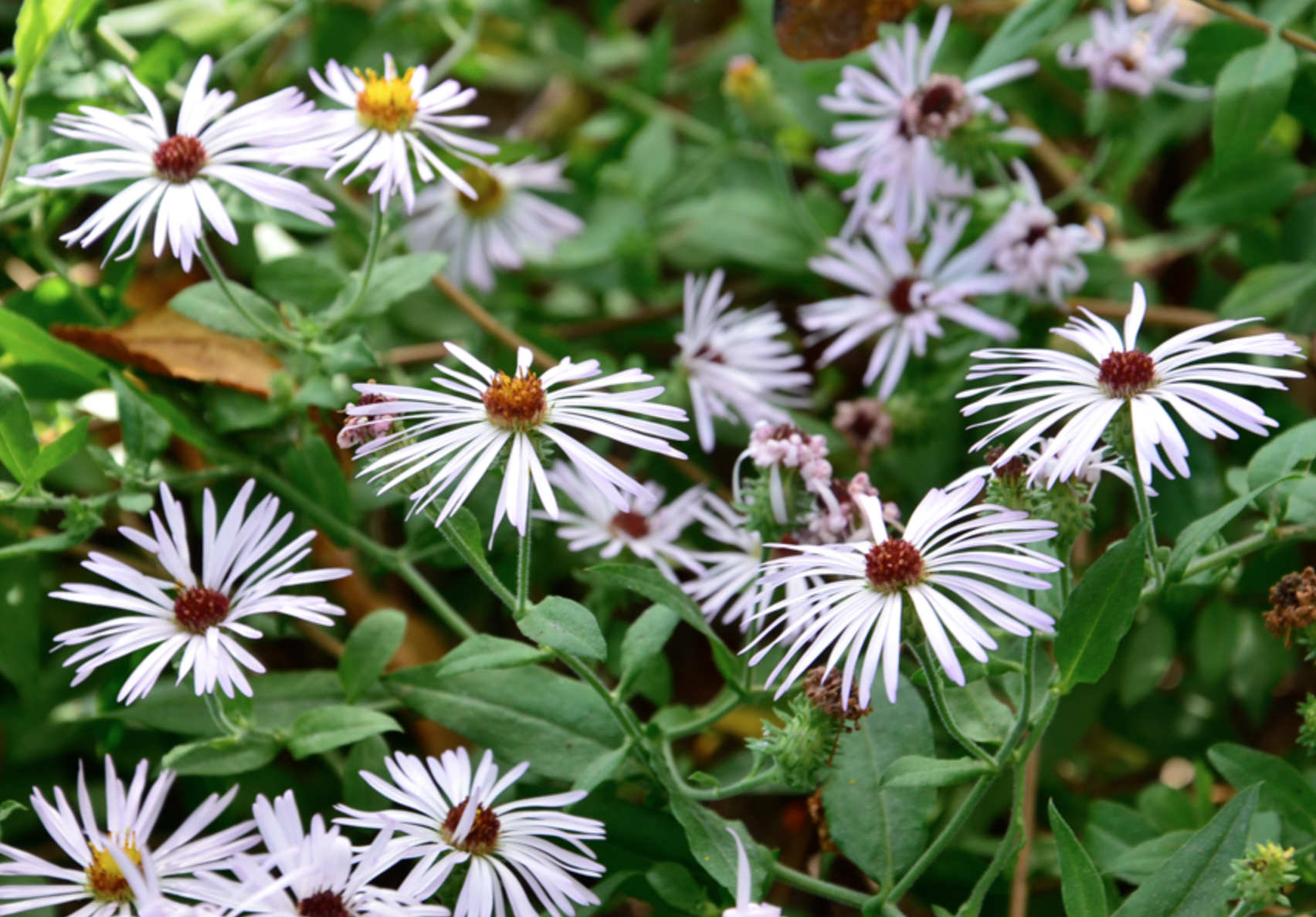
Aster carolinianus
Climbing Aster is a perennial, flowering, vine-like shrub, that can be trained to grow up a trellis or can be trimmed to a more formal shape and lower height. It prefers average to wet soils and full sun to partial shade. In the late summer through winter, it is covered in small lavender aster flowers. It’s a pollinator favorite!
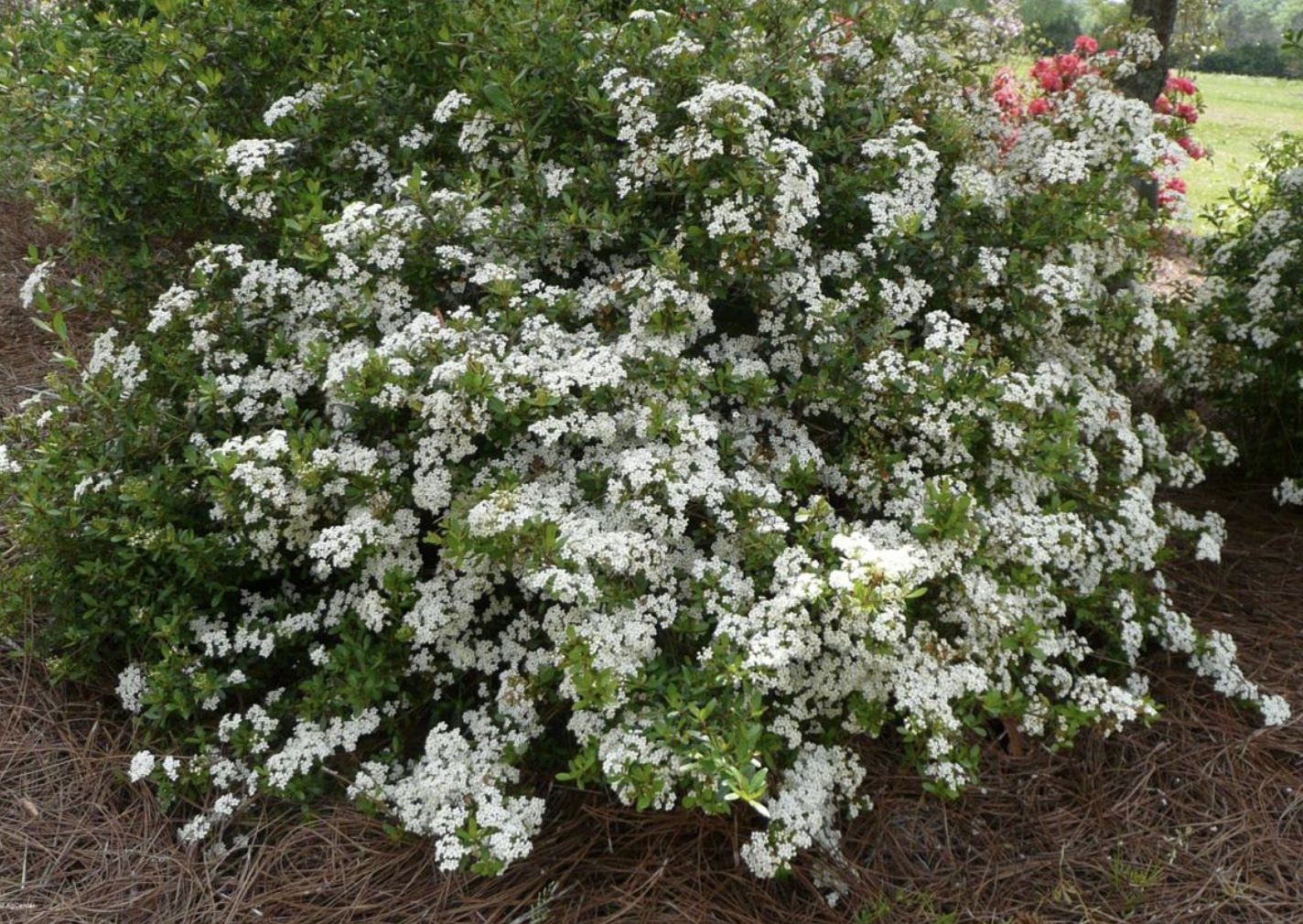
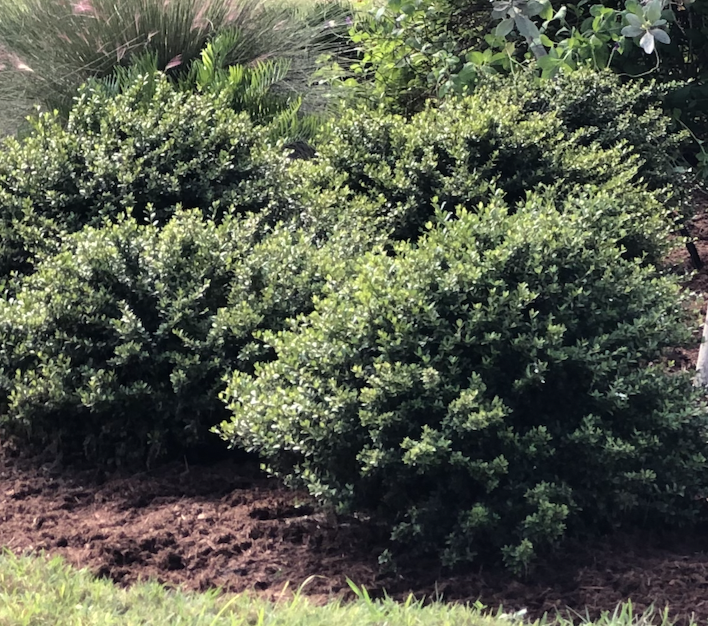
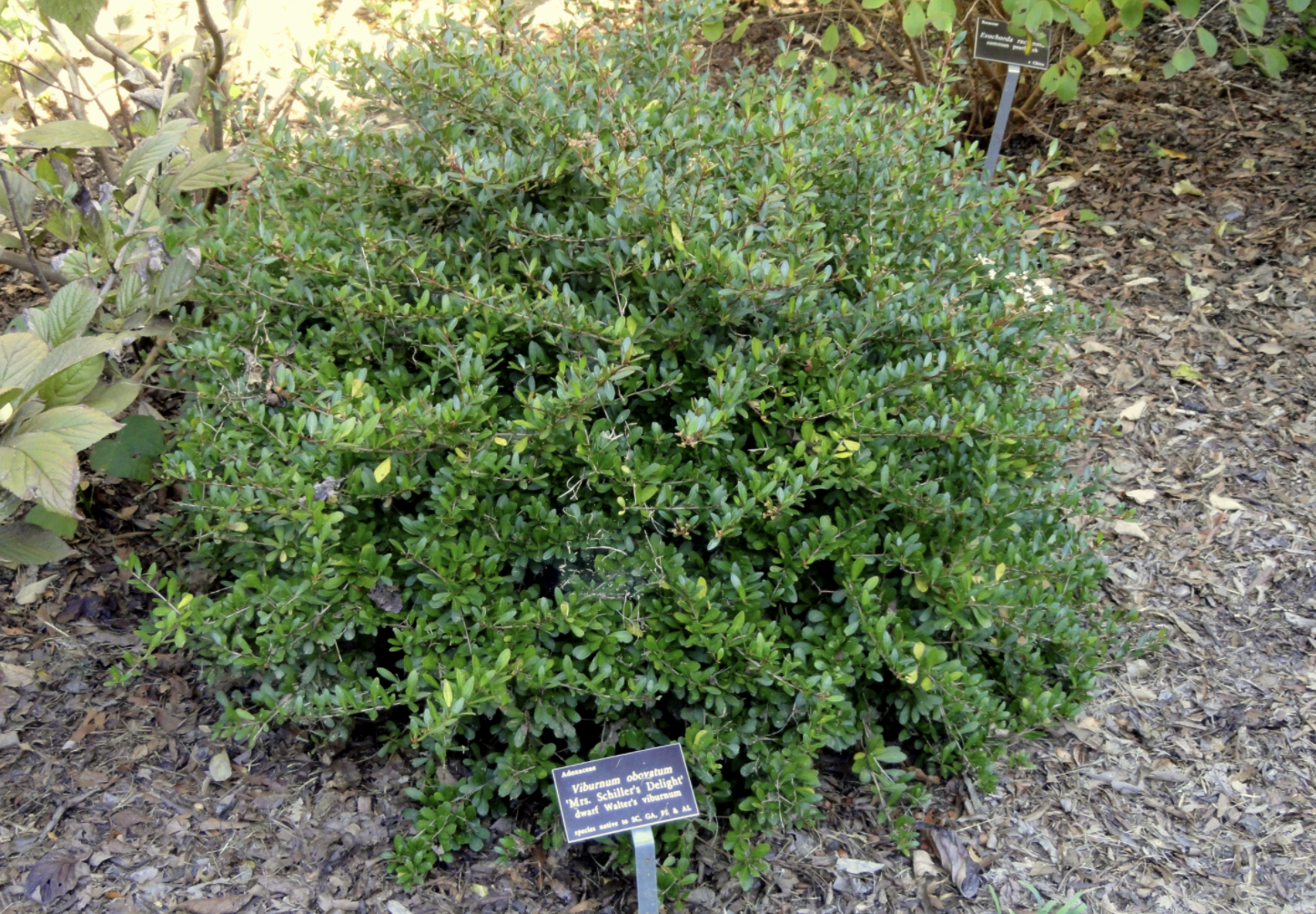
Viburnam obovatum Dwarf
This hardy, evergreen native low-growing shrub is a foundational plant for any Florida garden. With a height of about 4 feet, it provides a dense, low-growing habitat that stays compact without constant maintenance. For the environment, its near-constant clusters of white flowers offer a reliable nectar source for pollinators, while the subsequent berries provide essential forage for local songbirds. Whether used as a sturdy border or in mass plantings, it thrives in everything from full sun to part shade and adapts well to average or moist soils, offering year-round structure and ecological value to your landscape.

Sambucus canadensis
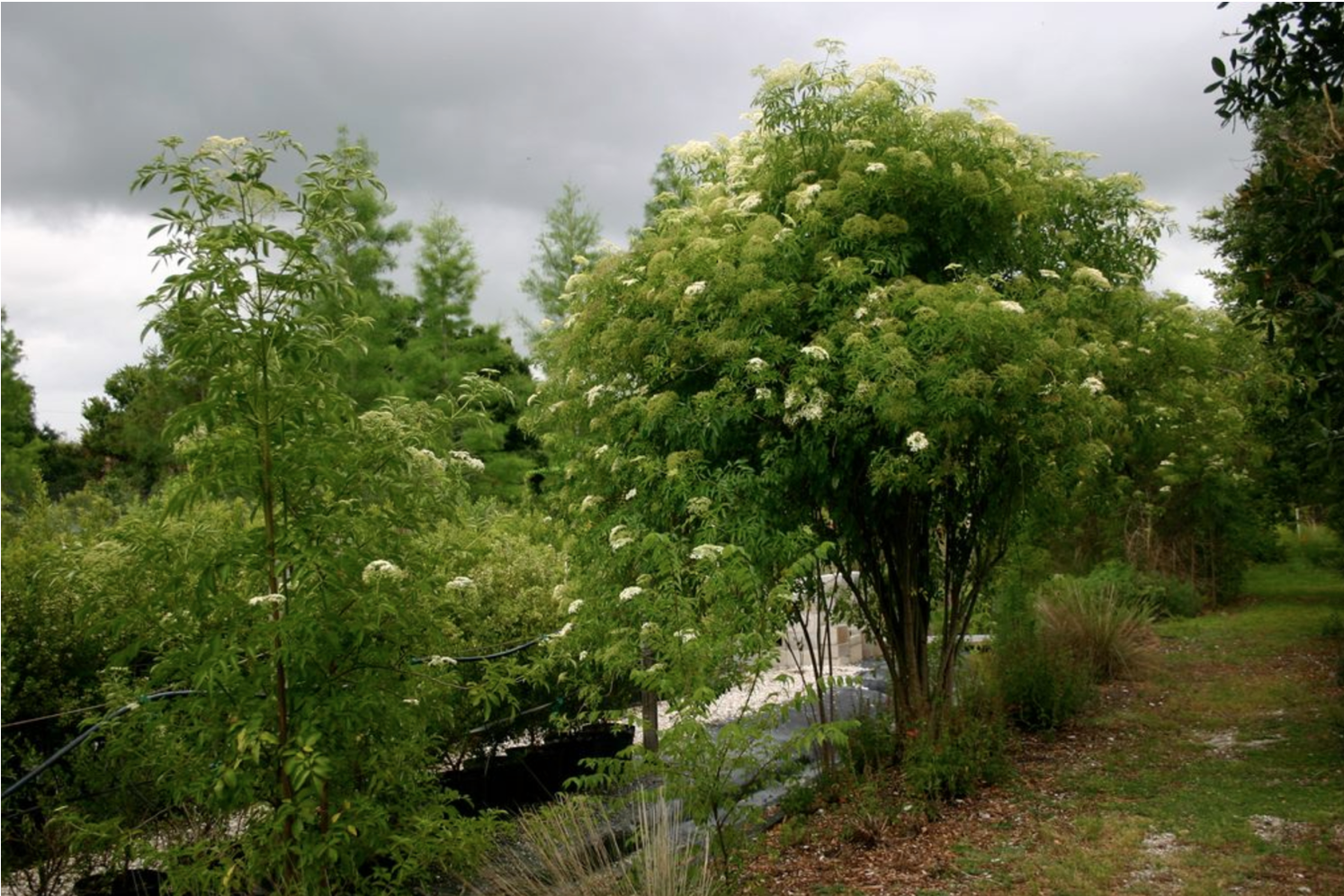
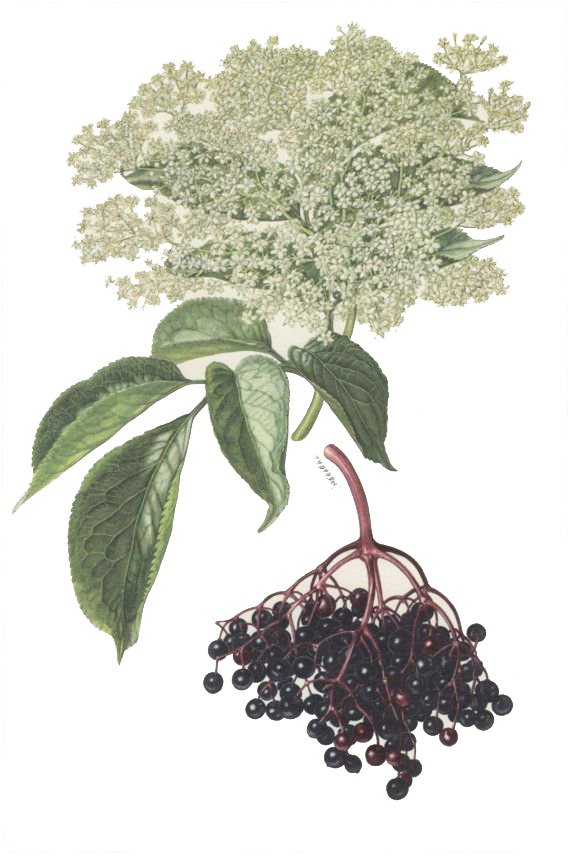
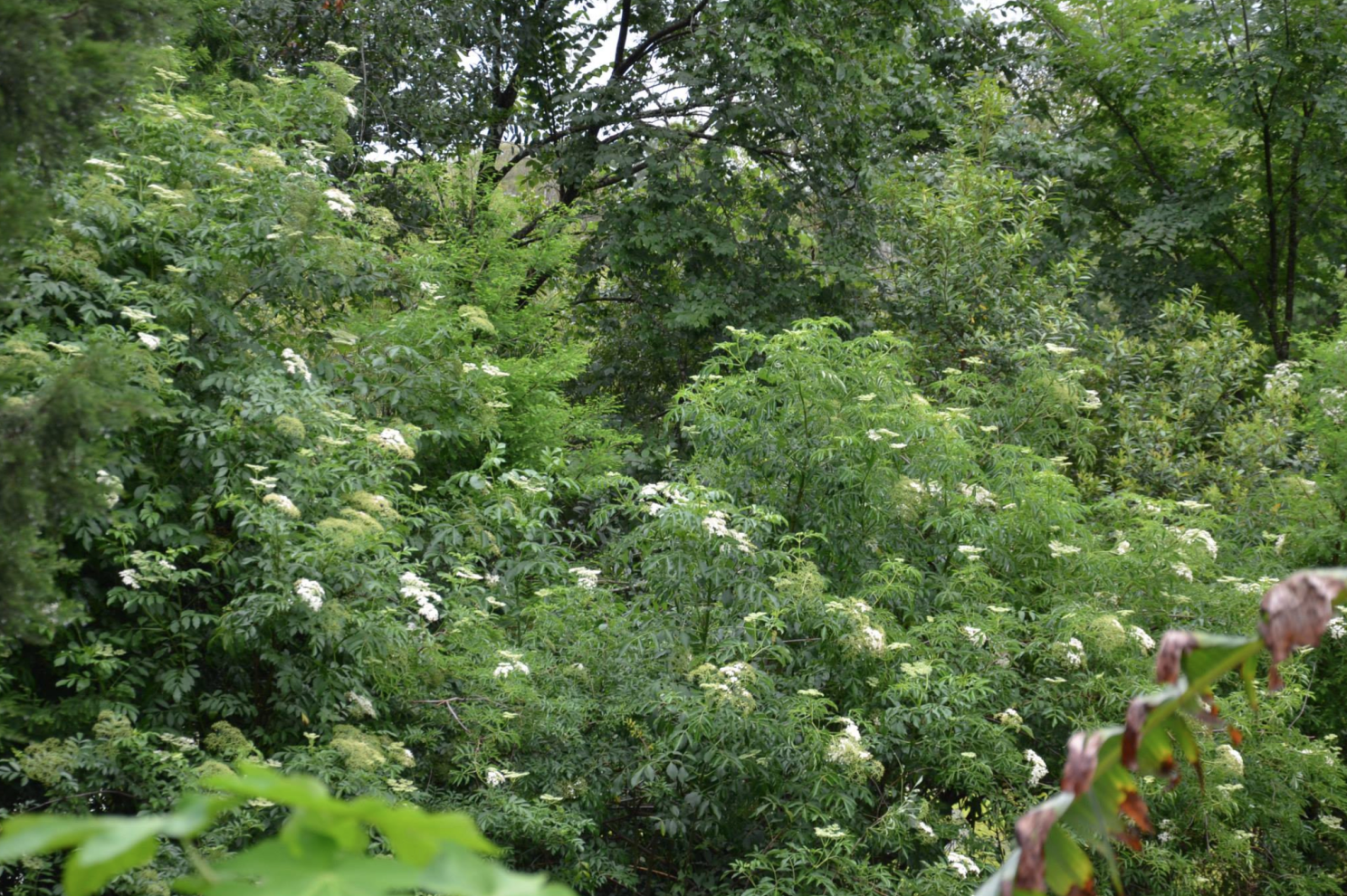
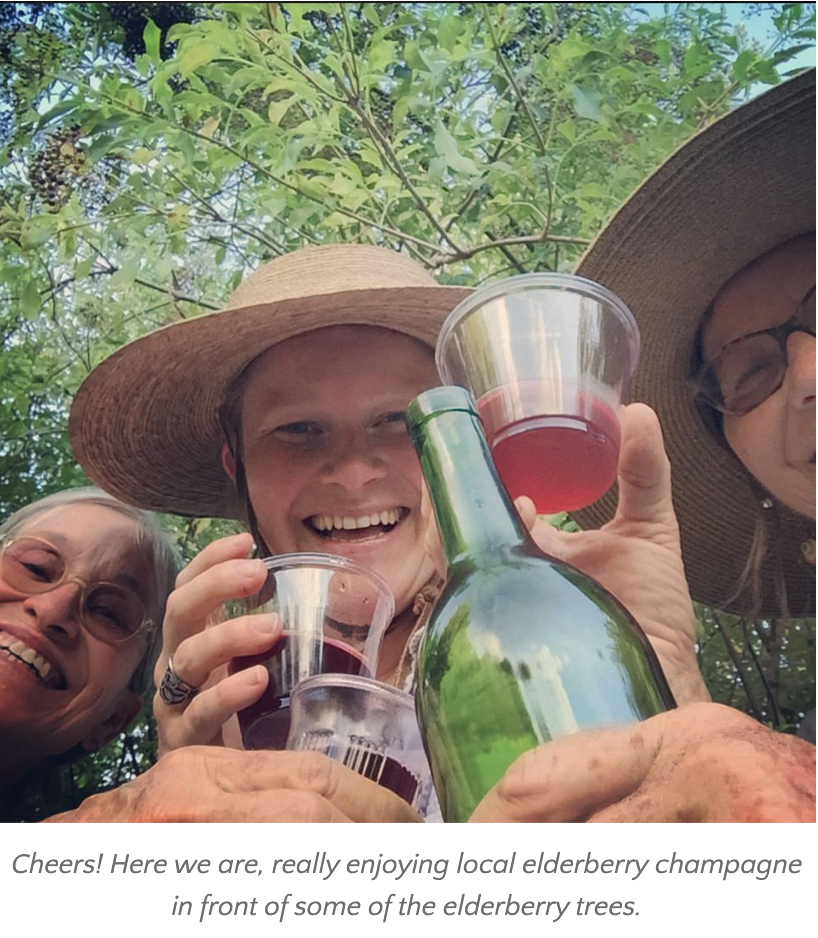
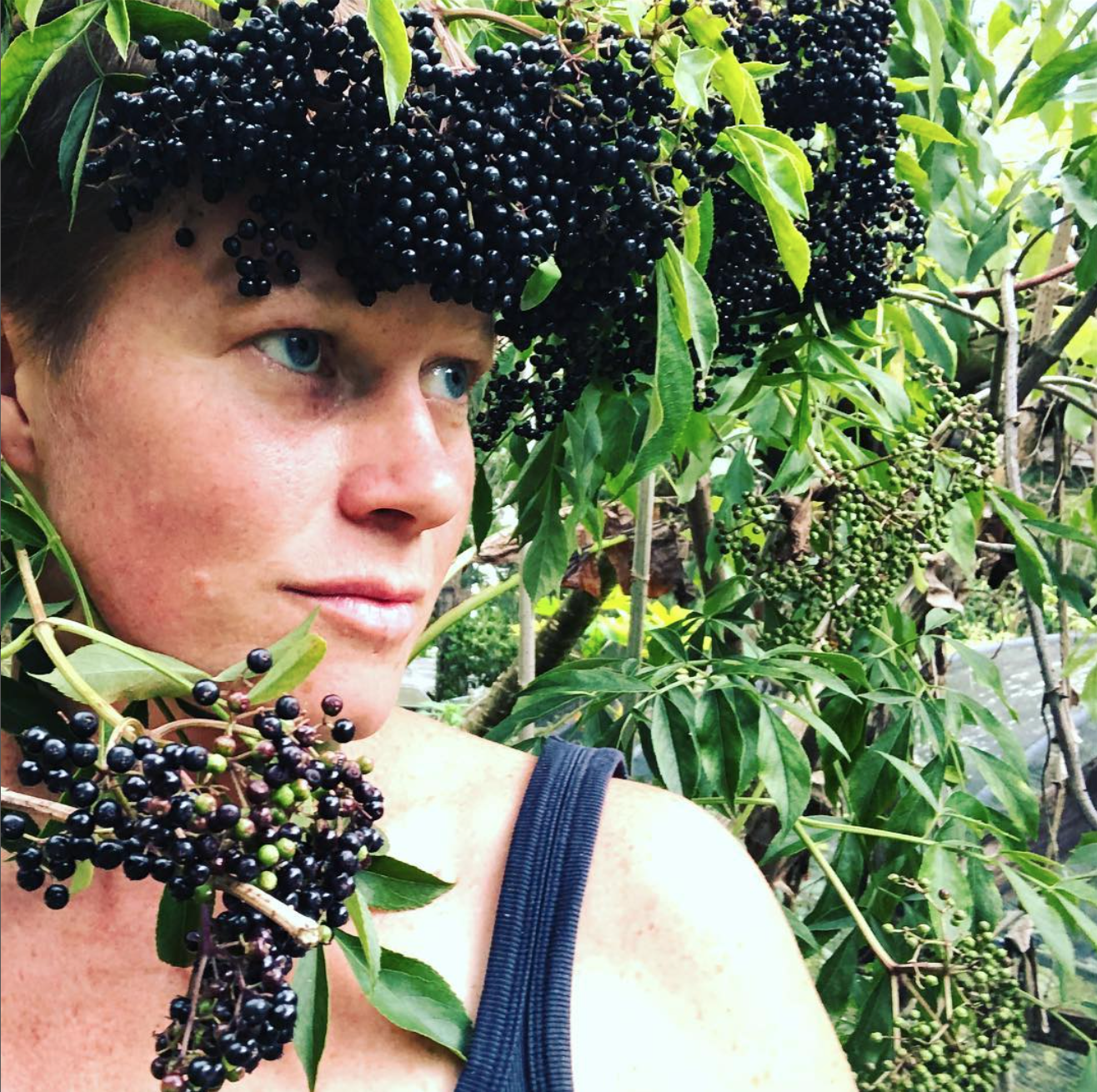
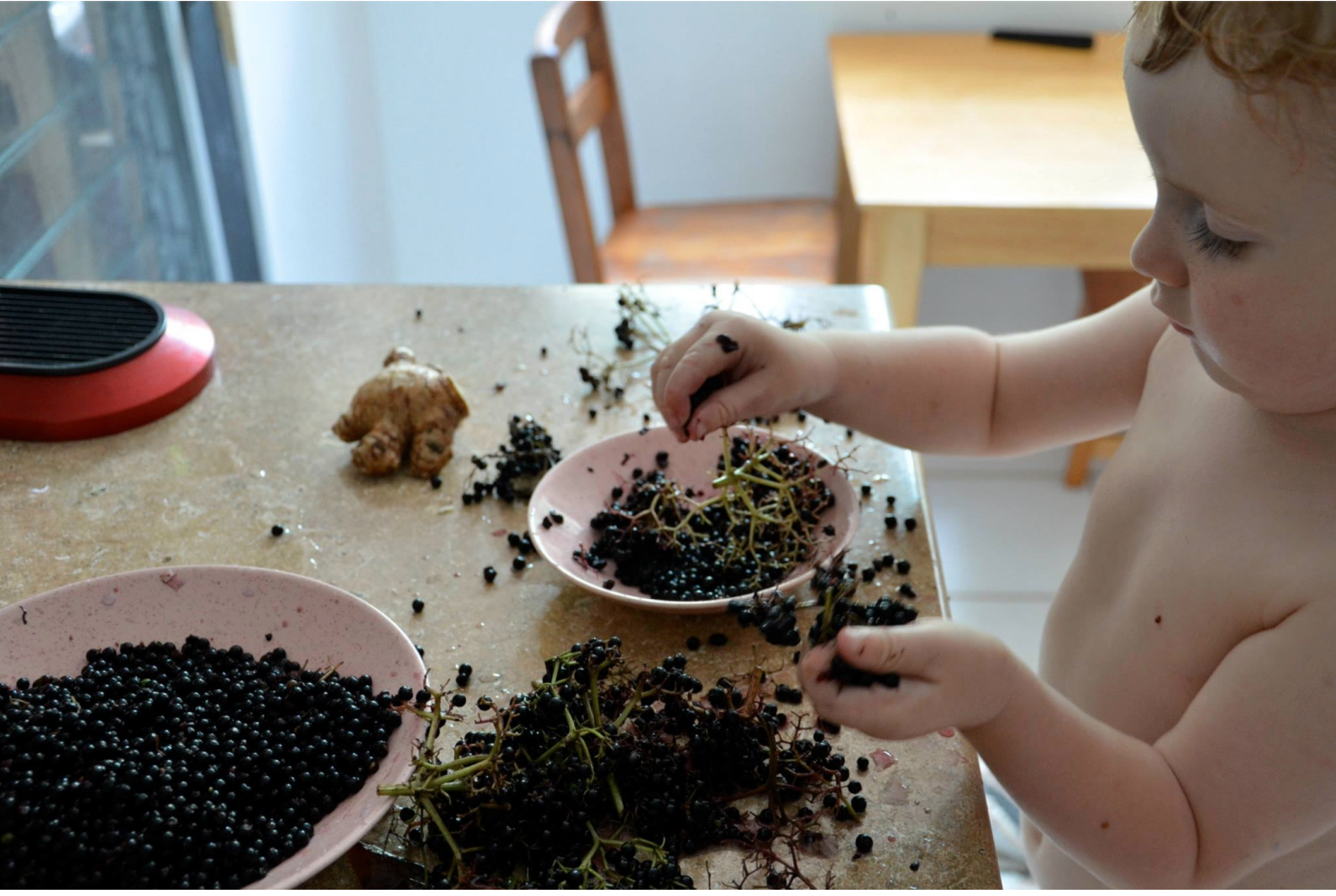
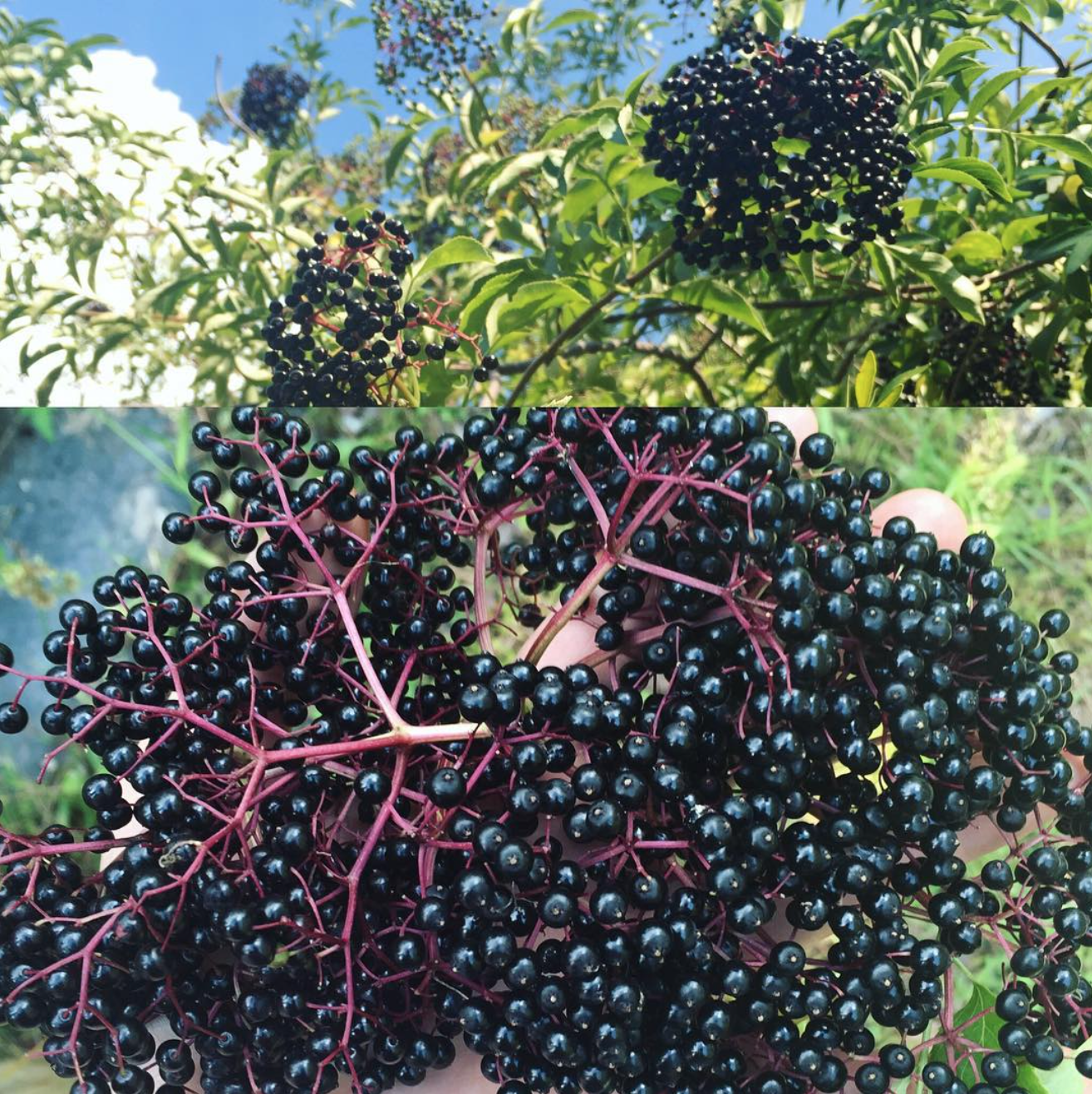
Elderberry is a fast-growing native shrub that offers beauty, food, and unmatched wildlife value. This versatile plant thrives in moist soils and adapts easily to sun or partial shade, reaching 6-20 feet to create a lush, pollinator-friendly hedge or specimen plant. In early summer, you'll enjoy massive clusters of fragrant white flowers that attract butterflies, followed by nutrient-rich dark purple berries perfect for homemade syrups and jams. As a cornerstone of the native wildlife garden, Elderberry is a favorite for songbirds and beneficial insects alike.
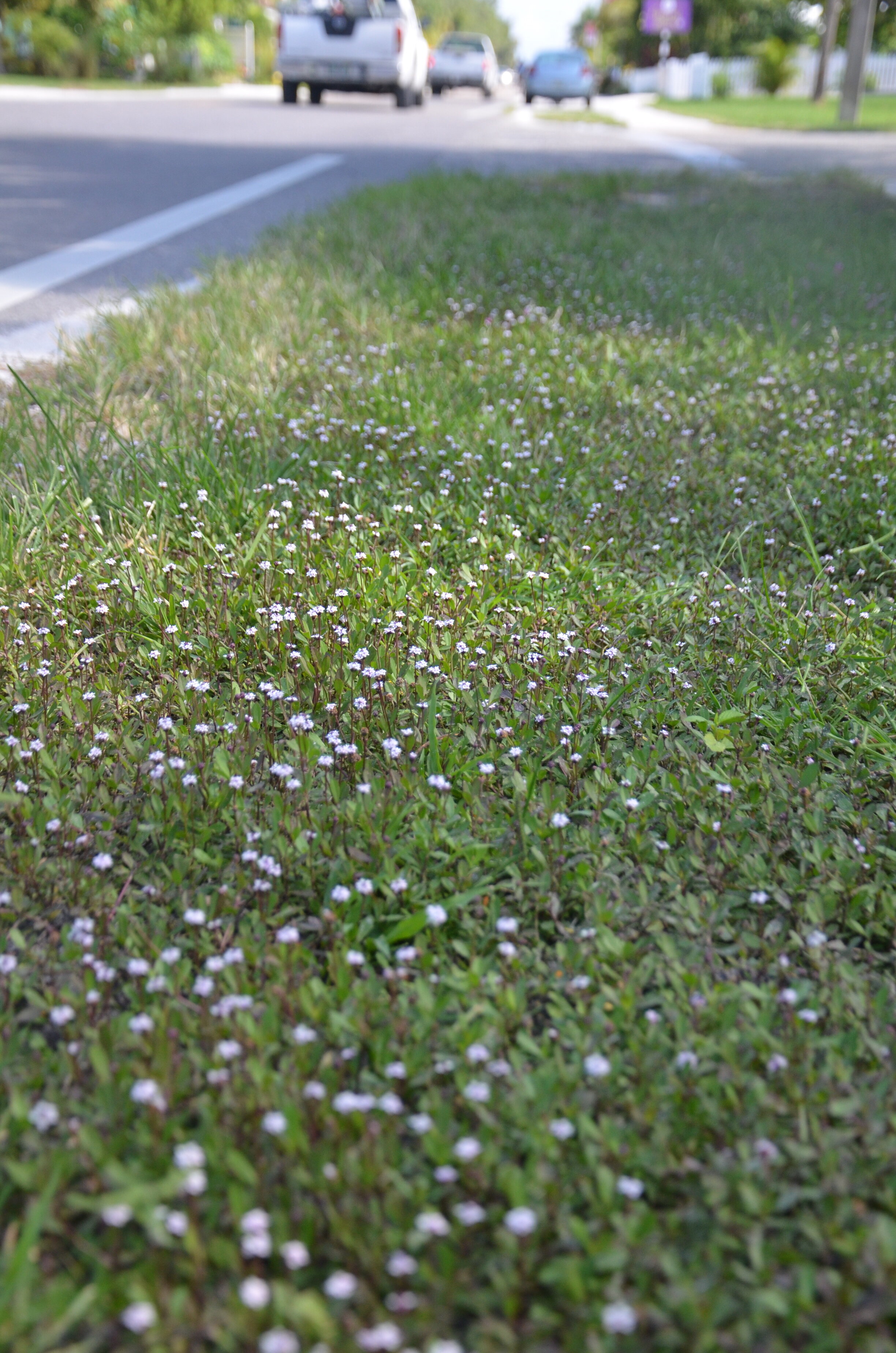
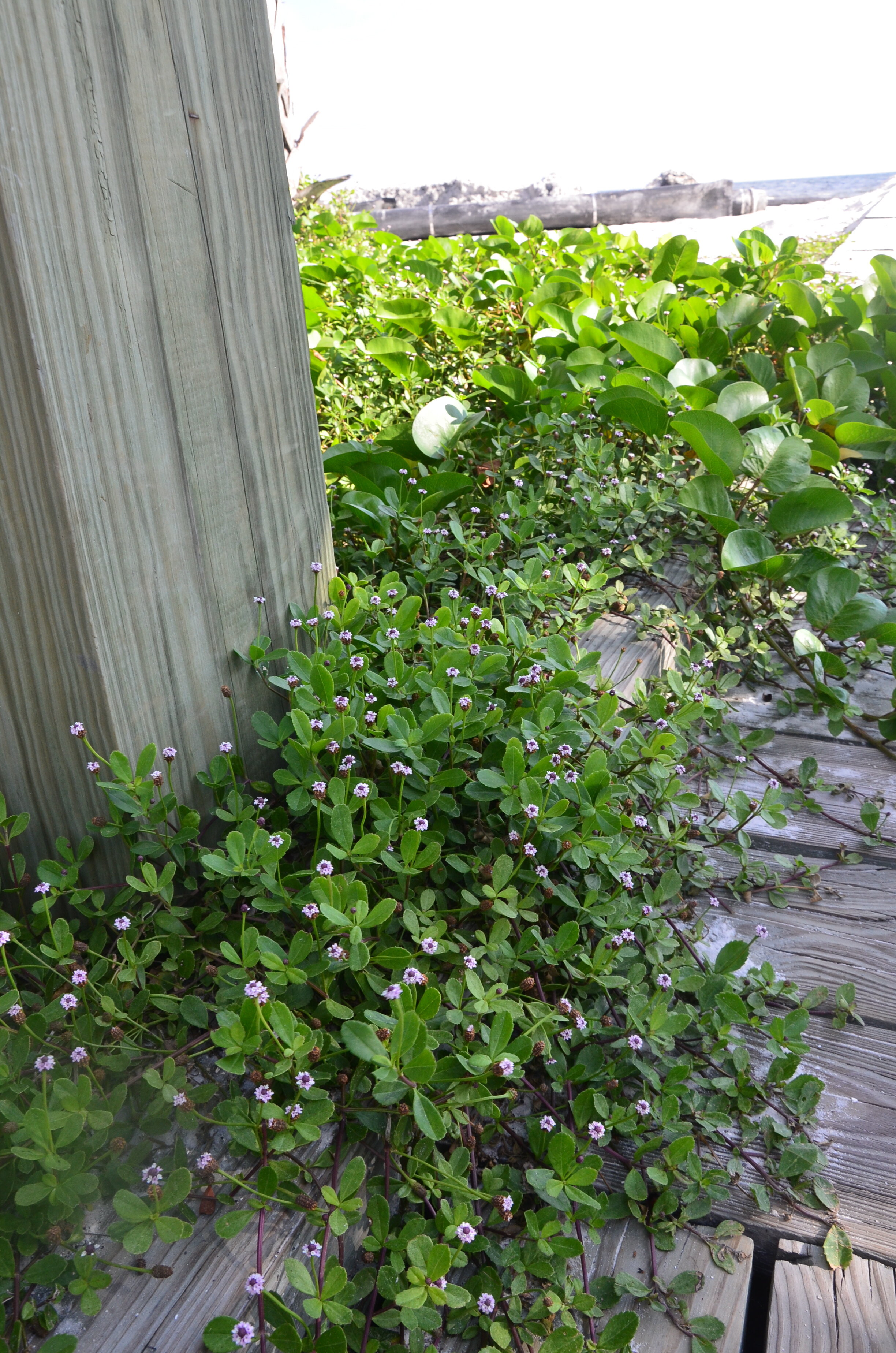
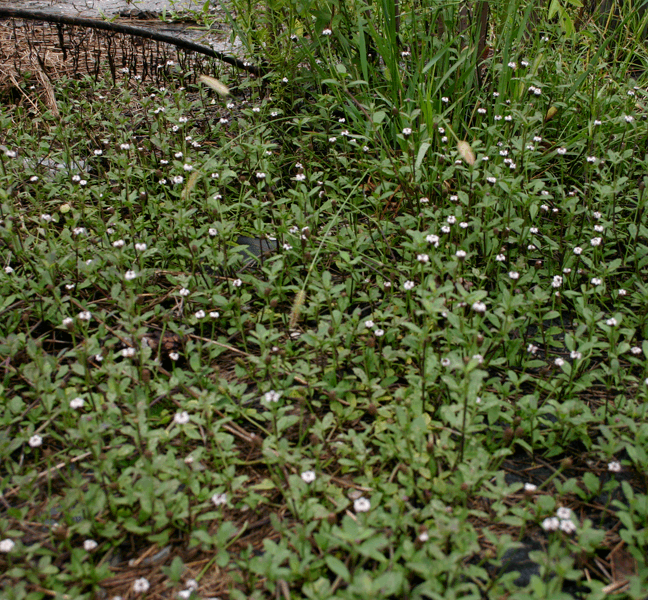
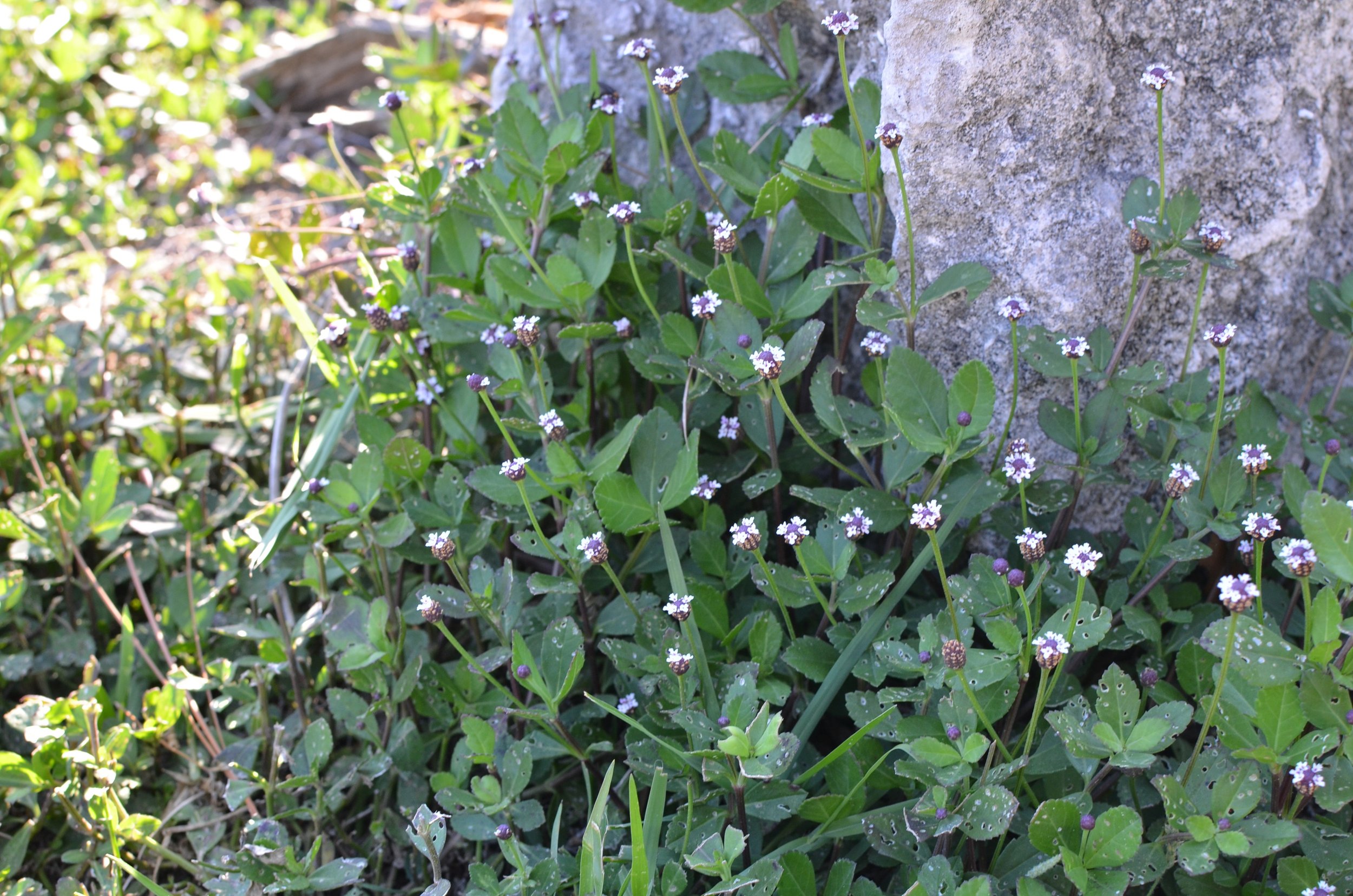
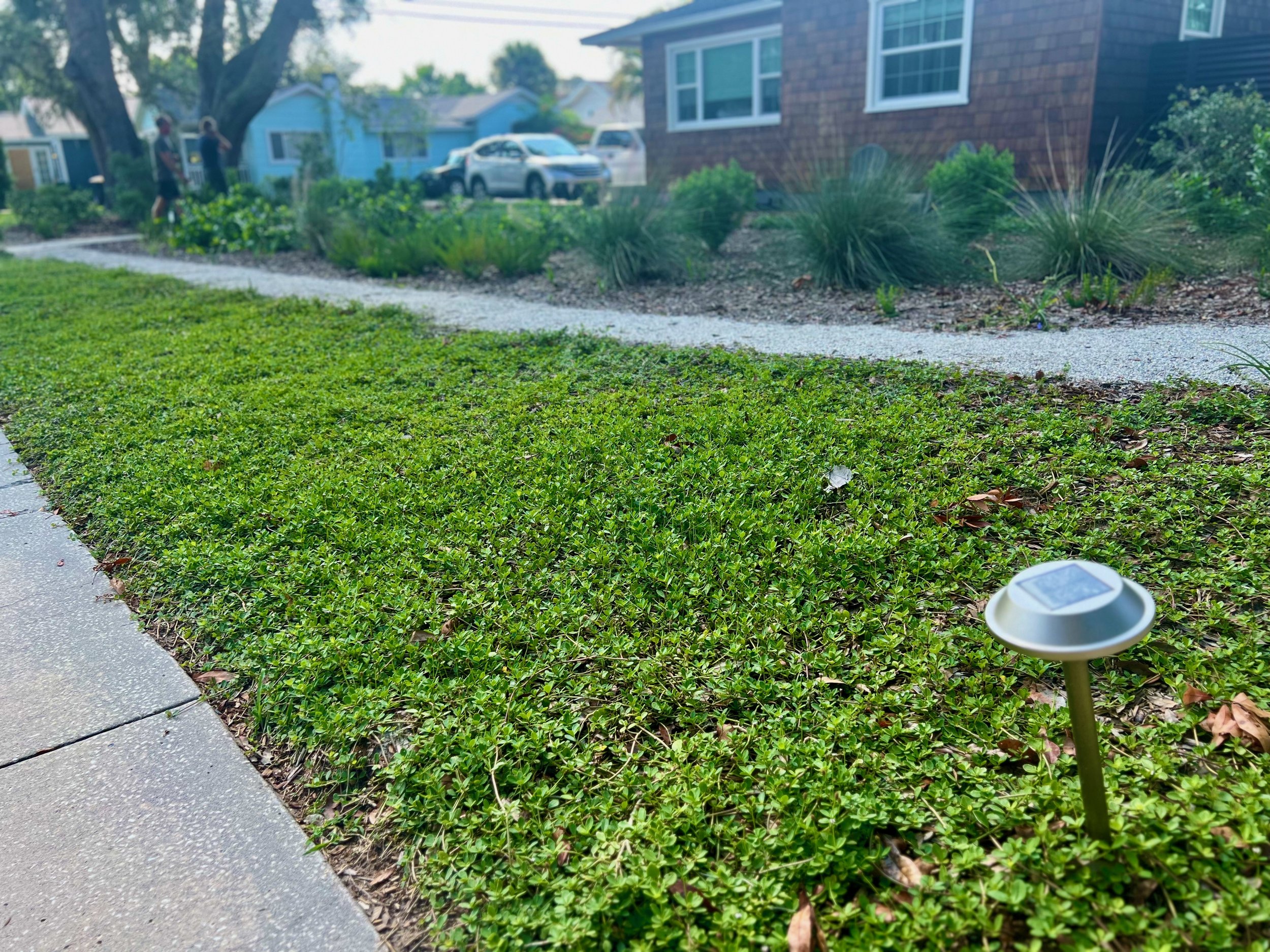
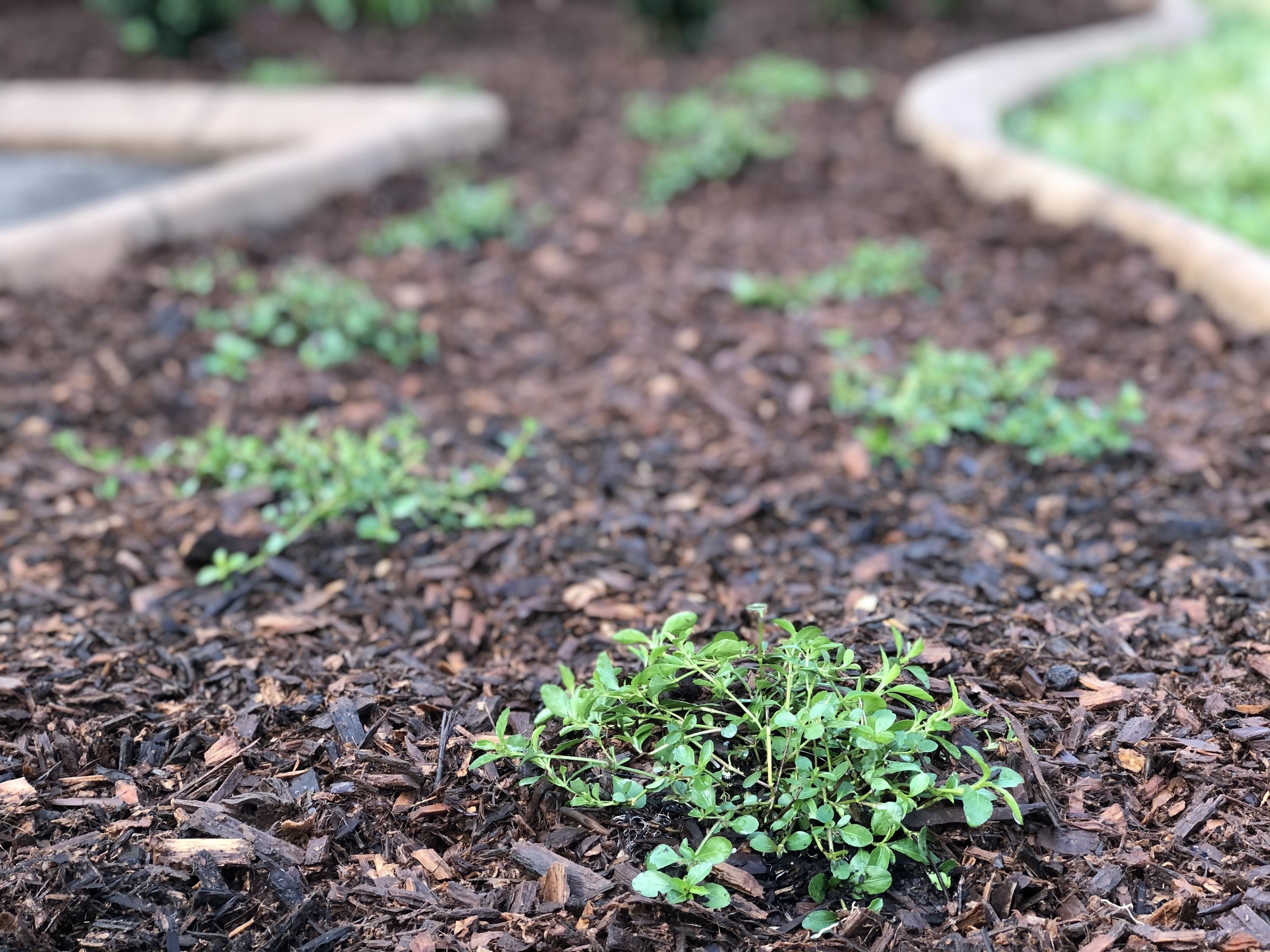
Phyla nodiflora
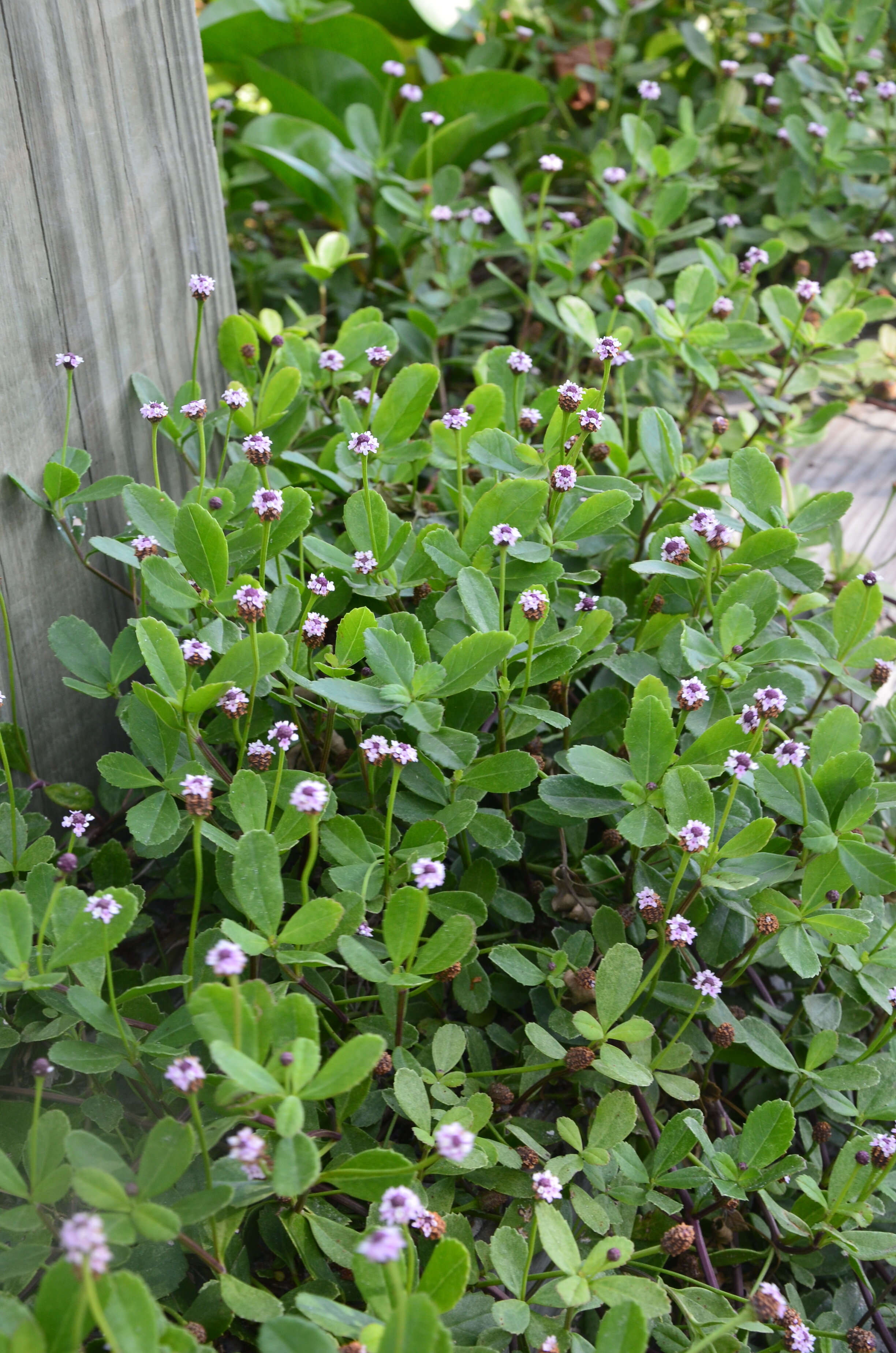
One of our favorite native plant “lawn alternatives,” Frogfruit is a low growing, perennial evergeen groundcover that grows in full sun to partial shade and in dry to moist soils. Frogfruit is highly salt-tolerant, fast growing, mow-able and lightly walk-able. It’s also an important host plant to the Phaon Crescent, White Peacock and Common Buckeye butterflies and is a nectar source pollinators including hummingbirds.
Canna flaccida
Golden Canna is a native, upright flowering wetland plant growing 2’ tall. This plant thrives in very moist to wet, soggy soil, and full submersion up to 6”. It has large, butter-yellow blooms that are highly attractive to hummingbirds, butterflies, and bees; it also serves as a vital larval host plant for the native Canna Skipper butterfly.
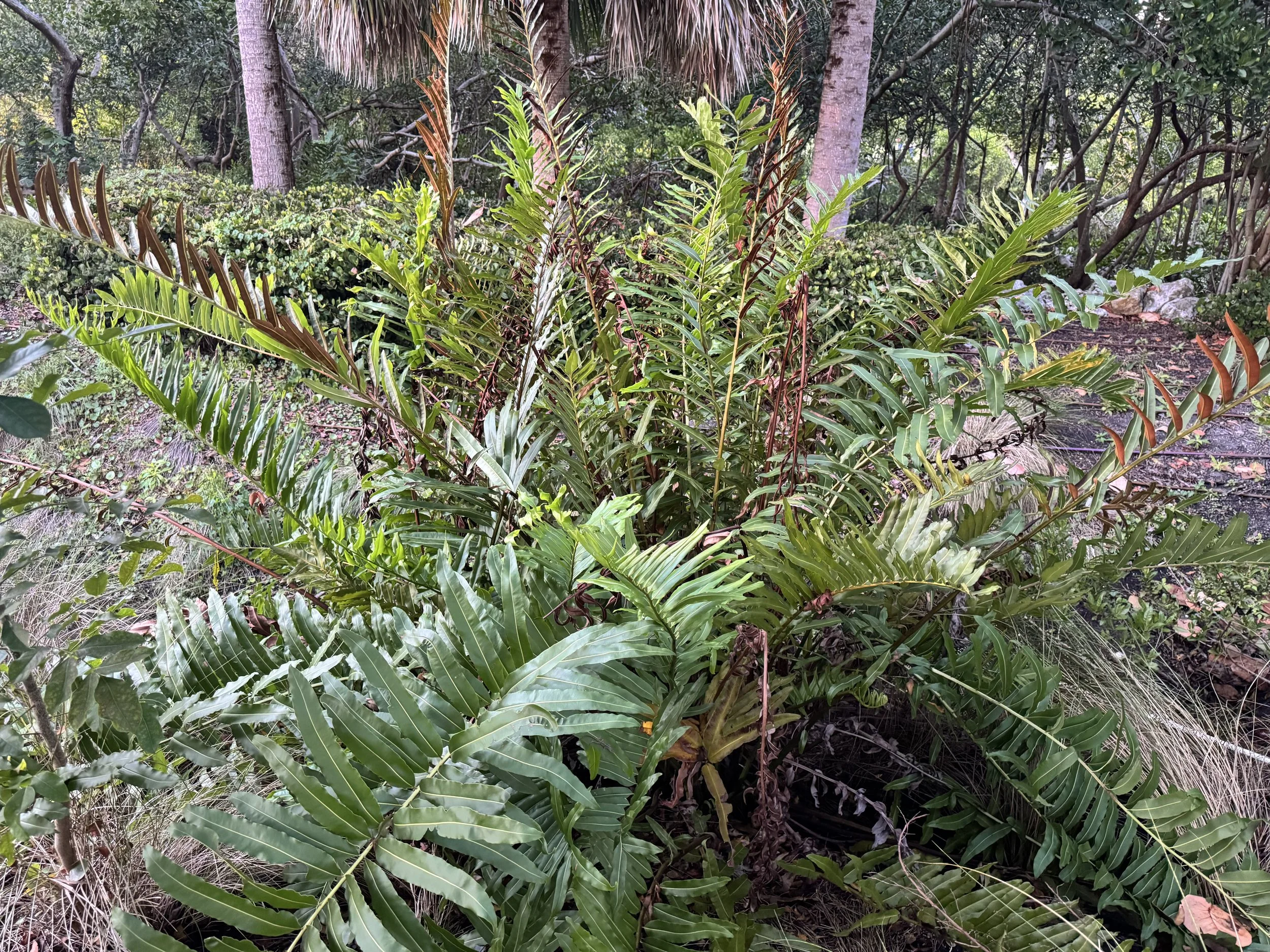
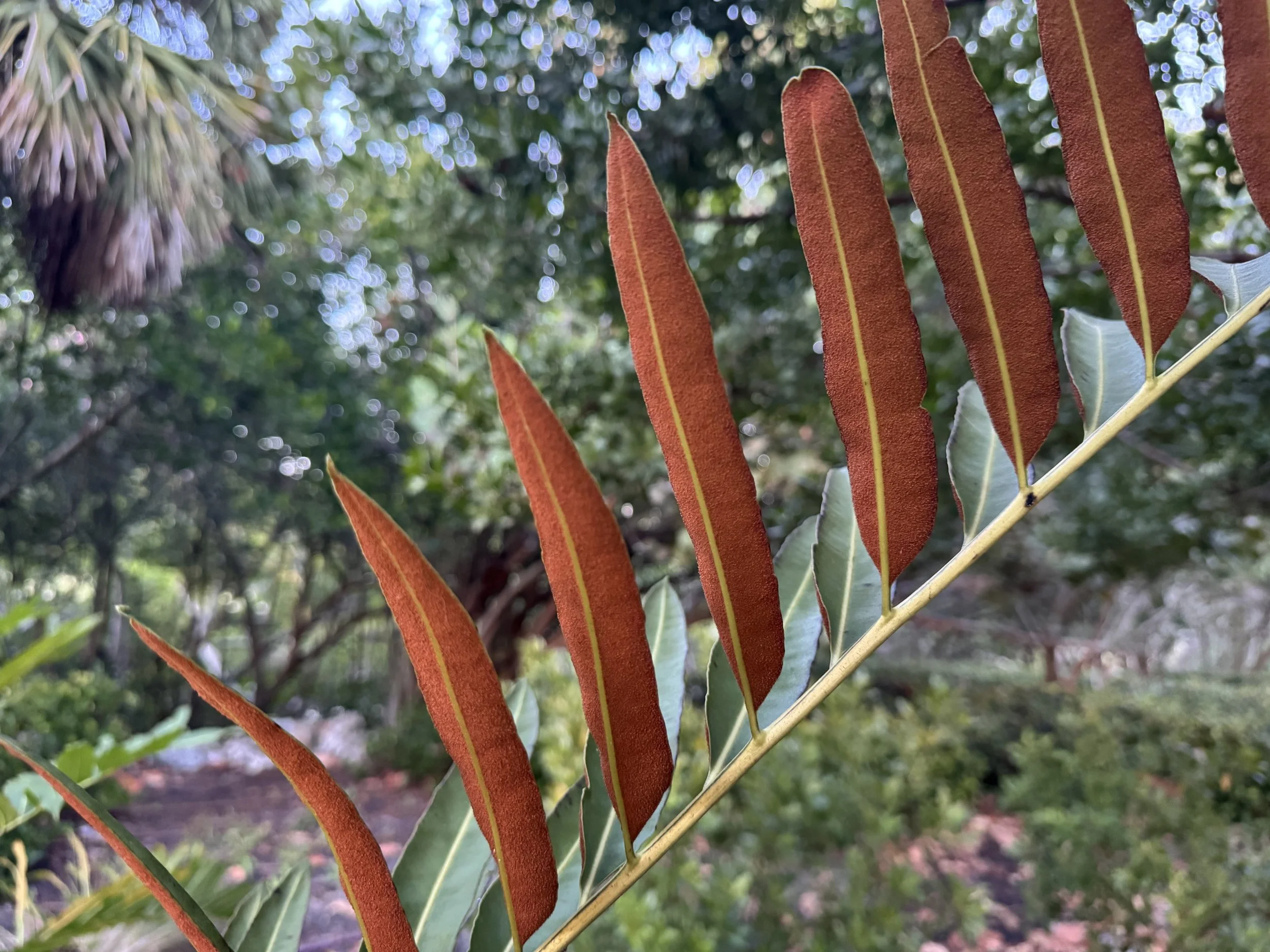
Acrostichum danaeifolium
A majestic and prehistoric-looking native fern that makes a bold architectural statement in the landscape. It features large, upright, leathery fronds that can reach impressive heights of 6 to 12 feet. This robust fern thrives in full sun to deep shade and is particularly well-suited for wet areas, pond edges, or low spots in the garden. It is highly salt-tolerant and adds a lush, tropical texture to any damp or aquatic setting.
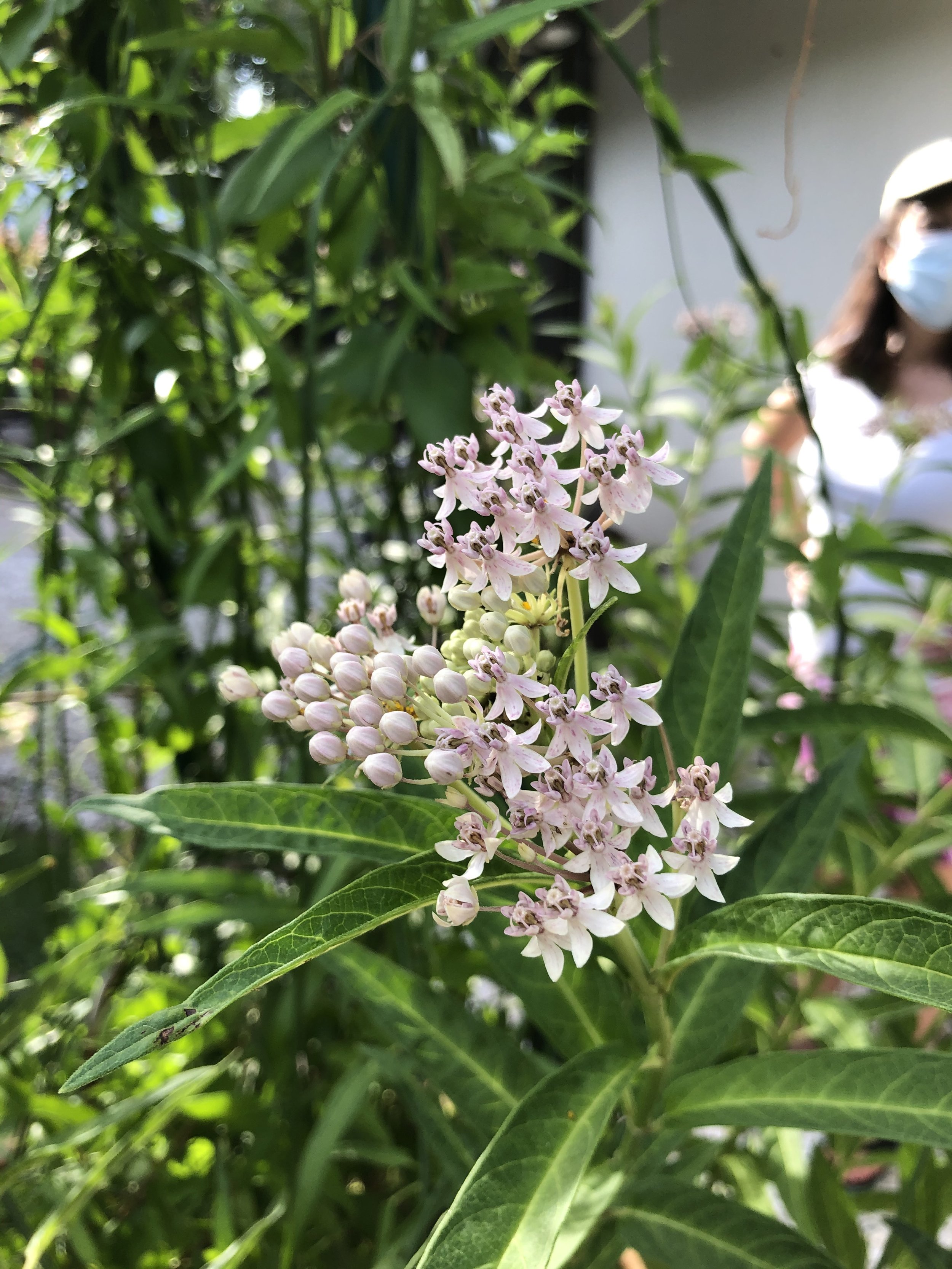
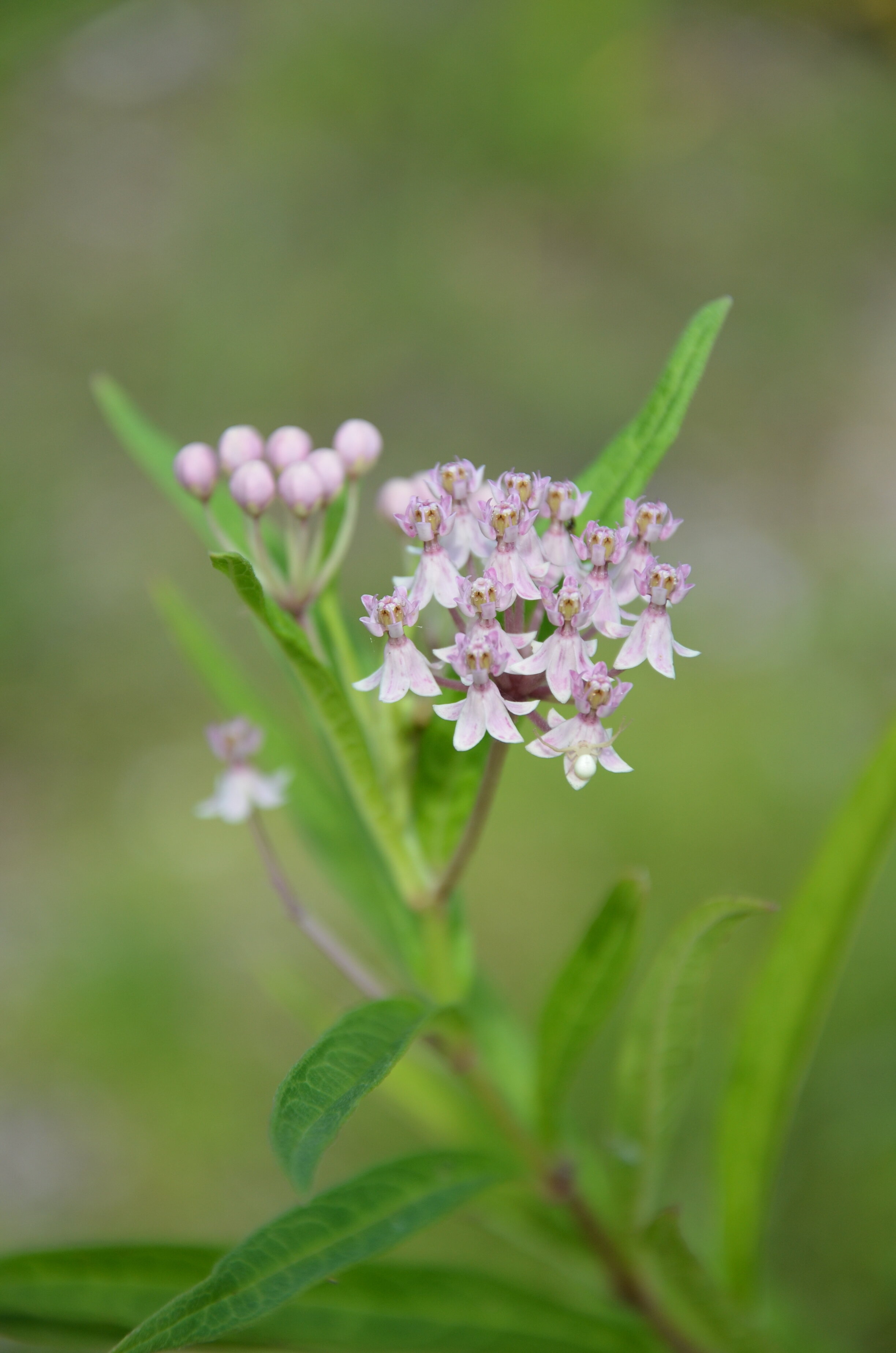
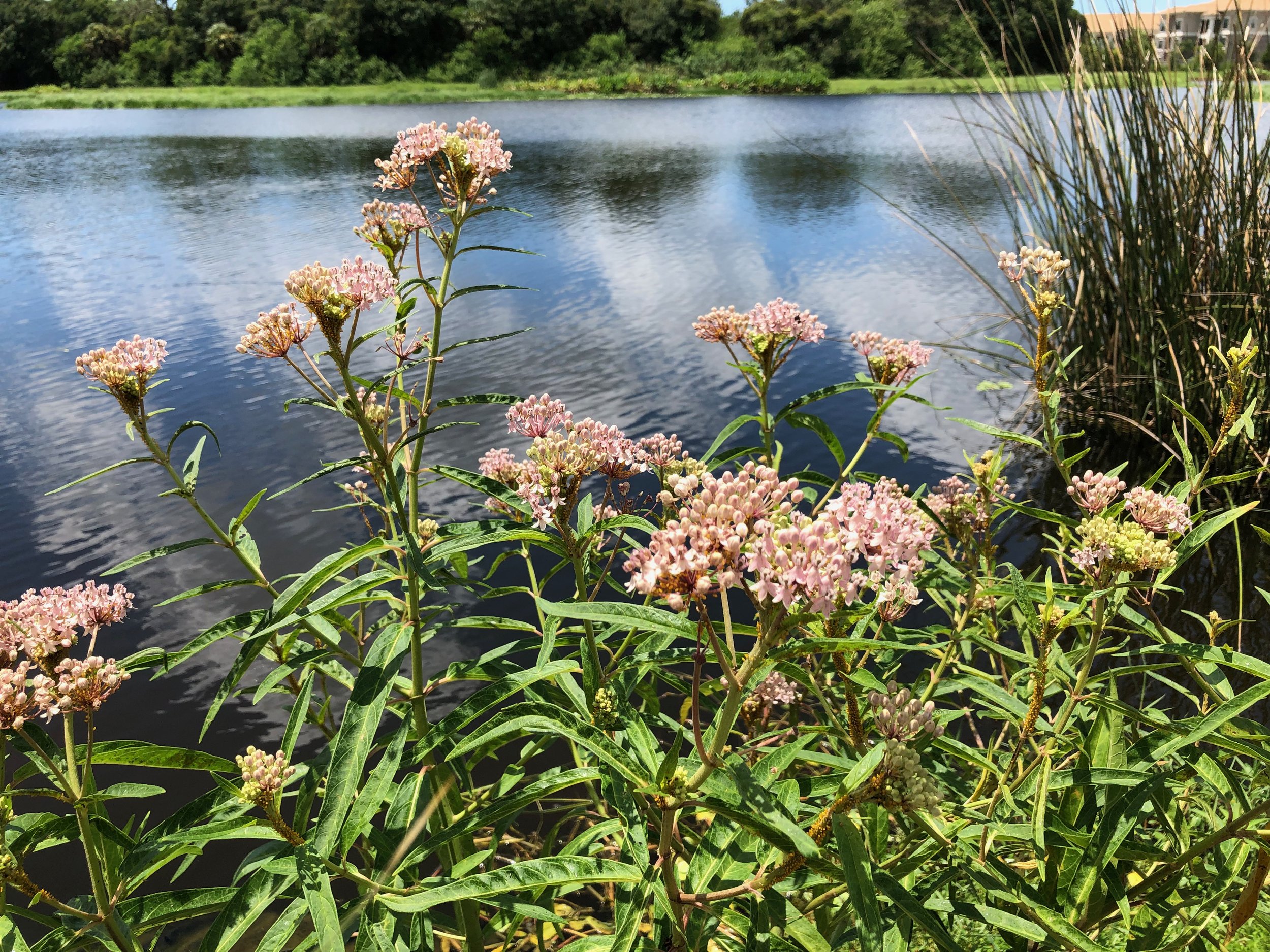
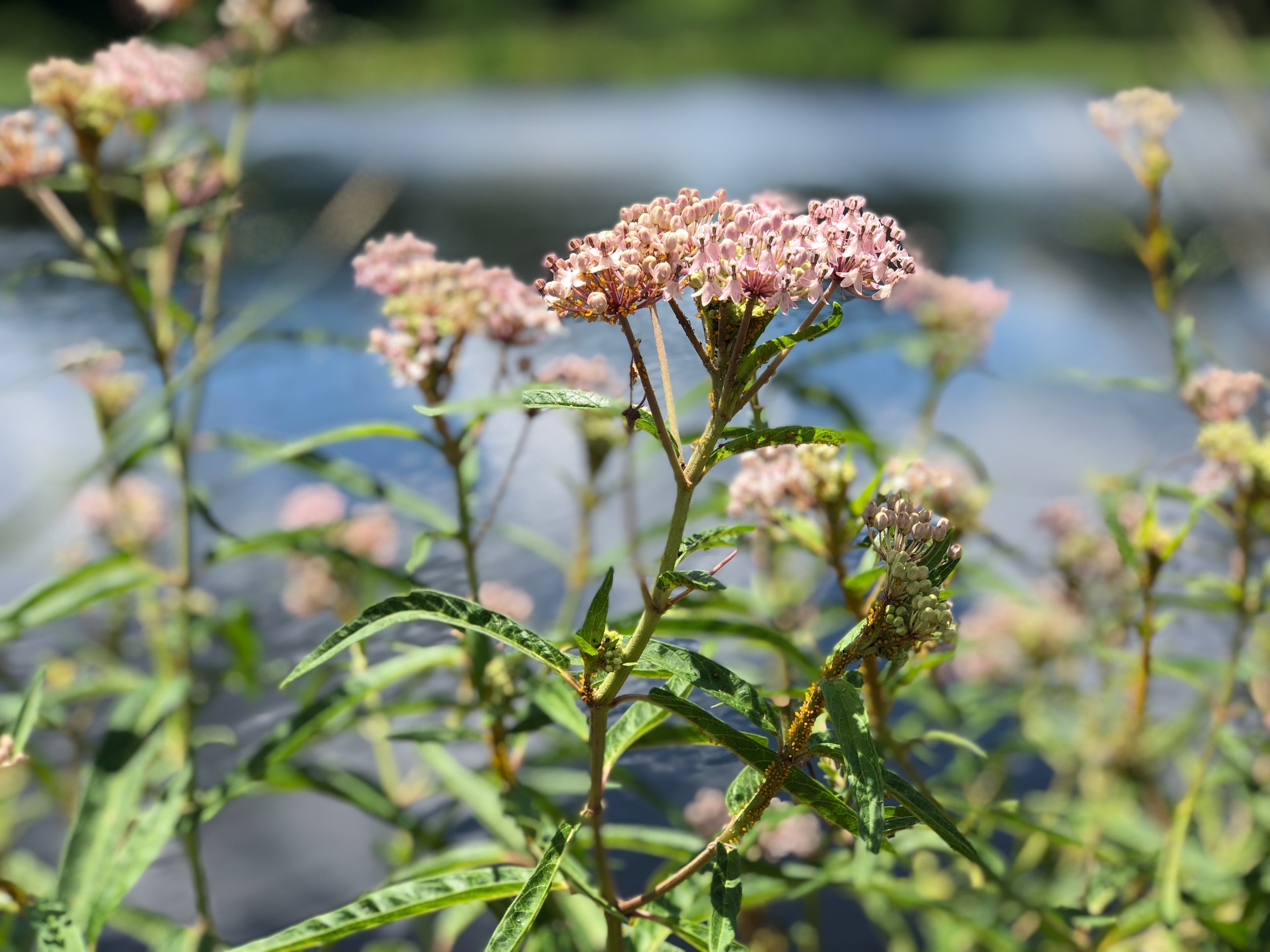
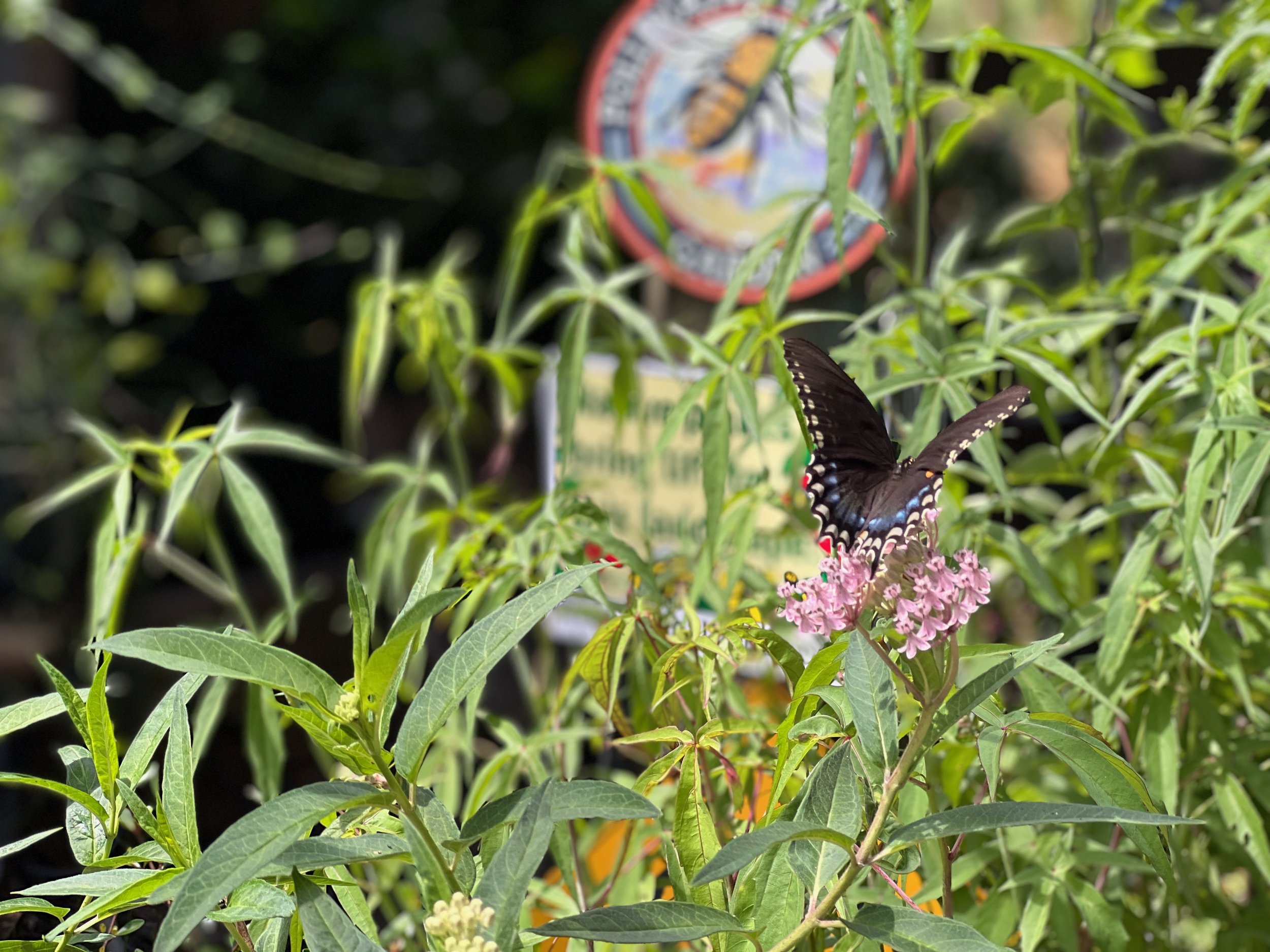
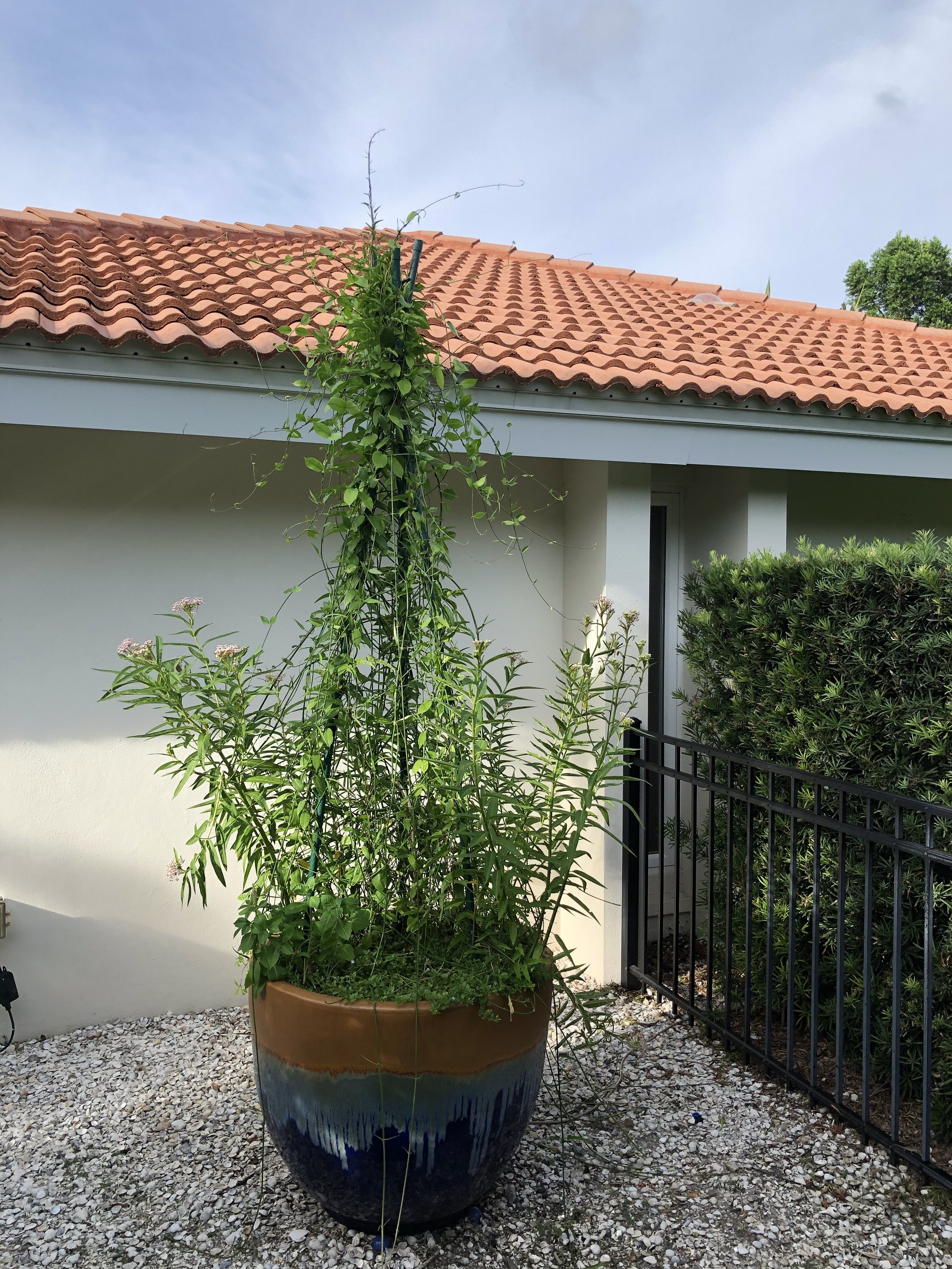
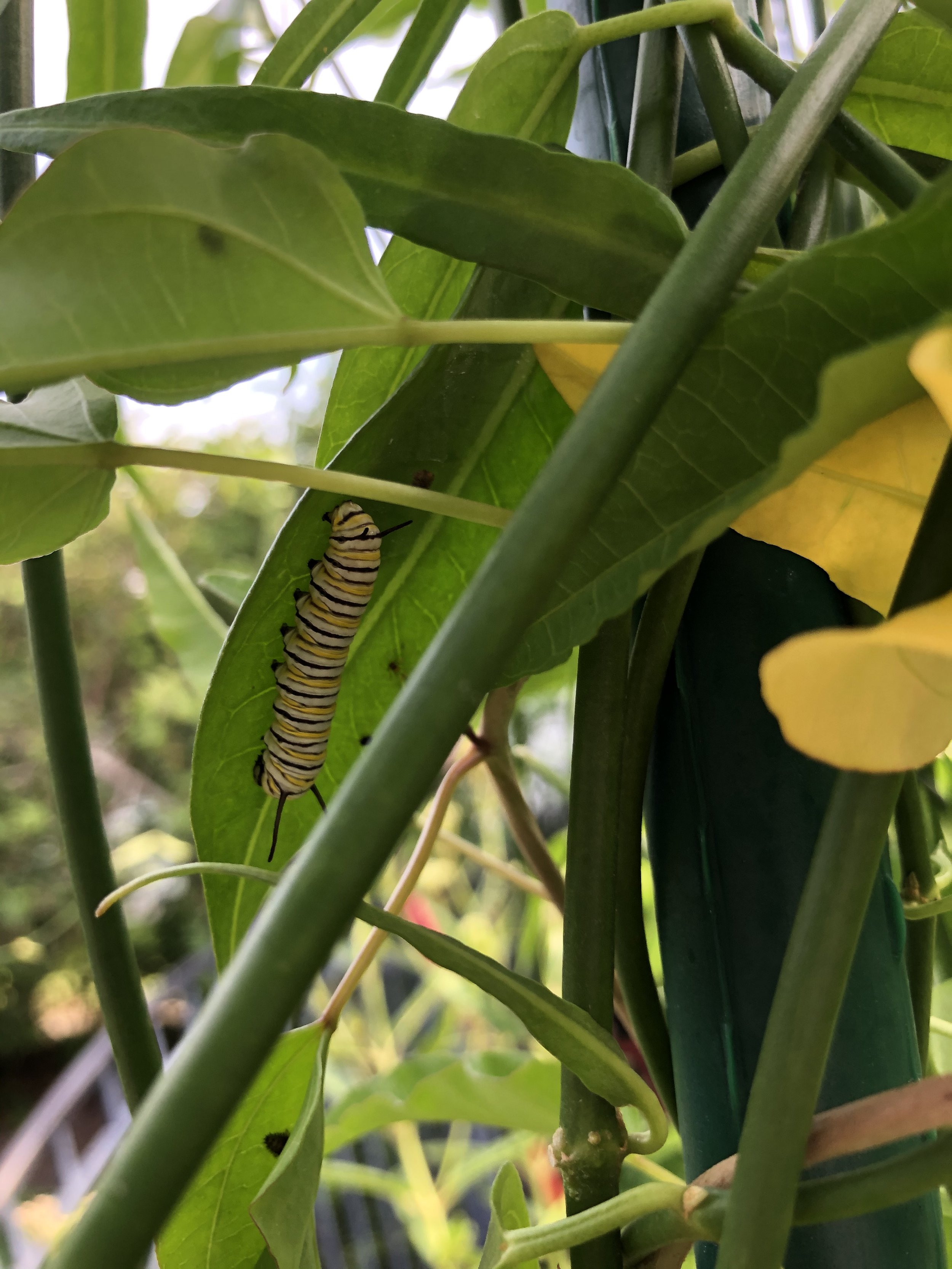
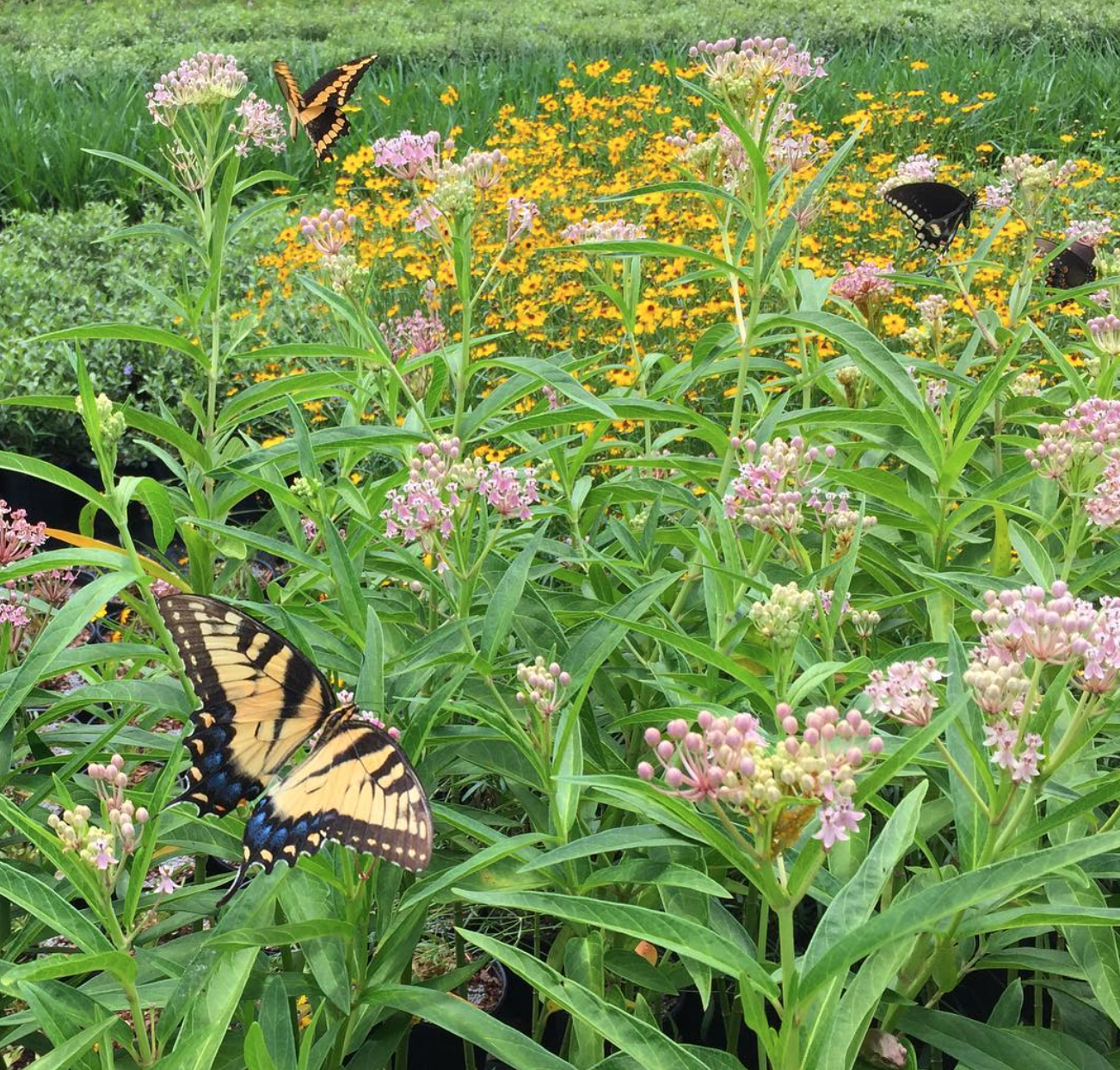
Pink Milkweed is a native, perennial, re-seeding, winter-dormant host plant for monarch and queen butterflies. Its foliage dies back in the winter and returns in the spring. It prefers moist soil conditions but can be grown in containers if kept moist. It is one of the most hardy of the native milkweeds for Florida gardeners to grow.
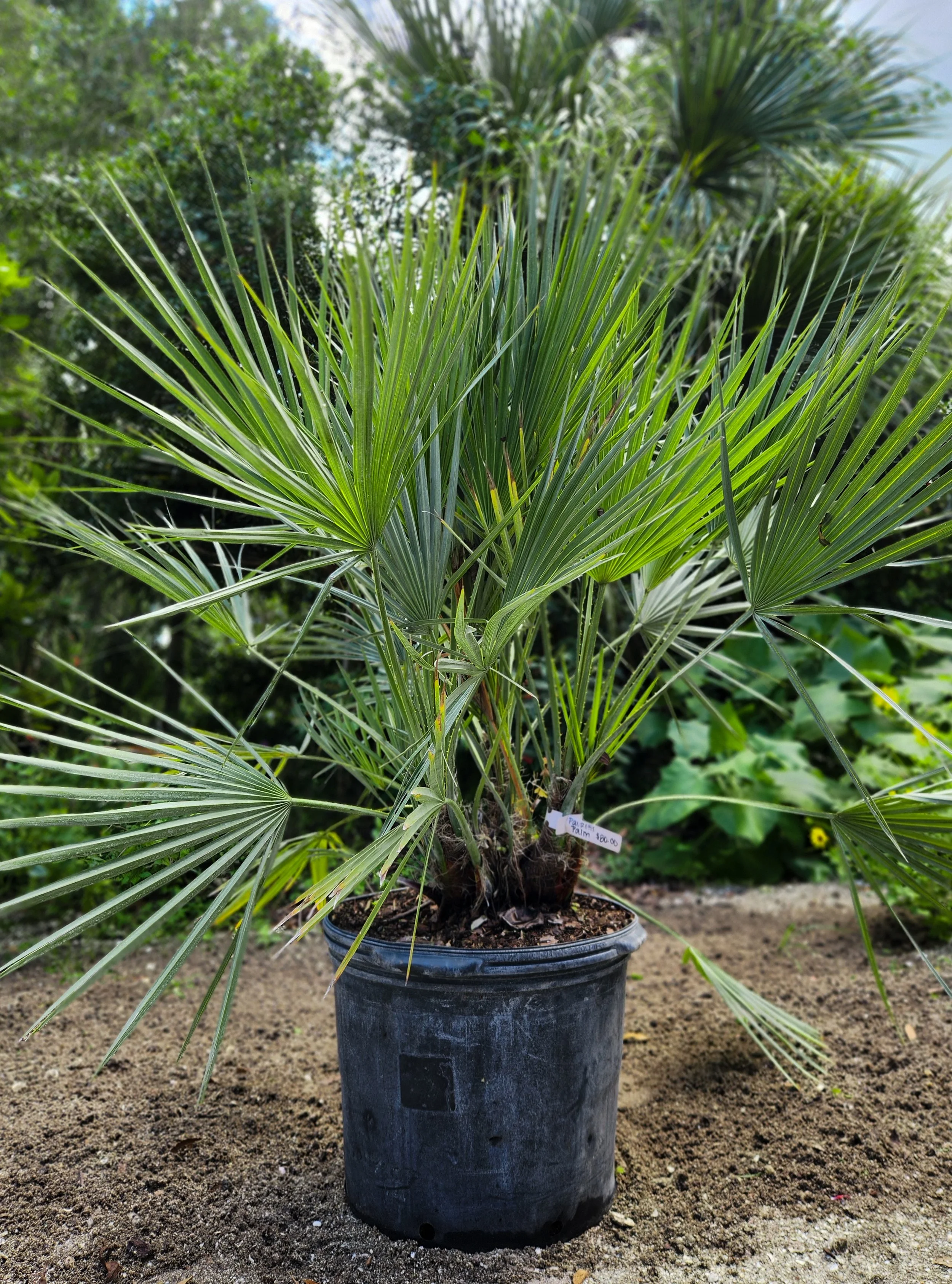
Acoelorrhaphe wrightii
Paurotis Palm is a Florida native palm that grows to be 15’-25’ tall and 8’-15’ wide. They grow best in full sun and moist to wet sandy soil. They can tolerate standing water, but they are surprisingly drought tolerant once they are established. They are very salt-tolerant, and their dense, multi-trunk growth habit provides cover for local wildlife.
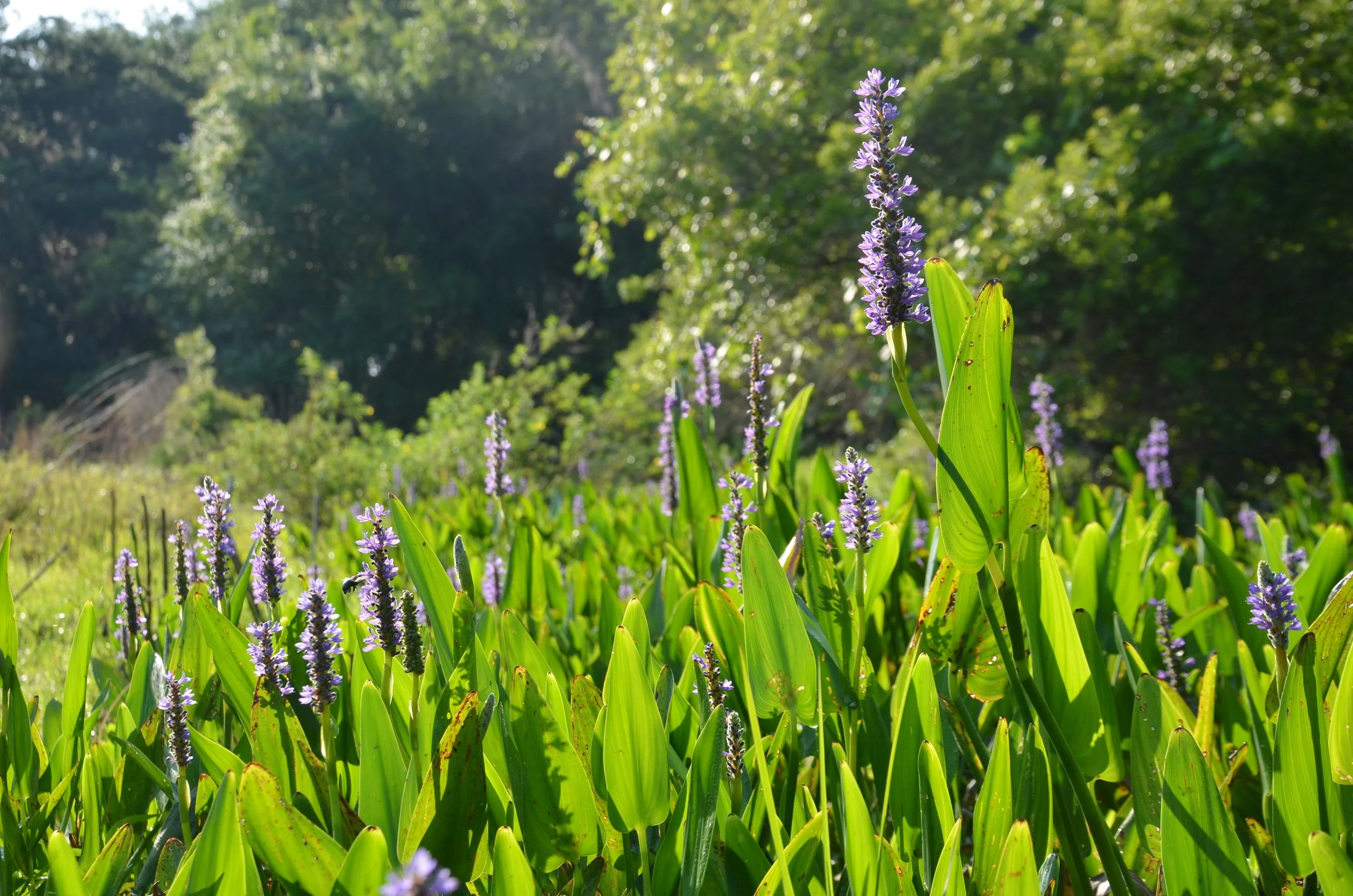


Pontederia cordata
An iconic native wetland edge plant that not only stabilizes bank edges, but has beautiful purple flower spikes that attract all sorts of pollinators. It reaches 3’ in height, does well in sun to partial shade, and very wet soil - even when submerged in up to 2’ of water. Use as a pop of color for wetland edges, streams, lakes, and swales. The foliage is also an important nesting material for wetland bird species!

Spartina patens
Saltmeadow Cordgrass is a perennial grass native to Florida's coasts that grows up to 3 feet tall in salt marshes and brackish wetlands. This hardy species features slender, wiry stems and narrow leaves that often form distinctive whorled patterns, creating dense clumps in the high marsh zone above the high-tide line. Highly valuable for Florida wildlife, it provides critical nesting habitat for saltmarsh sparrows, red-winged blackbirds, and boat-tailed grackles, while the seeds feed various shorebirds and waterfowl including mallards and pintails. The dense grass also offers protective cover for diamondback terrapins, marsh rabbits, and juvenile fish during high tide, while serving as foraging areas for great blue herons and snowy egrets. This salt-tolerant native grass plays a vital ecological role in Florida's coastal marsh systems, supporting both resident and migratory species.
Hibiscus coccineus
Scarlet Hibiscus is a native, perennial flowering shrub that grows 3’-8’ tall and 2’-4’ wide, with large, lobed leaves and large red star-shaped, long-lasting flowers that bloom from mid-summer to early fall. They grow best in full sun to partial shade with moist to wet, rich soil. They naturally grow in very wet areas and are very tolerant of soggy soil, but they can adapt to average soil environments with adequate watering. They are very attractive to Ruby Throated Hummingbirds, butterflies, and native bees!
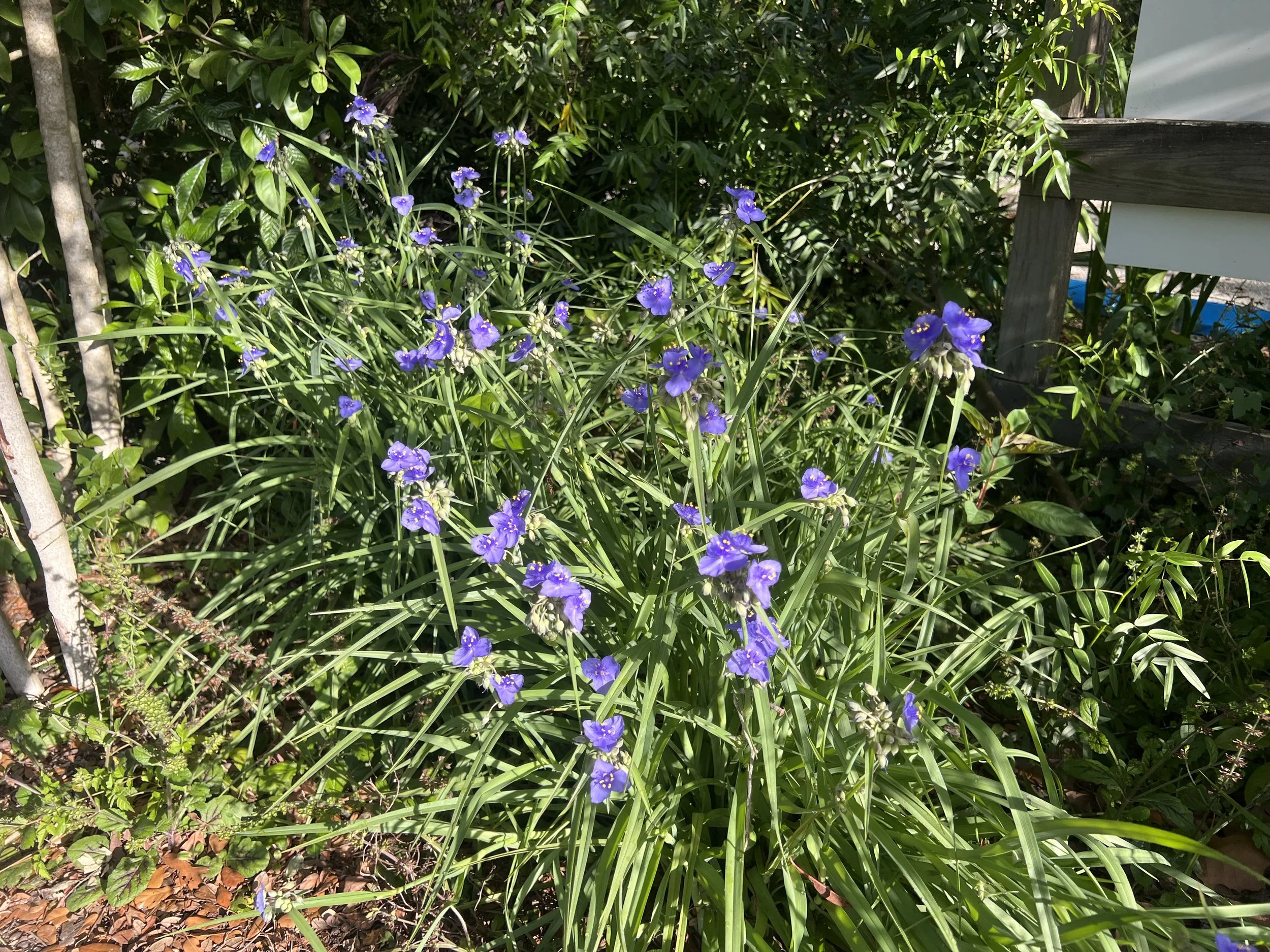
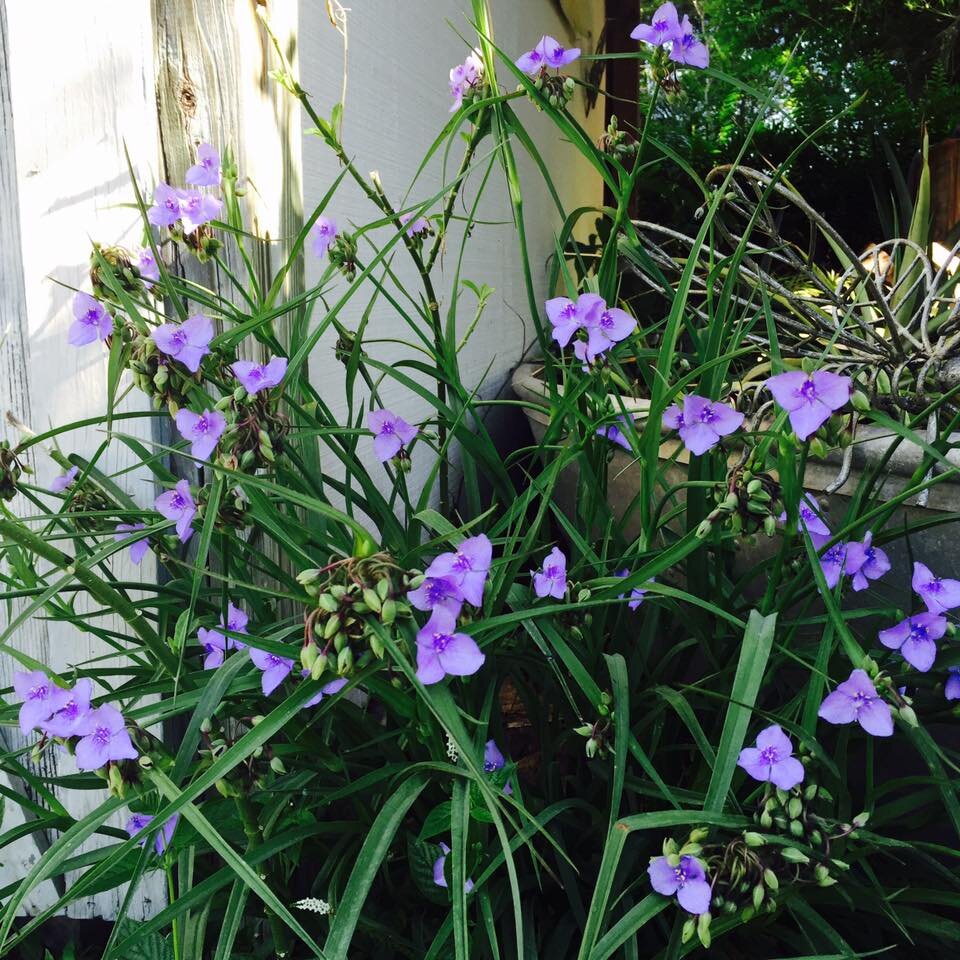
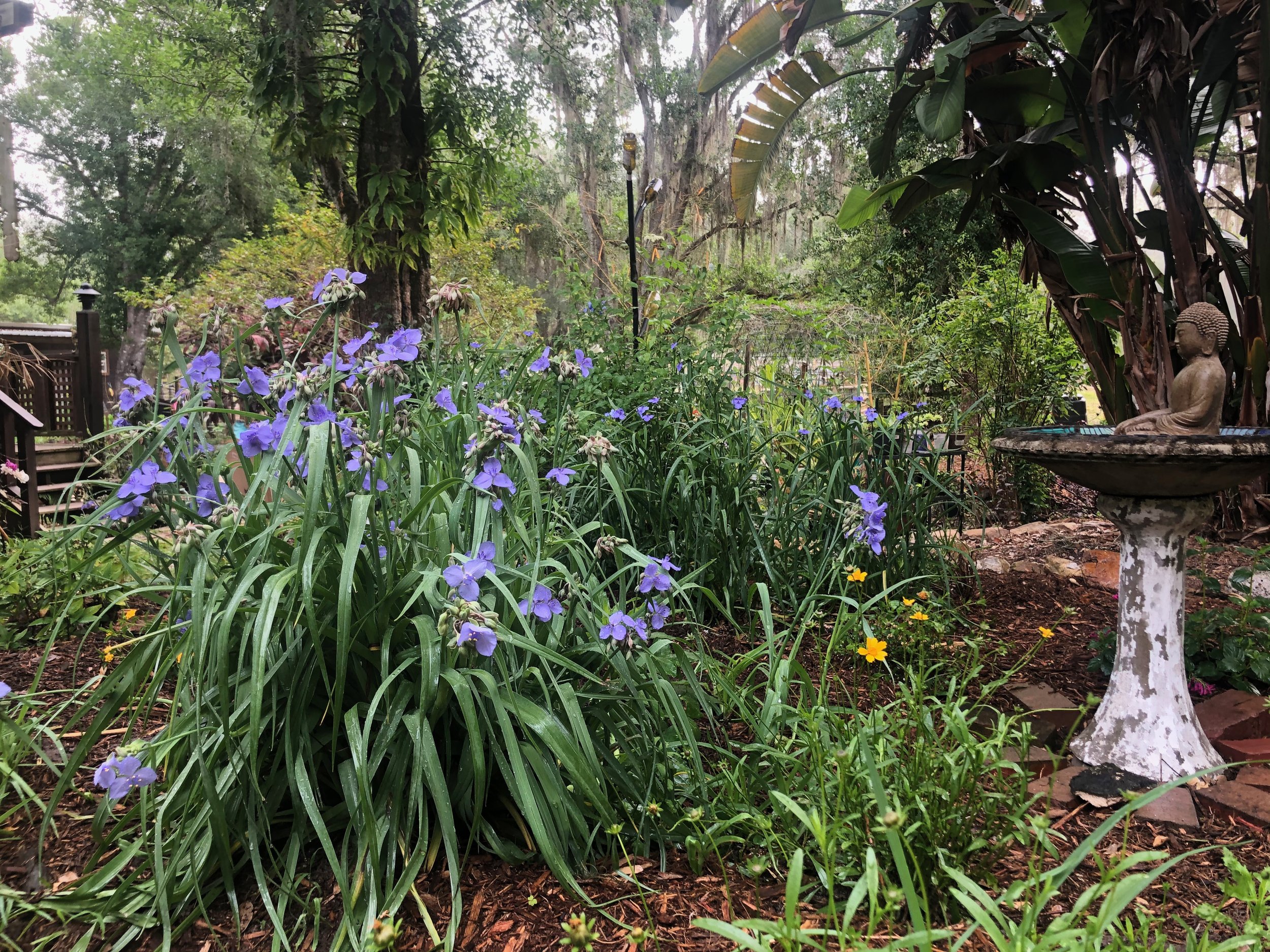
Tradescantia ohiensis
This commonly known wildflower is widespread across the east of the United States in woodlands and forests. It likes part sun to full sun with well-draining soils with average moisture and can grow 2’-4’. Its delicate blue flowers are a pop of color in any garden and attract a variety of native pollinators.
Telmatoblechnum serrulatum
Swamp Fern is a native fern that grows to be 2’-3 tall and 1’-2’ wide. They grow best in shade and moist to wet sand or pond muck. In addition to adding a pop of green to shady spots, Swamp Fern also provides cover for ground-dwelling native wildlife.
Crinum americanum
Swamp Lily is a native perennial wetland plant that grows 2’-3’ tall and 1’-2’ wide. It does well in full sun to partial shade, with partial shade being ideal in the hot summer months in Florida. These plants thrive in very wet soil, mud, and pond muck, and can tolerate standing water up to 6”. They have strappy, dark green leaves and showy clusters of heavily fragrant, white, spider-shaped blooms. The flowers are highly attractive to bees, butterflies, and hummingbirds!

Nephrolepis exaltata
Sword Fern is a Florida-native fern that can grow to be 2’-3’ tall and wide. They grow best in shade with moist to wet, organic soil. These plants can be planted in the ground, kept as a potted plant on the porch, or used as a house plant. Plant in shade or rain gardens to provide cover for ground-dwelling wildlife.
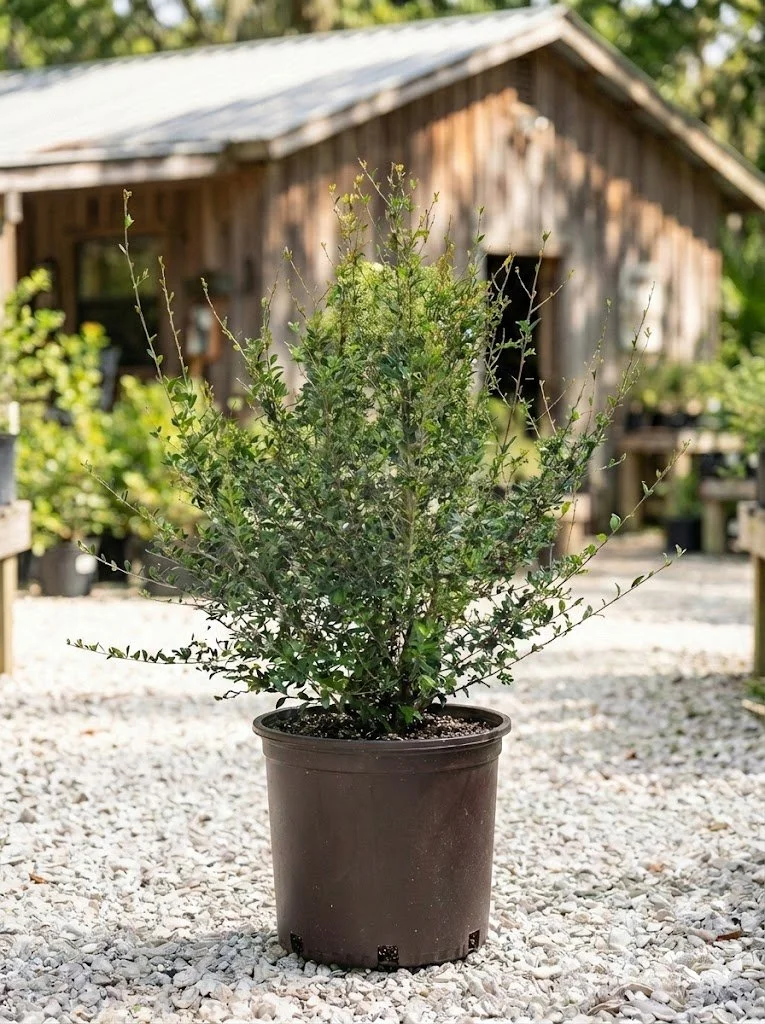
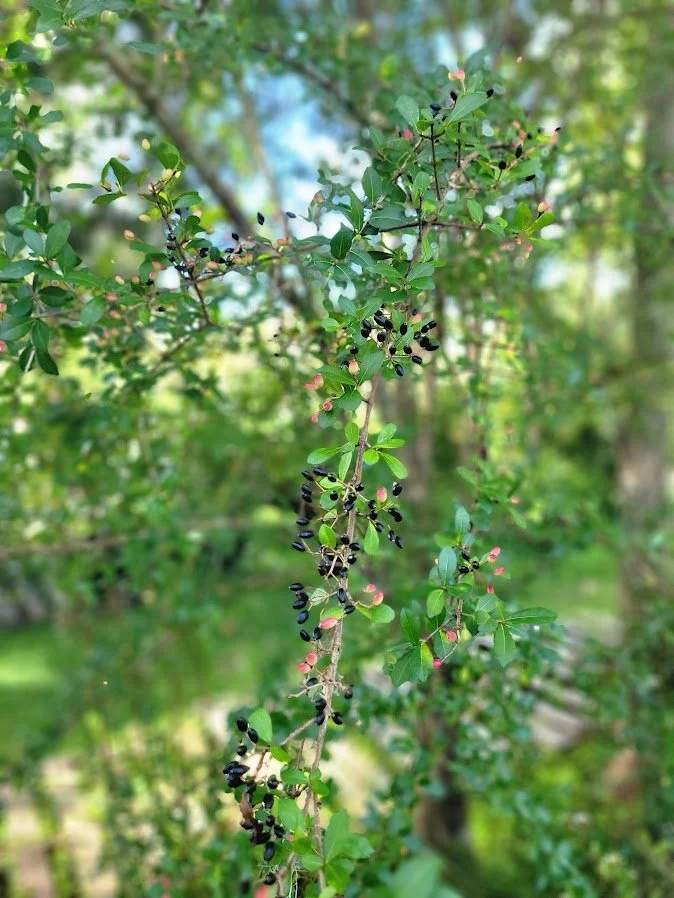
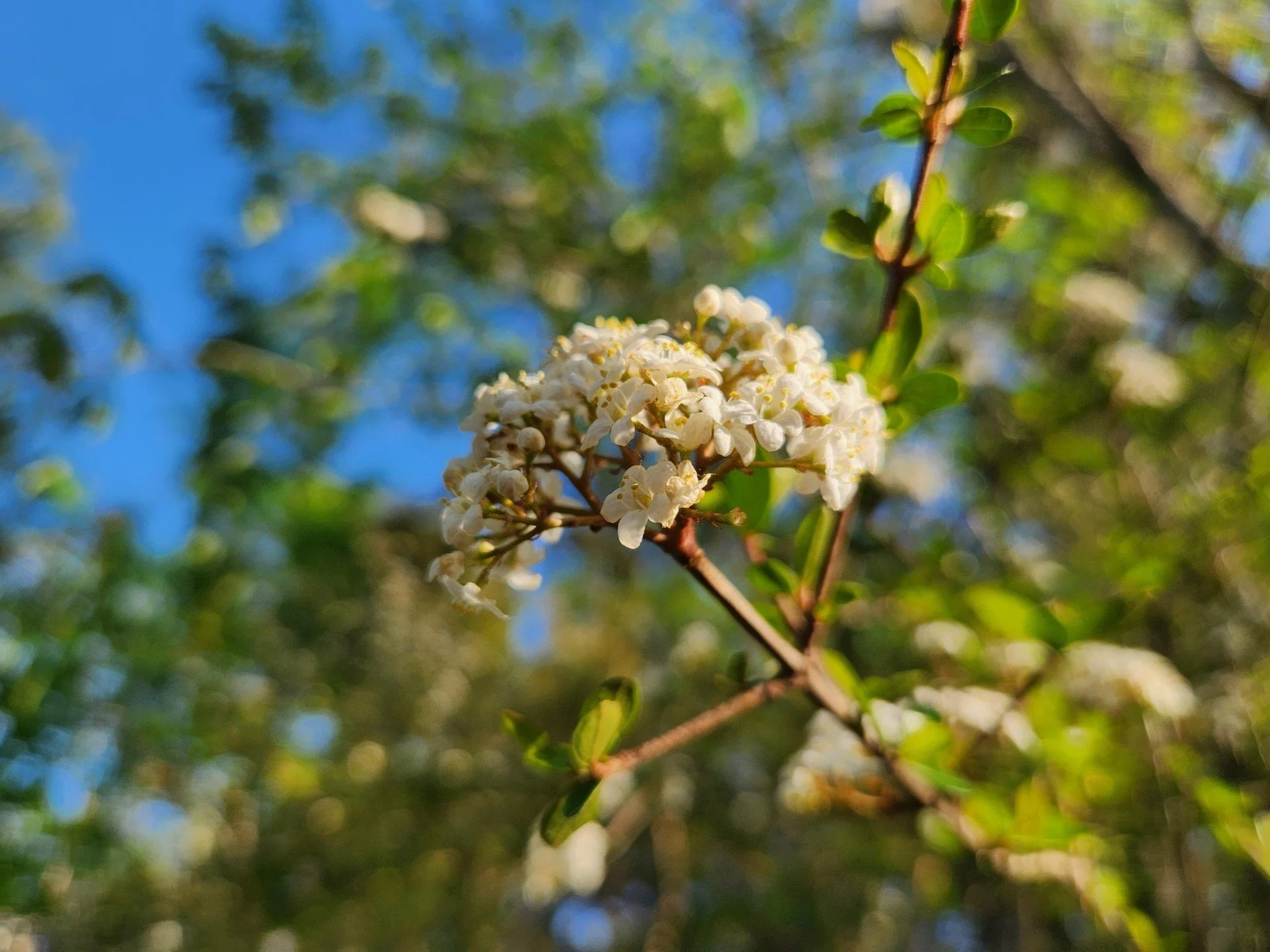
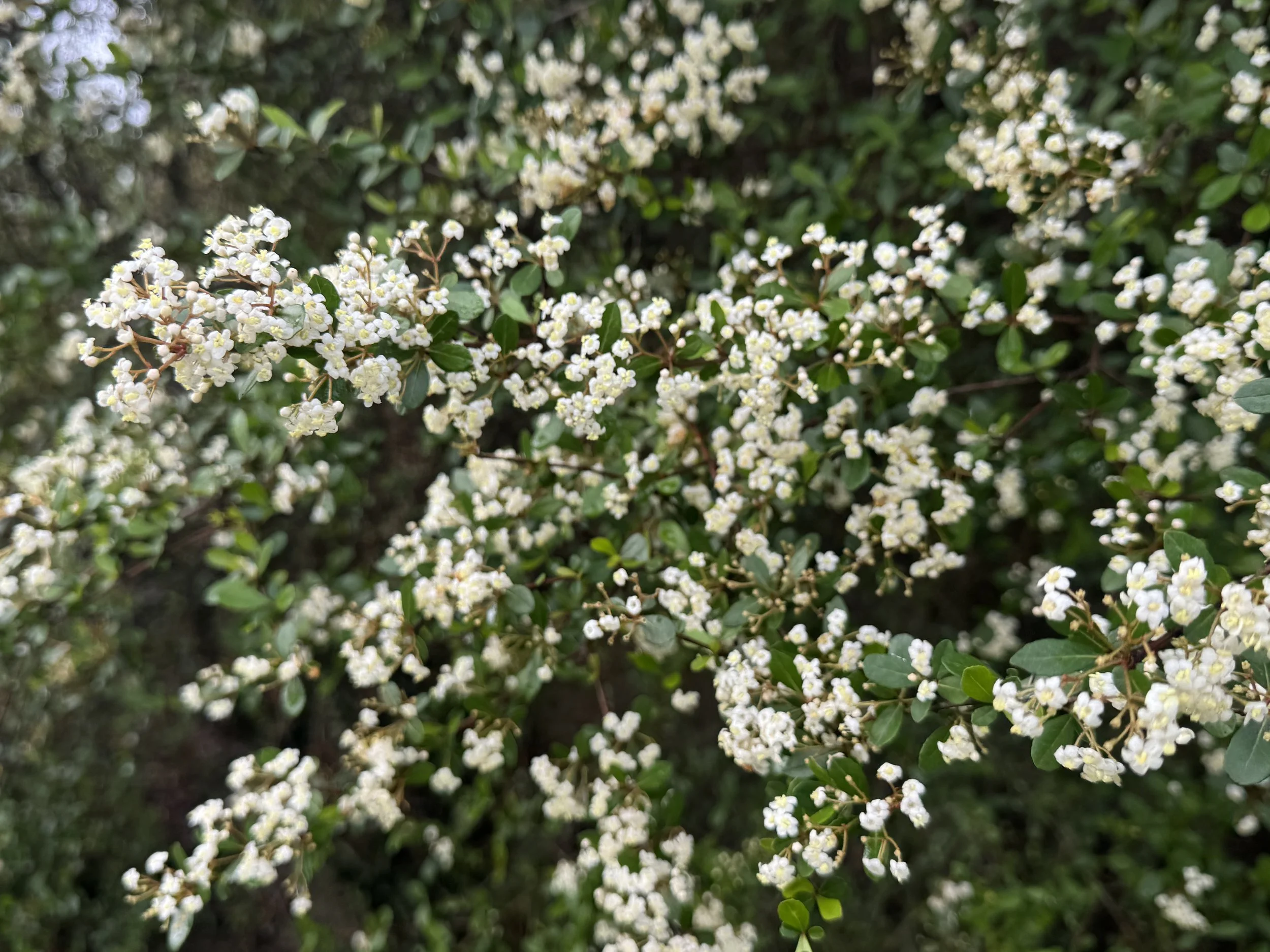
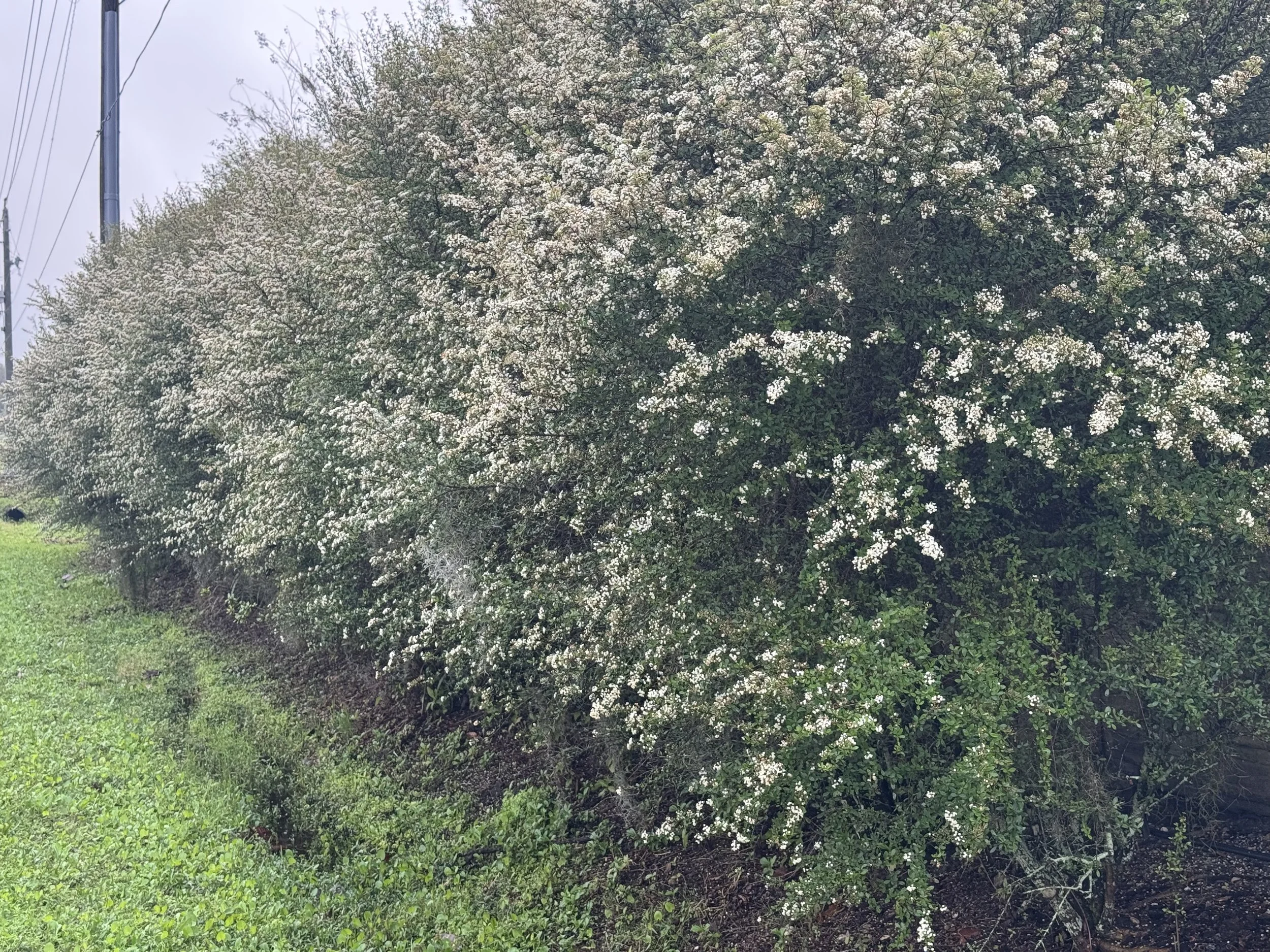
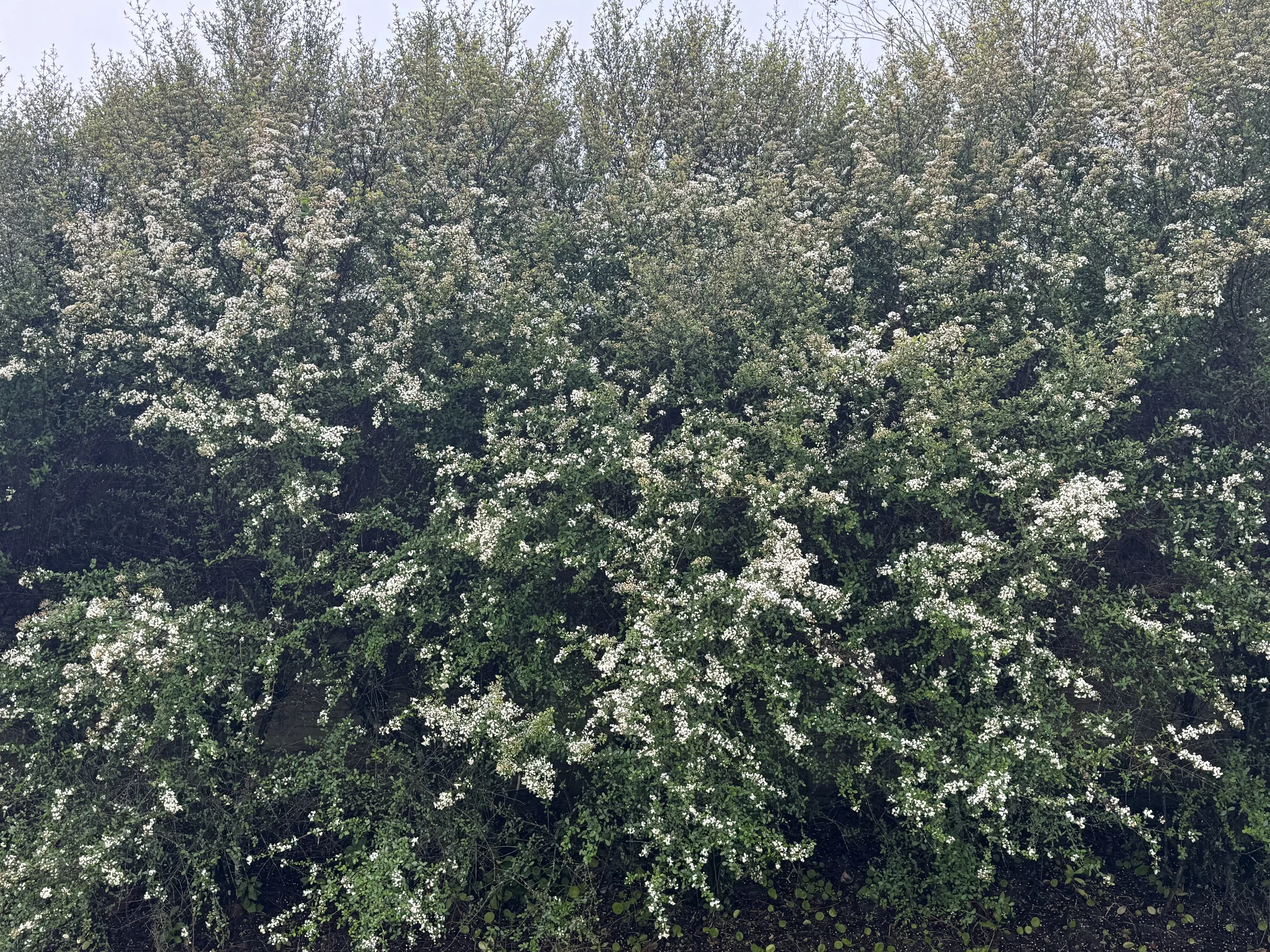
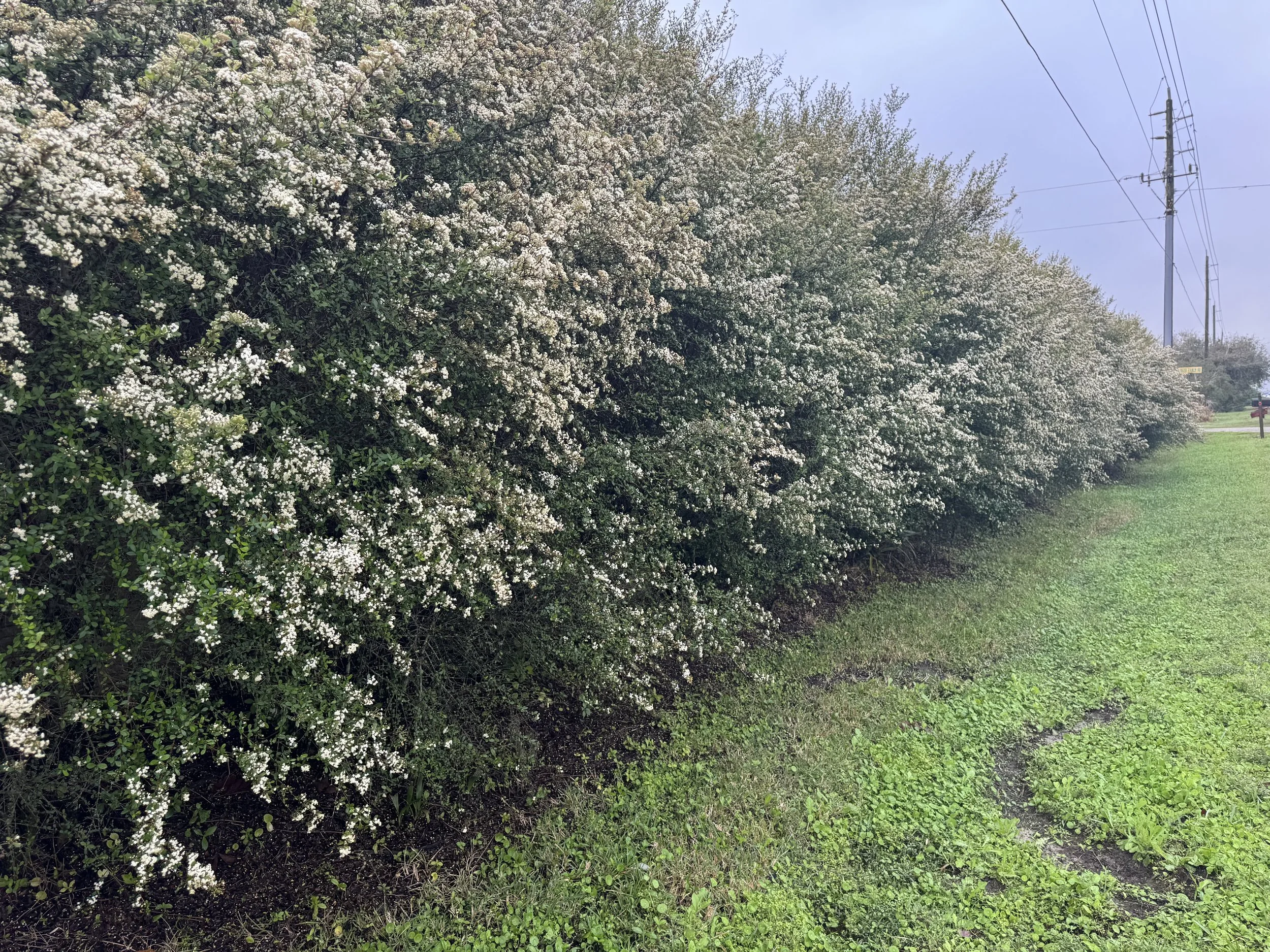
Viburnum obovatum
Walter's Viburnum is an evergreen shrub or small tree native to the southeastern United States that can reach up to 20’ tall but is commonly pruned as a hedge or screen. This densely branched species features fine-textured foliage and produces masses of small, fragrant white flower clusters in early spring, giving it its nickname "Florida snow," that attract butterflies and other pollinators. In fall, it develops dark blue berries that provide food for birds and wildlife. Thriving in zones 7-10, it adapts to various soil types and light conditions from full sun to partial shade, making it an excellent choice for native landscaping, wildlife gardens, and as a Florida-friendly alternative to boxwood hedges.
Sizing of cultivars:
‘Withlacoochee’ - 12’-15’
‘Select’ - 6’-8’
‘Densa’ - 4’-5’
‘Snow Fury’ - 5’-10’
Bacopa monnieri
Water Hyssop is a native, perennial wetland ground cover that grows 3”-6” tall, and 1’-2’ wide, forming dense mats. They have green, succulent leaves and small, white flowers from spring to fall. They grow best in full sun to partial shade and moist, wet, or waterlogged soils, including soils that are submerged in 4”-12” of water. The flowers are attractive to bees and butterflies, and the leaves serve as a larval host for the White Peacock butterfly.
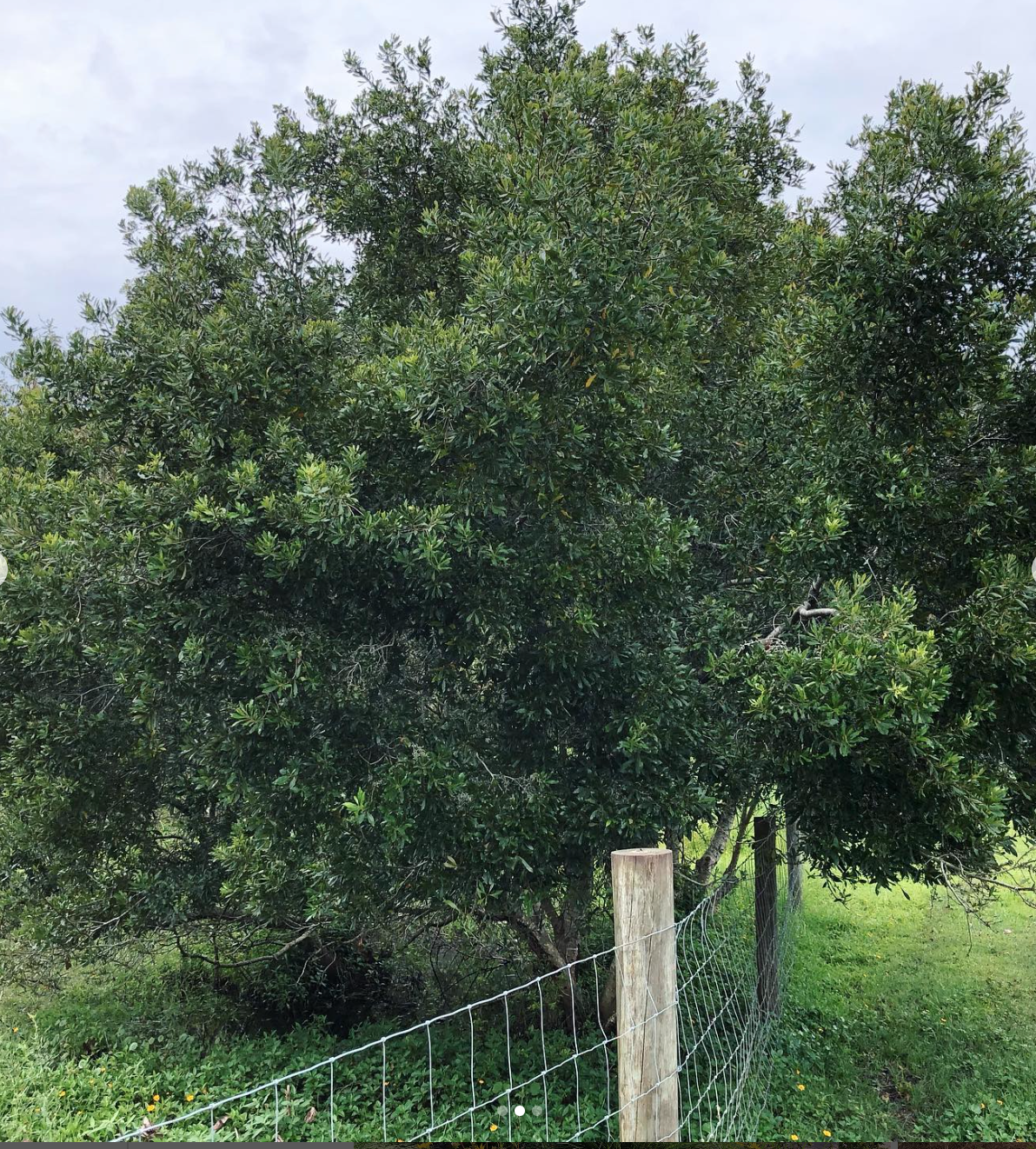
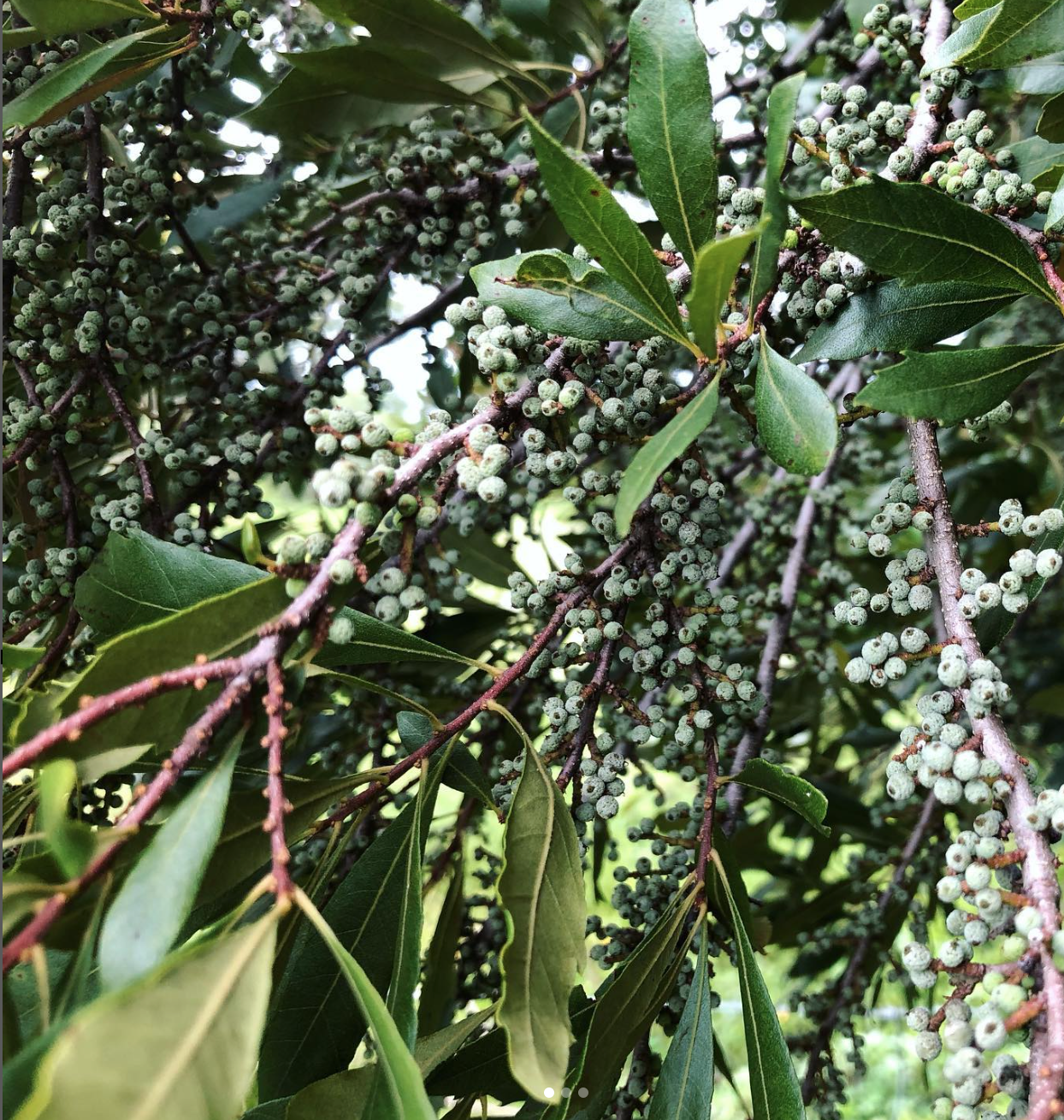
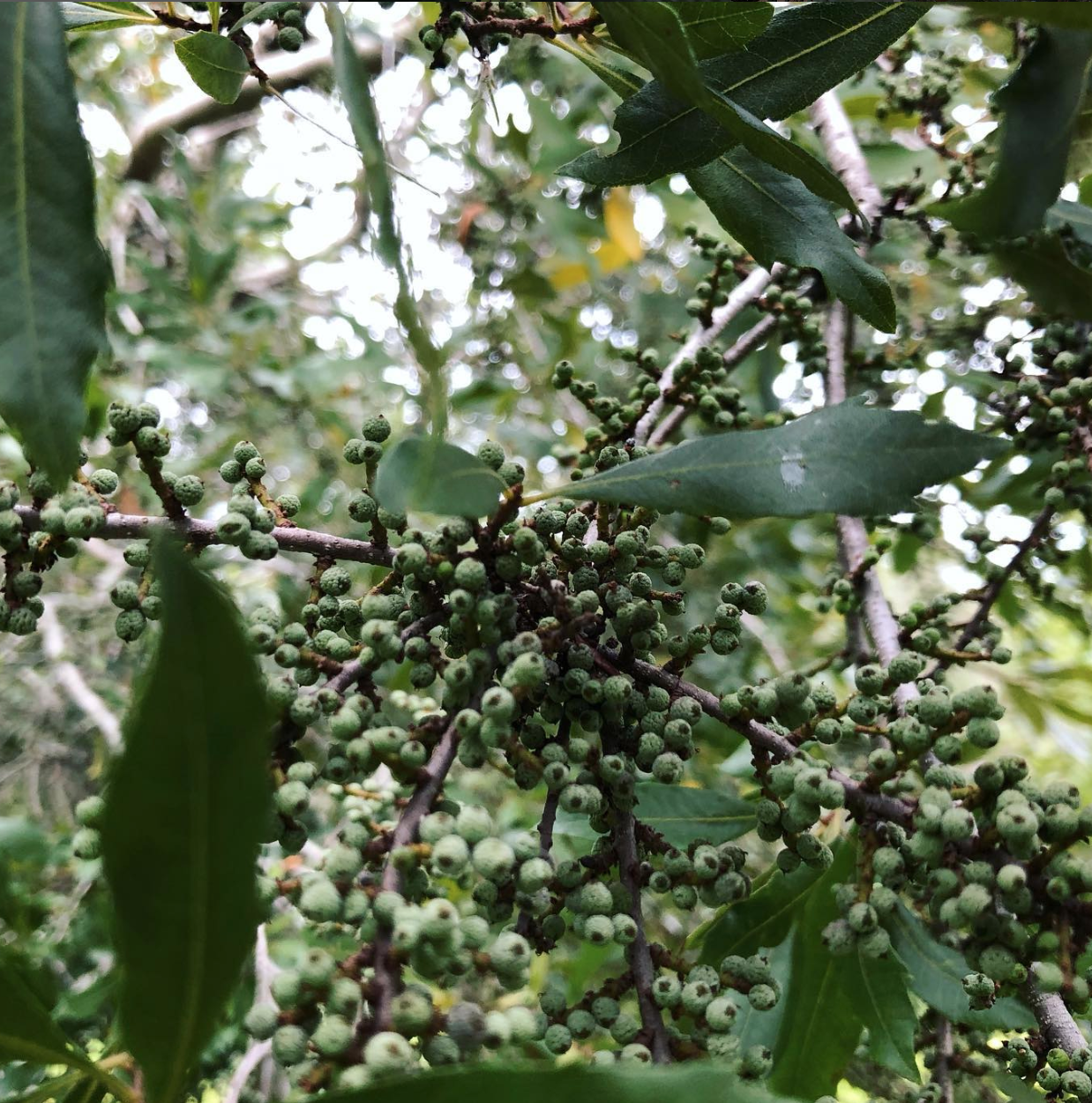
aka Southern Bayberry
Myrica cerifera
Southern Bayberry is a go-to large shrub for tough conditions that require plants that can tolerate moist soils and full sun. It’s also highly adaptable to dry soils and partial shade. It is evergreen and best left untrimmed and allowed to get to its natural height of about 15’. Southern Bayberry makes a nice hedge, natural screen or buffer planting or a specimen shrub and it is an excellent wildlife attractor. The waxy berries on the female plants are a food source for birds, and also used to make traditional bayberry candles.
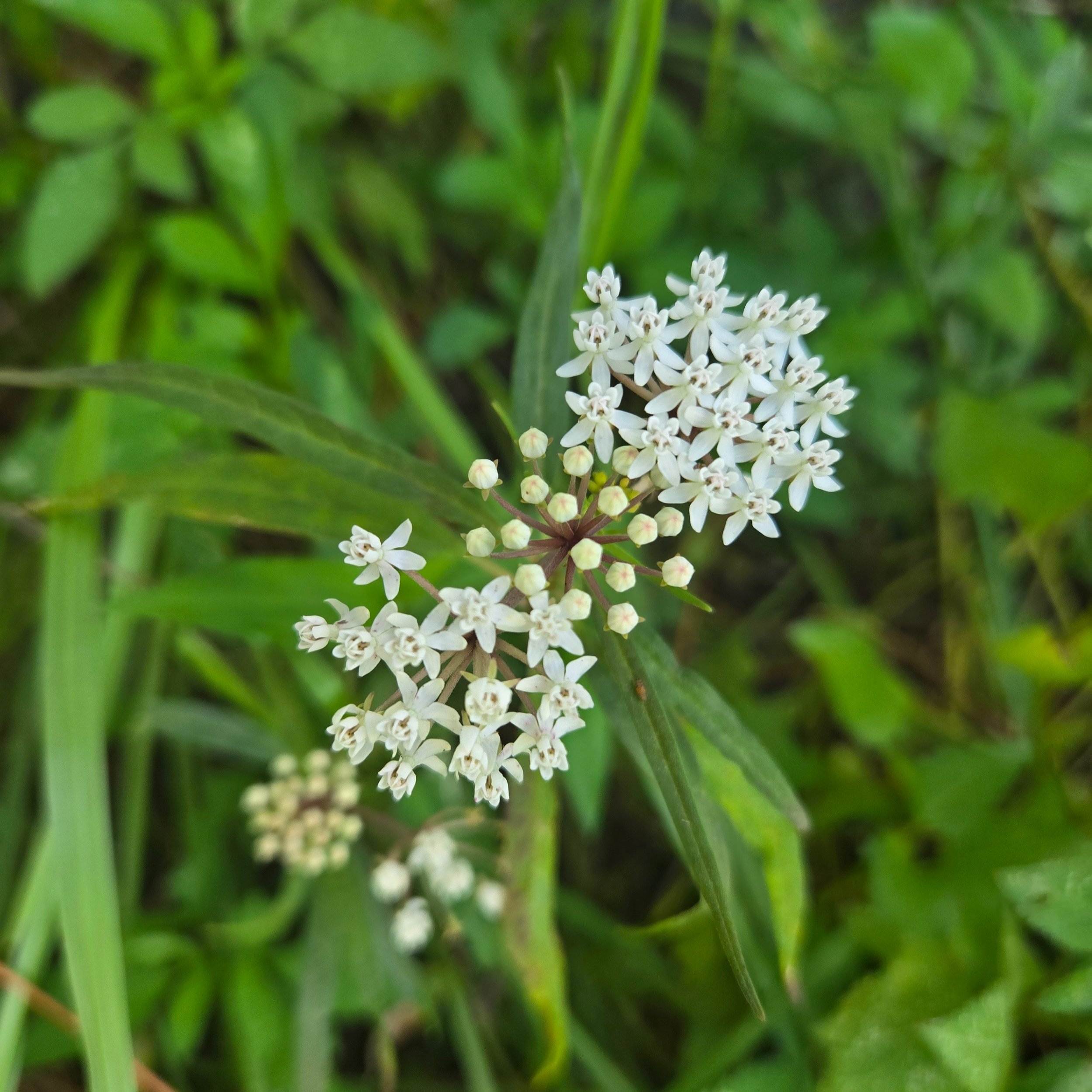

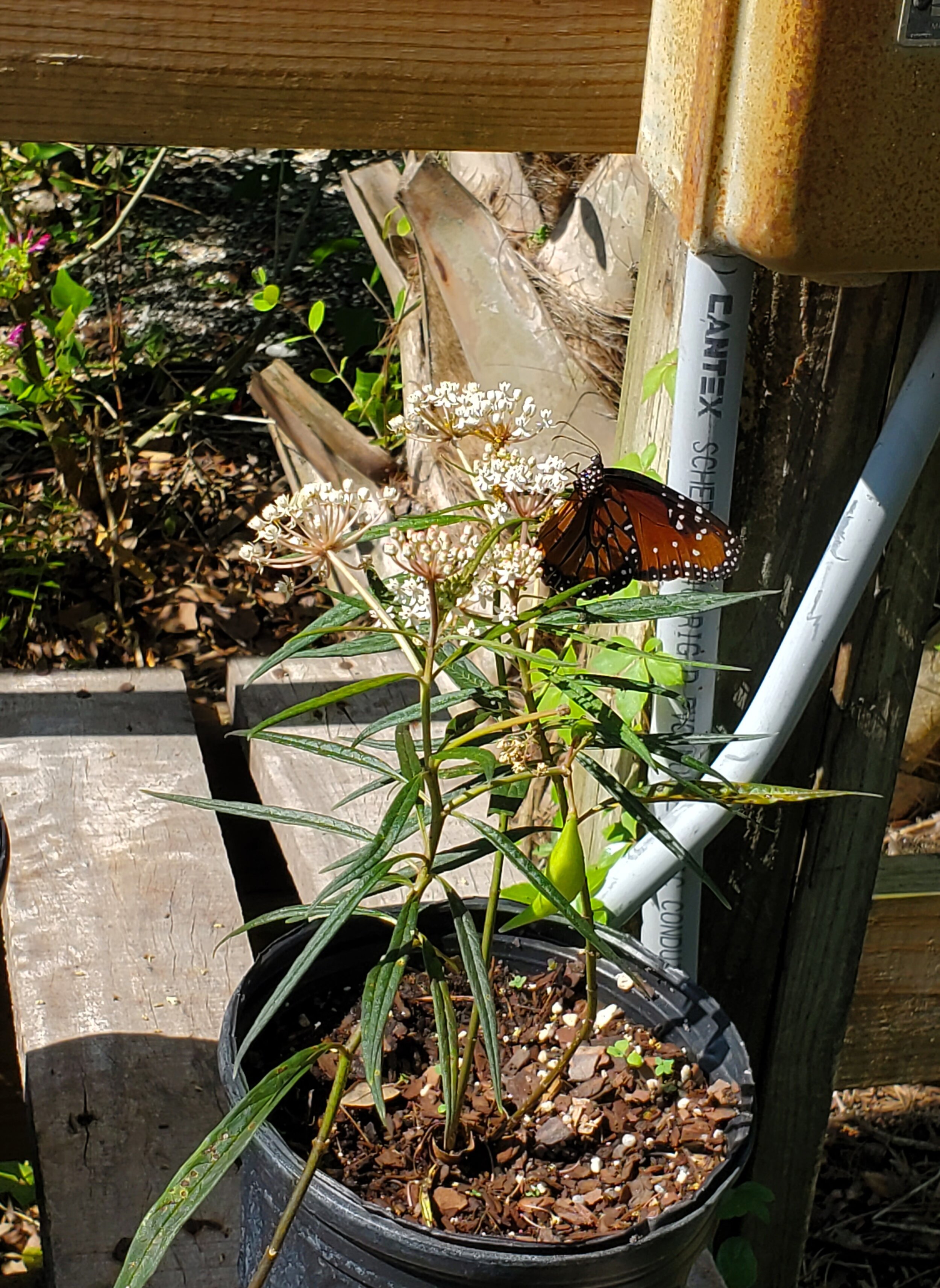
Asclepias perennis
aka Aquatic Milkweed
A. perennis is a perennial, reseeding small wildflower that likes wetter conditions but if planted in shadier spots can be quite drought tolerant once established. It's white flowers bloom from spring though fall and serve as a nectar source for many pollinators. As a native milkweed, this plant is a well-known host for Monarch and Queen butterflies, but it also serves as a host plant for a few cool moths and unique to this genus bugs. A. perennis works well in butterfly gardens, along pond edges and in containers.
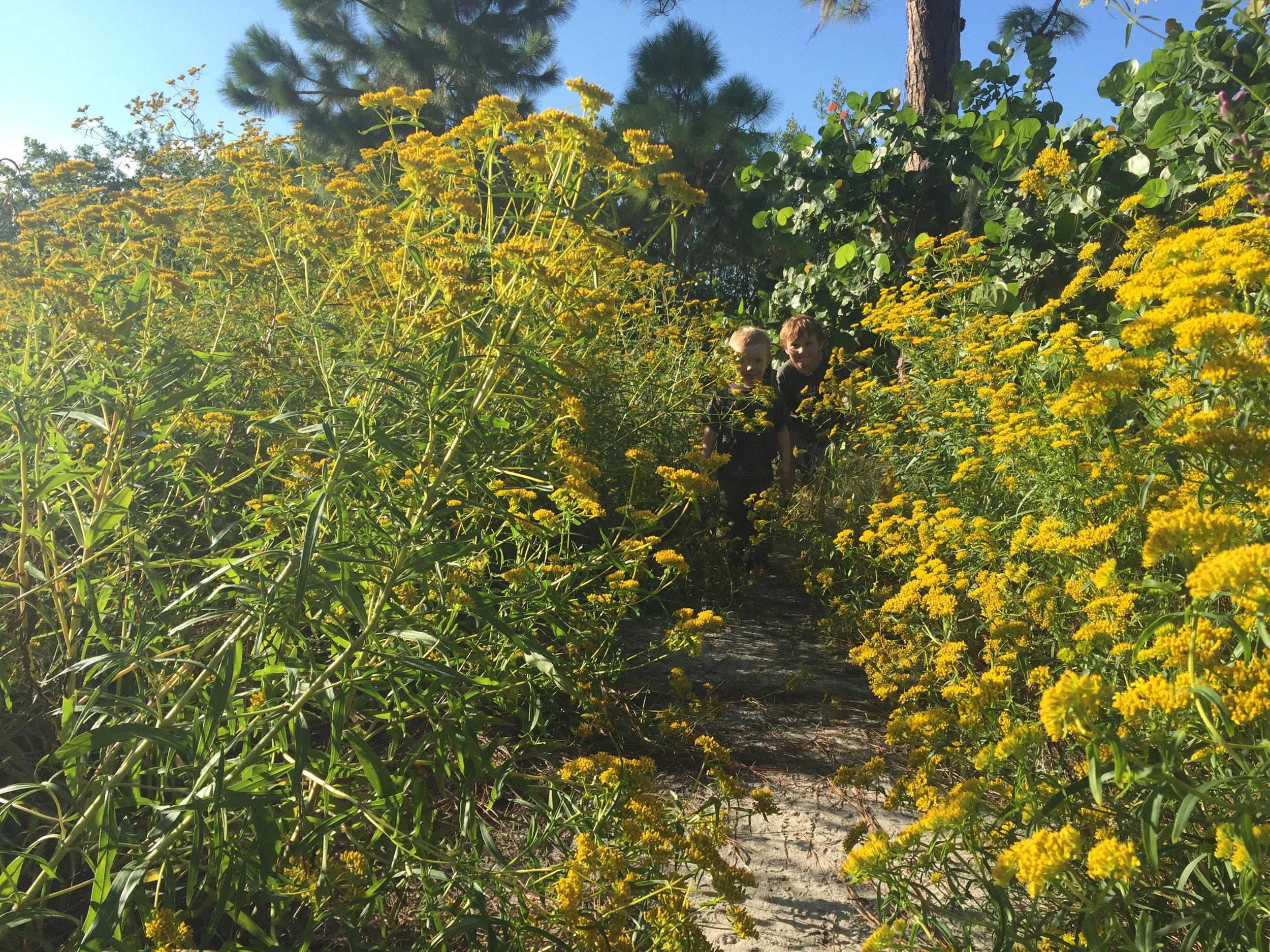
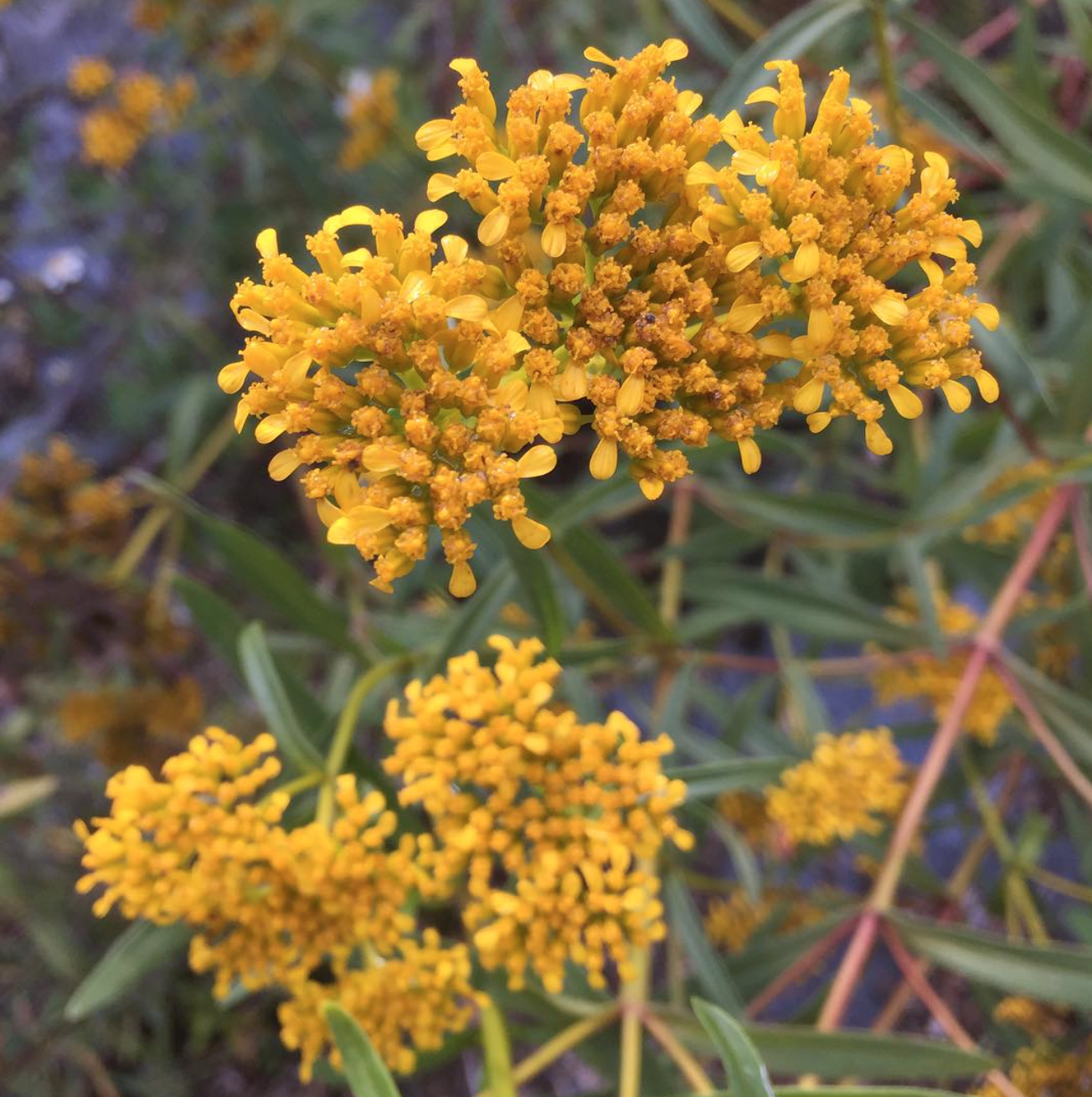
Flaveria linearis
Yellowtop is a perennial, shrub-like wildflower that can get 2’-3’ high. It can be trimmed back 1-2 times a year to keep a round and neat appearance. It is very hardy, easy-to-grow and it reseeds readily into irrigated gardens or gardens with naturally average to moist soil. It attracts numerous pollinators spring through fall and can be very showy.
No results match your search. Try removing a few filters.