Hi Friends!
We offer PICK UP or LOCAL DELIVERY only (NO SHIPPING).
Thank you!
Thursday–Sunday, 10am–4pm | 941-322-1915
We offer PICK UP or LOCAL DELIVERY only (NO SHIPPING).
Thank you!
Thursday–Sunday, 10am–4pm | 941-322-1915
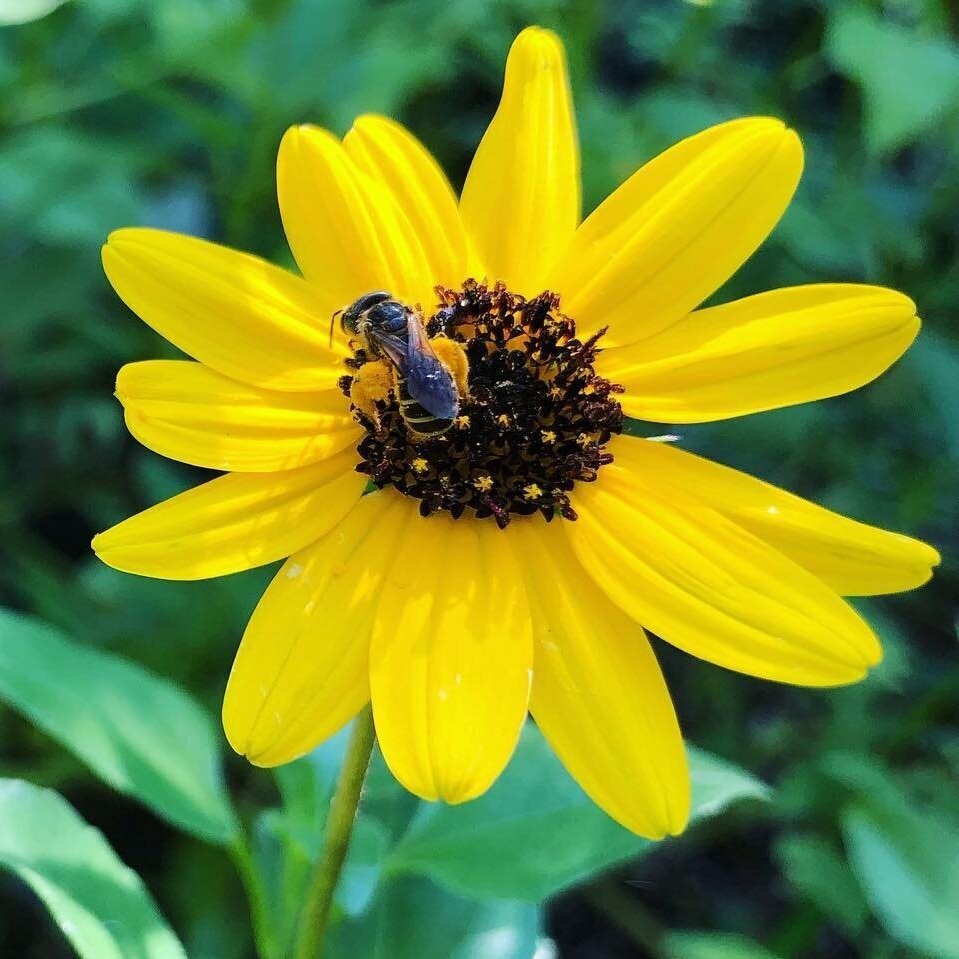
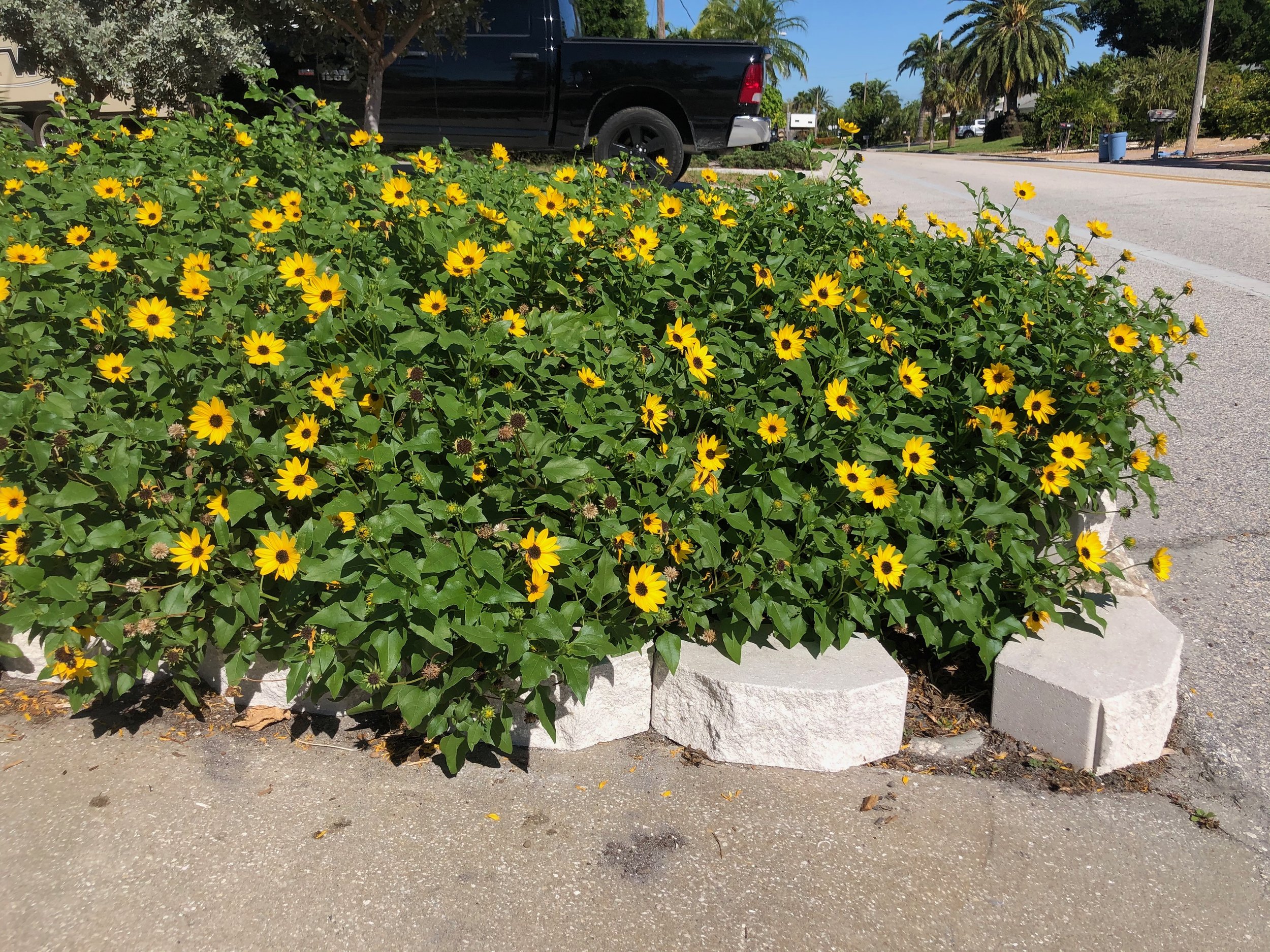
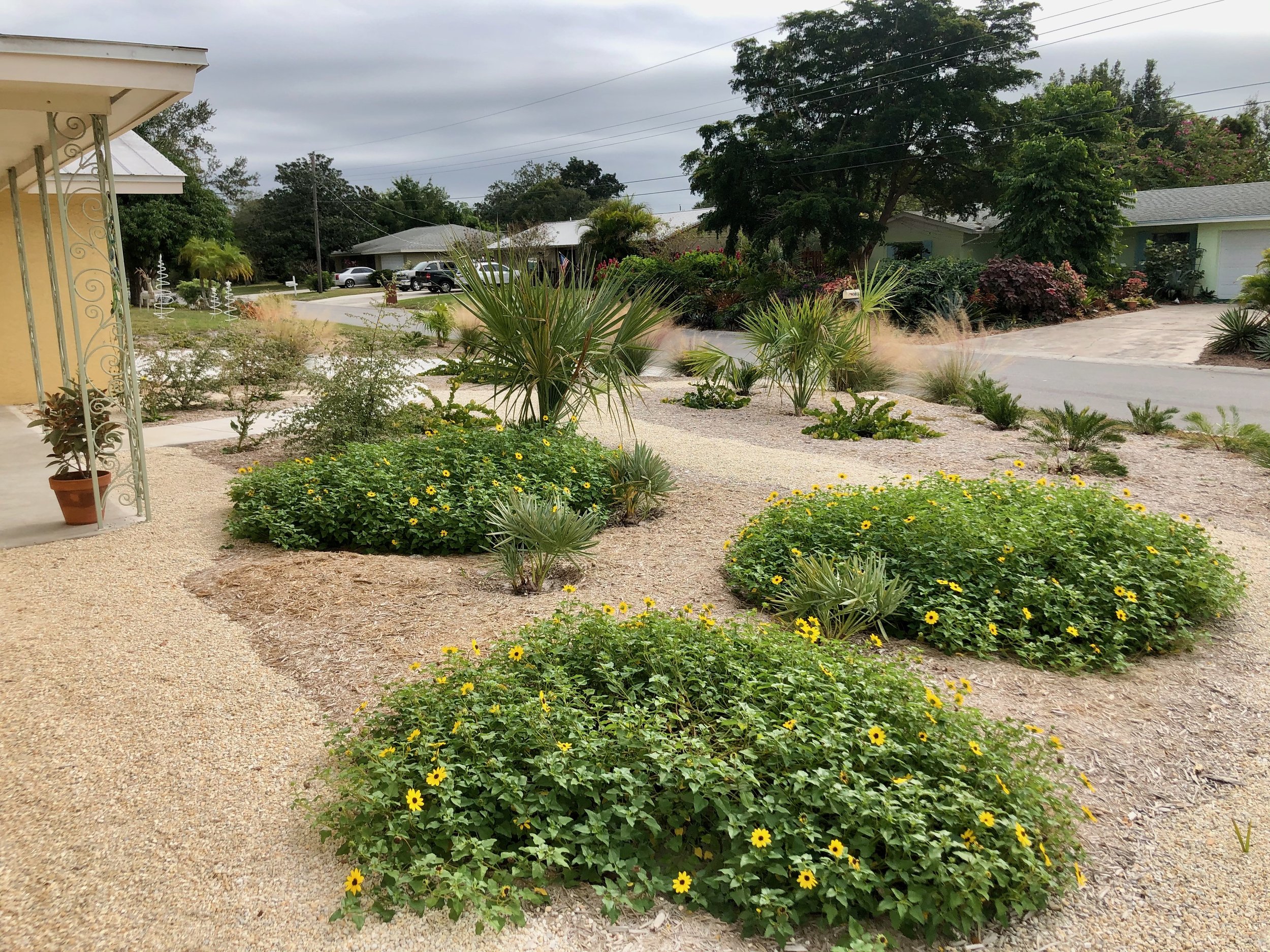
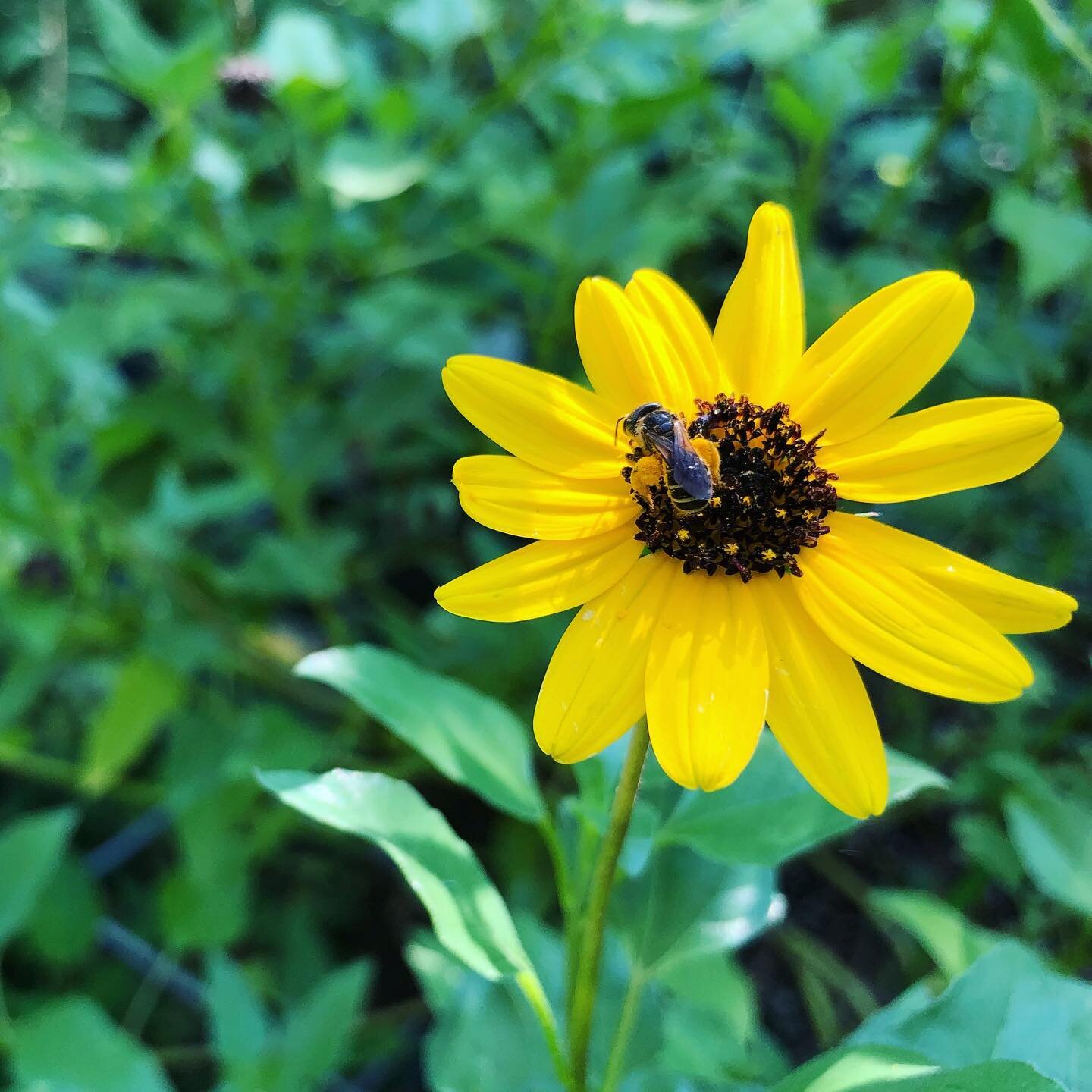
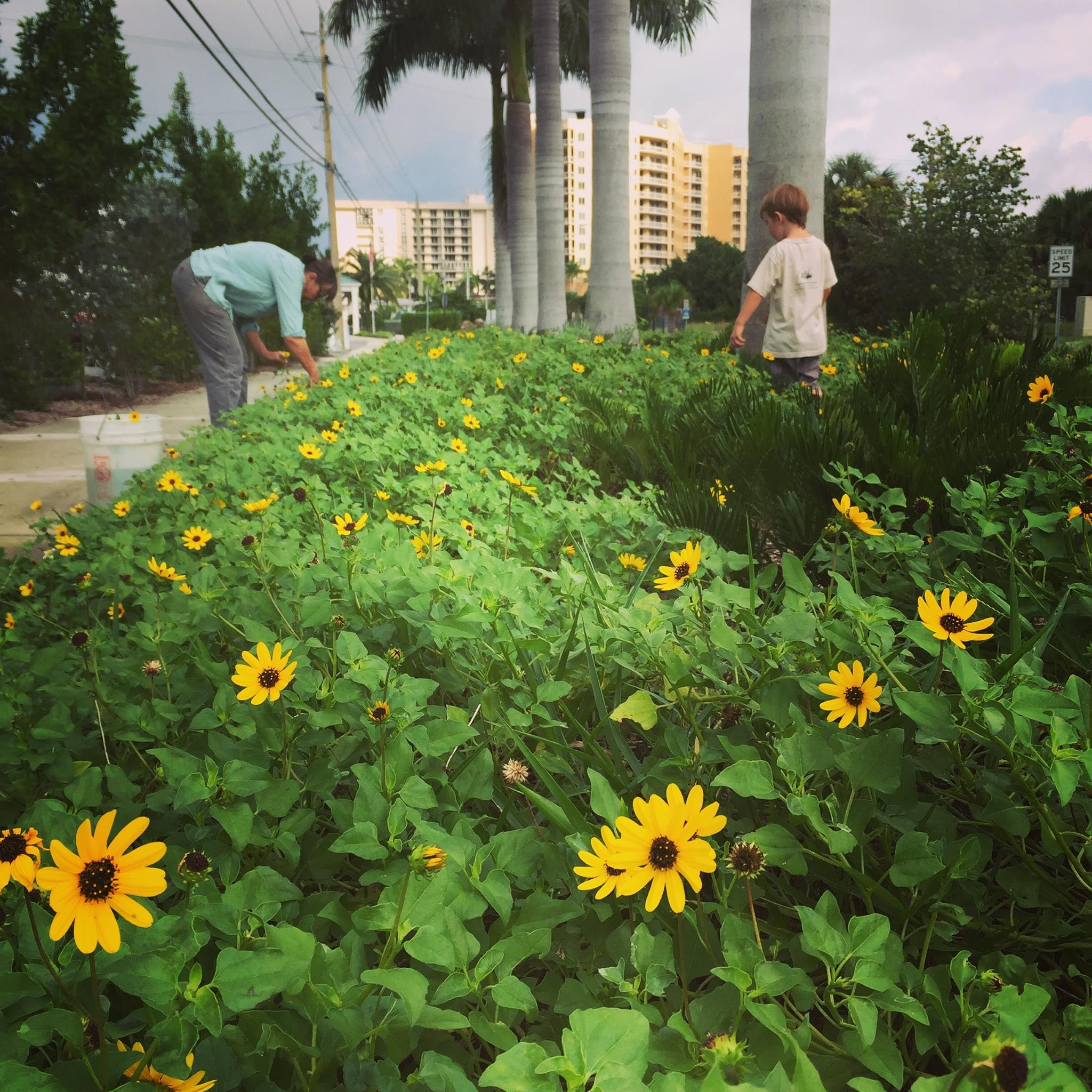
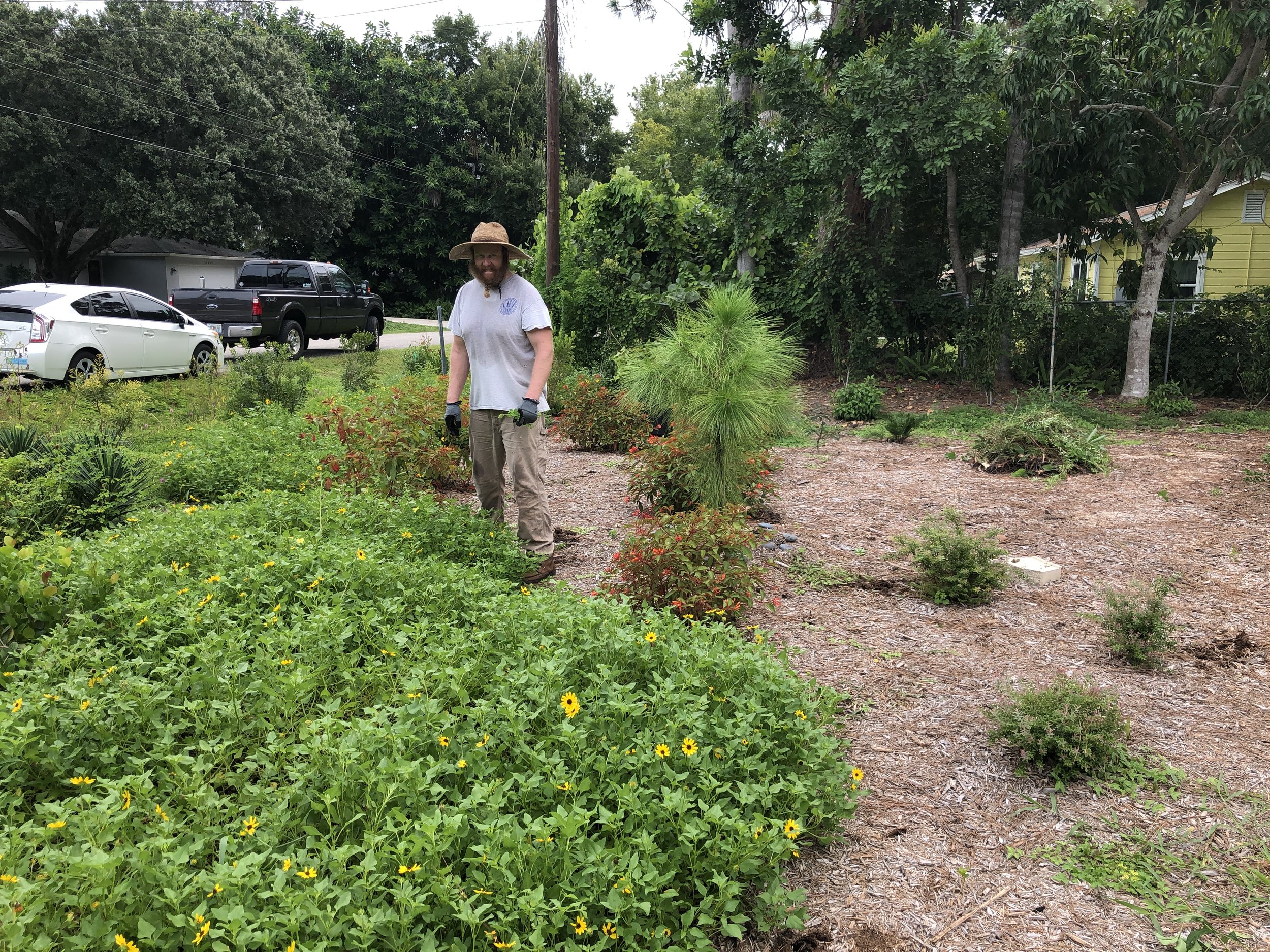
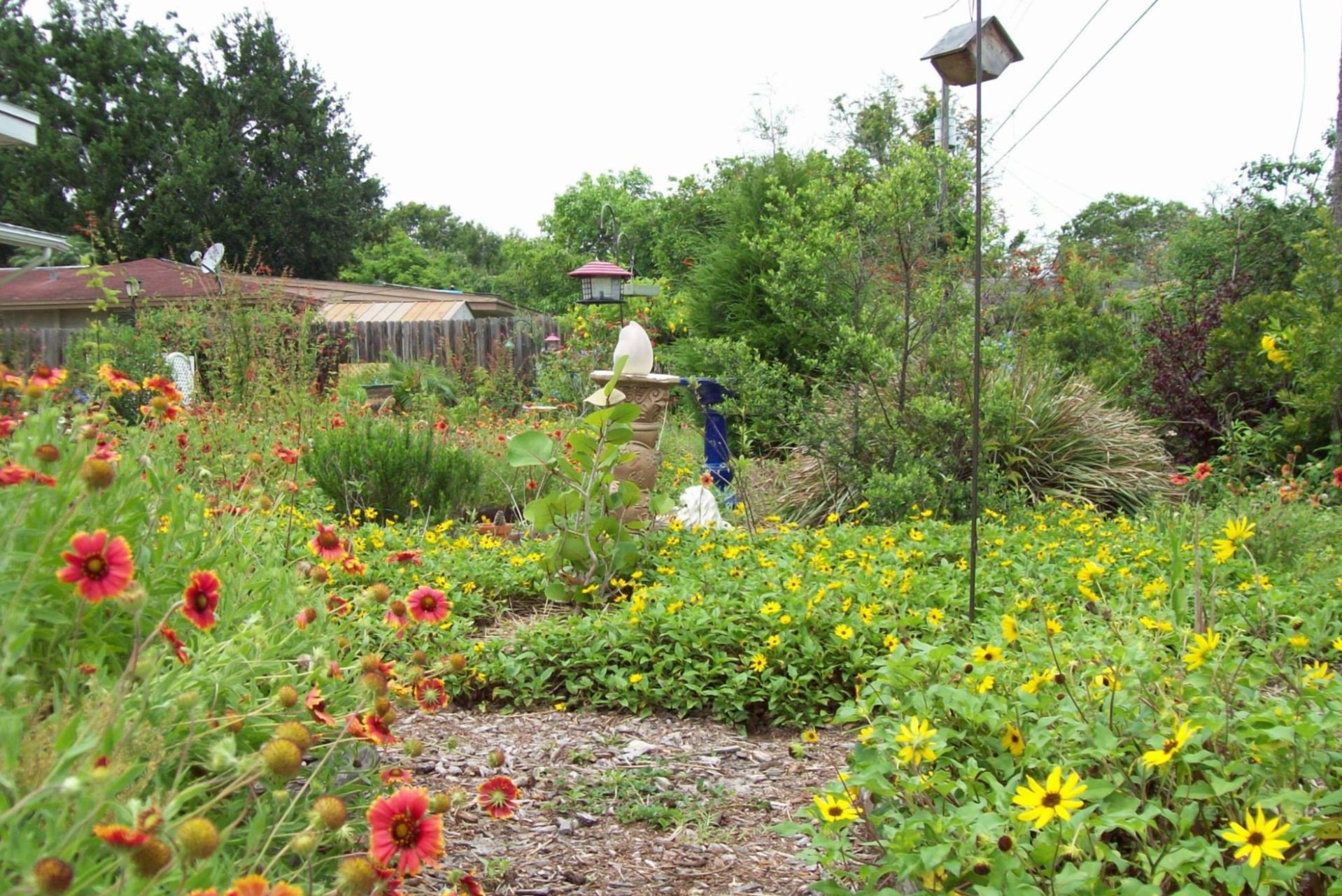
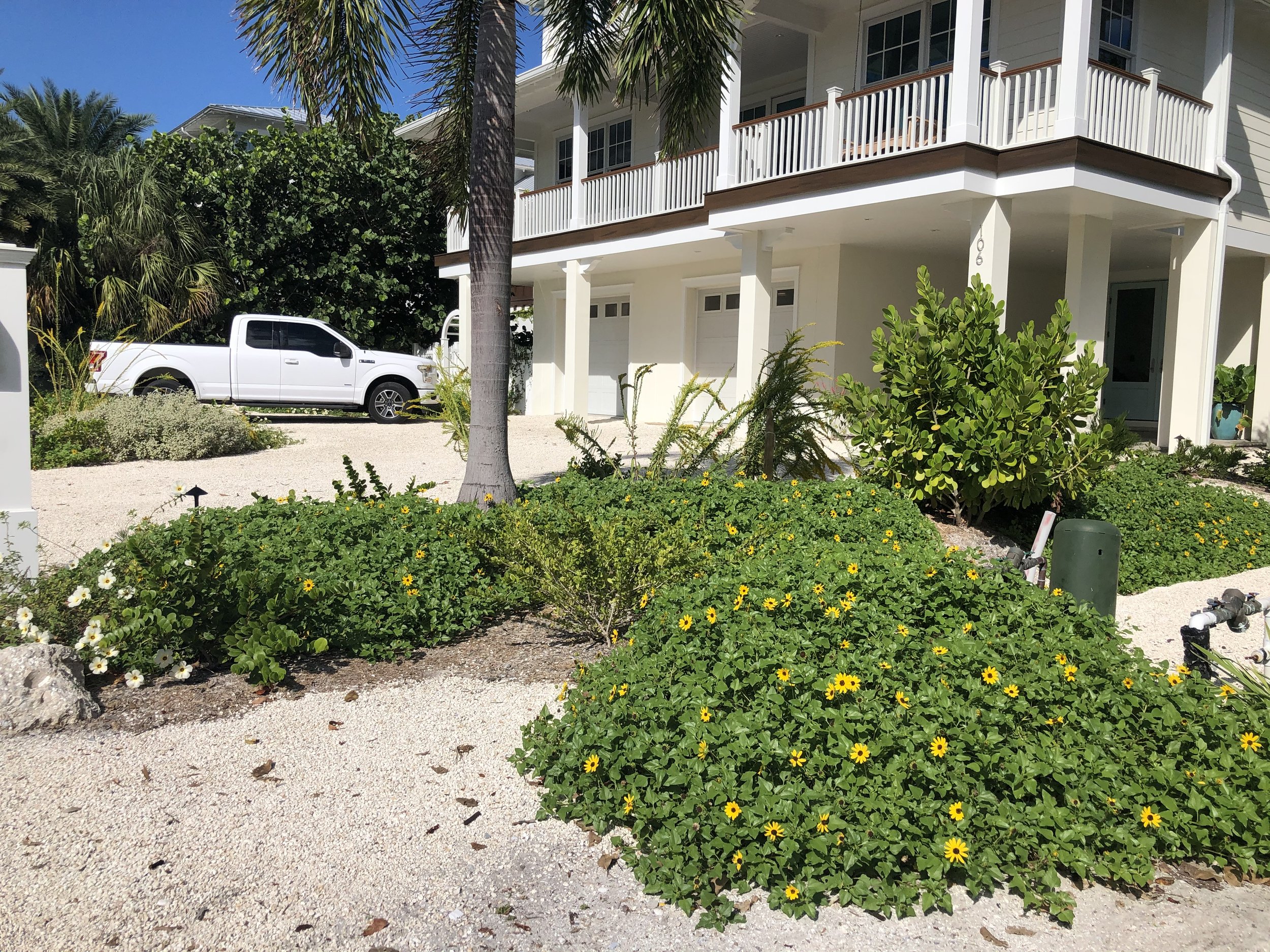
Helianthus debilis ‘vestitus’
West Coast Beach Dune Sunflower is one of the best ground covers for sunny, dry areas where things just don't grow! One plant can spread 4' wide and grows fast, so you'll see beautiful greens and yellow blooms abound in no time! This sunflower is an annual that reseeds in place so once the mature plants start to die back, just cut them back and watch the babies grow. Loved by pollinators and birds, its the perfect Florida plant in any yard! Want to grow this in a coastal area? You sure can! Beach Dune Sunflower naturally occurs on beach dunes and can take salt spray and brief storm surges. It's extremely drought tolerant too!
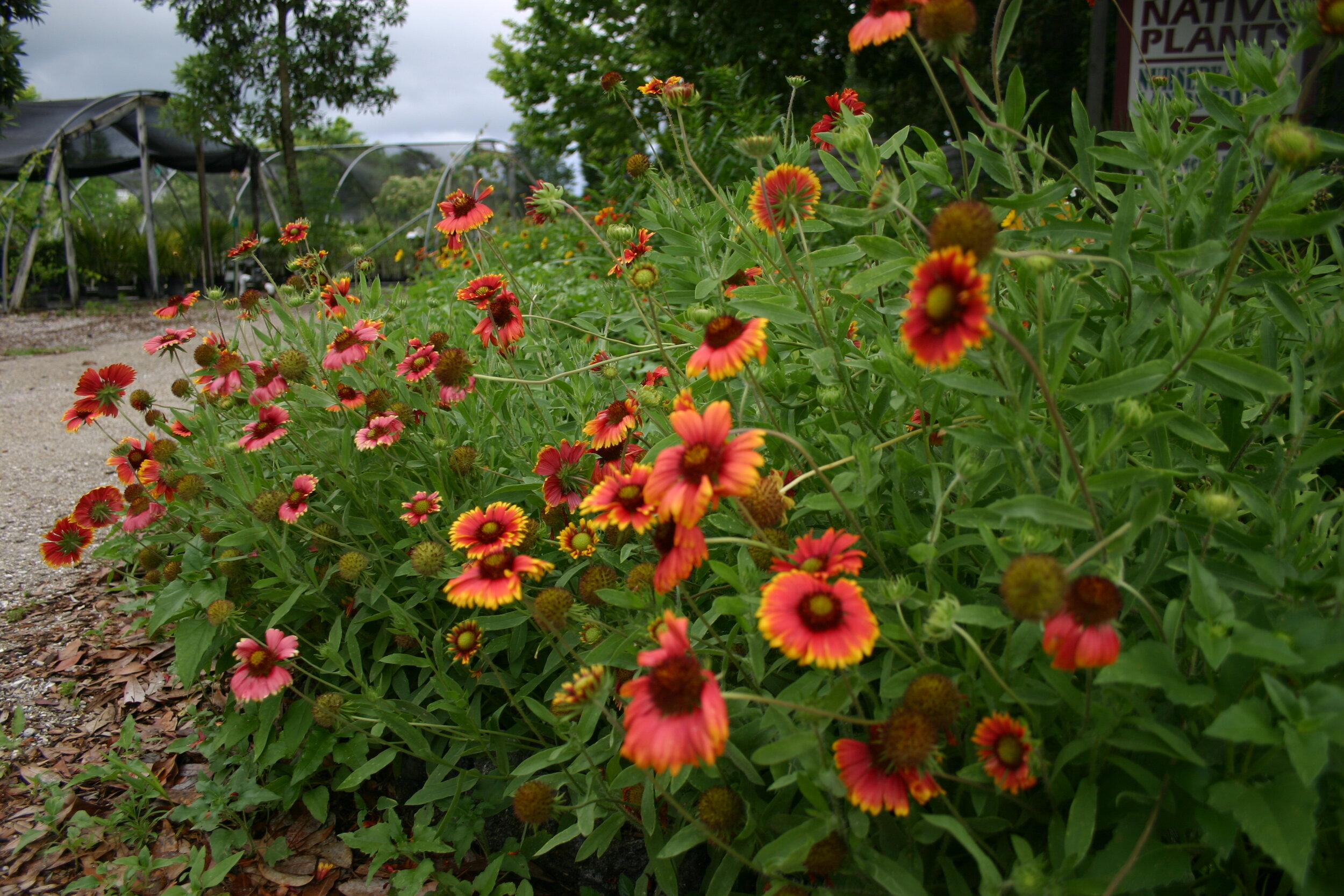

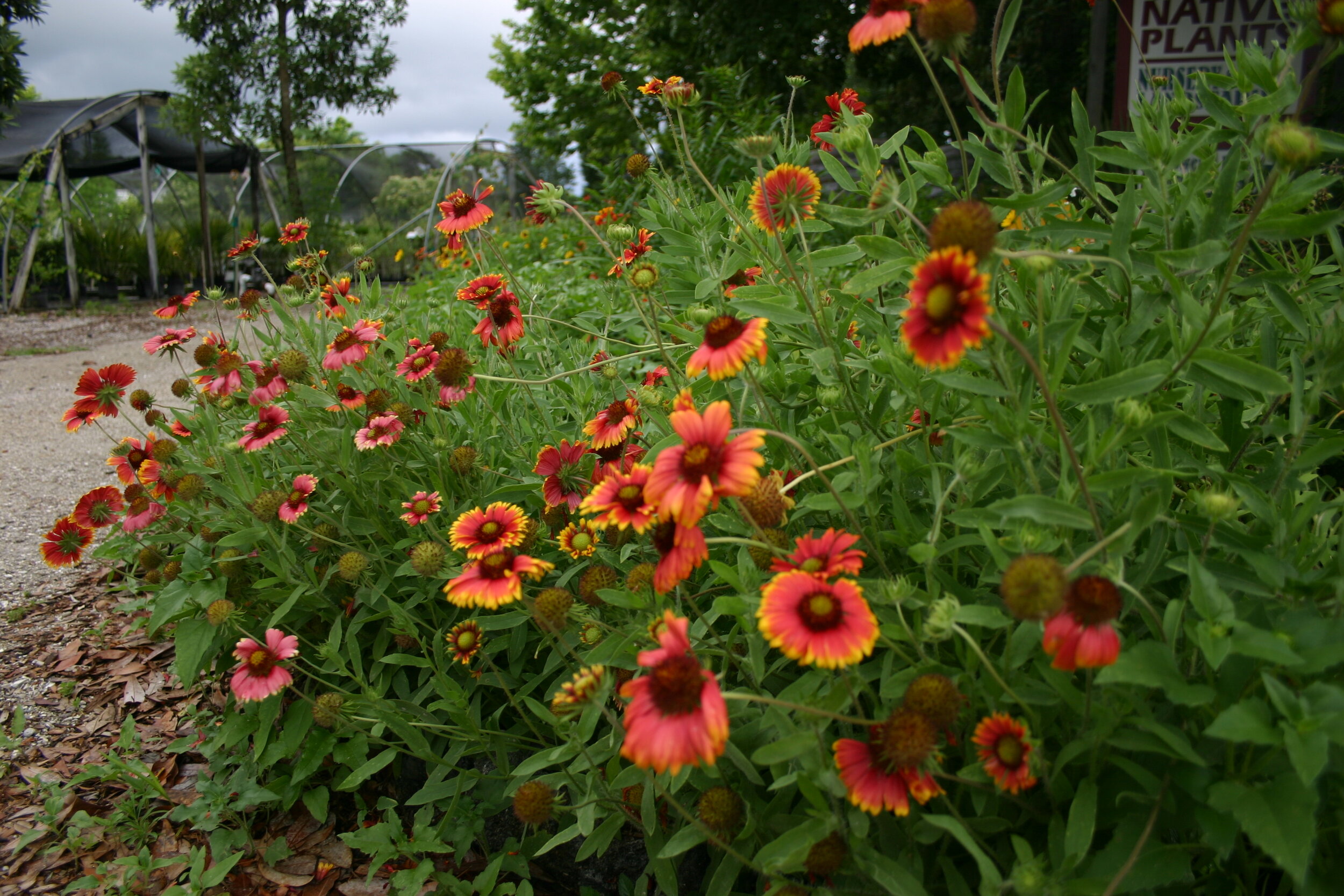
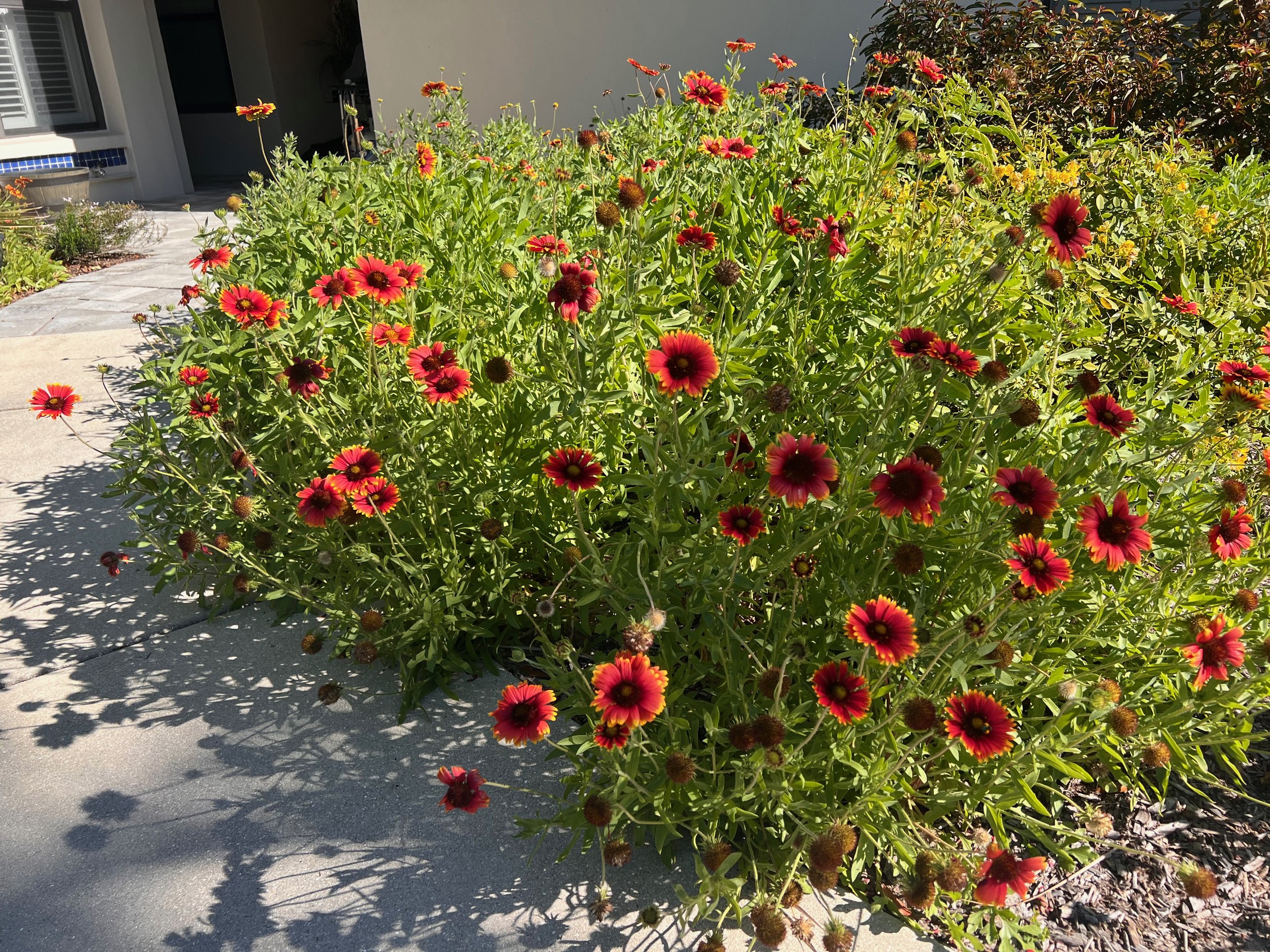
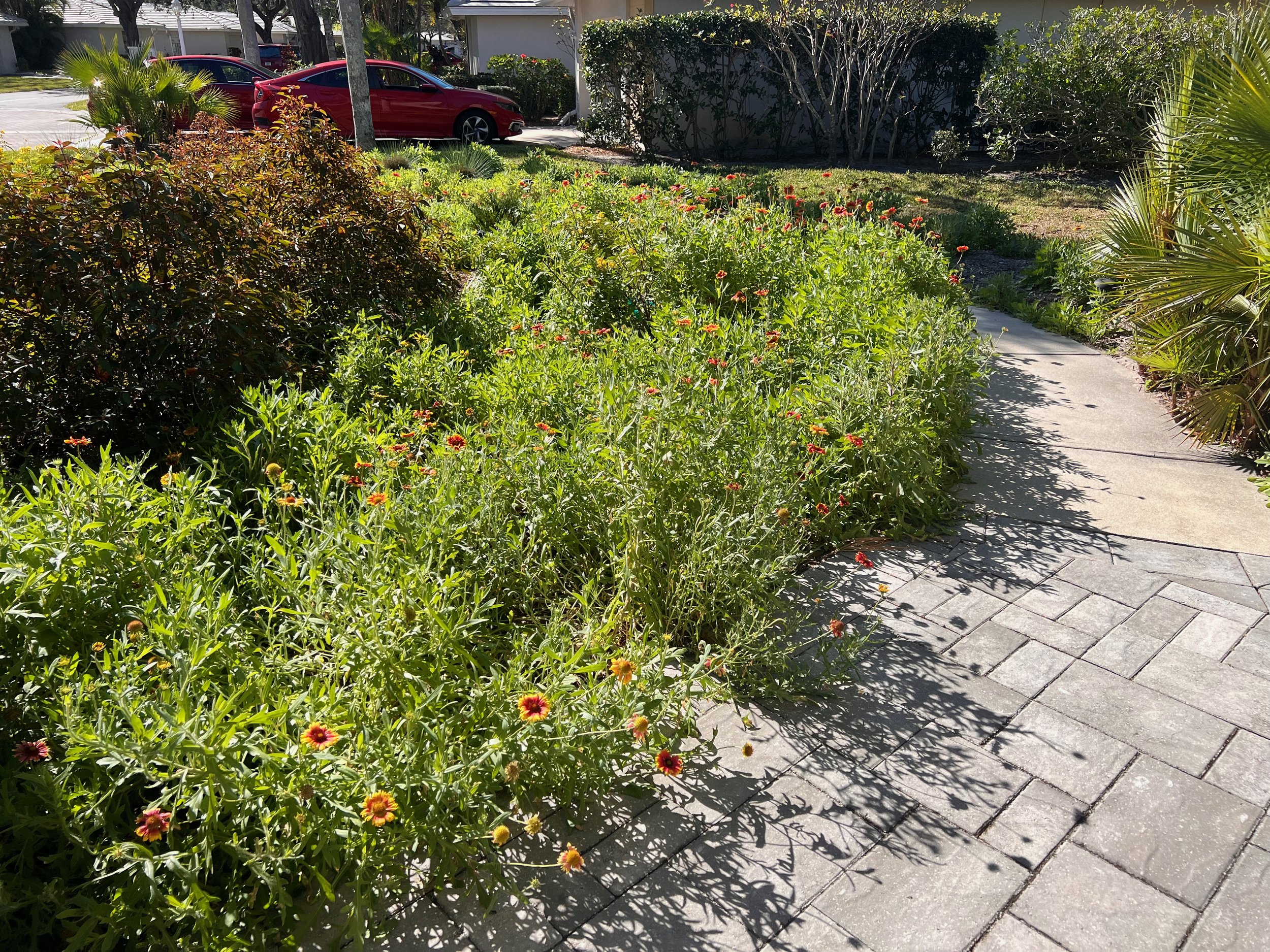
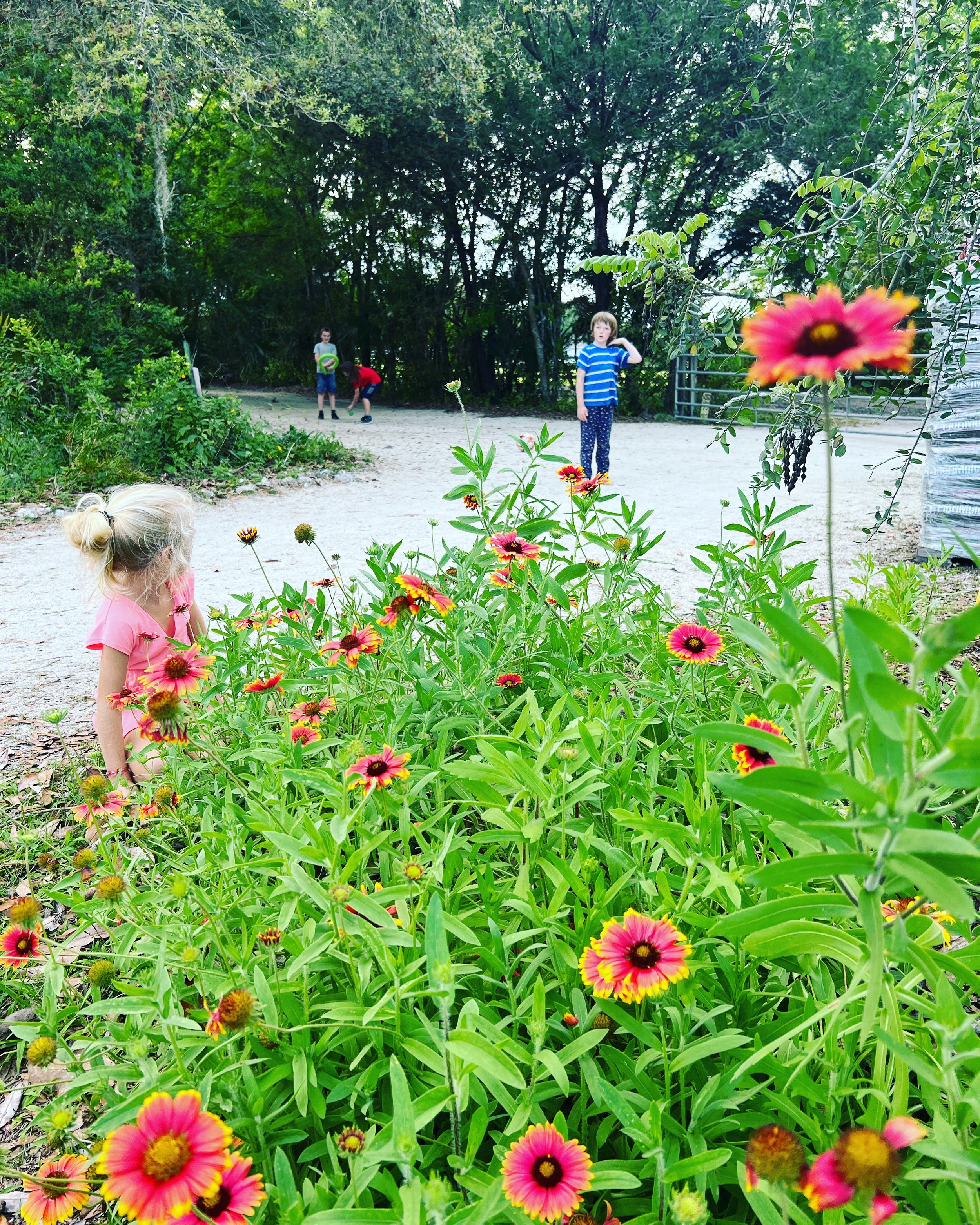
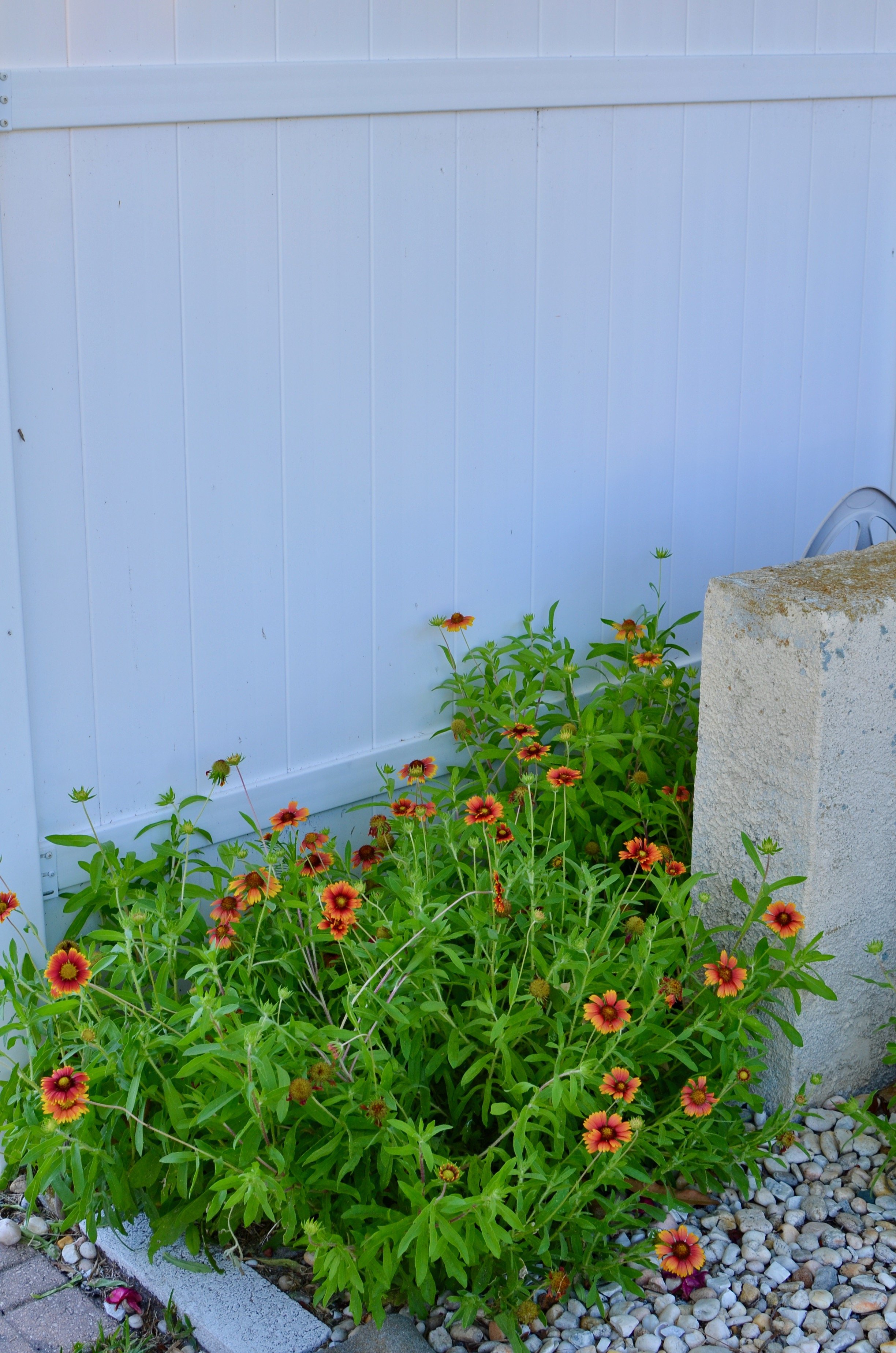
Gaillardia pulchella
Blanket Flower is a non-native, Florida-friendly wildflower that readily reseeds and spreads rapidly. Reaching 1’-2’ in height, they are a great source of nectar for bees and butterflies that bloom in the warm and hot months. They thrive in full sun and dry, sandy soil and are very drought and salt tolerant. Great for coastal applications and dry spots of a landscape as pops of red and yellow.

Liatris spicata
A statement wildflower for the fall season! Blazing Star is unapologetically bold with tall, electric purple spikes that strut through like they own the garden. It’s the life of the pollinator party with the amount of bees and butterflies it attracts. If your landscape needs a little drama and a whole lot of fabulous in the fall, this is the wildflower you've been waiting for.
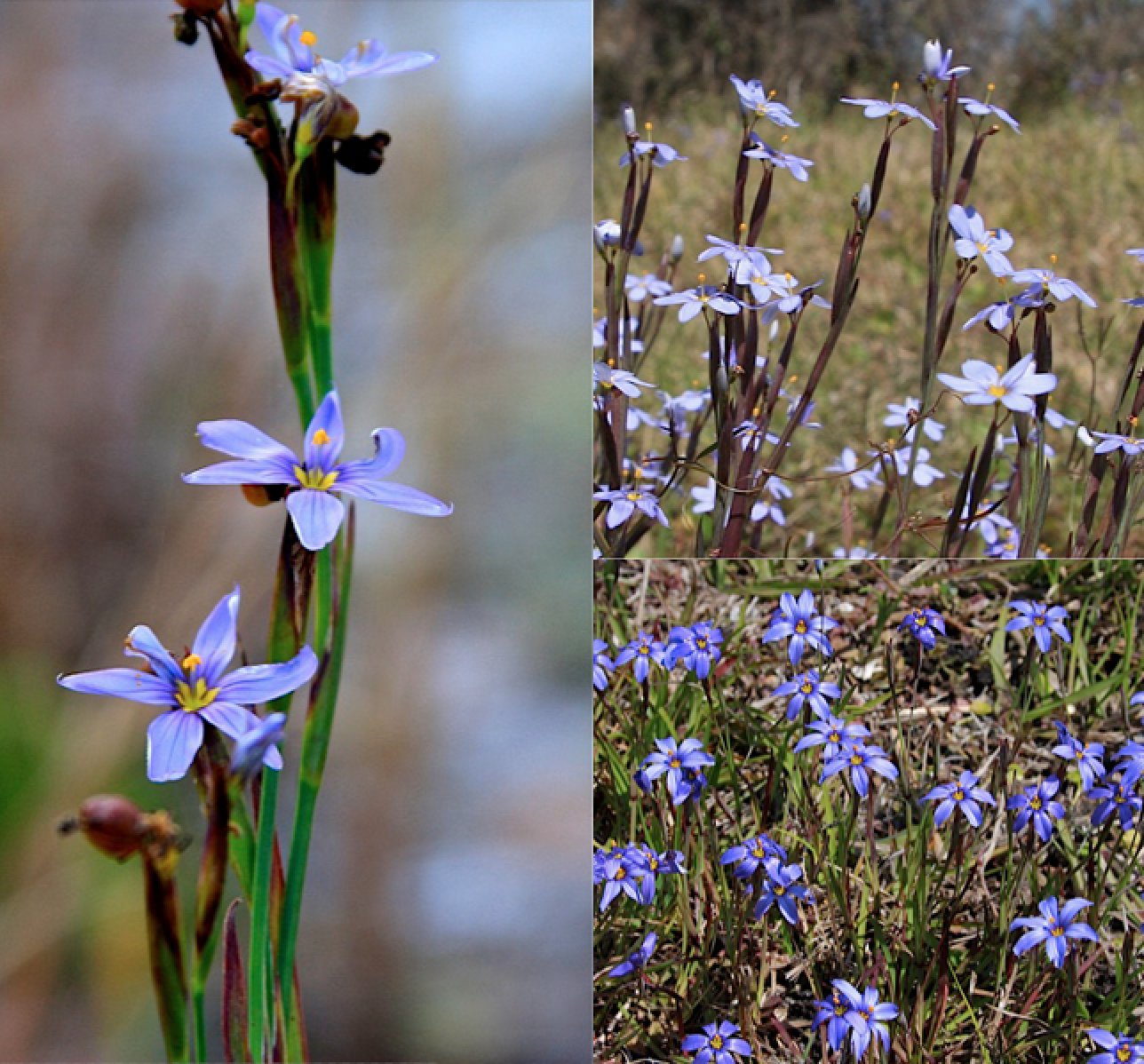
Sisyrinchium angustifolium
Blue Eyed Grass is a native re-seeding, perennial wildflower that likes moist soils. A member of the iris family, it has little blue/purple flowers that bloom profusely in the spring, attracting pollinators, and then it appears as a clump of grass the rest of the year. It likes sun to partial shade, average to wet soils and is best when planted in mass along moist or irrigated garden edges or pathways.
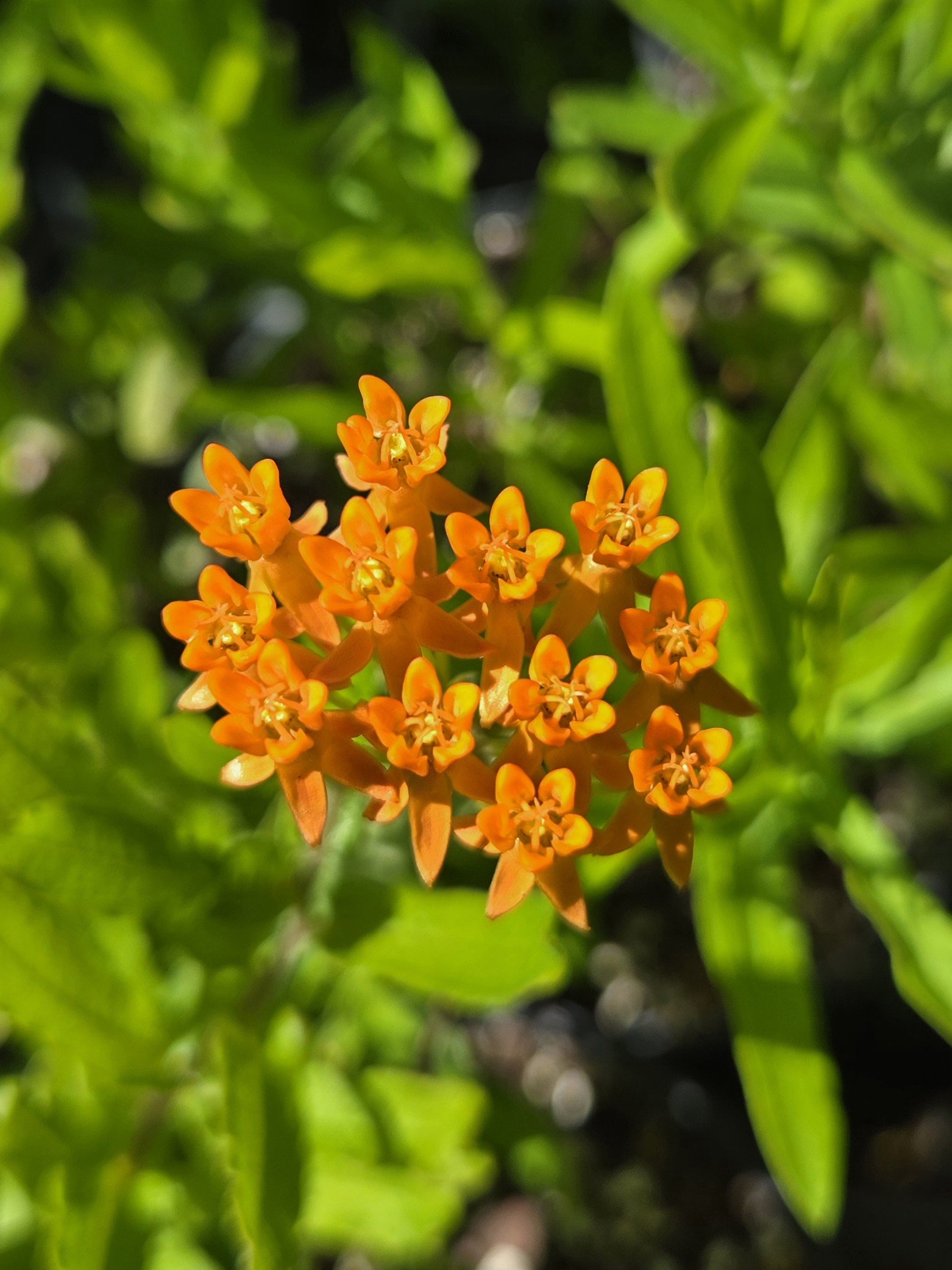
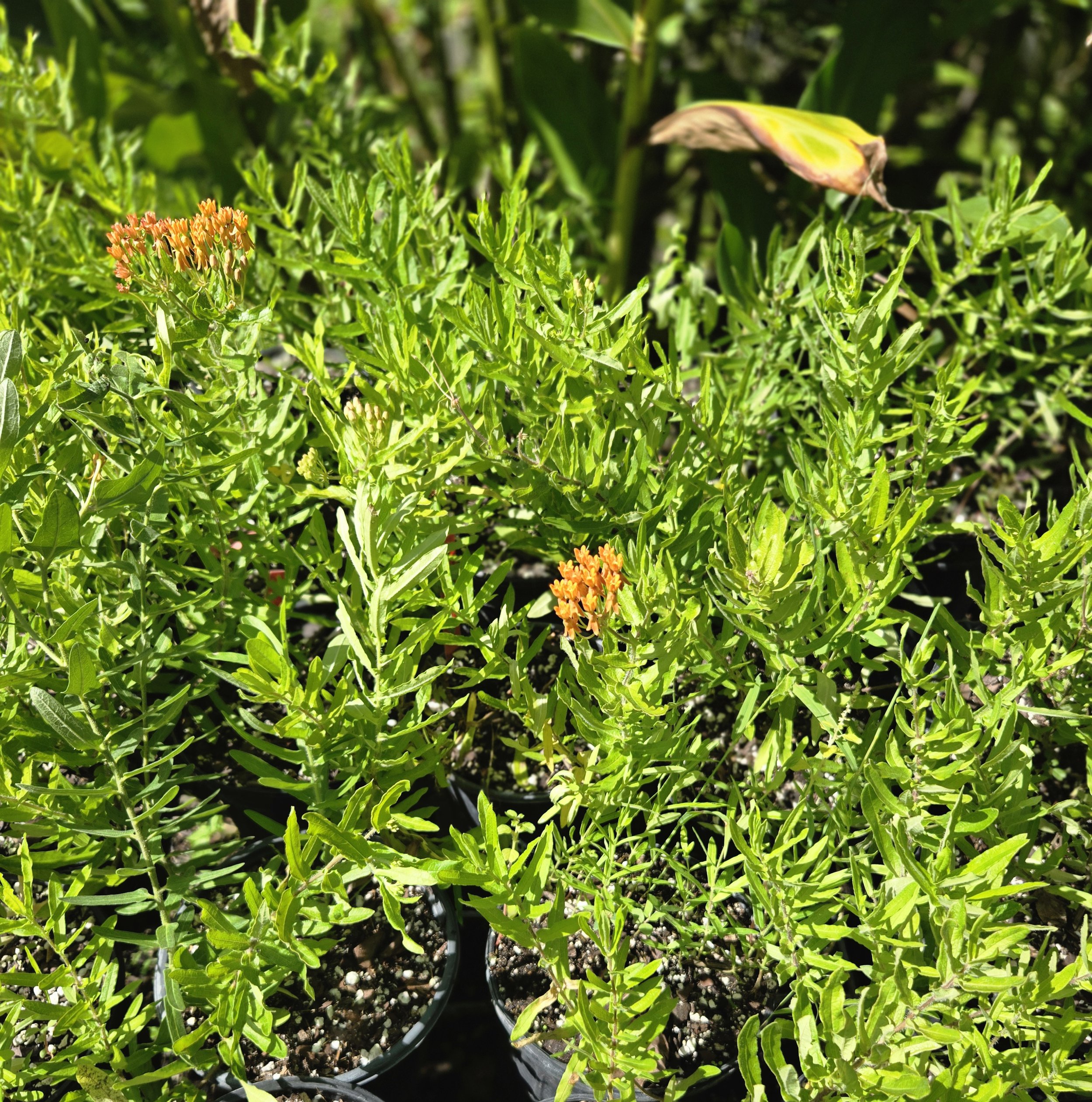
Asclepias tuberosa
This Florida native milkweed is lower growing at 1-3' and has bright red orange blooms summer-fall. Butterfly milkweed is a great choice for Monarch lovers with dry, sunny yards. Found naturally in hot sunny and dry sandhill environments it does well in landscapes with full sun and no irrigation. This milkweed is not only a host to Monarch and Queen butterflies but is also a pollinator magnet!
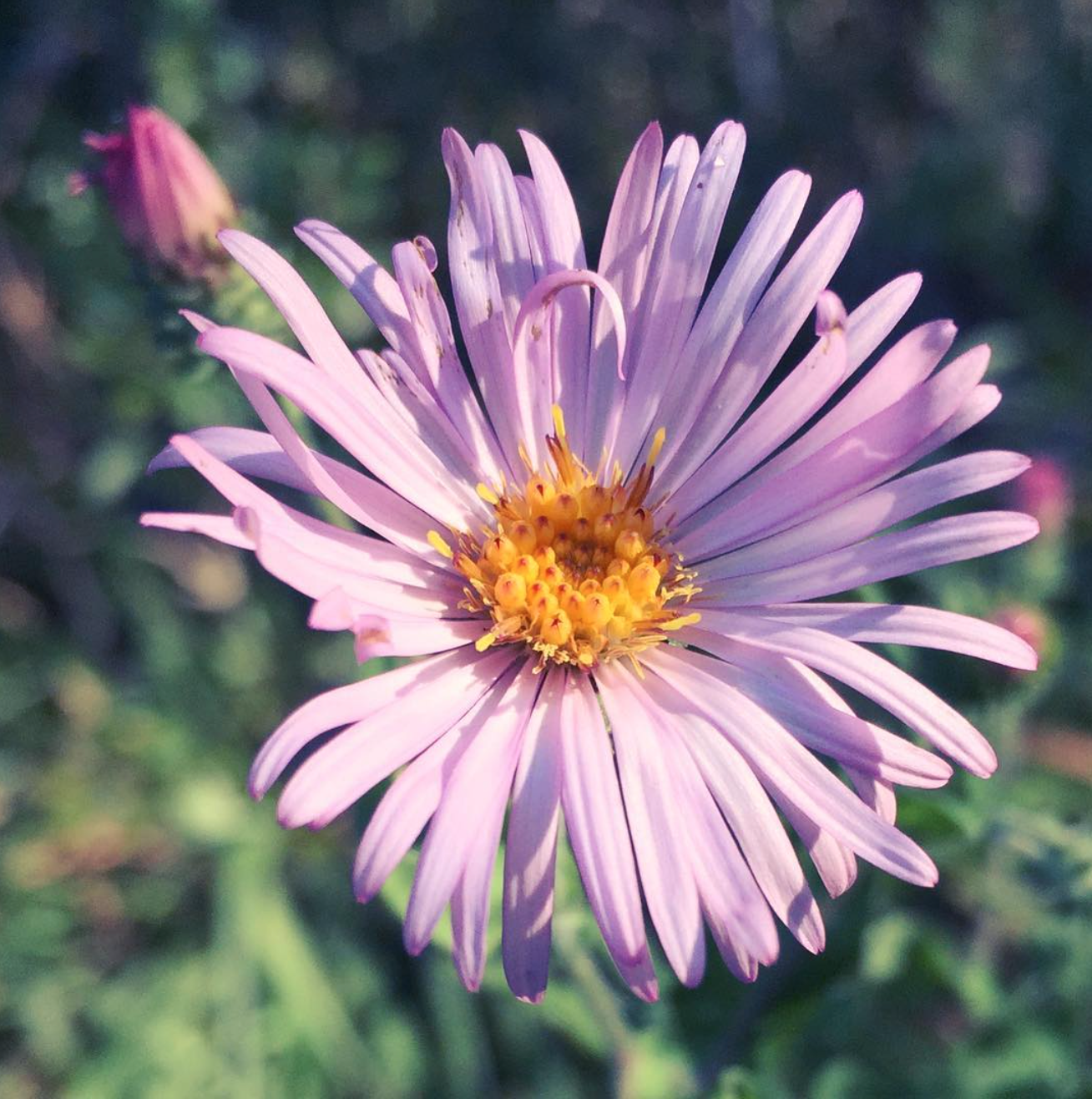

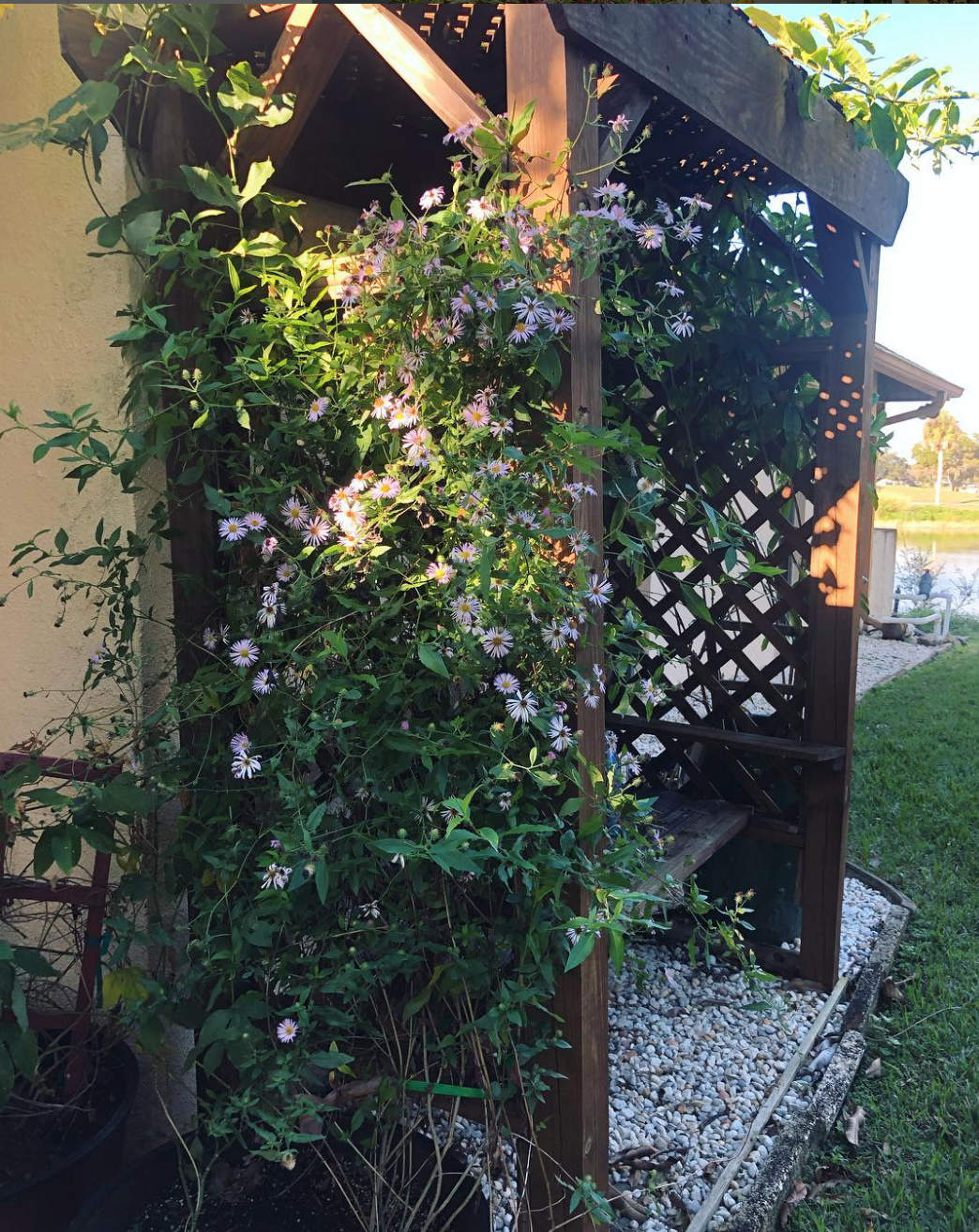
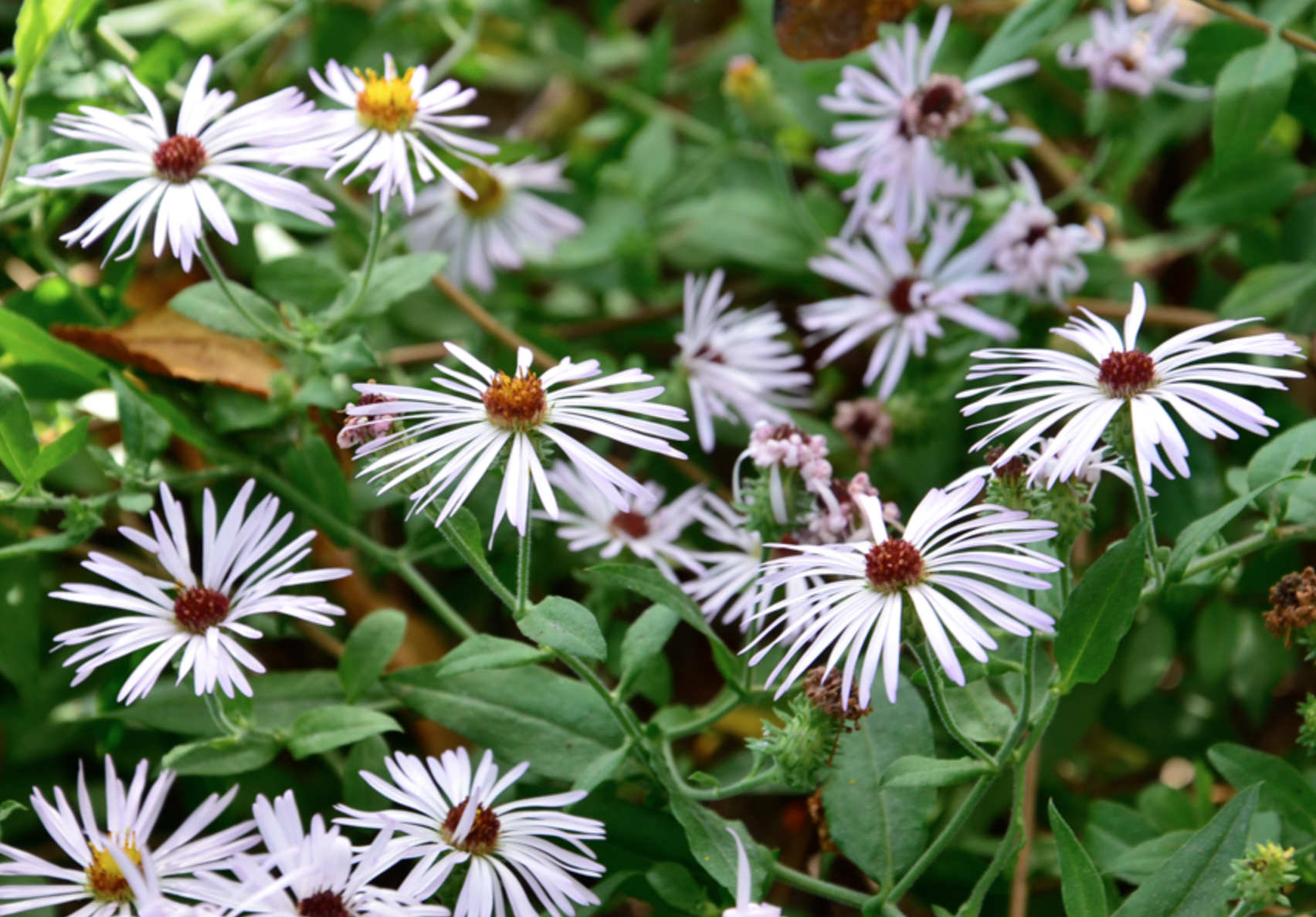
Aster carolinianus
Climbing Aster is a perennial, flowering, vine-like shrub, that can be trained to grow up a trellis or can be trimmed to a more formal shape and lower height. It prefers average to wet soils and full sun to partial shade. In the late summer through winter, it is covered in small lavender aster flowers. It’s a pollinator favorite!
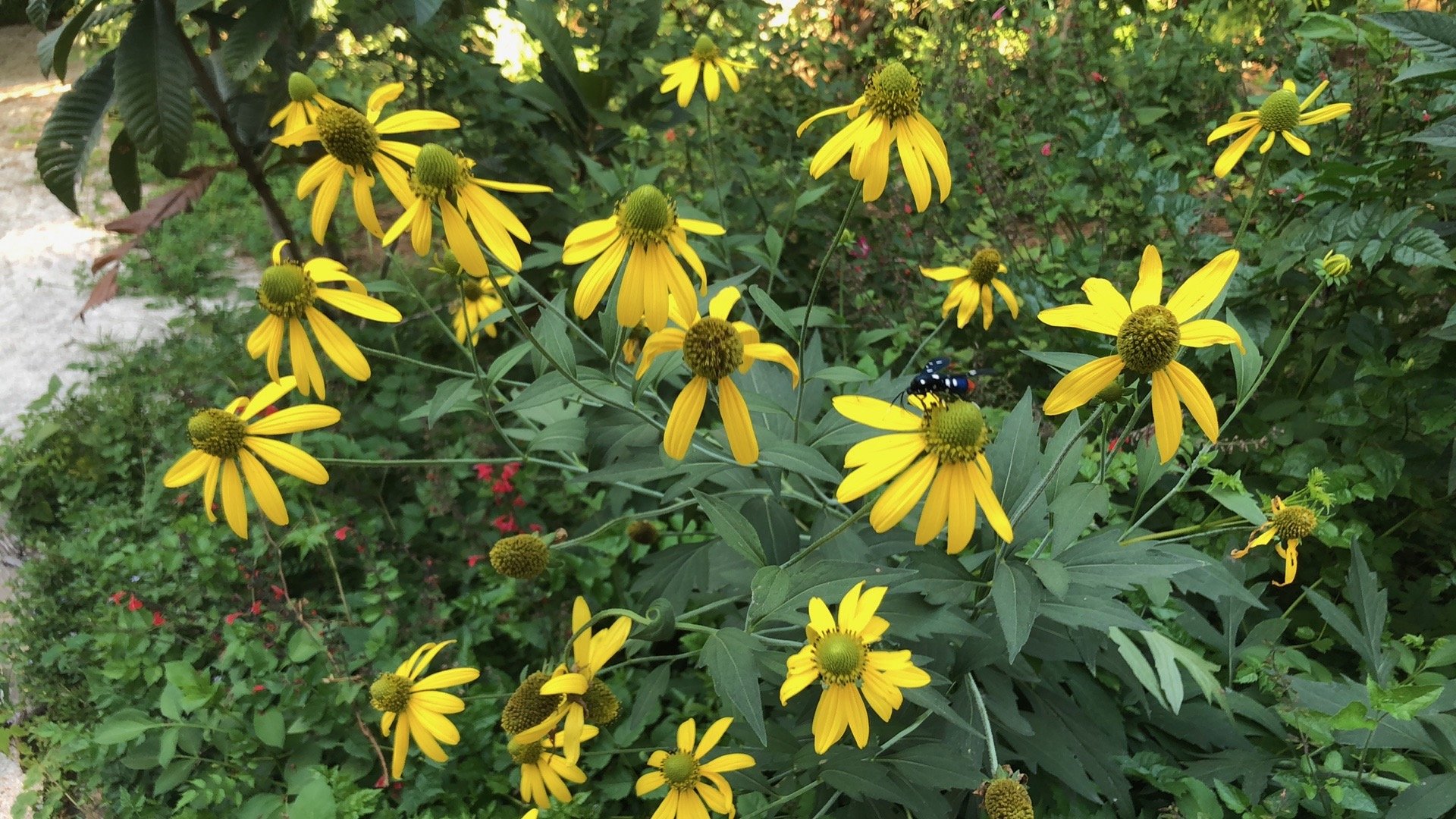
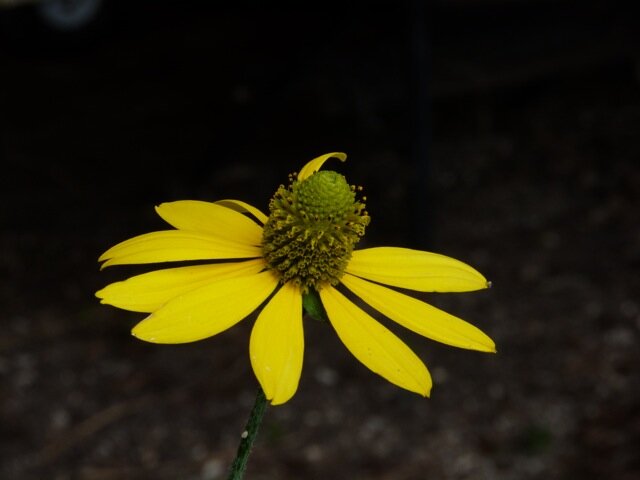
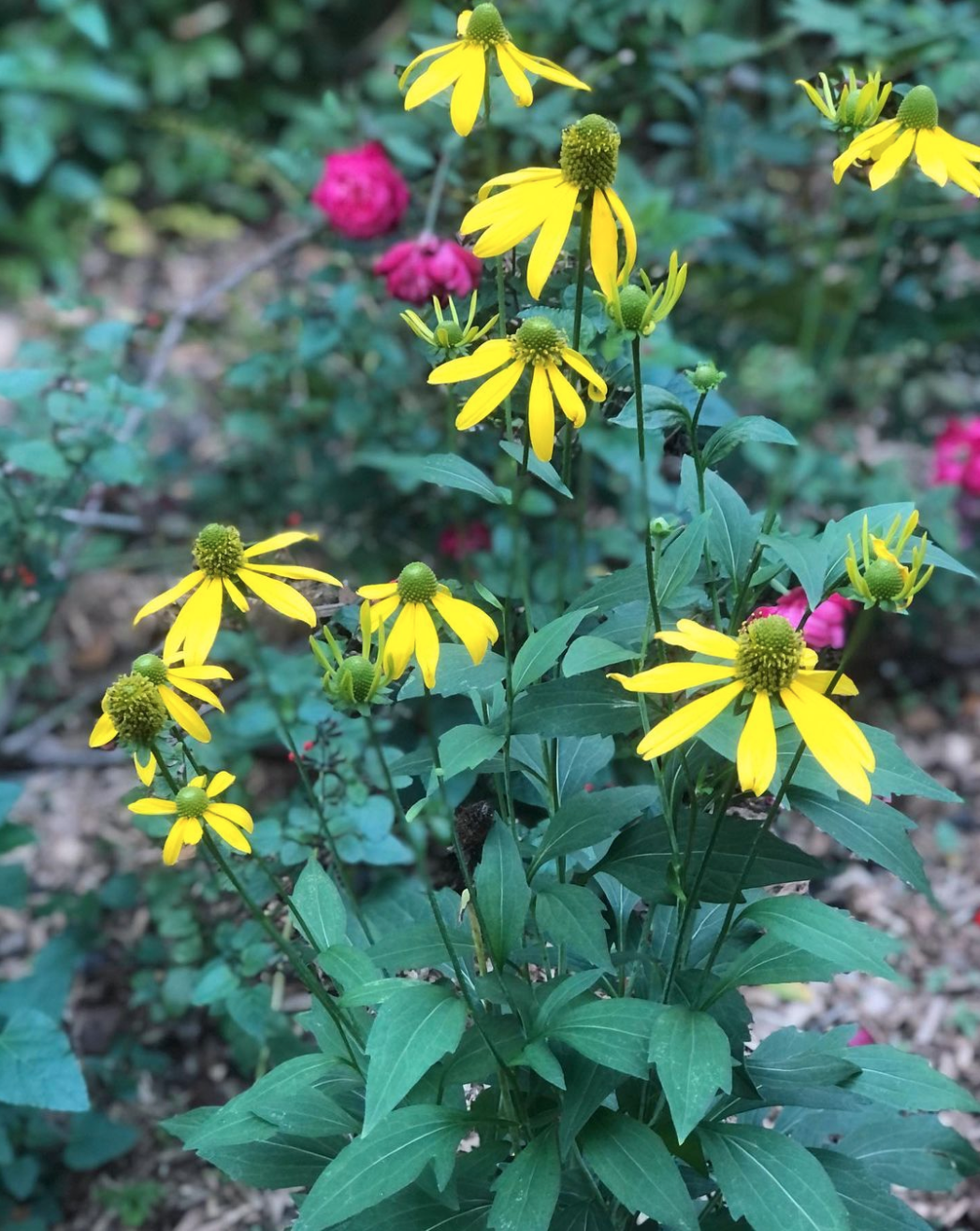
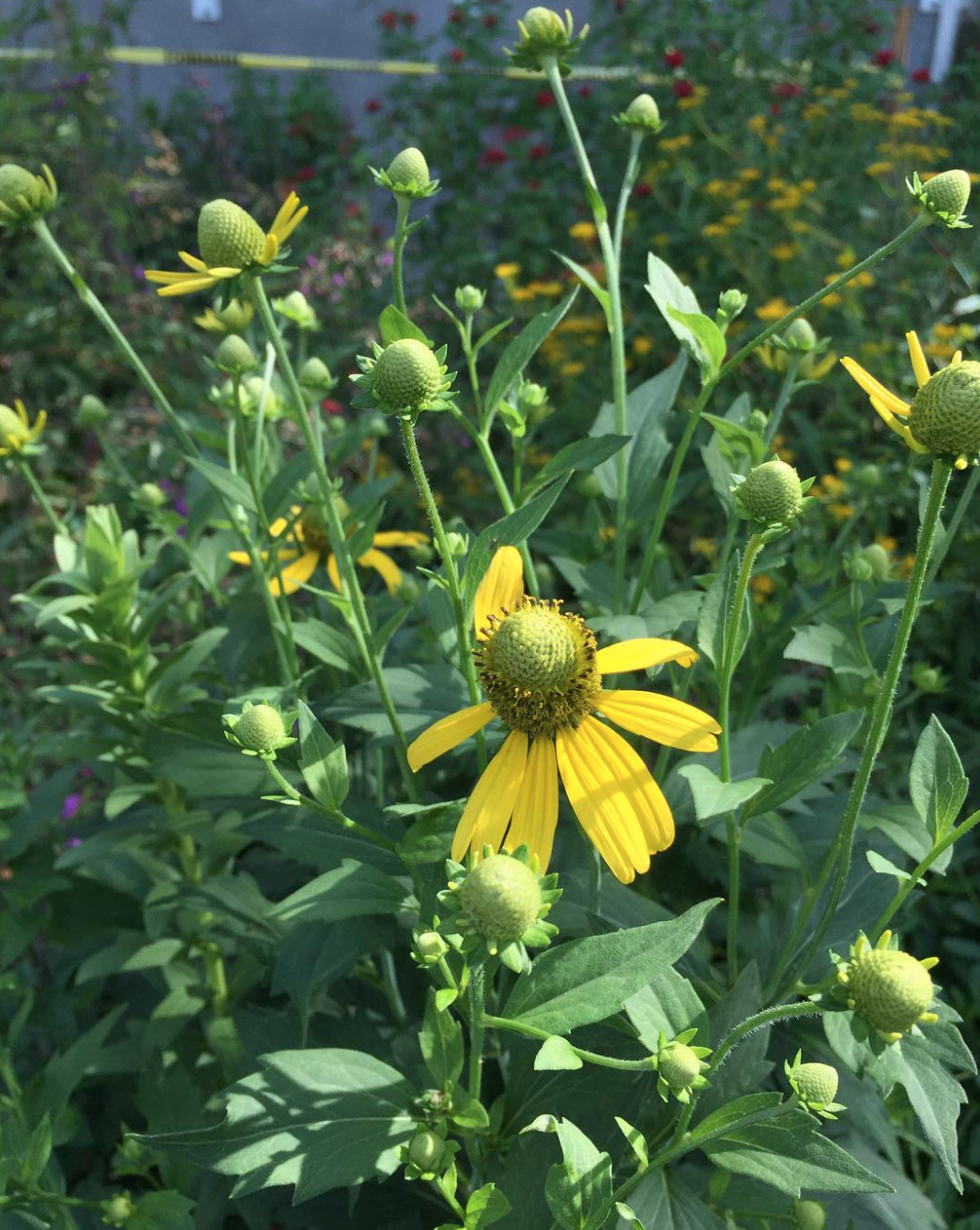
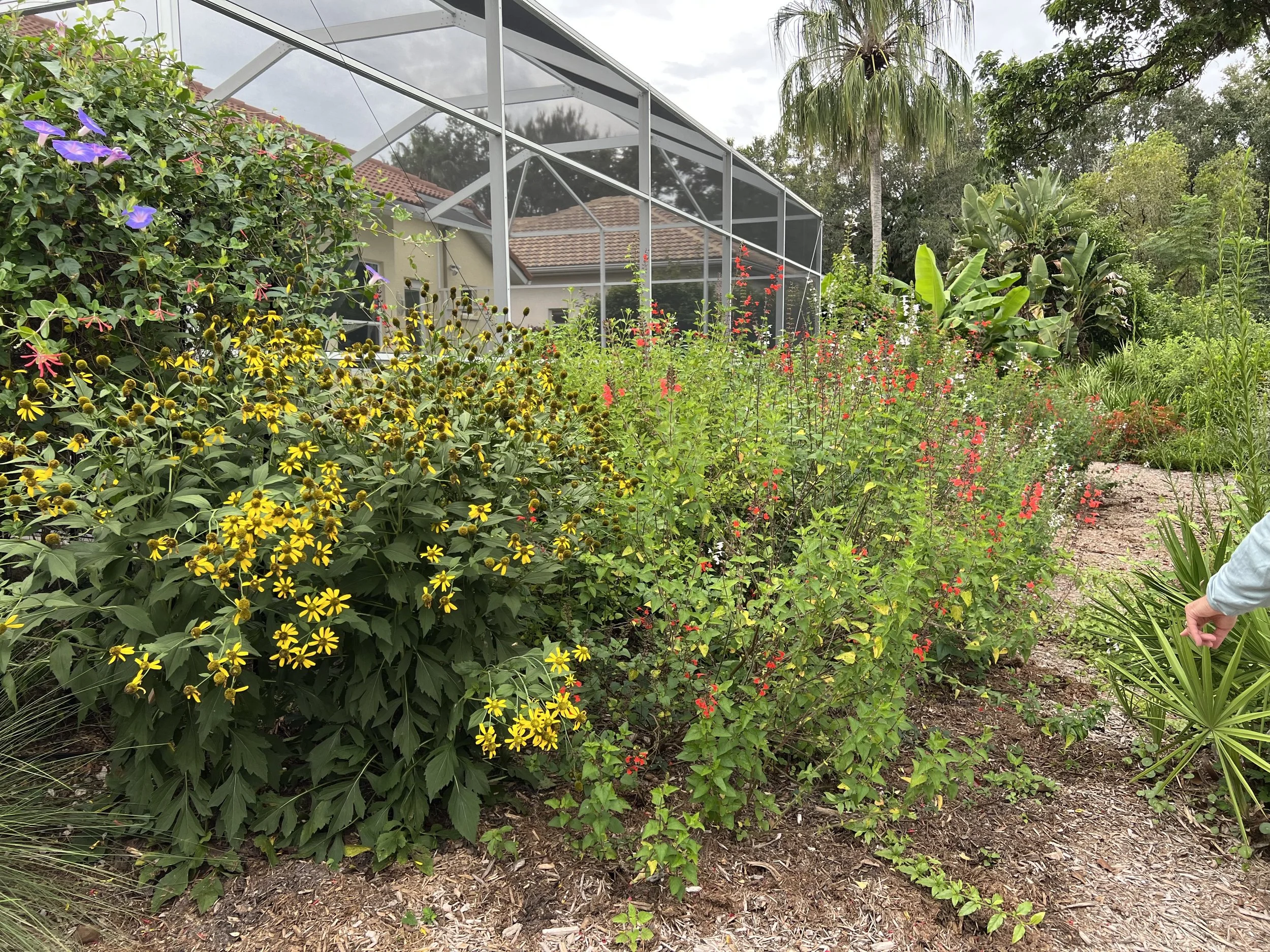
Rudbeckia laciniata
A cold-hardy, reseeding perennial that thrives in light shade to shade. It is easily identified by its unique, deeply dissected basal leaves and bright yellow flowers with distinct green centers. Reaching 2–3 feet in height, it blooms from summer through fall, providing a consistent source of nectar for butterflies and other pollinators. It prefers average to moist soil, making it a great addition to slightly damper or shadier spots in the landscape.
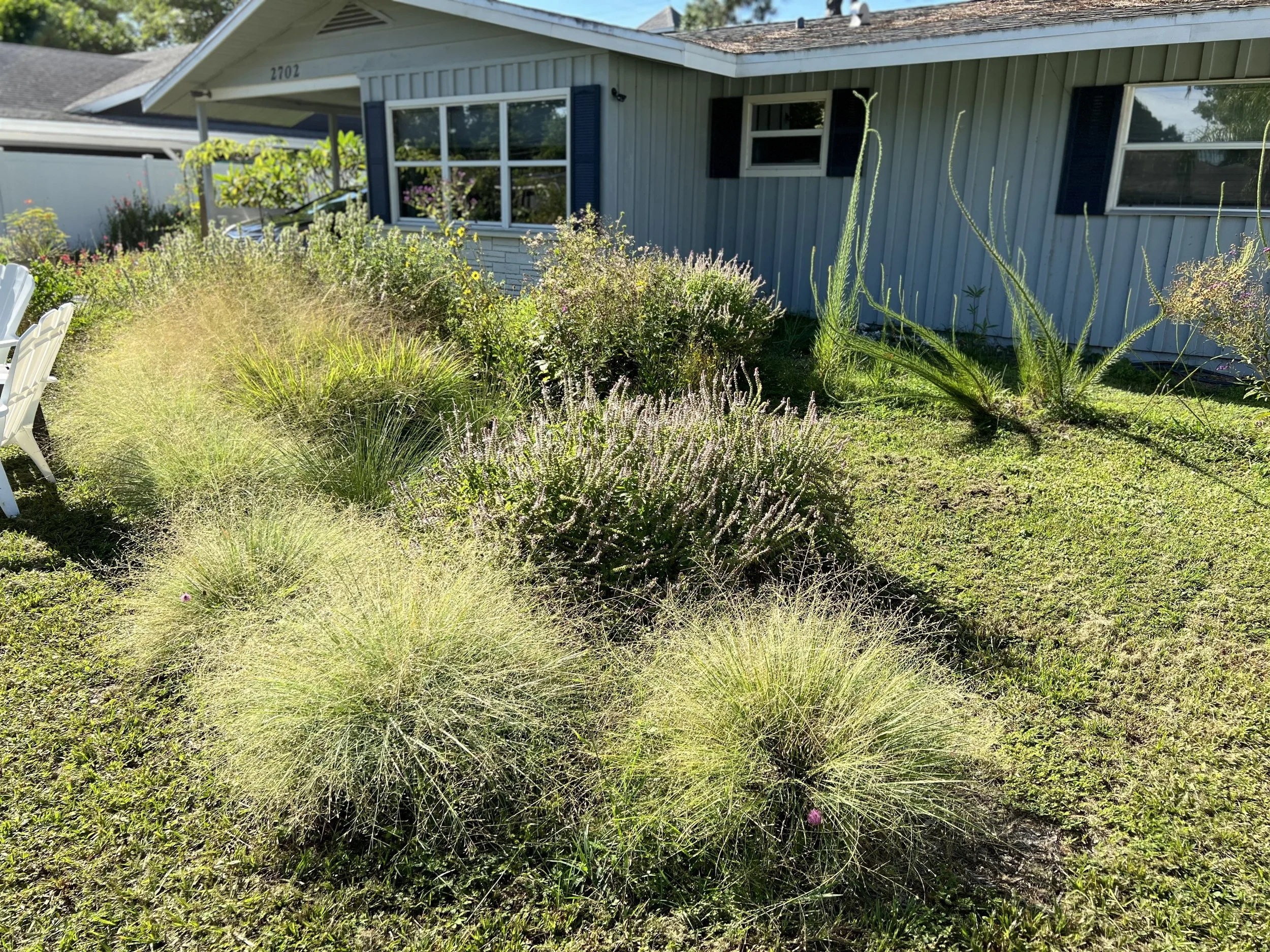
Eragrostis elliotti
Elliott's Lovegrass is a native perennial bunchgrass. This delicate species produces silvery blue-green foliage topped by airy panicles of tiny beige to pinkish flowers that create a billowy, cloud-like appearance when in bloom from late summer through fall. It demonstrates remarkable tolerance to both drought and periodic flooding with fresh water and salt-wind spray. This re-seeding and adaptable grass thrives in sandy, low-nutrient soils and provides excellent texture and late-season interest for naturalized plantings.


Ruellia caroliniana
Petunia’s are a beloved household wildflower that grows and reseeds prolifically in Florida. Often dappling the floors of woodlands and forests, this wildflower likes average to moist soils with dappled sunlight to full shade. It attracts many pollinators but is favored by bees.
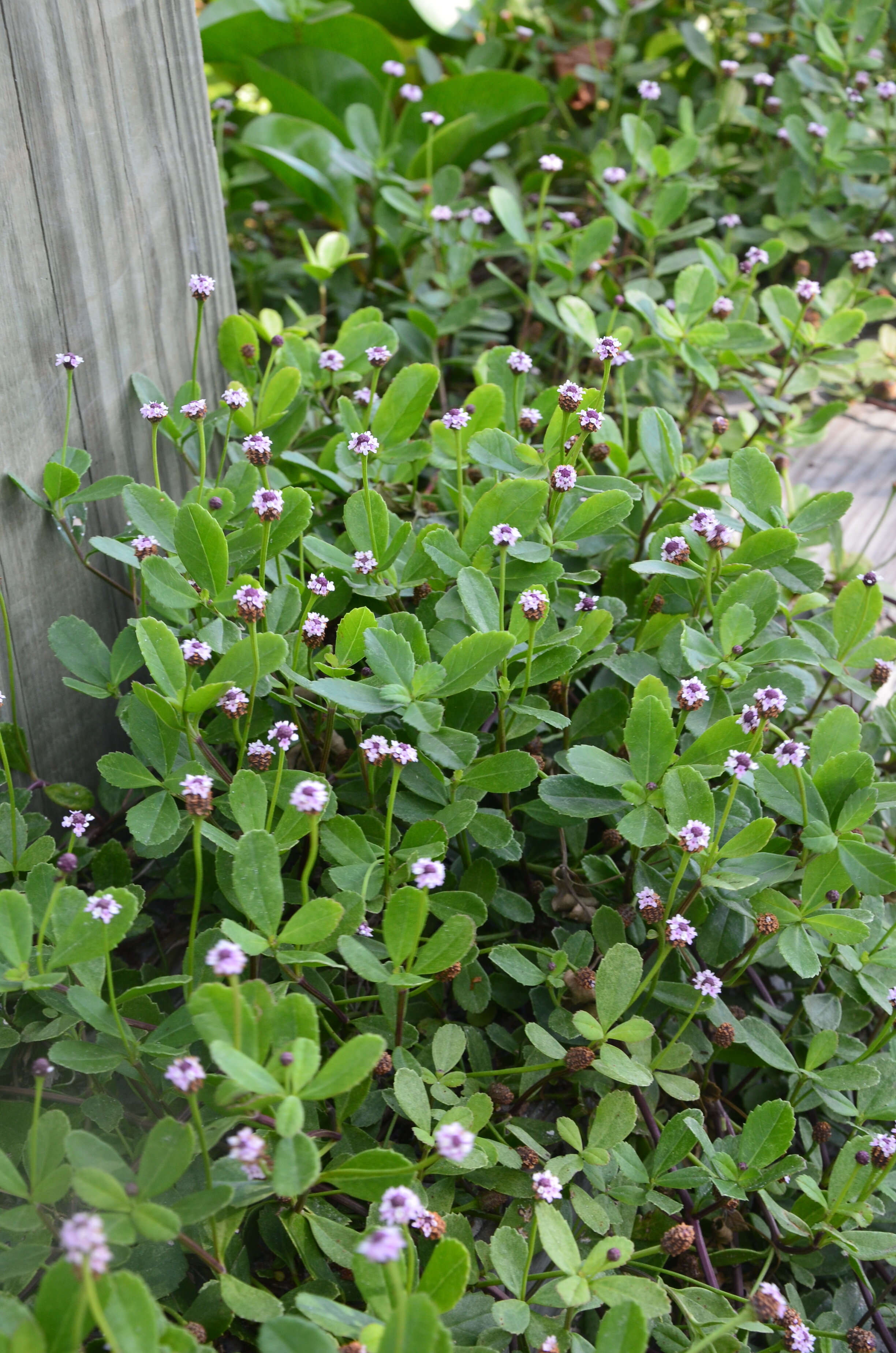
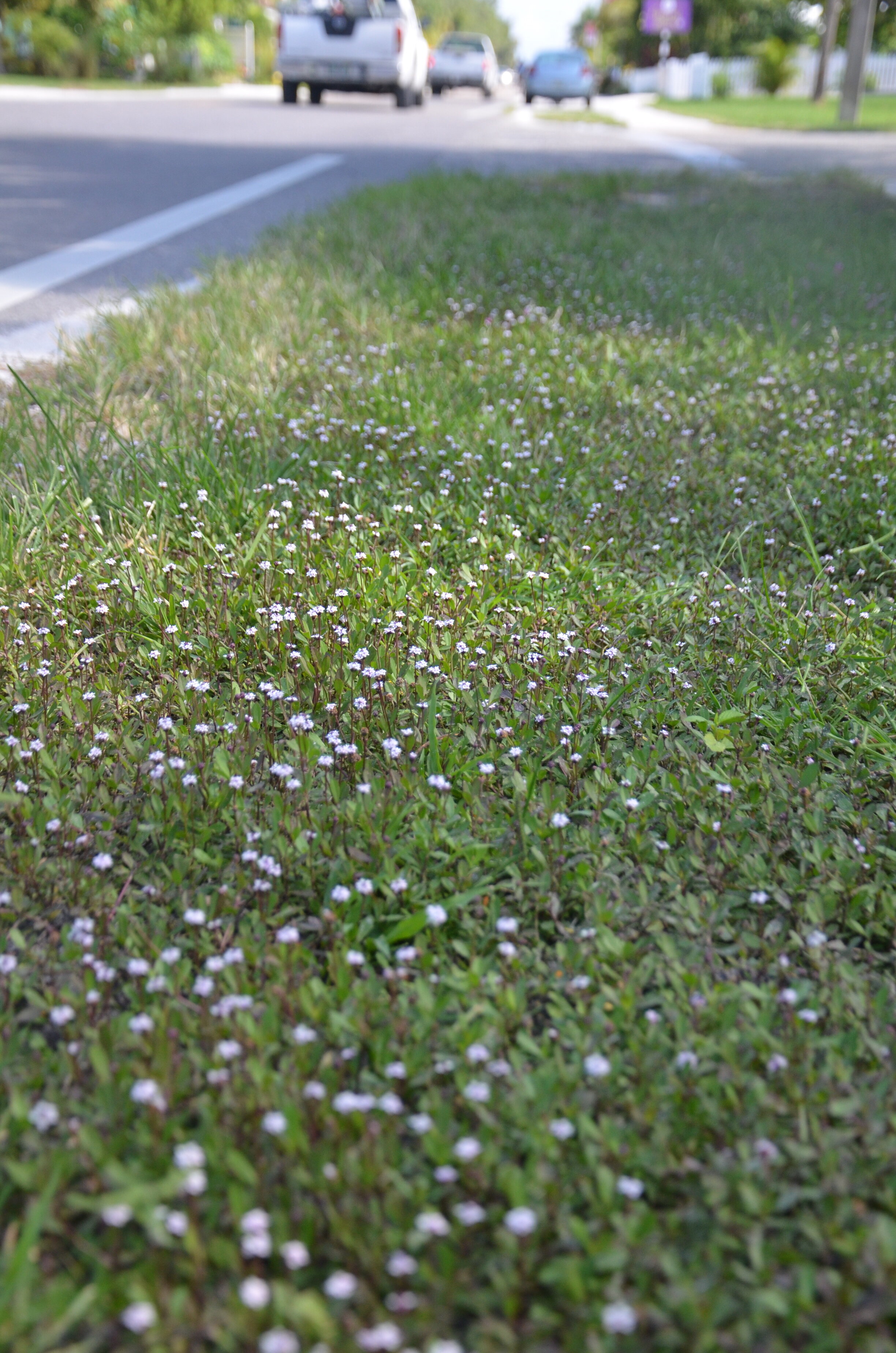
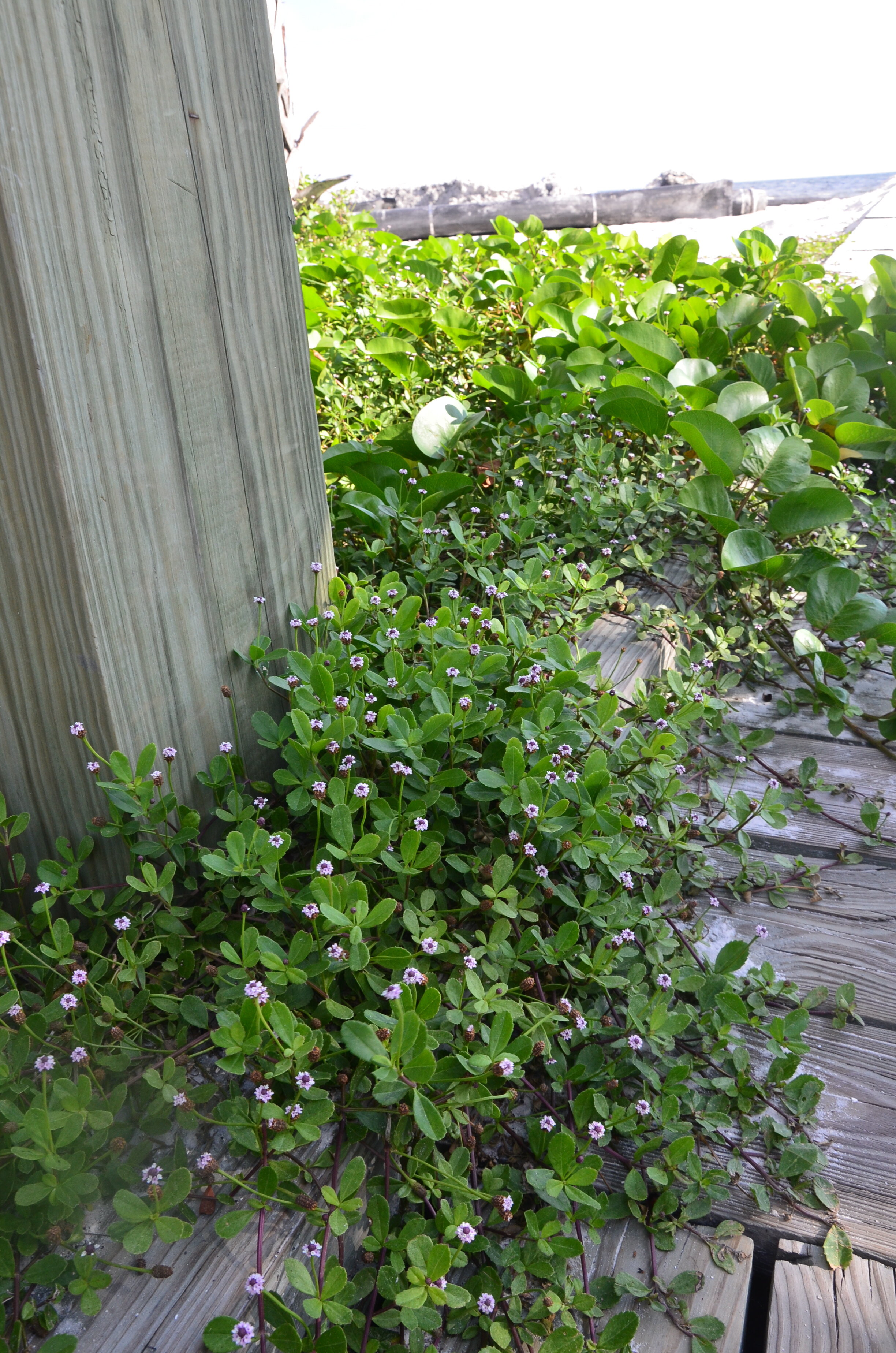
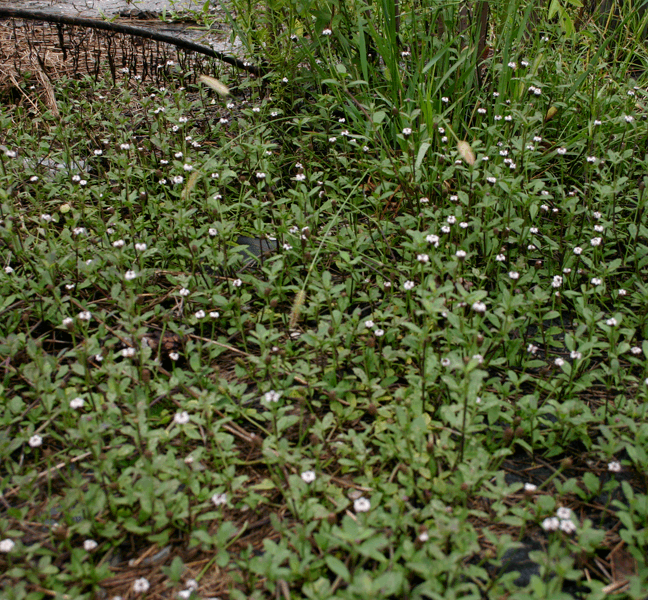
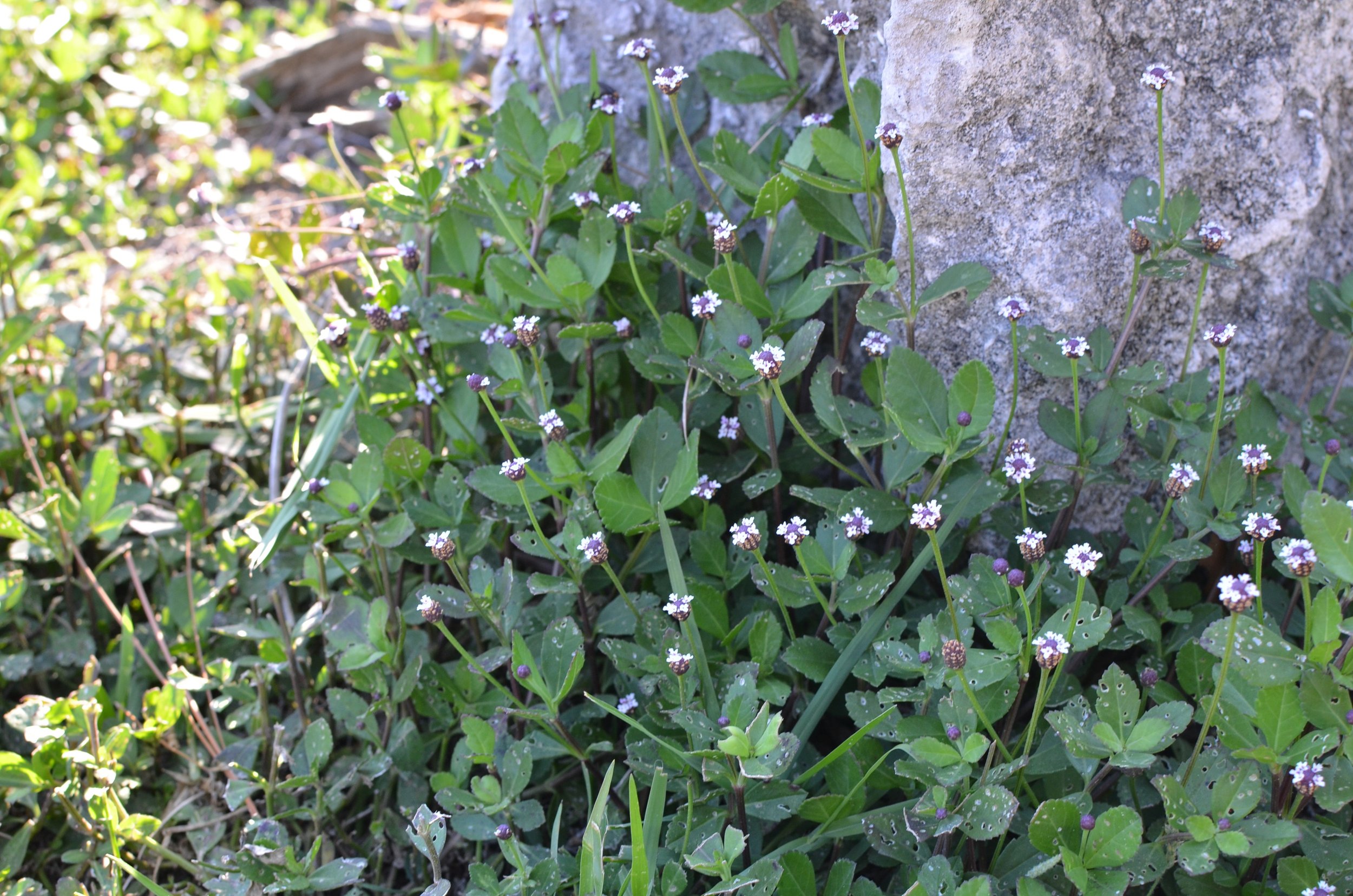
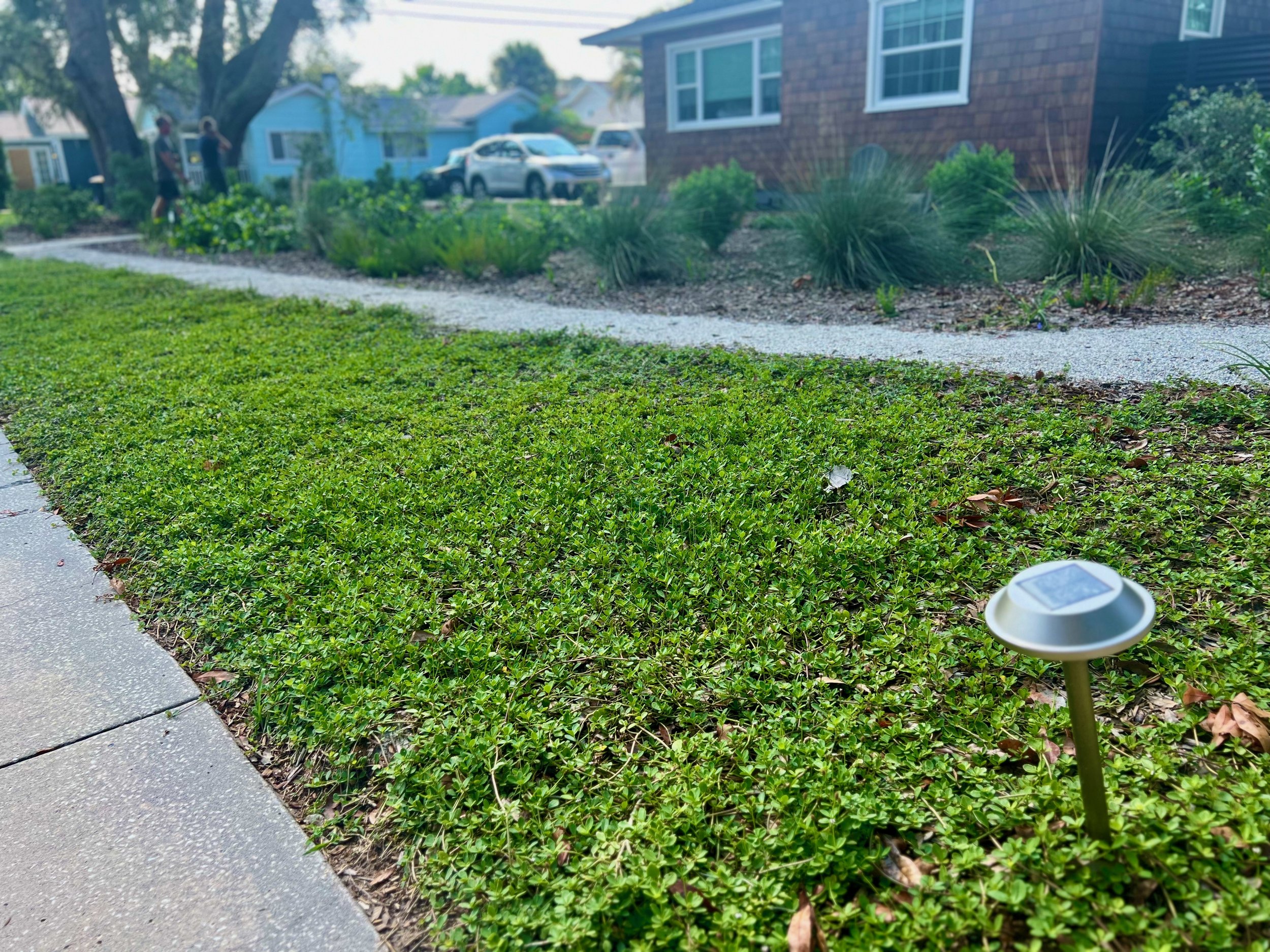
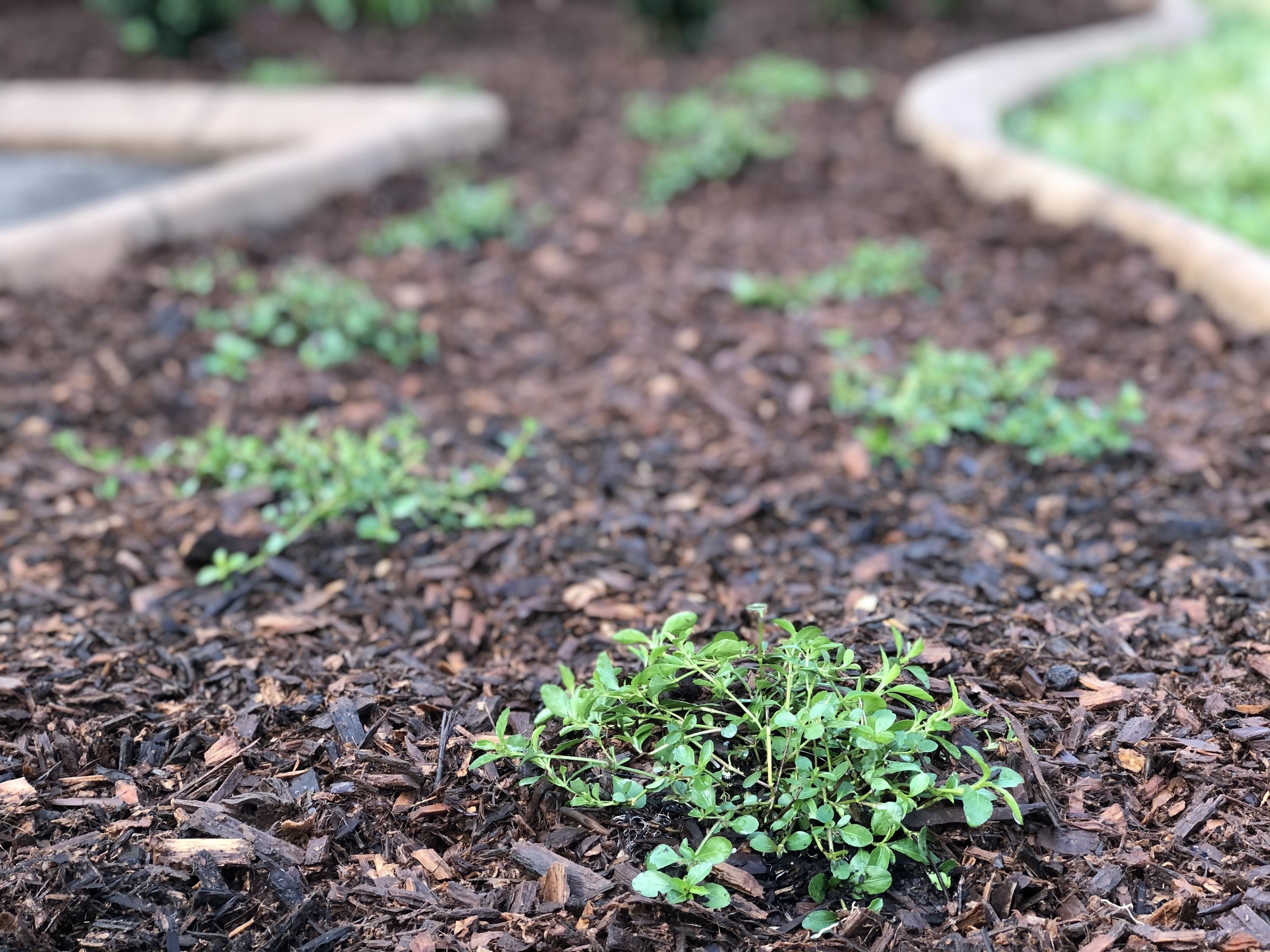
Phyla nodiflora
One of our favorite native plant “lawn alternatives,” Frogfruit is a low growing, perennial evergeen groundcover that grows in full sun to partial shade and in dry to moist soils. Frogfruit is highly salt-tolerant, fast growing, mow-able and lightly walk-able. It’s also an important host plant to the Phaon Crescent, White Peacock and Common Buckeye butterflies and is a nectar source pollinators including hummingbirds.
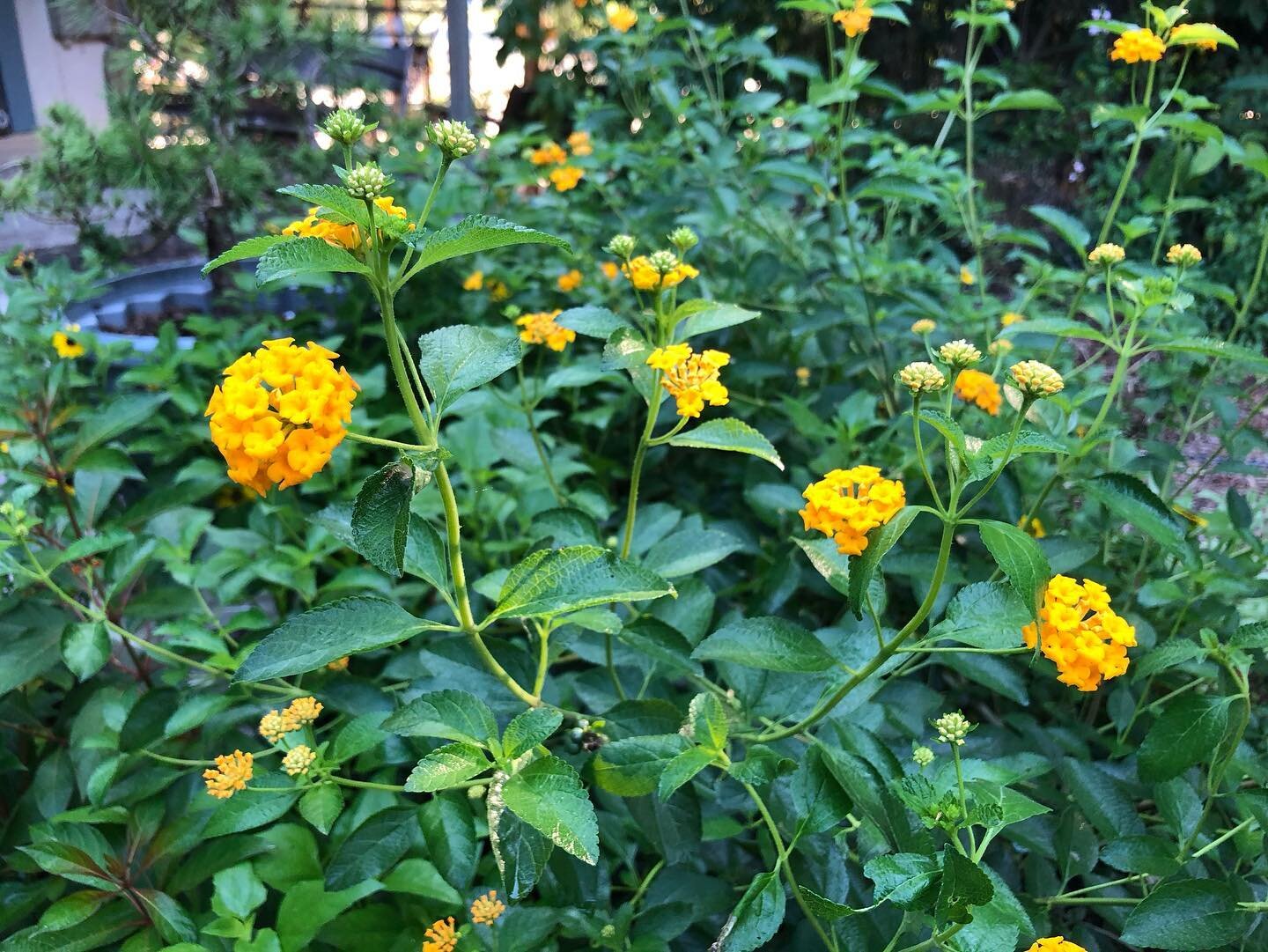
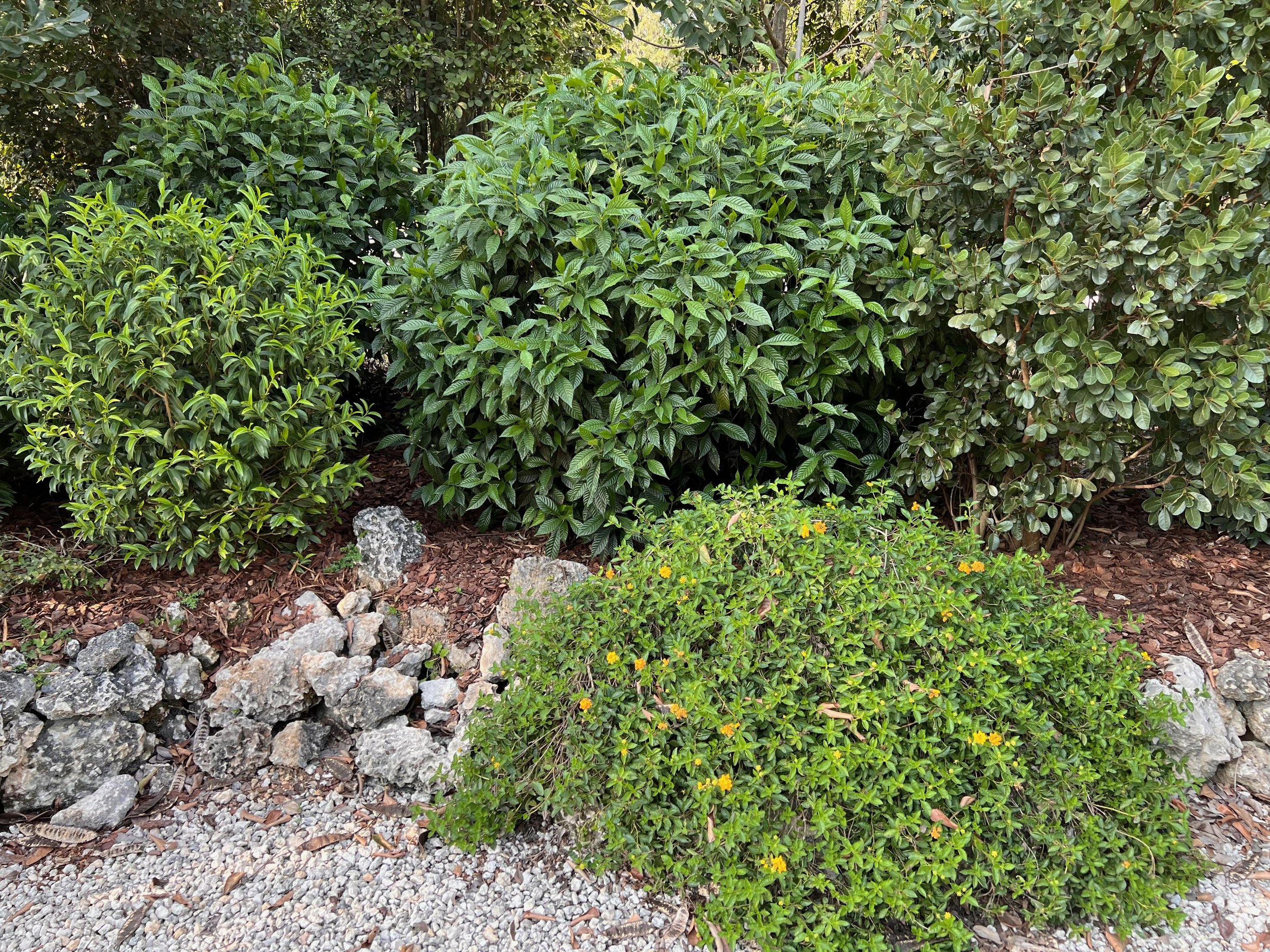
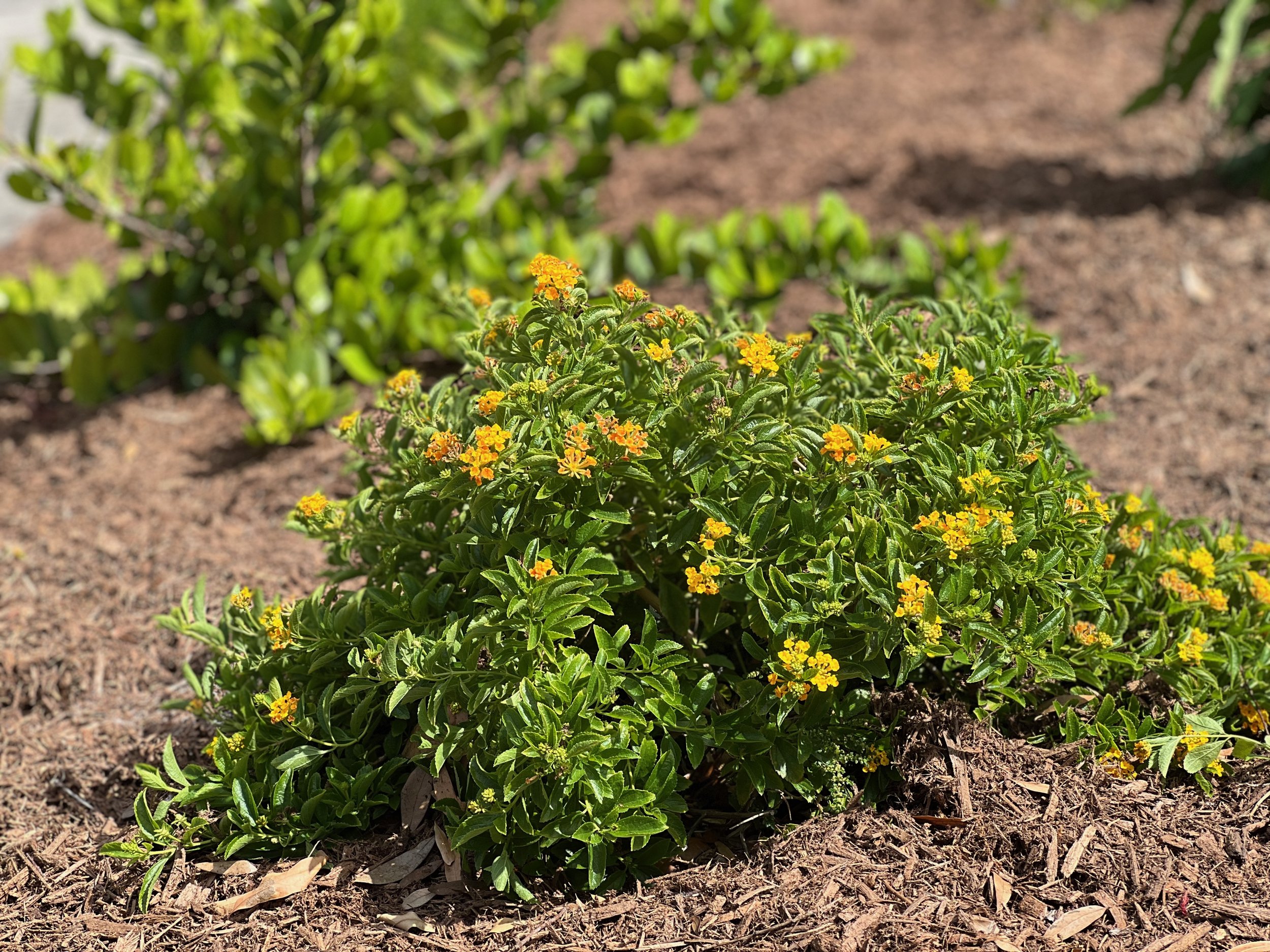
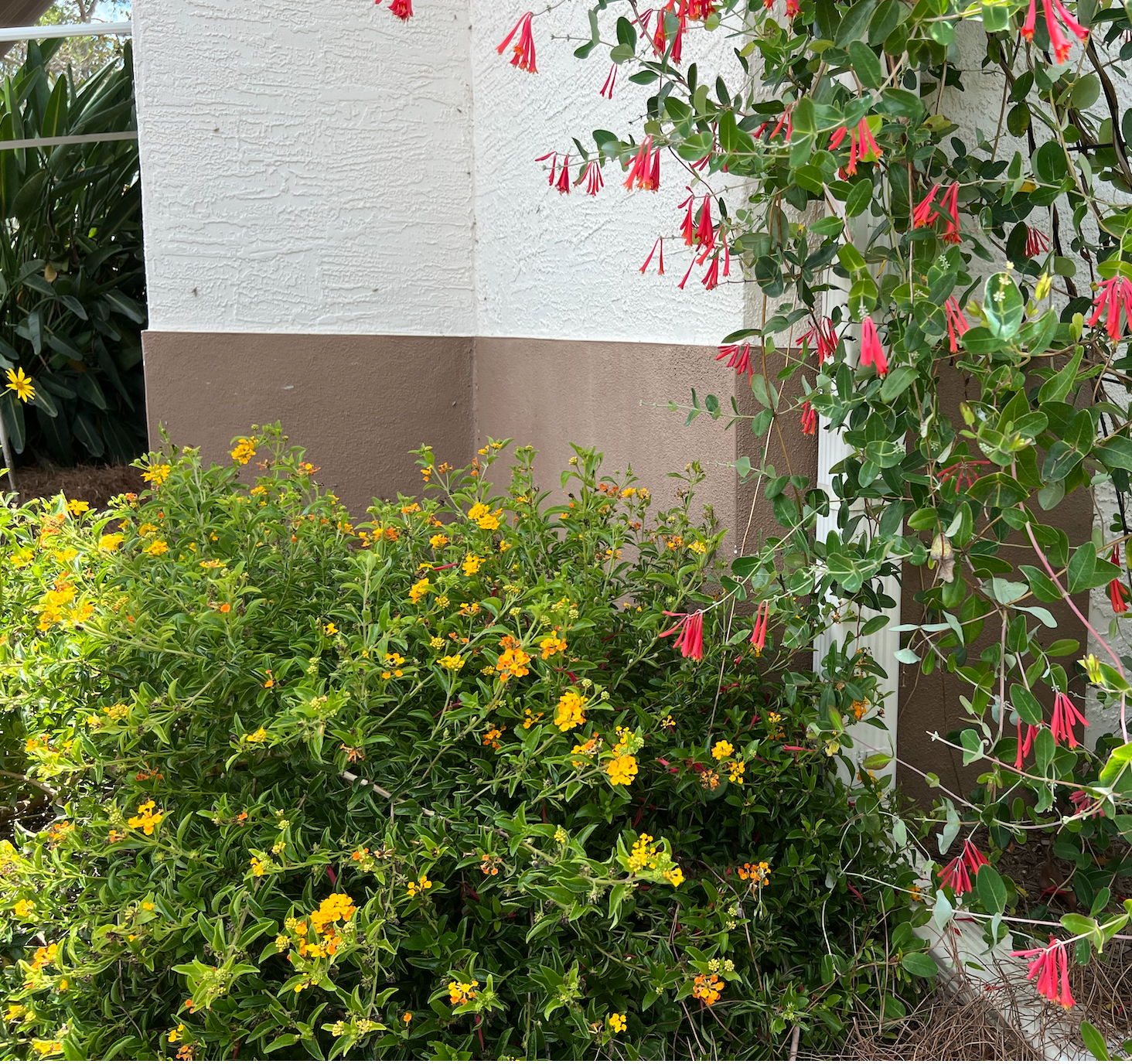
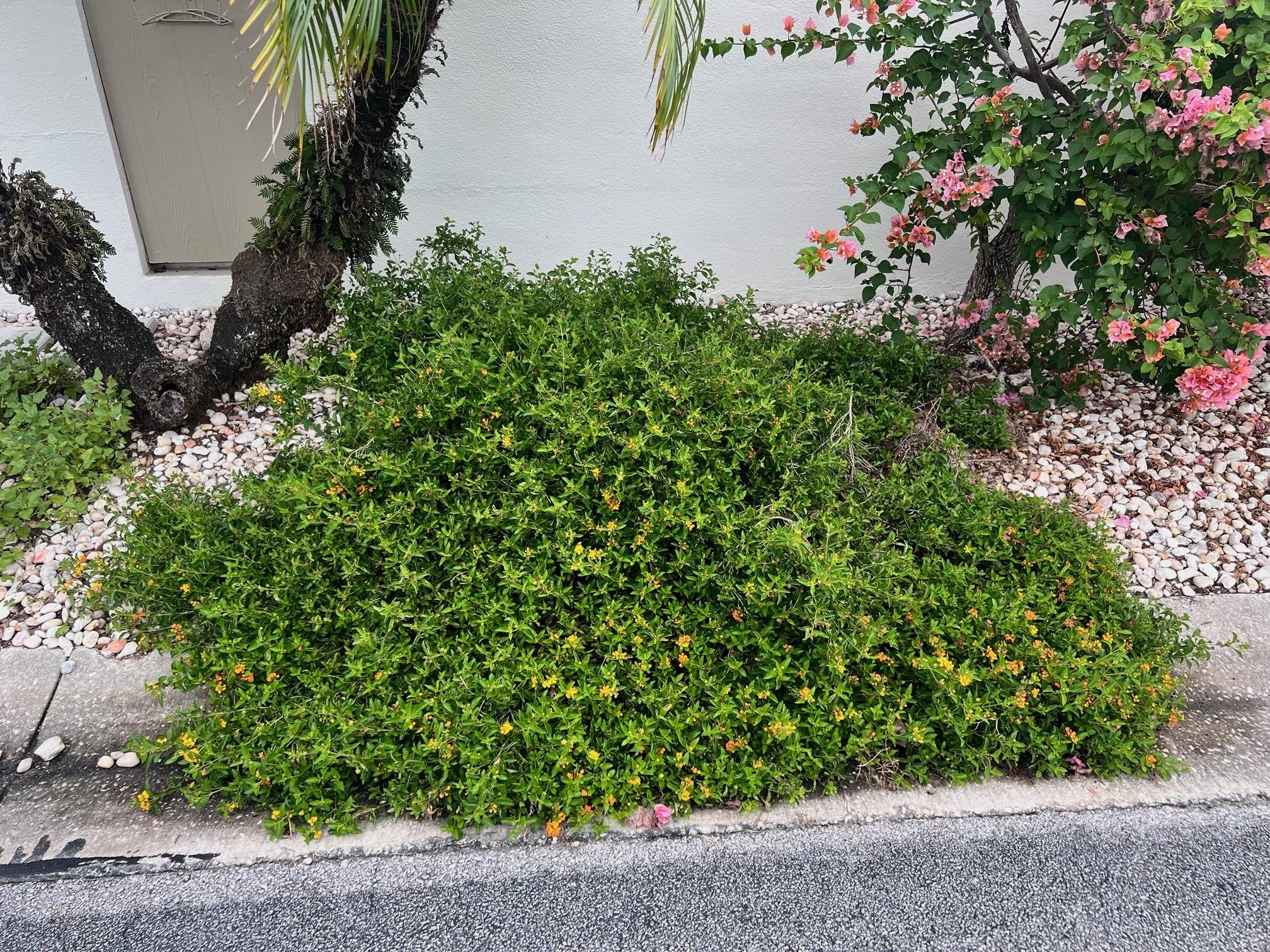
Lantana depressa var. ‘depressa’
Gold Lantana is an evergreen, low-growing, rare, native lantana. Growing 1’-2’ tall and 3’-4’ wide, with showy gold flowers on and off all year that attract butterflies and purple fruit for birds, this plant makes a great addition to landscapes and pollinator gardens. Plant in full sun with average (well-drained) to dry soil, and enjoy this fragrant, semi-salt-tolerant shrub!
Liatris gracilis
Graceful Blazing Star is a moderately tall perennial wildflower native to Florida, reaching 2-3 ft. height. This drought-tolerant species features a single, slender stem covered in fine hairs and narrow, grasslike leaves. It produces spikes of small, purple star-shaped flowers that bloom from summer into fall, attracting butterflies and other pollinators. Thriving in well-drained soils and full sun, it naturally occurs in flatwoods, sandhills, and open woodlands throughout Florida and is valued for both wildlife gardens and cut flower arrangements.
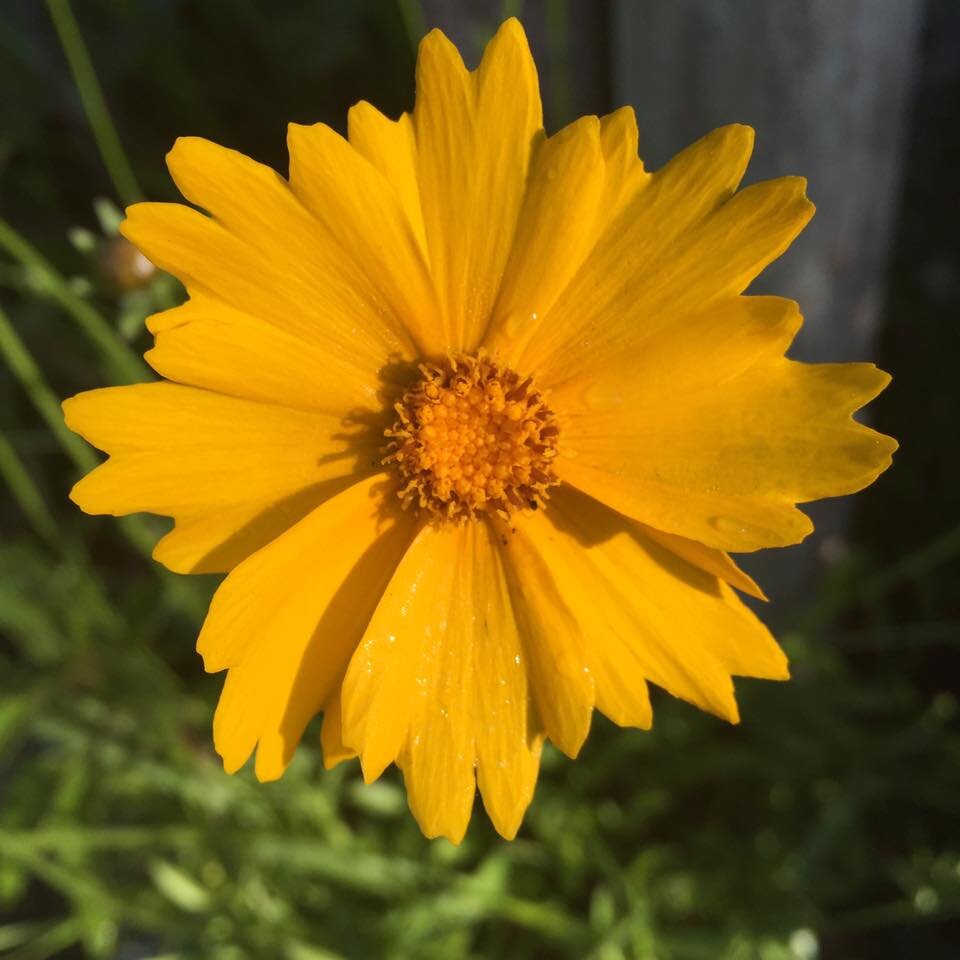

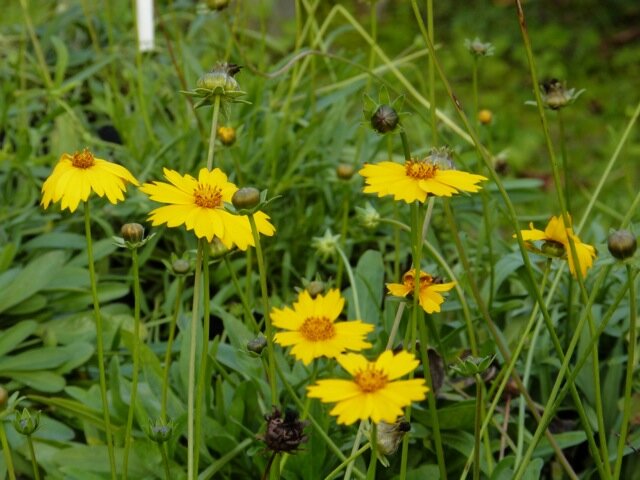
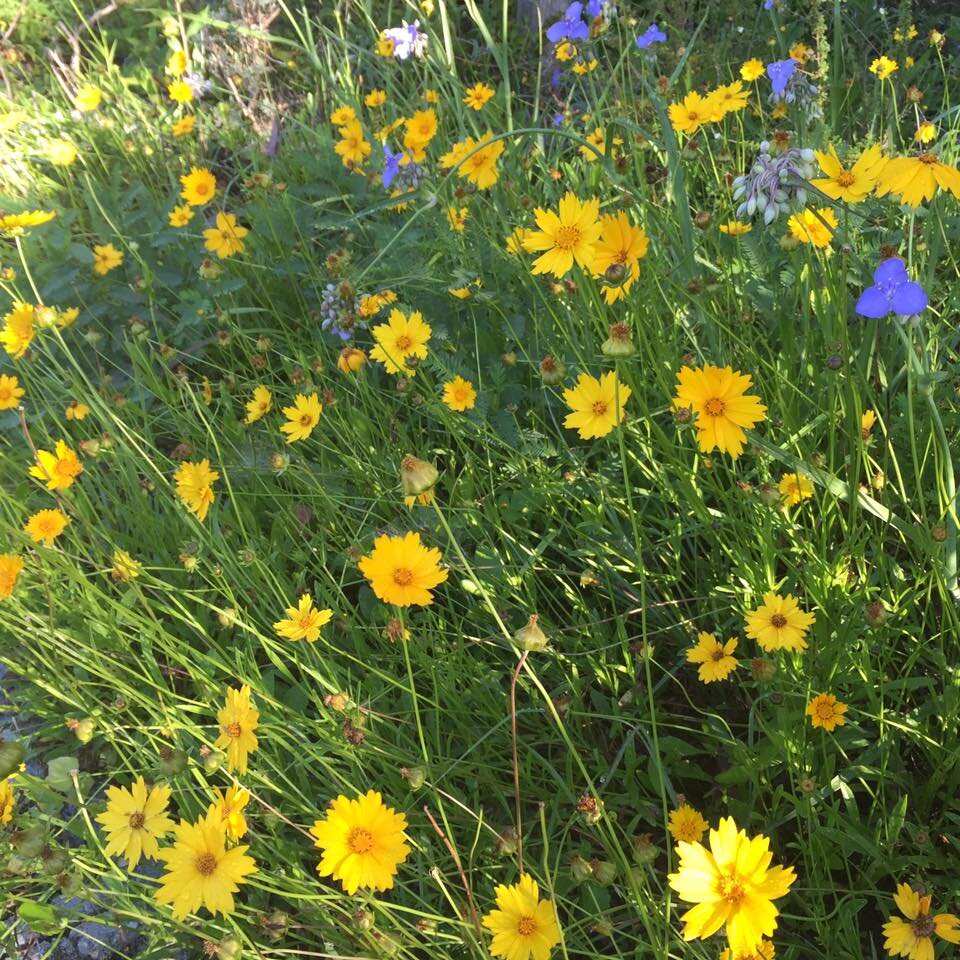
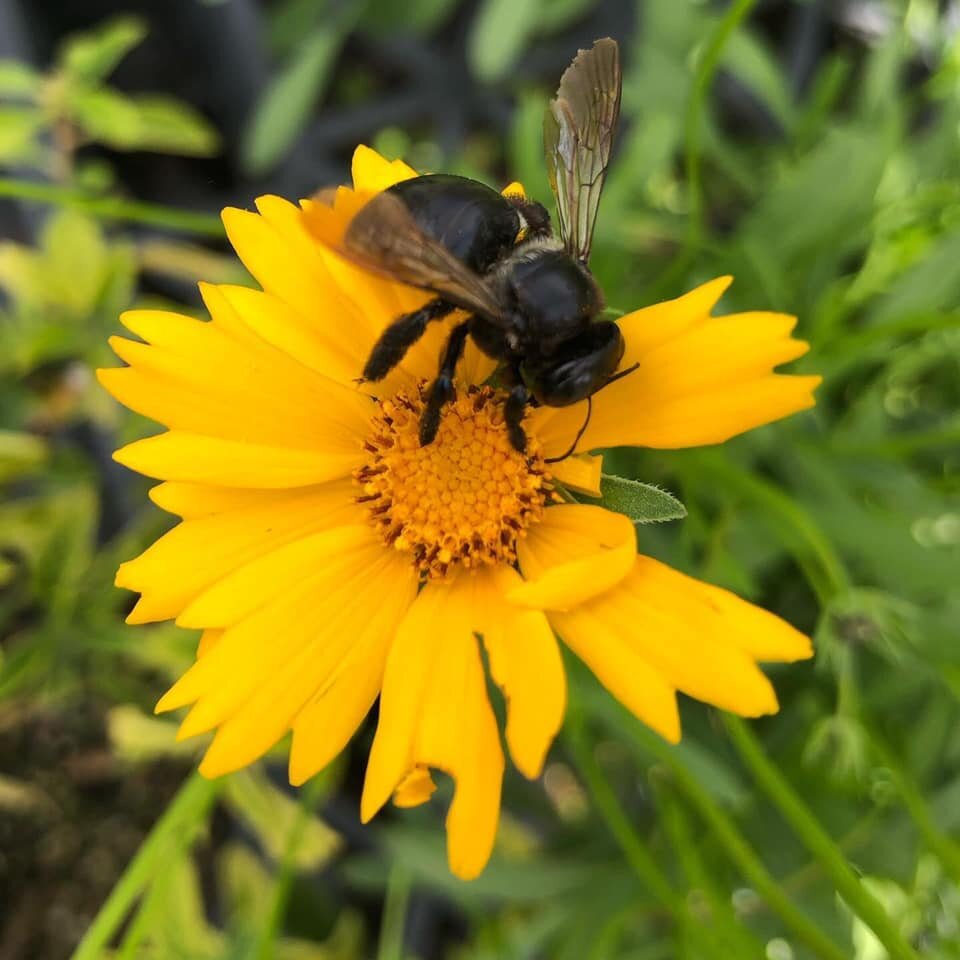
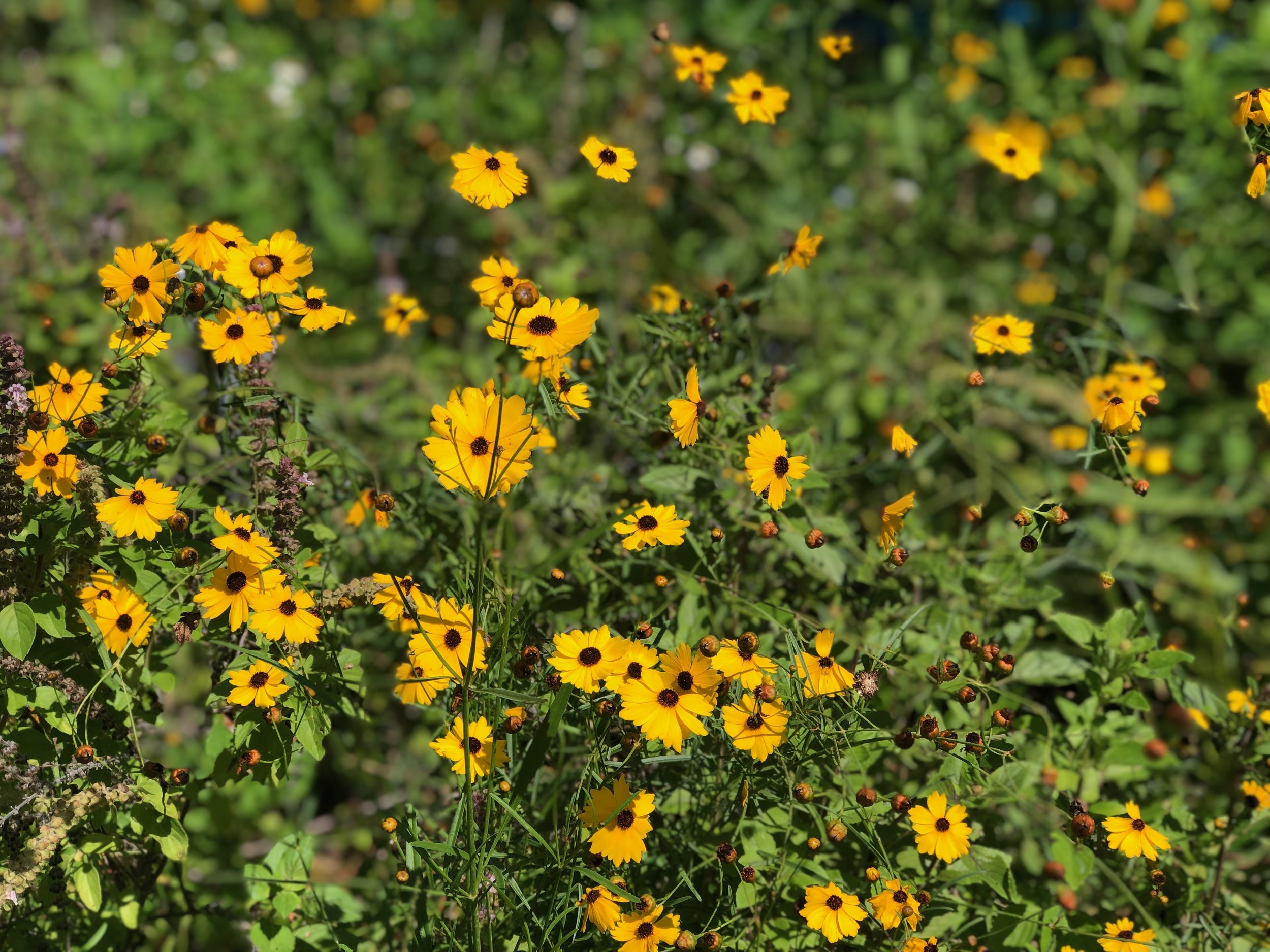
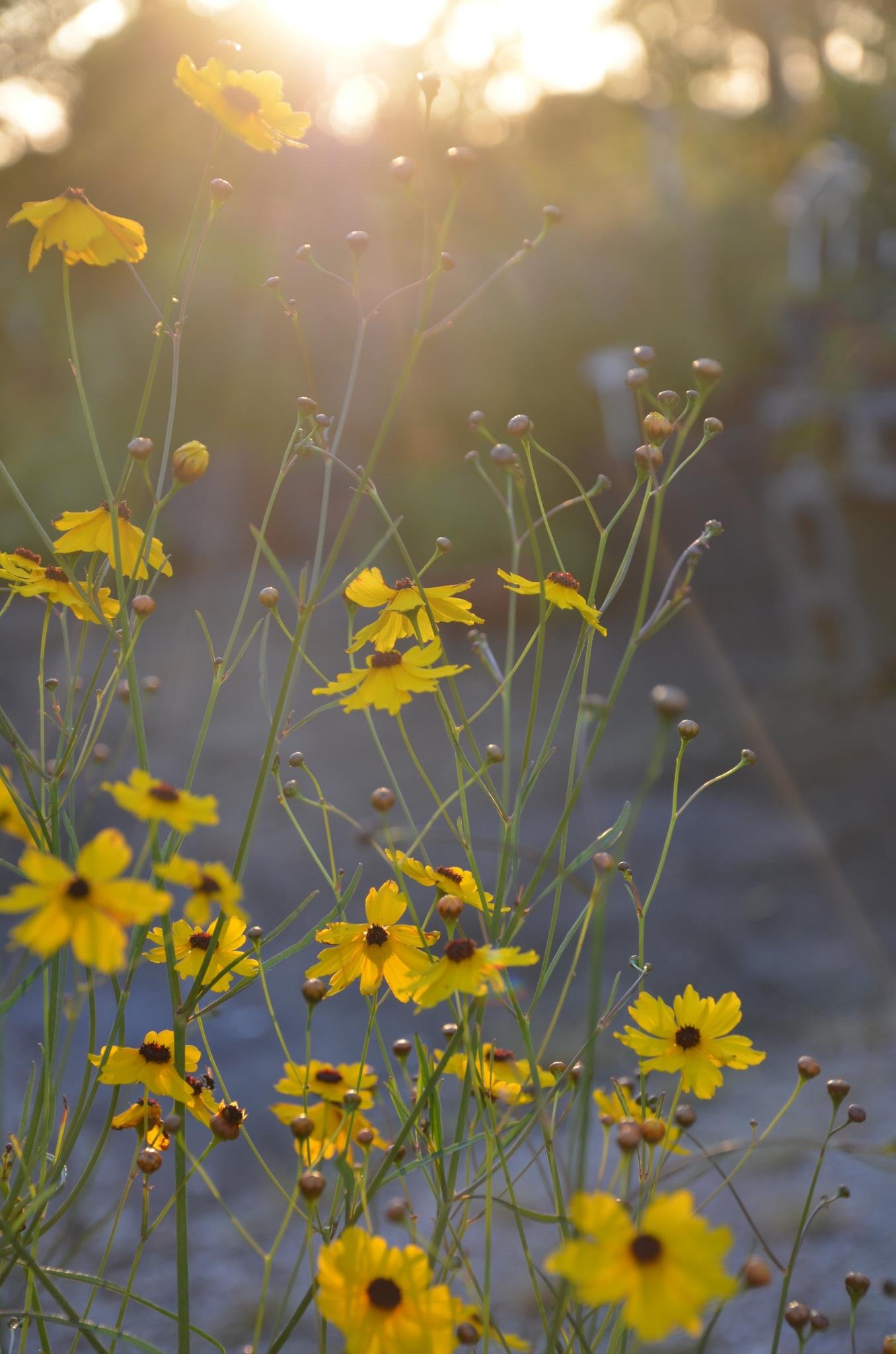
Coreopsis lanceolata
Tickseed is the Florida State Wildflower. Lanceleaf tickseed is a perennial and reseeding wildflower that likes sun to light shade, is 1-2 ft in height and likes average to dry soils. It’s bright yellow flowers attract butterflies and other pollinators mostly year round.
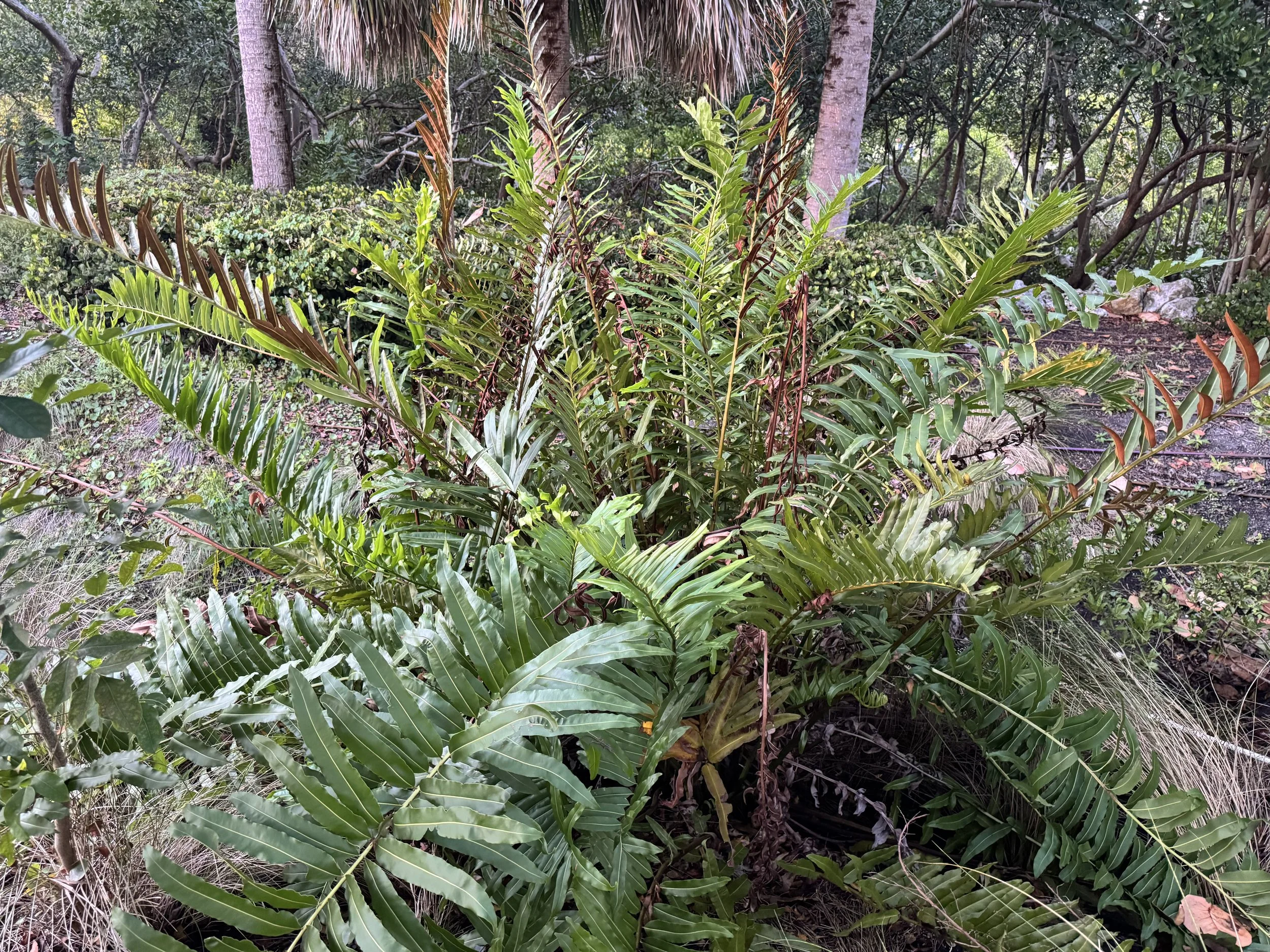
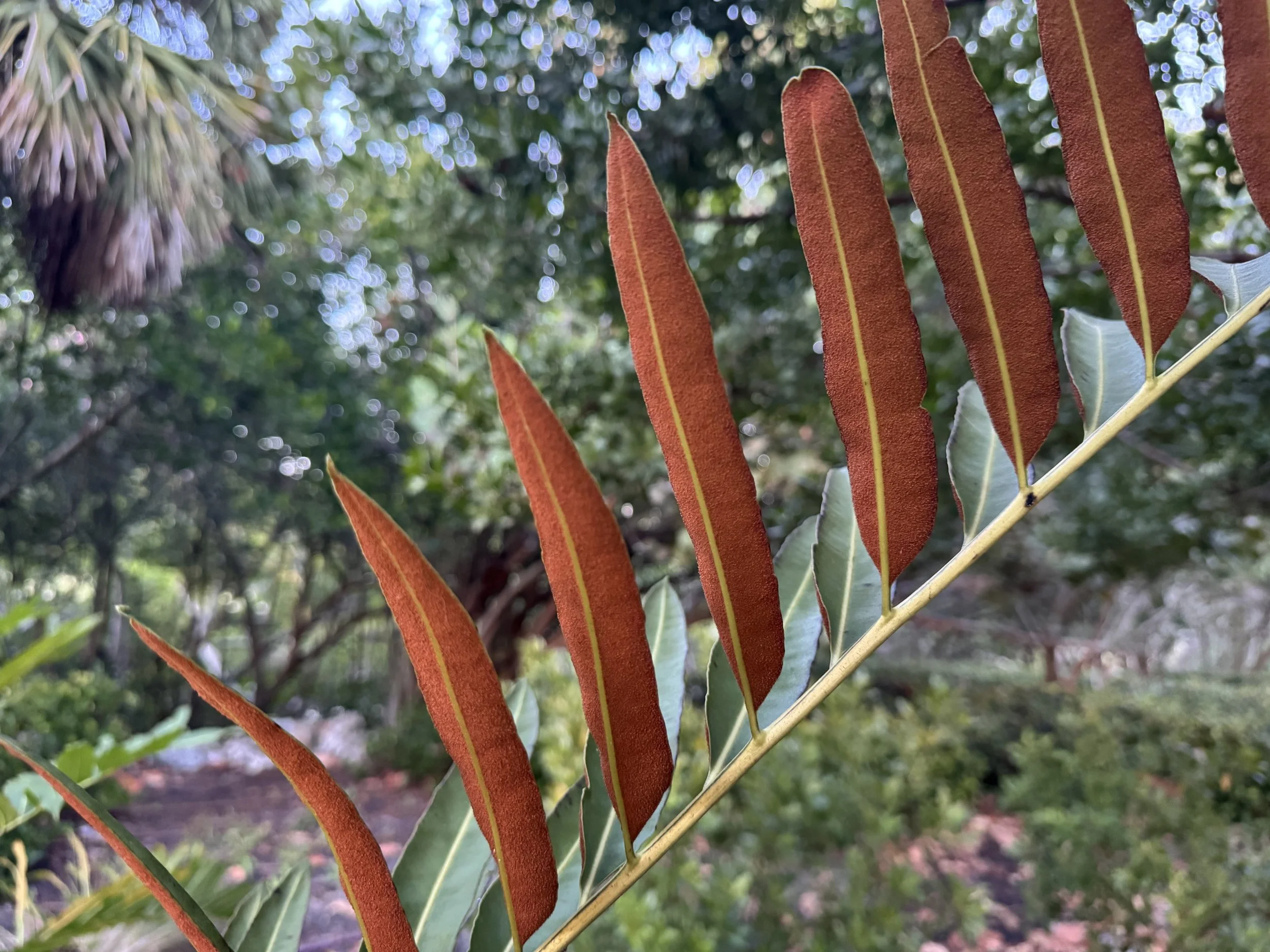
Acrostichum danaeifolium
A majestic and prehistoric-looking native fern that makes a bold architectural statement in the landscape. It features large, upright, leathery fronds that can reach impressive heights of 6 to 12 feet. This robust fern thrives in full sun to deep shade and is particularly well-suited for wet areas, pond edges, or low spots in the garden. It is highly salt-tolerant and adds a lush, tropical texture to any damp or aquatic setting.
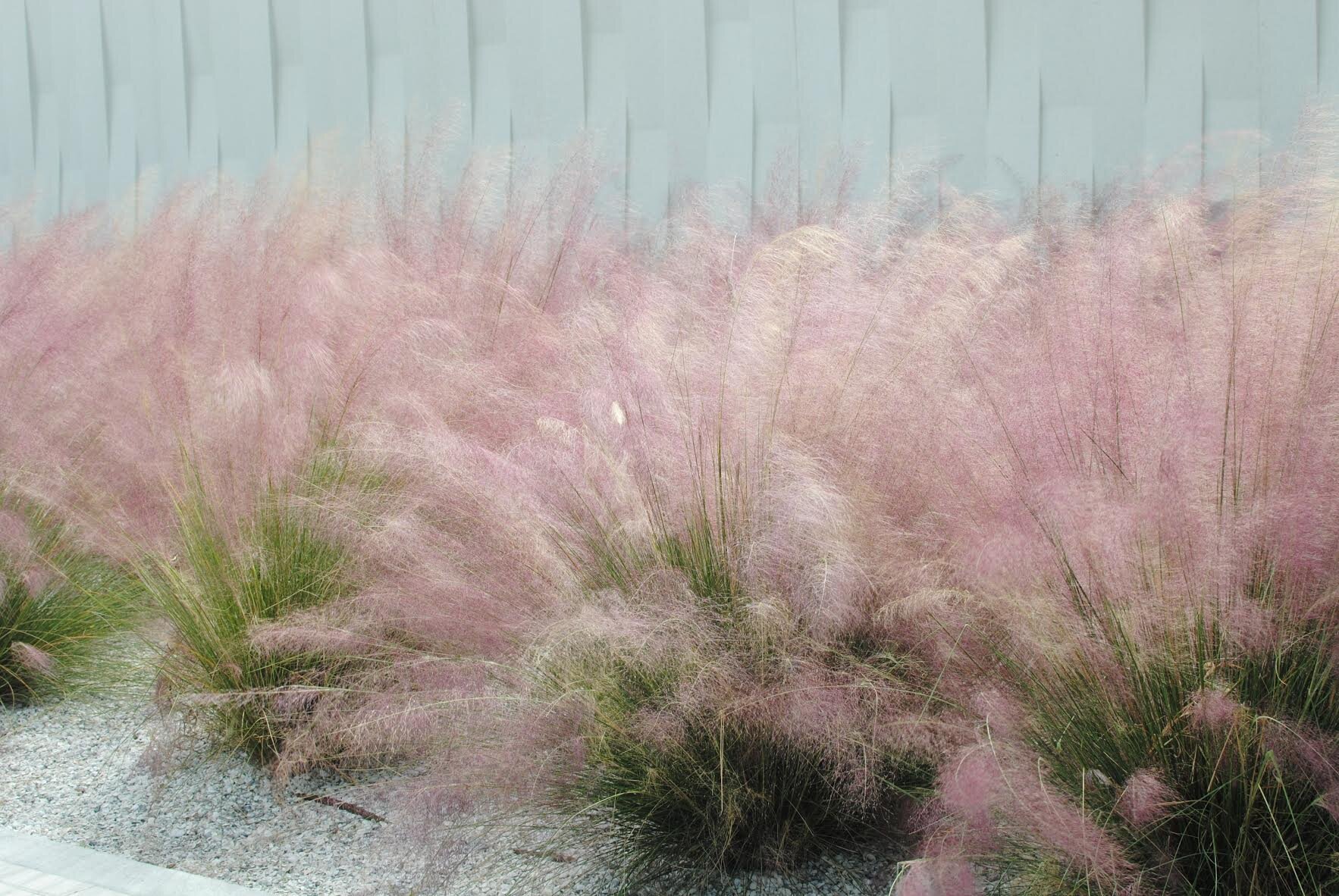


Native, perennial, weeping and thick clumping grass. Full sun to light shade, average soil, 4'. Moderately salt-tolerant, can usually spread by self-sown seeds. Attractive foliage year-round, but showiest in the fall with purple/pink flowering plumes. Combines well with wildflowers.
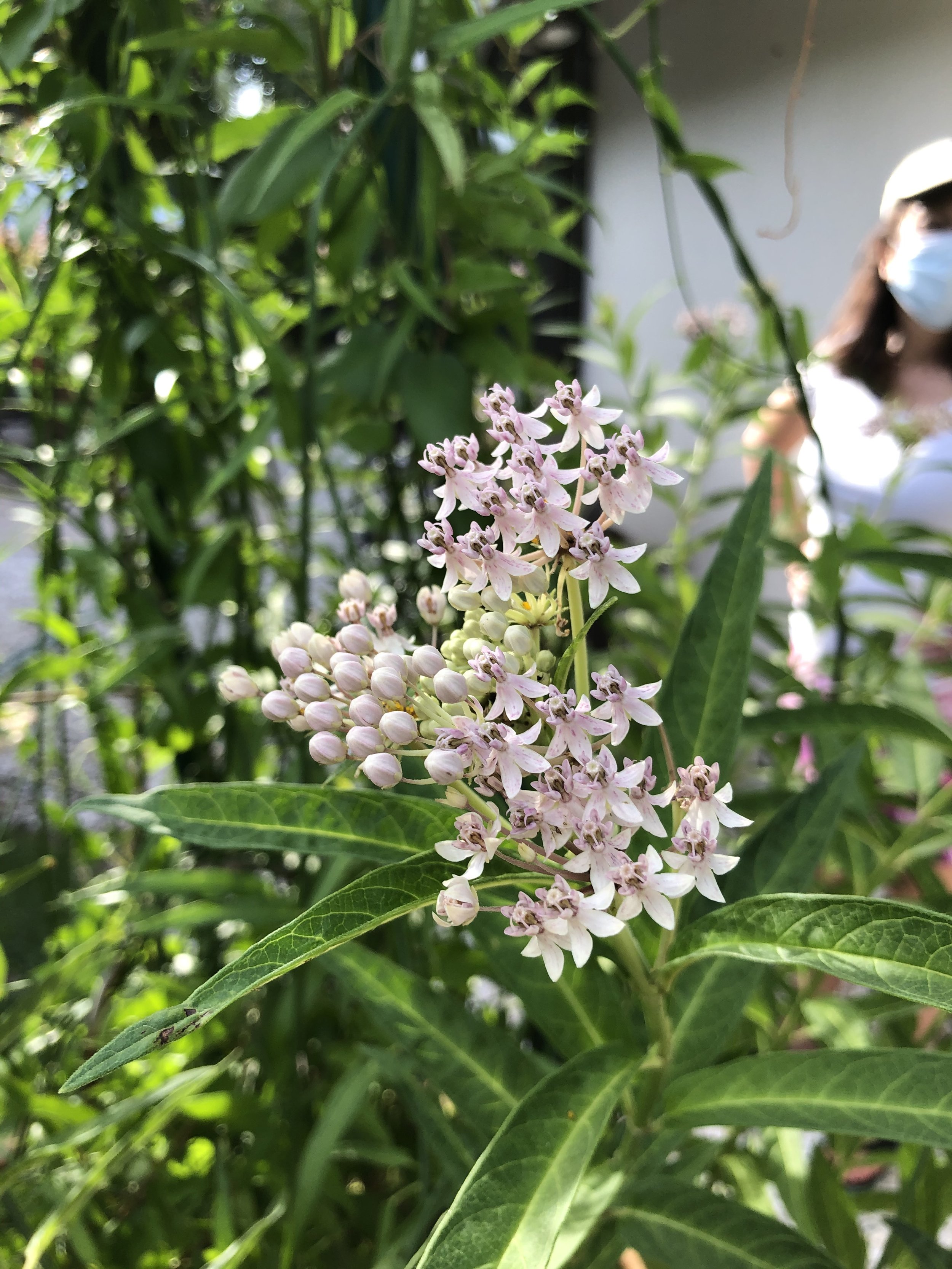
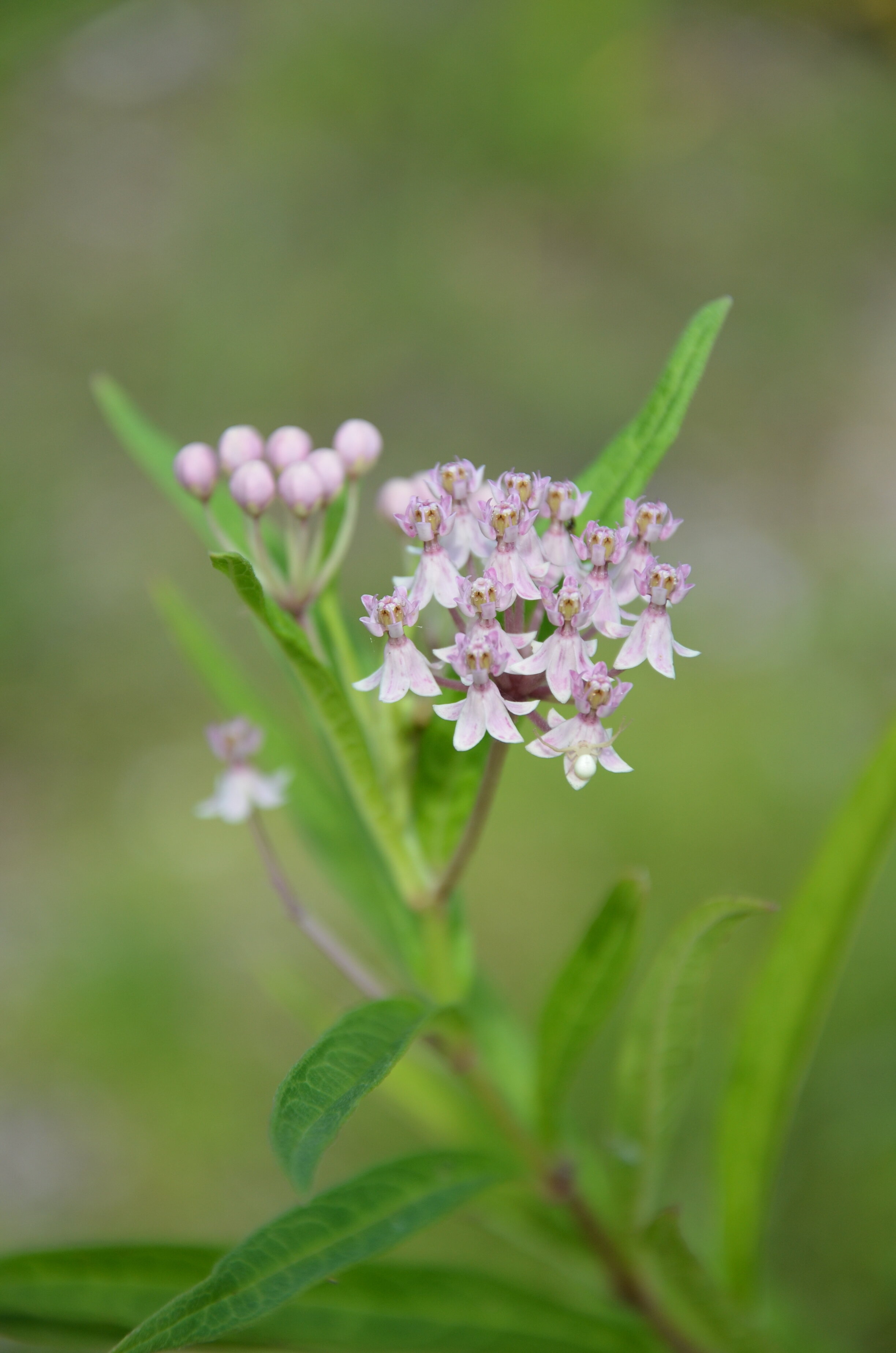
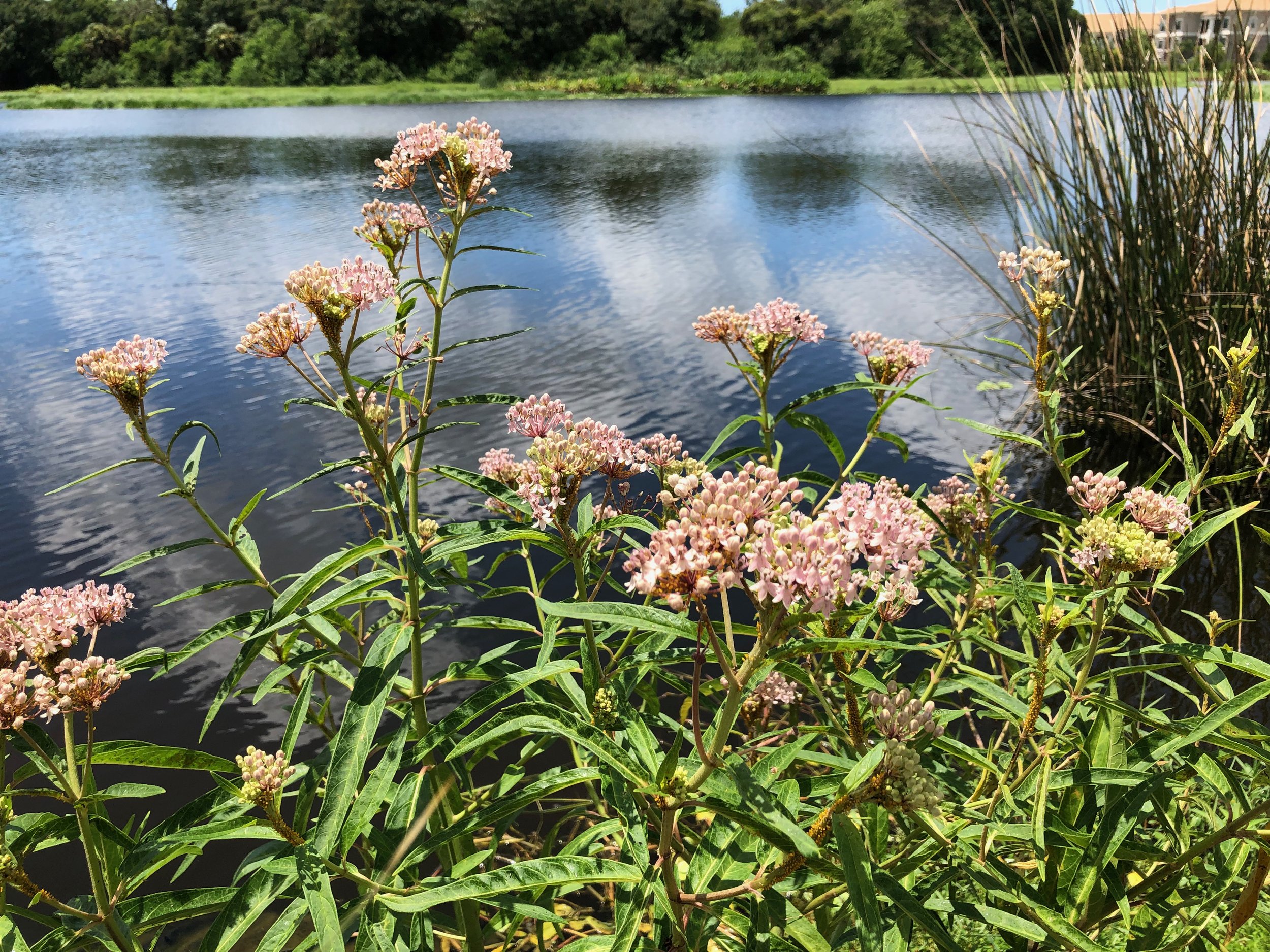
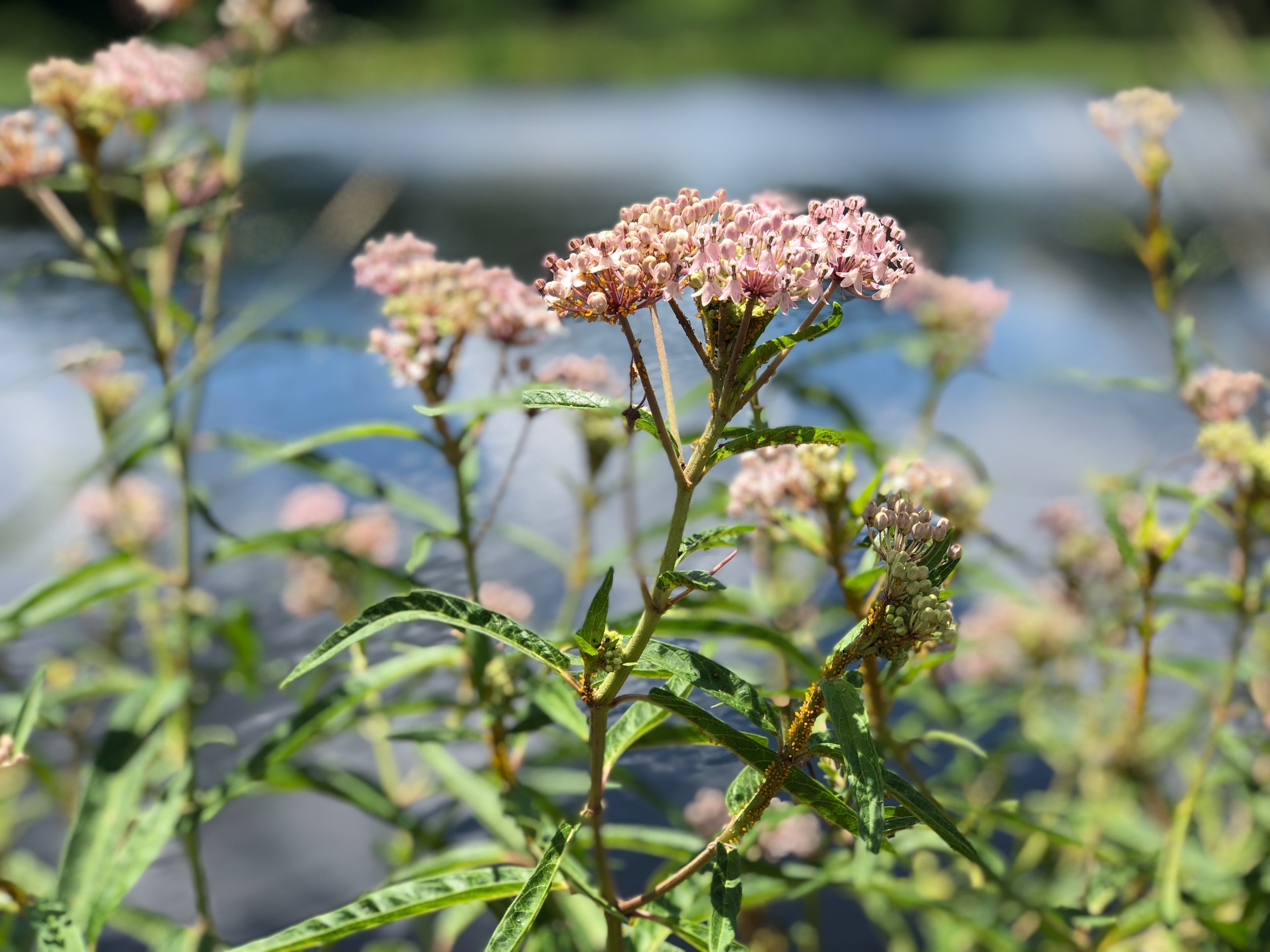
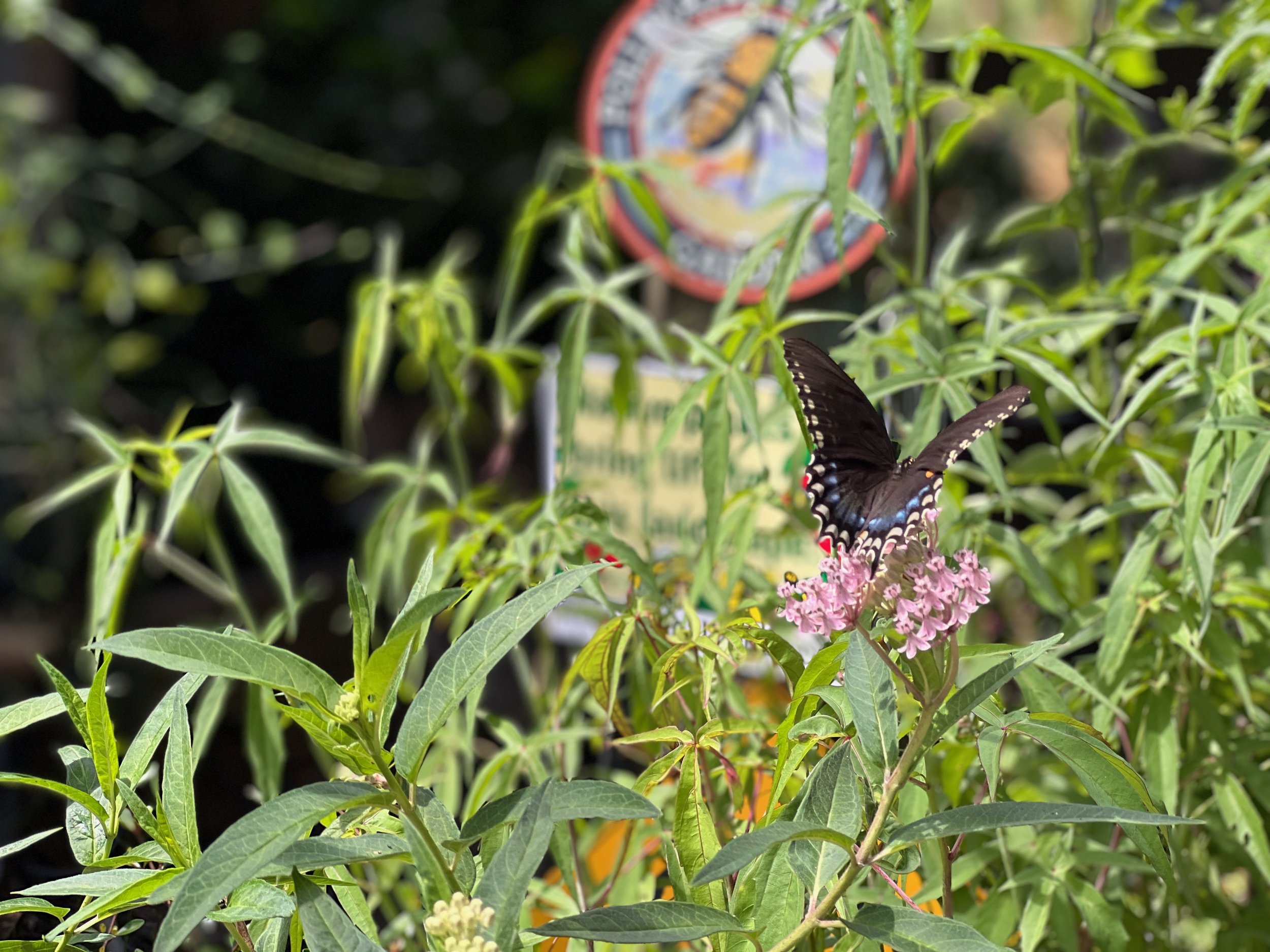
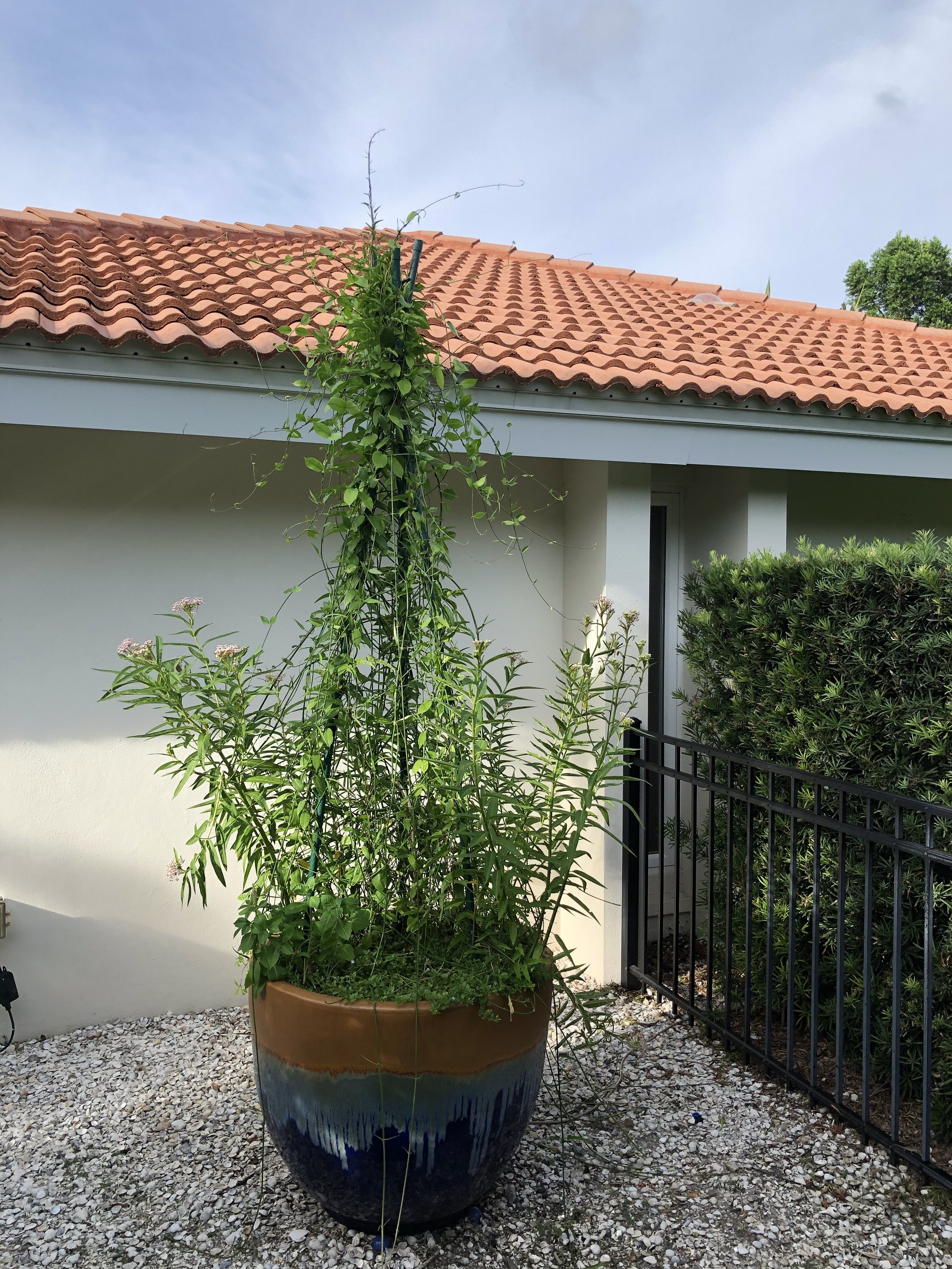
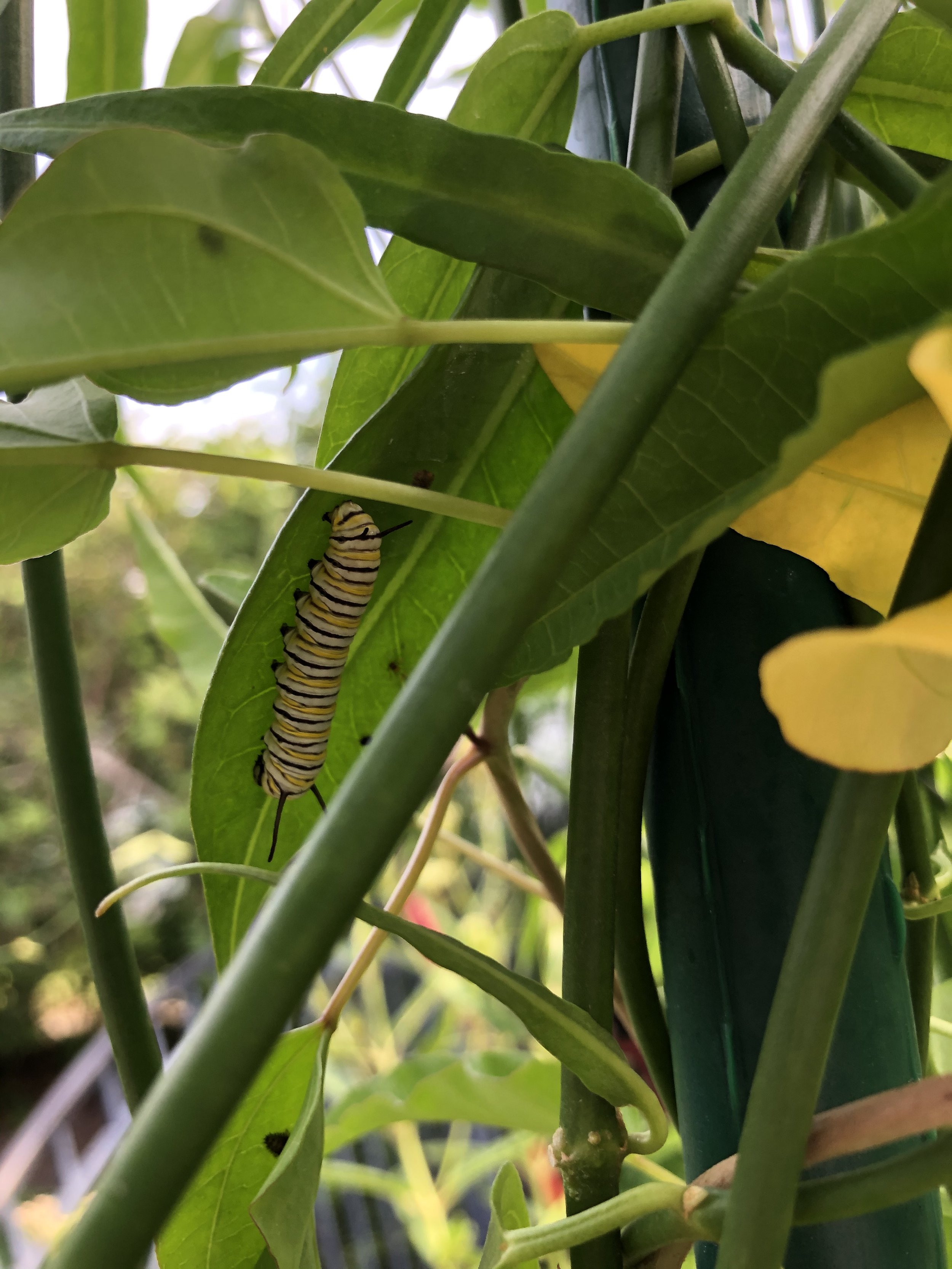
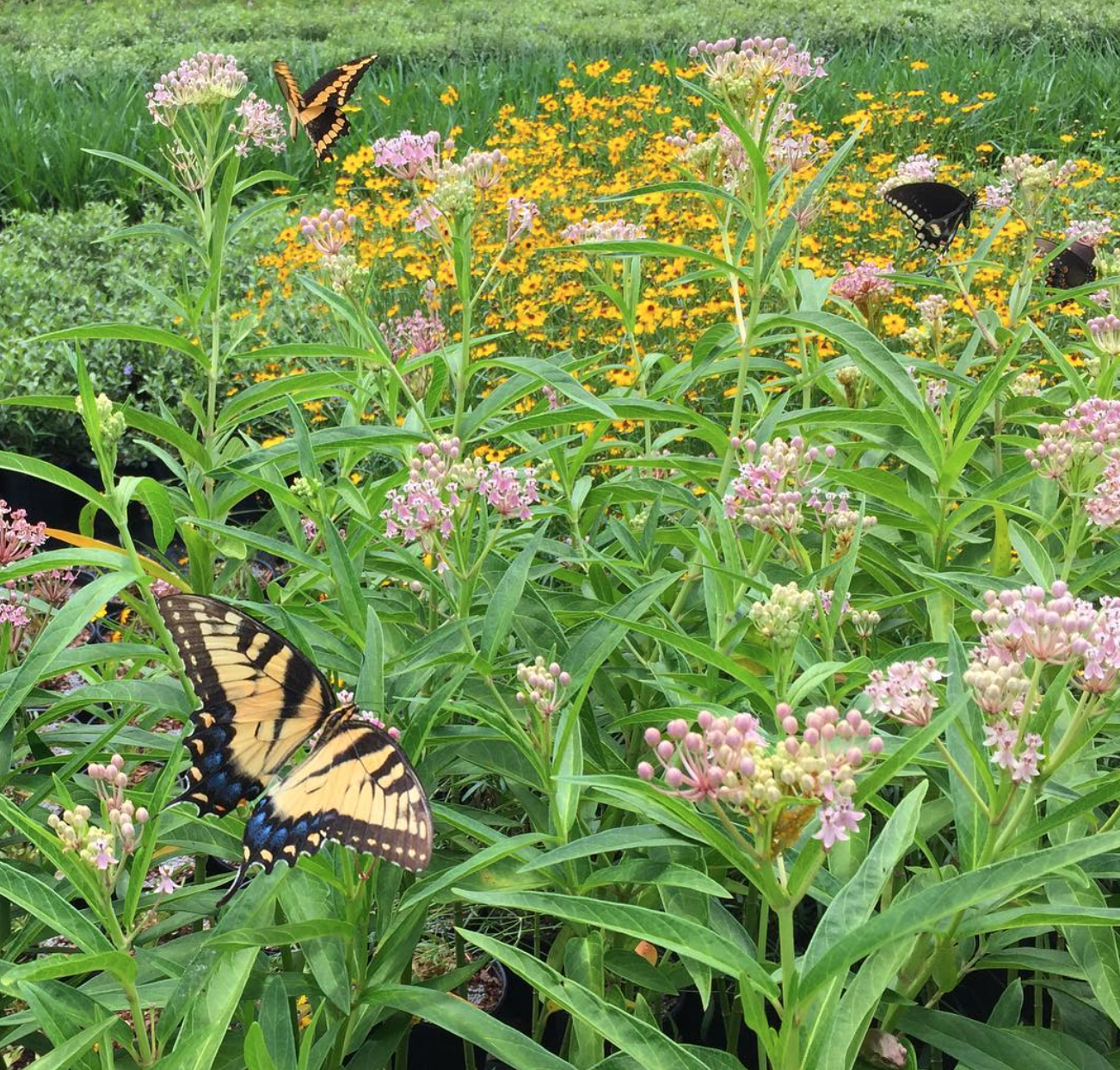
Pink Milkweed is a native, perennial, re-seeding, winter-dormant host plant for monarch and queen butterflies. Its foliage dies back in the winter and returns in the spring. It prefers moist soil conditions but can be grown in containers if kept moist. It is one of the most hardy of the native milkweeds for Florida gardeners to grow.
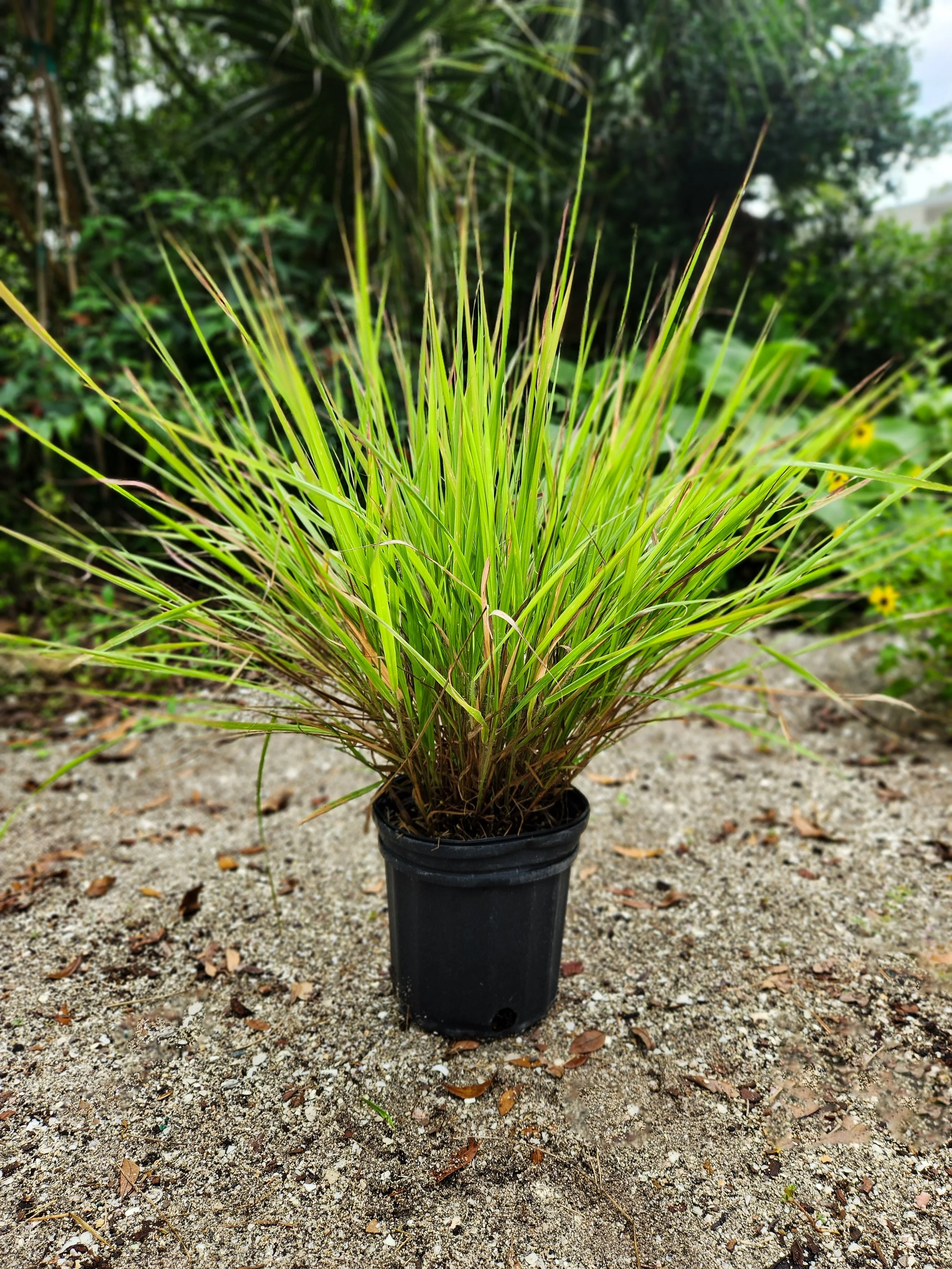
Eragrostis spectabilis
Purple Lovegrass is a warm-season bunchgrass native to eastern and central North America that forms low, mounding clumps 1’-2’ tall and wide. This drought-tolerant species features flat, blue-green basal leaves topped by airy, delicate flower panicles that create a stunning purple-pink haze above the foliage in late summer. Extremely hardy and well-suited for hot, dry conditions, it thrives in sandy or gravelly soils, where few other plants can survive, and spreads slowly by short rhizomes and self-seeding. Found naturally in abandoned fields, roadsides, dry prairies, and upland savannas from Maine to Florida, it serves as an excellent ornamental grass for xeriscaping and naturalized plantings, providing late-season color and texture to challenging sites.
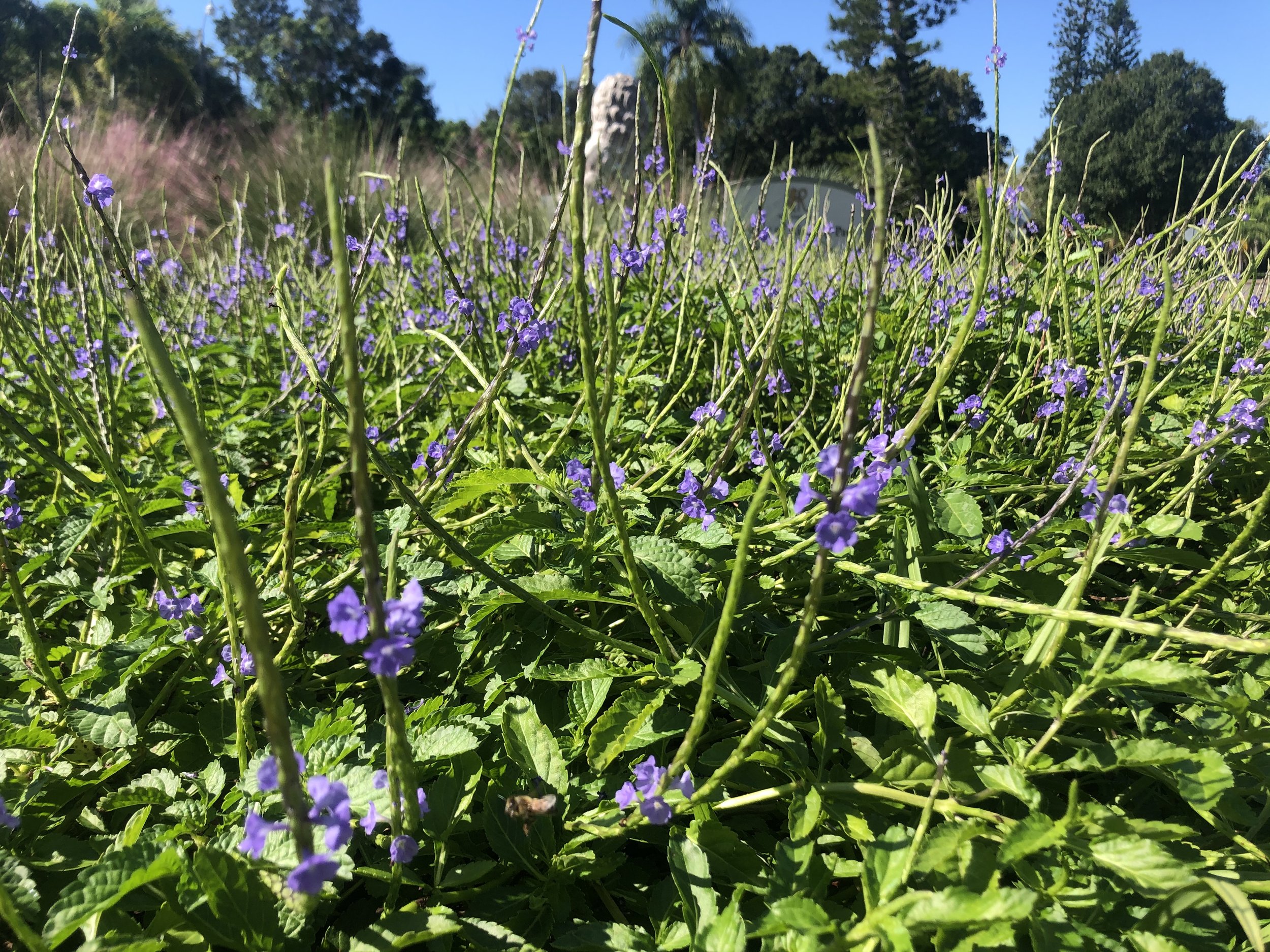

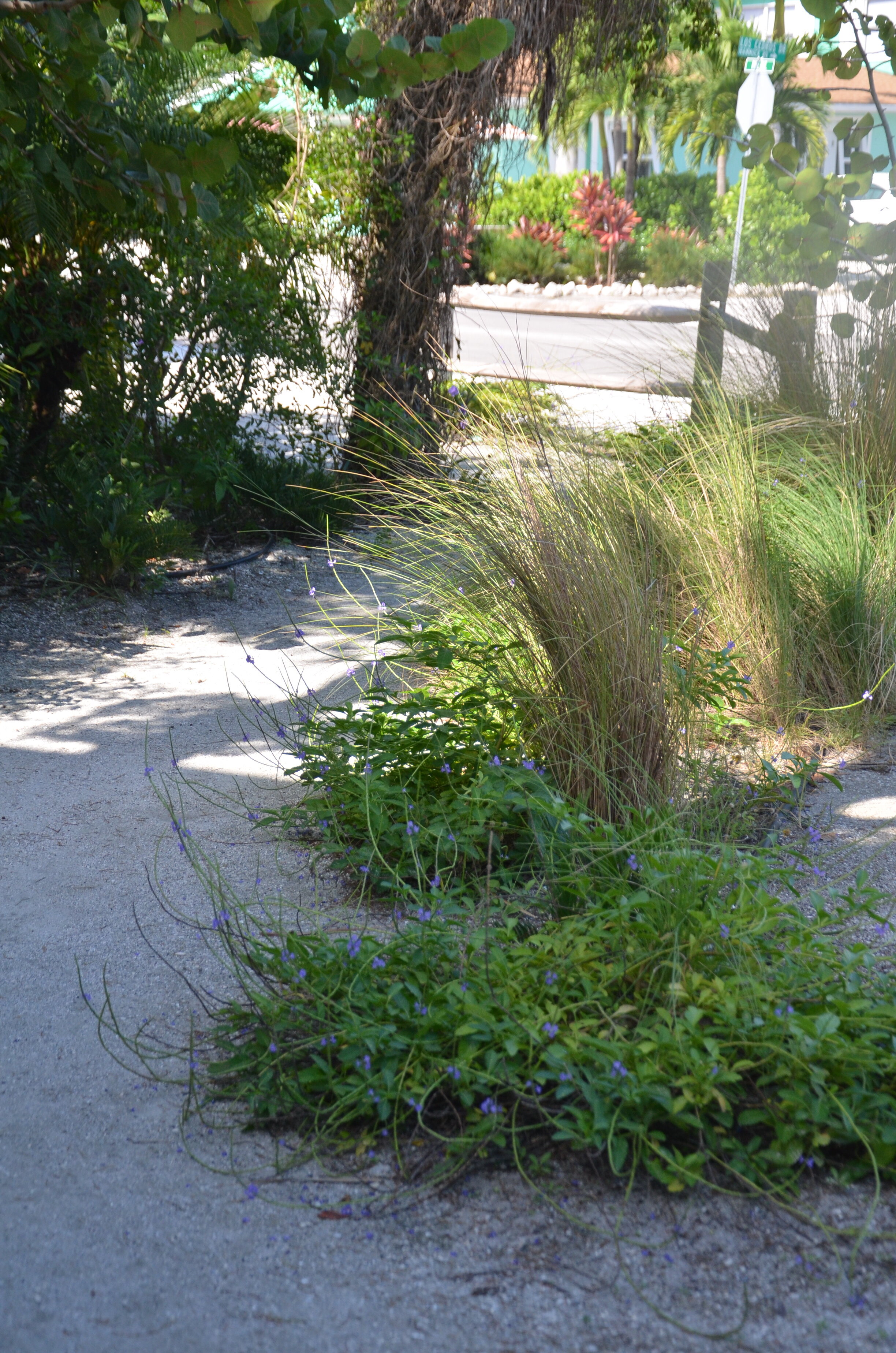
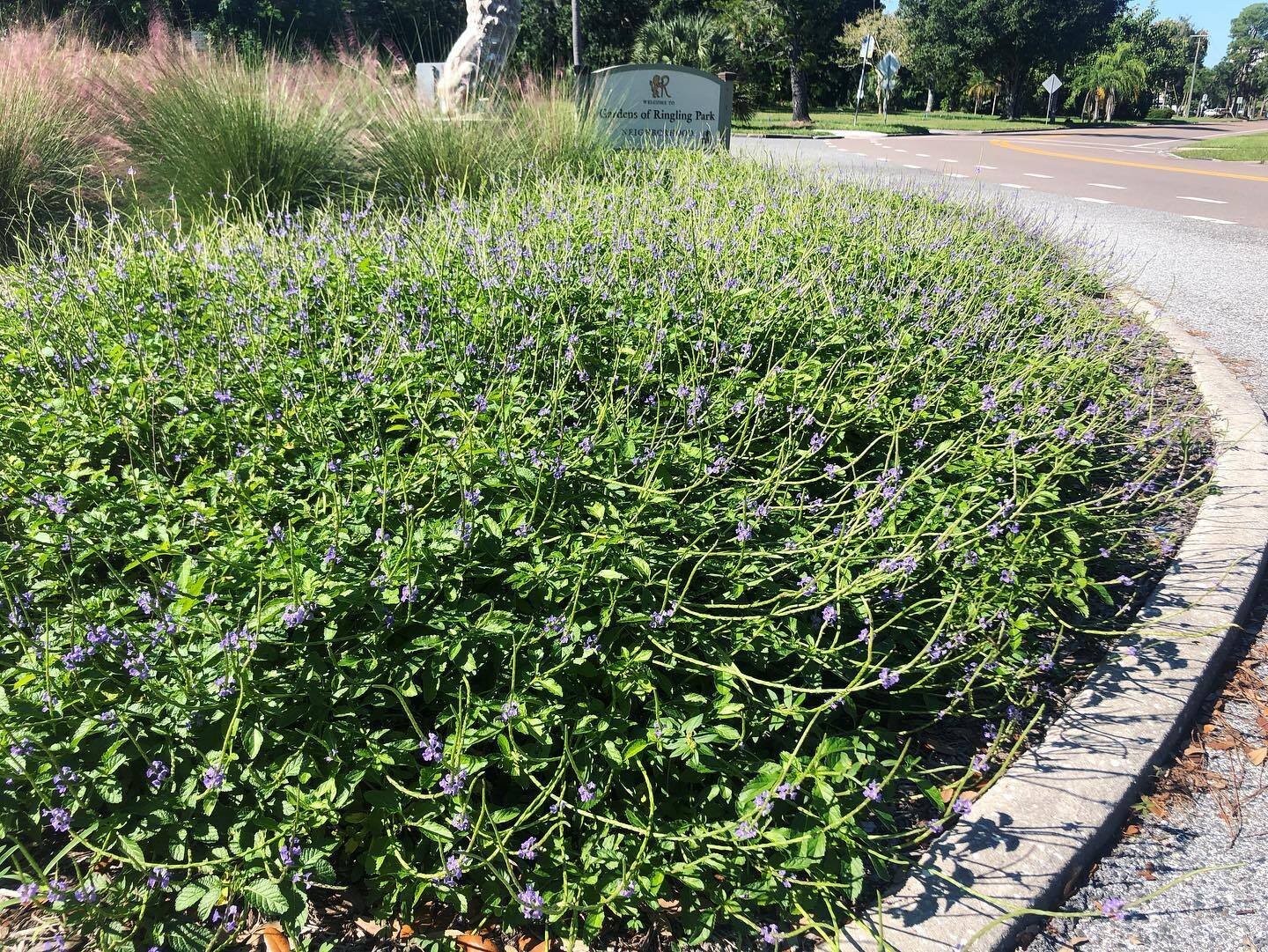
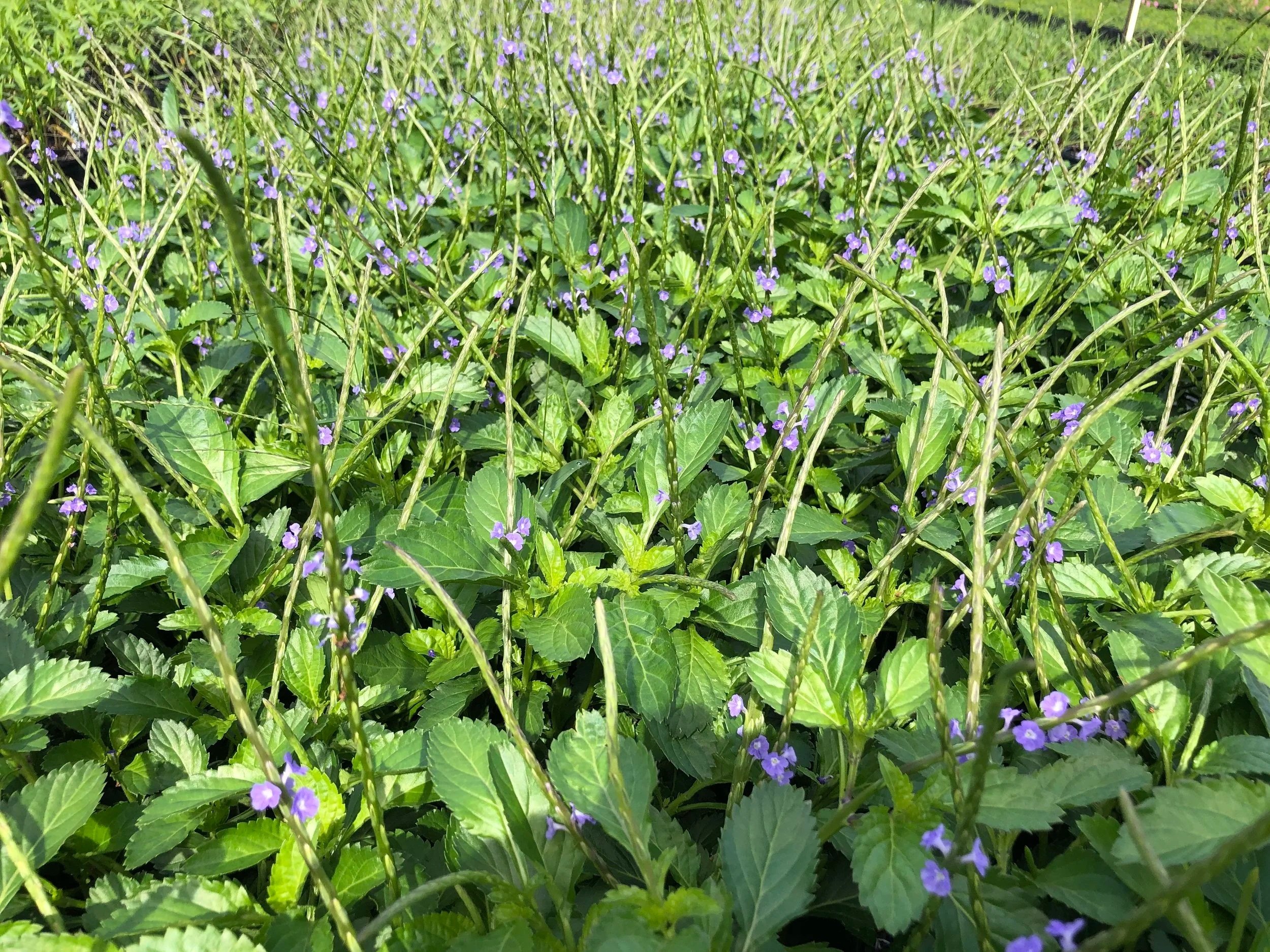
Stachytarpheta jamaicensis
Blue Porterweed is the only porterweed native to Florida. It is a low-growing plant, typically reaching 1 to 2 feet tall, that thrives in full sun or light shade. It is highly drought-tolerant and grows well in average to dry soils. This plant is a favorite for local wildlife. It serves as the primary food source for Tropical Buckeye caterpillars and provides nectar for many other butterflies and hummingbirds. Its unique, spike-like purple flowers bloom year-round, making it a reliable and attractive addition to any low-maintenance garden.
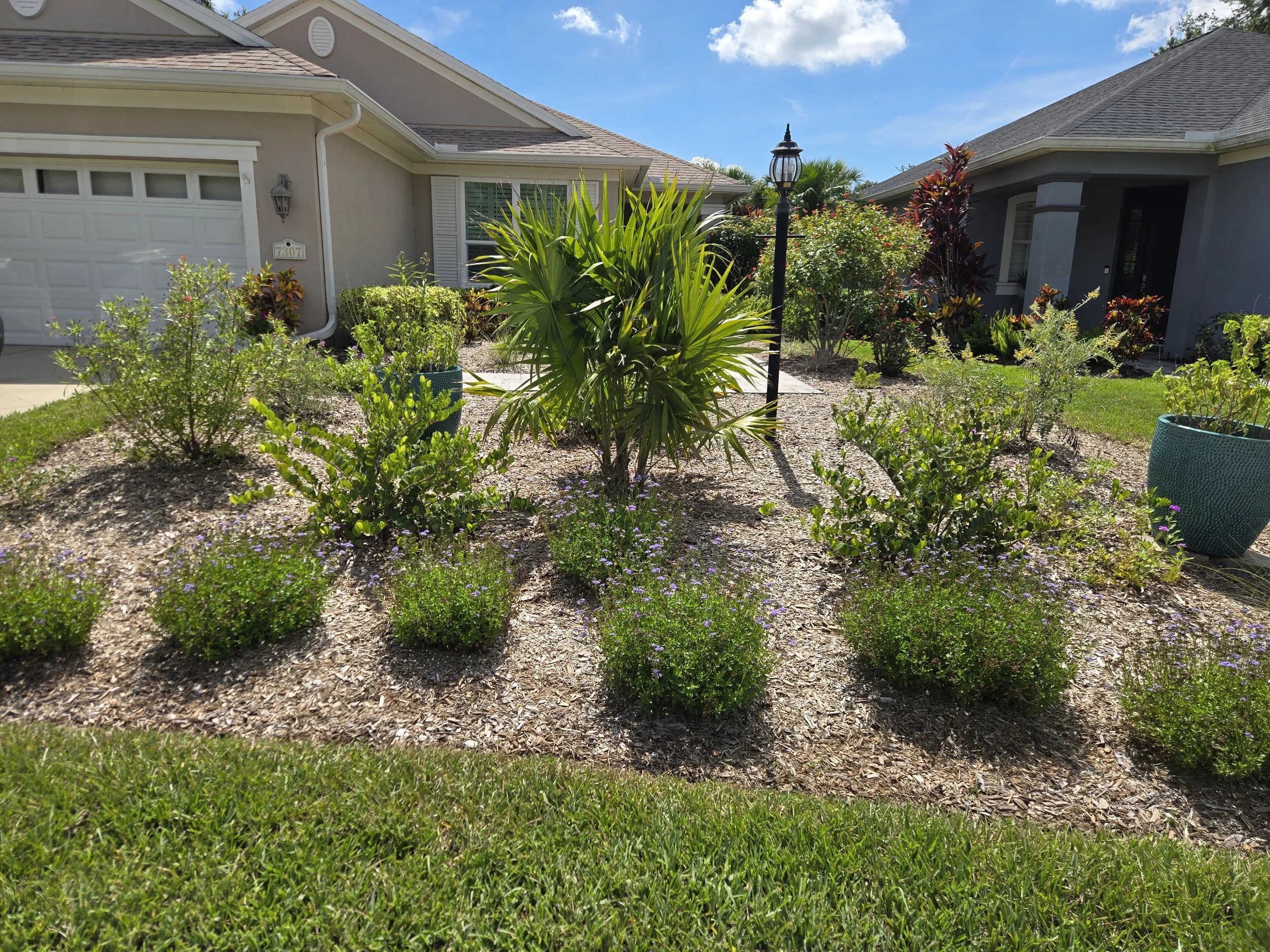
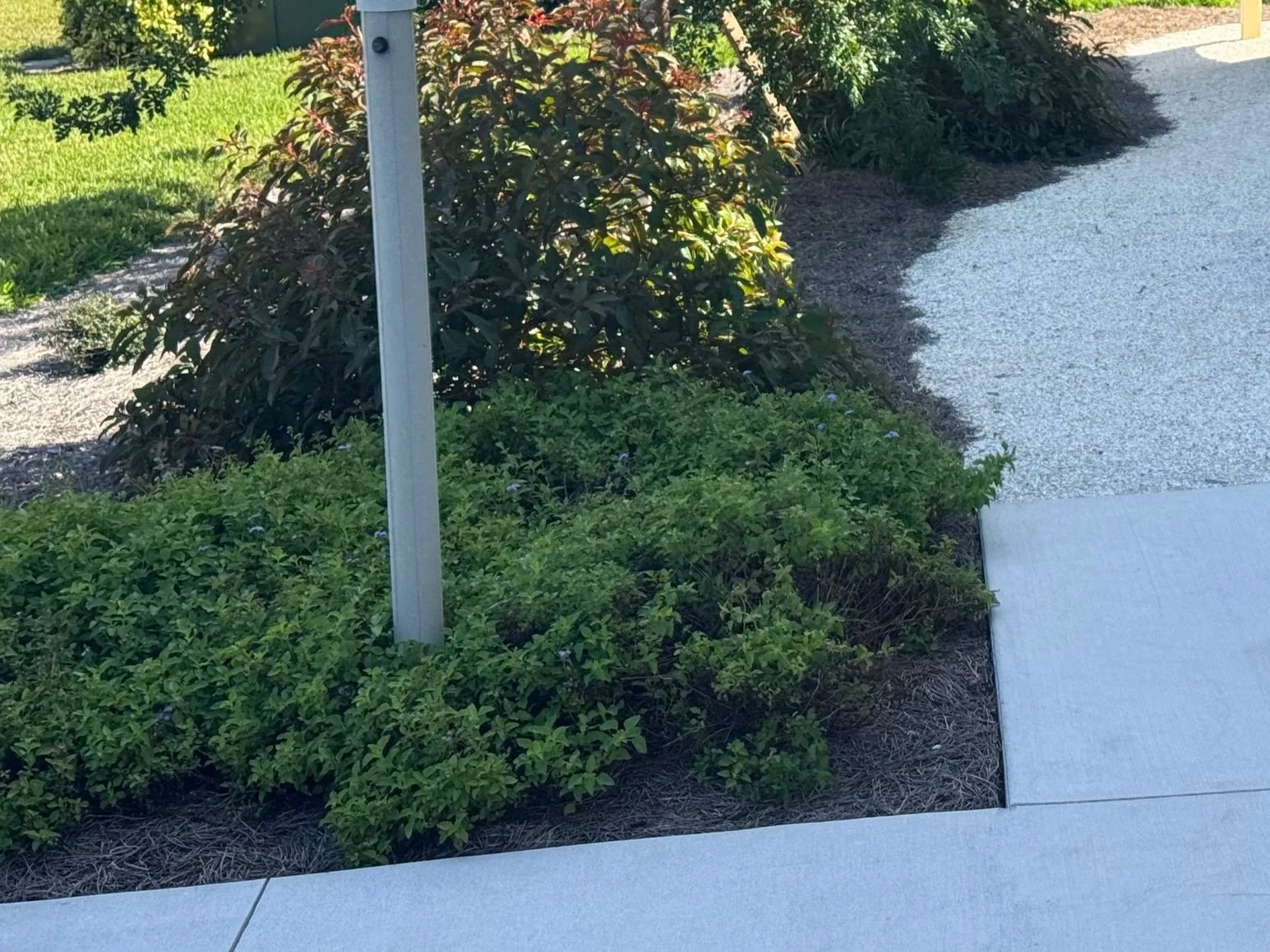
Ageratum maritimum
Seaside Mistlfower or Seaside Ageratum is a charming, low-growing wildflower native to Florida’s coastal habitats. Its soft, bluish-purple blooms attract butterflies and add color to sunny, sandy spots. Perfect for coastal landscape or pollinator gardens, this hardy plant thrives in salty, well-drained conditions.
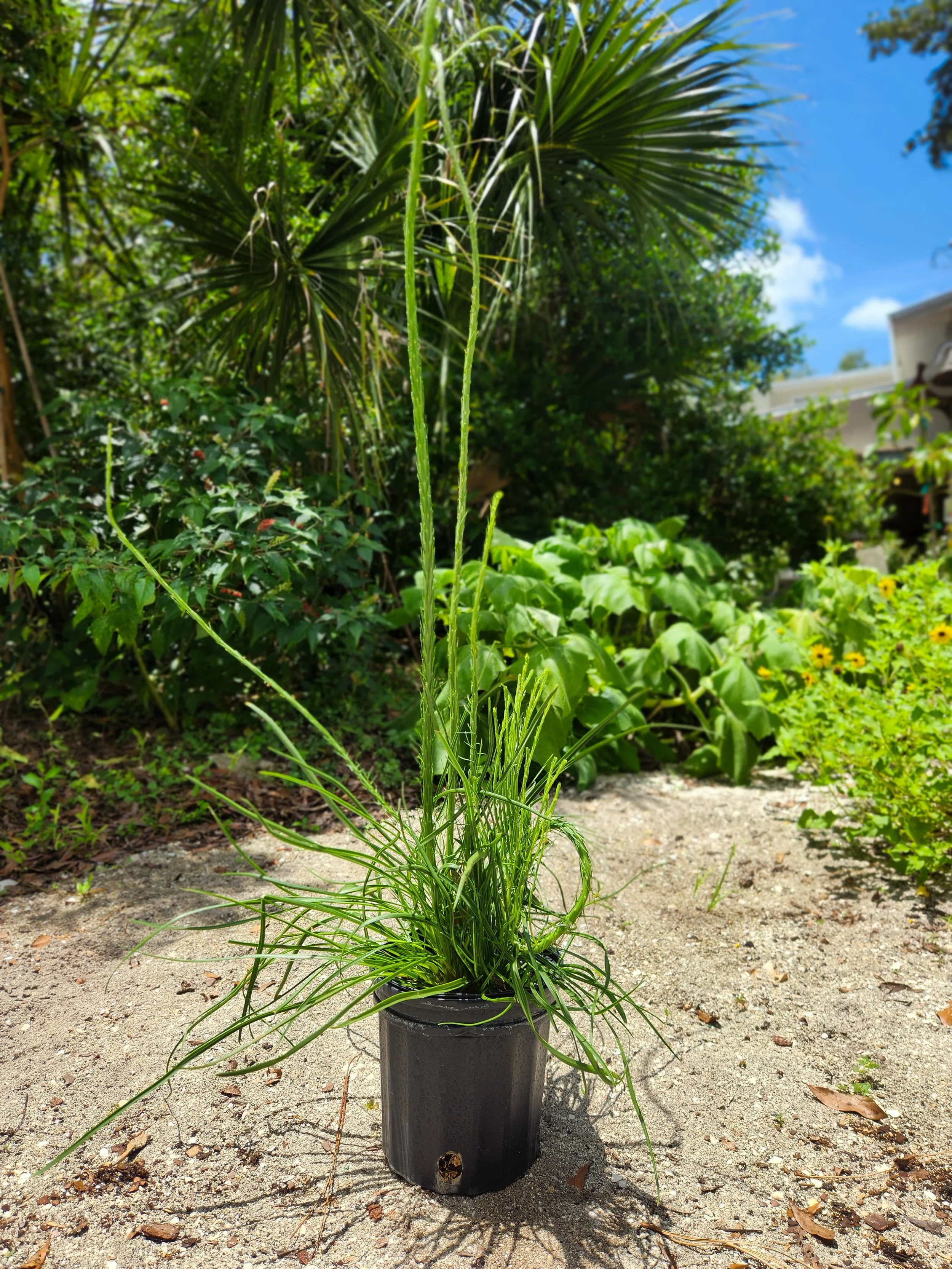
Liatris tenuifolia
Love the idea of Blazing Star but have a super dry, hot yard without irrigation? Try Shortleaf Blazing Star! A statement wildflower for the fall season! This wildflower is unapologetically bold with tall, electric purple spikes that strut through like they own the garden. It is the life of the pollinator party with the amount of bees and butterflies it attracts. If your landscape needs a little drama and a whole lot of fabulous, this is the wildflower you've been waiting for.
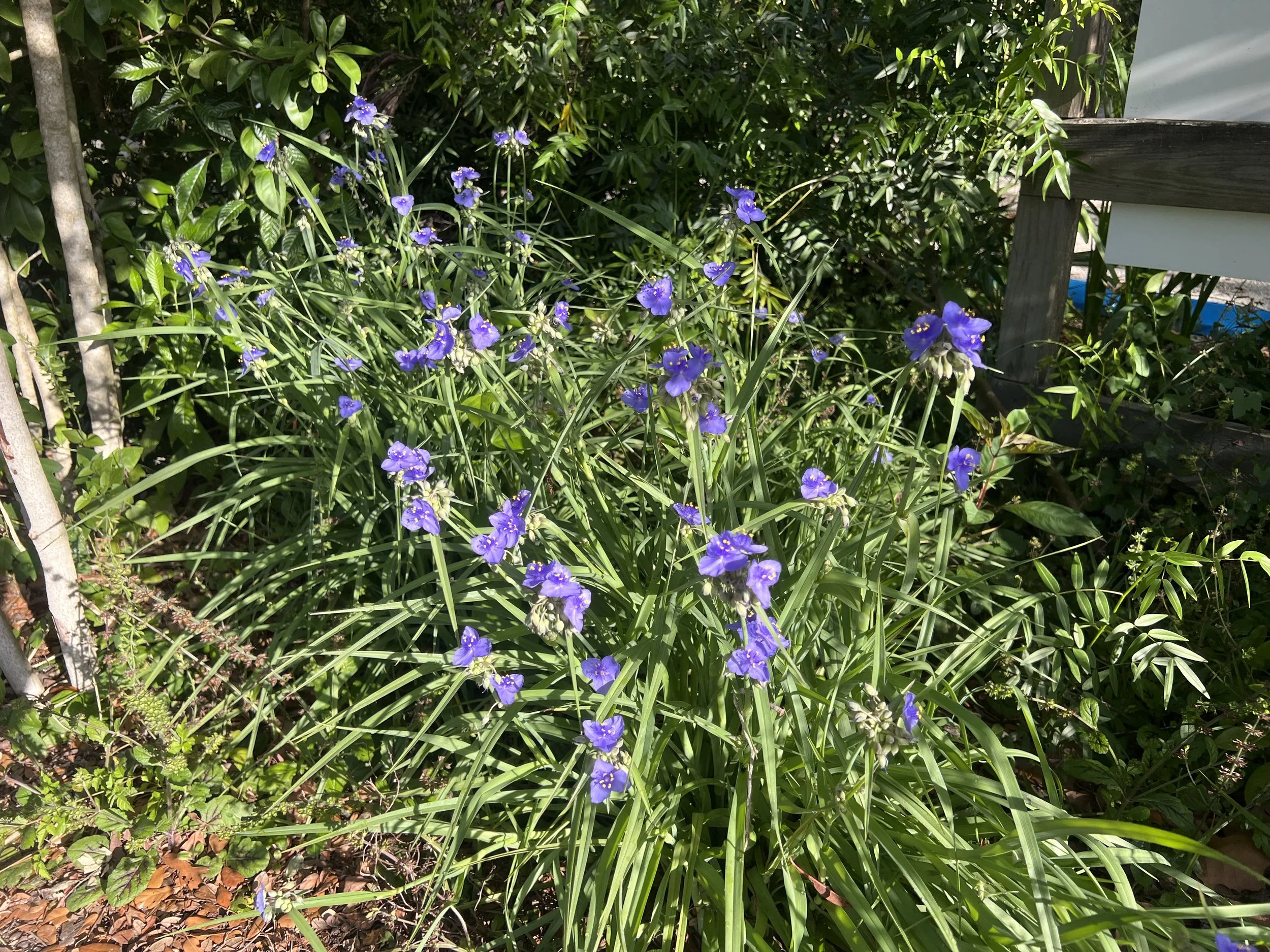
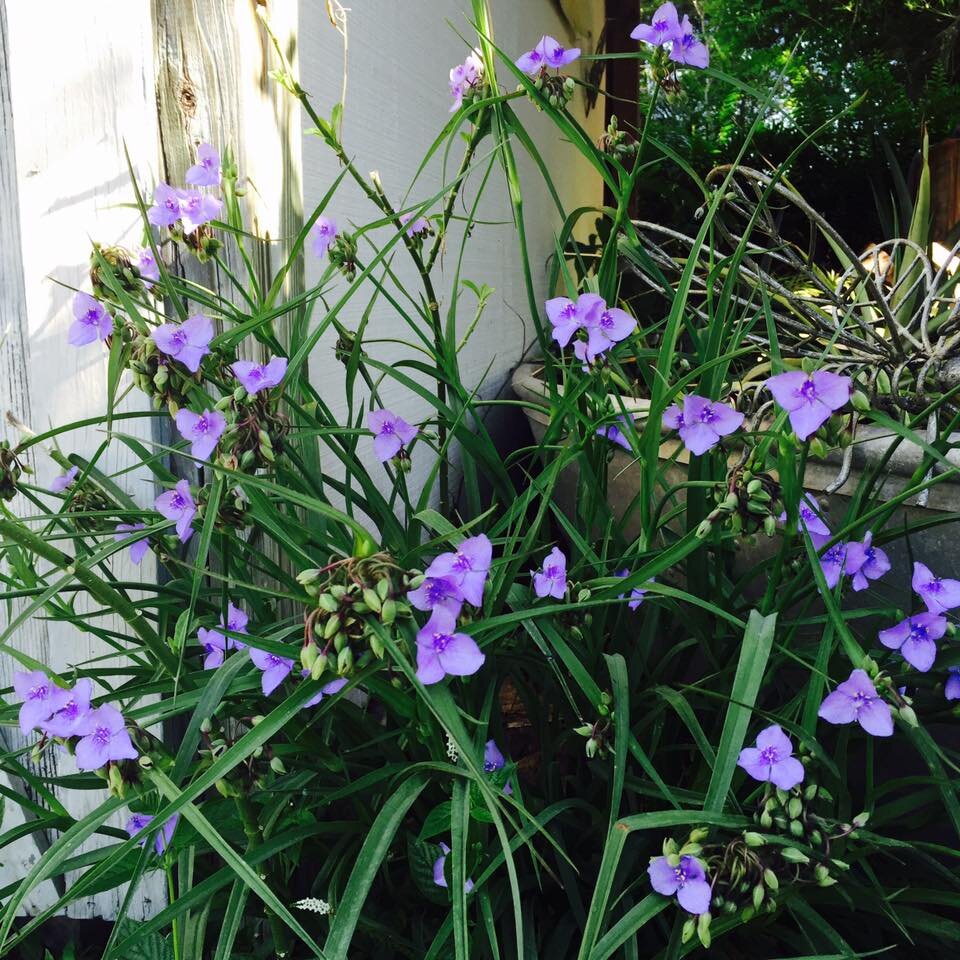
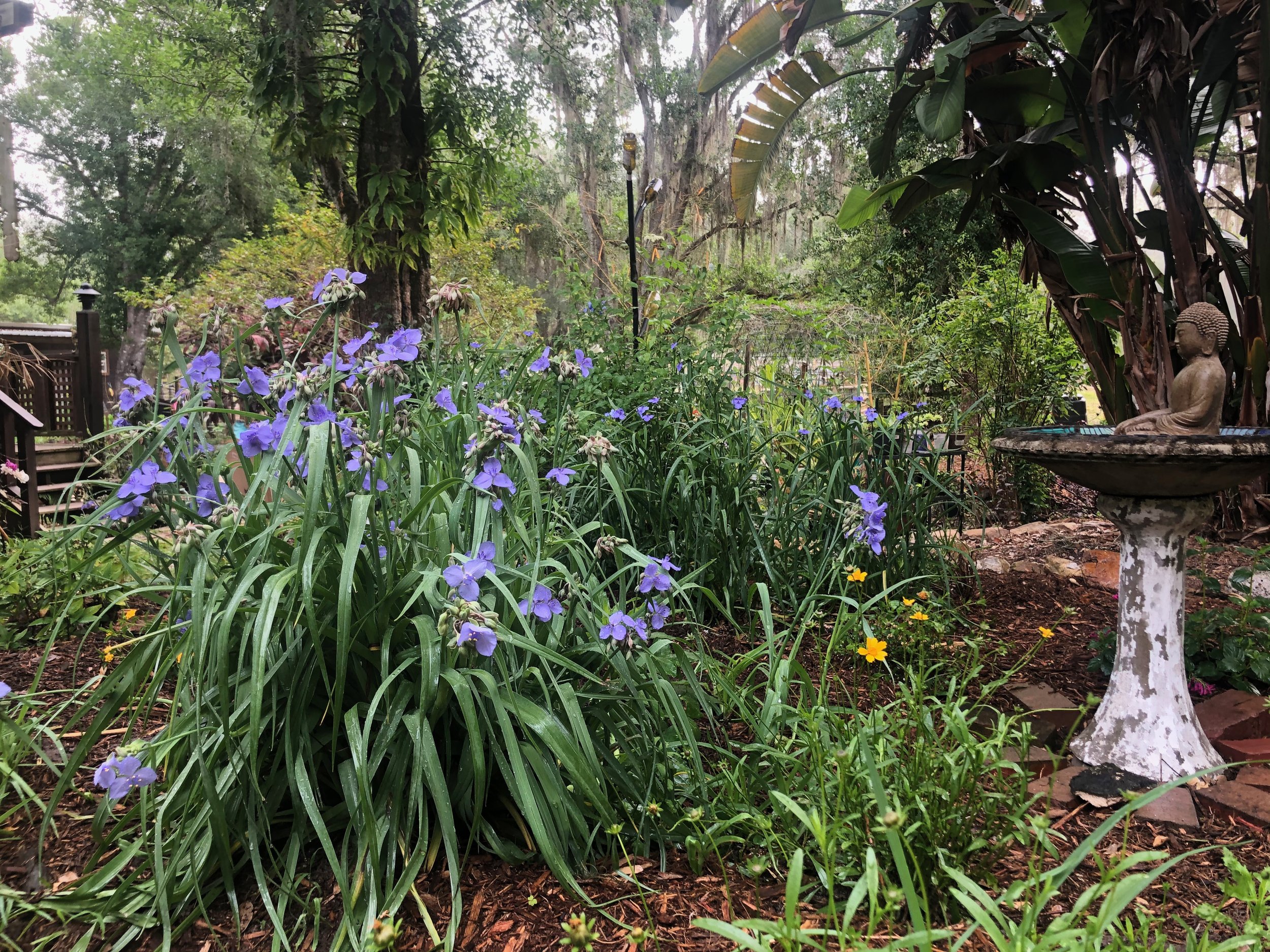
Tradescantia ohiensis
This commonly known wildflower is widespread across the east of the United States in woodlands and forests. It likes part sun to full sun with well-draining soils with average moisture and can grow 2’-4’. Its delicate blue flowers are a pop of color in any garden and attract a variety of native pollinators.

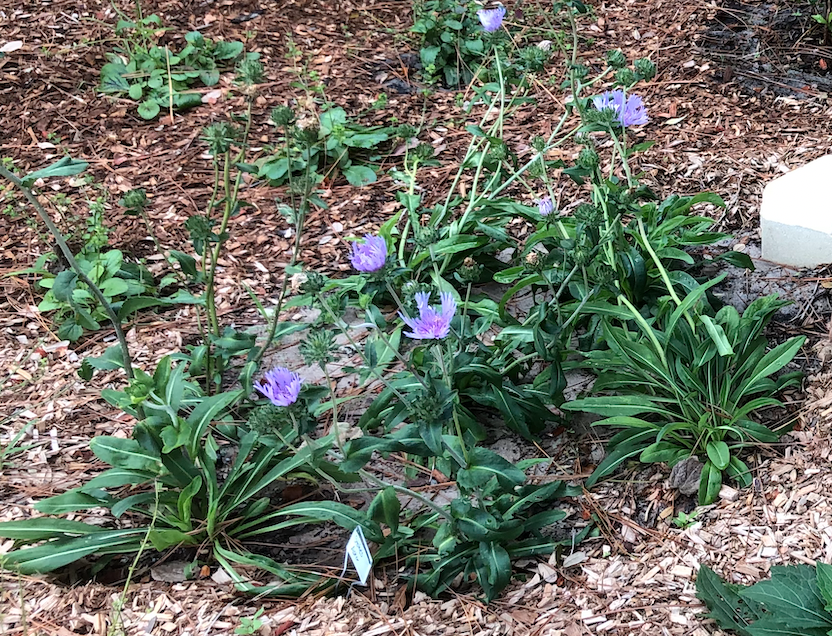
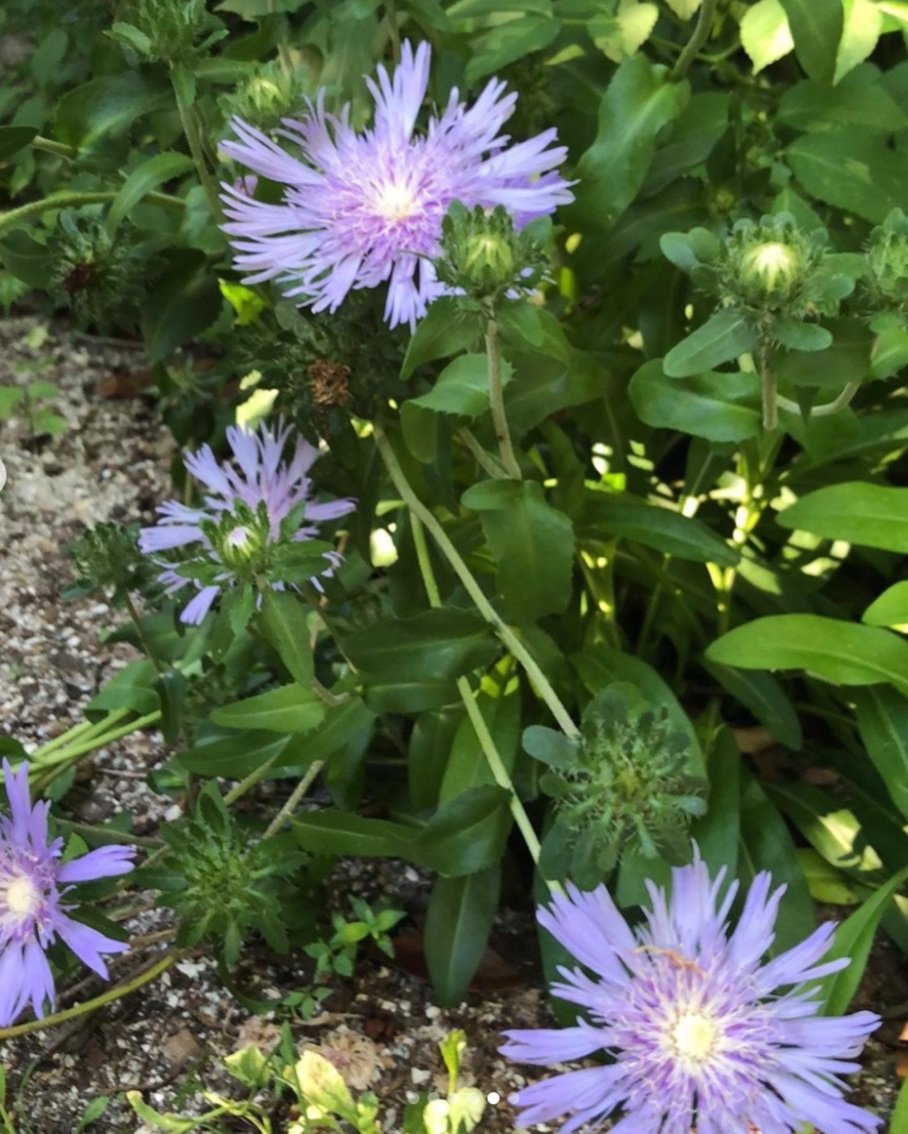
Stokesia laevis
Stokes’ Aster is a hardy, 1’–2’ perennial known for its large, fringed purple-blue flowers. It is a reliable bloomer that provides color from spring all the way through fall. This plant thrives in part sun and prefers moist, well-drained soil. It grows in tidy clumps that are easy to divide every few years. It’s a great choice for borders and is excellent at attracting bees and butterflies.
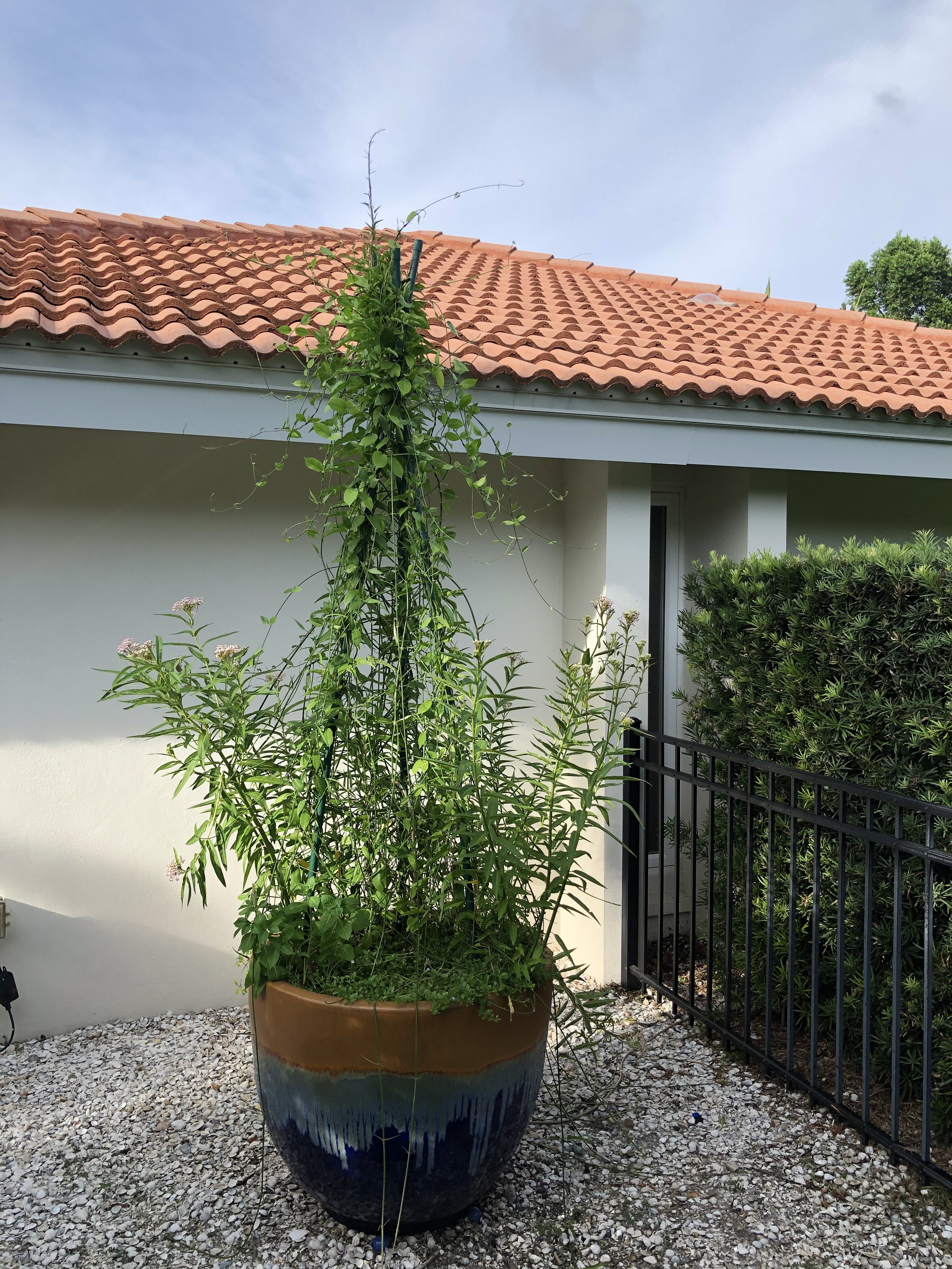
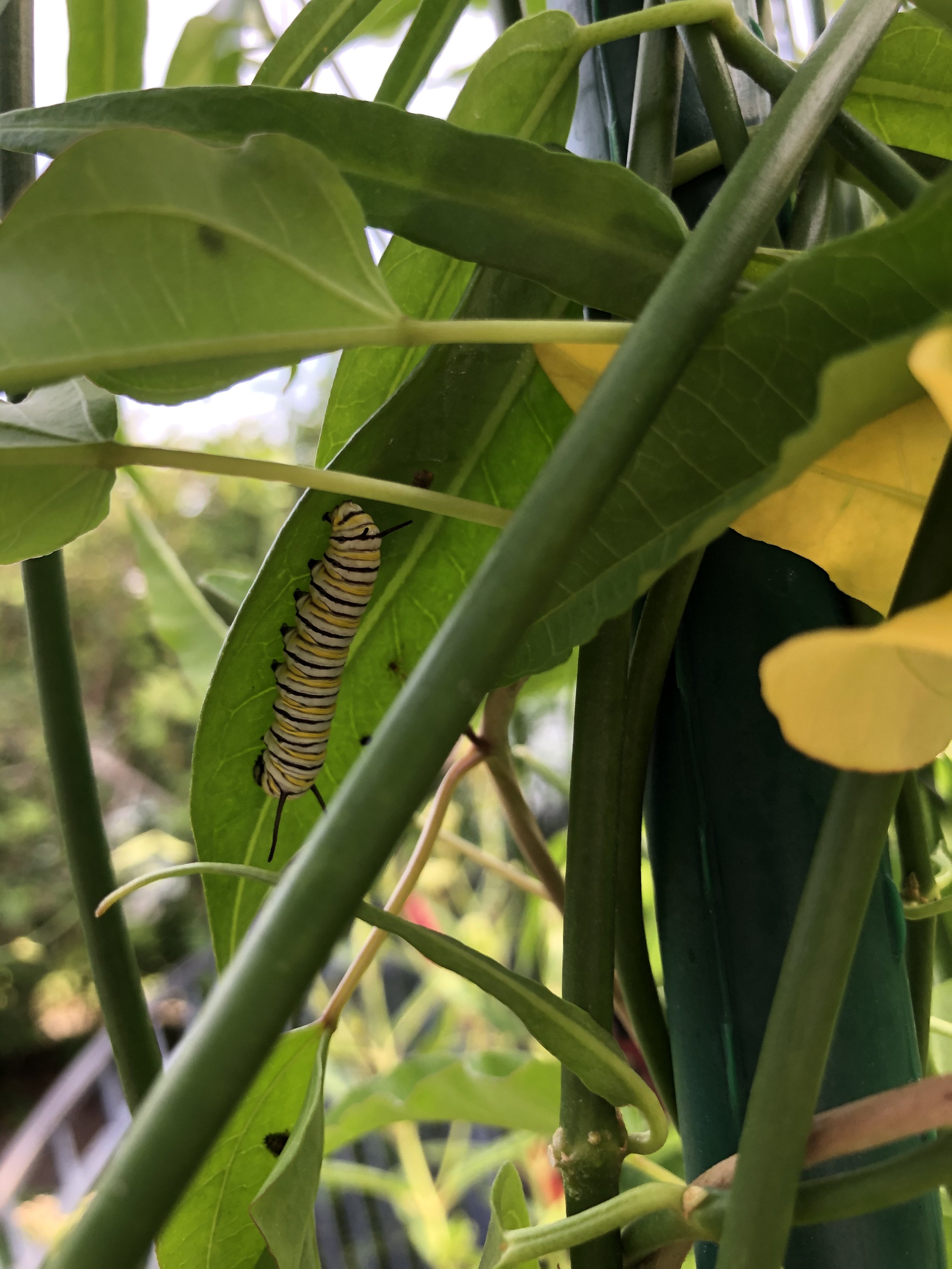
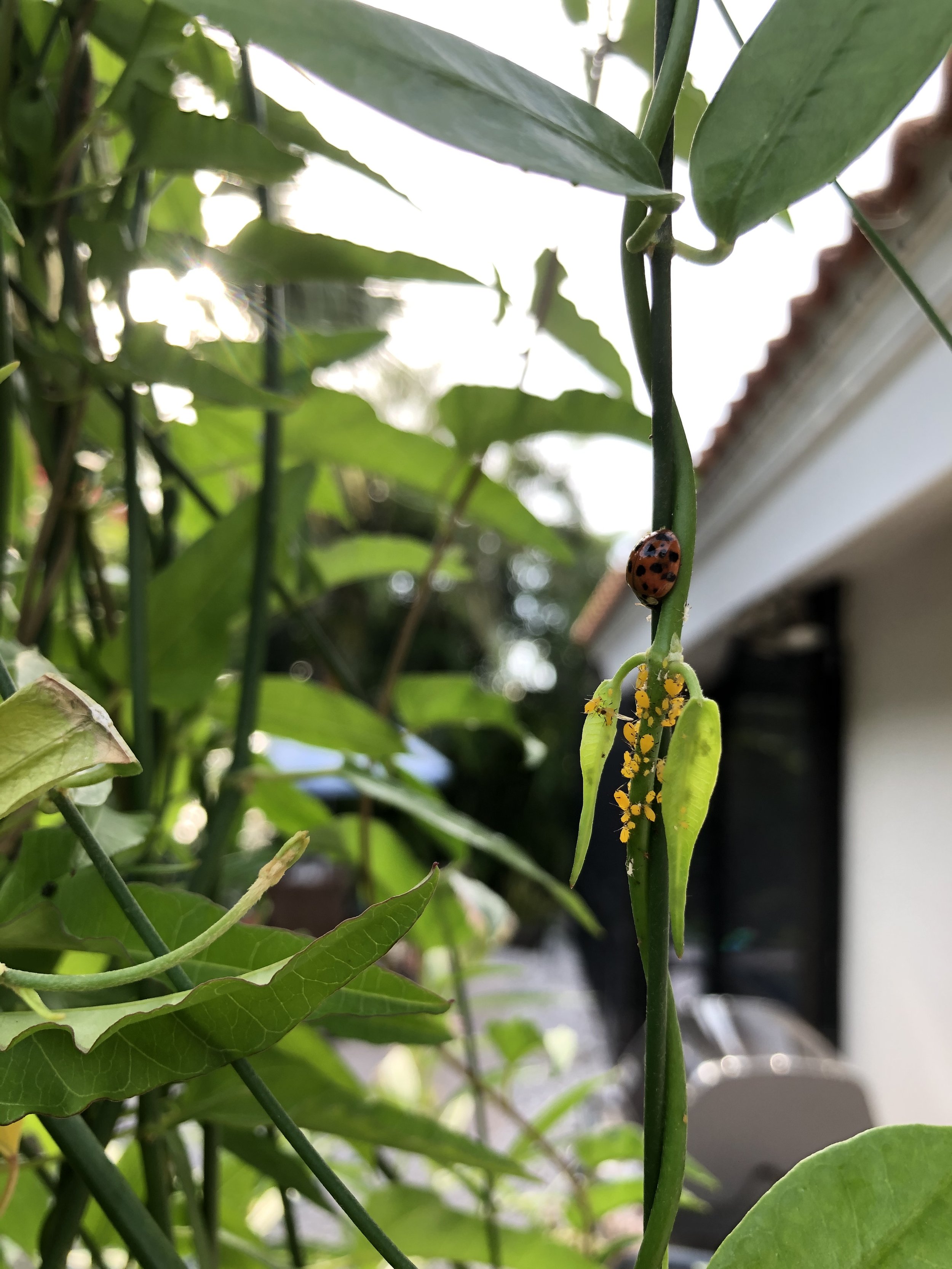
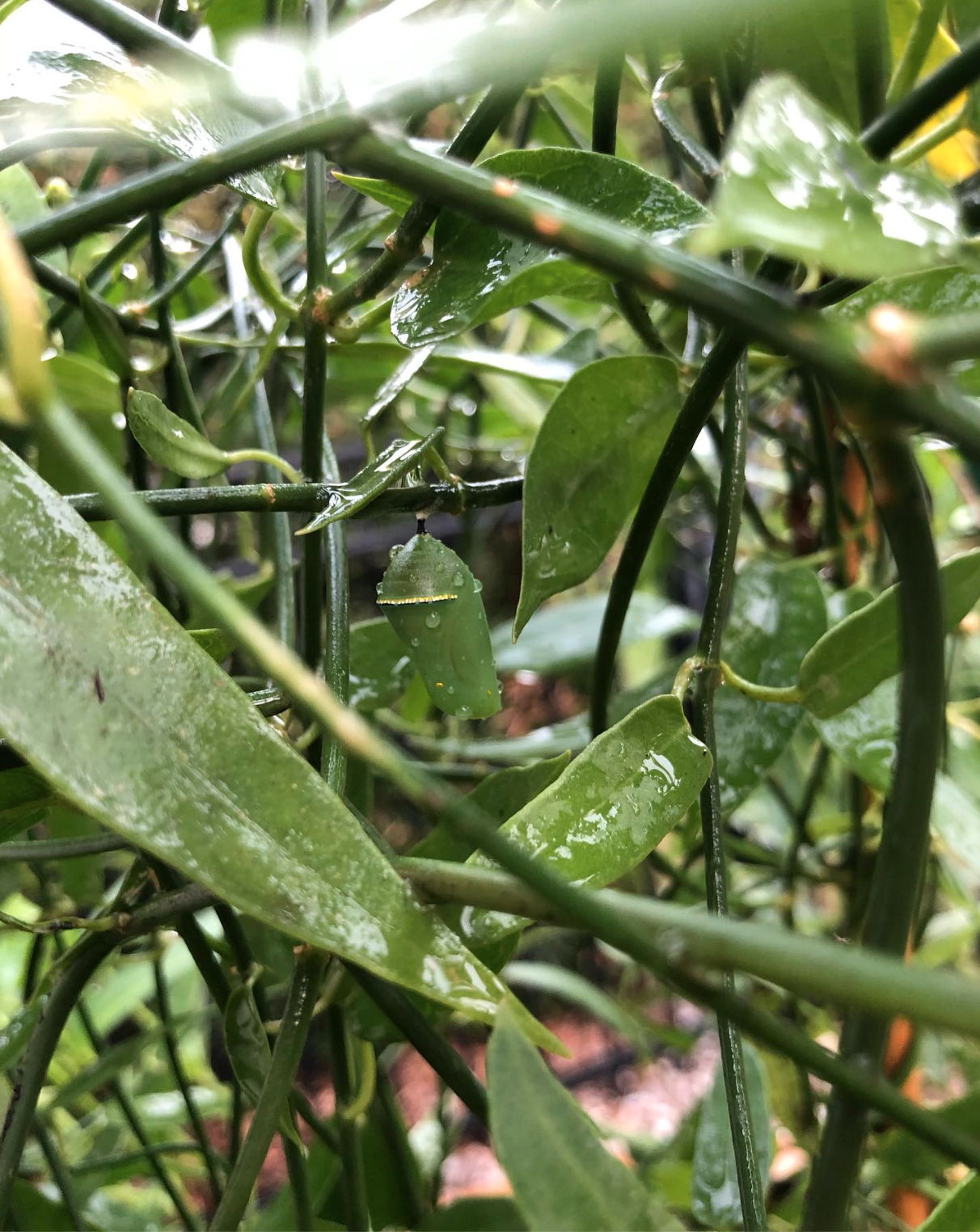
Funastrum clausum
Twine Vine is a native perennial flowering vine that is planted in butterfly gardens. It is a year-round host plant for monarch, queen and soldier butterflies as well as a nectar source for many other butterflies and pollinators. It prefers moist to average soils and can be grown well in a container to control its growth. It’s showy clusters of white flowers can bloom year round.
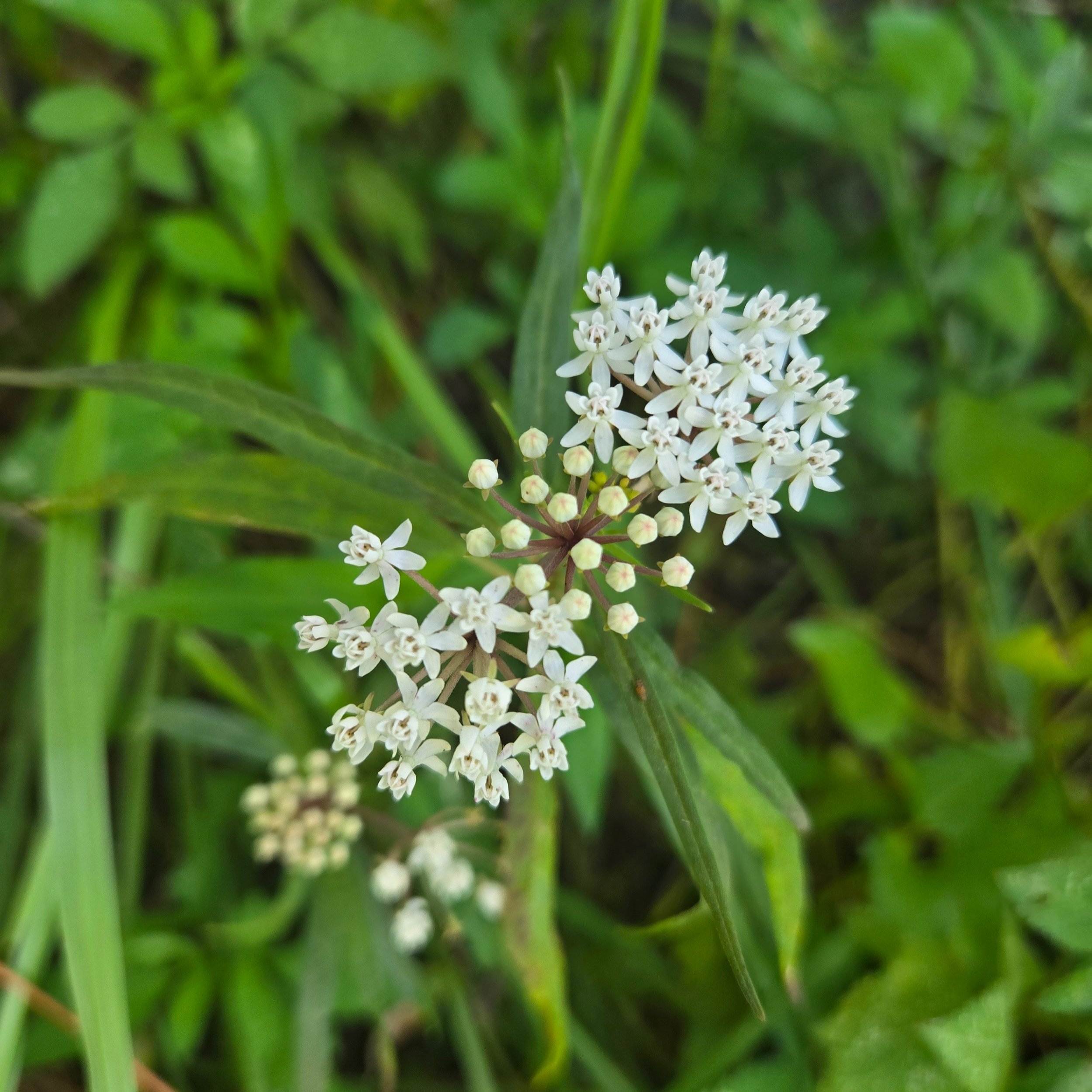

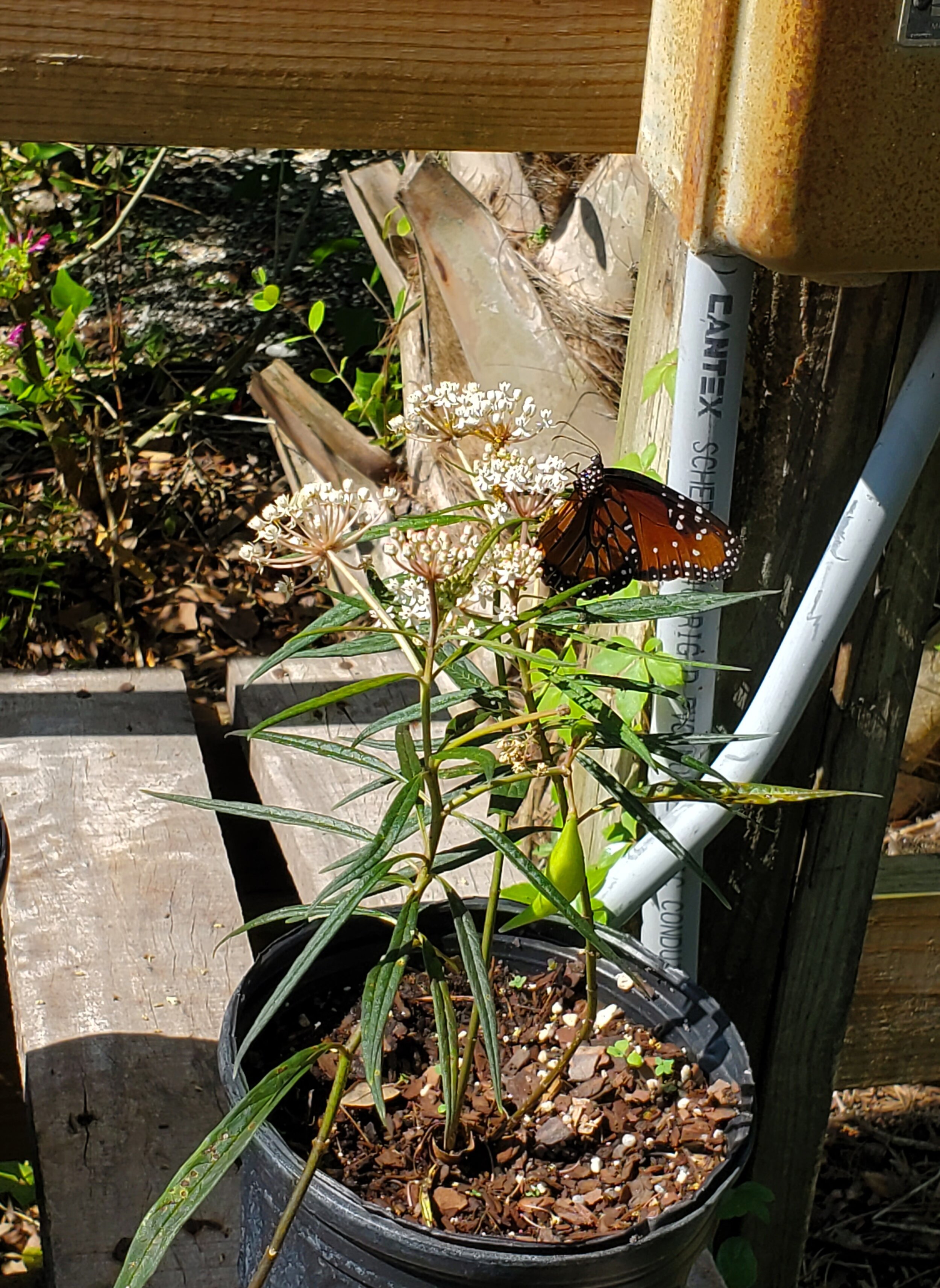
Asclepias perennis
aka Aquatic Milkweed
A. perennis is a perennial, reseeding small wildflower that likes wetter conditions but if planted in shadier spots can be quite drought tolerant once established. It's white flowers bloom from spring though fall and serve as a nectar source for many pollinators. As a native milkweed, this plant is a well-known host for Monarch and Queen butterflies, but it also serves as a host plant for a few cool moths and unique to this genus bugs. A. perennis works well in butterfly gardens, along pond edges and in containers.


Viola sororia
Common Violet is a stemless, rhizomatous perennial native to Florida. This low-growing species features glossy, heart-shaped leaves that are edible. It produces attractive white flowers with some blue veining that bloom in mid-spring and in winter. It thrives in moist, rich soils and dappled sunlight but adapts to various light conditions and soil types. Known for spreading to form pollinator-friendly ground cover it's valued for naturalizing in woodland gardens and shaded areas.
No results match your search. Try removing a few filters.