Hi Friends!
We offer PICK UP or LOCAL DELIVERY only (NO SHIPPING).
Thank you!
Thursday–Sunday, 10am–4pm | 941-322-1915
We offer PICK UP or LOCAL DELIVERY only (NO SHIPPING).
Thank you!
Thursday–Sunday, 10am–4pm | 941-322-1915
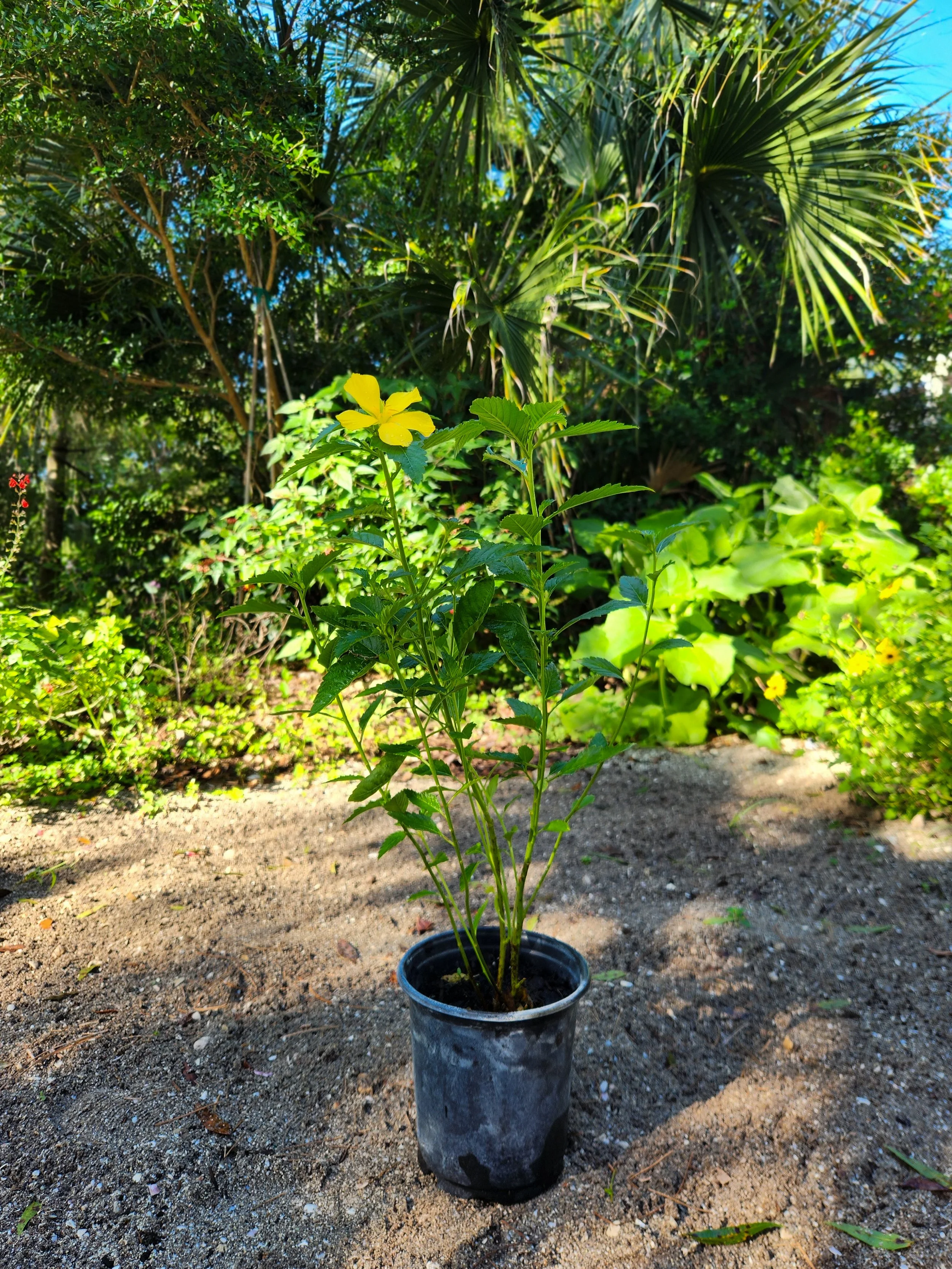
Turnera ulmifolia
Yellow Buttercup is a non-native, Florida-friendly perennial wildflower that grows best in full sun to partial shade and well-draining sandy soil. It can grow to be 2’-3’ tall with dark green, serrated leaves and bright yellow cup-shaped flowers that open in the morning and close in the afternoon. It is highly attractive to bees, butterflies, and other pollinators, and it is drought tolerant once established.
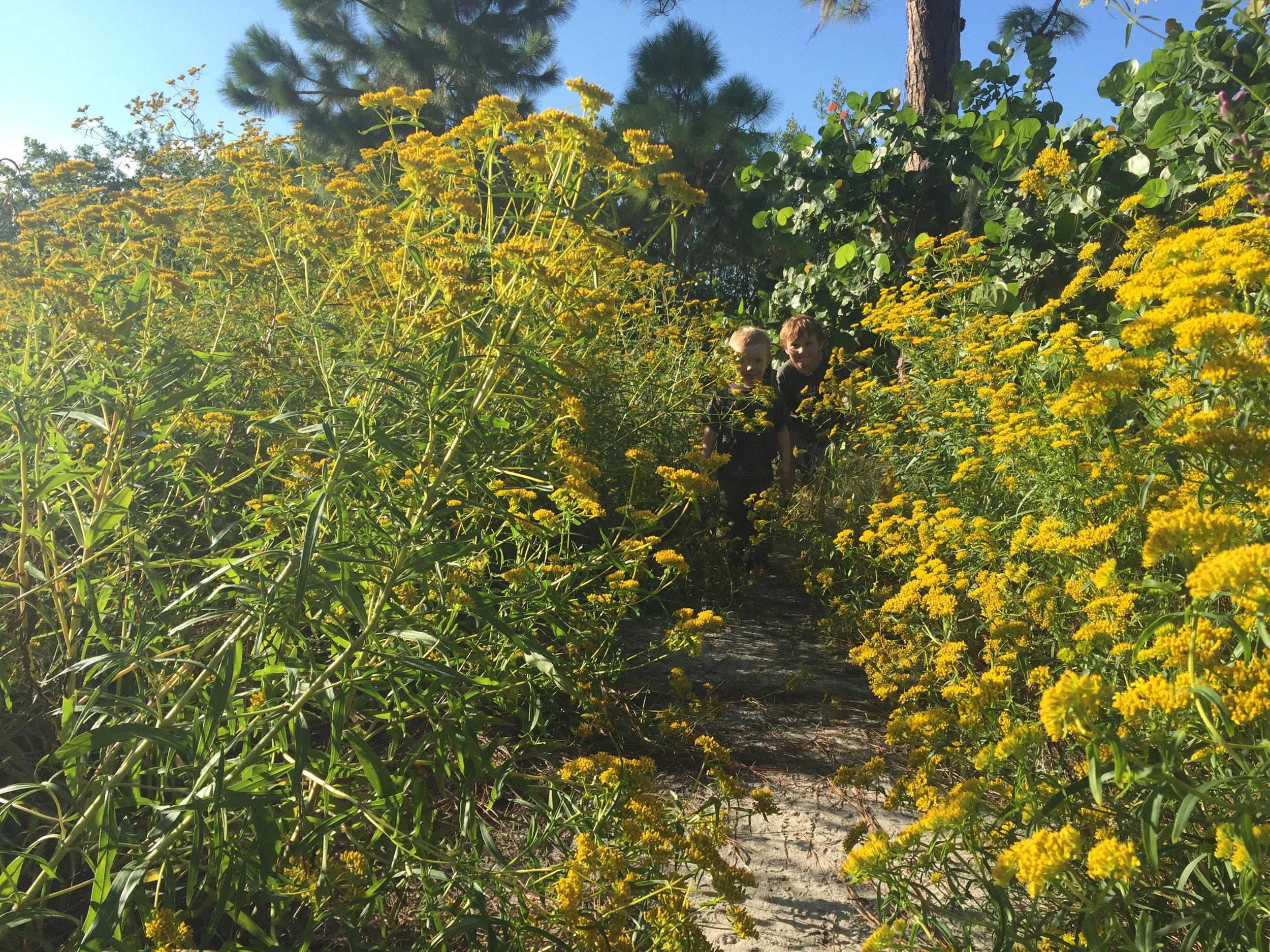
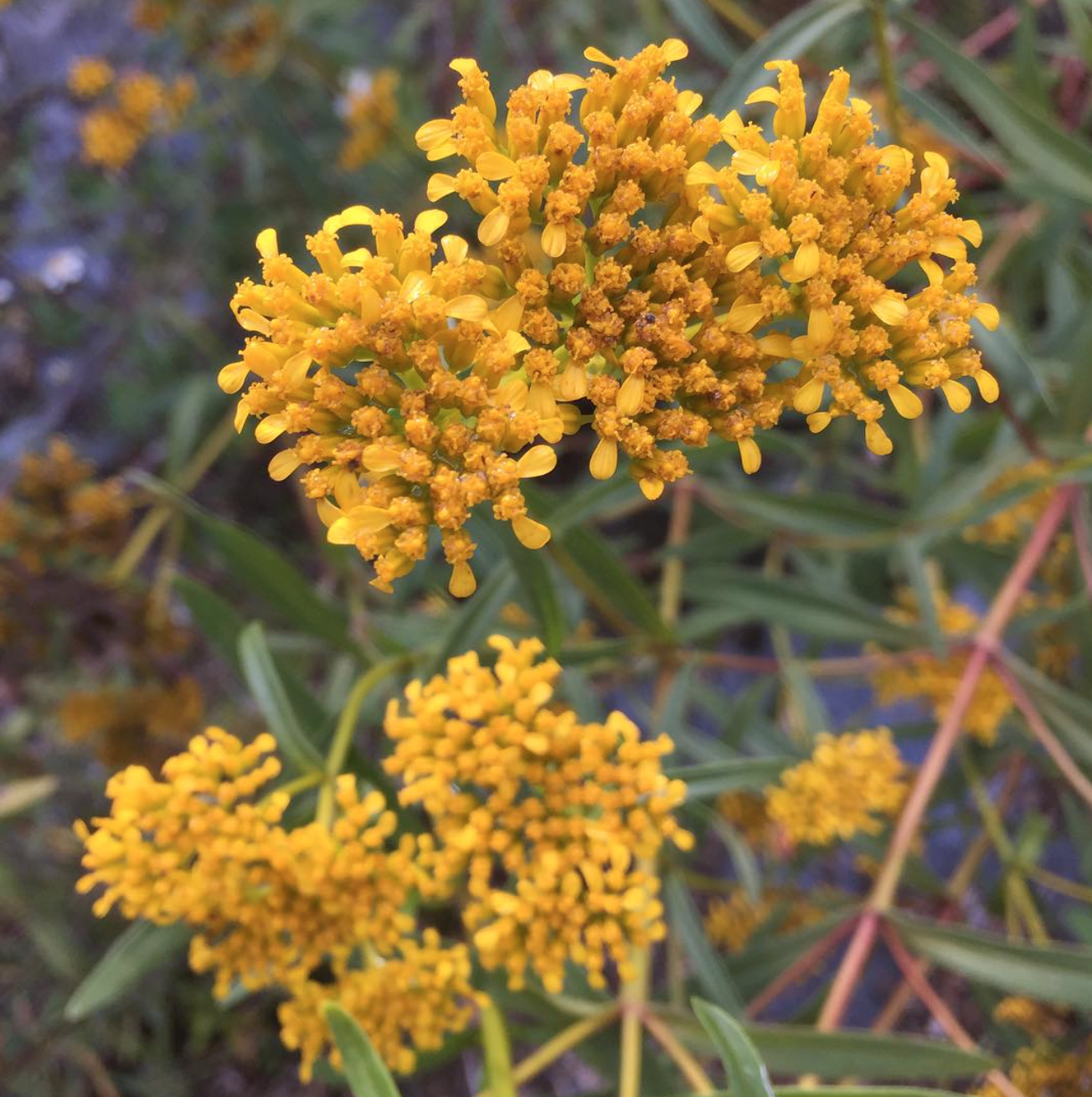
Flaveria linearis
Yellowtop is a perennial, shrub-like wildflower that can get 2’-3’ high. It can be trimmed back 1-2 times a year to keep a round and neat appearance. It is very hardy, easy-to-grow and it reseeds readily into irrigated gardens or gardens with naturally average to moist soil. It attracts numerous pollinators spring through fall and can be very showy.
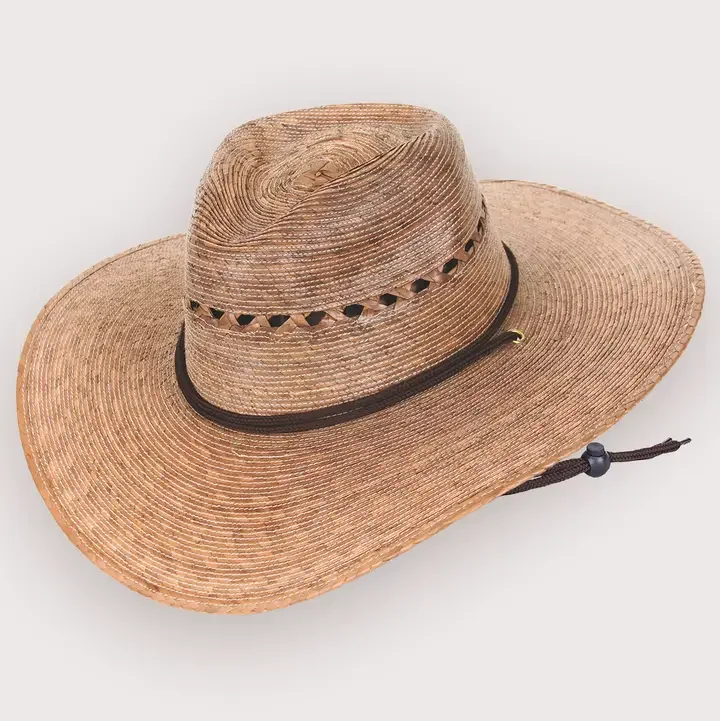
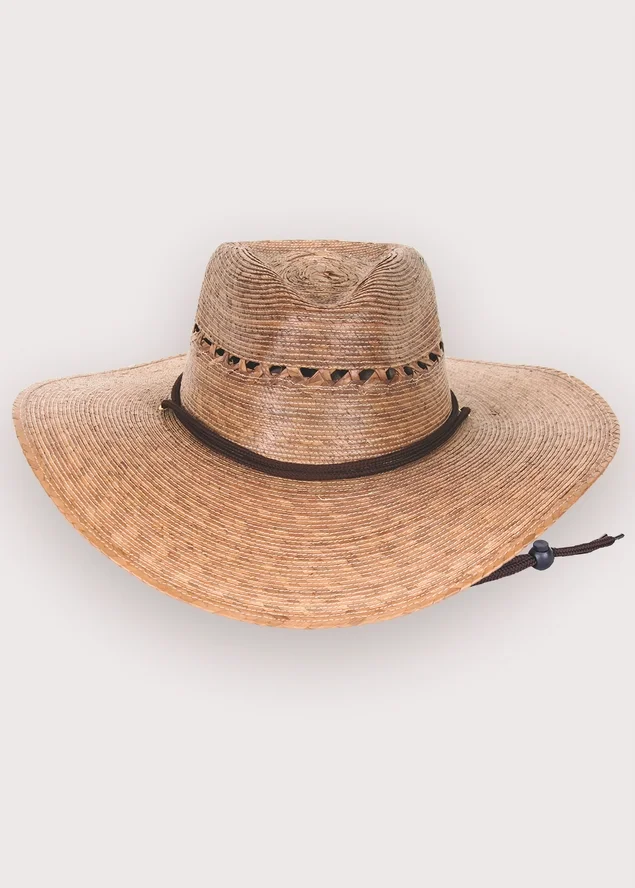
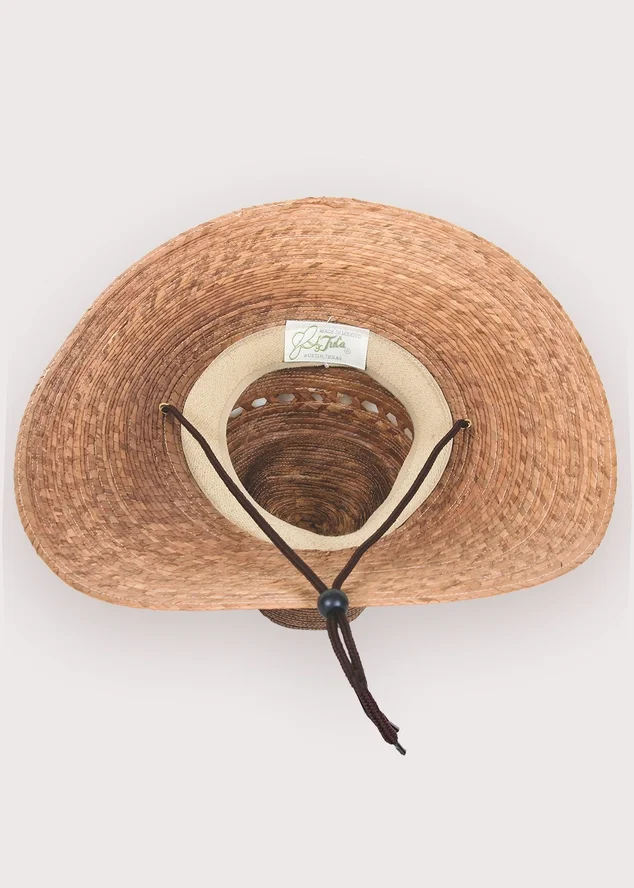
Hand woven palm hat, approximately 4" brim, elasticized inner band, nylon chinstrap. For over 30 years Tula has produced beautifully hand-woven UPF 50+ sun protective palm straw hats that unite the traditional art of weaving with contemporary hat design. Tula hats are a Fair Trade product. Variations in color and weave are inherent in the natural palm. The color of the hats will vary from year to year.

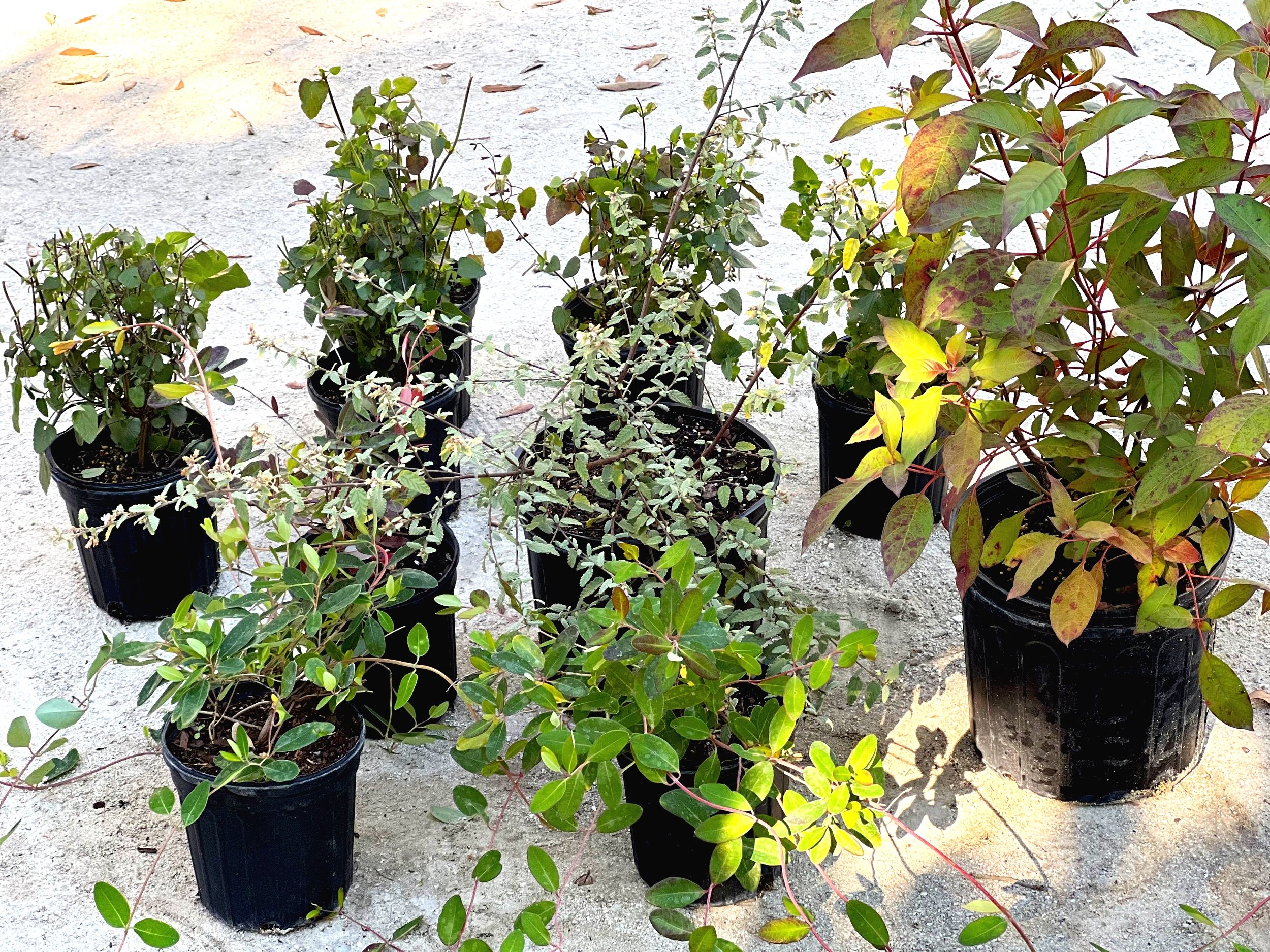
Includes:
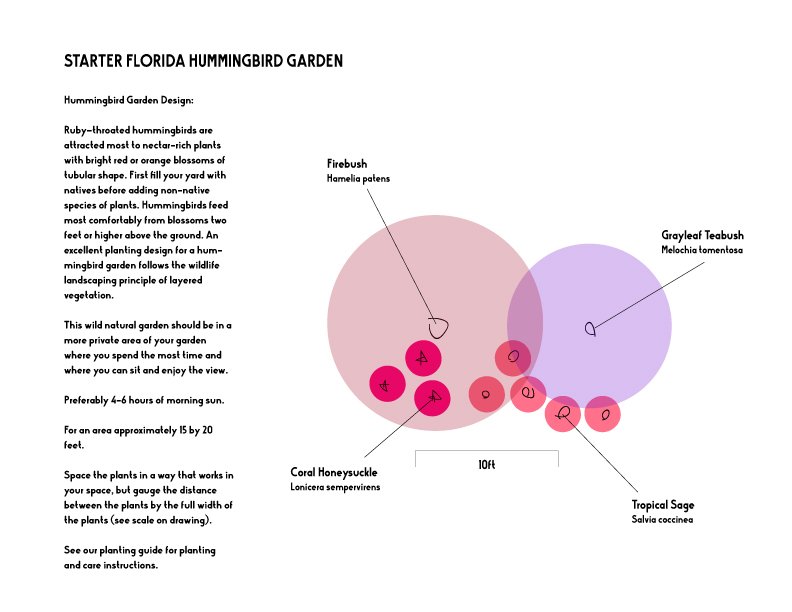
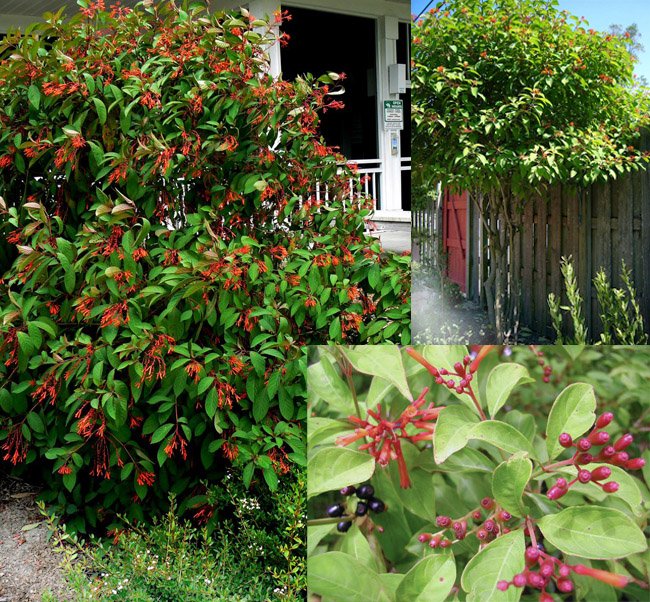
1 Firebush 3 gallon, Hamelia patens, 12 ft tall by 8 ft wide, tallest and largest plant in design
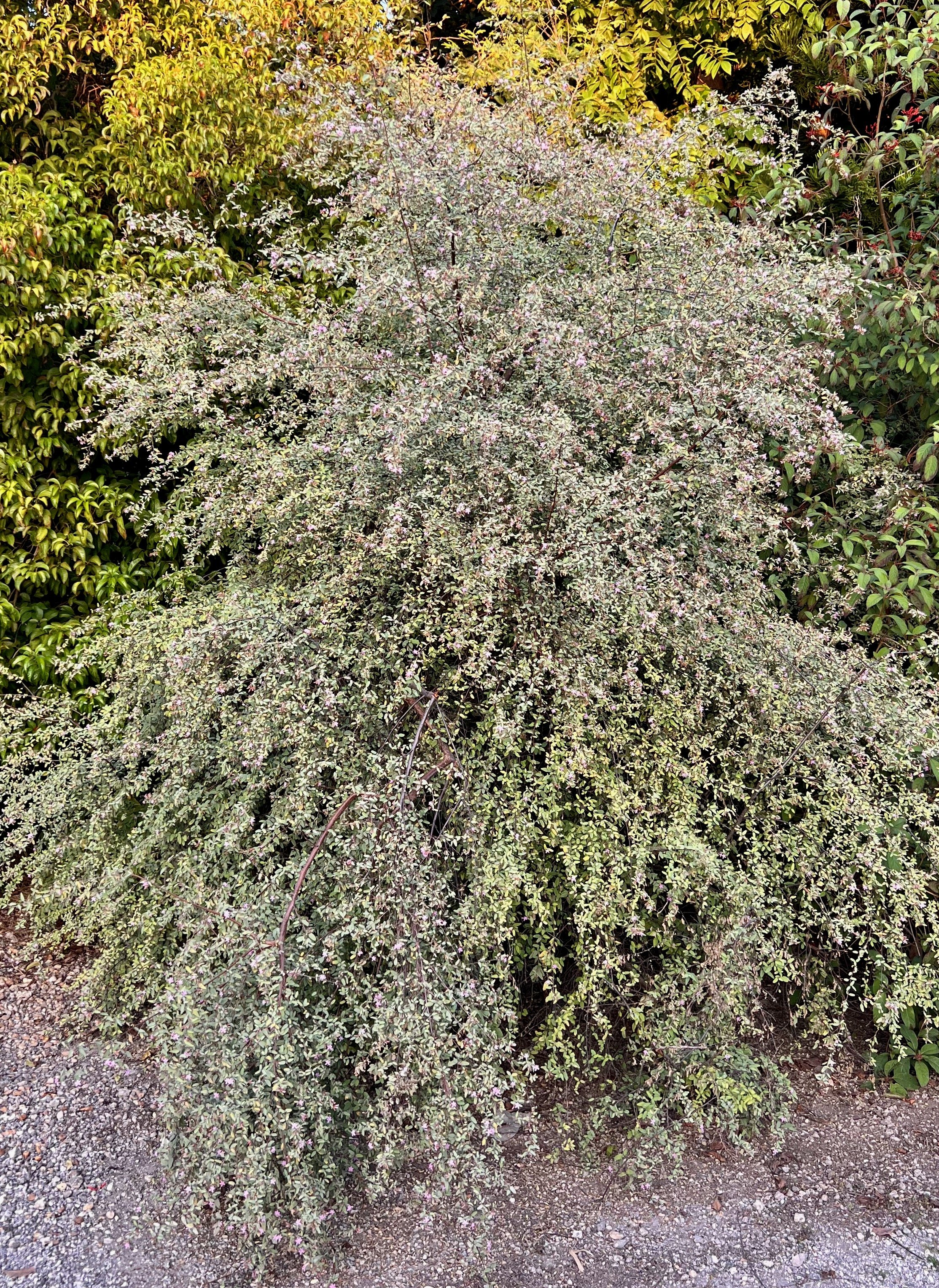
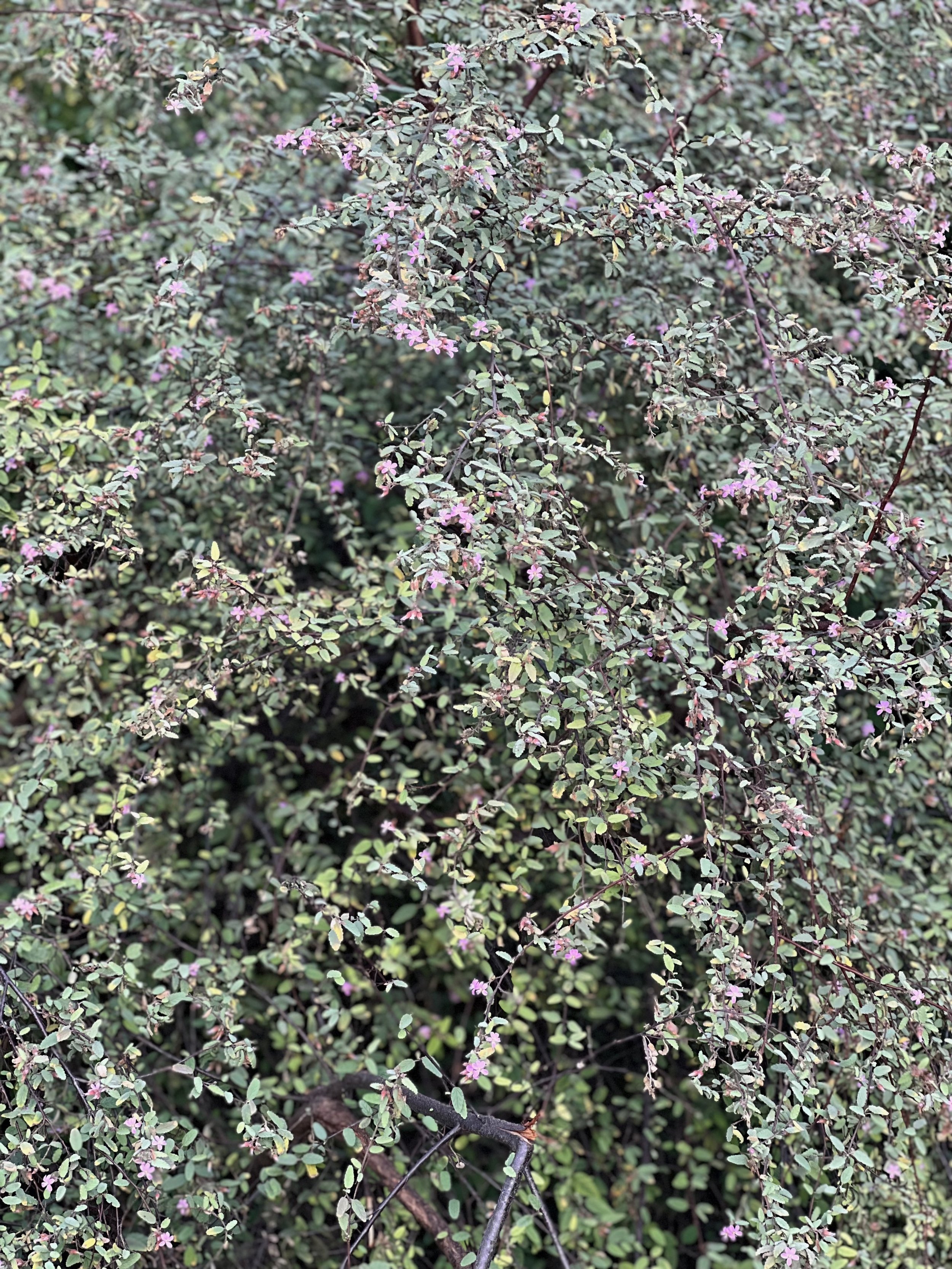
1 Grayleaf Teabush 3 gallon, Melochia tomentosa, 6ft by 6ft, second tallest plant in design
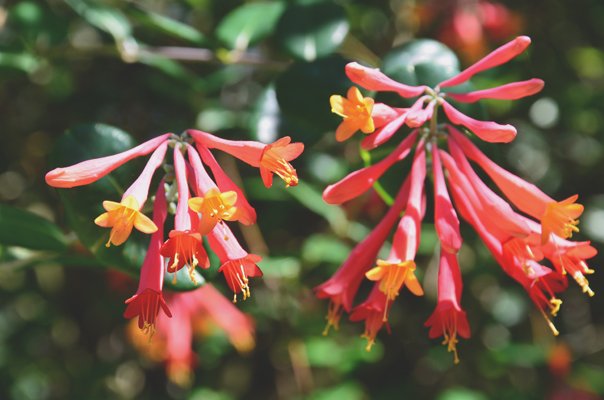
3 Coral Honeysuckle 1 gallon, Lonicera sempervirens , 3 ft by 3ft, stays under 3 ft if planted as a shrubby groundcover OR can be placed along a fence or trellis, if planted near firebush it can eventually by allowed to climb it as it gets larger
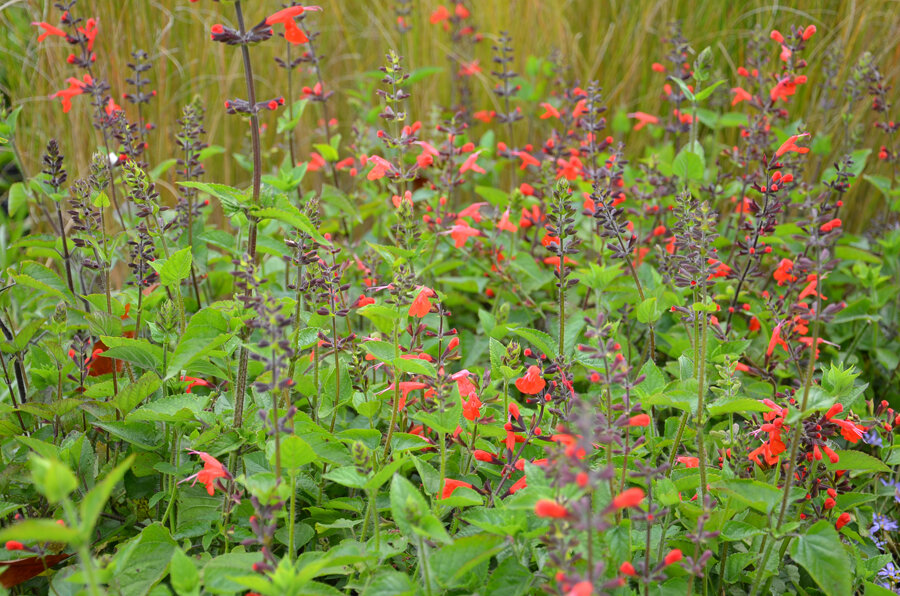
5 Red Tropical Sage 1 gallon, Salvia coccinea, 2ft by 2ft, we suggest placing together in grouping as it does seasonal reseeding
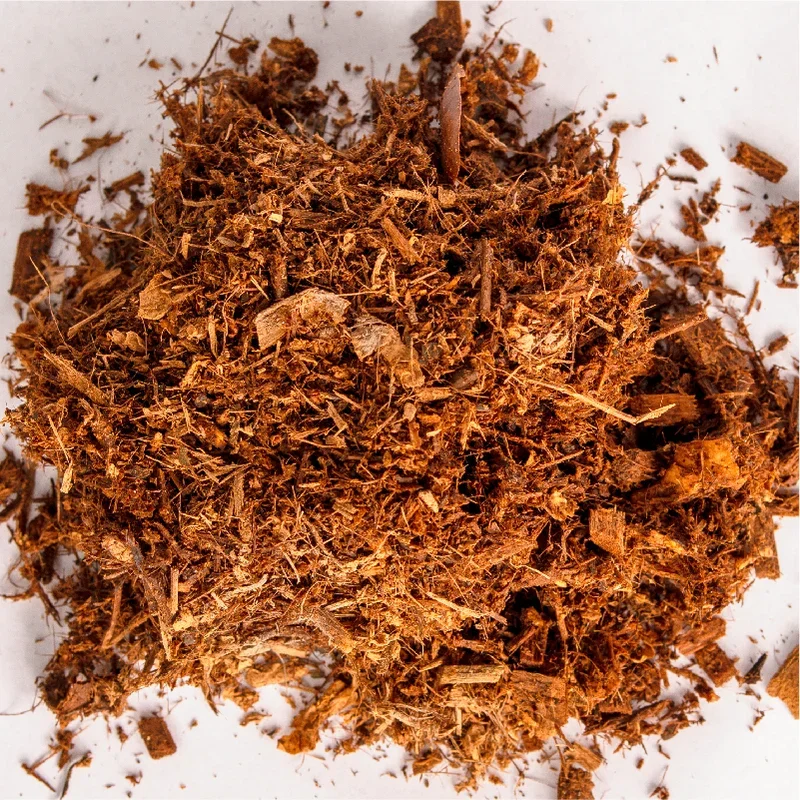
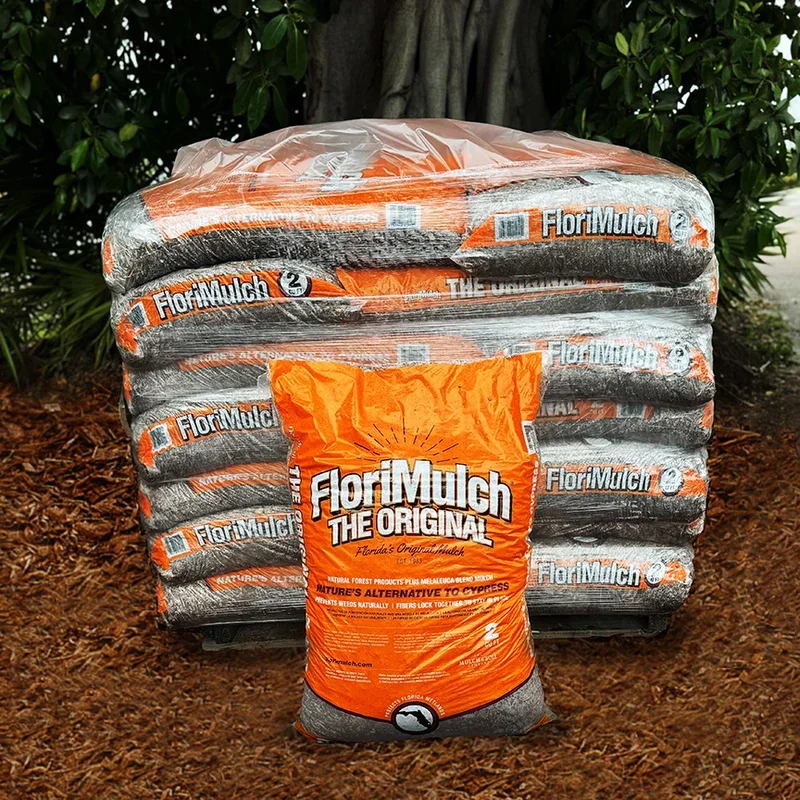
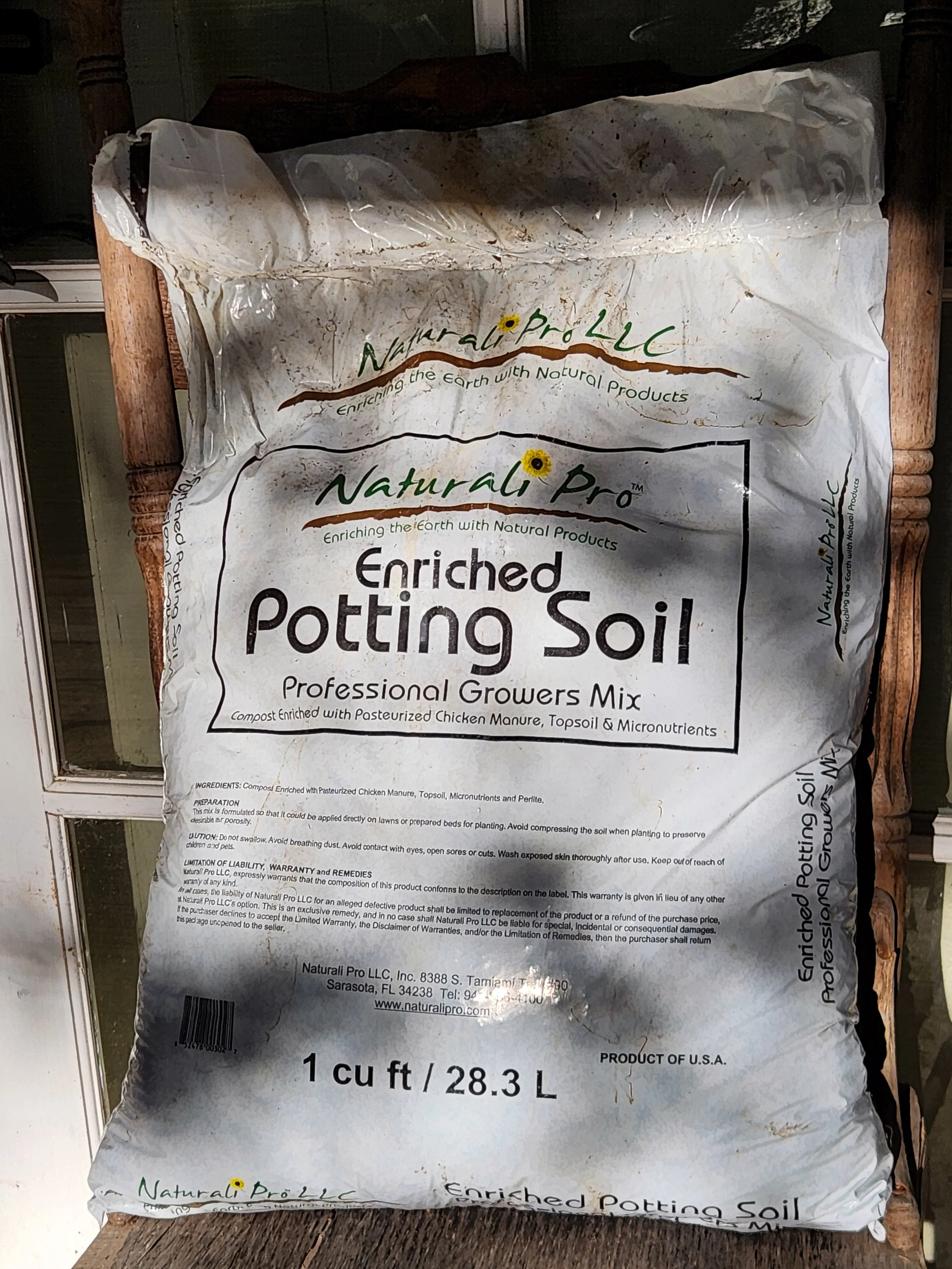
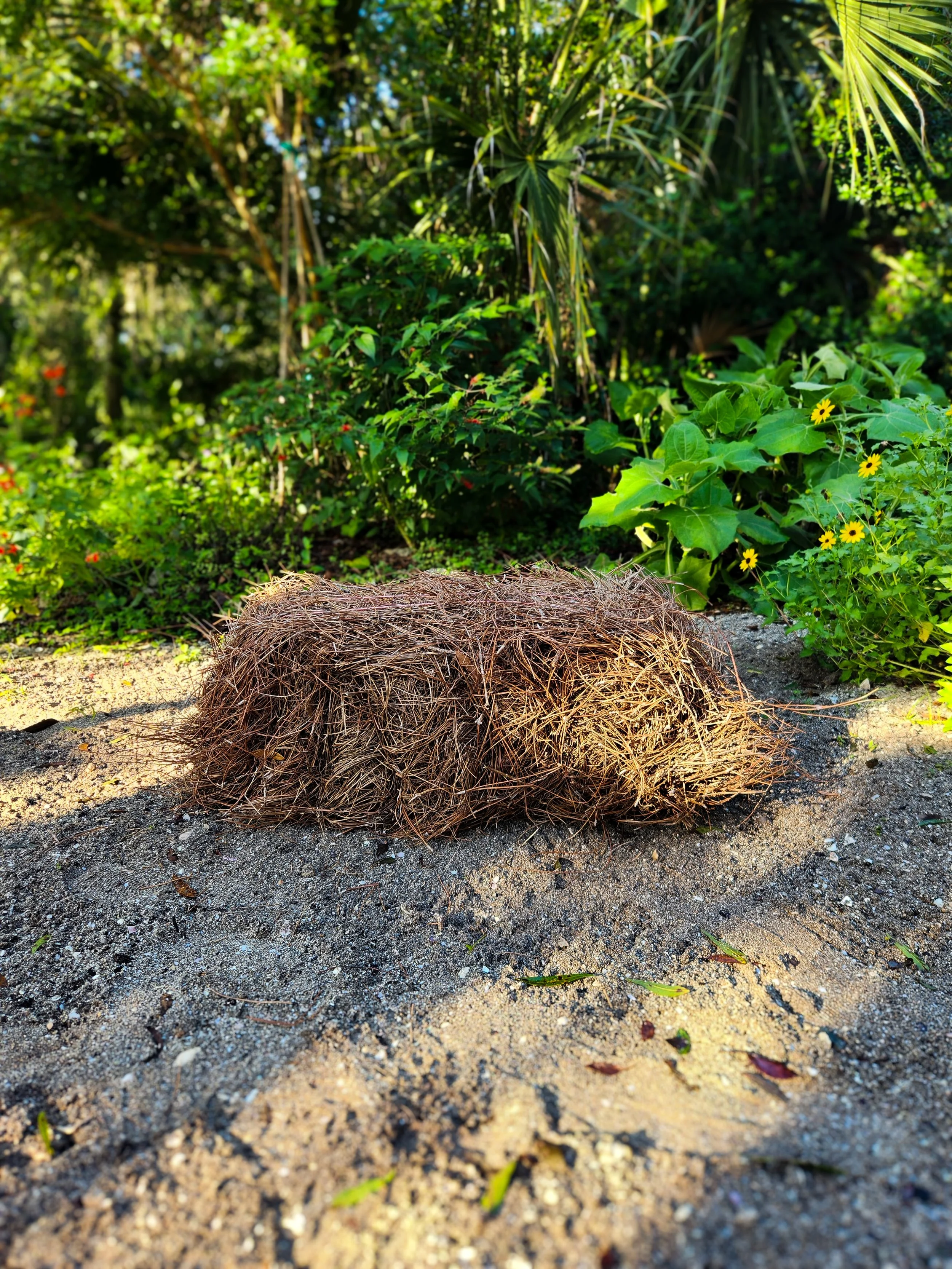
Option of florimulch or pinestraw mulch
A printed graphic design idea for plant spacing.
Preferably 4-6 hours of morning sun.
For an area approximately 15 by 20 feet.
Space the plants in a way that works in your landscape, but gauge the distance between the plants by the full width of the plants (listed below). We will include a simple design with your purchase when you receive your plants.
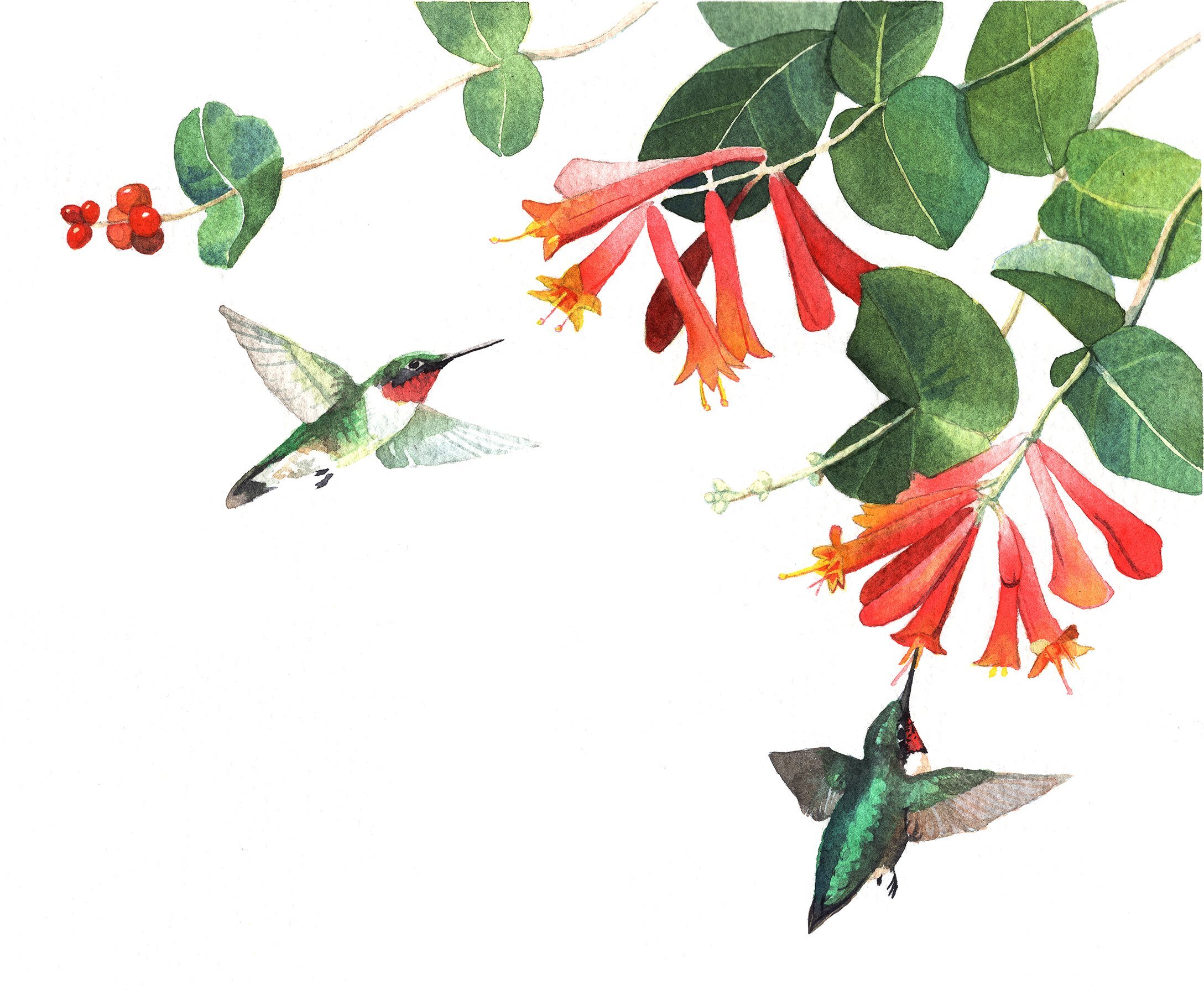
Florida Hummingbirds: Eleven different species have been observed in Florida but the most common is the ruby-throated hummingbird. There are at least two different ruby-throated hummingbird populations: the south-bound ruby-throats migrating into/through the state in fall and winter, and the north-bound ruby-throated hummingbirds coming through the state in the spring. Both spring and fall, Southwest Florida provides important feeding areas for hummingbirds who fly across the Gulf to southern wintering sites or back across the Gulf on their way to summer nesting sites in the North. They seek out native plants, their natural food supply, along their migratory routes. Typically, many birds return to the same feeding sites, so once you start getting them, you are likely to see them year after year unless the sites disappear with habitat changes in your area.
Hummingbird Garden Design: Ruby–throated hummingbirds are attracted most to nectar-rich plants with bright red or orange blossoms of tubular shape. First fill your yard with natives before adding non-native species of plants. Hummingbirds feed most comfortably from blossoms two feet or higher above the ground. An excellent planting design for a hummingbird garden follows the wildlife landscaping principle of layered vegetation.
This wild natural garden should be in a more private area of your garden where you spend the most time and where you can sit and enjoy the view.
No results match your search. Try removing a few filters.