Hi Friends!
We offer PICK UP or LOCAL DELIVERY only (NO SHIPPING).
Thank you!
Thursday–Sunday, 10am–4pm | 941-322-1915
We offer PICK UP or LOCAL DELIVERY only (NO SHIPPING).
Thank you!
Thursday–Sunday, 10am–4pm | 941-322-1915
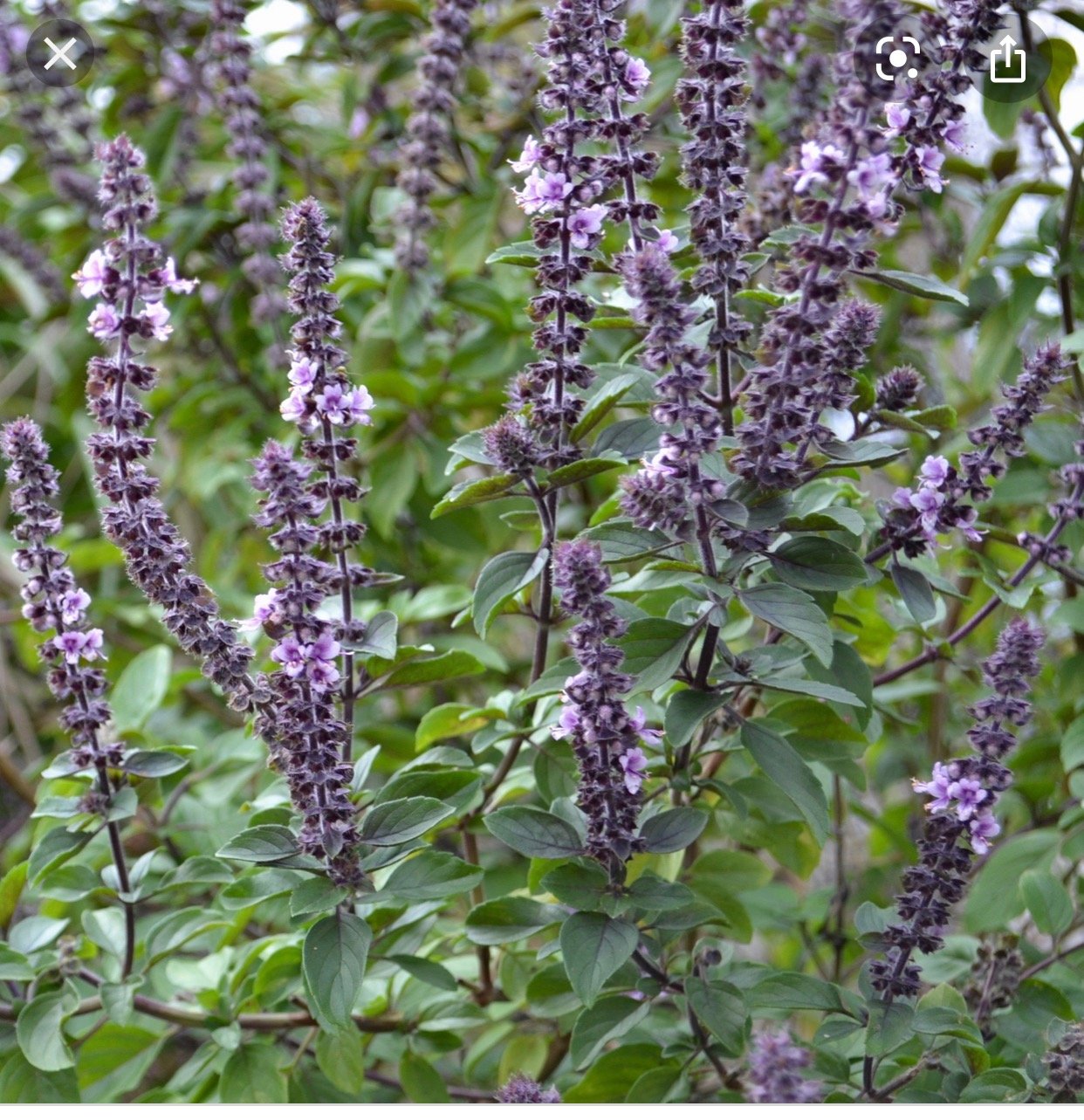
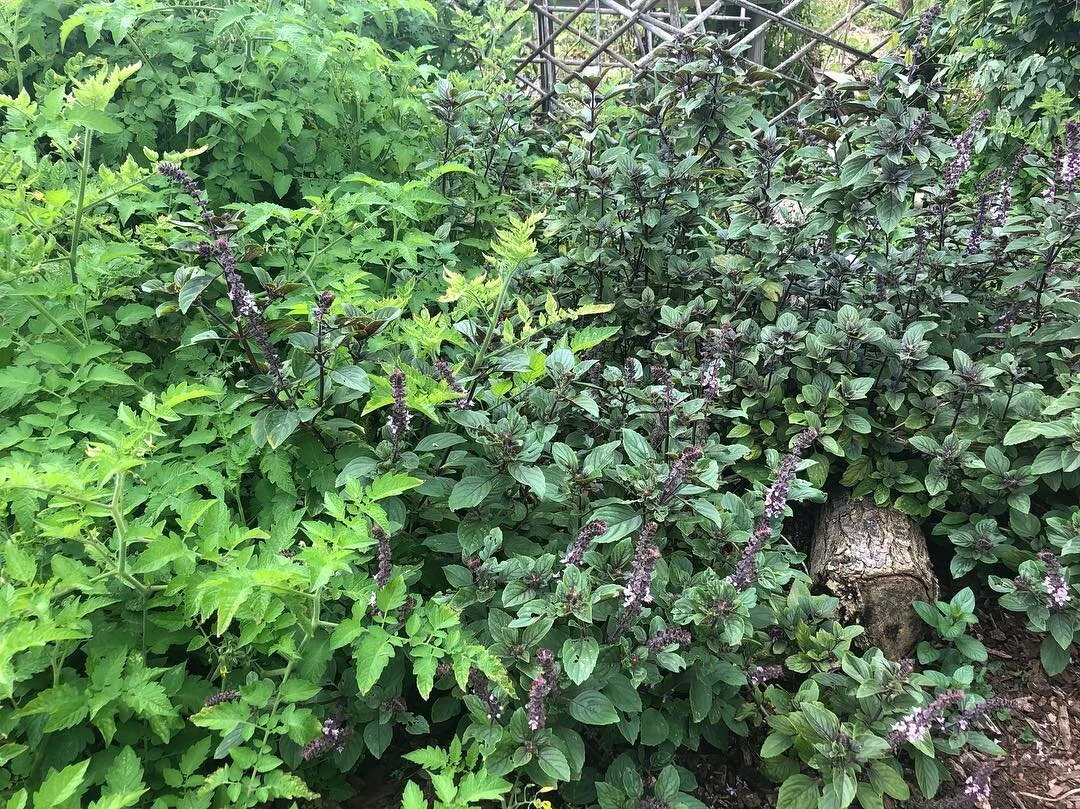
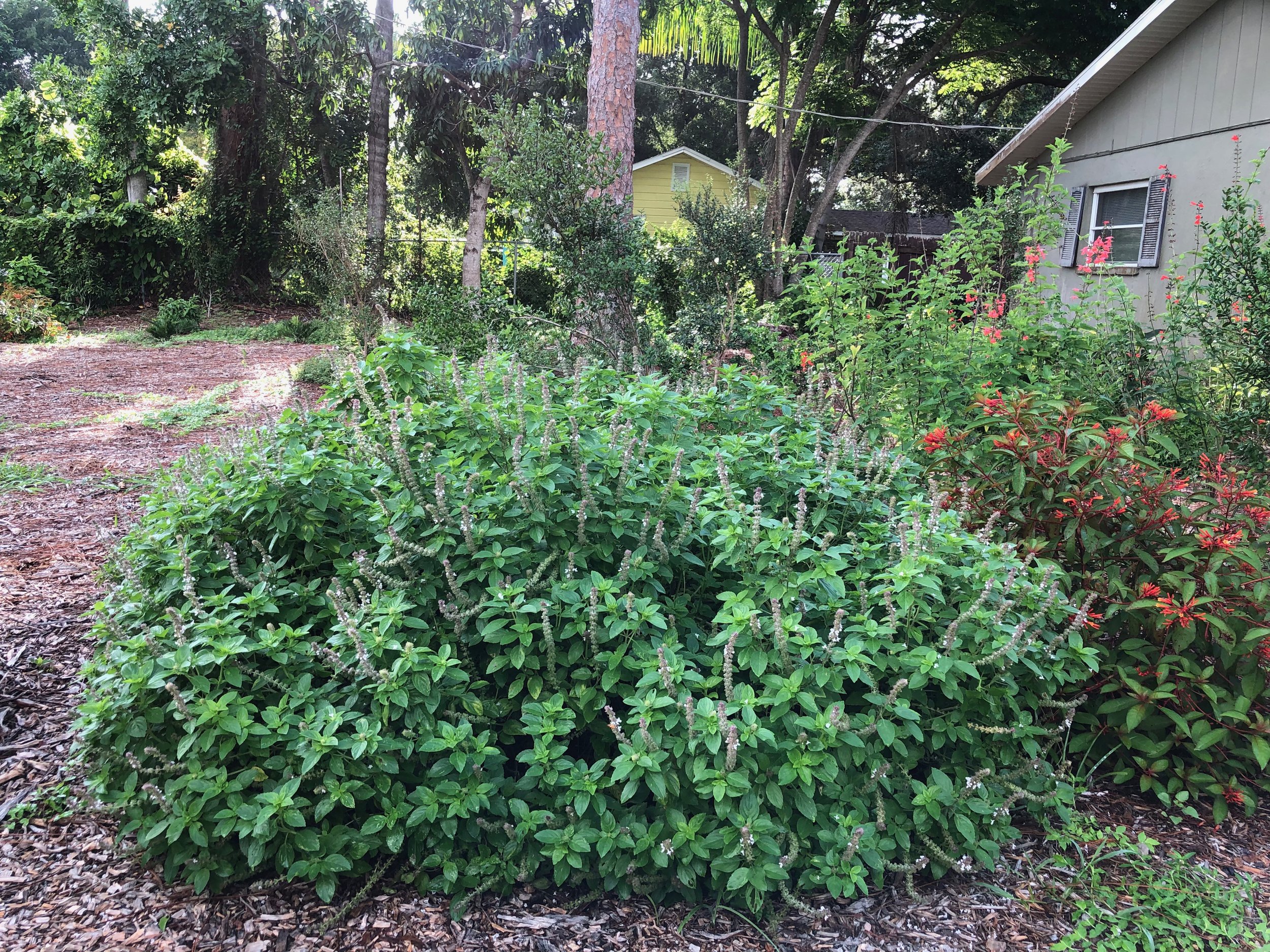
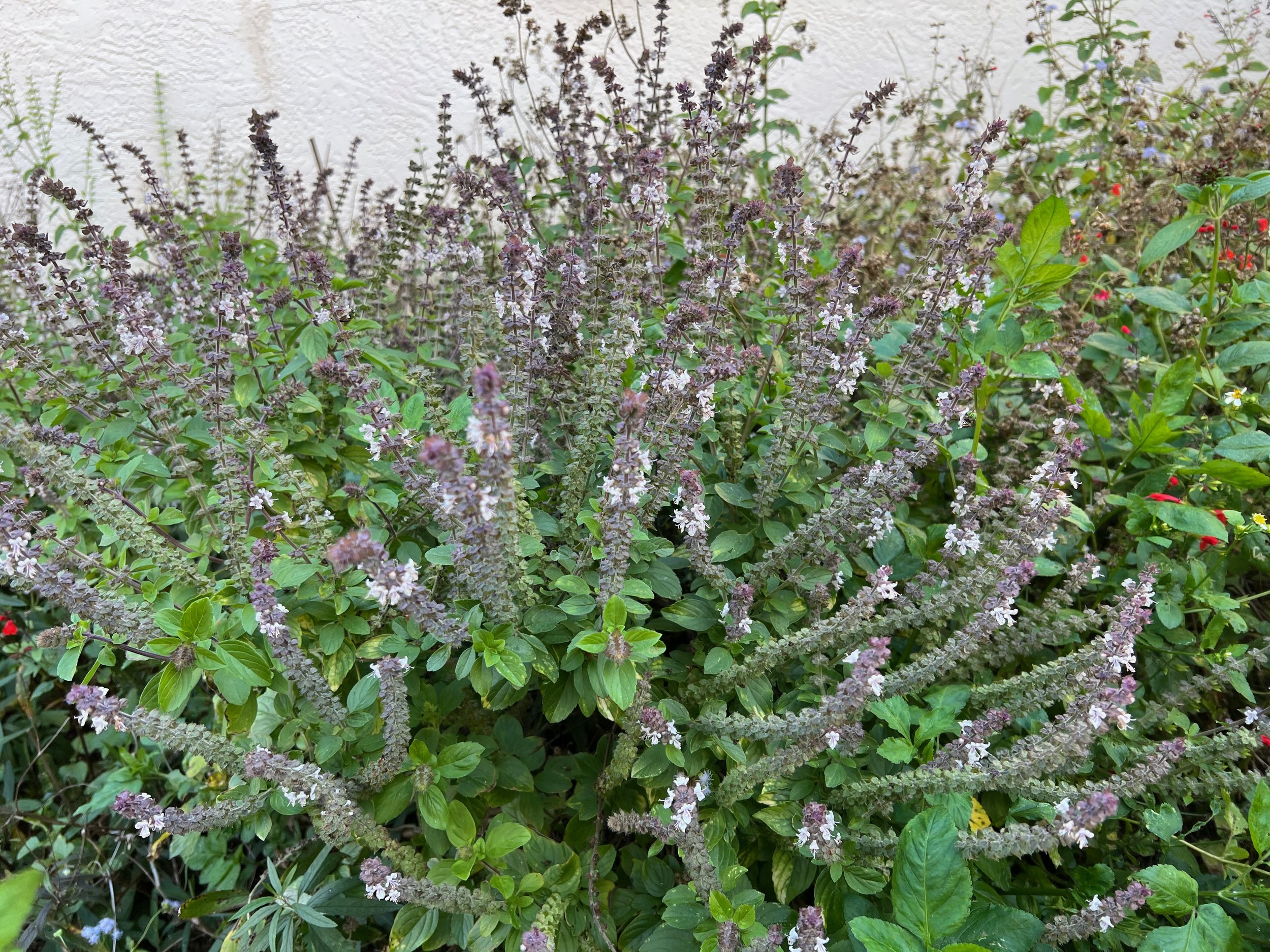
Ocimum kilimandscharicum × basilicum 'Dark Opal'
Non-native, Florida-friendly, fragrant edible perennial herb. African Blue Basil is a hardy herb that prefers full sun in winter and light shade in summer. Grows to be 3’-4’ tall. Average, composted soil, frost protection required. Pollinators, especially honey bees, love this shrub.
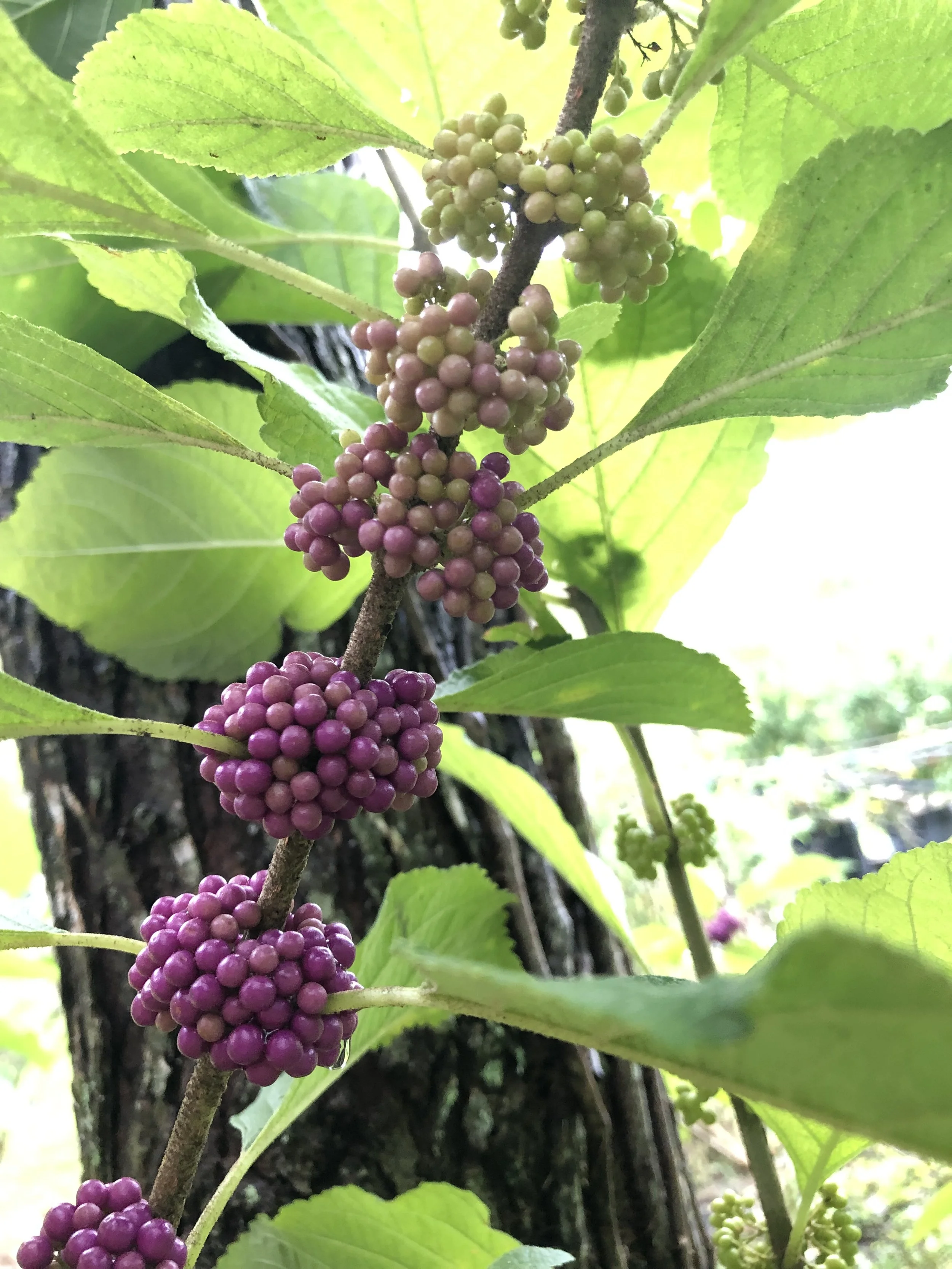
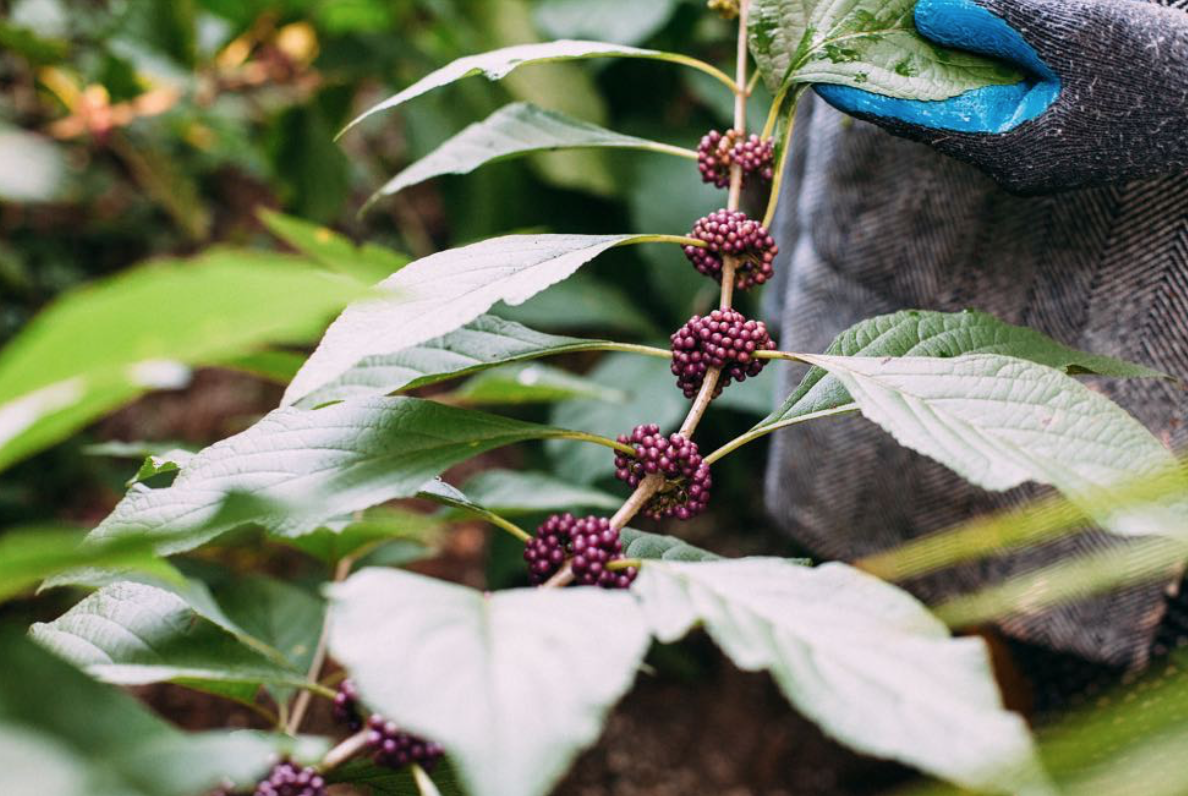


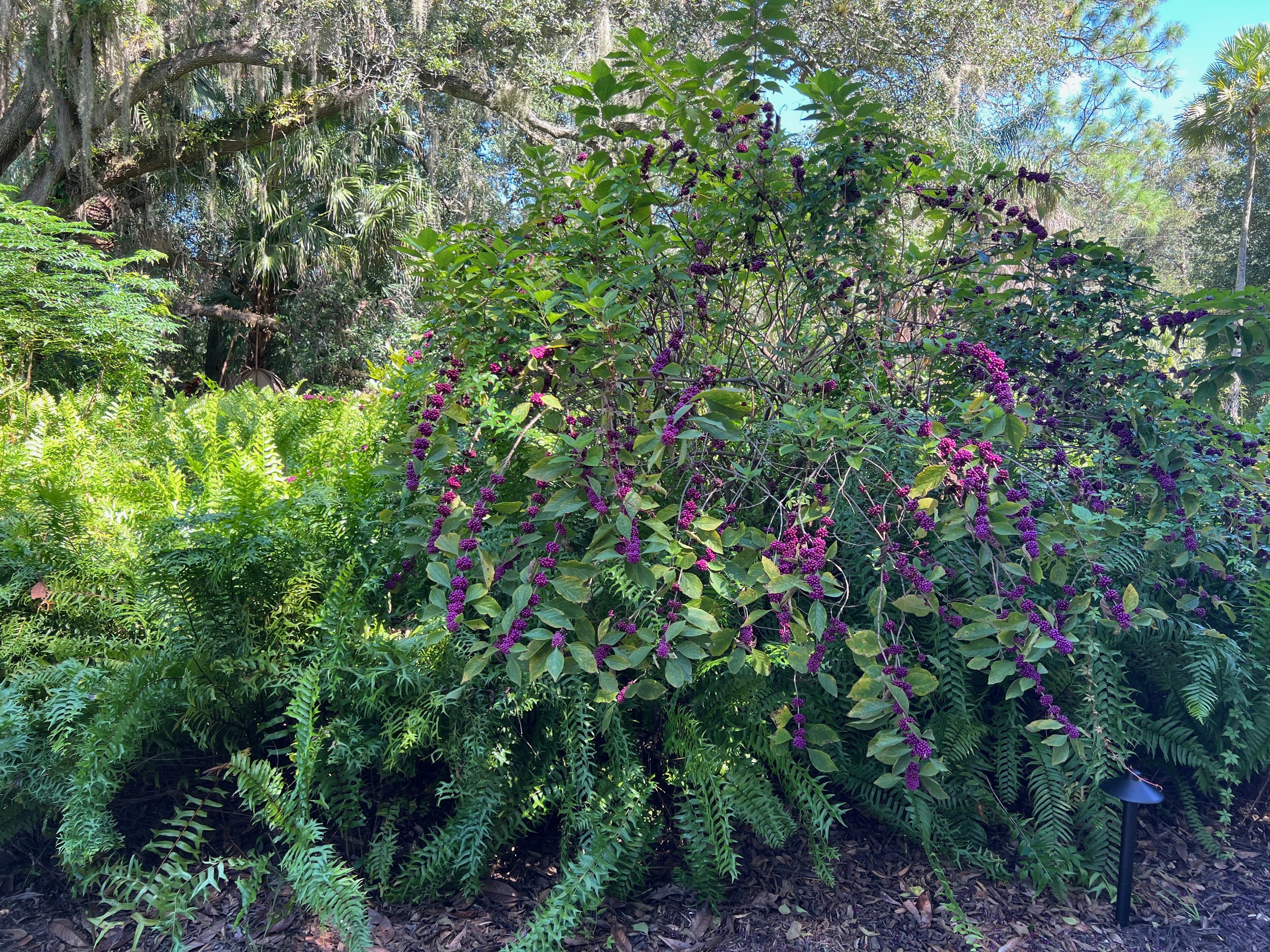
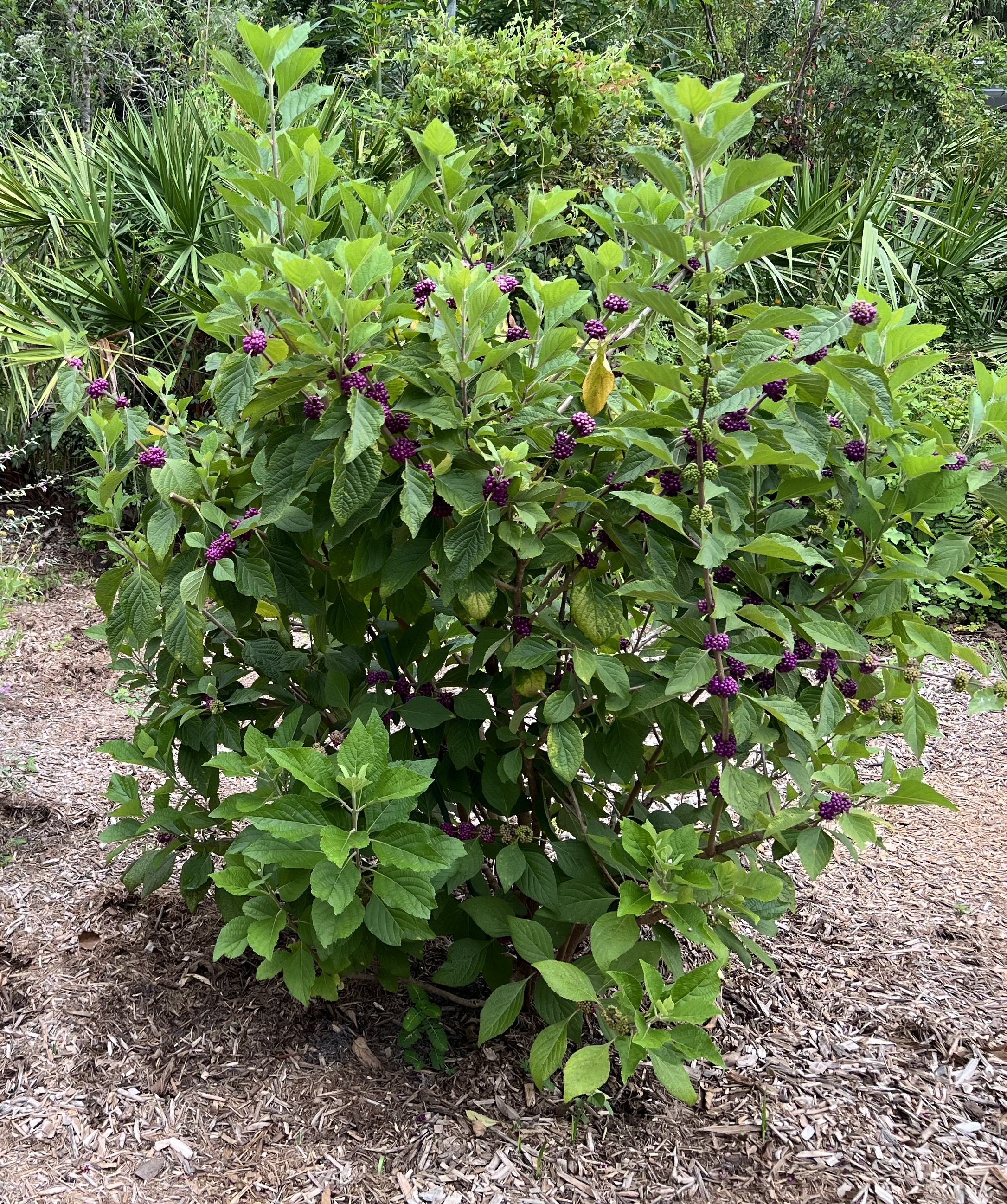
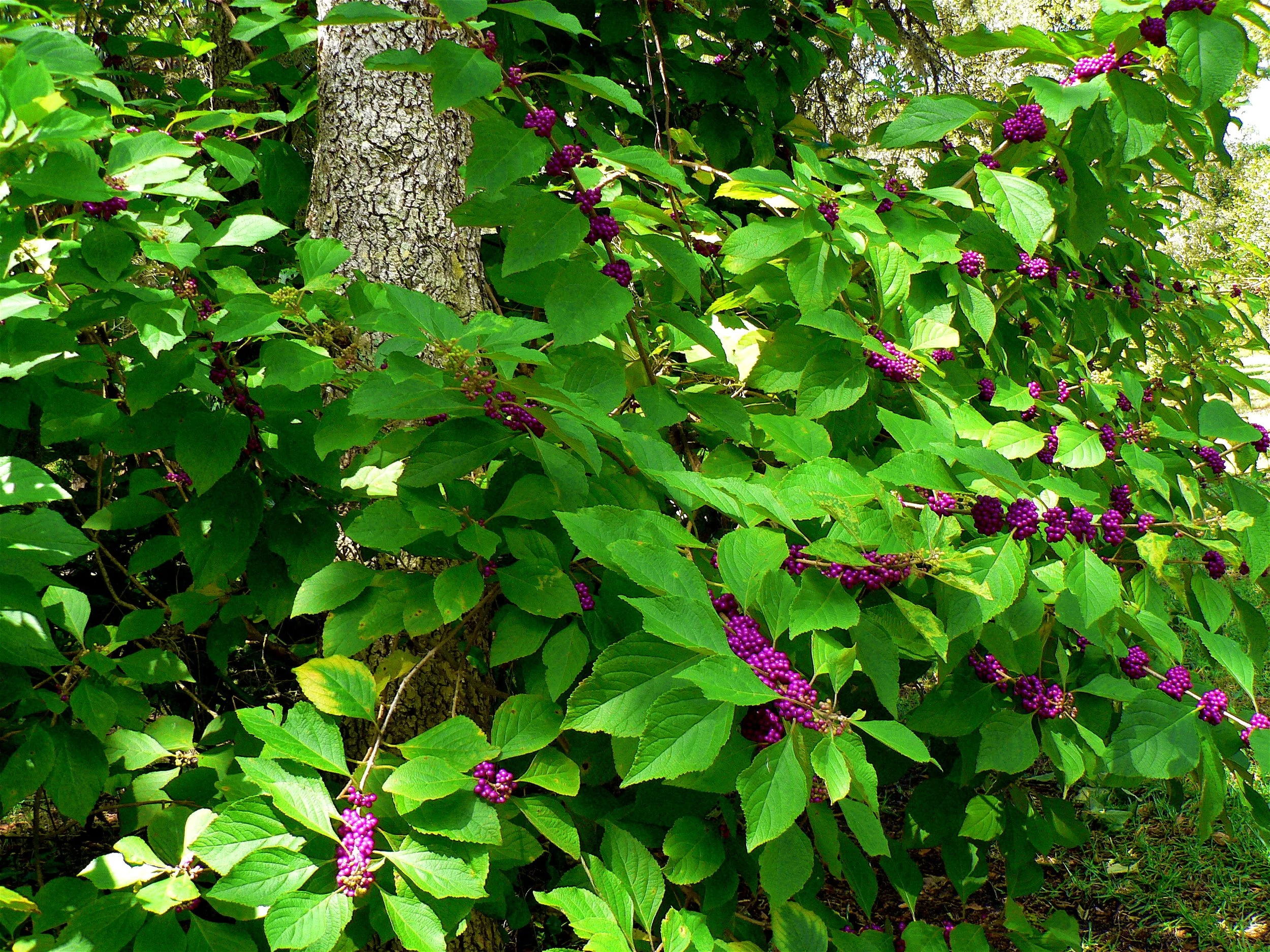
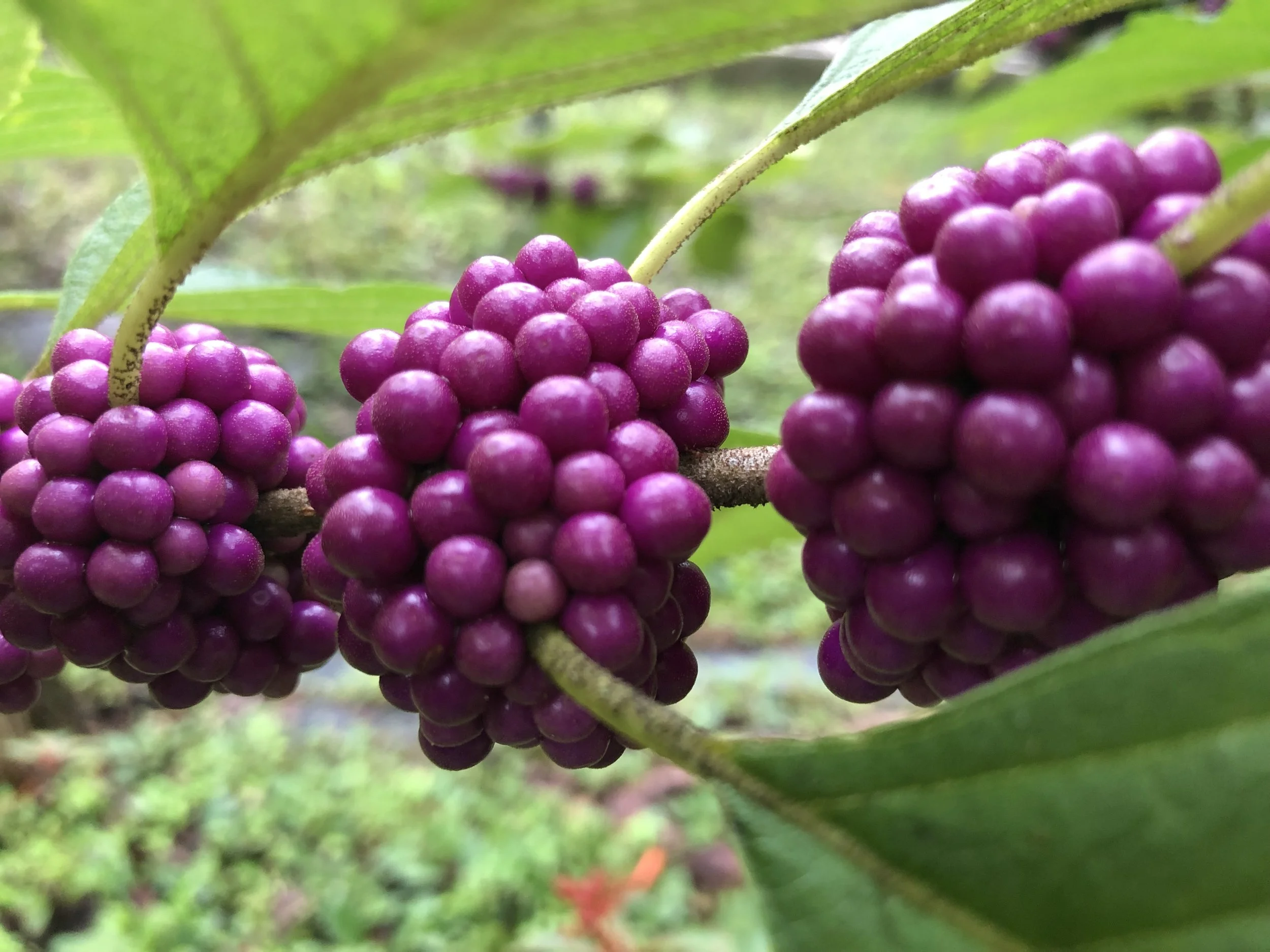
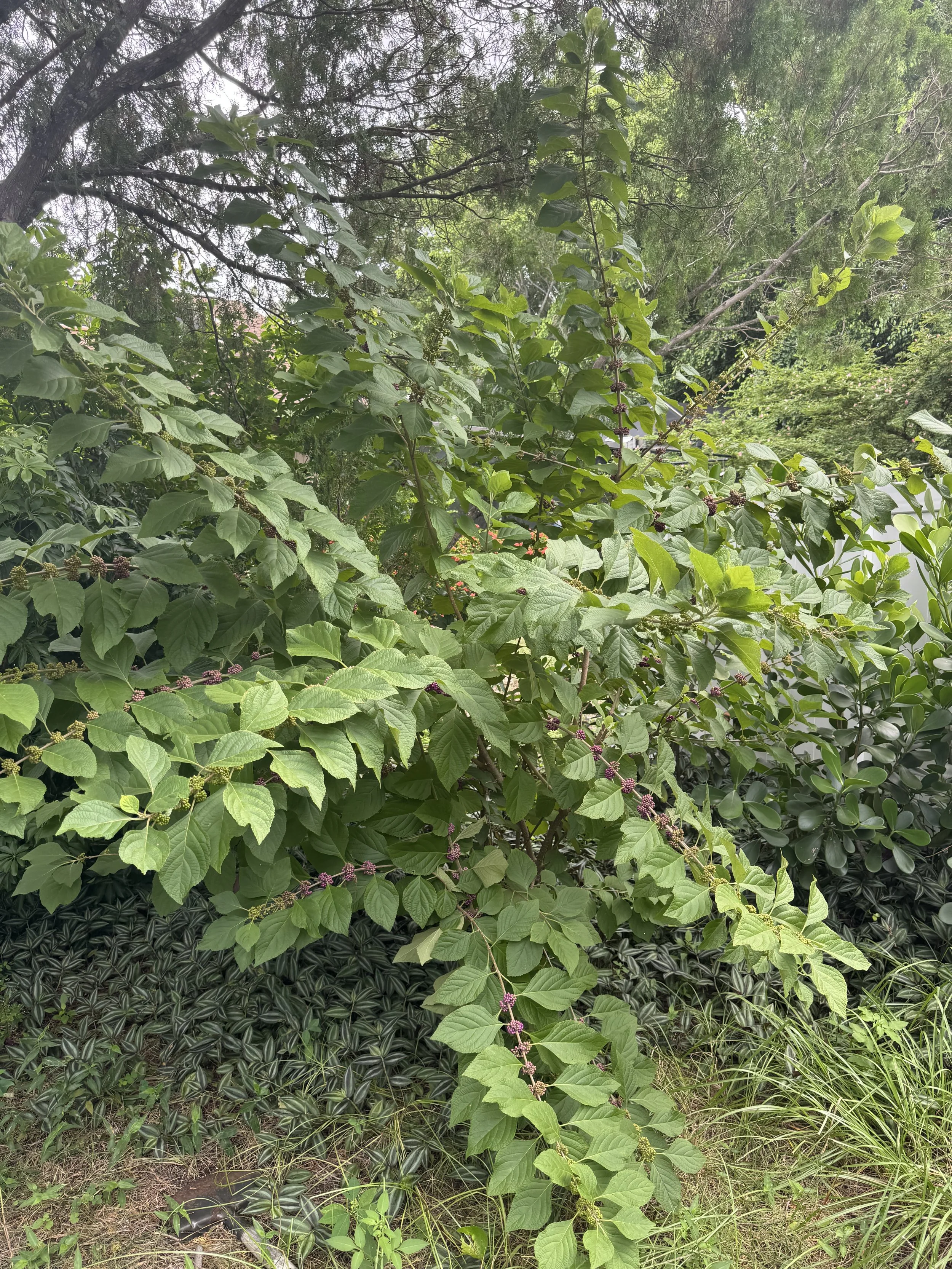
This native, deciduous, prunable shrub grows to be 6’x6’ and does best in dry to moist (well-drained) soils, with full sun to shade. With light purple flowers in spring and showy purple berries in fall, Beautyberry makes a great addition to many Florida landscapes. The attractive weeping branches look lovely when planted under trees, bringing in pollinators with their flowers and birds with the berries. Their berries are edible for humans as well, and can be turned into jams and syrups!
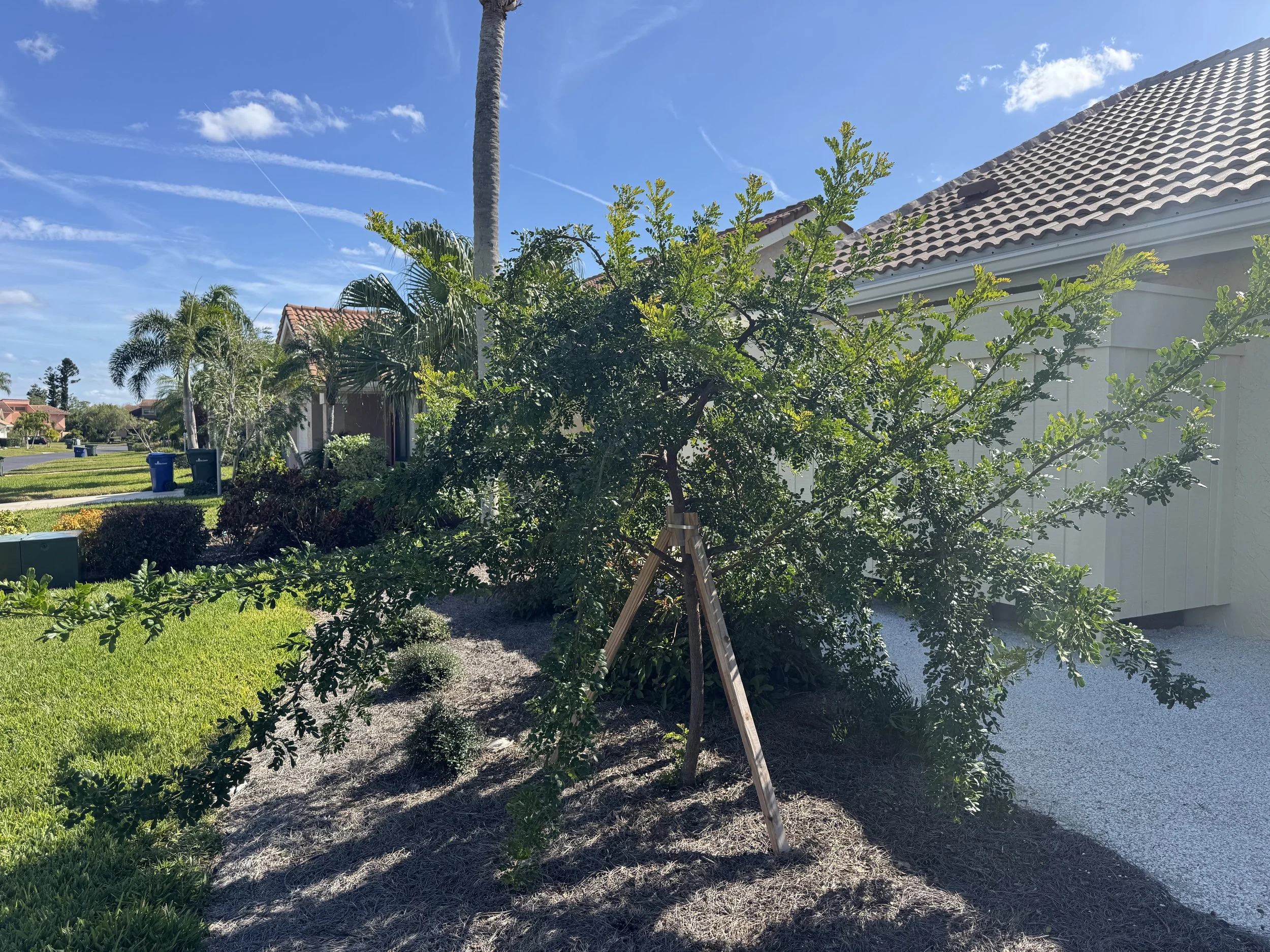
Acacia choriophylla
Native evergreen tree, ranging from 15-25ft. Cinnecords have dark green foliage and fragrant yellow pom-pom flowers that attract pollinators and people alike. They are fast-growing and salt-tolerant, growing in full sun with well-drained sandy soils. In addition to attracting pollinators, Cinnecords also provide habitat and seeds for birds.
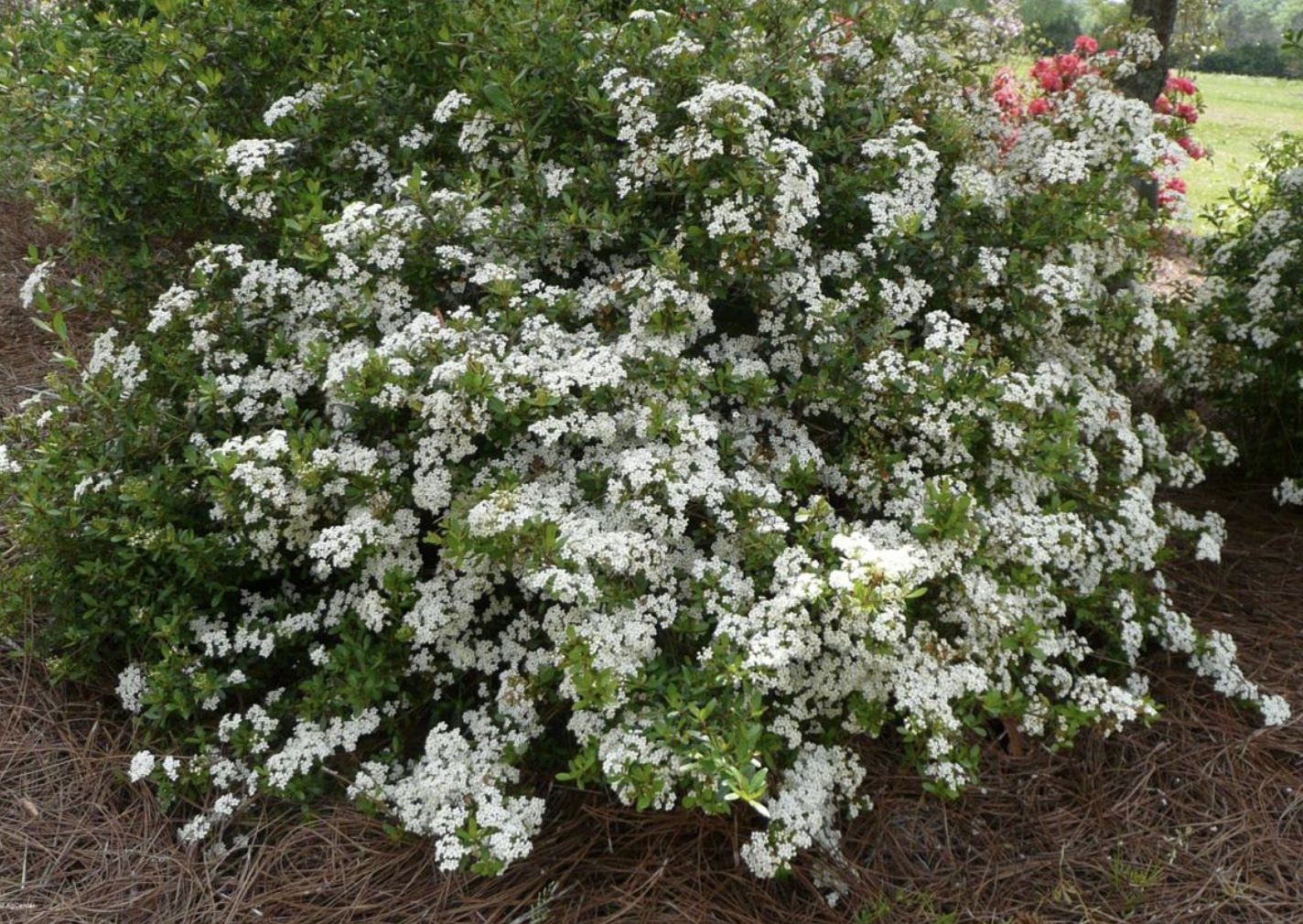
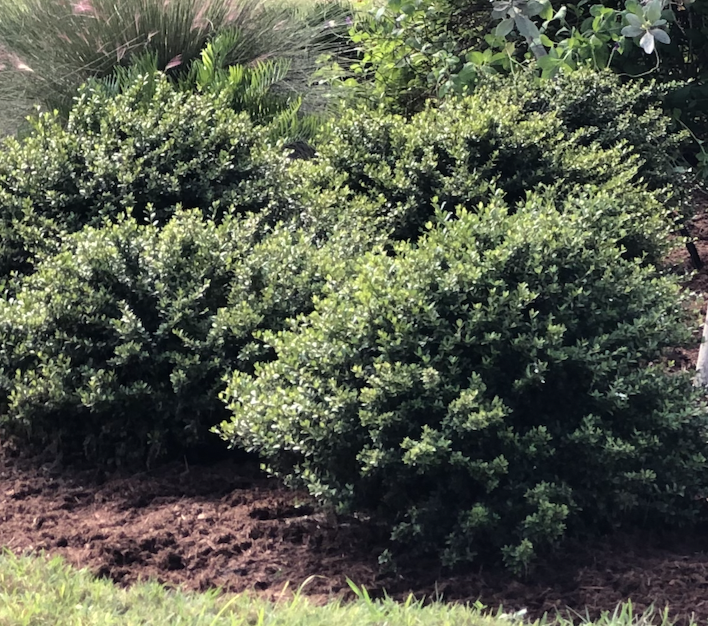
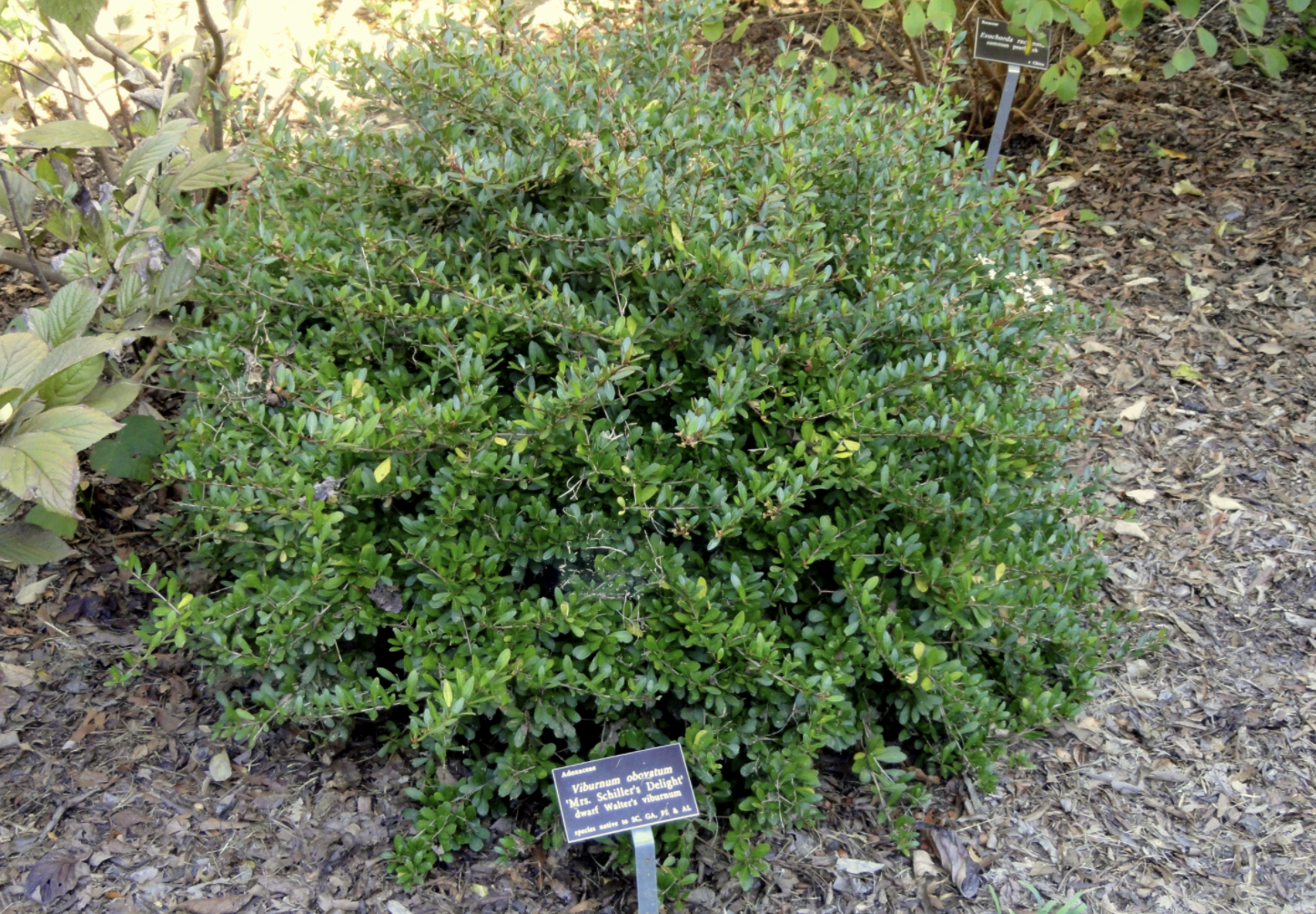
Viburnam obovatum Dwarf
This hardy, evergreen native low-growing shrub is a foundational plant for any Florida garden. With a height of about 4 feet, it provides a dense, low-growing habitat that stays compact without constant maintenance. For the environment, its near-constant clusters of white flowers offer a reliable nectar source for pollinators, while the subsequent berries provide essential forage for local songbirds. Whether used as a sturdy border or in mass plantings, it thrives in everything from full sun to part shade and adapts well to average or moist soils, offering year-round structure and ecological value to your landscape.
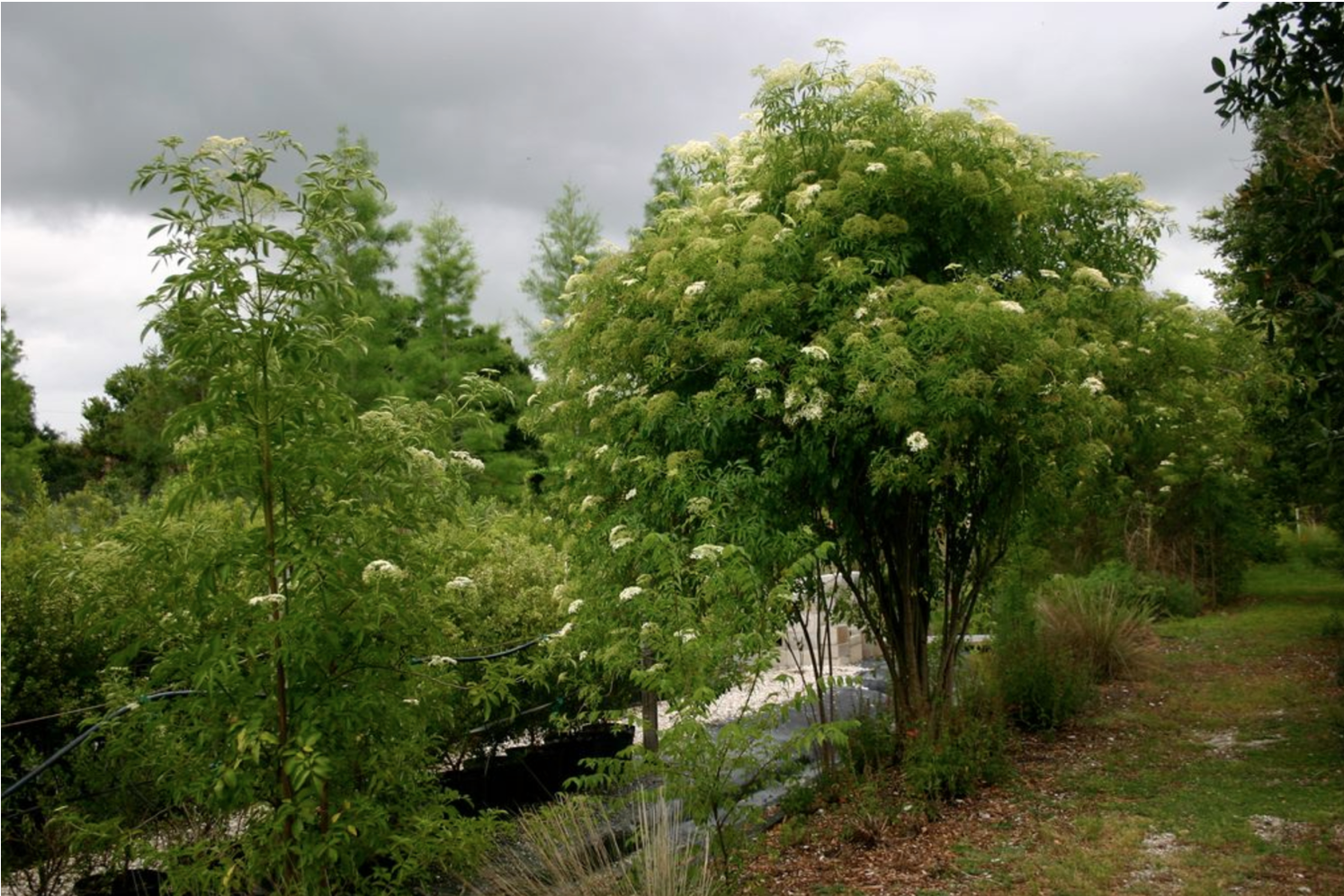

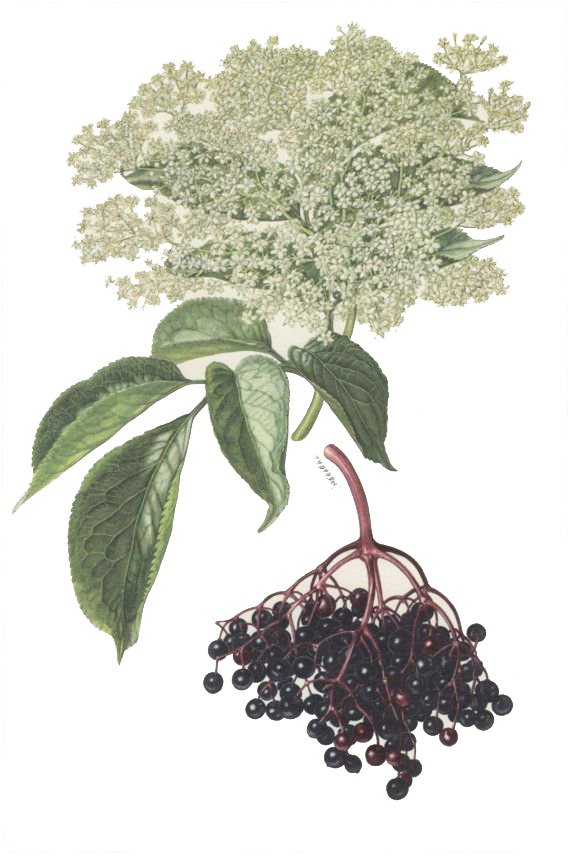
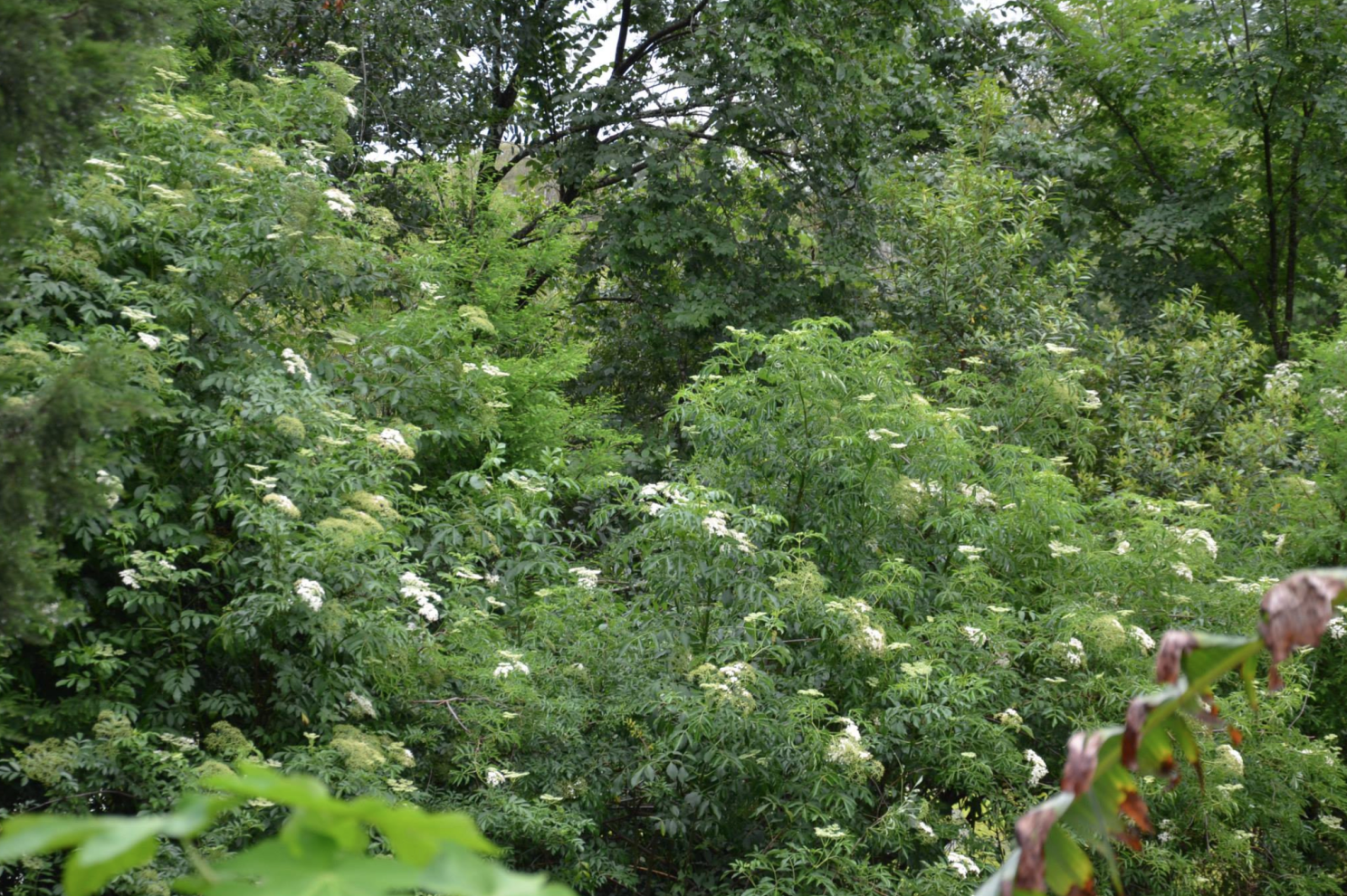
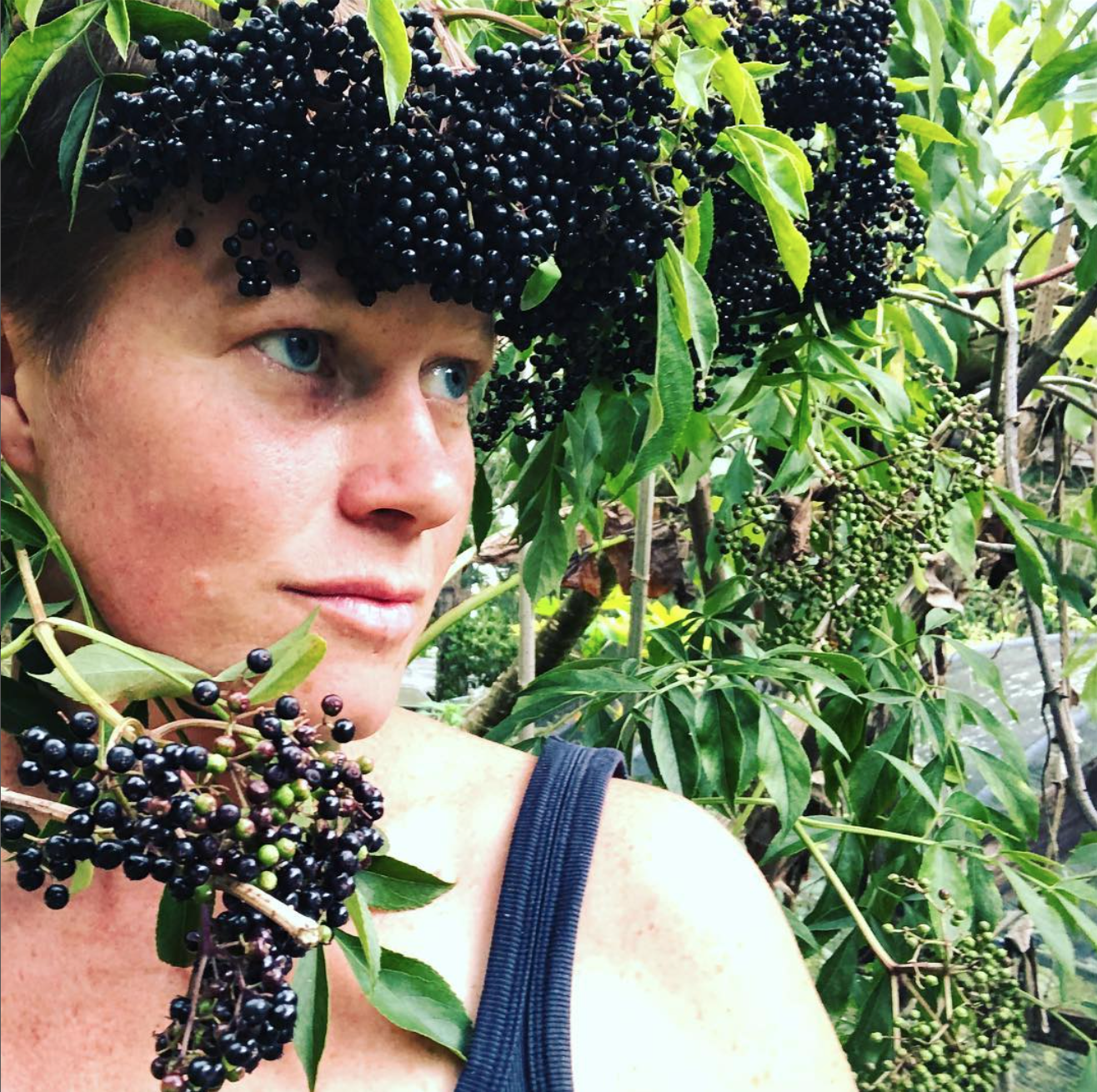
Sambucus canadensis
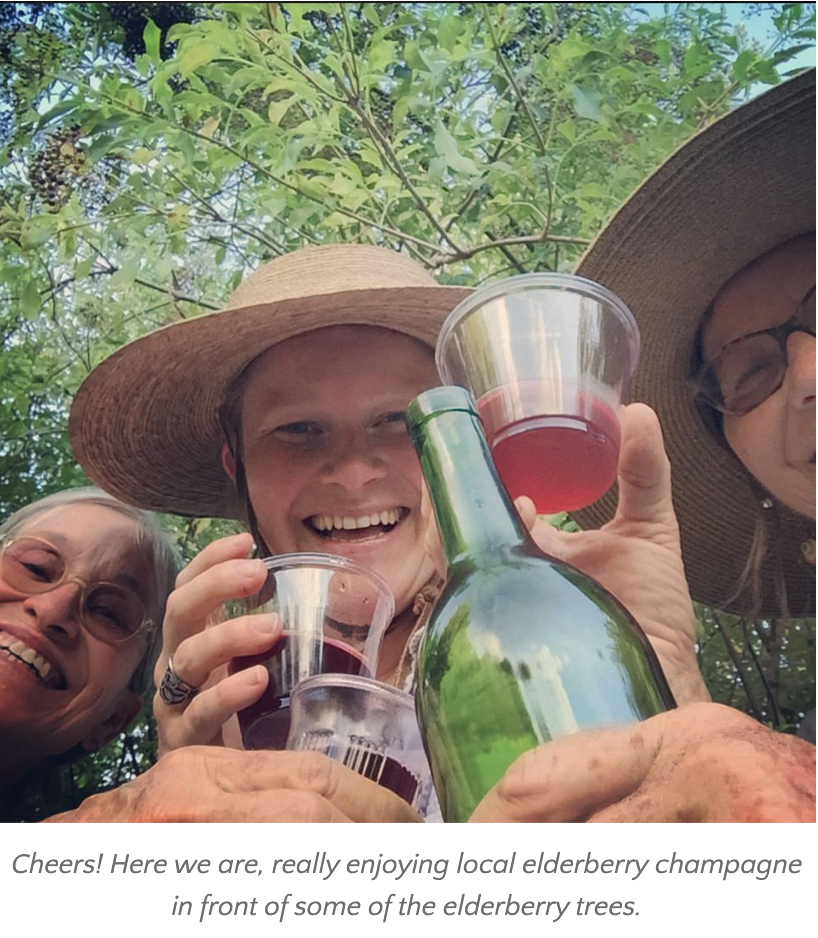
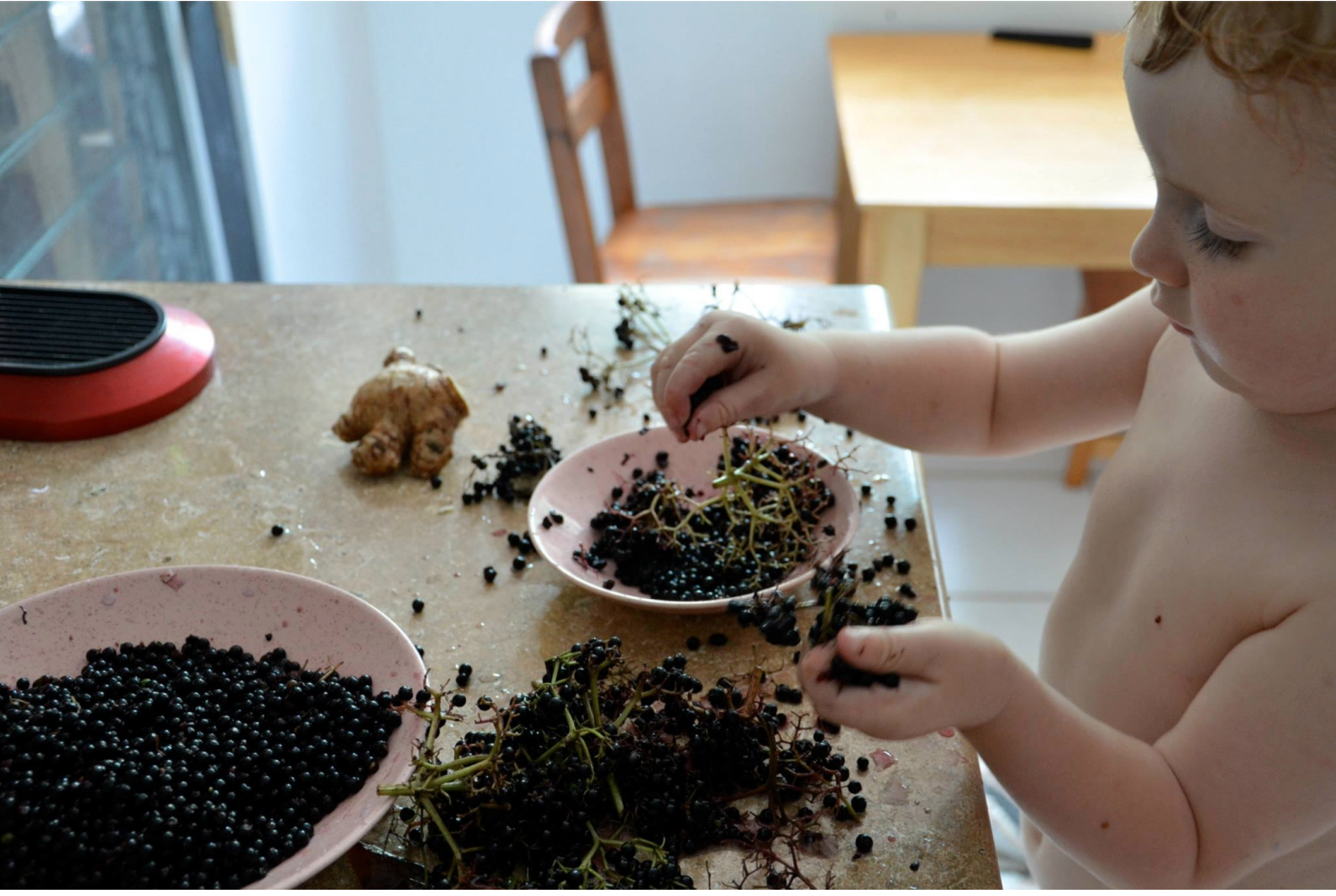
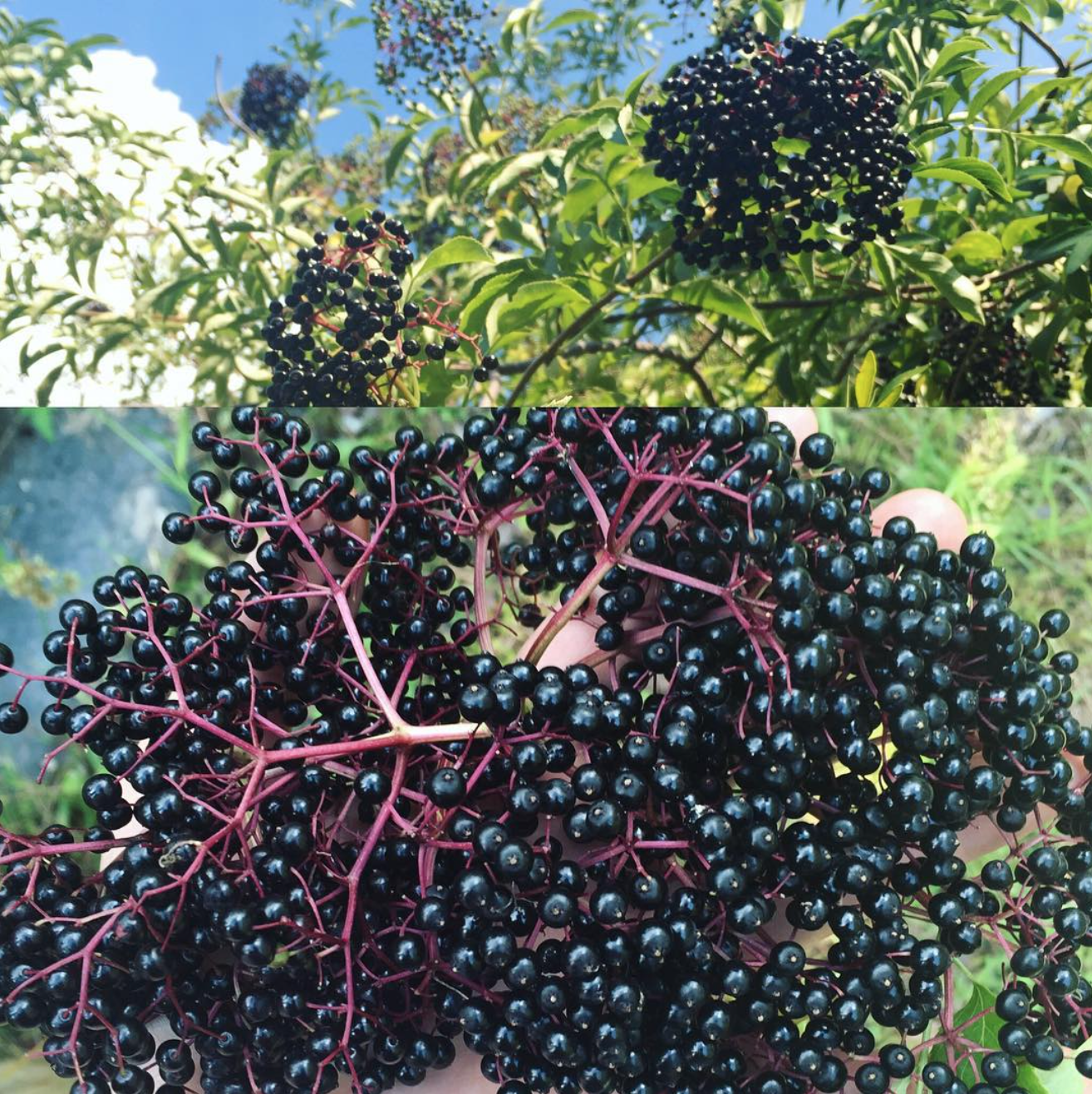
Elderberry is a fast-growing native shrub that offers beauty, food, and unmatched wildlife value. This versatile plant thrives in moist soils and adapts easily to sun or partial shade, reaching 6-20 feet to create a lush, pollinator-friendly hedge or specimen plant. In early summer, you'll enjoy massive clusters of fragrant white flowers that attract butterflies, followed by nutrient-rich dark purple berries perfect for homemade syrups and jams. As a cornerstone of the native wildlife garden, Elderberry is a favorite for songbirds and beneficial insects alike.
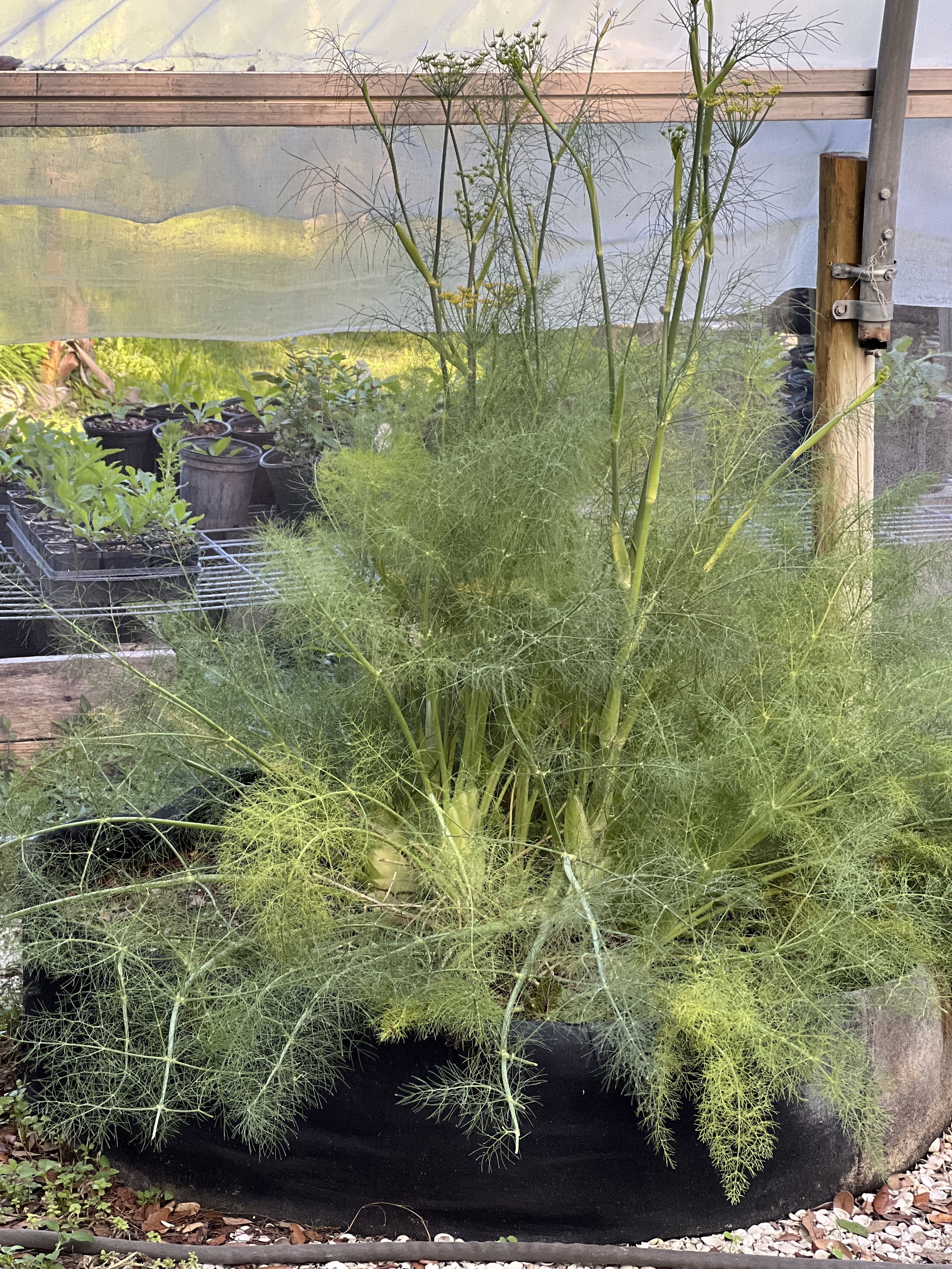
Foeniculum vulgare
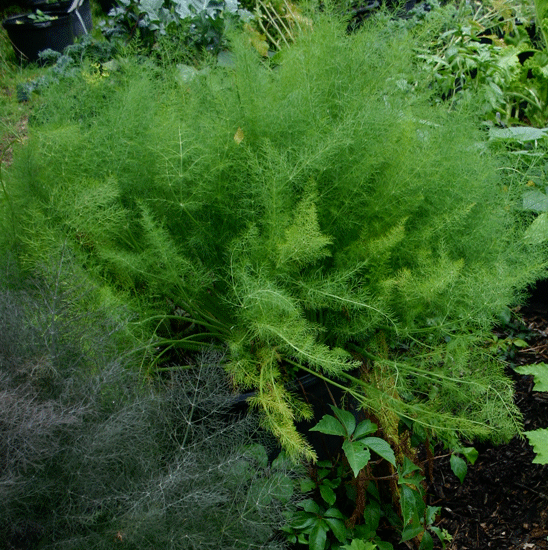
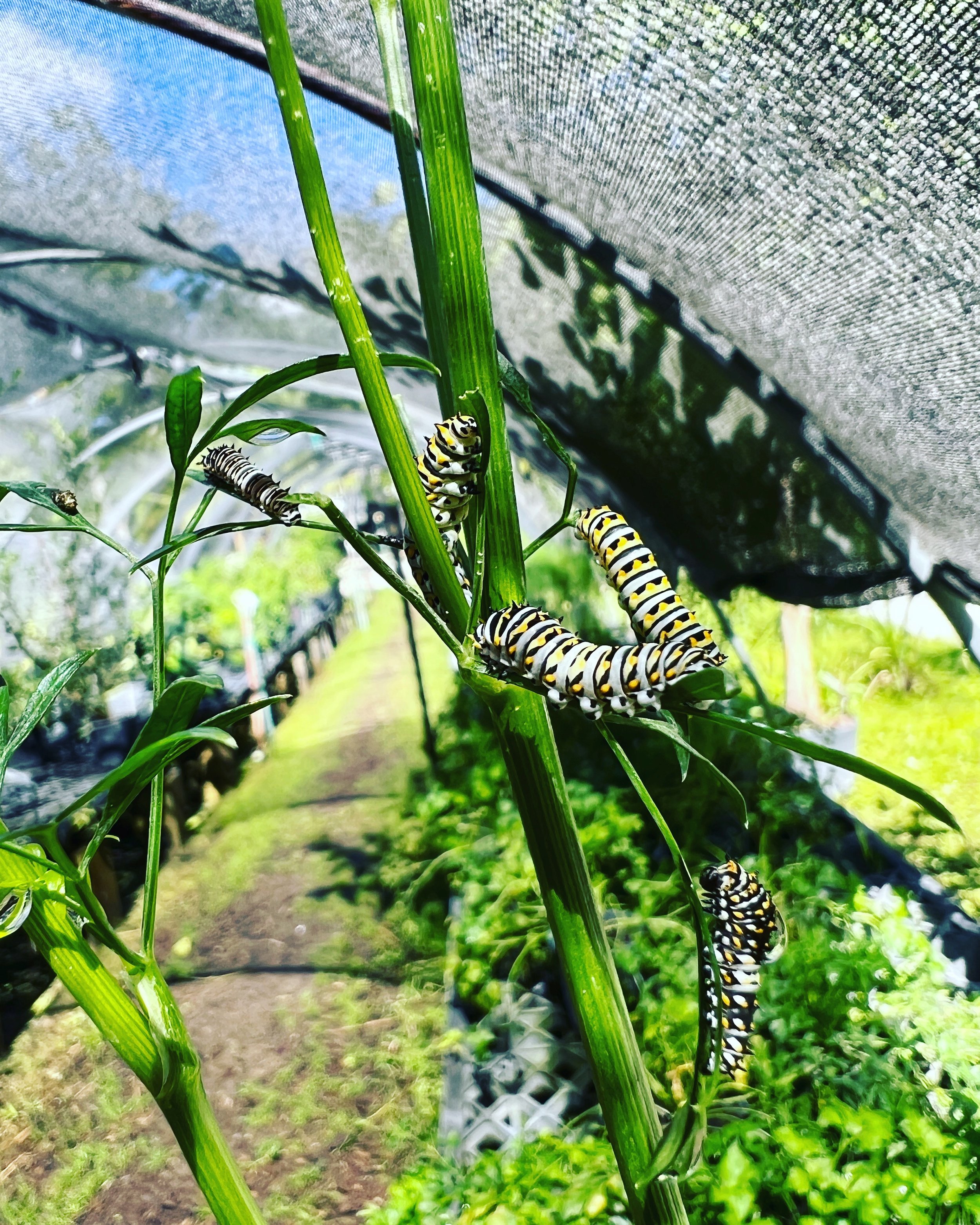
Fennel is a highly aromatic, dual-purpose perennial herb that serves both the kitchen garden and the landscape as a vital host plant for swallowtail butterflies. Prefers full sun during the winter but benefits from partial shade during the intense summer heat. Grows best in average to moist, well-drained soil enriched with organic compost. It can be successfully grown as a perennial all year round in Florida, though optimal growth occurs during the cooler months. Features fine, thread-like, feathery foliage and bright yellow umbrella-shaped flower clusters (umbels). It can grow from 3 to 6 feet tall. An essential larval host plant for the Eastern Black Swallowtail butterfly. The plant brings a sweet, anise-like flavor to seafood, soups, and salads.
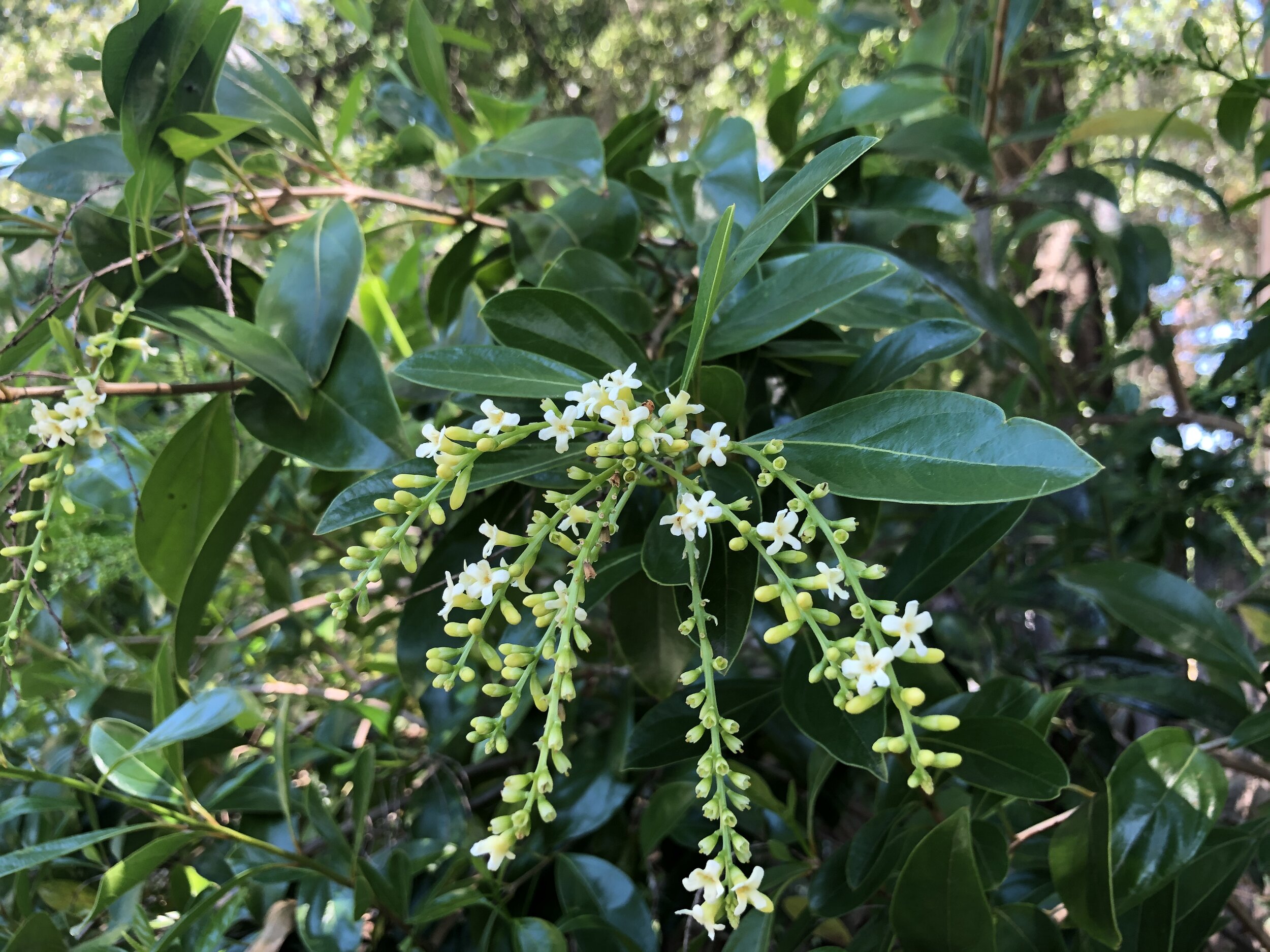
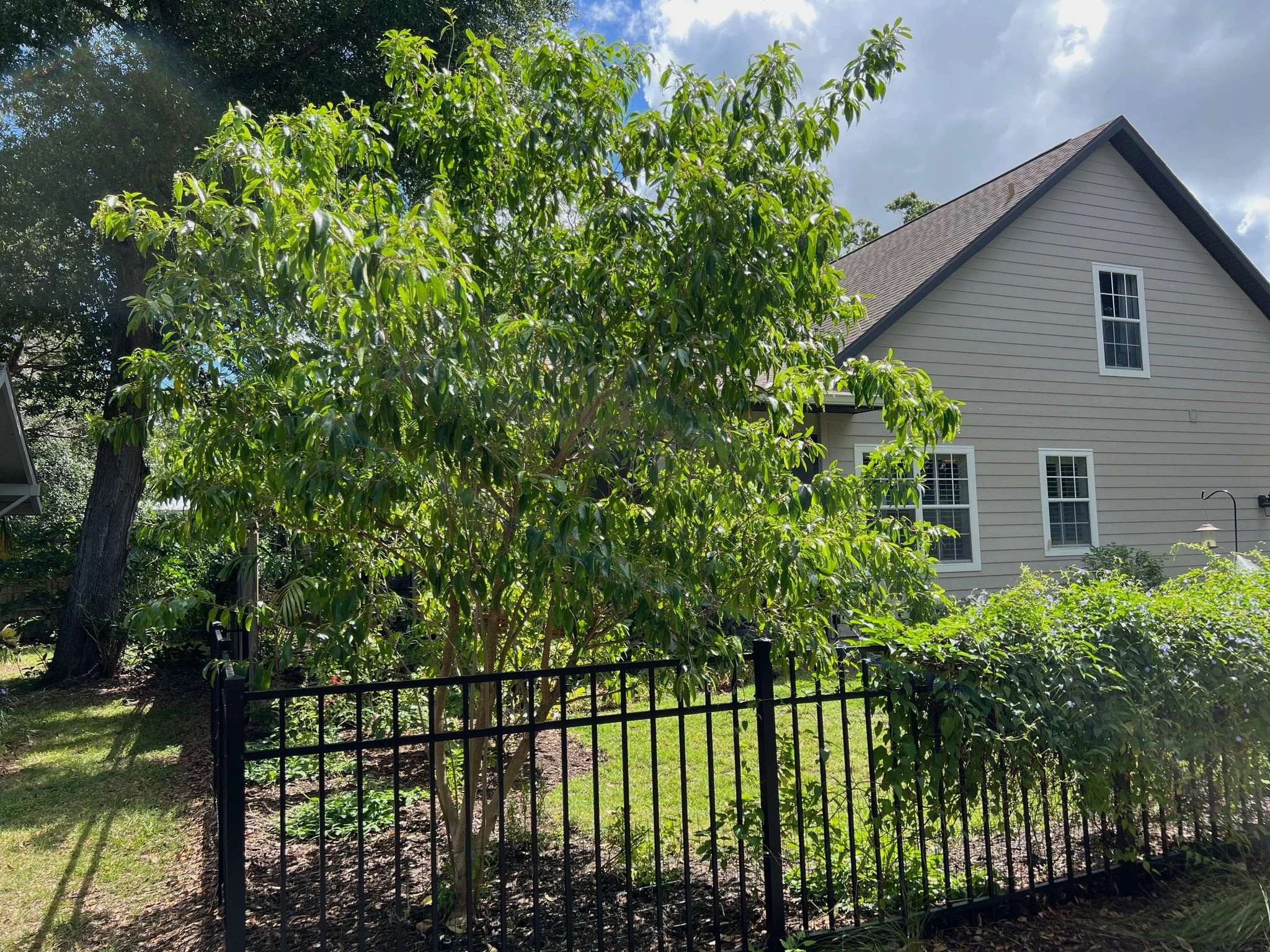
Citharexylum spinosum
Fiddlewood is a delightful fast growing native large shrub or small tree. Fiddlewood is evergreen, with shiny deep green leaves and fragrant white blooms all year long! This plant is dioecious, so if you have a female plant you will also have orange berries throughout the year that birds adore! This wonderful plant can go in full sun or in shade and is drought tolerant once established. It has a moderate salt tolerance so it can be planted in coastal uplands.
Fiddlewood can be used in a mixed hedge or as a specimen plant to make all the neighbors ask "What is that beauty covered in butterflies?!"

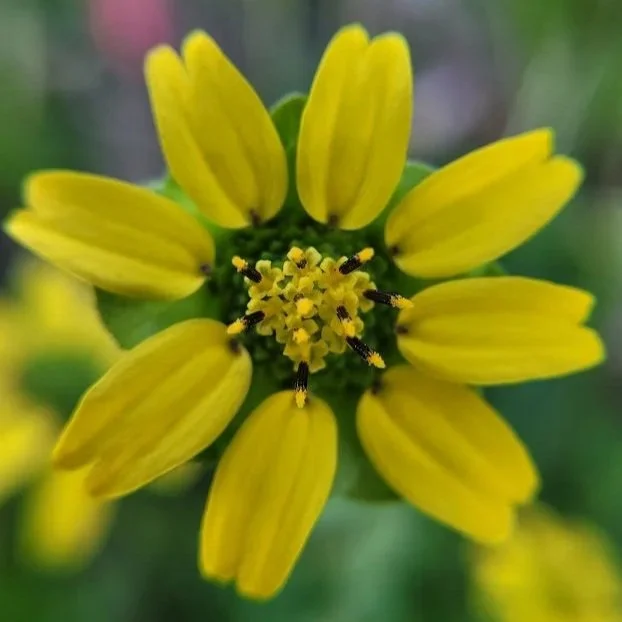
Berlandiera subacaulis
Florida Greeneyes is a long-lived perennial in the daisy family endemic to Florida that grows 1-2 feet tall with short-stemmed, bright yellow flowers. Also known as Florida Chocolate Flower, it produces fragrant blooms that emit a distinctive chocolatey scent and feature yellow ray petals surrounding dark red or maroon disc florets. This drought-tolerant wildflower develops a substantial tuberous root system that can grow up to 12 inches thick, providing exceptional water storage capacity. Blooming from spring through fall, it thrives in full sun to partial shade with well-drained soils and naturally occurs in sandhills, dry pine flatwoods, and disturbed sites throughout Florida, serving as an important nectar source for bees and butterflies.
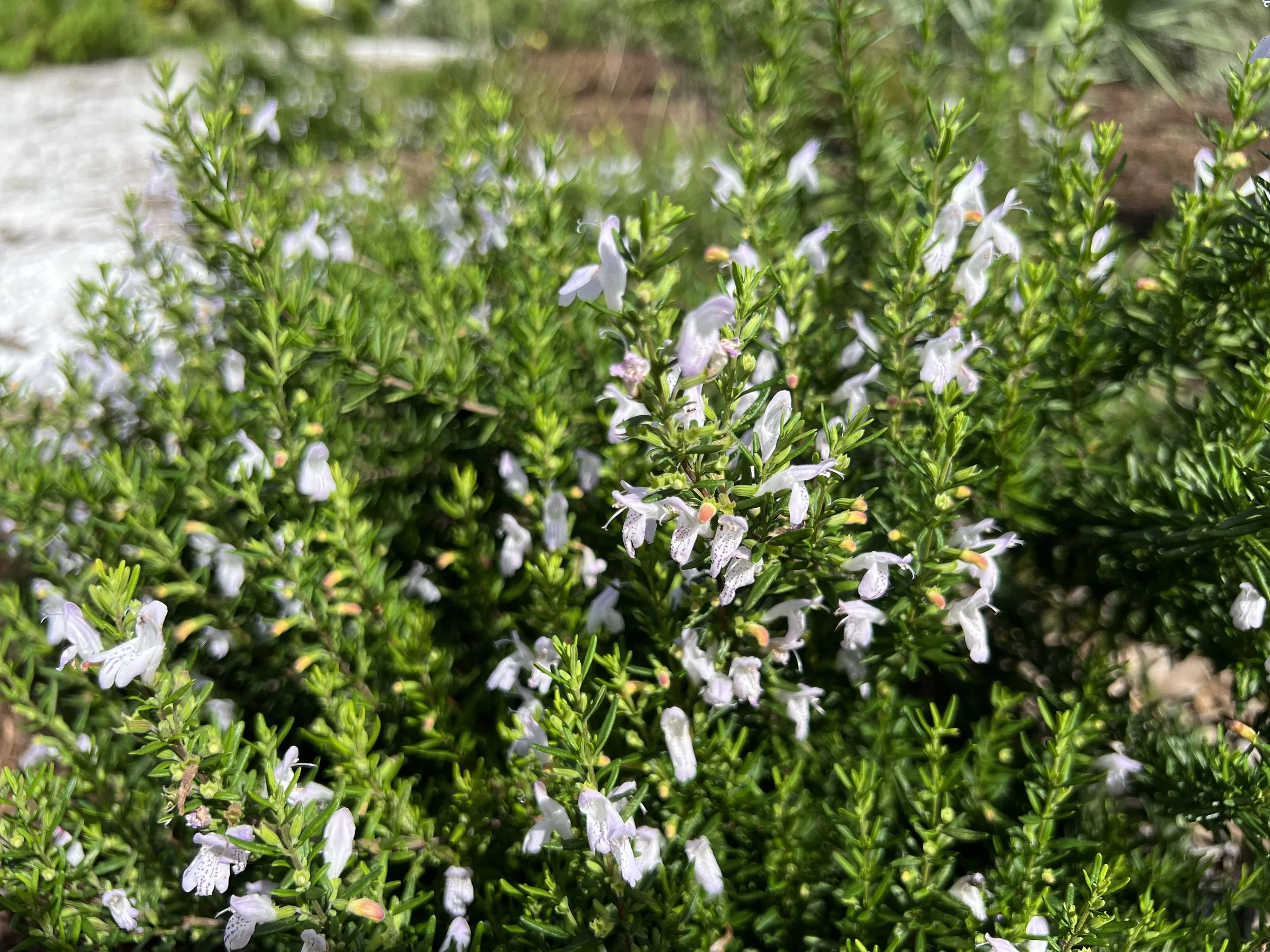
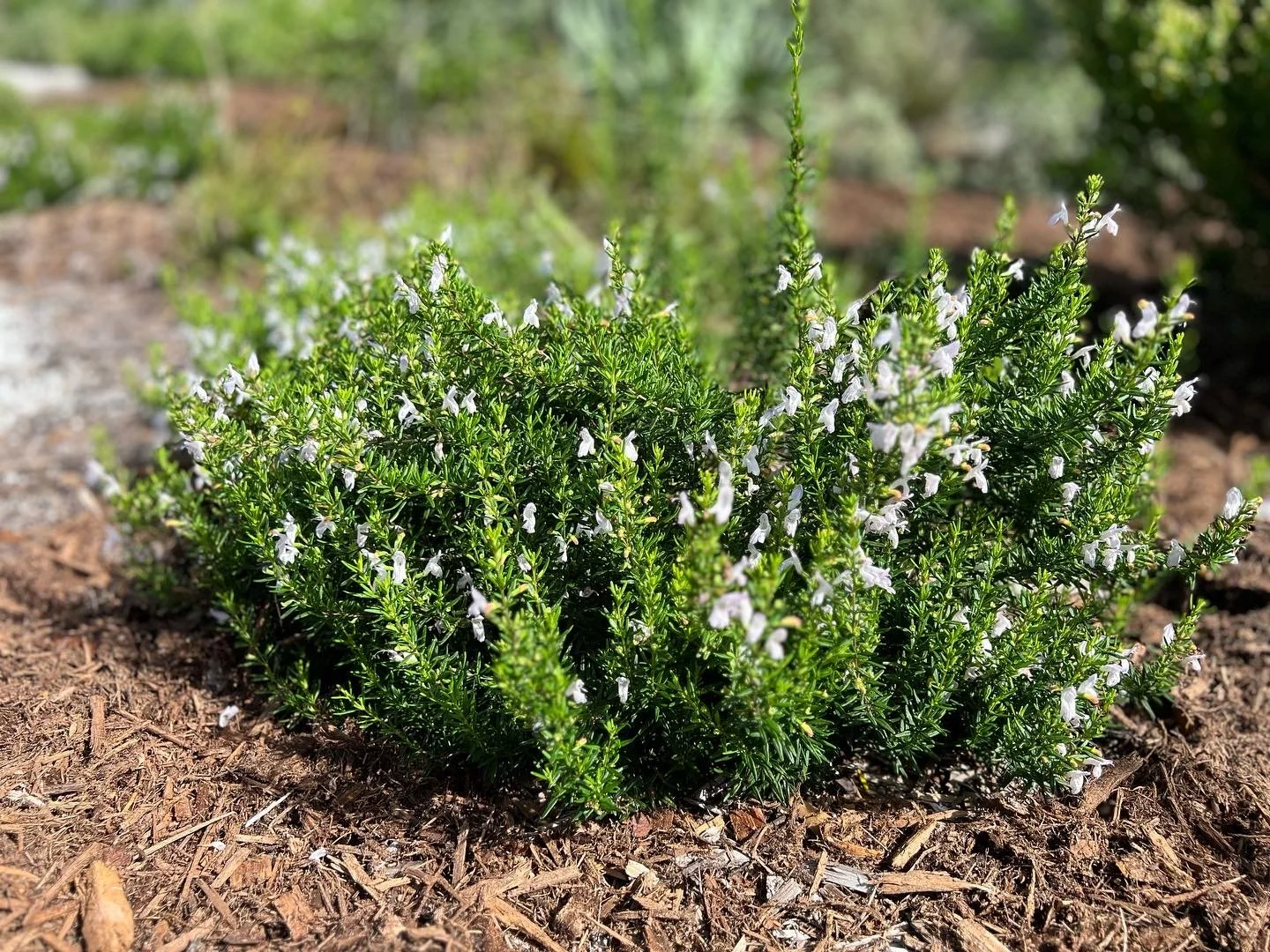
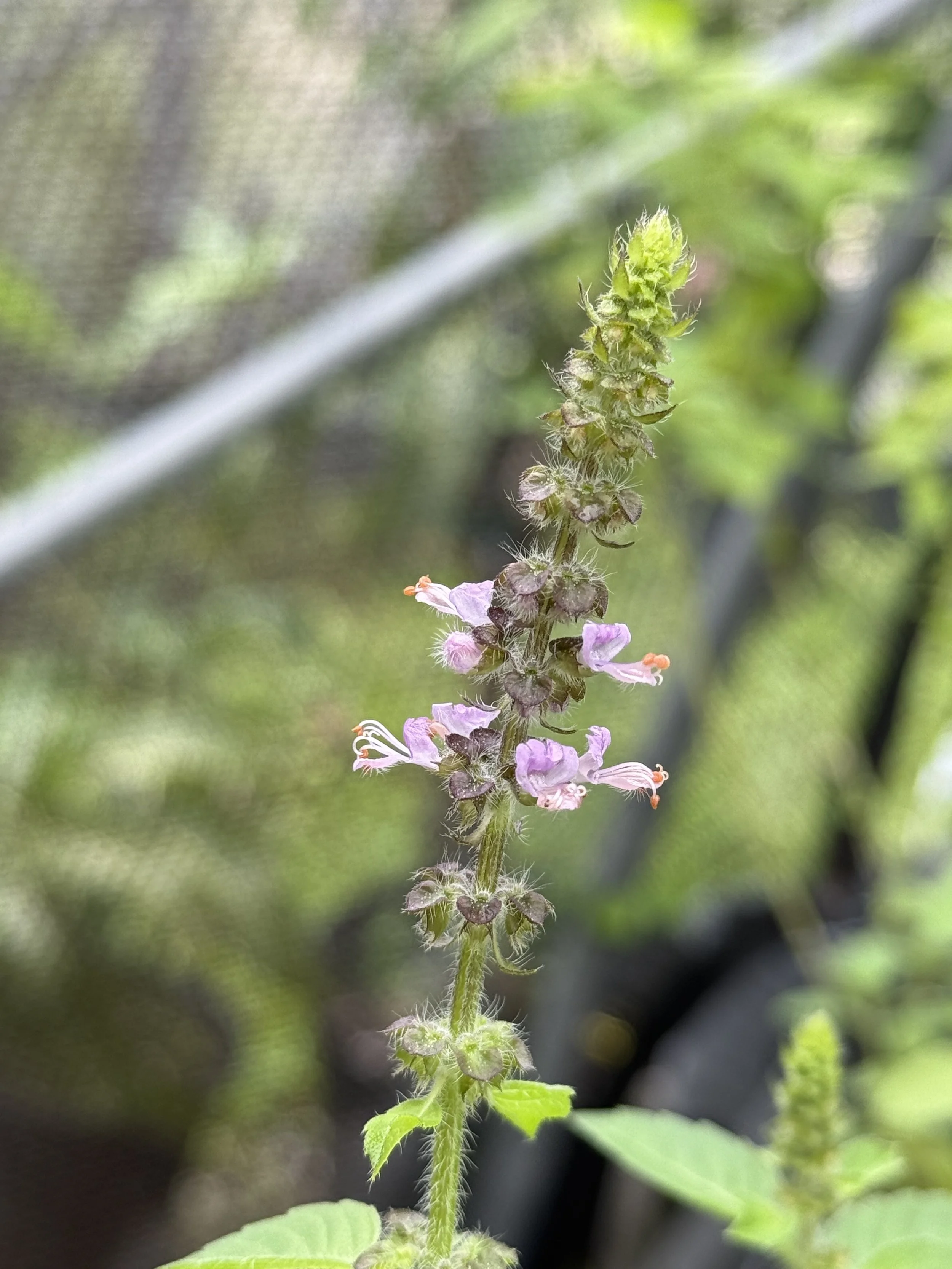
Clinopodium georgianum
A charming native perennial sub-shrub that grows into a tidy 2’ x 2’ mound. It thrives in full sun to partial shade and prefers well-drained, dry to average soil. Its most standout feature is the intensely fragrant foliage, making it a perfect choice for planting along pathways where the scent can be enjoyed by passersby. From summer into fall, it is covered in delicate light pink-to-purple flowers that are a magnet for pollinators, particularly bees.
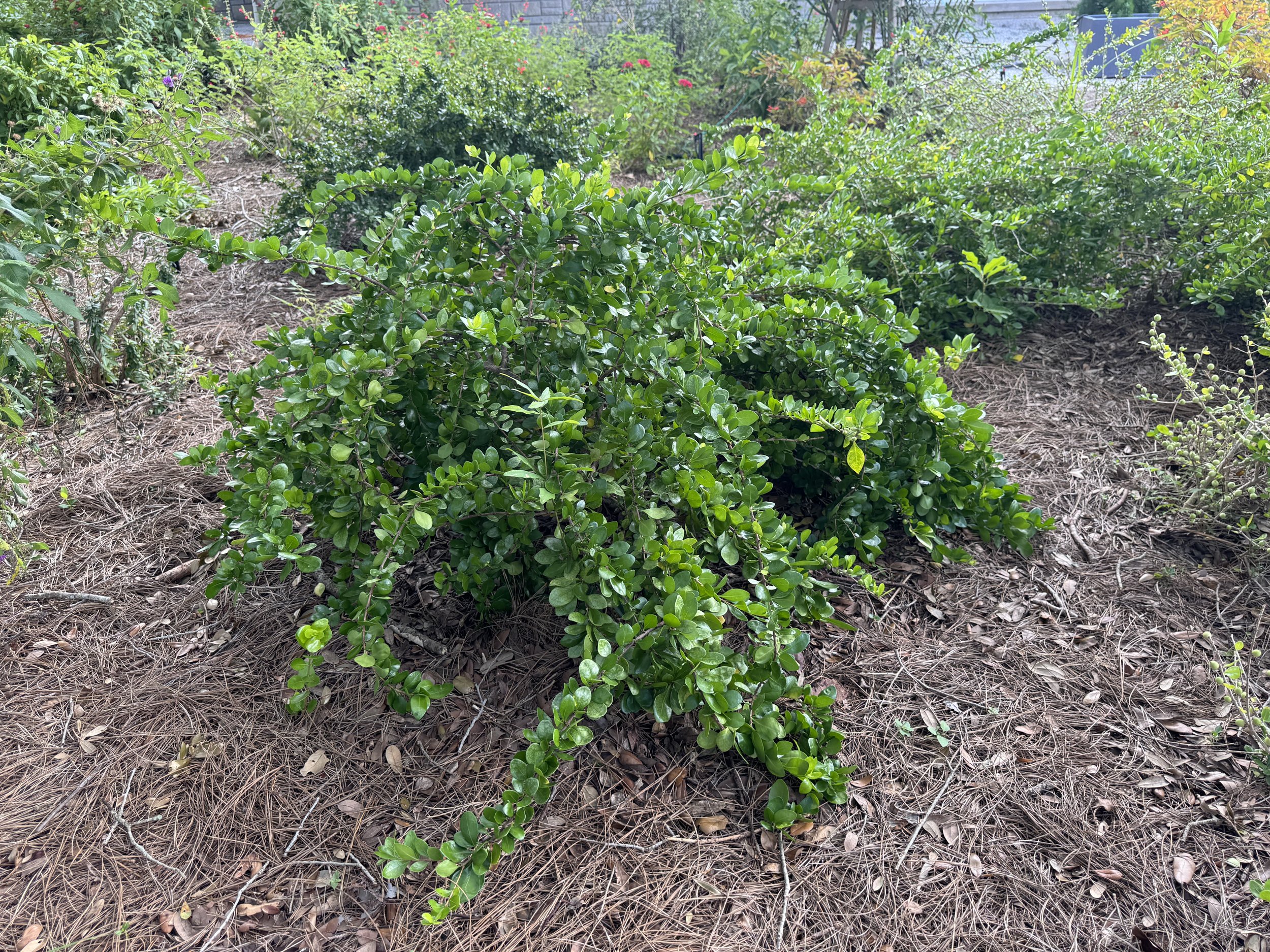
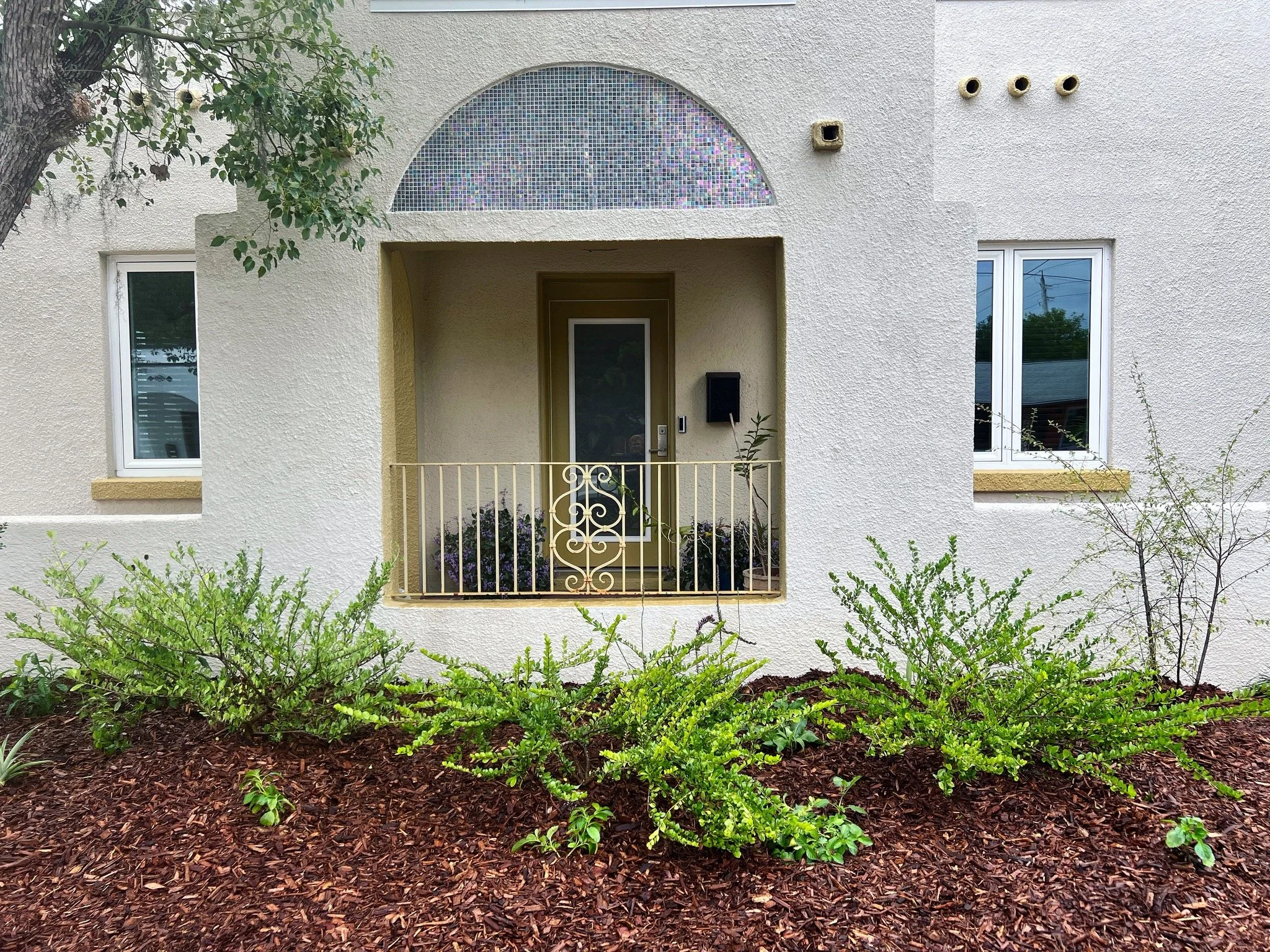
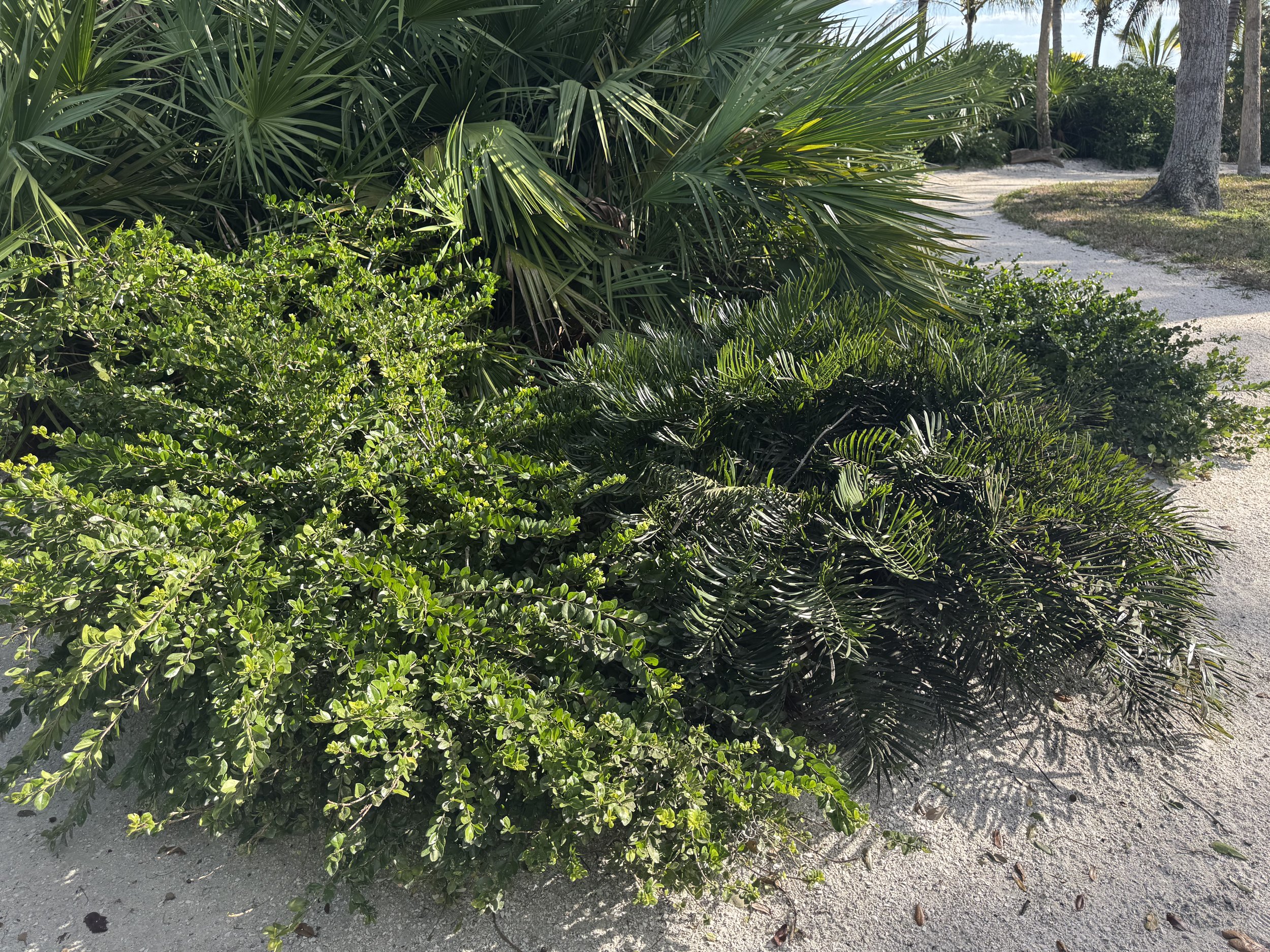
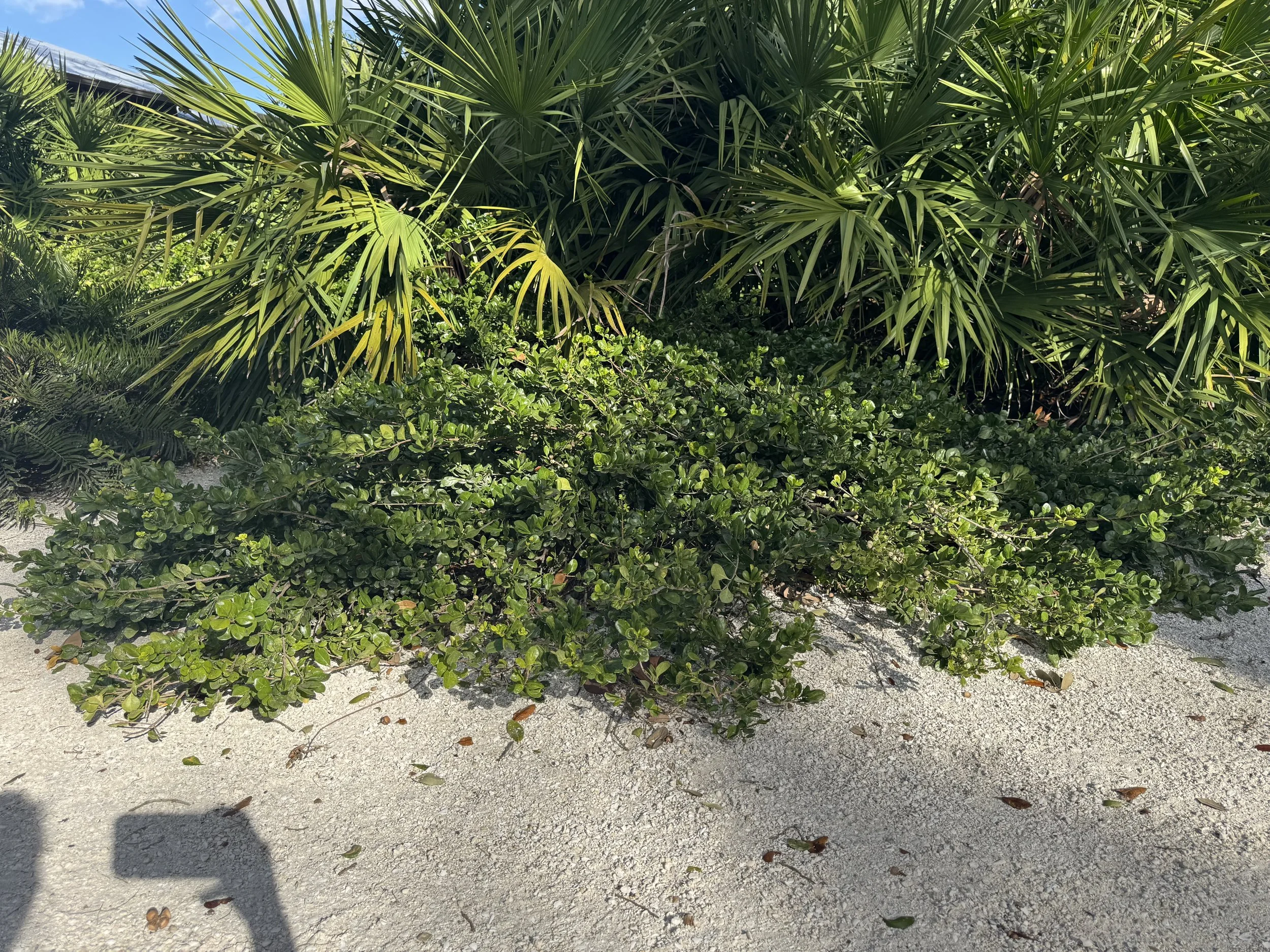
Randia aculeata
Horizontal Indigoberry is a native, evergreen, lower-growing and weeping ecotype of Upright Indigoberry. It makes a beautiful, lush and hardy and low-maintenance layer in a full sun to shade, well drained garden. The small white flowers attract pollinators and the white berries with deep purple centers are a food source for birds.

Cymbopogon citratus
Lemongrass is a non-native, Florida-friendly, perennial edible grass that grows 3’-4’ tall and 2’-3’ wide. They require full sun and rich, well-draining, loamy, clay, or sandy soil. When crushed, their leaves give off a lovely citrusy scent, and their lower stalks can be used to flavor soups, curries, and teas. As large clumping grass, they also make great border plants for folks who want to add some texture to their landscape.
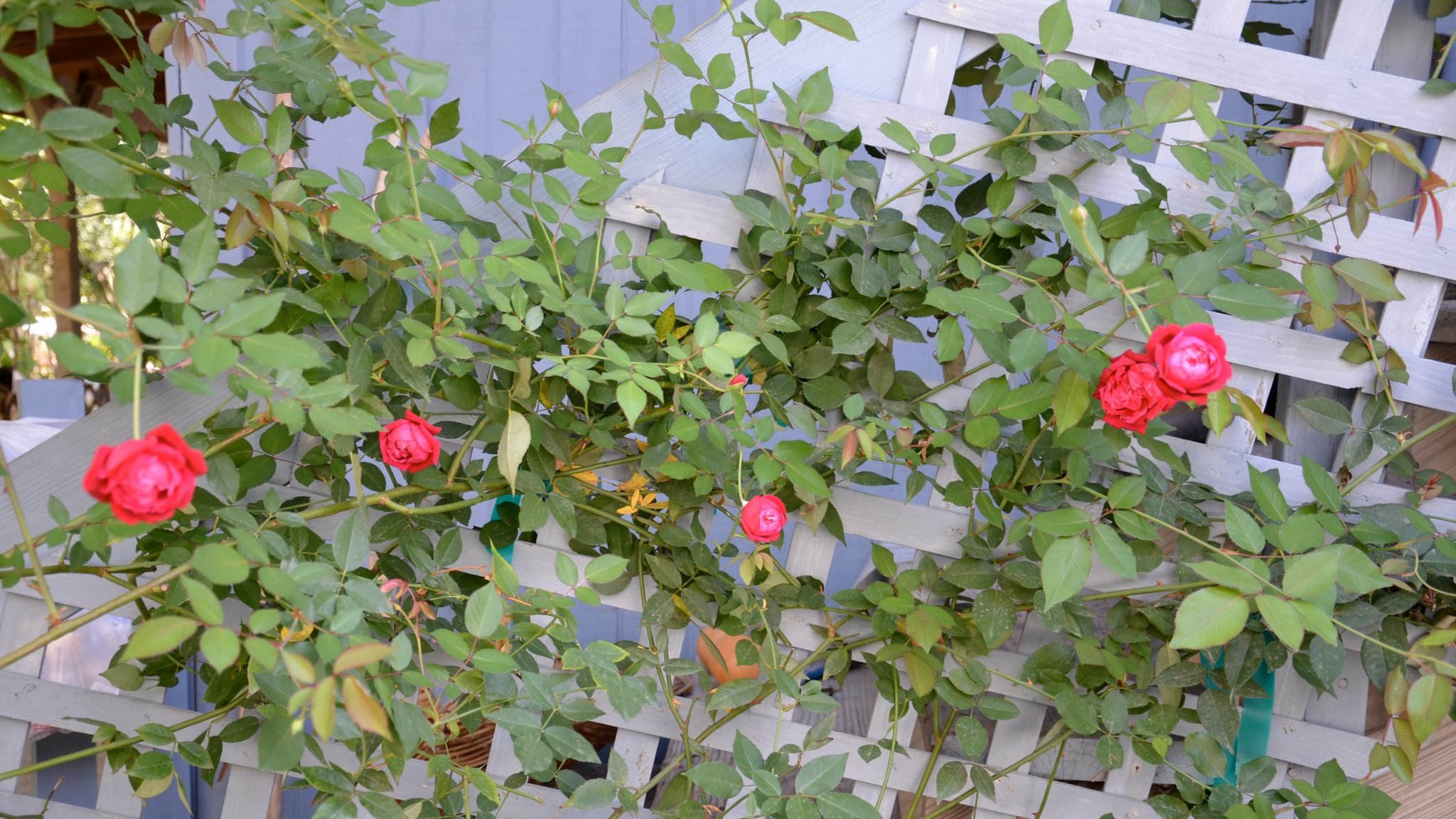
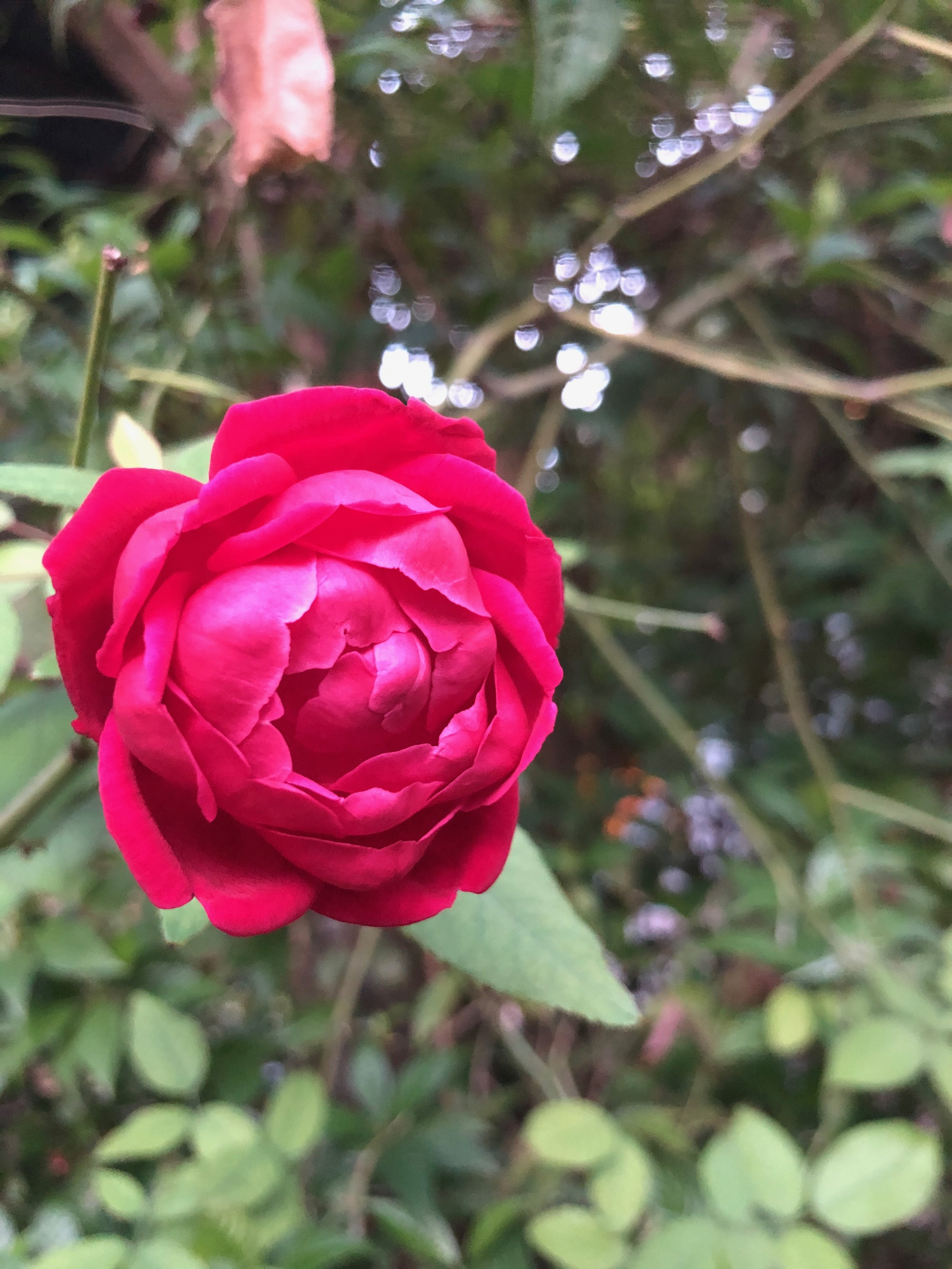
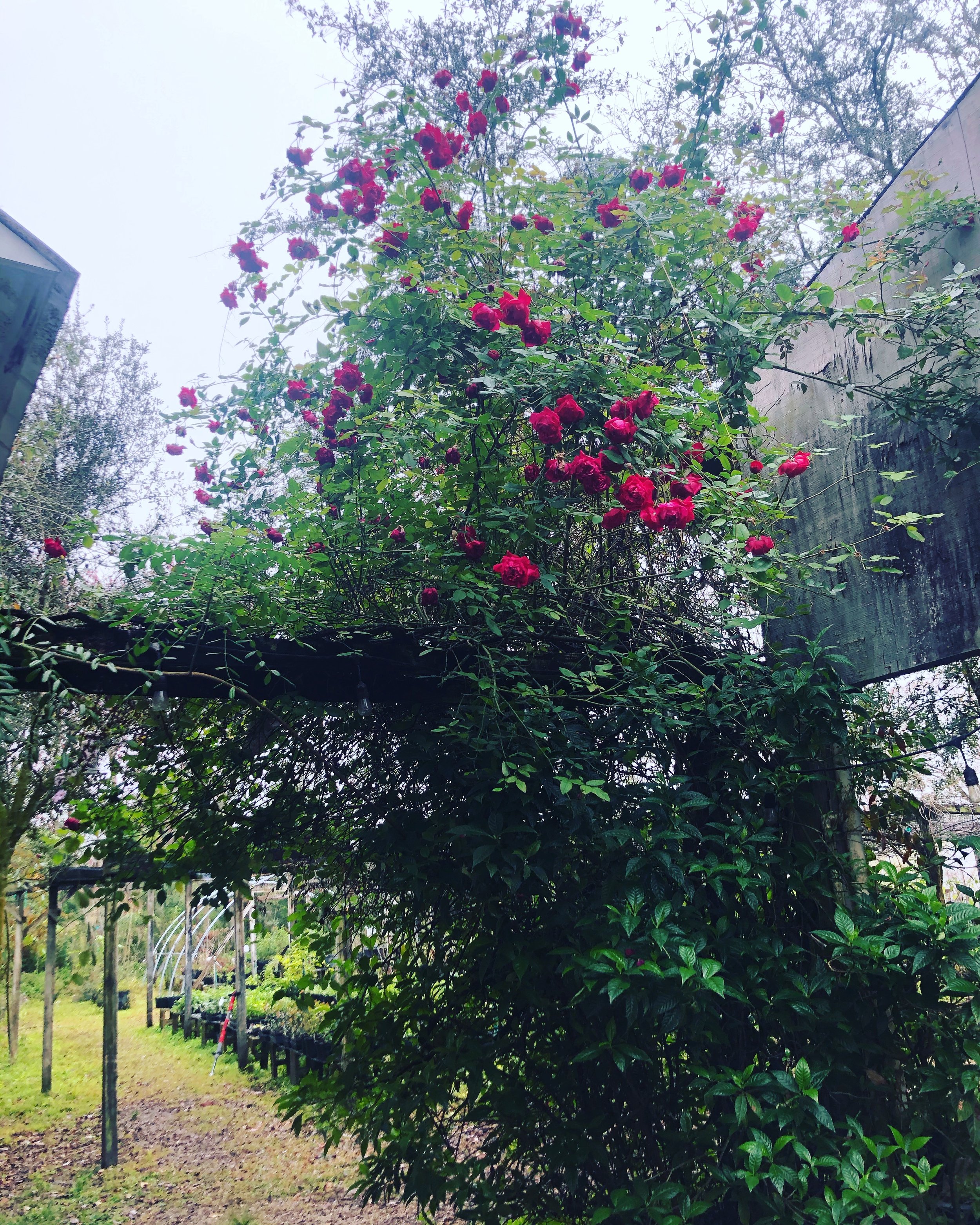
Rosa ‘Louis Philippe’
Louis Philippe Rose is a classic antique China rose introduced in 1834 and named after the French king of the same era. This tough, own-root heirloom grows 3-6 feet tall with a bushy, rounded habit and glossy, dense foliage. It produces loosely double, 2-inch flowers in deep rose red with lighter blush pink centers and occasional white stripes through the petals, blooming continuously throughout the growing season. Known as the "Cracker Rose" in the American South where it has thrived for over a century, it's extremely hardy, drought-tolerant, and disease-resistant. With its sweet fragrance and exceptional adaptability to Southern climates, it remains one of the most reliable roses for Florida gardens in zones 7-10.
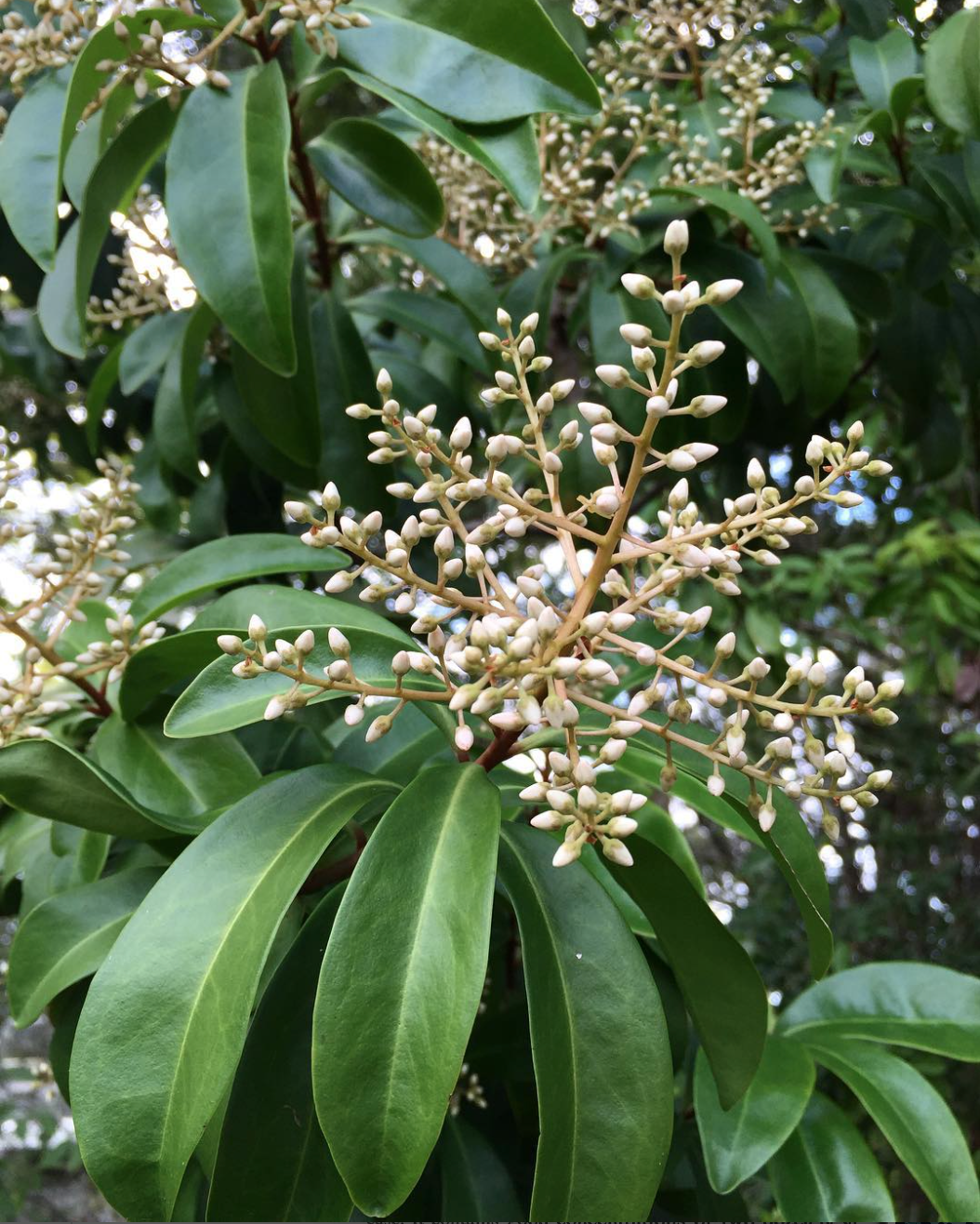
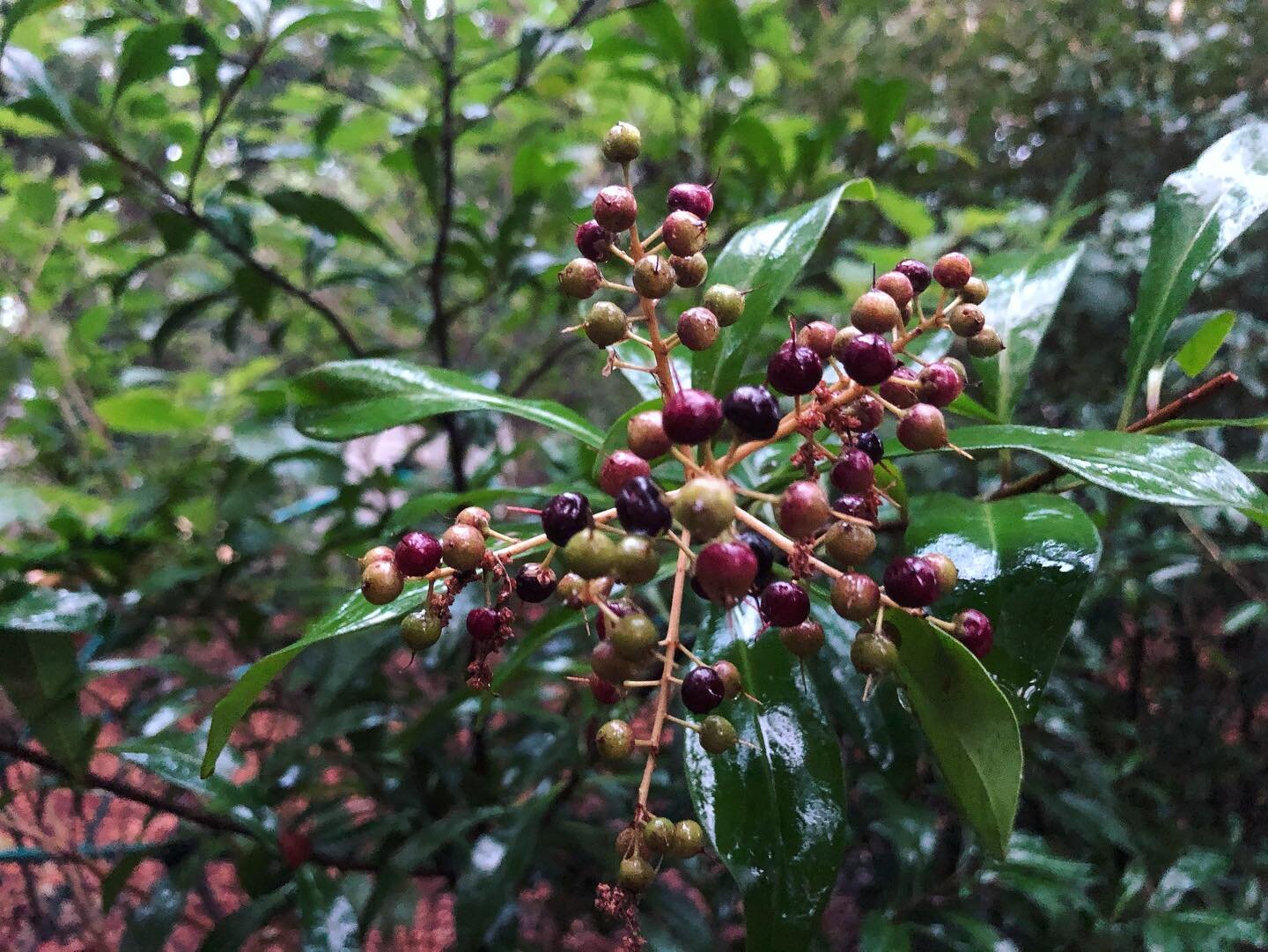
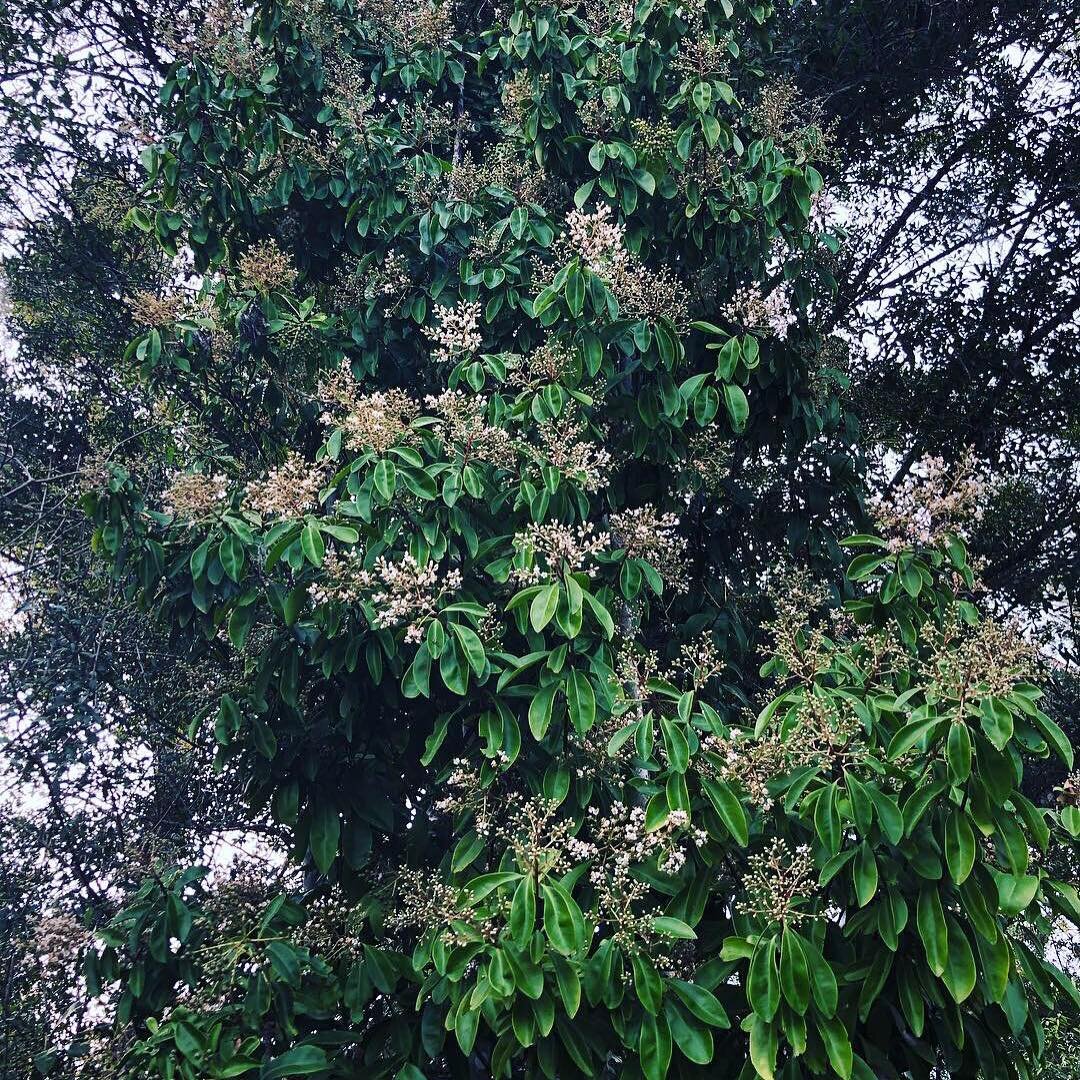
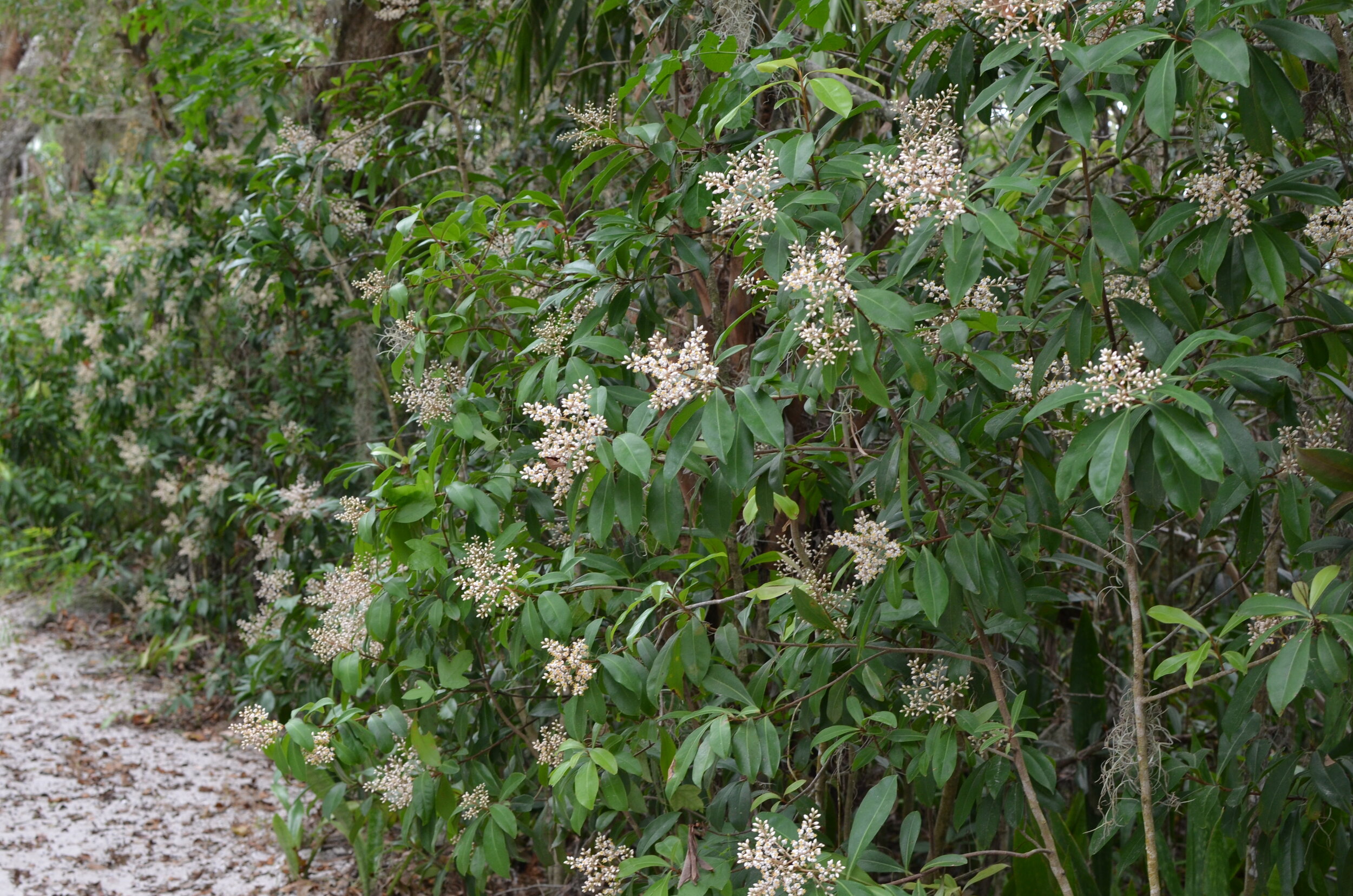
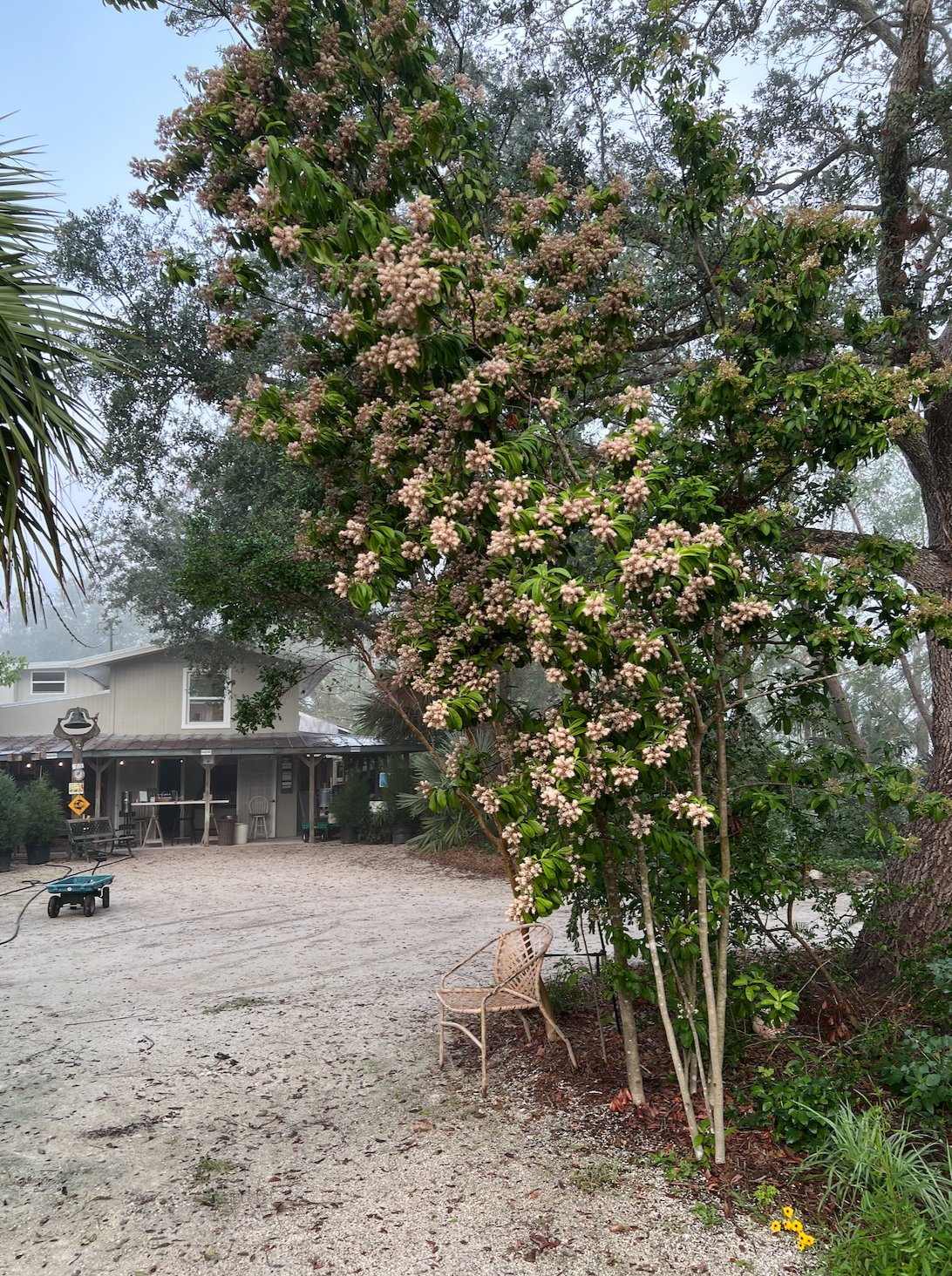
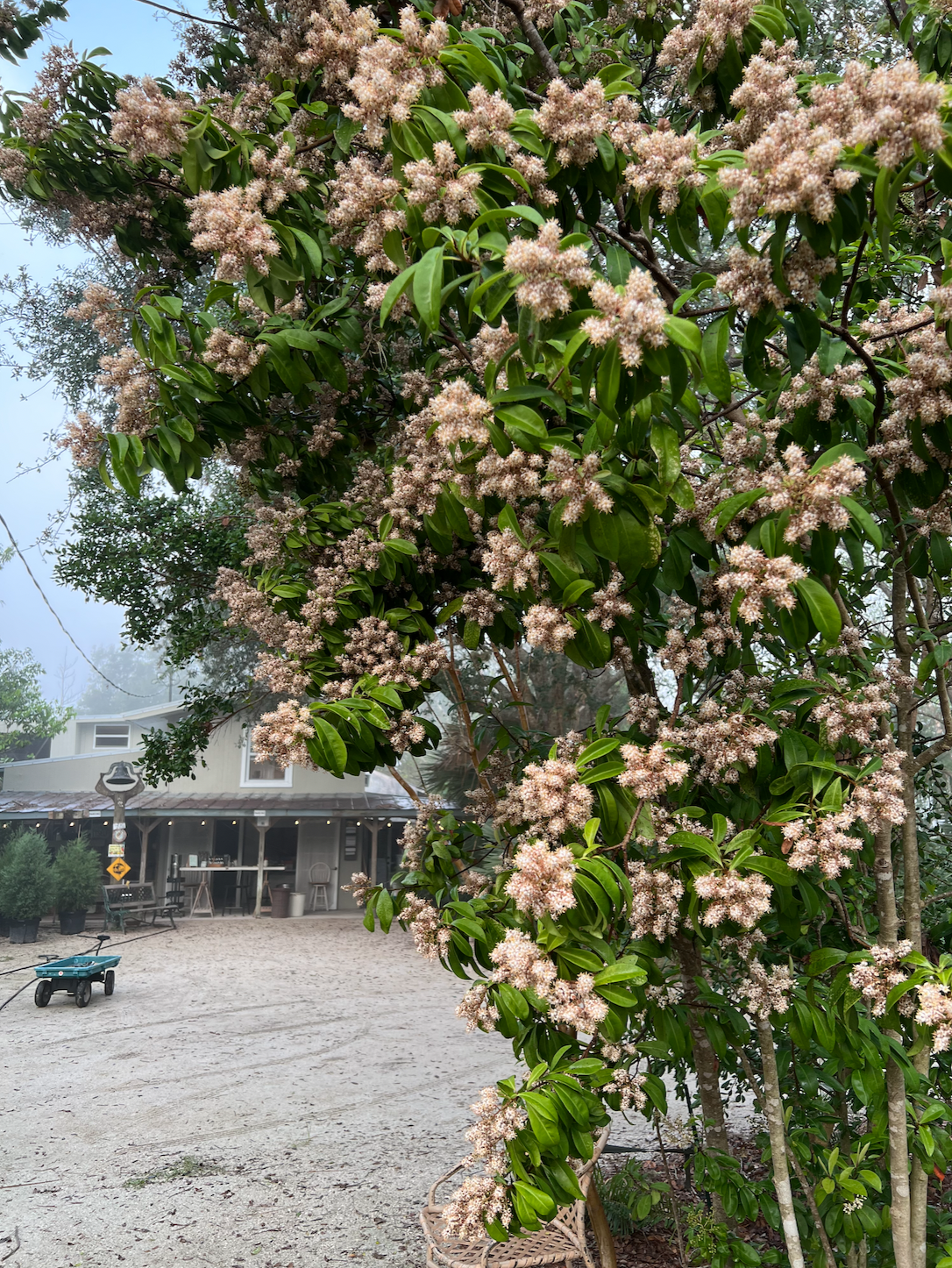
Ardisia escallonioides
Marlberry is a native evergreen shrub that typically grows 15’ tall and thrives in both shady and sunny moist hammock environments. This attractive plant features glossy, dark green leathery leaves and produces small, super fragrant white flowers followed by clusters of shiny black berries that are an important food source for wildlife.
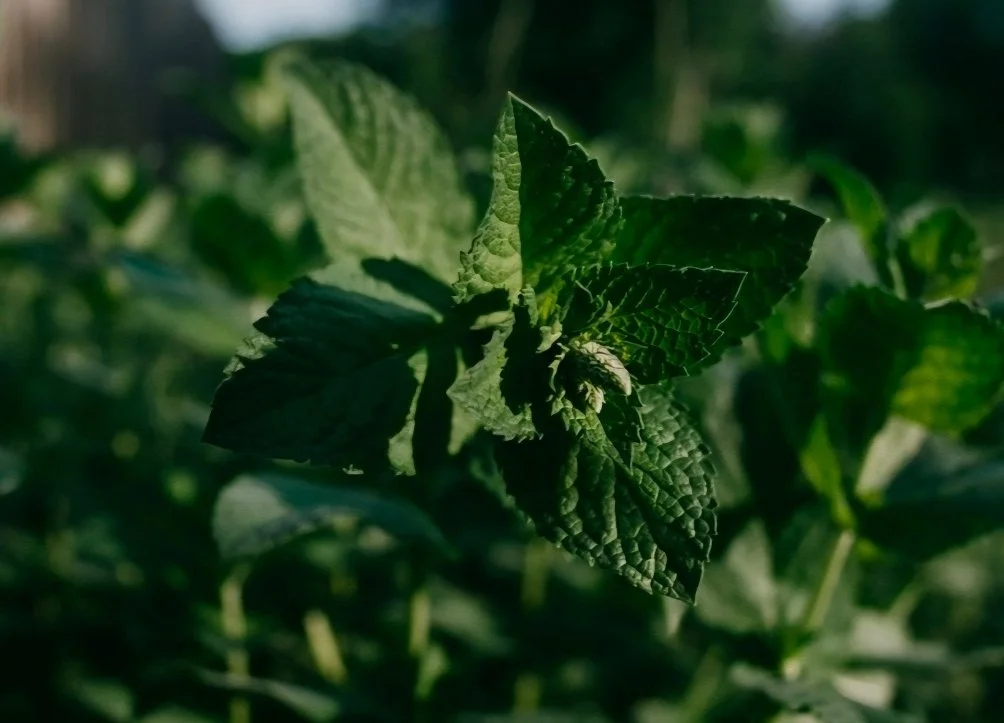
Mentha villosa
Mojito Mint is a non-native, Florida-friendly perennial herb that can grow 1’-3’ tall and 2’-3’ wide. They do well in full sun to partial shade and rich, moist, well-draining soil. The leaves are fragrant and edible, often used in mojitos and teas, salads, and as a garnish. The flowers are also highly attractive to pollinators.
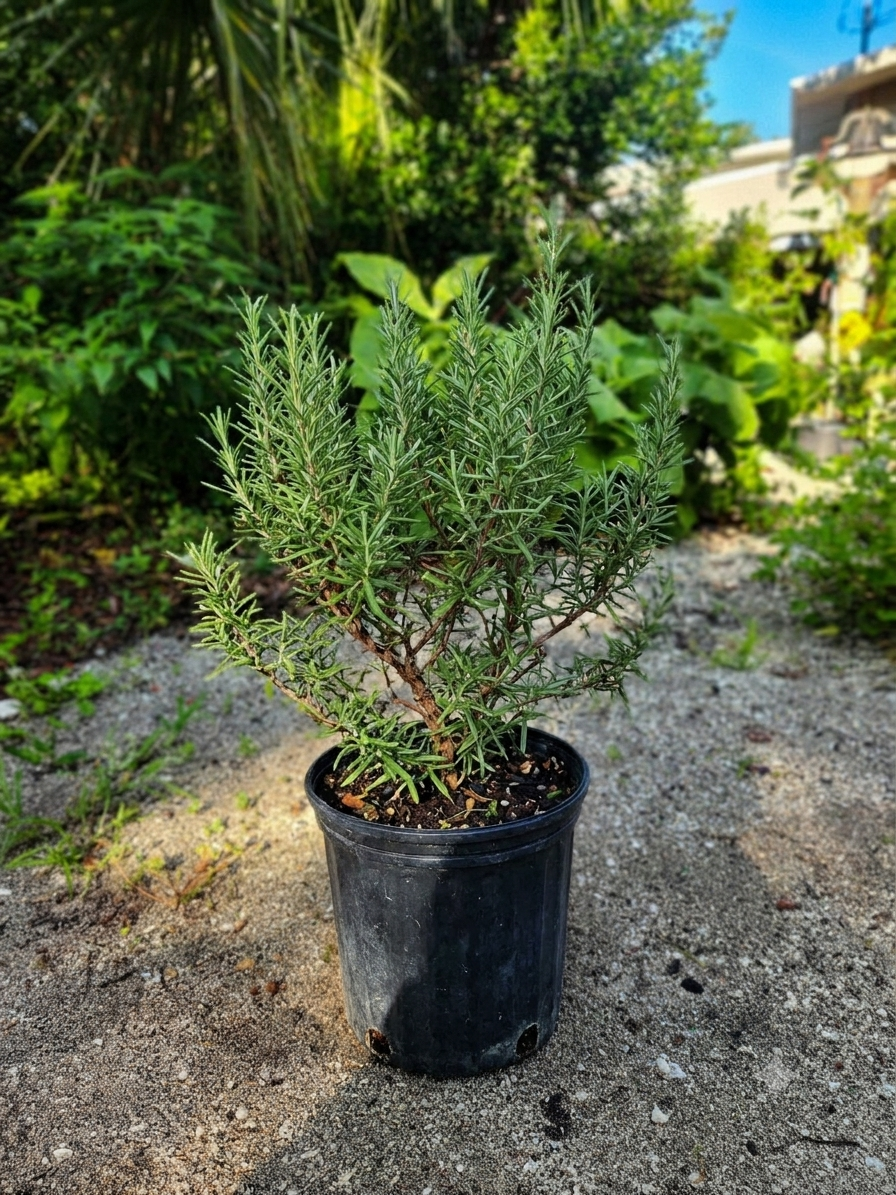
Salvia rosmarinus
Rosemary is a non-native, Florida-friendly evergreen woody herb that serves a purpose in the garden and the kitchen. Reaching 2’-5’ in height, with full sun and dry to average, well-draining sandy or rocky soil, Rosemary is a great drought-tolerant herb that handles the Florida heat very well. With flowers for pollinators from late winter to spring, and an undeniably delicious flavor when using the leaves, this plant can be used in a butterfly garden and in teas, soups, and roasts.
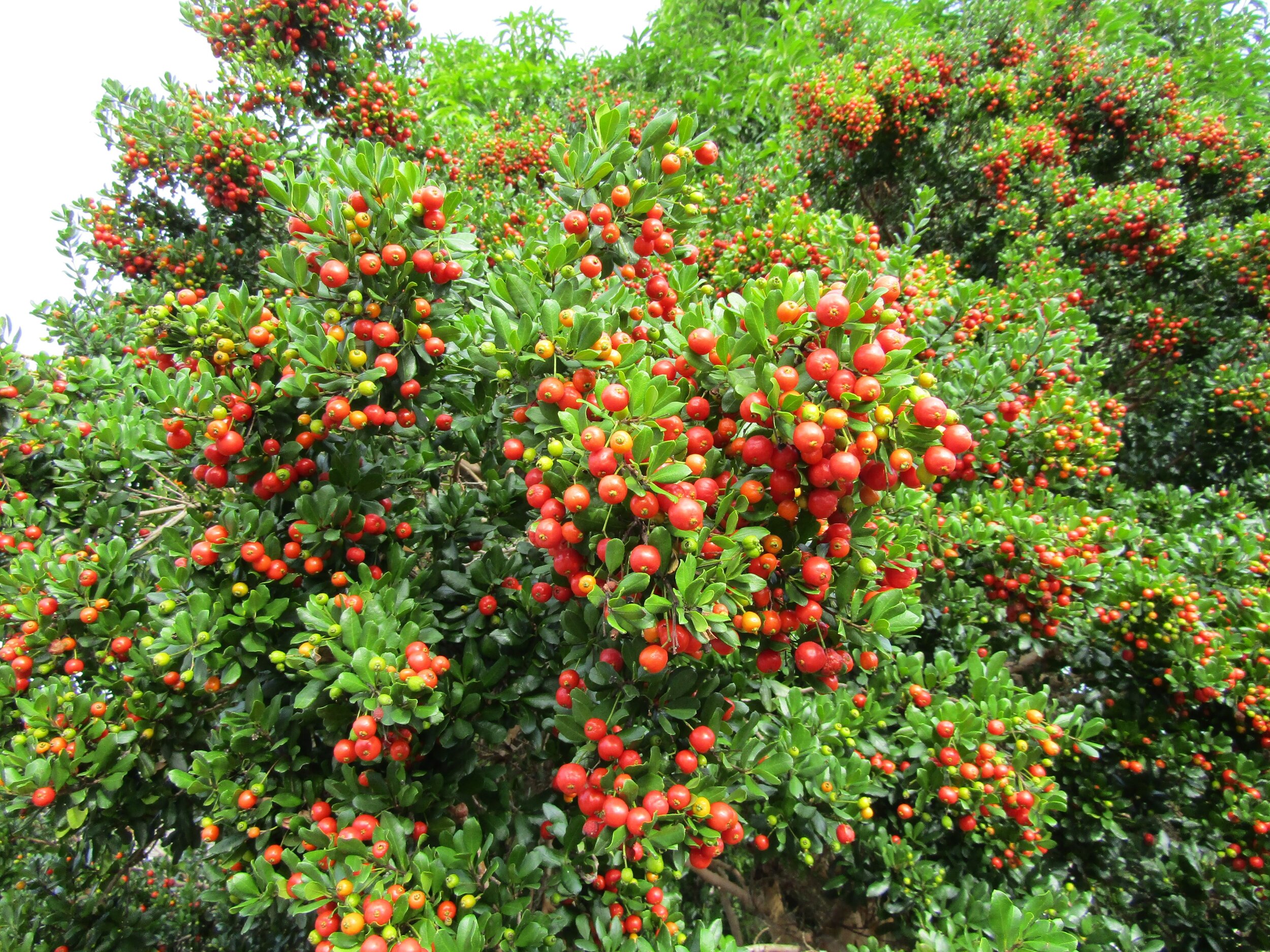

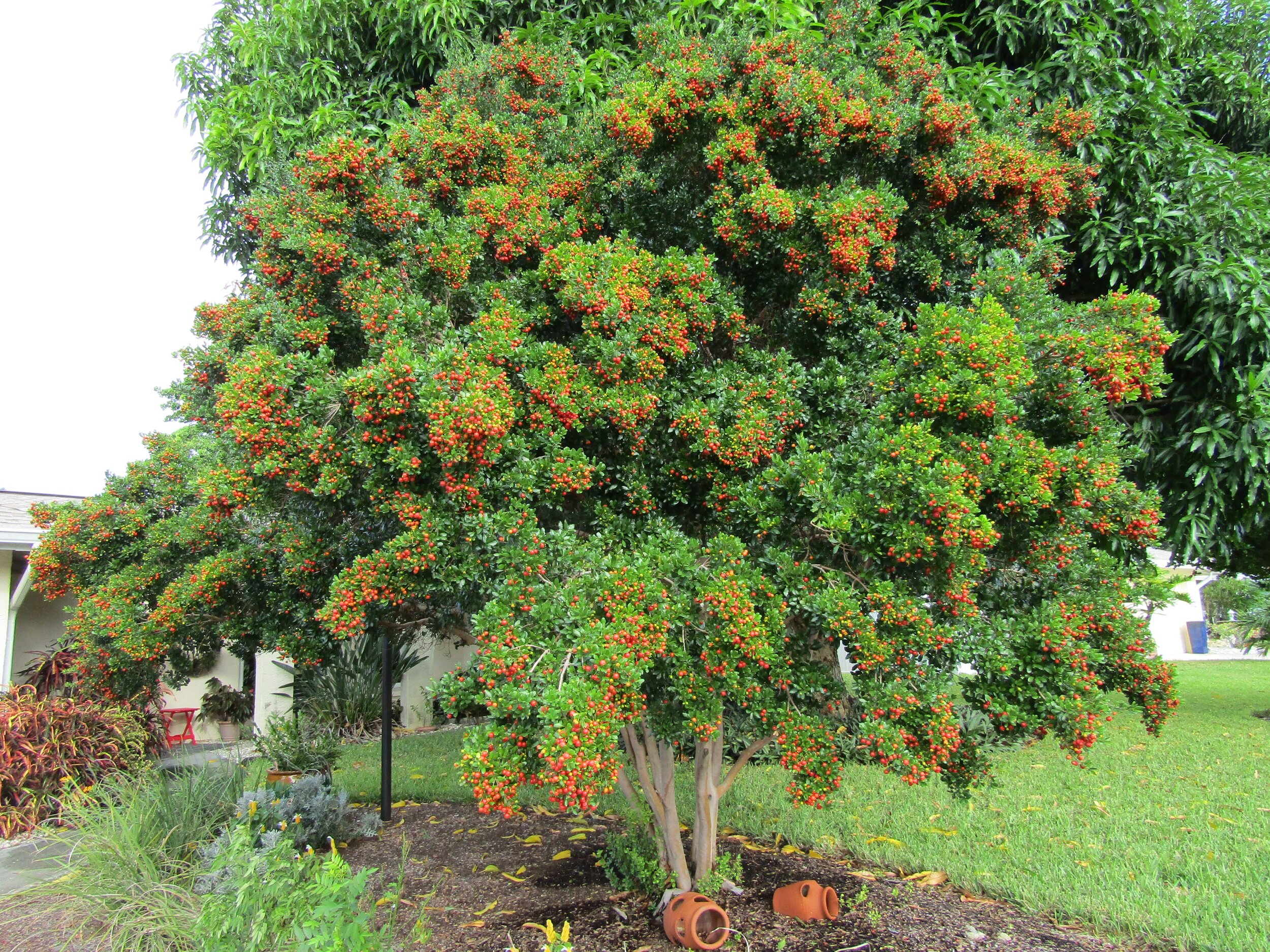
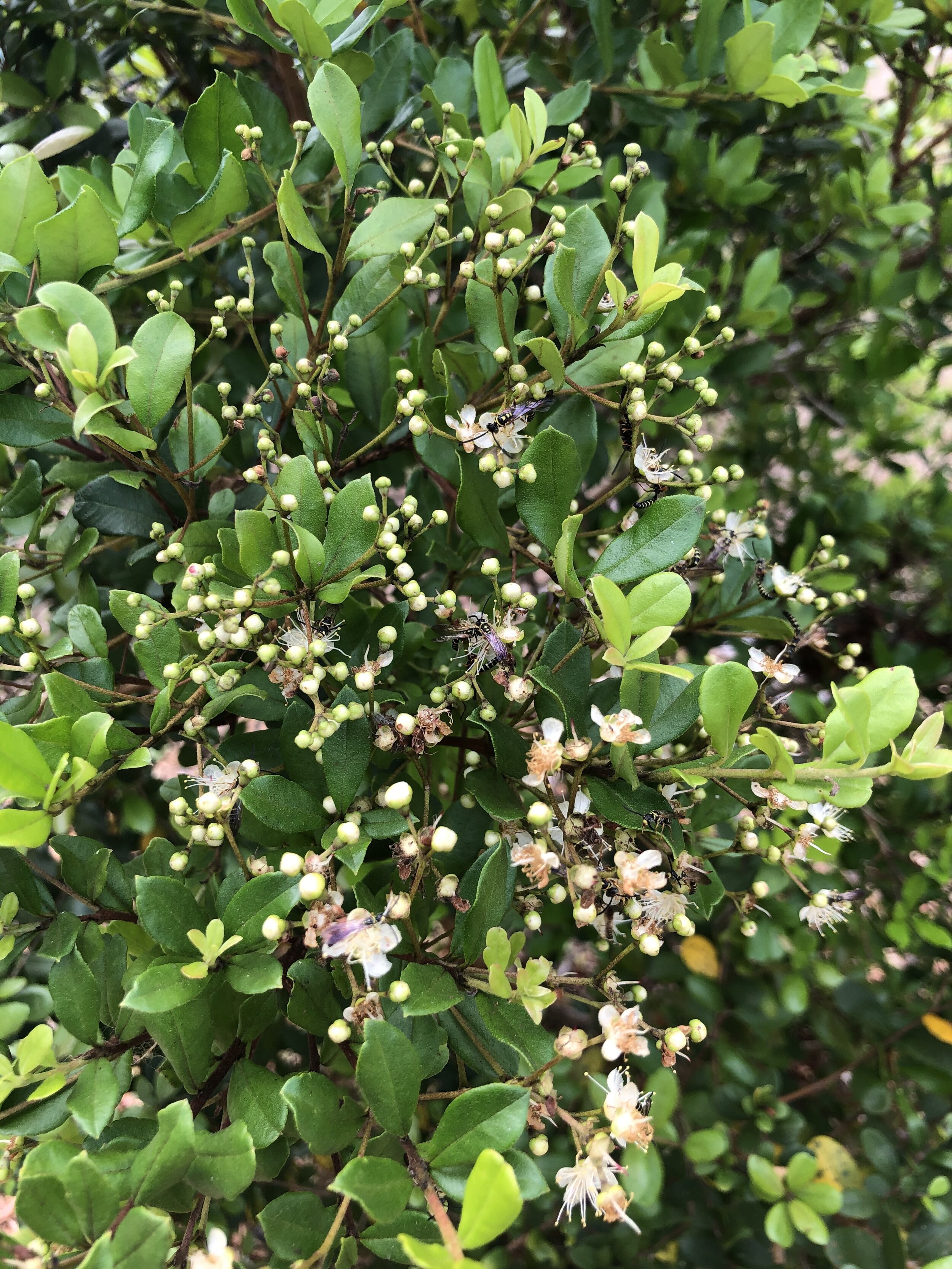
Myrcianthes fragrans
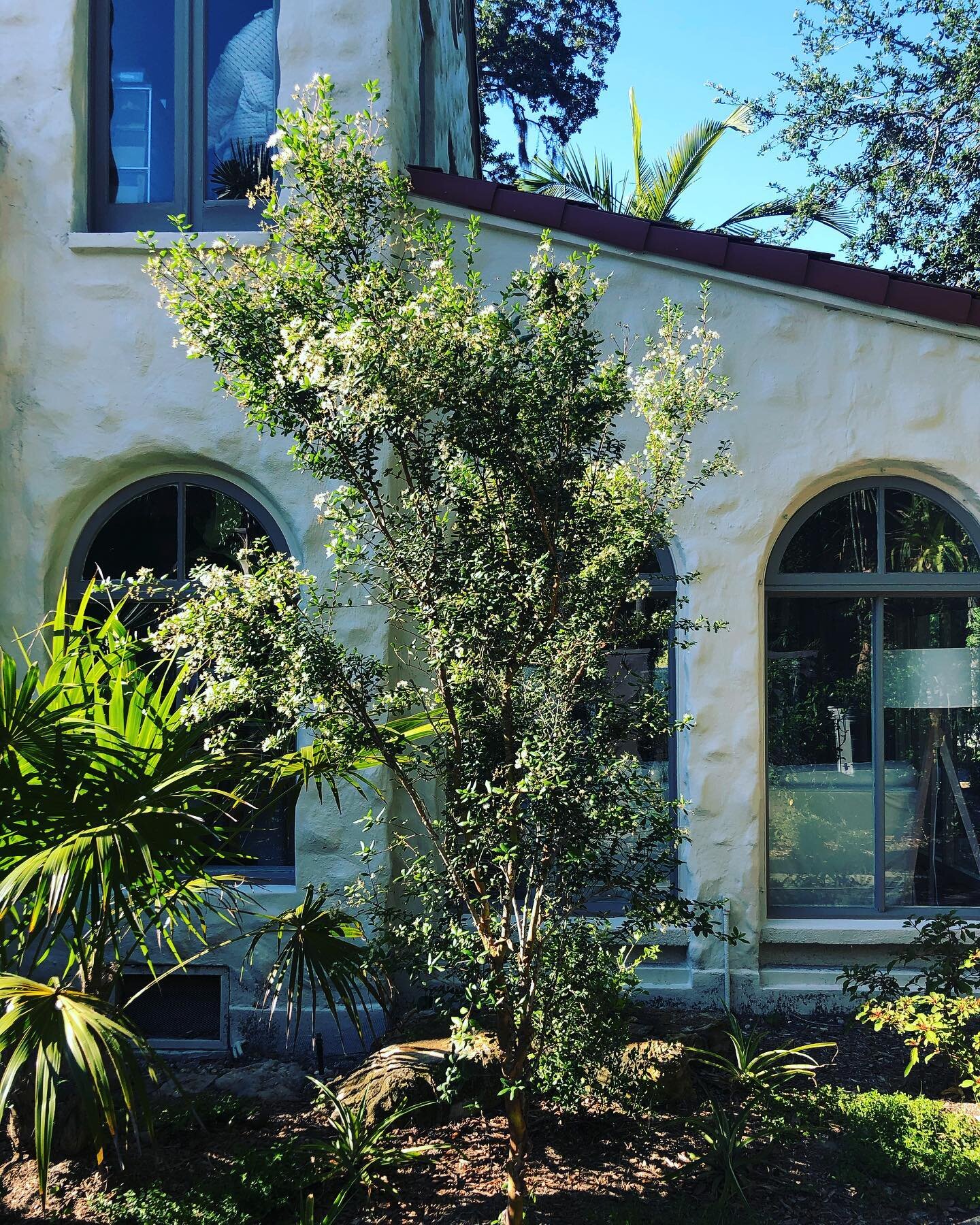
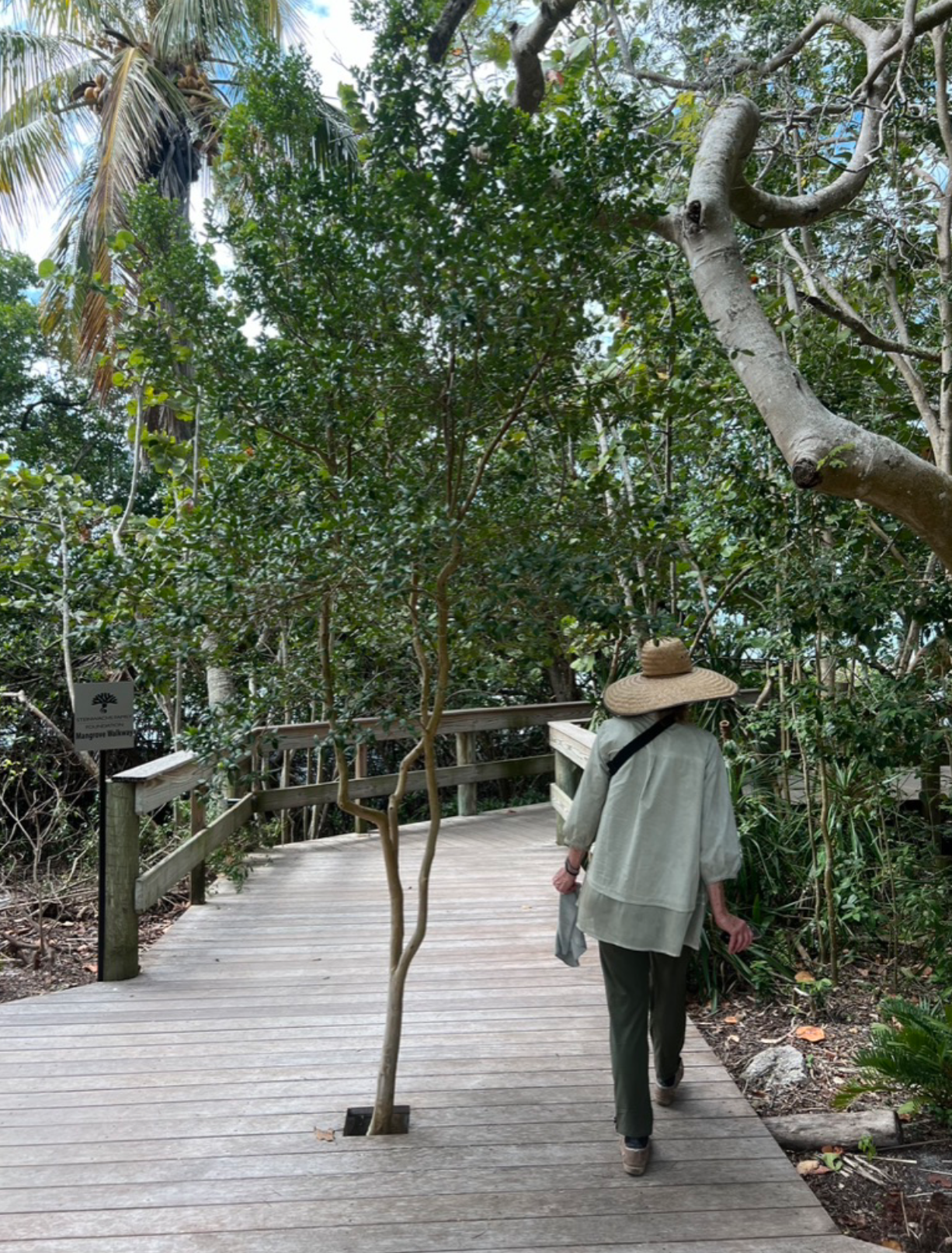
Simpson's Stopper is an evergreen shrub or small tree native to Florida and the Caribbean that grows 5’-20’ tall with glossy, dark green leaves. The new growth emerges in attractive colors ranging from pale chartreuse to deep wine red, and the leaves emit a spicy, nutmeg-like fragrance when crushed. In spring, it produces clusters of fragrant white flowers followed by orange to red berries that attract birds including cardinals, blue jays, and mockingbirds. The plant features distinctive exfoliating bark that flakes off to reveal reddish-brown underneath, providing year-round visual interest. Extremely versatile and low-maintenance, it thrives in full sun to partial shade, tolerates salt, drought, and poor drainage, and can be used as a hedge, specimen tree, or even container plant in zones 8b-11.
Magnolia grandiflora
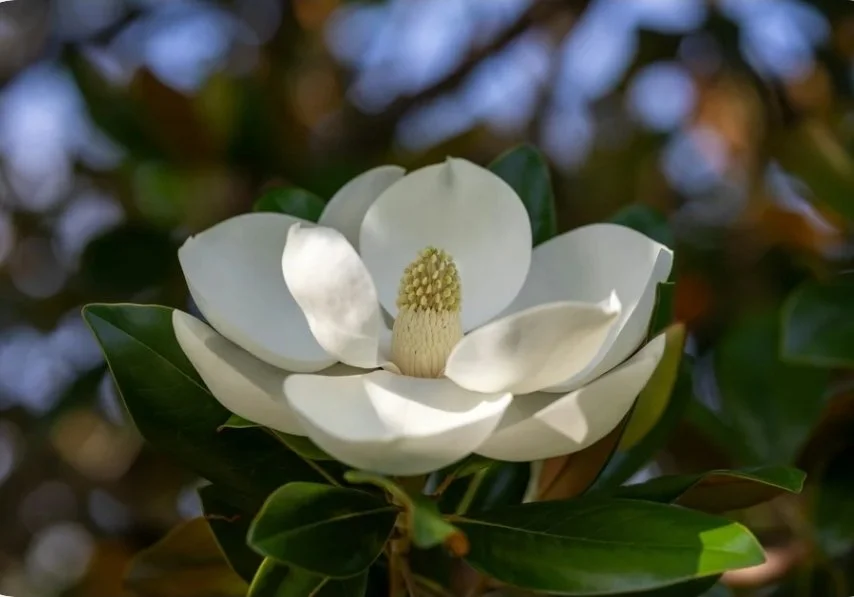
Southern Magnolia is a native, evergreen flowering tree that grows to be 60’-80’ tall and 30’-50’ wide. They grow best in full sun to partial shade, with moist, rich, acidic well-drained soils. With their dark green leathery leaves and their large, heavily fragrant white flowers in late spring and summer, Southern Magnolias make a great addition to Florida landscapes as part of a privacy screen or specimen plant. Their flowers predate bees, so they are instead pollinated by beetles, but their seeds provide food for birds and small mammals, and their dense branches provide year-round cover for local wildlife.
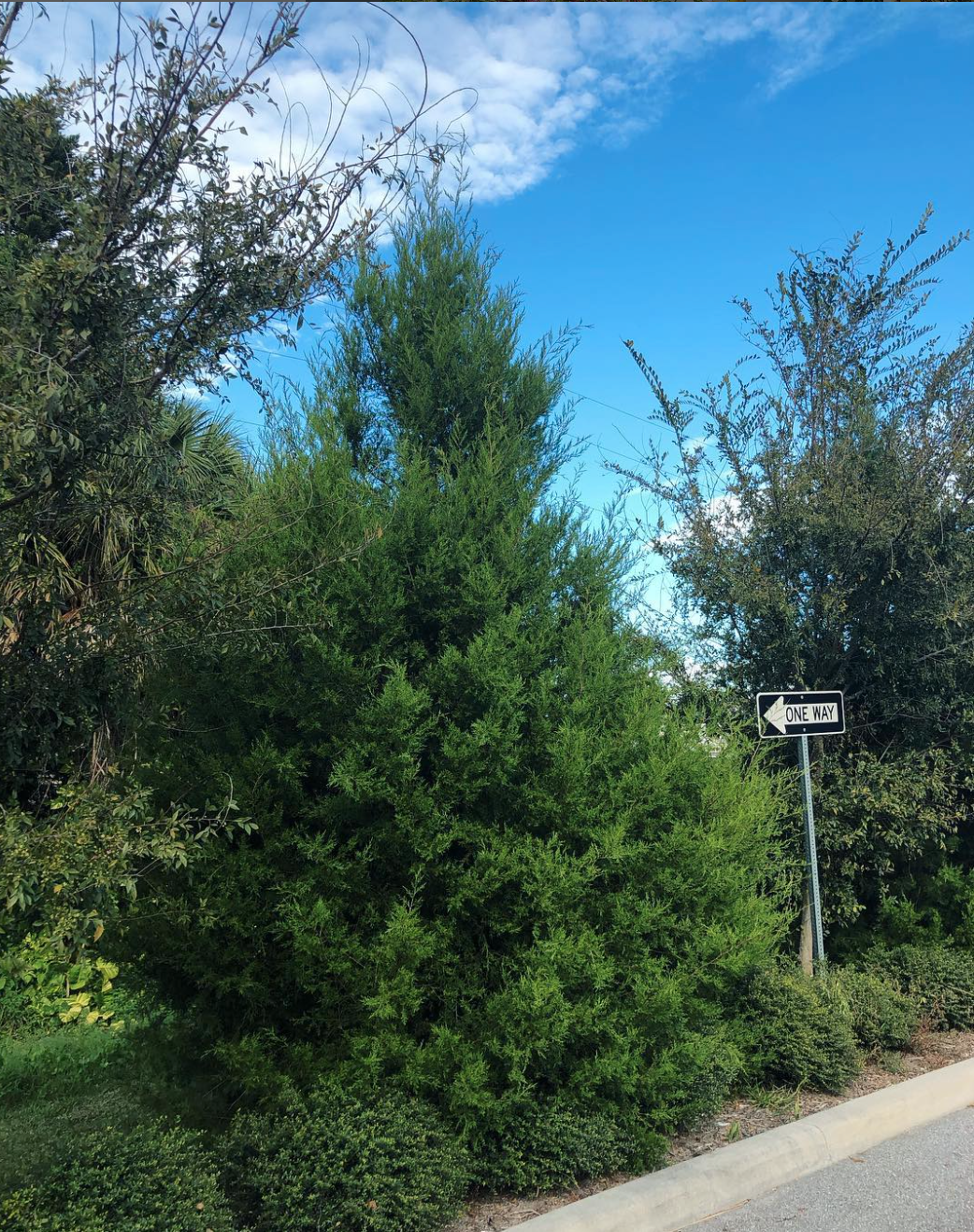
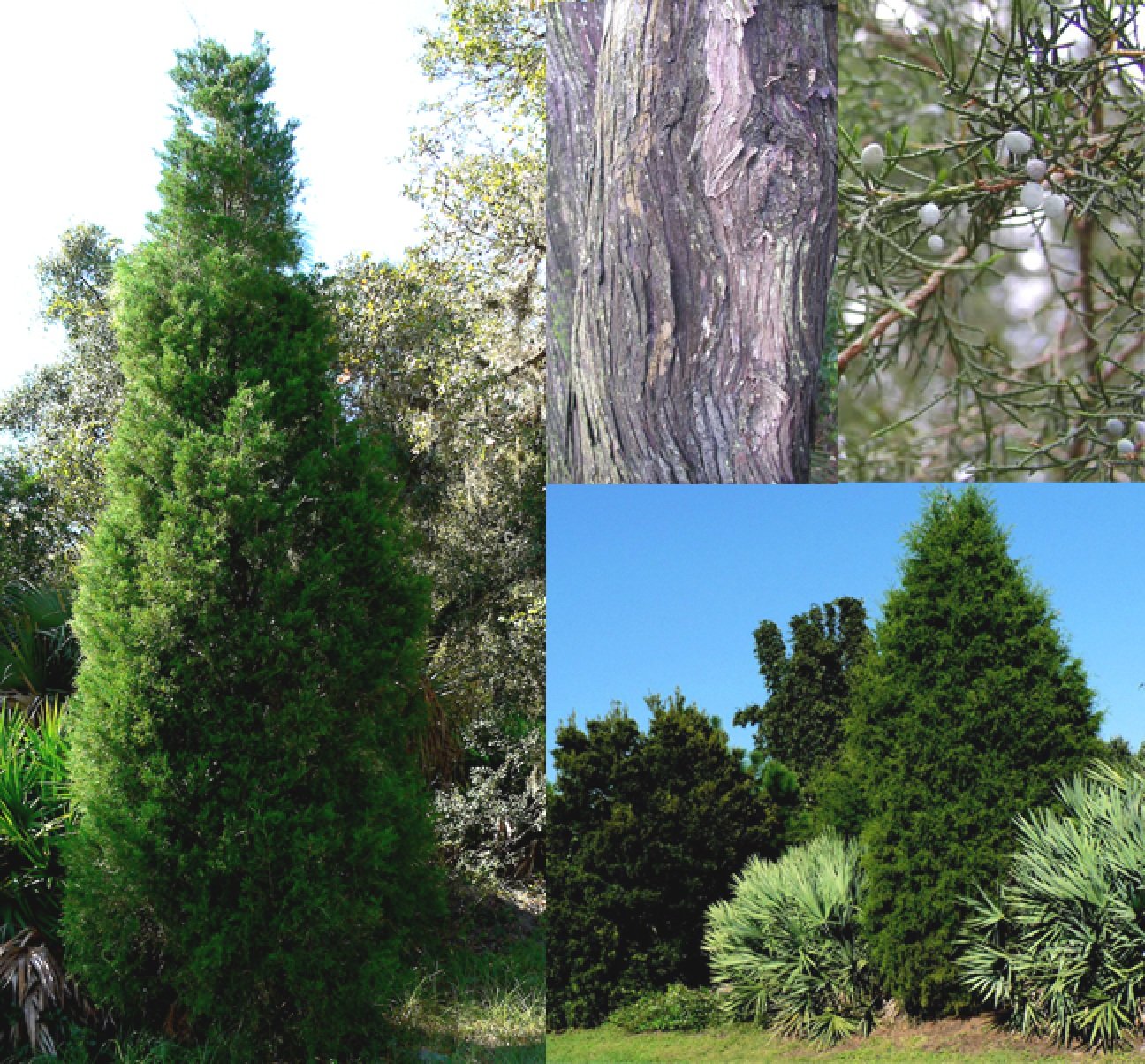
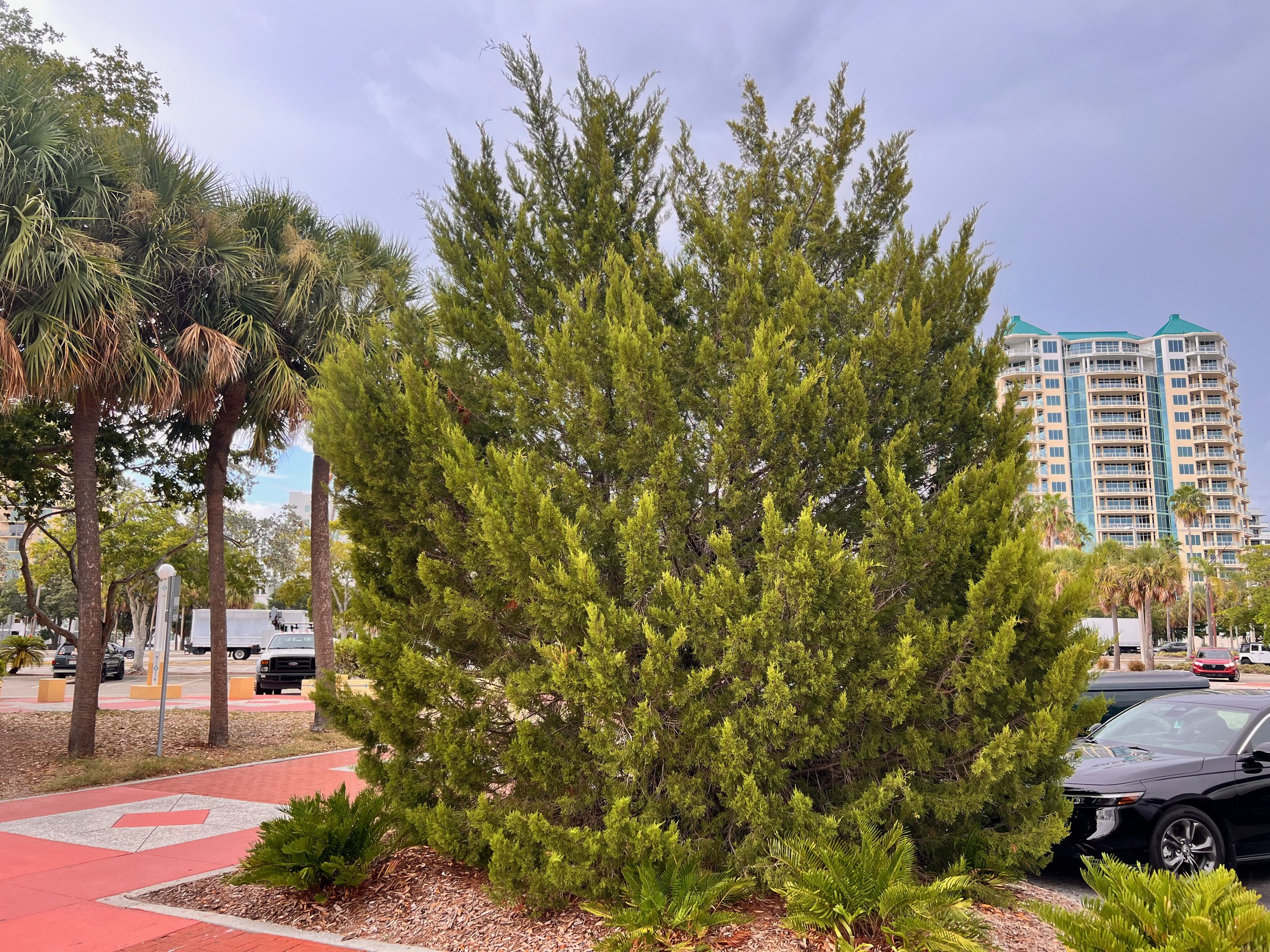
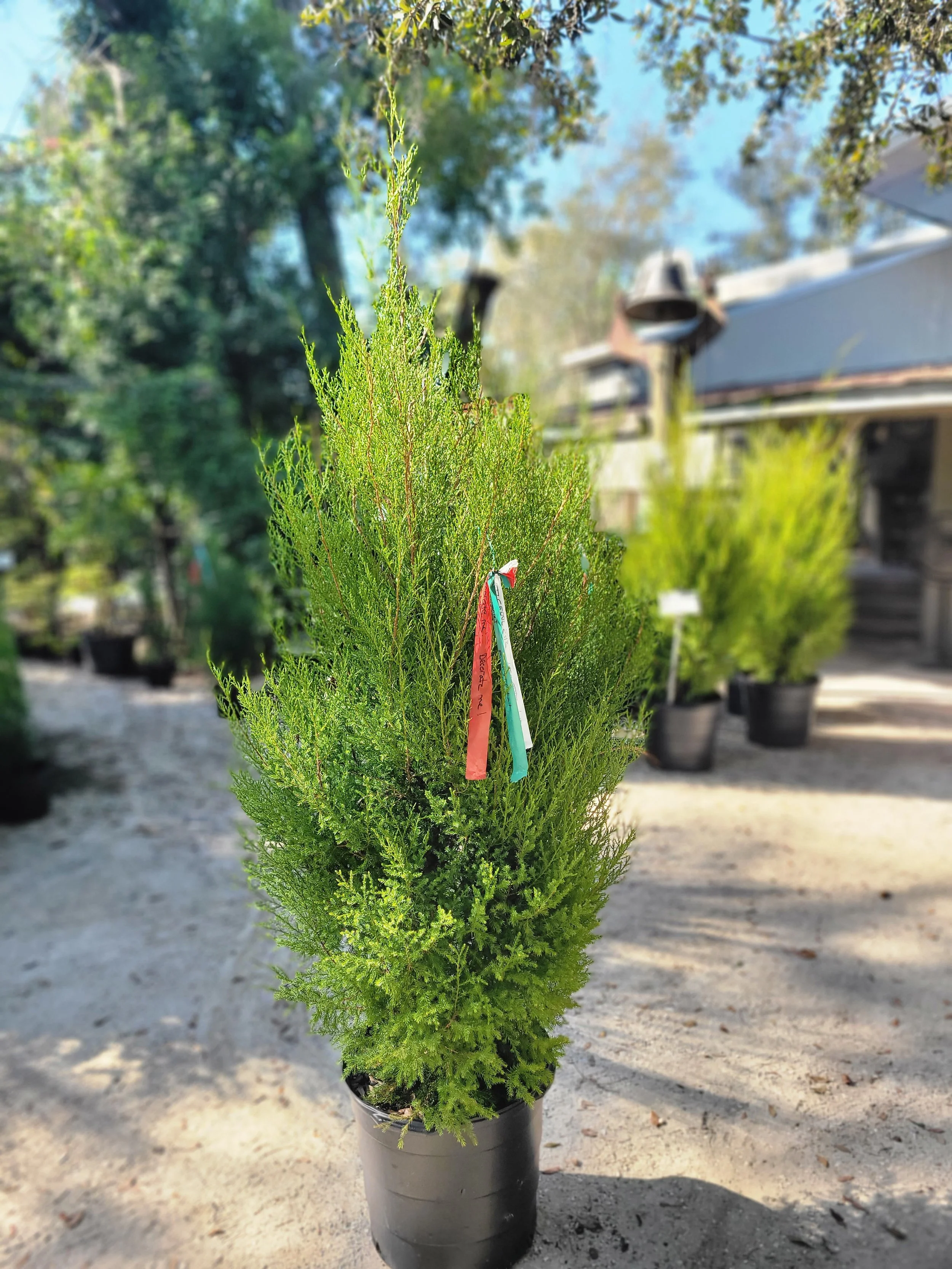
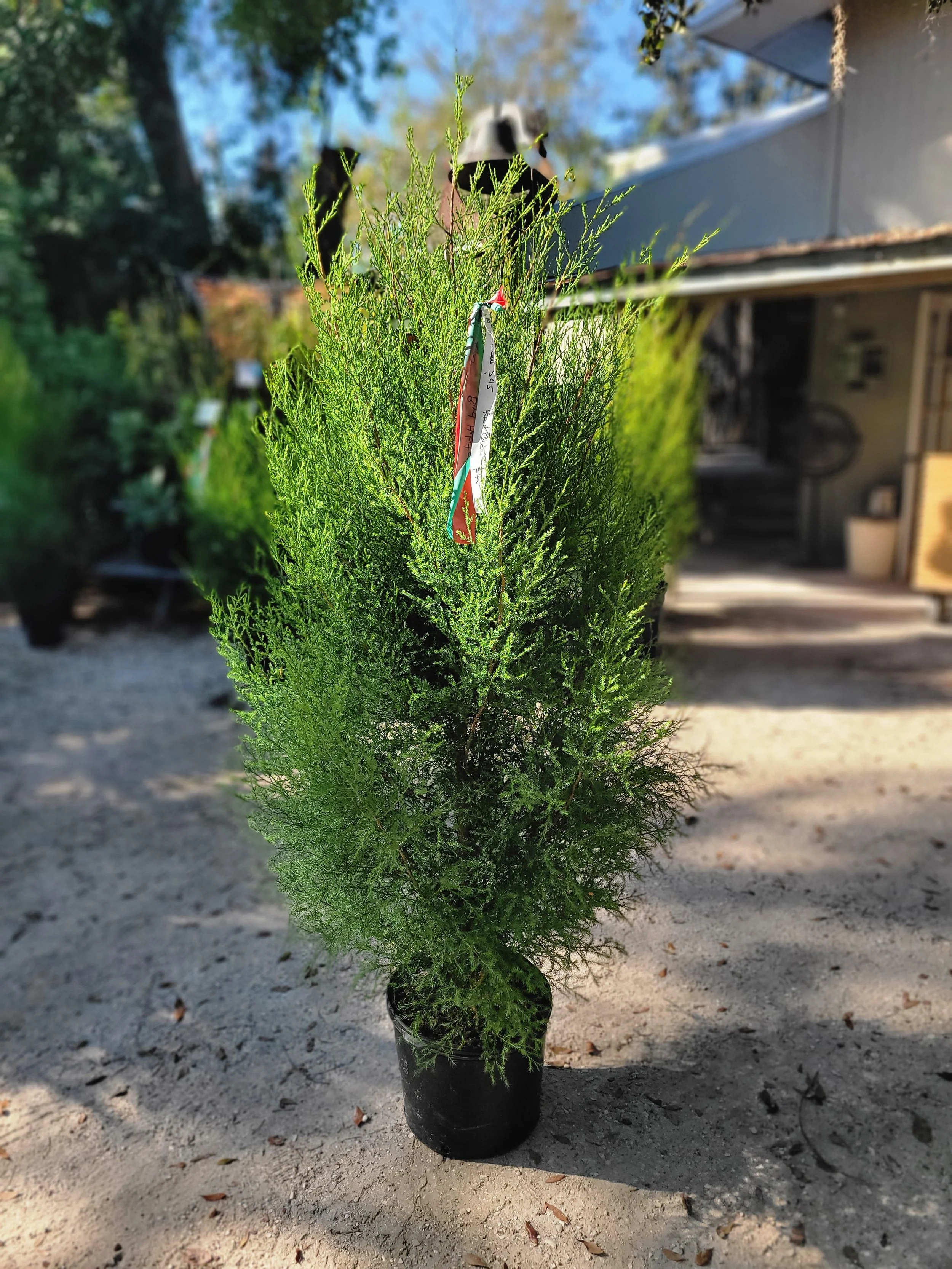
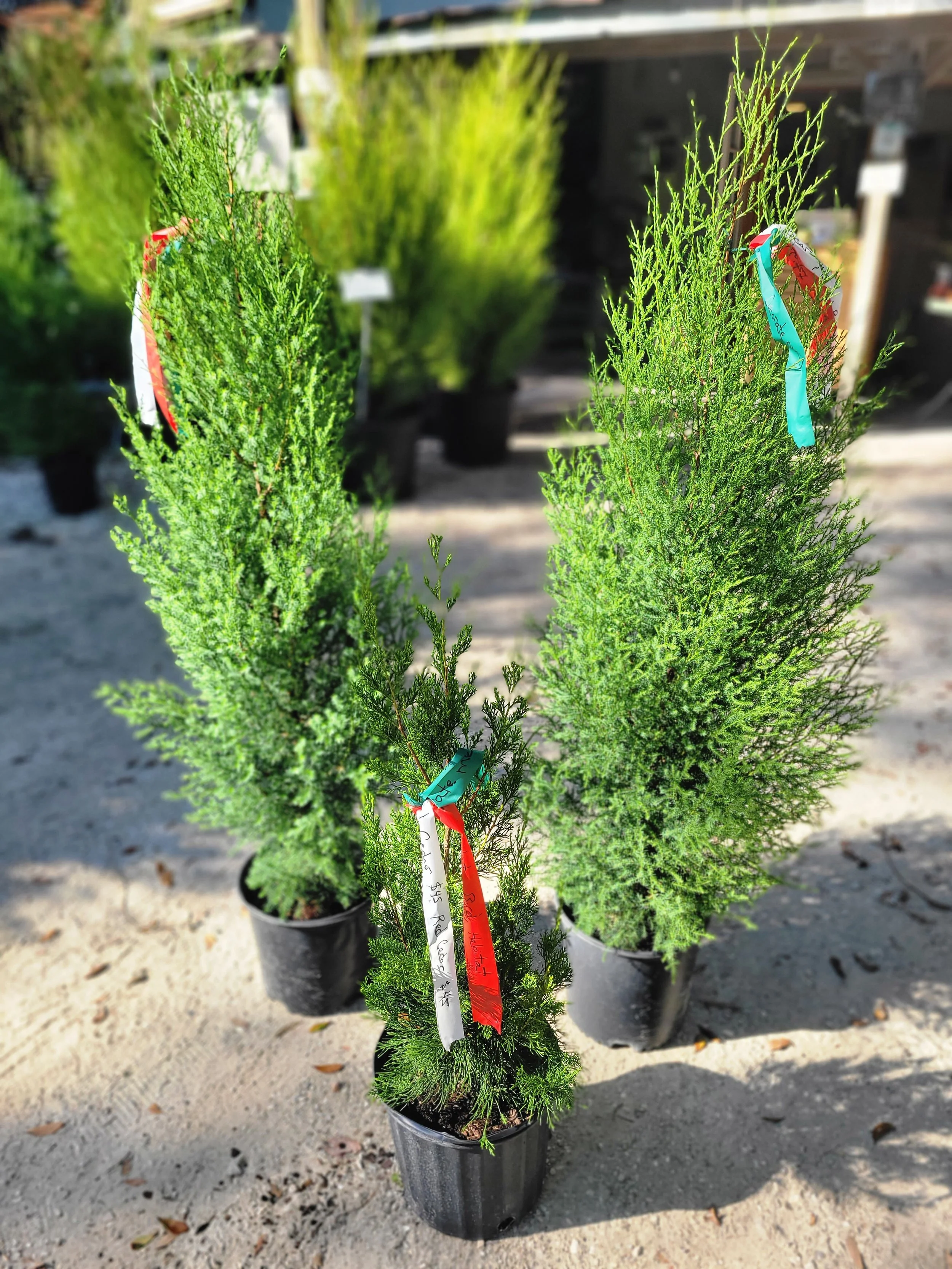
Juniperus virginiana silicoa
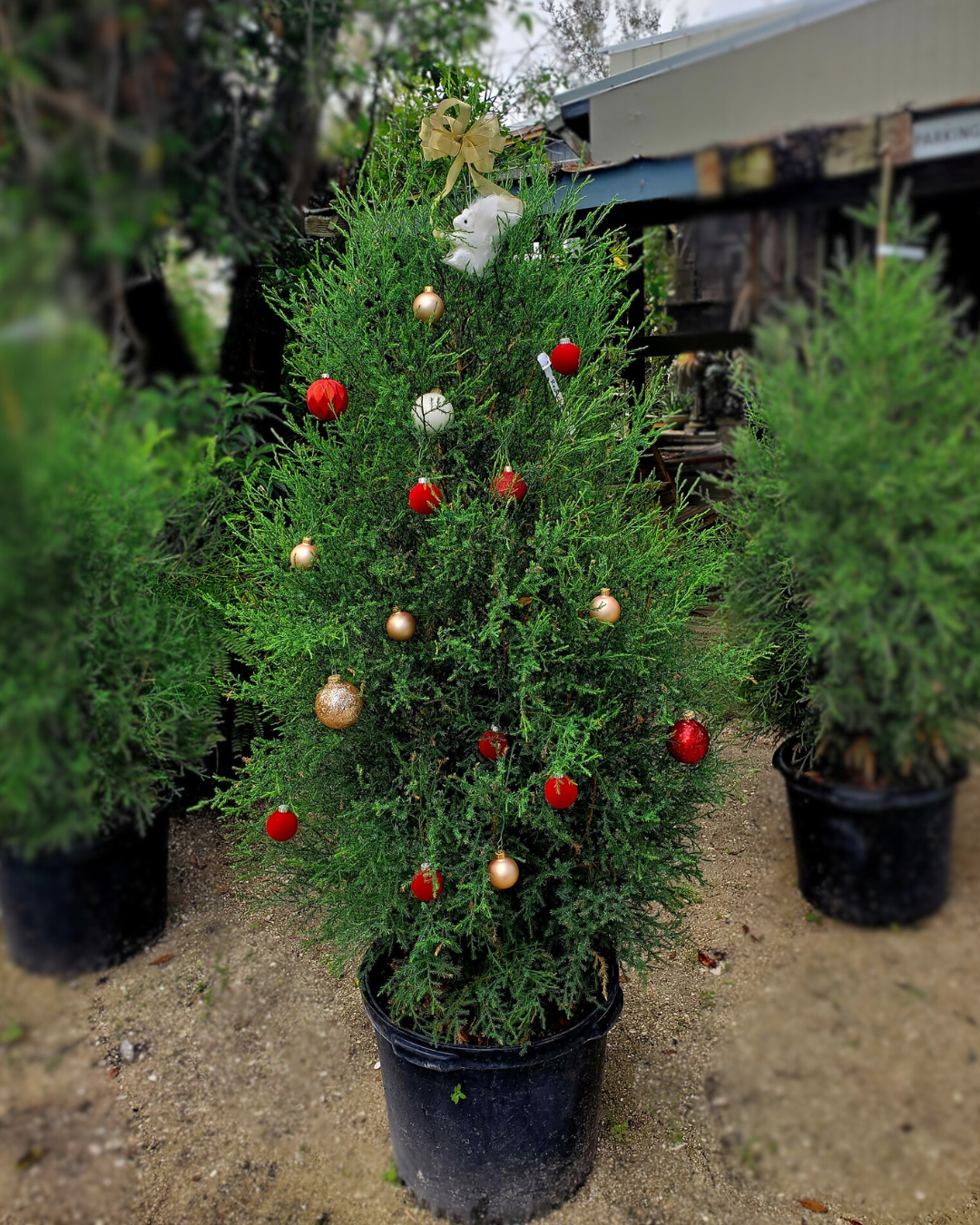
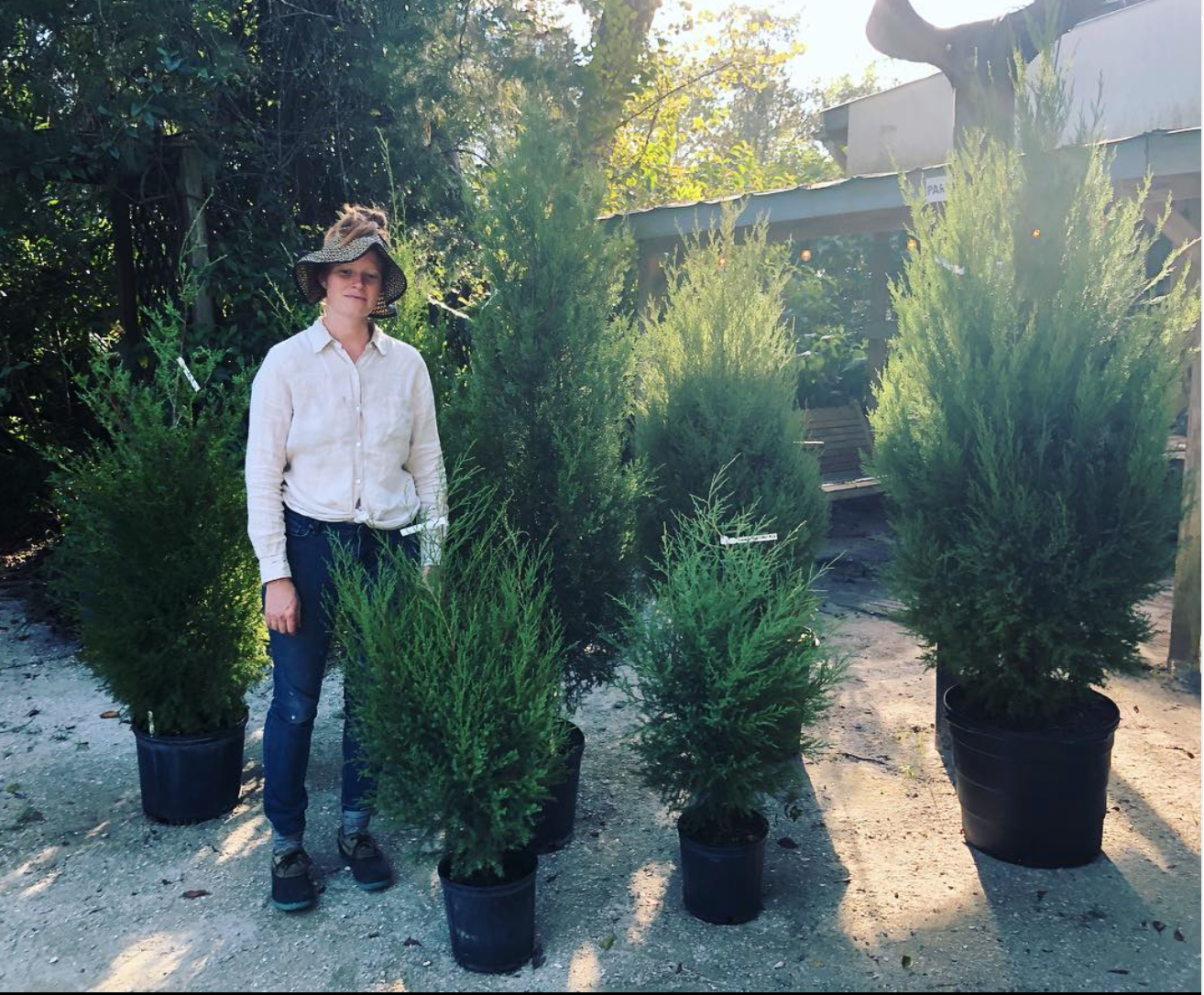
Red Cedar is an evergreen shade tree that is also excellent for a privacy screen or buffer planting. It’s long-lived, it can grow to approximately 30’ over many years, is adaptable to dry and moist soils and does well in full sun to light shade. It can be used as a coastal plant as it is salt tolerant. Red Cedars are an important nesting and food source for birds.
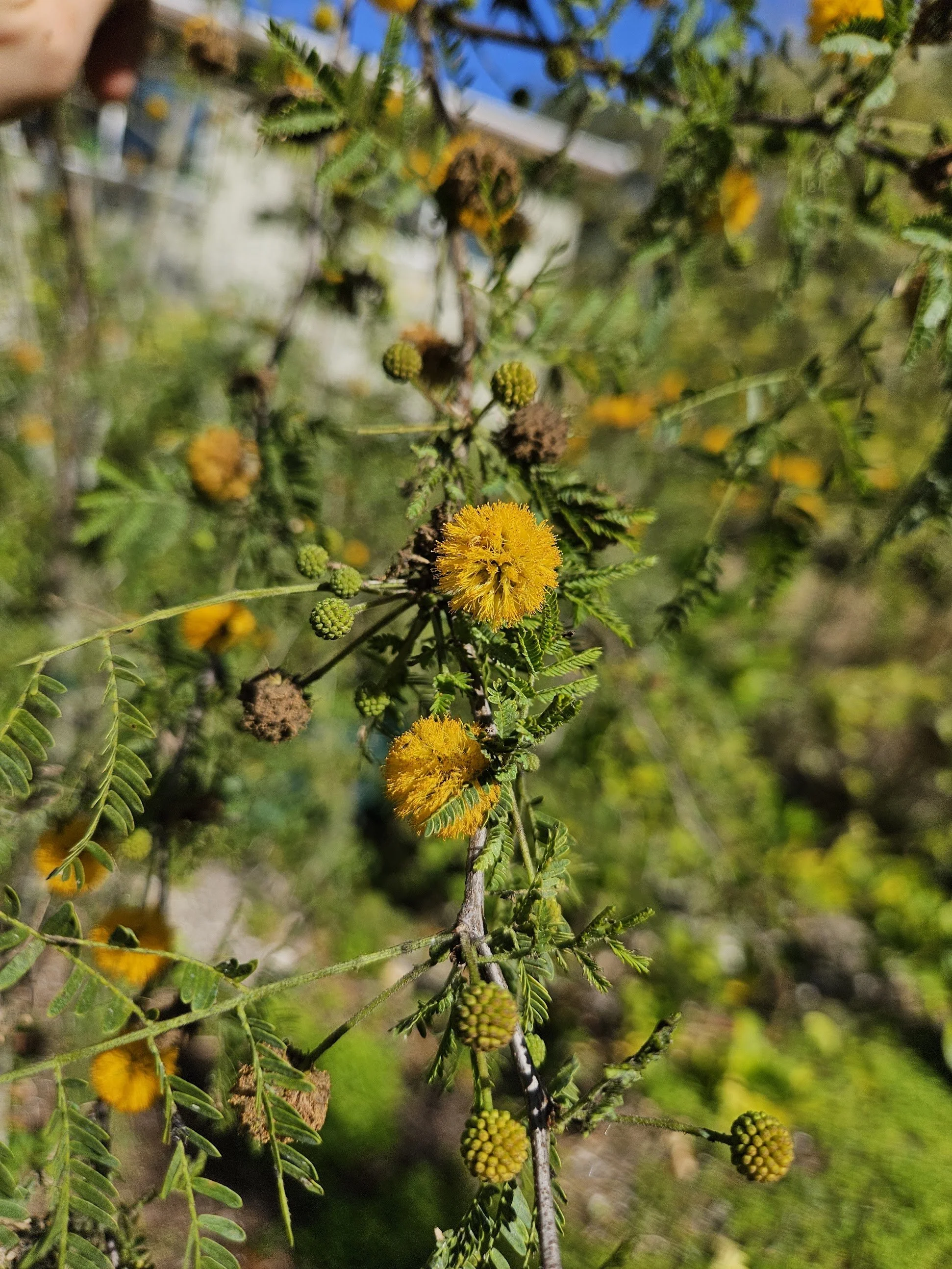

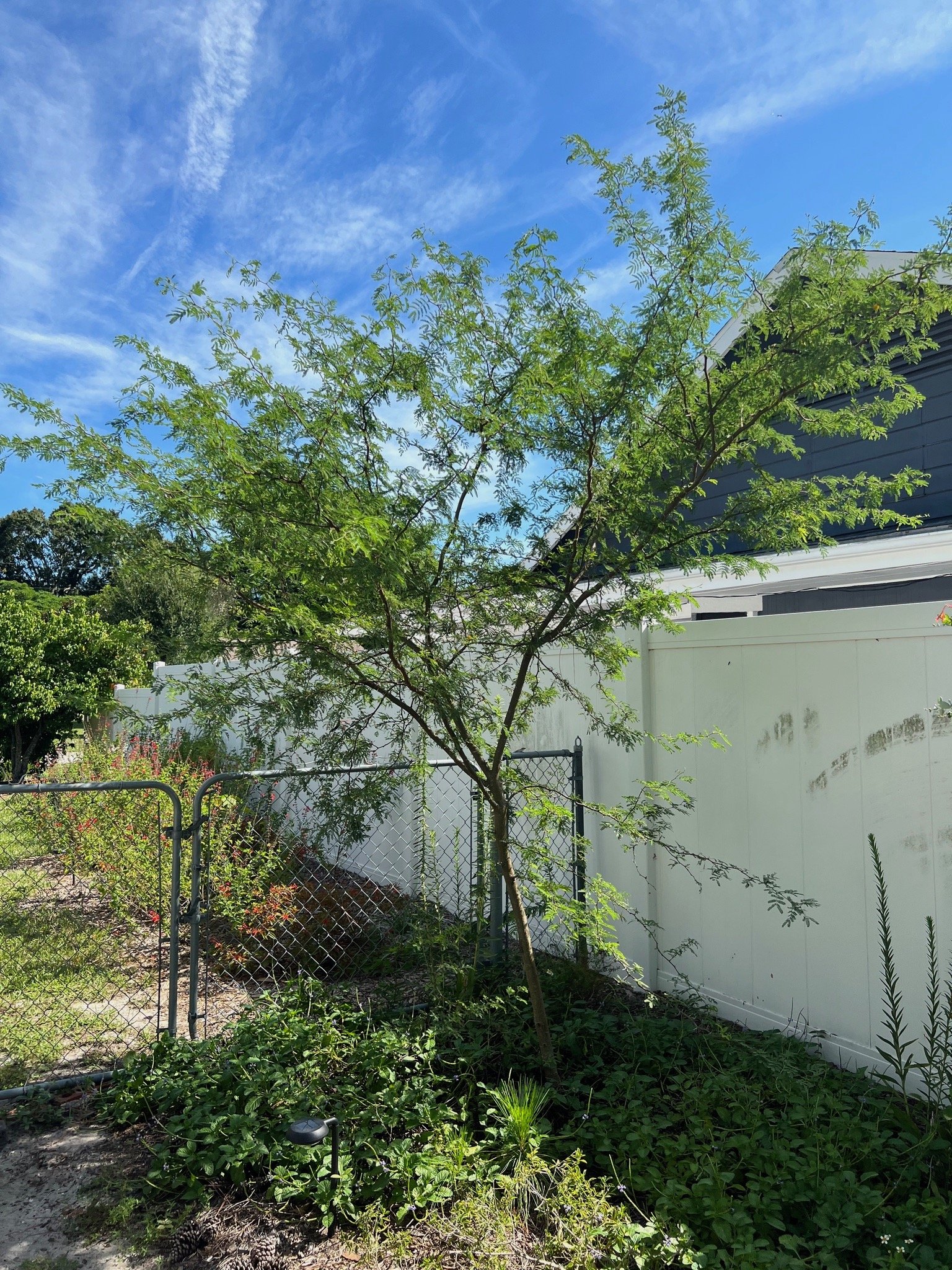
Acacia farnesiana
Sweet Acacia is a native, pollinator-attracting, small tree or large shrub. It’s fragrant, golden-yellow puffball flowers bloom in winter and spring. It's highly drought-tolerant once established, making it ideal for water-wise landscapes, and attracts bees, butterflies, and other pollinators.


Aloysia virgata
Sweet Almond bush is a Florida-friendly, non-native, highly scented, large, climbing vining shrub with almond colored flower drupes and nicely textured leaves. It is very attractive to pollinators including multiple butterfly species and bees. Adaptable to most garden conditions, this shrub has a place in any Florida Friendly landscape!
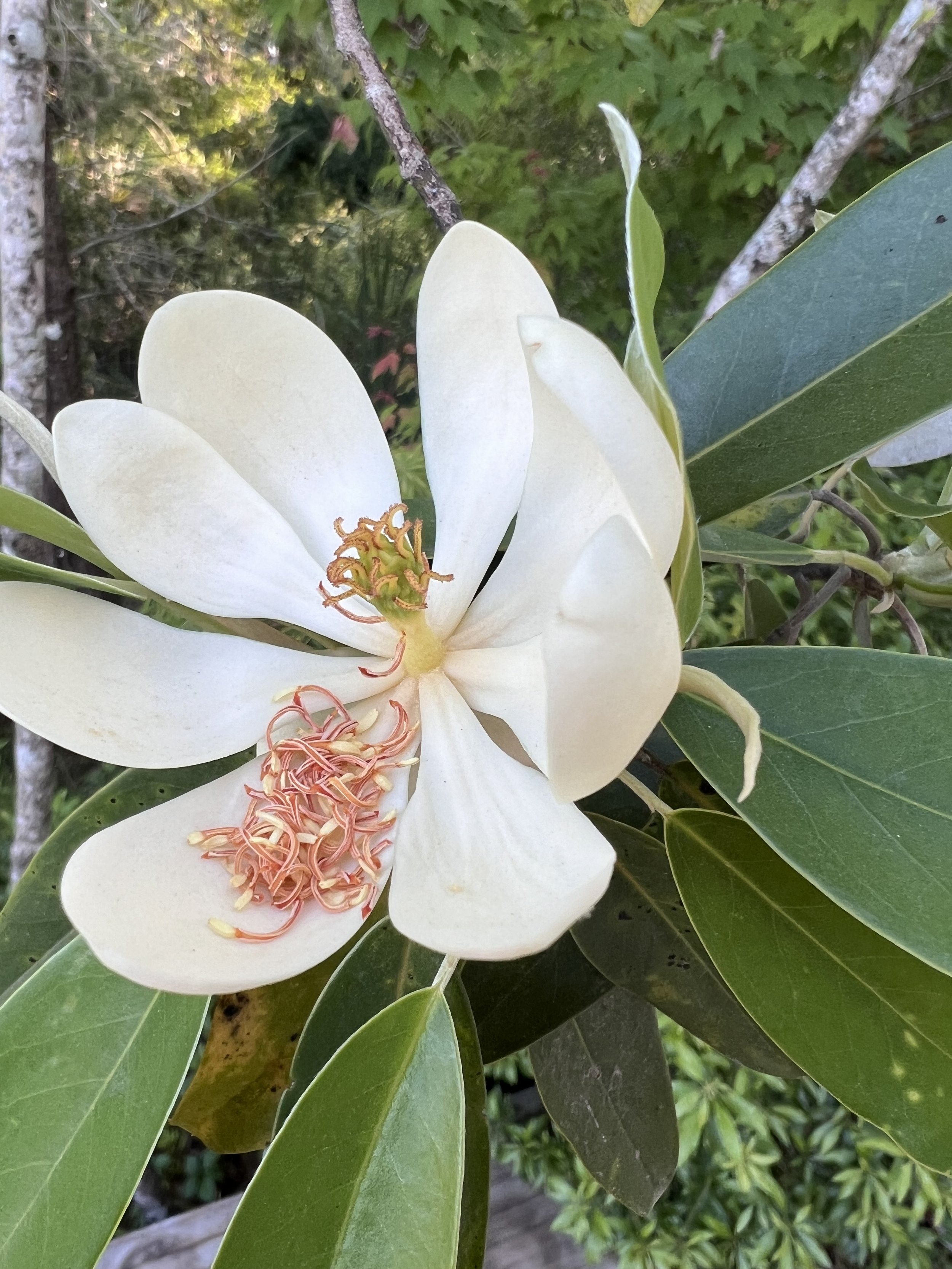
Magnolia virginiana
Sweetbay Magnolia is a native, evergreen flowering tree with beautiful, soft-green pointed foliage and heavily fragrant, ivory flowers that are significantly smaller than the large blooms of the Southern Magnolia. They grow to be 15’-30’ tall, and do well in full sun to partial shade and moist to wet sandy, loamy, and clay-heavy soil. Sweetbay Magnolias also serve as a larval host for the Sweetbay Silk Moth, Eastern Tiger Swallowtail, and the Spicebush Swallowtail, and the seeds feed local songbirds.
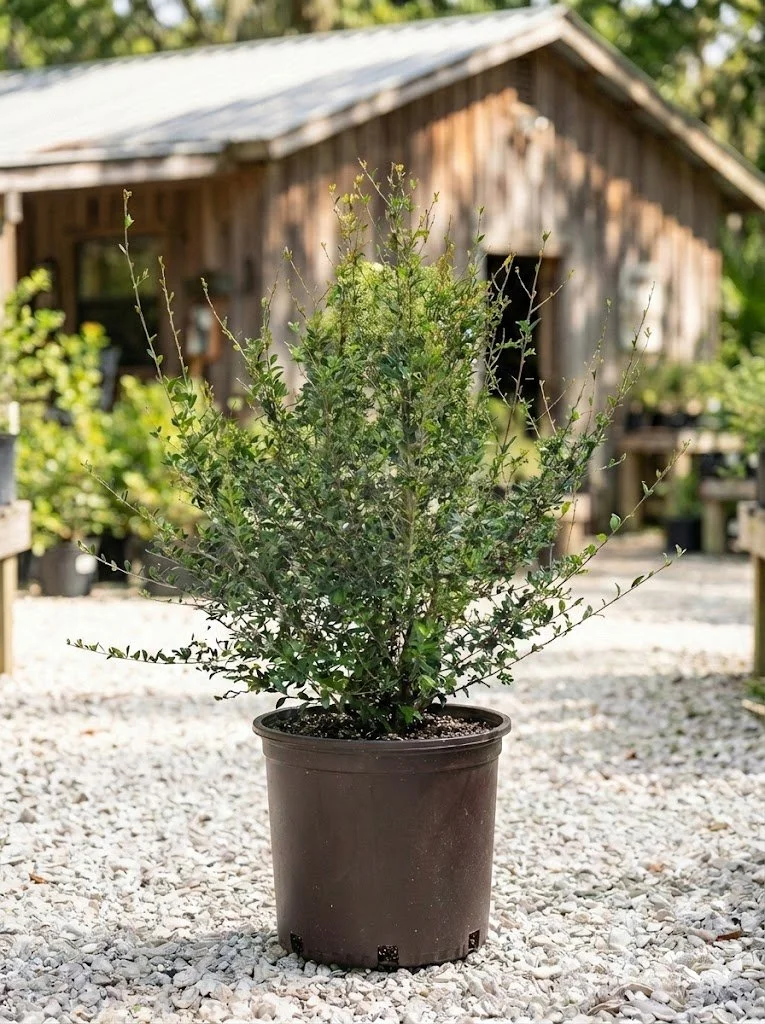
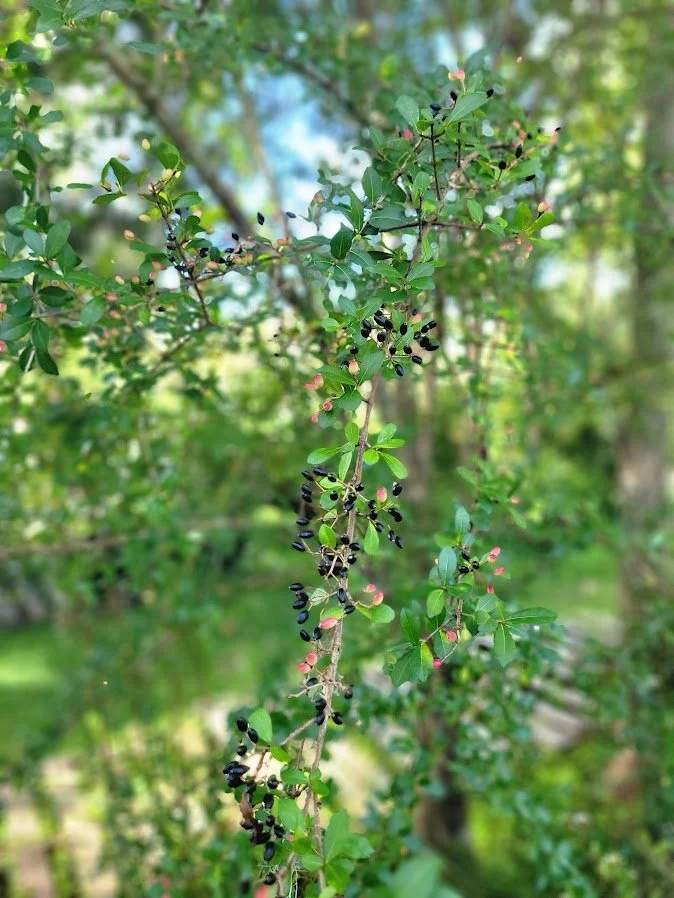
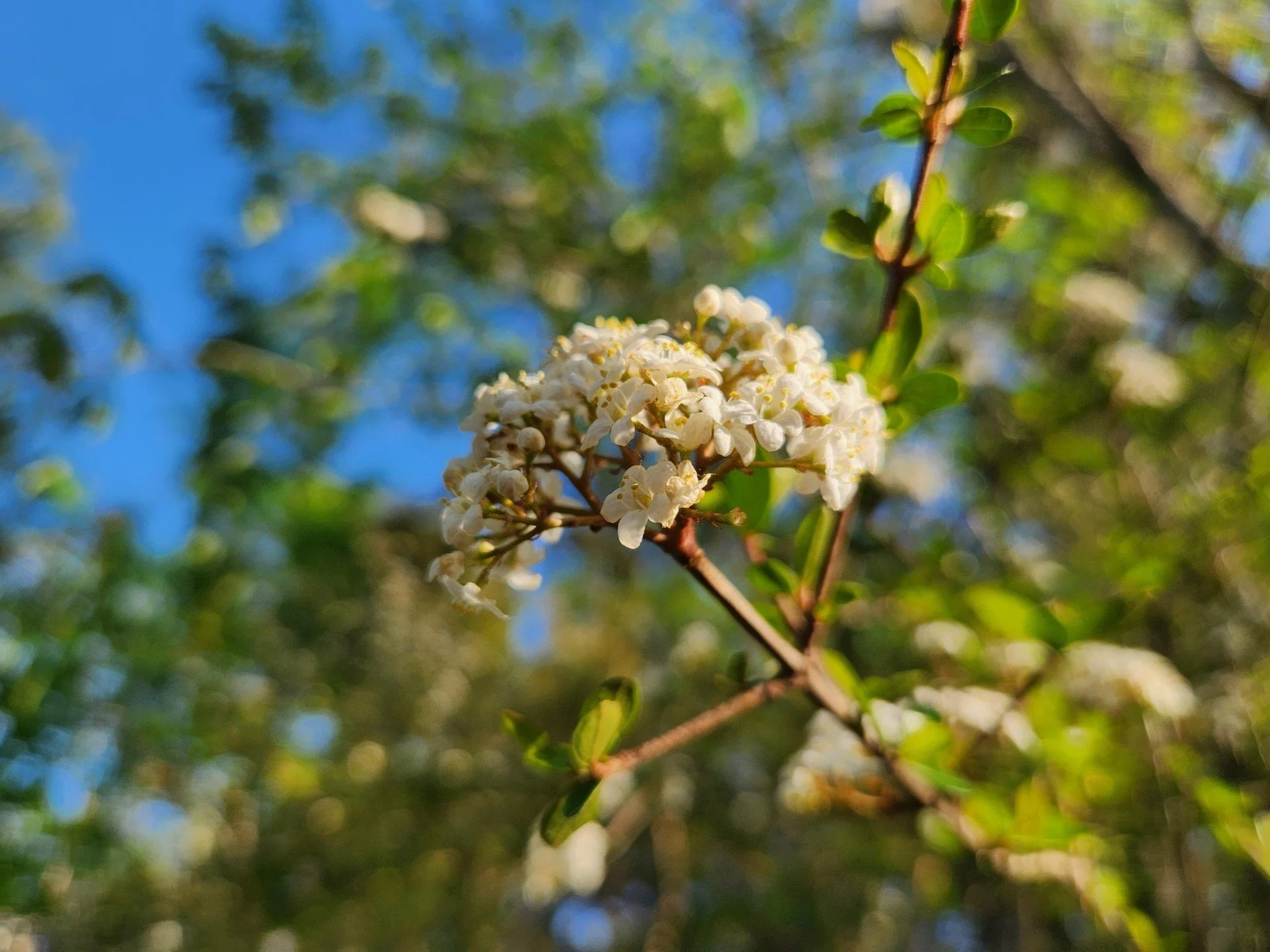
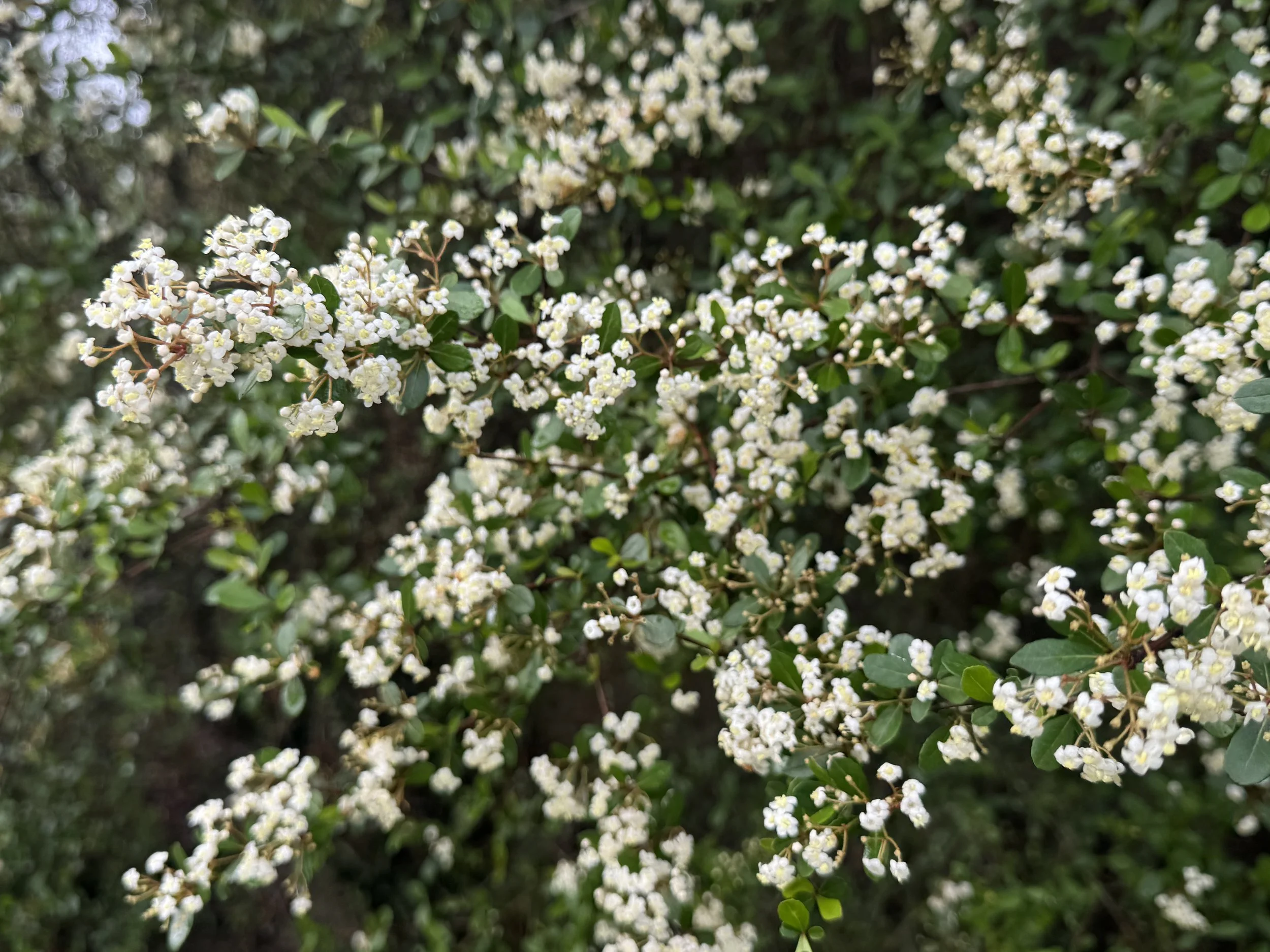
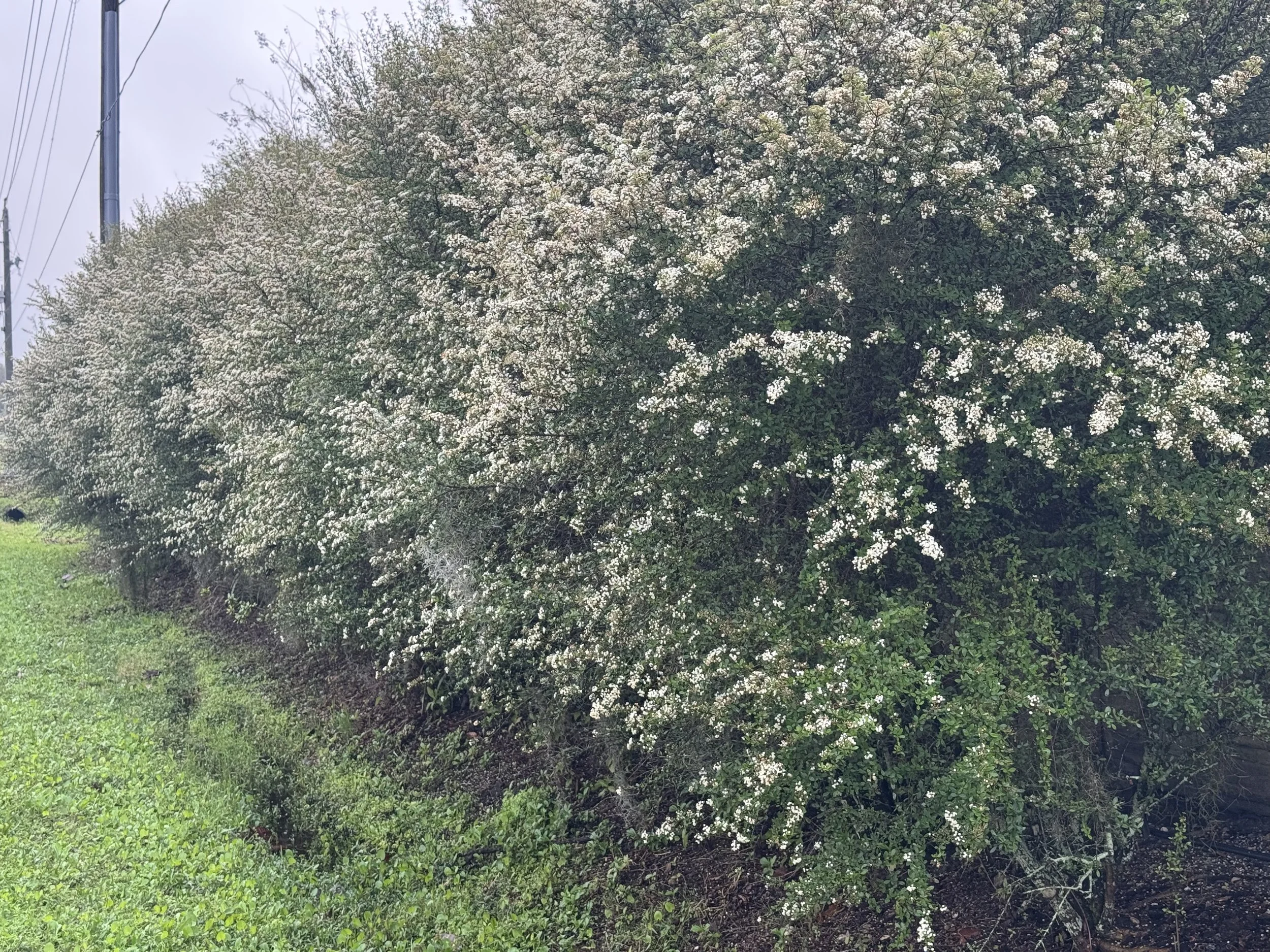
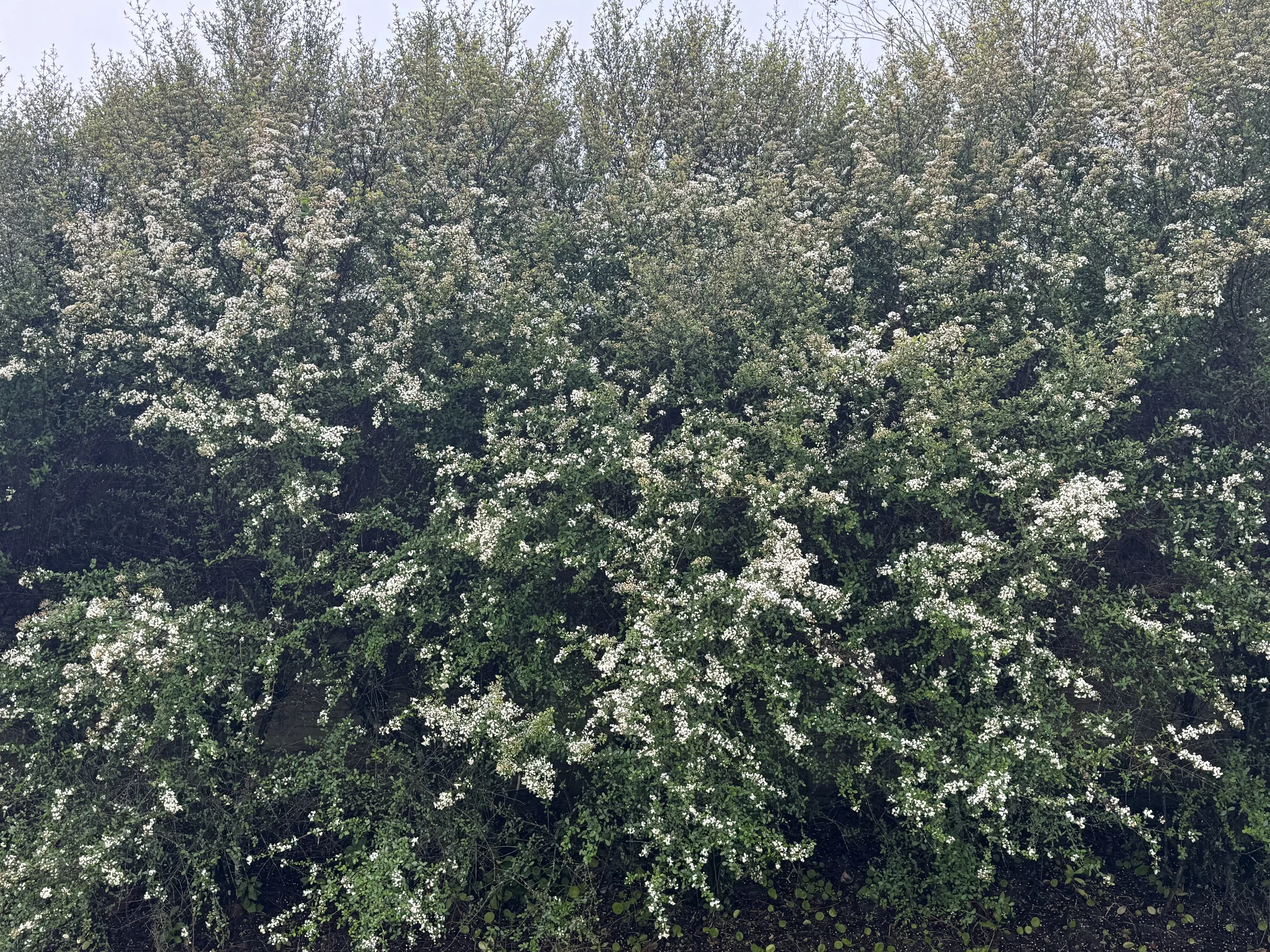
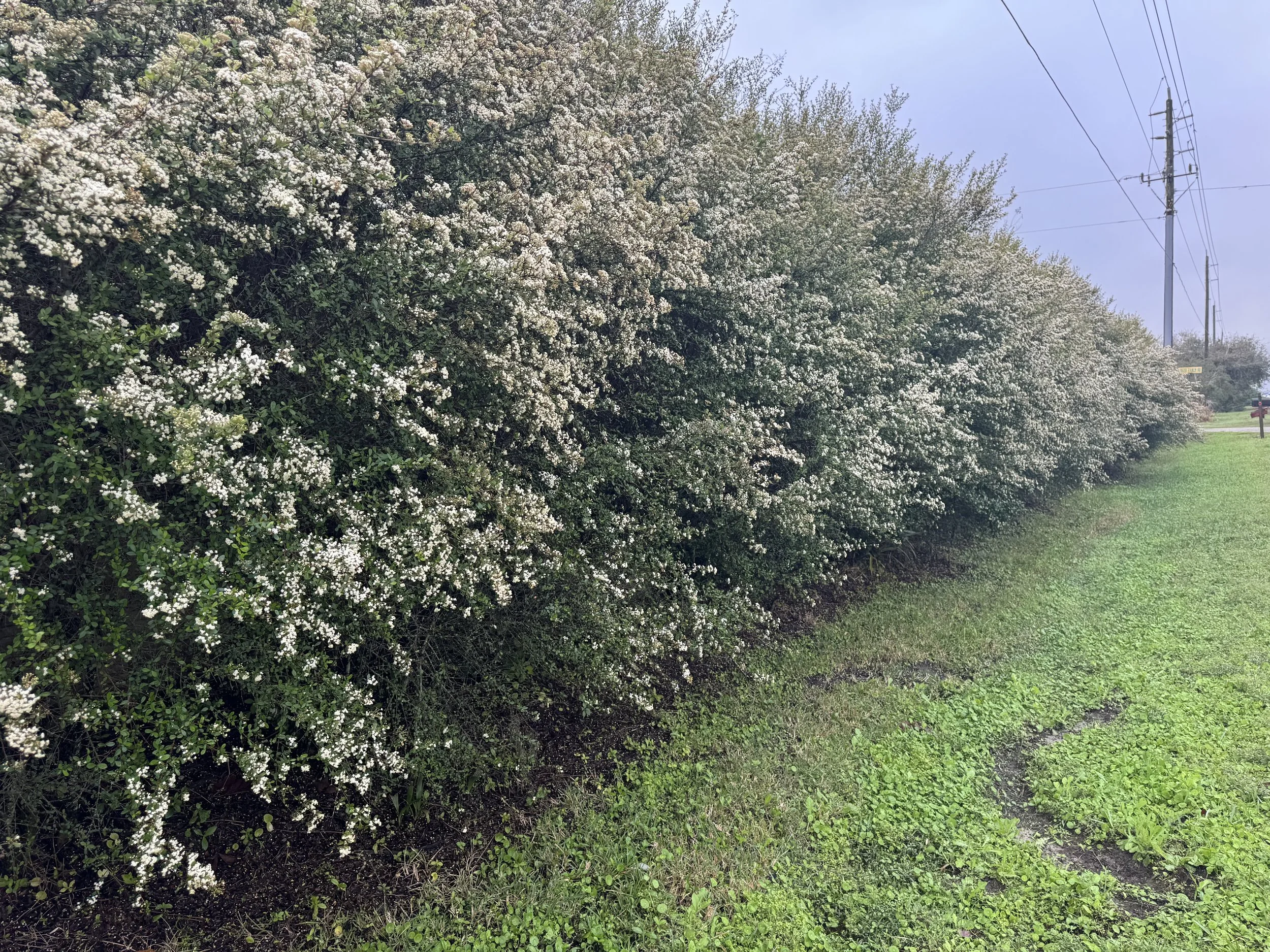
Viburnum obovatum
Walter's Viburnum is an evergreen shrub or small tree native to the southeastern United States that can reach up to 20’ tall but is commonly pruned as a hedge or screen. This densely branched species features fine-textured foliage and produces masses of small, fragrant white flower clusters in early spring, giving it its nickname "Florida snow," that attract butterflies and other pollinators. In fall, it develops dark blue berries that provide food for birds and wildlife. Thriving in zones 7-10, it adapts to various soil types and light conditions from full sun to partial shade, making it an excellent choice for native landscaping, wildlife gardens, and as a Florida-friendly alternative to boxwood hedges.
Sizing of cultivars:
‘Withlacoochee’ - 12’-15’
‘Select’ - 6’-8’
‘Densa’ - 4’-5’
‘Snow Fury’ - 5’-10’
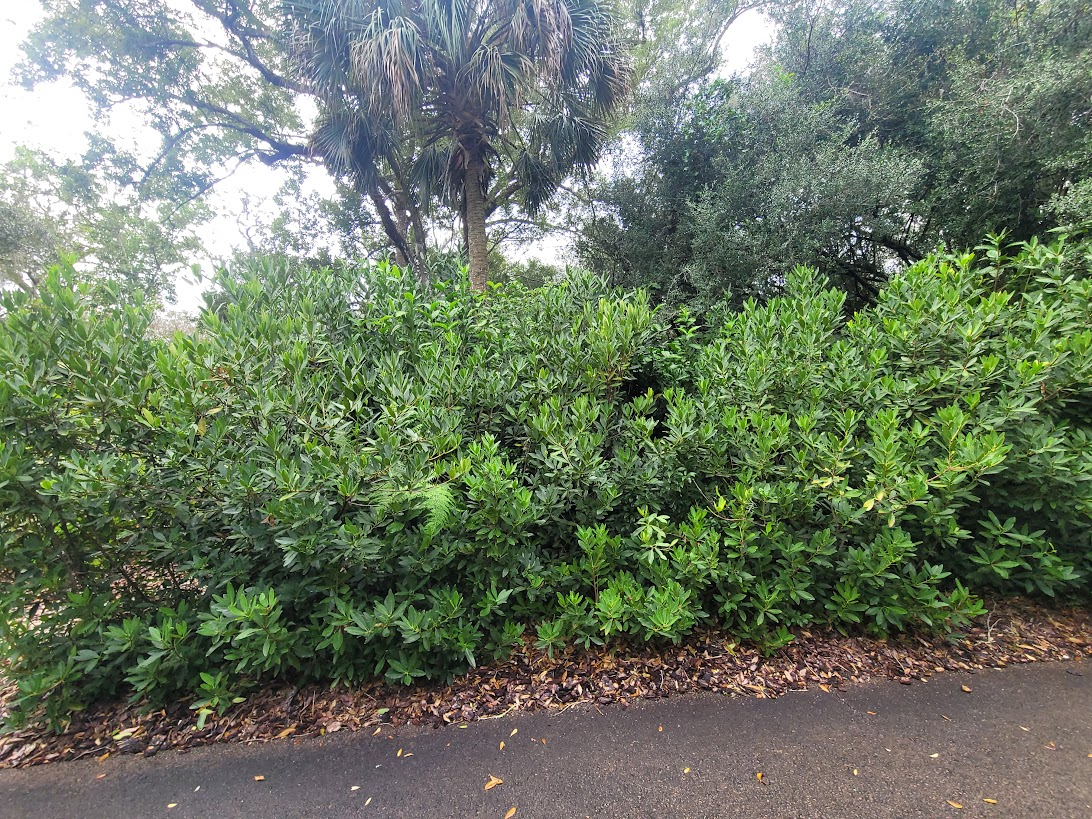
Illiium parviflorum
Yellow Anise is an evergreen, deer-resistant, fragrant shrub that gets about 10’ tall (but is easily pruned) with a rounded, spreading form. This rare species features glossy, leathery olive-green leaves that emit a strong anise-like fragrance when crushed. The small, yellow-green flowers in late spring attract butterflies and pollinators and are followed by star-shaped seed clusters. Yellow Anise does well in an area of the garden with partial to full shade and consistent moisture (or irrigation).
No results match your search. Try removing a few filters.