Hi Friends!
We offer PICK UP or LOCAL DELIVERY only (NO SHIPPING).
Thank you!
Thursday–Sunday, 10am–4pm | 941-322-1915
We offer PICK UP or LOCAL DELIVERY only (NO SHIPPING).
Thank you!
Thursday–Sunday, 10am–4pm | 941-322-1915

Fragaria virginiana
Wild Strawberry is a native North American strawberry species that grows naturally in Florida's cooler, higher elevation areas and shaded woodlands. This low-growing perennial produces small, intensely flavorful berries that are much smaller than commercial strawberries but pack more concentrated taste. It's an important native plant that provides food for wildlife and for people. Does well in a hanging basket, pot, or shady garden beds.

Lysiloma latisiliquum
Wild Tamarind is a native, semi-deciduous, small shade tree that grows to be 30’-60’ tall with a 30’-50’ spread. It grows best in full sun and well-drained sandy soil. With its fern-like leaves and beautiful, white pom-pom flowers, Wild Tamarind makes a lovely addition to pollinator gardens and landscapes that need a shade tree that won’t get too large. They also serve as a larval host for the Mimosa Yellow and Cassius Blue butterflies.


Ilex vomitoria
Yaupon Holly is a tough, evergreen shrub or small tree native to the southeastern United States that grows 15’-25’ tall with a distinctive vase-shaped form. This adaptable species features small, dark green leathery leaves and produces inconspicuous greenish-white flowers in spring, followed by brilliant red berries on female plants that attract birds and wildlife. Historically used by Native Americans to make caffeinated ceremonial tea, it's extremely drought and salt-tolerant, thriving in a wide range of conditions from full sun to shade and various soil types. Hardy in zones 7-10, it's valued for its versatility as a hedge, specimen tree, or screen, though it tends to sucker from the roots and may require regular pruning to maintain form.
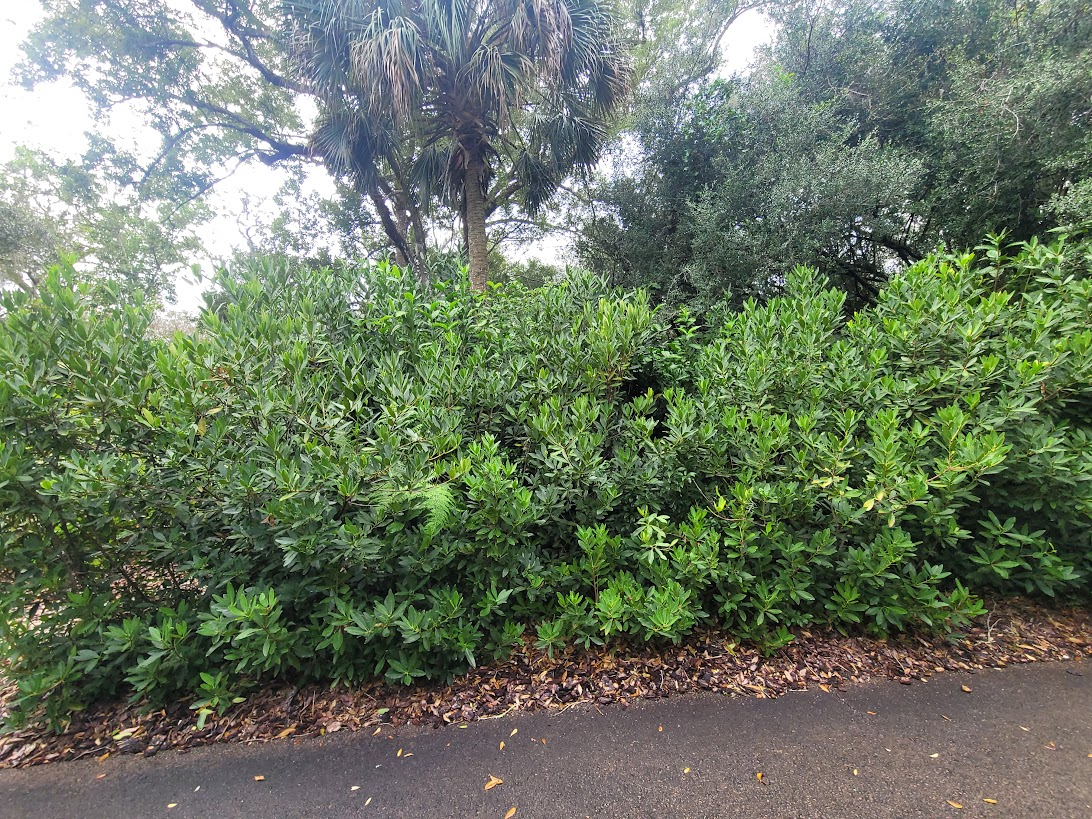
Illiium parviflorum
Yellow Anise is an evergreen, deer-resistant, fragrant shrub that gets about 10’ tall (but is easily pruned) with a rounded, spreading form. This rare species features glossy, leathery olive-green leaves that emit a strong anise-like fragrance when crushed. The small, yellow-green flowers in late spring attract butterflies and pollinators and are followed by star-shaped seed clusters. Yellow Anise does well in an area of the garden with partial to full shade and consistent moisture (or irrigation).
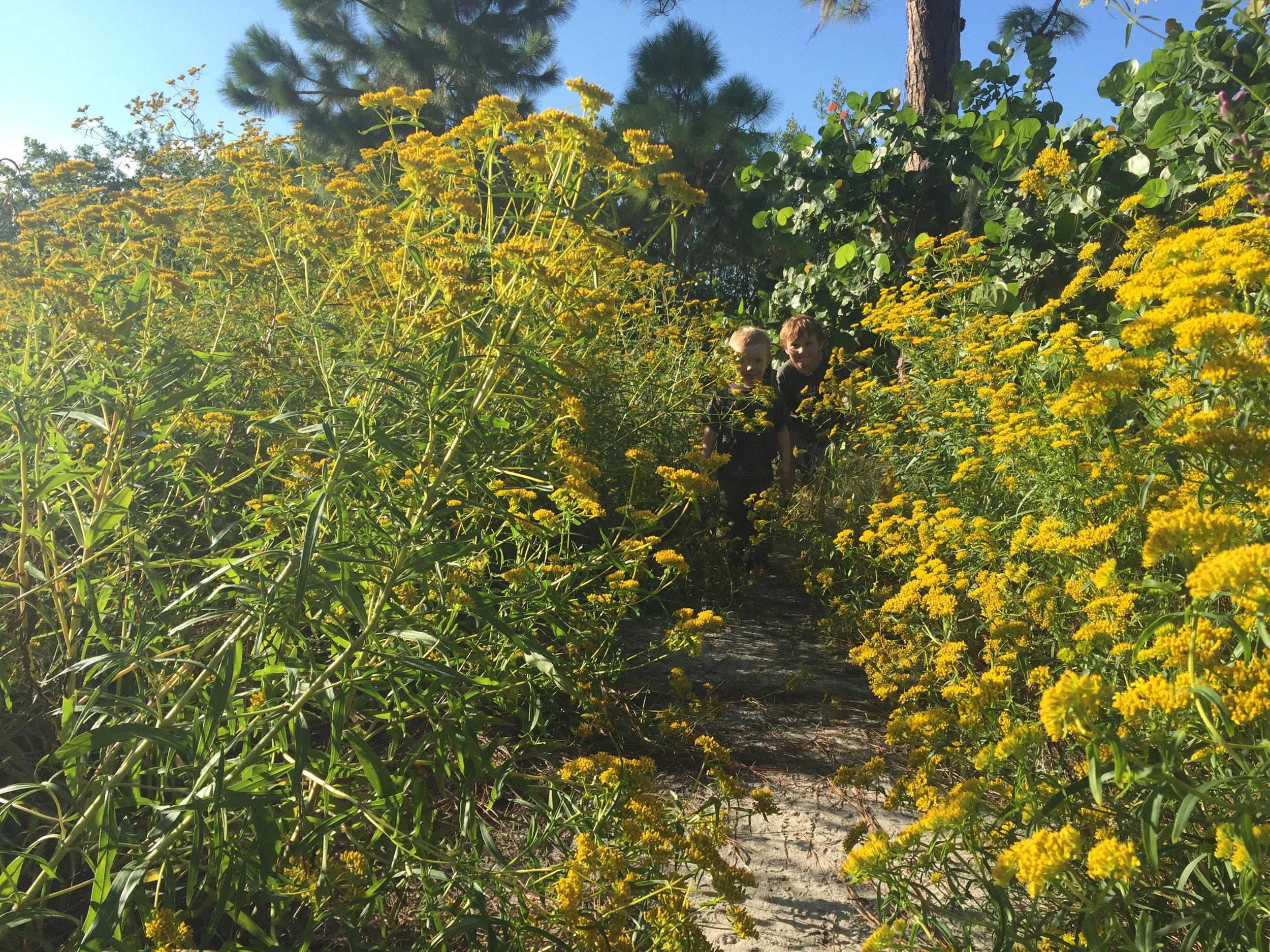
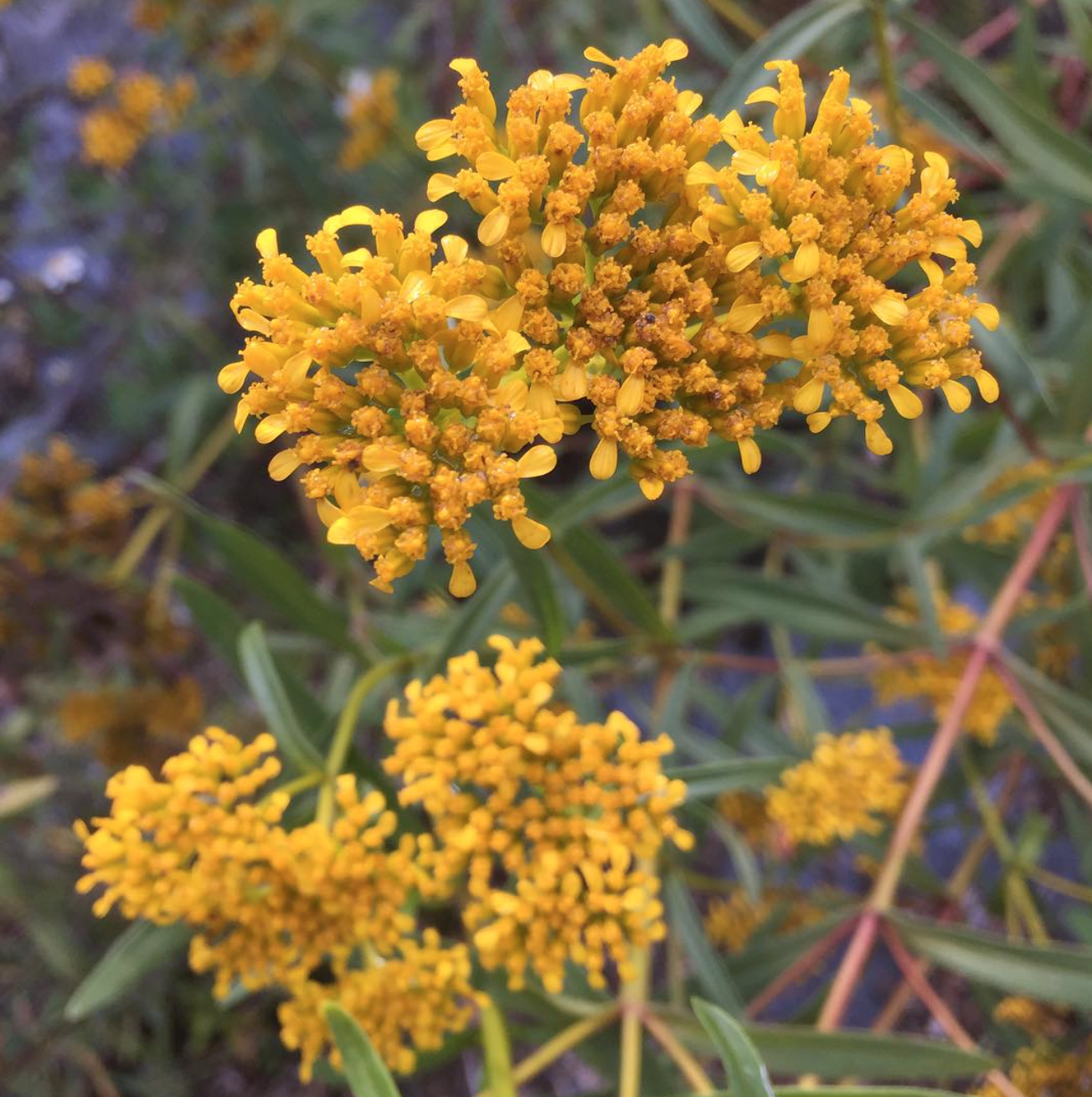
Flaveria linearis
Yellowtop is a perennial, shrub-like wildflower that can get 2’-3’ high. It can be trimmed back 1-2 times a year to keep a round and neat appearance. It is very hardy, easy-to-grow and it reseeds readily into irrigated gardens or gardens with naturally average to moist soil. It attracts numerous pollinators spring through fall and can be very showy.

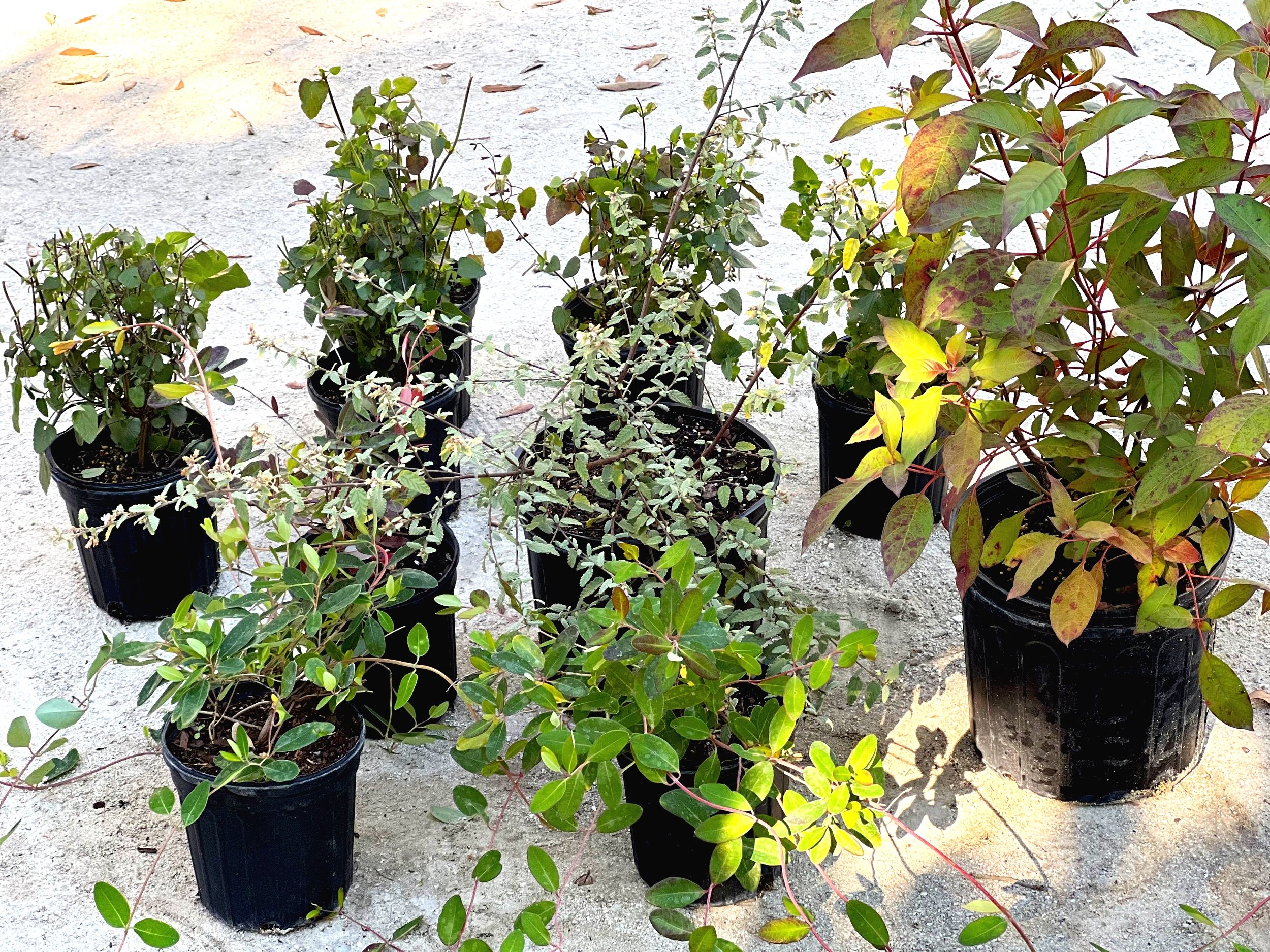
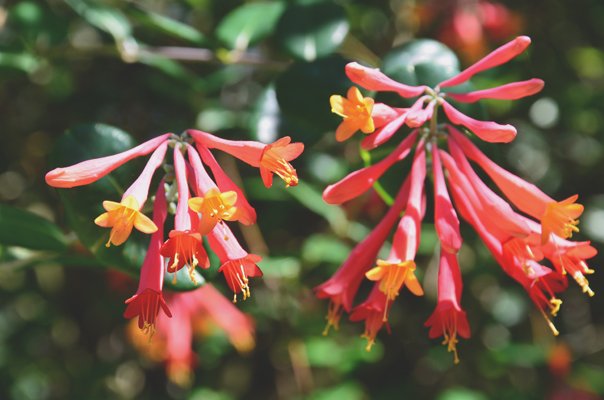
Includes:
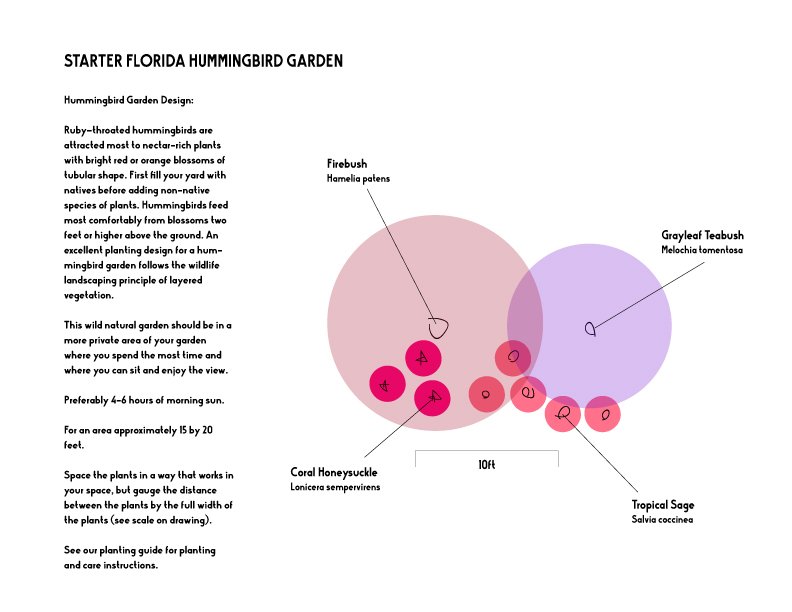
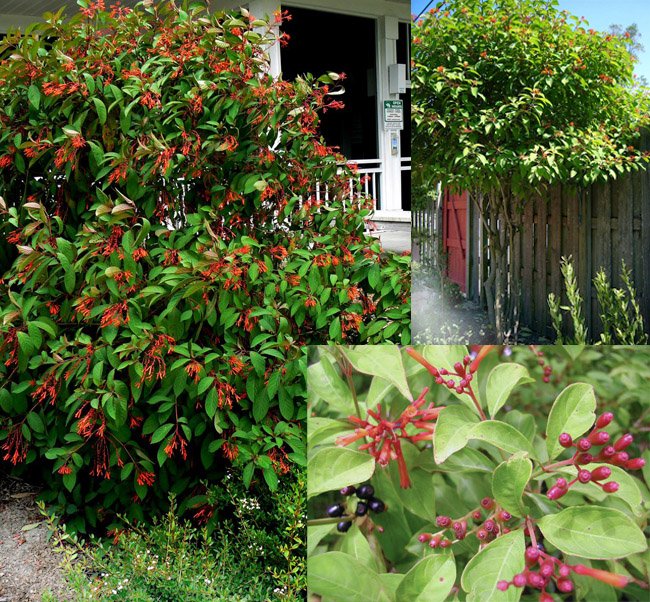
1 Firebush 3 gallon, Hamelia patens, 12 ft tall by 8 ft wide, tallest and largest plant in design
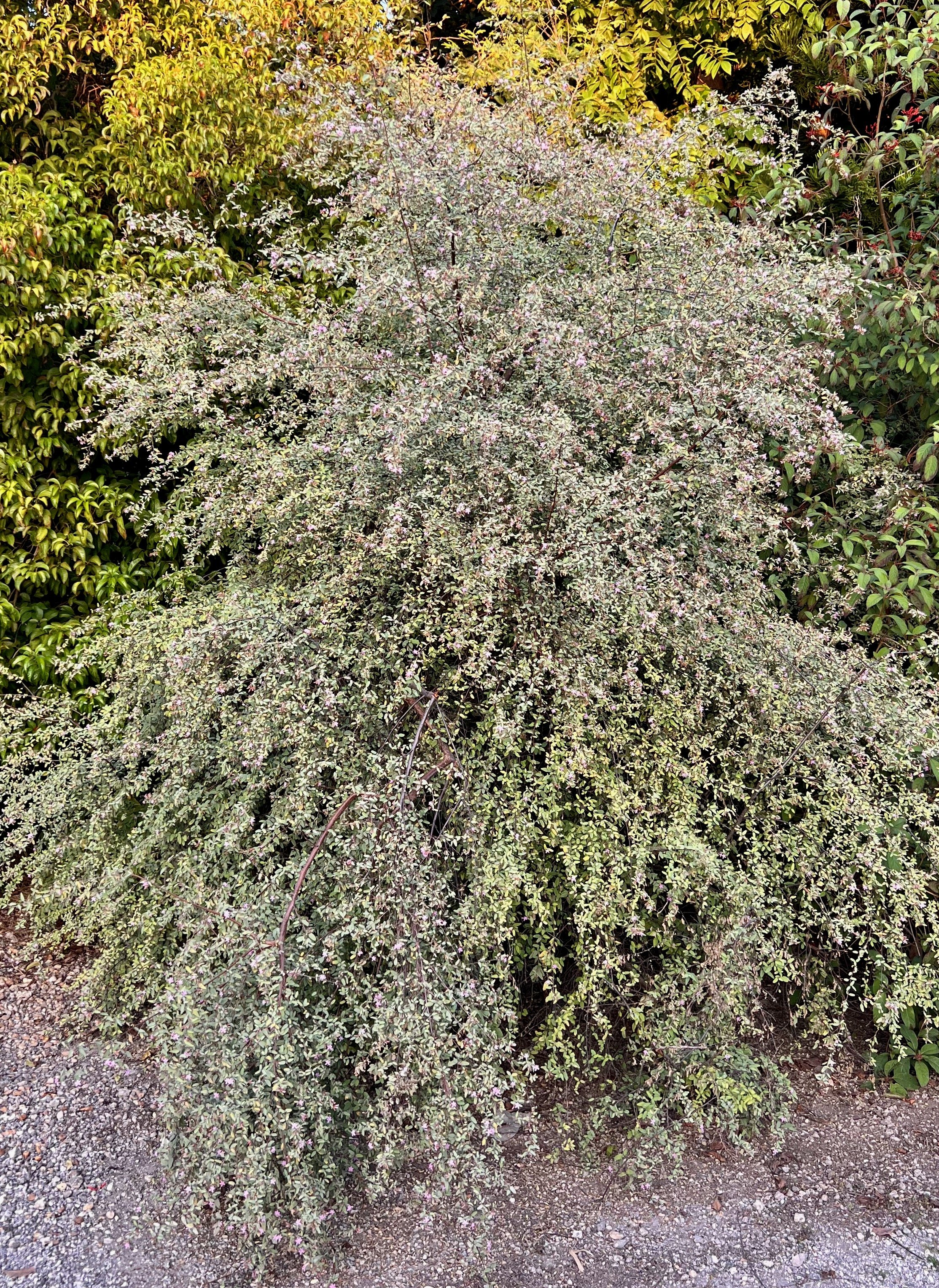
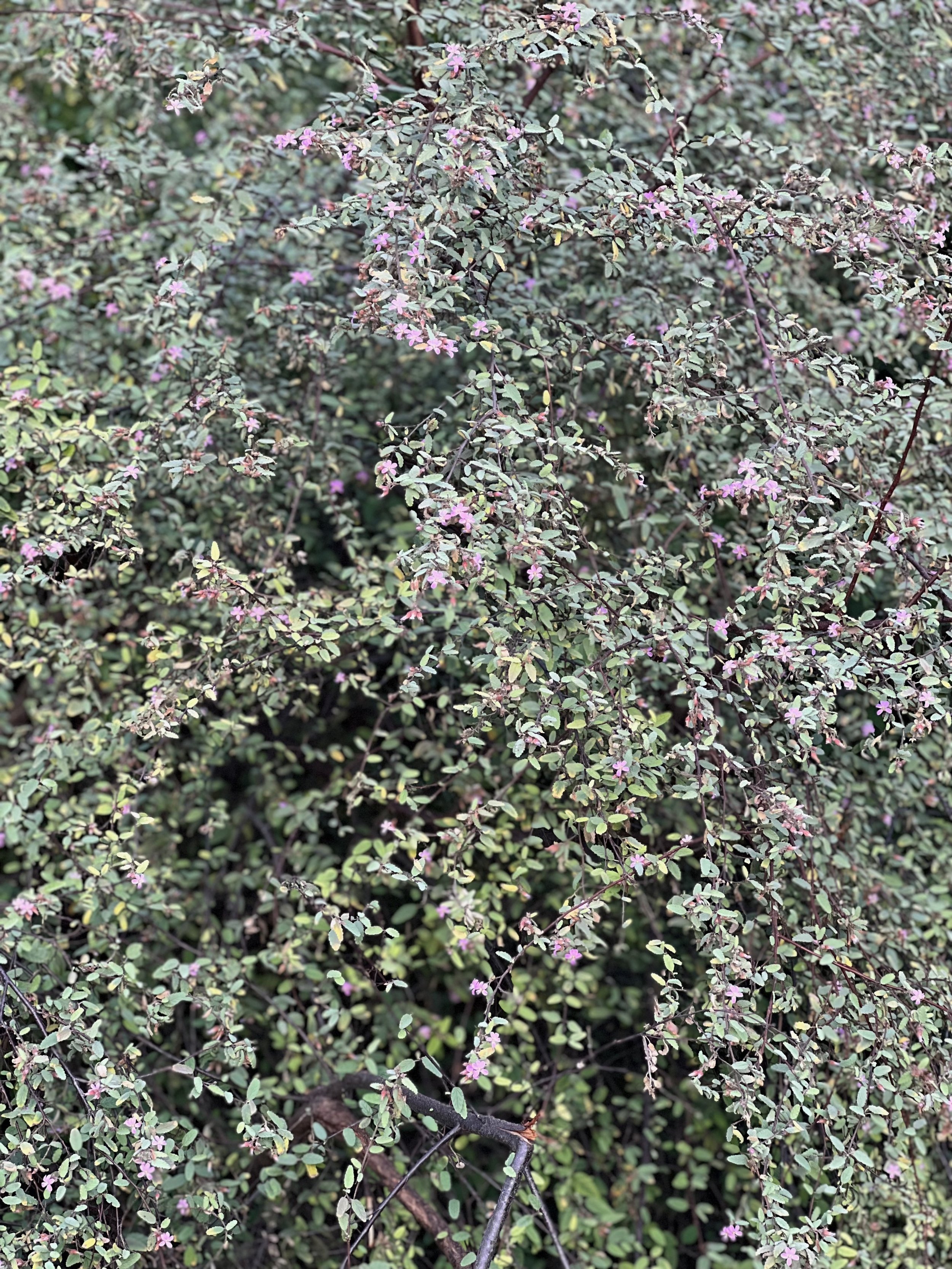
1 Grayleaf Teabush 3 gallon, Melochia tomentosa, 6ft by 6ft, second tallest plant in design
3 Coral Honeysuckle 1 gallon, Lonicera sempervirens , 3 ft by 3ft, stays under 3 ft if planted as a shrubby groundcover OR can be placed along a fence or trellis, if planted near firebush it can eventually by allowed to climb it as it gets larger
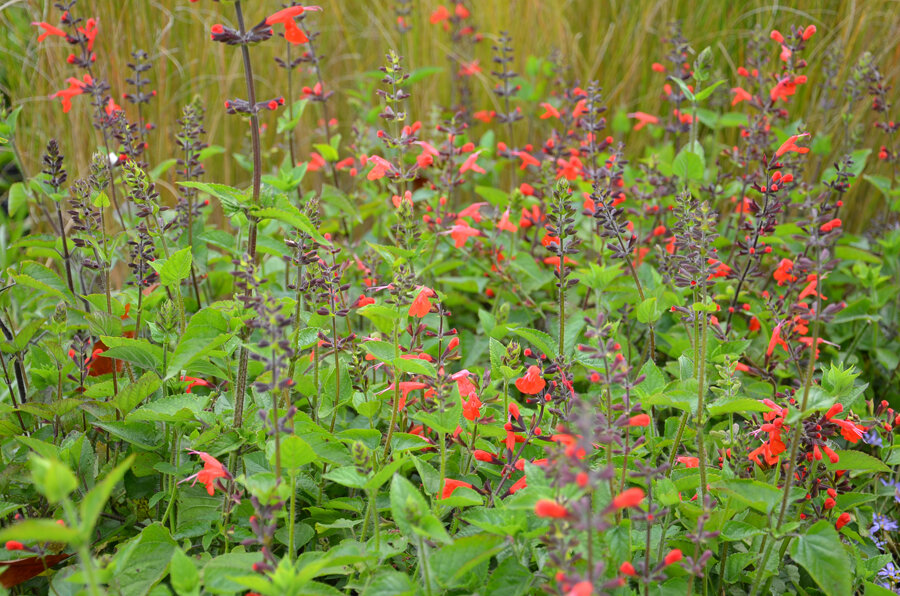
5 Red Tropical Sage 1 gallon, Salvia coccinea, 2ft by 2ft, we suggest placing together in grouping as it does seasonal reseeding
Option of florimulch or pinestraw mulch
A printed graphic design idea for plant spacing.
Preferably 4-6 hours of morning sun.
For an area approximately 15 by 20 feet.
Space the plants in a way that works in your landscape, but gauge the distance between the plants by the full width of the plants (listed below). We will include a simple design with your purchase when you receive your plants.
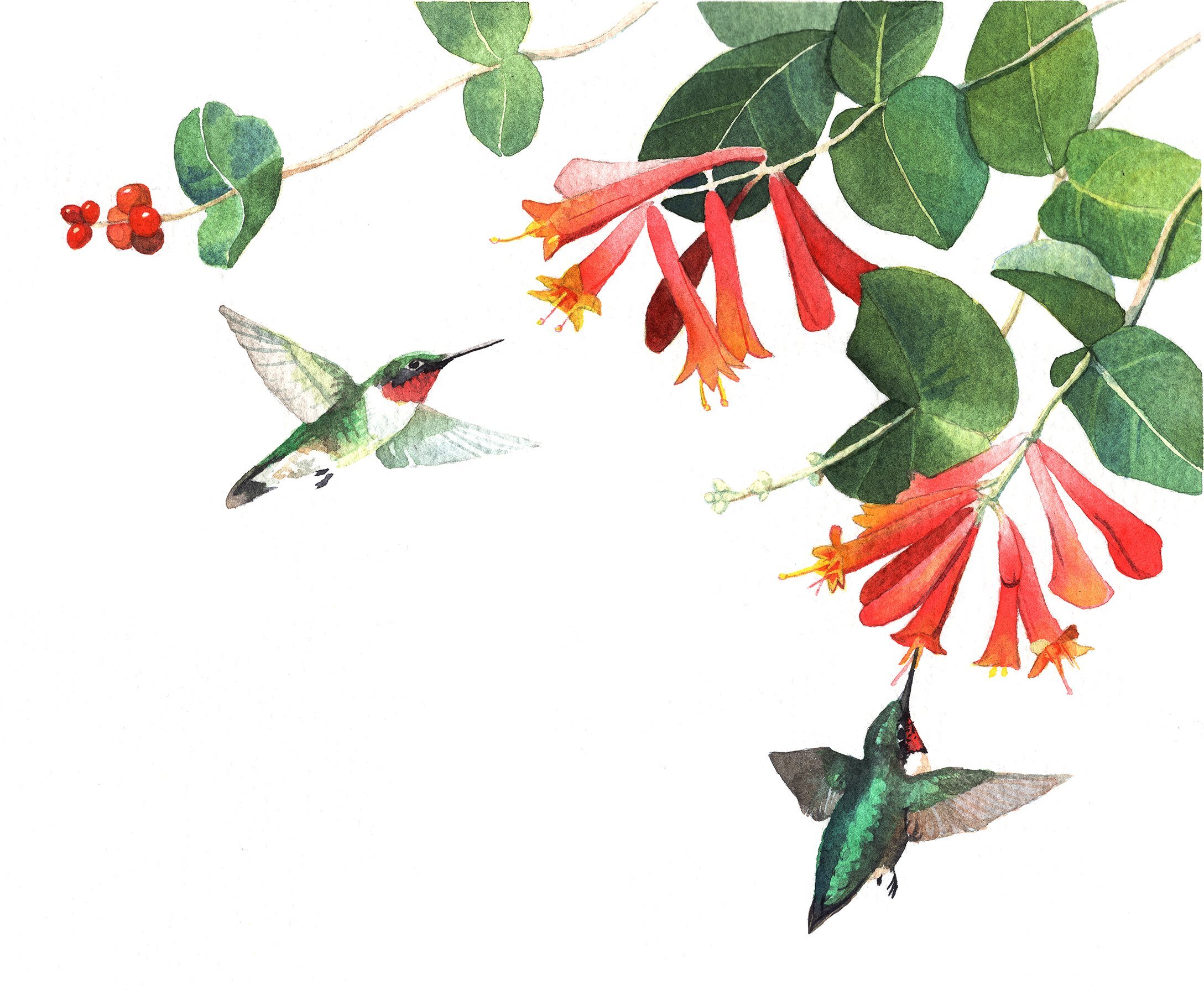
Florida Hummingbirds: Eleven different species have been observed in Florida but the most common is the ruby-throated hummingbird. There are at least two different ruby-throated hummingbird populations: the south-bound ruby-throats migrating into/through the state in fall and winter, and the north-bound ruby-throated hummingbirds coming through the state in the spring. Both spring and fall, Southwest Florida provides important feeding areas for hummingbirds who fly across the Gulf to southern wintering sites or back across the Gulf on their way to summer nesting sites in the North. They seek out native plants, their natural food supply, along their migratory routes. Typically, many birds return to the same feeding sites, so once you start getting them, you are likely to see them year after year unless the sites disappear with habitat changes in your area.
Hummingbird Garden Design: Ruby–throated hummingbirds are attracted most to nectar-rich plants with bright red or orange blossoms of tubular shape. First fill your yard with natives before adding non-native species of plants. Hummingbirds feed most comfortably from blossoms two feet or higher above the ground. An excellent planting design for a hummingbird garden follows the wildlife landscaping principle of layered vegetation.
This wild natural garden should be in a more private area of your garden where you spend the most time and where you can sit and enjoy the view.
No results match your search. Try removing a few filters.